REVIEW · JERUSALEM
Private Tour Jerusalem Old City
Book on Viator →Operated by Booqify - Amazing Jerusalem · Bookable on Viator
Jerusalem feels different when you have a plan. This private Old City walk keeps the pace human and the stories clear, starting at Jaffa Gate and moving through the places that shape Jewish, Christian, and Islamic Jerusalem. In about five hours, you get an organized route plus enough time to slow down and actually look.
Two things I really like: you enter via the Jaffa Gate approach and get context for the Tower of David area right away, and you also cover the big emotional anchor points like the Western Wall and the Via Dolorosa so the religious geography makes sense. It is not just photo stops; it is guided orientation.
One consideration: some places can be off-limits depending on day and worship schedules. The Temple Mount stop is not possible on Friday, Saturday, and Jewish or Muslim holidays, and you also need to follow strict dress rules for worship sites.
In This Review
- Key things to know before you go
- Why a private Old City tour is worth it here
- Entering via Jaffa Gate and the Tower of David area
- Temple Mount stop: powerful, but day-dependent
- Western Wall break: where the prayers are centuries old
- Holy Sepulchre and the Christian sites without getting lost
- Via Dolorosa: joining at the 3rd station and using rooftop views
- Broad Wall and the Cardo: the Old Testament meets Roman streets
- Walking through four quarters: what each neighborhood adds
- Mt. Zion, Dormition Abbey, and the Room of the Last Supper
- Dress code and site rules: do this before you leave home
- Price and value: $500 per group, not per person
- Who this tour suits best
- A standout guide moment: the Chava effect
- Should you book this private Jerusalem Old City tour?
- FAQ
- How many people can join this tour?
- How long is the Jerusalem Old City private tour?
- Where does the tour start and end?
- Do I need to pay for entrance fees?
- Is the Temple Mount stop always included?
- What is the dress code?
- Is the tour ticket digital?
Key things to know before you go
- Private, small-group feel (up to 6): you stay with just your party, not a crowd.
- Guided route through all major quarters: Armenian, Jewish, Christian, and Muslim neighborhoods are part of the same walk.
- Via Dolorosa timing at the 3rd station: you join the route where the views help you connect the dots.
- Temple Mount access depends on the day: Friday, Saturday, and holidays can block that stop.
- Dress code is real: cover shoulders and knees to avoid refused entry risk.
- Entrance fees may be on you: your guide helps you plan, but fees are not fully included.
Why a private Old City tour is worth it here
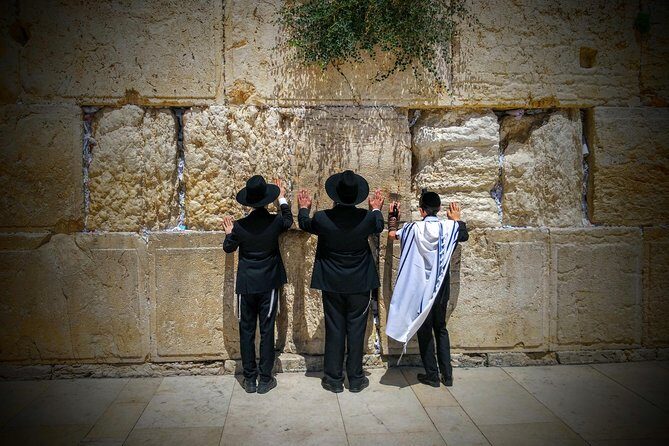
The Old City can overwhelm you fast. Streets are narrow. Signs are inconsistent. And the same few blocks can be sacred, political, and historical at the same time. A private format helps because your guide can slow down when a question matters and speed up when you just want to get your bearings fast.
This tour also works because it is built around actual movement through the city. You start at Jaffa Gate, then you walk into the Old City story instead of trying to stitch everything together on your own later. And because it is for groups up to six, it tends to feel more like a conversation than a lecture.
Finally, I like that the guide approach is personalized. The tour is designed for your group, so if you want more time at a viewpoint or less time in a busy corridor, you are not stuck with a one-size-fits-everyone rhythm.
You can also read our reviews of more city tours in Jerusalem



Entering via Jaffa Gate and the Tower of David area
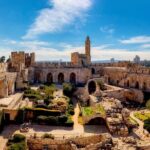
The tour kicks off at Jaffa Gate, one of the Old City’s eight gates with real historical weight behind it. The standout detail here is that once you officially enter, you pass the Tower of David, which sits over remains tied to defensive structures connected to Herod the Great’s palace complex.
That matters because it sets your mental map early. Many visitors walk into the Old City and only notice what is directly in front of them. With this starting point, you get a framework for how Jerusalem’s fortifications and power centers shaped everyday life.
Practical tip: expect a quick transition from street life outside the walls to the condensed flow inside. Wear shoes that handle lots of walking and turning corners, because your guide will keep the route moving.
Temple Mount stop: powerful, but day-dependent
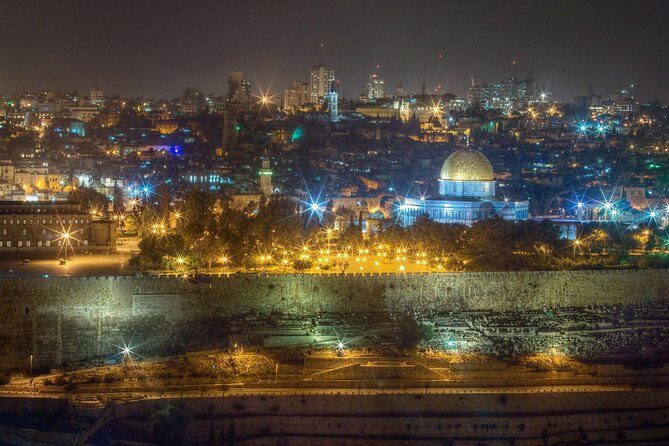
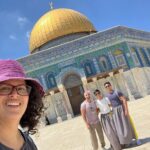
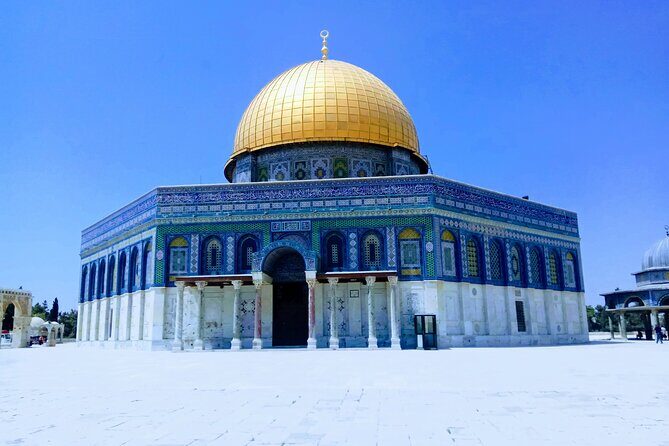
Next comes the Temple Mount area, tied in Jewish history to the site of the two Jewish Temples, and in Christian history to the Crusader era. Today, it is also associated with the Al Aqsa Mosque and the Golden Dome of the Rock Shrine.
Here is the key reality: this stop is not possible on Friday, Saturday, and Jewish and Muslim holidays. That is not a small detail. It means you should not plan your day around seeing the Temple Mount unless you book for a day the tour provider can access it.
Even when it is on the schedule, plan for security-style rules and wait times. Your best move is to treat Temple Mount as the big “maybe” item and be ready with a flexible mindset. If it is available, you’ll appreciate the context. If it is not, you will still have a full Old City loop.
Western Wall break: where the prayers are centuries old
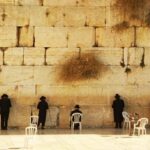
The tour then pauses at the Western Wall, also called the Kotel or the Wailing Wall. This is one of the world’s most significant sites for Jewish prayer, with centuries of tradition tied to the wall.
What makes this stop valuable on a guided private route is the framing. The guide can explain what you are seeing and why it matters, so you are not just standing there guessing at meaning. It is also easier to manage your time here because you are not competing with the widest possible tour groups.
Practical tip: this is a site that benefits from quiet attention. Even if you are thinking historically, take a few minutes to observe the flow of worship and respectful behavior.
Holy Sepulchre and the Christian sites without getting lost
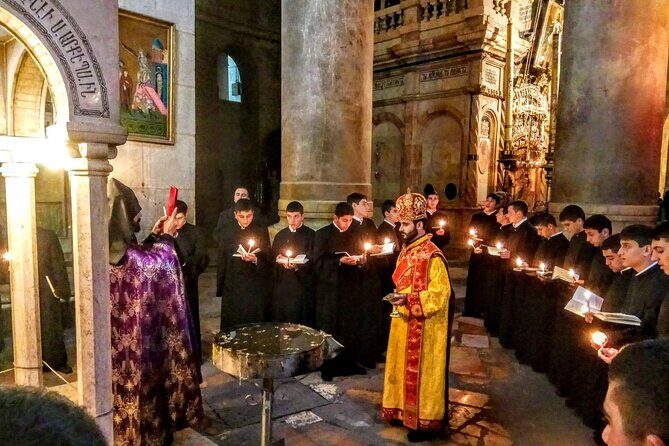
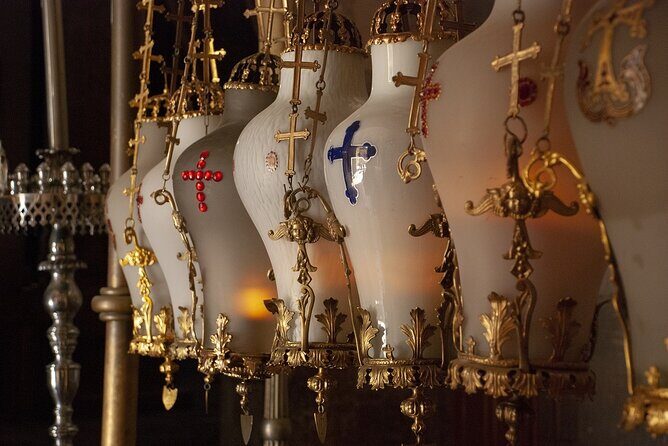
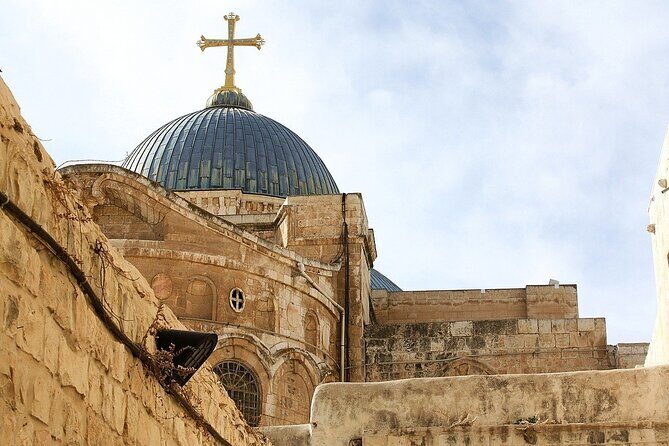
From the Jewish quarter of the Old City story, the tour moves toward Christianity’s most important area: the Church of the Holy Sepulchre. In Christian tradition, it is connected to the crucifixion on Golgotha and the nearby tomb where Jesus is believed to have been buried. The site is also linked to the idea of resurrection, which is why the Tomb of Resurrection became such a central place of faith.
This is the kind of stop where a guide adds real value. The church complex is known for being confusing even when you are looking directly at it. With a private guide, you can follow the logic of the story and focus on the key places without spending half your time trying to figure out which doorway leads where.
Time-wise, the stop is designed as a short visit, not a full deep visit. If you are the type who wants to linger and read every plaque, you might want to bring that energy for later, but for most first-timers the guided structure helps you leave with a coherent understanding.
You can also read our reviews of more private tours in Jerusalem




Via Dolorosa: joining at the 3rd station and using rooftop views
The tour’s Via Dolorosa segment focuses on the route associated with Jesus’ path on the way to crucifixion. Instead of trying to start at the very beginning of the street ritual, you join the route at the 3rd station.
Why that helps: it is a built-in story checkpoint. You arrive after a viewpoint moment too, which makes the route feel connected rather than random. The tour includes a breathtaking rooftop view at the Mount of Olives from the Austrian Hospice, and that can help you understand the Old City’s layout and scale.
Then you continue along the Way of the Cross with your guide. For many people, the most meaningful part is not just the theology. It is the way the streets, turns, and crowd patterns shape how you experience the path.
Practical tip: dress code still applies in places of worship. Also, this area can be busy at peak times, so comfortable shoes and patience help.
Broad Wall and the Cardo: the Old Testament meets Roman streets
Two stops in the walk bring the city’s timeline together in a satisfying way.
First is the Broad Wall, described in connection with Hezekiah from the 7th century BC and a story of Jerusalem being saved from destruction. Even if you do not know the details beforehand, this stop acts like a bridge between the biblical narrative and what is physically present in the city.
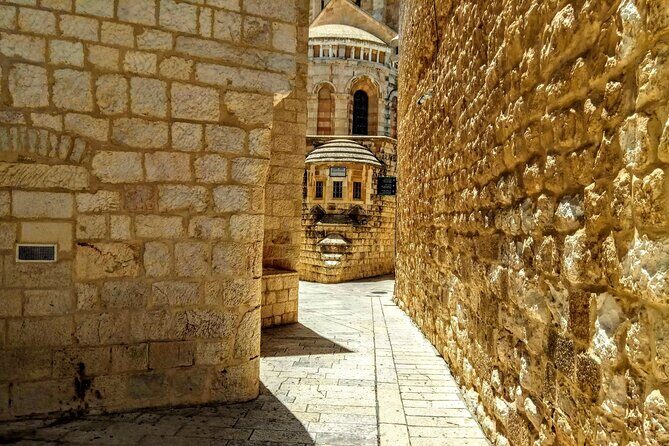
Next is the Cardo, located in the Jewish Quarter. This Roman main street served as a central artery for centuries, where commercial and social life flowed. Instead of treating Jerusalem as only layered religious sites, the Cardo helps you remember that real people lived here, traded here, and gathered here.
What I like about combining Broad Wall and the Cardo in one tour: the city stops feeling like separate chapters. You start to see continuity—how roads and walls reflect shifting powers, beliefs, and daily needs.
Walking through four quarters: what each neighborhood adds
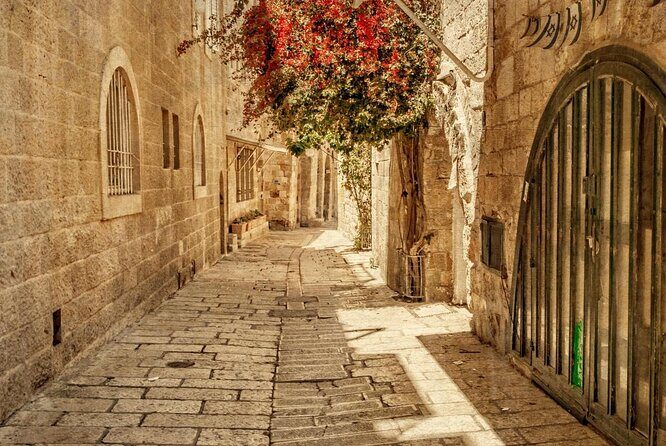
One of the best parts of the experience is that you do not just skim one side of the Old City. You move through multiple quarters so you see different architectural styles, street textures, and everyday rhythms.
Here is how the tour frames it:
- Armenian Quarter: a distinct one of the Old City’s four quarters, visited as a guided stop.
- Jewish Quarter: explored for about an hour, giving time to understand the area’s role and significance.
- Christian Quarter: also about an hour, which helps you experience more than just one famous church stop.
- Muslim Quarter: about an hour as well, balancing the religious map and your overall understanding of the Old City.
The value of doing all four is practical. If you only choose one quarter to explore, the city can feel one-dimensional. With a route like this, you get the sense of Jerusalem as a shared space with layers of life.
Practical tip: bring a flexible pace mindset. These are not museum hallways. It is real streets, real movement, and real crowds at times. A private guide helps you navigate calmly and keep the story straight.
Mt. Zion, Dormition Abbey, and the Room of the Last Supper
The highlights also point you toward Mt. Zion, with biblical tales tied to that area. You also visit the Dormition Abbey and a nearby Room of the Last Supper.
Even though these stops are not listed in the walking-by-the-wall order above, they are part of what makes the tour more than a single-day religious sightseeing loop. Mt. Zion is often where visitors feel they start connecting the larger arc: not only locations, but how faith traditions overlap in space and memory.
If you care about context, this is one of the most important value-add pieces. You are not just stepping into one tradition’s site. You are experiencing a route where multiple traditions have claims, histories, and deeply felt meanings.
Dress code and site rules: do this before you leave home
This tour includes a clear dress code requirement for places of worship and selected museums: no shorts or sleeveless tops, and knees and shoulders must be covered for men and women. If you do not comply, you may risk being refused entry.
That is not the kind of thing you want to solve at the last minute. Plan your outfit with a scarf or layer in mind so you are not hunting for a workaround inside the Old City.
If you are traveling with kids, it is even more important to think ahead. A child who feels uncomfortable in covered clothing can make the whole visit harder.
Price and value: $500 per group, not per person
The price is $500.00 per group (up to 6) for about five hours, and the tour is often booked around 19 days in advance on average. The math is simple: you are paying for guide time and a private routing service, then splitting it across your group.
So the real value question is not whether $500 sounds like a lot. It is whether you want:
- a private guide instead of joining a larger group,
- a guided route across multiple major religious and historic zones,
- and a pace that can handle questions and timing.
If you are traveling as two to six people, private tours like this can be good value because you are converting flexibility into money. If you are traveling solo, it is usually less economical than a shared group tour.
Another practical value point: you get a mobile ticket, which cuts down on ticket-printing hassle and helps on a busy day.
Who this tour suits best
This experience is a strong fit if you:
- want a first-timer-friendly orientation through the Old City’s major areas,
- prefer a private guide and small group of up to six,
- are comfortable with moderate walking (the tour is best for moderate physical fitness),
- and can follow the dress code without stress.
It may not be your best match if you have limited flexibility about day access for the Temple Mount, or if you want a very slow, self-directed wander with lots of independent exploring. The tour gives you structure, and structure is exactly what some people love and others feel boxed in by.
A standout guide moment: the Chava effect
One review detail that pops out is the praise for a guide named Chava. People highlight that she is highly attentive to getting you to the interesting corners of the Old City and that she also helped point them toward an excellent place to eat.
That kind of guidance matters more than it sounds. On a day like this, food timing can be tricky. A good guide saves you time and frustration by knowing where to send you next, especially after the Old City’s walking and focus-heavy sites.
Should you book this private Jerusalem Old City tour?
I think you should book if you want the Old City to feel understandable, not just seen. The private format plus the route across the main religious and historic zones is the core strength, and the four-quarters walking helps you avoid the common mistake of experiencing only one slice of Jerusalem.
You might skip or choose a different option if Temple Mount access is a top priority for your exact day, since it is not available on Friday, Saturday, and certain holidays. Also, if your group cannot meet the dress code, plan for entry issues in worship areas.
If your group is within the up-to-six range and you value a guided, coherent path through the Old City, this is the kind of tour that pays off fast.
FAQ
How many people can join this tour?
This is a private tour for groups of up to 6 people.
How long is the Jerusalem Old City private tour?
The tour lasts about 5 hours.
Where does the tour start and end?
It starts at Jaffa Gate hostel and ends back at the same meeting point.
Do I need to pay for entrance fees?
Entrance fees are not included and are at your own expense.
Is the Temple Mount stop always included?
No. The Temple Mount stop is not possible on Friday, Saturday, and Jewish and Muslim holidays.
What is the dress code?
You need to cover knees and shoulders. No shorts or sleeveless tops are allowed, and you may be refused entry if you do not follow the rules.
Is the tour ticket digital?
Yes, the tour uses a mobile ticket.
If you want, tell me your travel dates and group size, and I’ll help you sanity-check whether Temple Mount is likely to be available for your day.