Jerusalem is intense, but this tour makes it manageable. You get a fast orientation from the heights of Mount Scopus, then a guided route through the Old City’s most important places. I like how the day starts with big-picture views of the skyline, so the streets and religious landmarks later feel less random and more connected.
Two things I really like are the door-to-door pickup and drop-off from your hotel area and the way the guide builds context as you move. That approach shows up again in the Old City stops, where you’re not just looking at sites—you’re getting a clear explanation of what you’re seeing and why it matters. Group size is capped at 40 travelers, so it stays organized.
One possible drawback: the schedule is tight. You get solid time at each major stop, but if you want long, slow wandering—especially around crowded holy sites—you may feel time pressure.
In This Review
- Key highlights you’ll care about
- A one-day Jerusalem plan that actually works
- Mount Scopus and the view that sets the tone
- The Garden of Gethsemane area and the week-specific switch
- Entering the Old City via Zion Gate
- The Cardo and the Jewish Quarter: old streets with real continuity
- Western Wall (Kotel): the prayer moment that lands hardest
- Christian Quarter: short stops that explain the map
- Via Dolorosa to the Church of the Holy Sepulchre
- Muslim Quarter and the bazaar atmosphere
- Yad Vashem: finishing with memory and moral clarity
- What you get for about $89 and how the day is paced
- Who this tour is a good match for
- Should you book this Holy Jerusalem full day tour?
- FAQ
- How long is the Holy Jerusalem Full Day Tour?
- Does the tour include hotel pickup and drop-off?
- What major sites are included in the Old City route?
- Is food included?
- What happens if I’m traveling on Friday, Saturday, or a Jewish holiday?
- Are children allowed?
- What is the group size?
Key highlights you’ll care about
- Mount Scopus orientation views to place the Old City in context before you enter the maze of streets
- Western Wall prayer moment (Kotel) with a chance to leave a note between the stones
- Old City route design that covers Jewish, Christian, and Muslim areas in one pass through the Old City
- Via Dolorosa and Church of the Holy Sepulchre as a single, guided religious corridor
- Yad Vashem finish that gives the Holocaust memorial part of the day real weight
- Friday/Saturday and Jewish holiday swap if the Holocaust museum is closed
A one-day Jerusalem plan that actually works
If you only have about a day in Jerusalem, the hard part is not finding sights. It’s fitting them together without losing the thread. This full-day tour is built for that problem. You start outside the Old City with a panoramic overview, then you step into the Old City through Zion Gate and work your way through key neighborhoods: Jewish Quarter, Cardo, Western Wall, Christian Quarter, Via Dolorosa, Muslim Quarter, and then you finish with Yad Vashem.
The value here is not just that it lists big landmarks. It’s the flow. The route gives you a sense of how these places relate geographically and historically, and the guide keeps explaining while you’re there—so you don’t end the day feeling like you collected photos without meaning.
A few more Jerusalem tours and experiences worth a look


Mount Scopus and the view that sets the tone
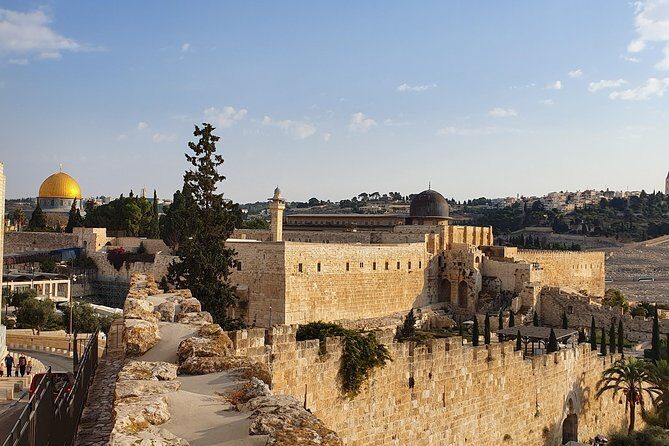
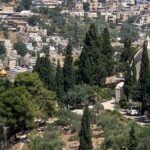
The tour begins at the David Citadel Hotel area, and the first stop is Mount Scopus National Botanical Garden. Even though this isn’t the Old City, it’s the right first move. The overlook gives you a high-level view of Jerusalem’s skyline and helps you understand what you’ll be seeing later when you enter the Old City.
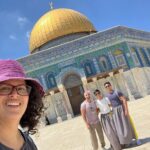
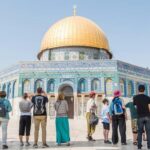
From here, you also get a look toward major sacred sites. The itinerary notes a photo moment involving the golden Dome of the Rock from the Temple Mount area. You’ll also see a reference point to a 3,000-year-old Jewish cemetery from the viewpoint.
This start tends to be where the day becomes easier. Once you’ve seen the overall layout from up high, the Old City route feels more logical when the streets get busy. I especially like this kind of beginning when I’m short on time, because it helps you get your bearings fast.
Practical tip: Bring sunglasses and plan for changing light. The day moves from open viewpoints to shaded stone streets.
The Garden of Gethsemane area and the week-specific switch
After Mount Scopus, the tour passes by several key places on the way down toward the Old City. You’ll go by the Garden of Gethsemane area and the Kidron Valley, which are both part of the broader landscape people associate with Jerusalem’s sacred stories.
One important detail is how the tour handles closures. On Friday and Saturday and Jewish Holidays, the Holocaust museum is closed. Instead, the plan includes a visit to the Church of All Nations at the Garden Gethsemane, plus King David’s Tomb and the Hall of the Last Supper on Mount Zion.
So, if your travel dates land on those days, don’t worry: the tour adapts. You just get a different final focus instead of Yad Vashem.
Consideration: If Yad Vashem is your top priority and you’re traveling on a closure day, check the schedule when you book so you know what you’ll see instead.
Entering the Old City via Zion Gate
Next comes the heart of the tour: the Old City of Jerusalem. You enter through Zion Gate, which helps you transition from scenic roads into the stone-and-crowd world of the Old City.
This part includes an approx 2-hour stretch for Old City touring, and the itinerary walks through several neighborhoods rather than only focusing on one religious site. You’ll pass by the Armenian Quarter on the way in.
I like this approach because it avoids the single-track “see one church, see one wall, go” feeling. Even if you’re most interested in one tradition, it helps to see how neighborhoods sit next to each other and how the streets change character block by block.
Practical tip: Wear shoes you can stand in for a while. The tour timing is realistic for a day, but you’ll still be on your feet.
The Cardo and the Jewish Quarter: old streets with real continuity
Once you’re inside, the tour shifts to the Cardo—the ancient main street often linked to Byzantine-era urban life. The itinerary notes the Cardo is about 1,500 years old, and this is a stop that’s more than a quick photo. Walking the Cardo is one of those “you’re in the same corridor people used to use” moments.
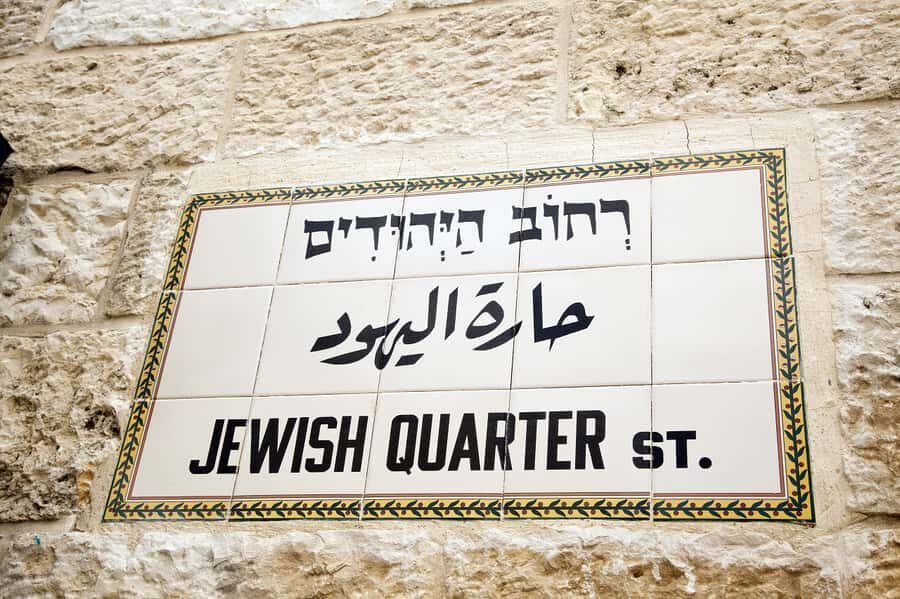
From there, you move through the Jewish Quarter. The stop time is brief, but you’re moving in a guided way. The point is to let you recognize major areas while the guide provides context for what you’re seeing.
If you like city layers—how one era is built over another—this section helps you connect the modern Old City experience to older street patterns. The Cardo works as a bridge between the gate-entry stage and the Western Wall moment that comes next.
What to watch for: Stone details and street layout. If you look up and scan, the Cardo feels more meaningful.


Western Wall (Kotel): the prayer moment that lands hardest
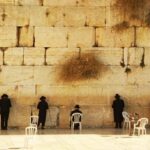
Then you reach the Western Wall, also called the Kotel. This is one of those stops where even if you’re not religious, you’ll feel the gravity of the place. The tour notes that Jews have prayed here since the Temple’s destruction in 70 CE, and it also points out that the wall area was built as a supporting structure associated with King Herod’s Temple complex.
Here you’re given about 20 minutes at the Kotel. A key feature of the tour is that you can join other visitors and place a prayer note between the stones.
This is often where the tour feels most “real.” The prayer-note tradition turns the visit into more than sightseeing. You’re participating in a practice people treat with care and intention.
Consideration: The area can be crowded, and security/pace may affect how long you actually spend right at the wall. Your best strategy is to arrive calm and let the guide help you get oriented quickly.
Christian Quarter: short stops that explain the map
After the Jewish Quarter and the Kotel, the itinerary moves into the Christian Quarter. You get an approx 30-minute stop here for the tour’s main Christian sites in that area.
From my perspective, this portion succeeds because it stays tied to direction and explanation. Instead of making you figure everything out yourself inside a maze of churches and courtyards, you follow a route and understand the significance as you go.
Then the tour heads to the next major corridor: Via Dolorosa—often called the Way of the Cross—followed by the Church of the Holy Sepulchre.
Even if you know the basic story, this is where a guide helps with pacing. You want to know what you’re stepping into and why certain spots matter, because the physical layout can be confusing without context.
Via Dolorosa to the Church of the Holy Sepulchre
The Via Dolorosa stop is timed at about 30 minutes, with the tour framing it as part of the Way of the Cross and linking it to the Church of the Holy Sepulchre.
From there, you visit the Church of the Holy Sepulchre for about 30 minutes. The tour description emphasizes that it’s built on the site associated with Jesus’ crucifixion and burial.
This combo—Via Dolorosa first, then the Holy Sepulchre—matters because it turns a long religious route into a clear sequence. You’re not just jumping between distant monuments. You’re traveling a narrative arc in one day.
Practical note: These sites can be busy. Keep expectations realistic: your time is enough for a meaningful visit with guidance, but not enough for a slow, lingering study of every chapel.
Muslim Quarter and the bazaar atmosphere
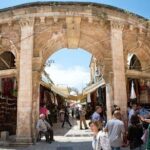
Next is the Muslim Quarter, including time to walk through the area and a visit to the lively bazaar. The stop is around 20 minutes.
This part gives you contrast. After the heavier religious stops, the bazaar scene brings everyday life back into view. Even if you don’t plan to shop much, it helps you remember Jerusalem isn’t only sacred sites—it’s also neighborhoods where people live, trade, and move through daily routines.
What you can do with this stop: Use it to snack if you want (food isn’t included on the tour) and pick up water. It’s also a good moment to observe how the Old City feels when the tour group moves through at a slower pace.
Yad Vashem: finishing with memory and moral clarity
The last stop is Yad Vashem – The World Holocaust Remembrance Center, with about 1 hour 30 minutes. The tour description is very clear about what you’re there for: artifacts and photographs documenting discrimination, persecution, and the annihilation of Jewish communities across Europe, plus recognition of Righteous Among the Nations—people who risked their lives to save Jews.
This is a powerful finish because it shifts the day from old sites and religious storytelling into modern history and human suffering. It also changes the emotional tone of the day in a helpful way. After hours of sacred places, ending at a memorial grounds the trip with something harder to ignore.
Consideration: Children under 10 are not allowed inside the Holocaust museum, so this ending may not work the same way for families traveling with younger kids.
Practical tip: If you’re sensitive to heavy topics, give yourself a moment before entering and plan to step out briefly if you need to.
What you get for about $89 and how the day is paced
For around $89 and about 8 hours (approx.), the big value is that you’re paying for three things:
- A professional guide who keeps the story straight while you move through multiple neighborhoods
- An air-conditioned vehicle that handles transit between stops
- Hotel pickup and drop-off, so you’re not spending your day figuring out buses or taxis with time pressure
The tour also operates with a mobile ticket, and the group cap of 40 travelers keeps it from turning into a chaotic school-trip line.
Also worth noting: the itinerary lists admission as free for all the named stops. That doesn’t mean you’ll never have lineups or delays—Jerusalem can be busy—but it reduces surprise costs during the day.
Where the pacing can feel tight: Many stops are around 20–30 minutes. That’s enough time for a guided visit and a few photos, but not enough if you want to turn each site into an extended self-guided museum tour.
Who this tour is a good match for
This is a strong choice if you:
- Have one day and want the top Jerusalem landmarks in a logical order
- Want context more than wandering
- Prefer hotel pickup/drop-off to save time and hassle
- Are comfortable with a schedule that moves briskly between major sites
It may be less ideal if you want:
- Long, independent time in any single place (you’ll be on a set route)
- A very kid-friendly Holocaust museum visit for children under 10 (the museum restriction matters)
Should you book this Holy Jerusalem full day tour?
If you’re trying to see a lot without getting lost, this tour is easy to recommend. The best part is the structure: start with a high overview from Mount Scopus, then follow a guided corridor through the Old City’s major religious areas, then end with Yad Vashem so the day finishes with real historical weight.
Book it if you want a guided orientation you can build on for the rest of your trip. Consider alternatives—or at least manage expectations—if you need long quiet time at any one site, or if Yad Vashem timing is critical for your travel dates.
FAQ
How long is the Holy Jerusalem Full Day Tour?
The tour runs about 8 hours (approx.), with multiple stops inside and around the Old City plus a final visit to Yad Vashem.
Does the tour include hotel pickup and drop-off?
Yes. The tour includes hotel pickup and drop-off from Jerusalem hotels, plus transportation in an air-conditioned vehicle.
What major sites are included in the Old City route?
You’ll visit the Old City highlights including the Western Wall (Kotel), the Cardo, the Jewish Quarter, areas in the Christian Quarter, the Via Dolorosa, the Church of the Holy Sepulchre, and the Muslim Quarter including the bazaar.
Is food included?
No. Food and drinks are not included.
What happens if I’m traveling on Friday, Saturday, or a Jewish holiday?
When the Holocaust museum is closed on Friday, Saturday, and Jewish Holidays, the tour includes a visit to the Church of All Nations at the Garden Gethsemane, plus King David’s Tomb and the Hall of the Last Supper on Mount Zion instead of the Holocaust museum.
Are children allowed?
Most travelers can participate. The minimum starting age for the tour is 4 years old, but children under 10 are not allowed inside the Holocaust museum.
What is the group size?
The tour has a maximum of 40 travelers.