REVIEW · JERUSALEM
Old and New Jerusalem Full-Day Tour
Book on Viator →Operated by Bein Harim Ltd · Bookable on Viator
Jerusalem packs a lot into one day. This full-day tour strings together Old City icons like the Western Wall and Church of the Holy Sepulchre with a sobering stop at Yad Vashem. I like the way it starts with big-picture views before you step into the tight alleys. My only real caution: it’s a group day with crowds, so some moments can feel a bit time-boxed.
You’ll ride in an air-conditioned coach with hotel pickup and drop-off, and you’ll get a professional guide to connect the dots as you move between neighborhoods. The group size is capped at 40, which keeps it manageable, but it also means you should expect a little waiting and some bottlenecks near the holiest sites. If you’re sensitive to heat, plan ahead because you’ll be walking in sun and stone.
I think this tour is best as a first orientation in Jerusalem—especially if you want a “see the main things” day without spending hours figuring out routes and entrances. The dress code is real (knee-and-shoulder coverage), so wear something you won’t regret by 11am.
In This Review
- Key things that make this tour worth your time
- Mount Scopus view time: your shortcut to understanding the Old City
- Mount of Olives, Gethsemane, and Kidron Valley: the morning “before the crowds”
- Getting into the Old City: Zion Gate and the Cardo that built Jerusalem
- The Western Wall: prayer details you can’t really get on your own
- Christian Quarter highlights: Via Dolorosa, Stations, and Holy Sepulchre
- Muslim Quarter pause: bazaar energy without losing the plot
- Yad Vashem in New Jerusalem: the emotional center of the day
- Price and what you’re really paying for (and where value can wobble)
- How to dress and pack so you don’t lose time inside holy sites
- Is this tour a good fit for faiths and interests?
- Should you book this Old and New Jerusalem day tour?
- FAQ
- How long is the Old and New Jerusalem full-day tour?
- What time does the tour start?
- Is hotel pickup and drop-off included?
- What are the main stops in the Old City?
- What happens when Yad Vashem is closed?
- Are there dress requirements?
- Can children visit Yad Vashem on this tour?
Key things that make this tour worth your time
- Mount of Olives first: a panoramic overview so the Old City stops make sense fast
- Real Old City walking: Zion Gate into the Cardo and through multiple quarters
- Western Wall + Holy Sepulchre: two headline sites in one continuous day
- Via Dolorosa segment: you’ll track part of the Stations of the Cross route
- Yad Vashem time included: a focused 1.5-hour visit to the Holocaust History Museum
- Plan for closure swaps: on Fridays, Saturdays, and Jewish holidays, Yad Vashem is replaced
Mount Scopus view time: your shortcut to understanding the Old City

You start with a ride that leaves you close to the action, then you climb to Mount Scopus National Botanical Garden for about 30 minutes. The payoff is the view: from up here, you can actually place the Old City in your mind before you’re jostled through its gates.
This is one of those moments that makes the whole day easier. Once you’ve seen the Old City’s shape from above, the later walking stops feel less like a checklist and more like a story with geography. Admission here is free, so it’s a good use of time before the paid parts begin.
Tip: bring sunglasses and water at this stage, even if you think you’ll get it later. Jerusalem can shift from comfortable to brutally hot quickly, and you’ll be grateful you started prepared.
A few more Jerusalem tours and experiences worth a look


Mount of Olives, Gethsemane, and Kidron Valley: the morning “before the crowds”
After the viewpoint, the tour moves into the biblical-mapped side of Jerusalem. You’ll go to the Mount of Olives for an overview of the entire Old City area. It’s named for olive groves, and it’s tied to gospel events, including the moment often described as Jesus’ ascension.
Then you’ll head to Gethsemane, at the foot of the Mount of Olives. This stop is known for Jesus’ prayer night before the crucifixion, and the tour context typically frames both the garden setting and the emotional weight of what happened there. Even if you know the story already, the location helps your brain stop treating it like trivia.
From there, the day flows toward the Old City through the Kidron Valley area. This matters because it’s not just driving past scenery—you’re learning the “why here” behind the route.
One practical note: these early stops can be cooler than the late afternoon, but they’re still outside. Wear breathable layers you can adjust, and keep your shoulders and knees covered for later religious sites.
Getting into the Old City: Zion Gate and the Cardo that built Jerusalem
At the Zion Gate, you transition from modern Jerusalem into the Old City’s world of stone lanes and constant movement. The tour then focuses on the Cardo, Jerusalem’s historic main thoroughfare during the Byzantine period.
What I like about starting with the Cardo is that it sets your expectations for how the Old City actually works. It’s not a straight road with open space—it’s a corridor of life, commerce, and centuries stacked on top of each other. That makes the later quarter-to-quarter changes feel logical, not random.
You’ll spend time in the Jewish Quarter and also spend time walking through the Cardo. Even with a guide, expect the pace to be “active.” If you hate tight schedules, this is where you’ll feel it most.
The Western Wall: prayer details you can’t really get on your own
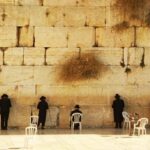
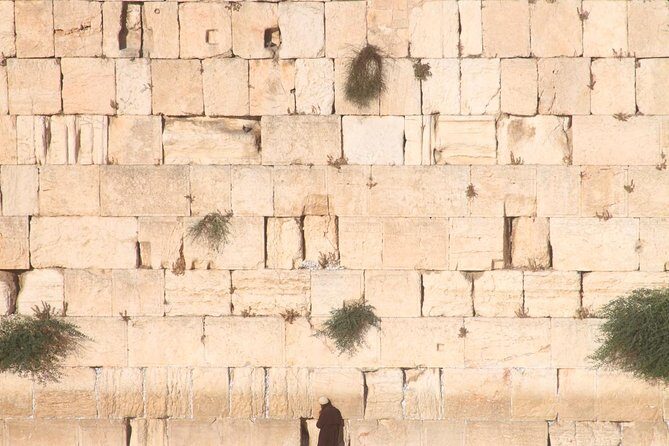
The Western Wall (also called the Wailing Wall) is one of the few places that instantly creates a hush. The tour includes time here—about 20 minutes—enough to get oriented, see the wall up close, and notice the small details that make it different from a typical monument.
A key detail: cracks in the wall are filled with prayer papers from thousands of visitors. That’s the kind of thing you might miss if you come without context. With a guide, you understand what you’re looking at, not just that it’s important.
Realistic expectation: this is a high-demand site. You’ll be moving with the group, and you may have to pause when crowds compress the walkway. If your goal is a long, unhurried prayer, consider pairing this tour with extra independent time later.
Christian Quarter highlights: Via Dolorosa, Stations, and Holy Sepulchre
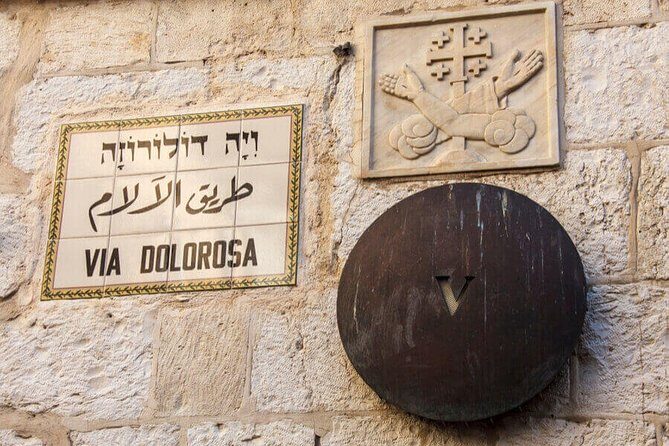
Next comes the Christian Quarter and the Via Dolorosa. You’ll explore part of the street associated with the path toward crucifixion, and you’ll look for the 14 Stations of the Cross along the way. Even if you’re not following the stations devotionally, seeing them in sequence gives your memory a spine.
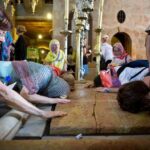
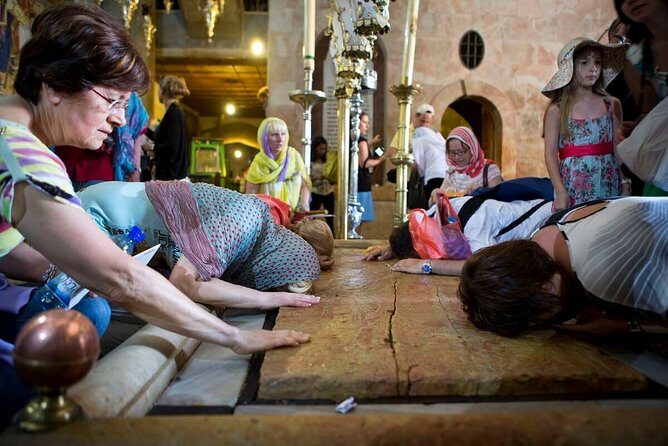
The tour then gets to the Church of the Holy Sepulchre, where tradition places the crucifixion and burial. This stop is often emotionally heavy, and time inside is limited (about 30 minutes). That can feel short, but it’s also the only way to fit in the rest of the Old City without burning the whole day in one building.
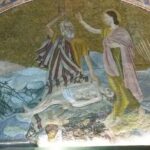
You’ll also hear about the Stone of the Anointing, where Jesus was believed to have been placed before burial. In a place like this, the difference between a quick stop and a meaningful one is knowing what you’re looking at, and the guide experience can make that jump.
Practical tip: the church is busy and can be dim. Wear shoes that you can stand in for a while, and keep your phone brightness low so you don’t blind yourself in the darker corners.



Muslim Quarter pause: bazaar energy without losing the plot
The day doesn’t stay locked in one “sacred lane.” You’ll move into the Muslim Quarter and spend time exploring the lively bazaar area.
This stop helps you see Jerusalem as more than holy sites and ticketed entrances. It’s where the city’s everyday rhythm shows up—smells, sounds, and stalls—so the day feels connected to real life, not just monuments.
One word of advice: if you’re planning to shop, set a firm budget and don’t let browsing slow you down. Some group schedules can include extra shopping time that feels less useful than the religious stops. You’ll enjoy this section more if you treat it as a short cultural window, not a must-buy moment.
Yad Vashem in New Jerusalem: the emotional center of the day
The final act is Yad Vashem – The World Holocaust Remembrance Center, with admission included and about 1.5 hours on site.
This is not an “amazing photo” museum. It’s the kind of place where you slow down and let the stories land. If you’re doing Jerusalem for the history, this stop is the moral anchor of the day. You’ll move through displays that document the stories of Jewish people during World War II.
Timing matters. You’ll have a set window, so don’t expect to read every caption. Instead, pick a few sections that hit you, then let the rest be background context. It’s also why bringing a notebook (or just having a note app ready) helps—jot down themes you want to remember for later.
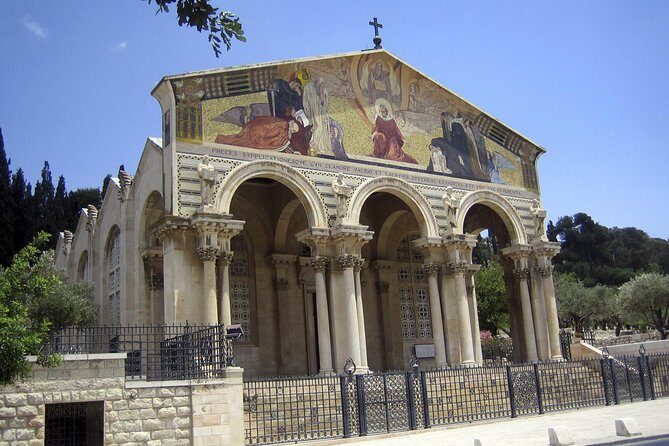
Closure swap: Yad Vashem is closed on Fridays, Saturdays, and Jewish holidays. On those days, the tour replaces it with a visit to Mount Zion (including King David’s tomb and the hall associated with the last supper tradition) and the Church of All Nations (also known as the Basilica of Agony).
Child note: entry to Yad Vashem isn’t permitted for children under 10, so families should plan accordingly. Also, this tour isn’t suitable for children under age 4.
Price and what you’re really paying for (and where value can wobble)
At $75 per person, this tour can be a strong value—if you want structure. You’re paying for an air-conditioned coach, hotel pickup and drop-off, a professional guide, and entrance fees tied to major sites. Doing all of that solo usually costs more once you factor in transport and ticketing.
Where value can wobble is in the “group day” part. Some people report pickup delays, confusion about which vehicle to board at the first area stop, and occasional language mismatches depending on the guide and group mix. If you’re the type who gets stressed by logistics, arrive a few minutes early for pickup and stay patient if the schedule loosens a little.
Also, a few shoppers note that lunch and certain stop timing can feel like a tradeoff. Food and drinks aren’t included, so you’ll want snacks or water plans. On very hot days, I’d treat water as essential rather than optional—even if the guide can’t control the weather.
How to dress and pack so you don’t lose time inside holy sites
This tour requires moderate dress for places of worship and selected museums. That means covering knees and shoulders for both men and women. Skip shorts and tank tops.
I’d pack a simple “don’t regret it” kit:
- Comfortable walking shoes with grip for uneven stone
- A light layer you can pull on for churches
- Sunglasses and sunscreen
- Water (and maybe a small snack for between stops)
If you’re prone to getting sunburned fast, this is your reminder. Jerusalem sun can be intense, and the day moves outdoors between major points.
Is this tour a good fit for faiths and interests?
Jerusalem is claimed as sacred by multiple traditions, and this tour tries to cover major landmarks across that spectrum. You’ll hit major Jewish sites like the Western Wall, Christian sites like Via Dolorosa and Holy Sepulchre, and you’ll also pass through areas tied to the wider city’s religious life.
That said, the balance can feel different depending on what you want: if you’re focused on biblical storytelling, you’ll probably want more time on the religious routes and less emphasis on construction and excavation details. If you’re focused on the city’s development and layers, you’ll likely appreciate how the tour connects sites to historical context.
Guide quality can swing the feel of the day. In past group experiences, guides like Frank, Tomer, Daniel, Avishay, and Jonathan have been praised for clear explanations and friendliness, and that can make the difference between seeing landmarks and understanding them.
Should you book this Old and New Jerusalem day tour?
Book it if you want:
- A structured one-day orientation to Jerusalem’s top sights
- A guided route that saves you from figuring out basic logistics
- Hotel pickup and entrance fees bundled into one price
- The combination of Old City walking plus a serious museum stop at Yad Vashem
Skip it (or consider a private tour) if you:
- Hate group pacing and crowded indoor spaces
- Need lots of time for slow prayer or long museum reading
- Get easily stressed by pick-up timing, vehicle changes, or language mix
If you’re going as your first full day in Jerusalem, this is exactly the kind of tour that helps you understand the city’s shape—so your later independent exploring makes sense.
FAQ
How long is the Old and New Jerusalem full-day tour?
The tour runs about 8 hours.
What time does the tour start?
It starts at 8:30 am.
Is hotel pickup and drop-off included?
Yes. Round-trip hotel transport is included.
What are the main stops in the Old City?
You’ll visit areas including the Jewish Quarter, the Cardo, the Western Wall, the Christian Quarter with time on the Via Dolorosa, the Church of the Holy Sepulchre, and you’ll also spend time in the Muslim Quarter.
What happens when Yad Vashem is closed?
Yad Vashem is closed on Fridays, Saturdays, and Jewish holidays. On those days, the tour replaces it with Mount Zion and the Church of All Nations (Basilica of Agony).
Are there dress requirements?
Yes. You need a moderate dress code for places of worship and selected museums. Avoid shorts, and keep knees and shoulders covered.
Can children visit Yad Vashem on this tour?
Yad Vashem entrance is not permitted for children under 10 years old. The tour is also not suitable for children under age 4.