REVIEW · JERUSALEM
From Jerusalem: Masada & Dead Sea Full Day Tour with Pick Up
Book on GetYourGuide →Operated by Bein Harim Israel Tours · Bookable on GetYourGuide
Masada and the Dead Sea in one day beats planning. I love the cable car ascent that gets you up to the plateau fast, and I love how the Dead Sea floating feels almost effortless. This tour also ties the places together, so you’re not just hopping between postcards.
What makes it work is the way the day is guided end-to-end, often with strong, passionate instructors like Daniel, Mischa, and Eli. You’ll get structured time on site, plus the big scenic stretches in between. One possible drawback: it’s a long 10-hour day, and the schedule gives the Dead Sea a limited swim window.
In This Review
- Key points to know before you go
- A Day That Turns Icons Into a Story
- Pick-up From Jerusalem and the Road Trip Reality Check
- Masada by Cable Car: Your Legs Thank You
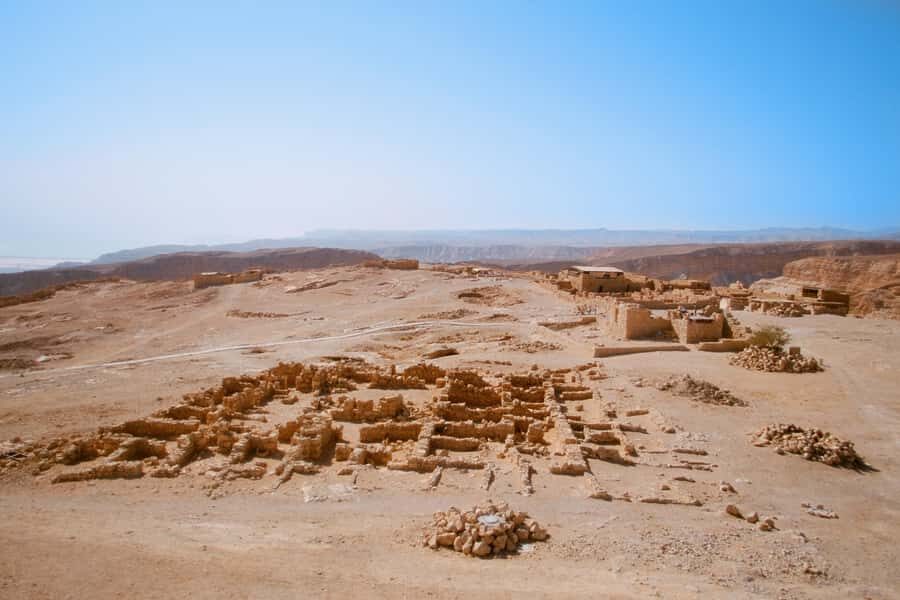
- Herod’s Fortress Walk: Palaces, Mosaics, Baths, and Cisterns
- The Dead Sea Scrolls Connection at Qumran
- Dead Sea Mineral Beach: Floating Plus Mud Bath Fun
- Timing, Comfort, and What the 10 Hours Feels Like
- Price and Value: What $111 Includes (and What It Doesn’t)
- Who Should Book This Tour
- Should You Book This Masada & Dead Sea Tour?
- FAQ
- How long is the Masada and Dead Sea full-day tour?
- Where do you get picked up and where do you get dropped off?
- What is included in the price for Masada?
- What activities are included at the Dead Sea?
- Is food and drinks included?
- Do we have time for lunch and shopping at Qumran and the Dead Sea area?
- What should I bring for the tour?
- What languages are the live guides?
- Can I cancel for free, and is it suitable for kids or wheelchair users?
Key points to know before you go
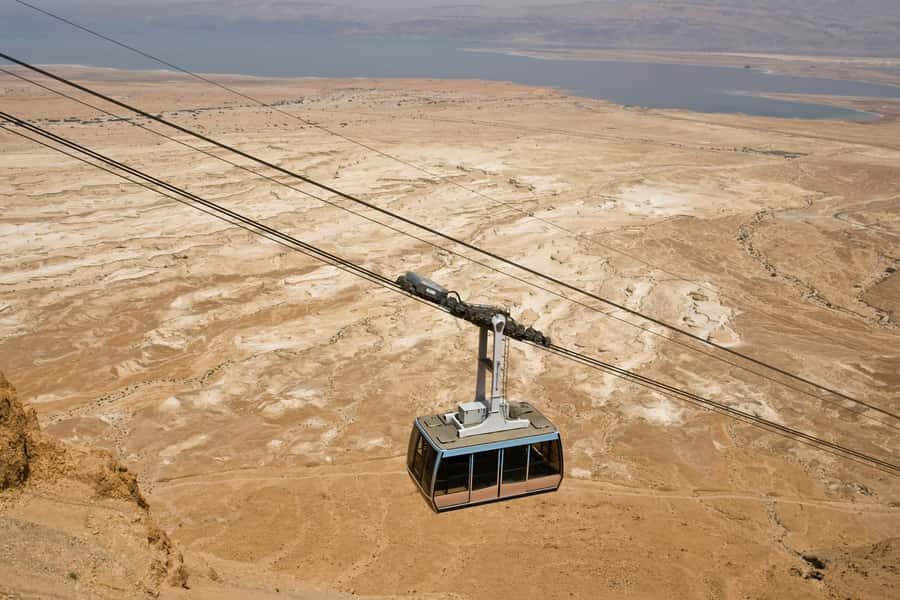
- Cable car round-trip to Masada: saves your legs and maximizes your time on the ruins.
- Masada’s fortress details: palaces, mosaics, Roman baths, an ancient synagogue, and 12 cisterns.
- Qumran stop for the Dead Sea Scrolls story: you see the area where the scrolls were found.
- Dead Sea Mineral Beach includes swimming and mud-bathing: saltwater float plus Dead Sea mud.
- Short scenic stops en route: including a roadside viewpoint tied to the Good Samaritan parable.
- A long day with real driving: great if you like a packed itinerary, tougher if you hate bus time.
A Day That Turns Icons Into a Story
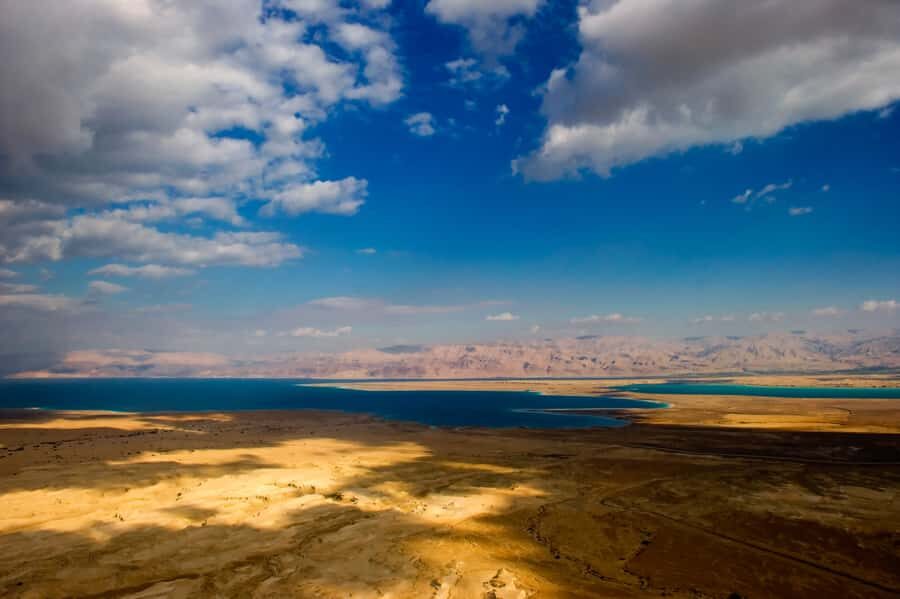
This is one of those trips where the geography does half the talking. You start in Jerusalem, then the bus line stretches down into the Judean Hills and toward the lowest point on earth, where the Dead Sea sits in its own world. Along the way, you get context for what you’re seeing, not just dates and names.
I like that Masada is treated like the main event. The schedule builds you up for it, then lets you walk through what’s left of King Herod’s complex with a guide. After that, you get the contrast: saltwater floating and mud-bathing at the Dead Sea, where the experience is physical and immediate.
The best part for most people is the combination. Masada gives you scale and tension from the ancient past. The Dead Sea gives you something you can feel in your body the minute you get in the water.
A few more Jerusalem tours and experiences worth a look
Pick-up From Jerusalem and the Road Trip Reality Check
Your day starts with pickup that depends on the option you choose, and you’ll be dropped back at one of ten Jerusalem locations at the end. That flexibility matters because it keeps you from wasting time figuring out trains or transfers while you’re on vacation.
Then you settle into the drive. Expect a full-day coach trip totaling about 10 hours, with multiple stretches on the road. That’s not “quick and easy,” but it’s also not chaotic: it’s a planned route built around getting to Masada and back with time left for Dead Sea swimming.
There are also a couple of roadside moments that add character. One is a desert photo stop area where there’s a camel ride opportunity for about 20 minutes. Another is a viewpoint tied to the Good Samaritan parable, where you get a sense of why certain spots became symbolic along this route.
Practical tip: even with an organized coach day, treat it like an all-day outing. Pack your swim kit early, because you’ll only get to relax later.
Masada by Cable Car: Your Legs Thank You
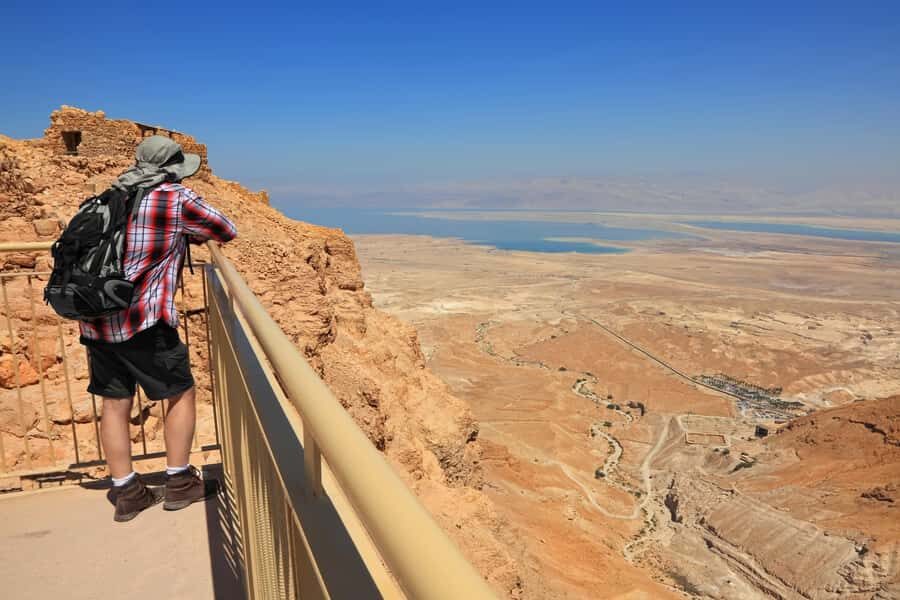
Masada is famous for its height, and that height is exactly why the cable car matters. You ride up to the plateau at roughly 1,300 feet above sea level, then get dropped near the best viewing and walking areas. The round-trip cable car is included, so you’re not scrambling for tickets or timing on the day.
I like this approach because Masada rewards attention. If you’re climbing the whole way, you burn energy before you even reach the ruins. With the cable car, you can save your energy for the guided walk and the views.
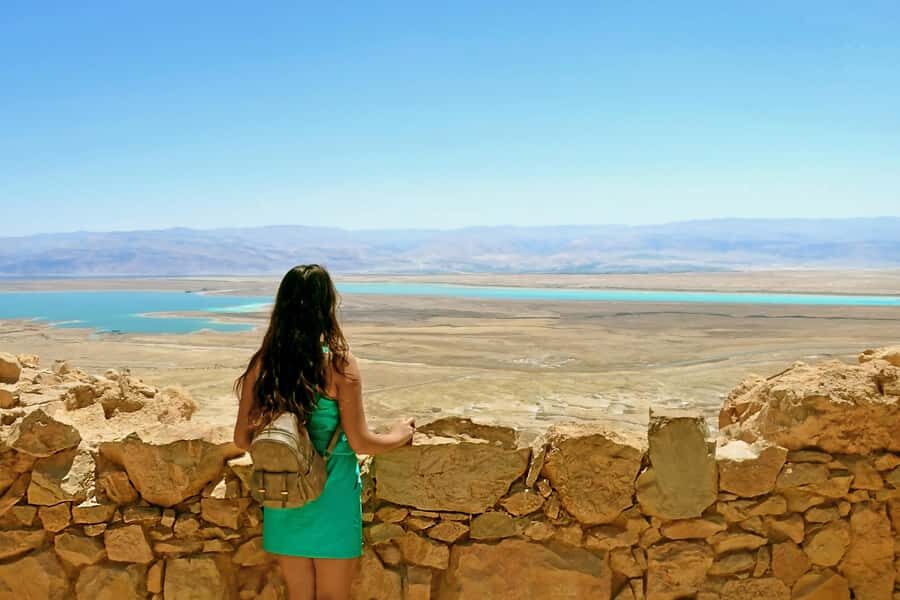
Once you’re up top, the scenery becomes part of the lesson. The route gives you panoramic views over the Dead Sea and the Judean Desert, and the guide can use those sightlines to explain why Masada was such a stronghold. You’re not just looking at stones; you’re looking at the tactics of the place.
If you’re traveling with anyone who worries about long uphill walking, this cable car is the difference between coping and enjoying.
Herod’s Fortress Walk: Palaces, Mosaics, Baths, and Cisterns
Masada isn’t a single ruin. It’s a fortified complex, and the guided time is focused on helping you understand how it worked. You’ll have about 1.5 hours for the guided tour and sightseeing on-site.
You’ll explore the remains of King Herod’s palace complex, built around 37 BC. Even if you’re not a hardcore Roman-history person, you’ll get something tangible: mosaic floors, Roman baths, and the overall layout that shows how elite life functioned inside defensive walls.
One standout detail that’s specifically worth paying attention to is the water system. Masada includes 12 water cisterns, and each had a capacity listed at 140,000 cubic feet. That’s not trivia for its own sake. It’s the kind of fact that helps you understand why the fortress could hold out, and why survival depended on water storage.
You’ll also see the oldest synagogue in Israel as part of the site’s layered story. Masada became a refuge for zealots who resisted the Romans, ending in the tragic mass suicide in 73 AD. The day’s structure matters here: your guide has time to connect the Herodian power story to the later conflict, instead of tossing it at you in one rushed line.
Bottom line: this stop is built to make the ruins feel legible.
The Dead Sea Scrolls Connection at Qumran

After Masada, the tour heads toward Qumran, with time for lunch and shopping (about 1 hour). You’re there for a specific reason: to visit the caves where the Dead Sea Scrolls were discovered.
Even if you already know the headline, the value here is how the guide frames it. The tour doesn’t treat Qumran like a quick photo stop. It’s positioned as the bridge between ancient setting and later meaning, and it’s part of why the day feels more like a narrative.
Logistically, this is also where you can reset. You’re moving from ruins and walking to a lighter stop with time to browse. Just remember the tour notes that food and drinks aren’t included, so budget for what you buy at the lunch stop.
If you like souvenirs, creams, and practical stuff, this area typically offers shopping opportunities. One of the more interesting details from past guests: there’s often a push for products linked to health and skin care, with items sold as remedies for specific conditions like psoriasis. You don’t need to buy anything to enjoy the stop, but it’s good to know what kind of shopping environment to expect.


Dead Sea Mineral Beach: Floating Plus Mud Bath Fun
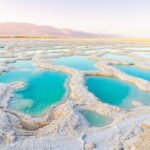
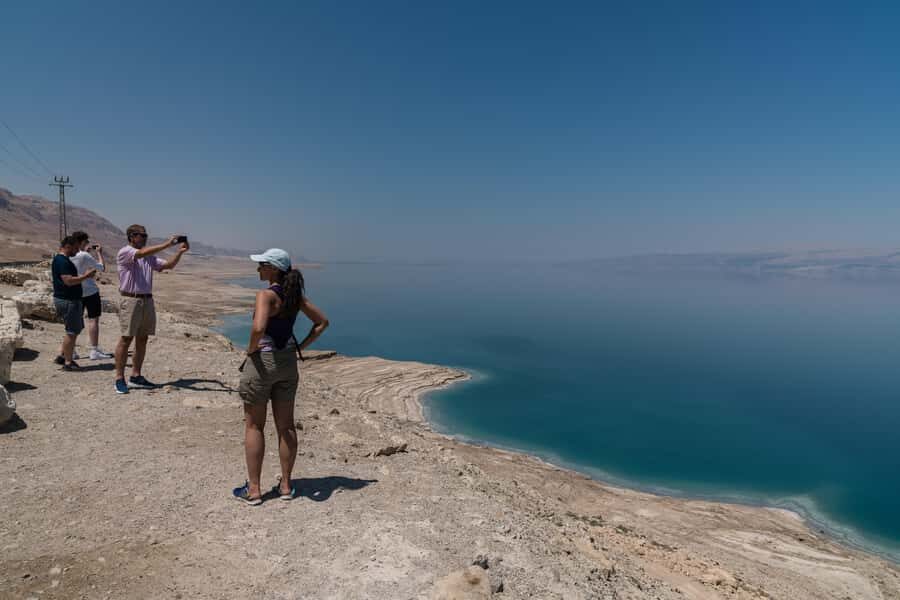
Then comes the part many people book for: the Dead Sea. The tour stops at Dead Sea Mineral Beach in the Jordan Rift Valley at the lowest point on earth. You get about 1.5 hours total for shopping and swimming there.
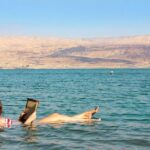
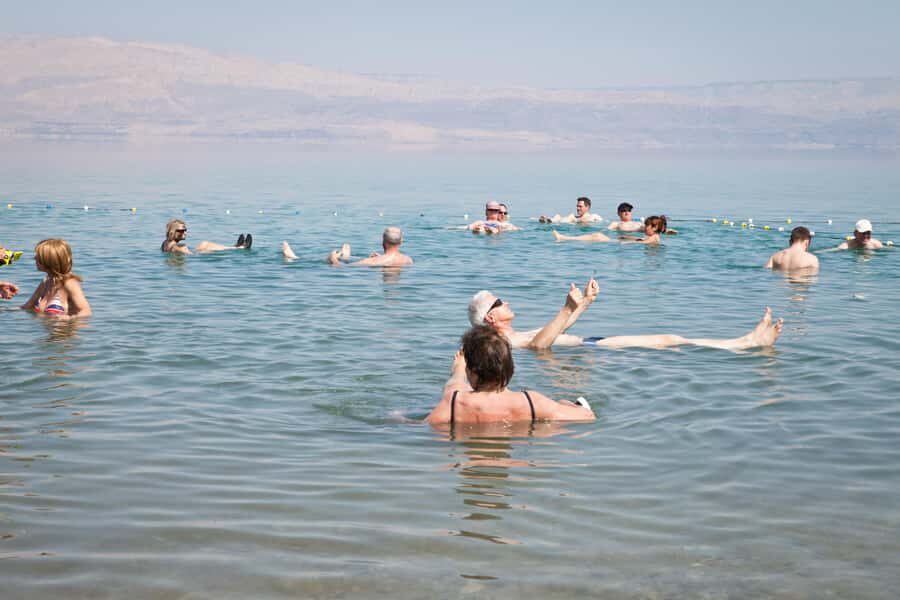
The main experience is straightforward. You’ll swim in the saltwater, and because of the high salt density, you can float with ease on the surface. This is one of those rare tourist moments where physics does the entertaining for you. You’ll also have the chance for a mud-bath, using the natural therapeutic Dead Sea mud.
A practical point: the tour explicitly tells you to bring swimwear and a towel, so don’t show up dressed like you’re heading to dinner. Bring sunglasses and a sun hat too, because you’ll be outdoors between the water and the walkways.
Now, the honest drawback: the Dead Sea portion is fun, but it isn’t designed to be endless. The total time block is limited, and the Masada side gets more structured attention. If your dream is a long, slow soak, you might feel the clock a bit. Still, for most people, the time is enough to float, mud-bathe, take photos, and get back out without stress.
Timing, Comfort, and What the 10 Hours Feels Like
This trip is about 10 hours from Jerusalem. That number matters because the road takes time, and you’re mixing walking with a saltwater break. If you handle long days well, you’ll love how efficiently it packs the big hits.
Comfort seems to be handled well by the operator. Guests have described the van and coach as comfortable, and at least one past group noted built-in USB charging for devices. Don’t assume every vehicle has the same extras, but it’s a good sign the day is planned with modern traveler needs in mind.
The guide also influences your experience a lot. Past days include guides like Dorit, Orion, Yuval, and Udi, and the common thread is that people found the explanations clear and the discussions meaningful. One guide example that stands out: Mischa was described as careful and reflective about Masada’s significance in Jewish history, which tells you the tone you should expect.
As for pace: it’s organized, but not rushed. You get a guided walk at Masada, not just a wander-and-go. You get a real block for Dead Sea time, not a quick dip.
Price and Value: What $111 Includes (and What It Doesn’t)
At $111 per person for a full-day tour, you’re paying for more than “transport to two attractions.” You’re also paying for guided interpretation, and that’s where value often shows up on trips like this.
Included items are a big deal here:
- Entry fees to Masada
- Entry fees to the Dead Sea
- Round-trip cable car
- Professional guide
- Air-conditioned coach transport
- Pick-up and drop-off
Not included:
- Food and drinks
So the value equation is pretty clear. If you’d otherwise buy Masada entry, arrange cable car tickets, and line up a Dead Sea entry plan plus a guide, you’d likely spend a similar amount anyway, and you’d do it with more stress. This tour bundles the logistics so you can focus on the sites.
One more value angle: the guide helps you connect the dots between Herod-era power, the later conflict at Masada, and the Qumran Dead Sea Scrolls context. That connection is hard to recreate when you’re solo without a guide.
Who Should Book This Tour
Book it if you want:
- Masada and the Dead Sea without the planning headache
- A guided walk through ruins that can feel confusing if you show up alone
- A day that mixes history with hands-on time in the saltwater and mud
Skip it (or consider another format) if:
- You can’t handle a long coach day with multiple stops
- You need wheelchair access (the tour is not suitable for wheelchair users)
- You’re traveling with children under 4 years old (not suitable)
Should You Book This Masada & Dead Sea Tour?
If you’re aiming for maximum impact in limited time, I think this is a strong choice. The day is structured around the essentials: Masada by cable car, a guided fortress walk with specific site features, the Qumran Scrolls connection, and then the Dead Sea experience with floating and mud-bathing.
The main reason to hesitate is also simple: it’s a 10-hour day, and the schedule doesn’t pretend the Dead Sea is a whole-day spa resort. If that trade-off works for you, you’ll likely come away feeling you saw the two headline sites in a single, well-run arc.
FAQ
How long is the Masada and Dead Sea full-day tour?
The tour duration is 10 hours.
Where do you get picked up and where do you get dropped off?
Pickup depends on the option you select, and drop-off is at 10 Jerusalem locations listed by the operator.
What is included in the price for Masada?
Entry fees to Masada and a round-trip cable car are included, along with a professional guide and transport.
What activities are included at the Dead Sea?
You’ll have time at Dead Sea Mineral Beach for shopping and swimming, and you can also do a mud-bath as part of the Dead Sea experience.
Is food and drinks included?
No. Food and drinks are not included.
Do we have time for lunch and shopping at Qumran and the Dead Sea area?
Yes. The schedule includes lunch and shopping at Qumran (about 1 hour), and shopping at the Dead Sea area during your time there (about 1.5 hours total).
What should I bring for the tour?
Bring comfortable shoes, sunglasses, a sun hat, swimwear, a towel, and your passport.
What languages are the live guides?
The live tour guide is available in English, Spanish, German, and French.
Can I cancel for free, and is it suitable for kids or wheelchair users?
You can cancel up to 24 hours in advance for a full refund. The tour is not suitable for children under 4 and is not suitable for wheelchair users.