REVIEW · JERUSALEM
Private Tour to the Culinary World of Jerusalem Market
Book on GetYourGuide →Operated by Nissim Slama - Tour Guide & Lecturer · Bookable on GetYourGuide
Your taste buds do the travel first. On this private Mah’ané Yéouda market tour, I like how Nissim Slama turns a familiar shuk stop into a story about people and migration, not just snacks. The other big win for me is the 6 to 8 tastings, which are generous enough that you can show up hungry and actually leave satisfied.
One thing to consider: this is a tasting-and-history tour, not a shopping tour. If your plan is to spend serious time browsing and buying, you’ll want to pair it with free time afterward.
In This Review
- Key Points Worth Noting
- Mah’ané Yéouda Market: Where Jerusalem Eats Like Many Places
- Meeting Nissim Slama in Front of the Mural
- Tastings That Let You Actually Eat Your Way Through the Story
- Israeli Street Food Meets Jewish World Traditions
- Learning the Market’s Internal Culture Without Getting Lost
- Why 2 Hours Works So Well for a Food-and-Culture Tour
- Price and Value: What $183 Per Person Buys You
- Who This Tour Fits Best (and Who Might Skip It)
- Should You Book This Private Culinary Tour of Jerusalem’s Shuk?
- FAQ
- Where does the tour meet?
- How long is the private tour?
- How much does it cost?
- What languages is the live guide available in?
- Is it a private group?
- How many tastings should I expect?
- What is included in the tour?
- Is shopping in the market included?
- What if I need to cancel?
Key Points Worth Noting
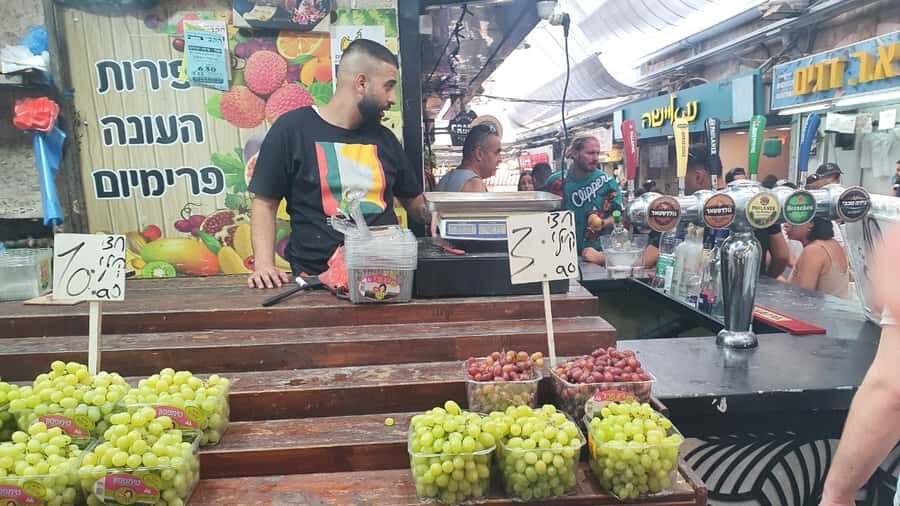
- Private, 2-hour format that keeps the focus on what matters: food, context, and conversation.
- 6 to 8 tastings so you’re not just looking at stalls—you’re sampling your way through the market.
- Nissim Slama’s local perspective that goes beyond food into daily life in Jerusalem.
- Mah’ané Yéouda as street-food kingdom, with Israeli fusion influenced by Jewish communities from around the world.
- Food as history: you’ll connect flavors to migration, culture, and changing tastes.
Mah’ané Yéouda Market: Where Jerusalem Eats Like Many Places
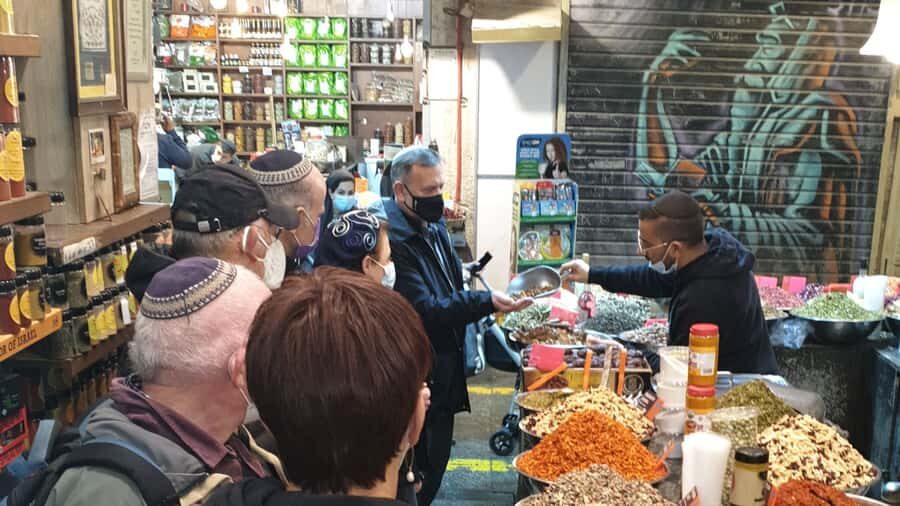
Mah’ané Yéouda is the central market of Jerusalem, and it’s easy to see why locals keep coming back. During the day, it’s the classic covered market scene with fruits and vegetables. But it also has a street-food energy—grab-and-go food, quick conversations, and the sense that the place has multiple personalities depending on the hour.
What makes this tour special is that it treats the market like a map of Jewish life across time. You won’t just read labels or point at dishes. Instead, you’ll connect what you taste to where the ingredients and styles came from—Yemen, Greece, and wider European influences are part of the story in the way Israeli cuisine developed.
I like the mindset here: food isn’t separate from culture. It’s a shortcut into how people lived, traveled, and rebuilt home. If you’ve ever wondered why Israeli food tastes the way it does—fusion without feeling random—this is the kind of explanation you can actually taste.
You can also read our reviews of more private tours in Jerusalem



Meeting Nissim Slama in Front of the Mural
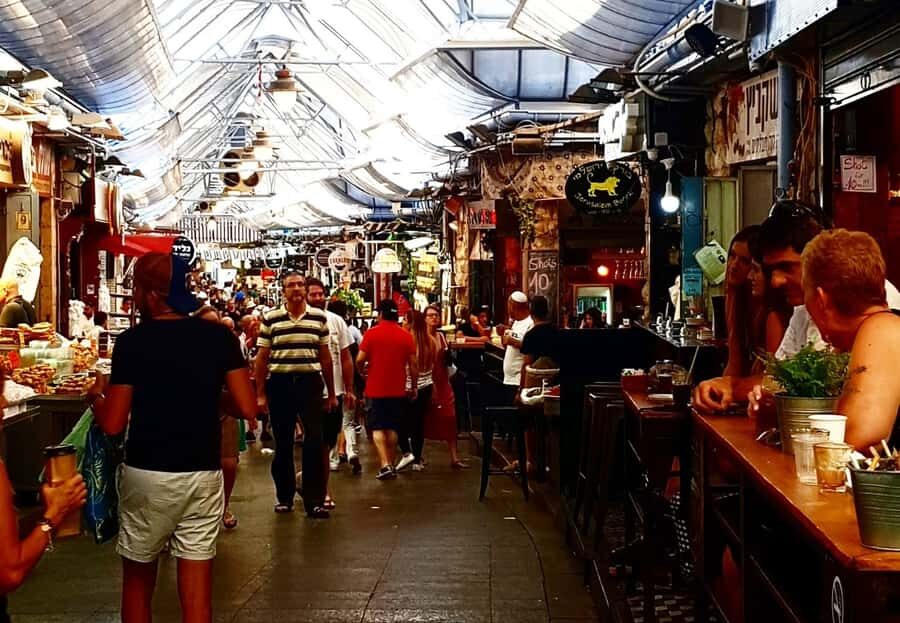
The tour meets in front of the mural. That’s simple, but it also means you should plan to arrive a bit early and be ready to spot your guide.
Your guide for this experience is Nissim Slama, listed as a tour guide and lecturer. On a private tour, that matters more than you might think, because you can ask questions as you go instead of saving them for the end. Based on firsthand feedback, Nissim also talks about life in Jerusalem, not only the food trail. That blend keeps the tour from feeling like a scripted tasting checklist.
Language options are English, French, and Hebrew, which is a big plus if you want the history explained clearly. Nothing ruins a food tour faster than realizing you only half understand the story behind what’s on your plate.
For the best experience, come with curiosity and an appetite. This isn’t about collecting photos; it’s about getting the logic of the market into your head.
Tastings That Let You Actually Eat Your Way Through the Story
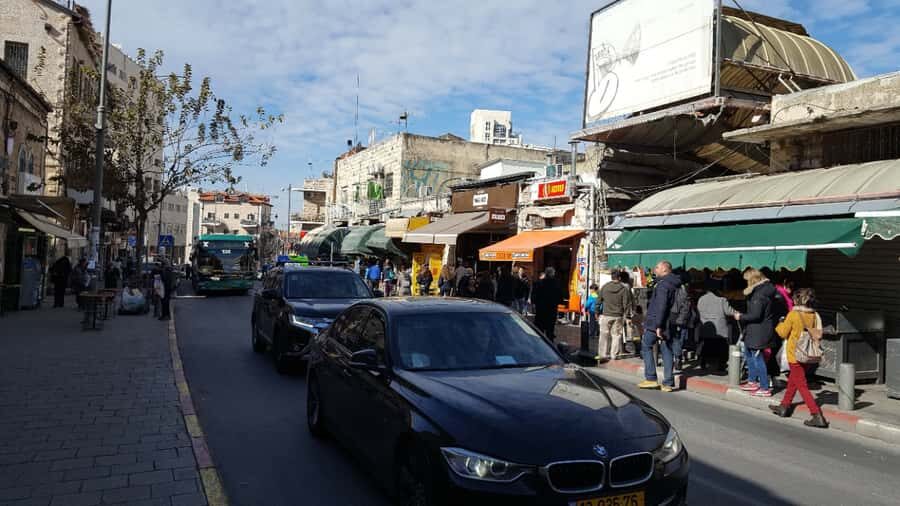
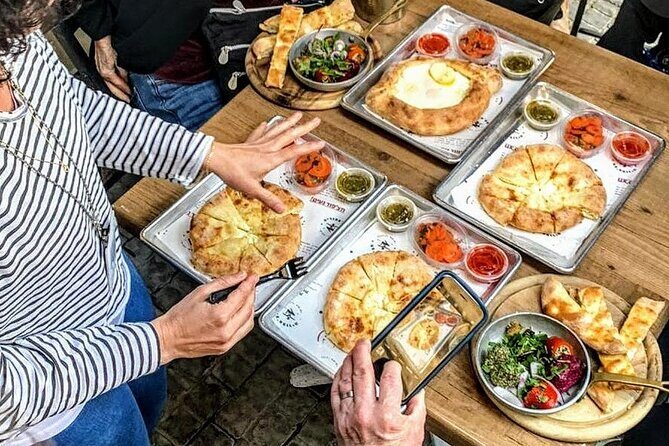
You can expect between 6 and 8 tastings during the 2-hour tour. That number is the key here. It’s enough to feel like you’re making real progress through the market, but it’s not so much that you get weighed down and lose your sense of taste.
Each tasting is paired with context: why this dish belongs in the Israeli food story, and how it connects to older traditions. This is the difference between sampling and learning. You’re not just chasing flavors; you’re learning the why behind the flavor.
The tastings are also described as a highlight for people who booked this experience. The most practical advice I can give you is: go hungry. The tour is short, and you’ll want to be ready for multiple bites, not just a snack.
Also note what’s not included: shopping in the market. That doesn’t mean you can’t buy anything, but it does mean the tour time is aimed at eating and learning—not extended browsing. If you want to shop, plan to do it before or after the tour.
Israeli Street Food Meets Jewish World Traditions
Mah’ané Yéouda is described as the market’s “kingdom of street food,” and that phrase fits the experience on the ground. The tour focuses on the kind of food you’d normally grab quickly, standing near a stall, then keep moving. That style matches how fusion food spreads in real life: through everyday eating, not fine-dining rules.
The big idea you’ll get is how modern Israeli cuisine became what it is—described as a new version of traditional Jewish cuisine, shaped by multiple cultures. You’ll make stops that take you from Jerusalem outward to influences such as Yemen and Greece, with mentions of broader European connections too.
Why does this matter for you? Because fusion can sound vague when you’re just looking at menus. Here, the tour gives you a framework: migration and community life changed ingredients, cooking styles, and tastes. Then the country’s food culture absorbed those layers into something that feels local now.
It’s also worth remembering that this is still a working market. So even when the tour talks history, you’re experiencing it in the real setting where people shop and eat. That’s what keeps the story grounded.
Learning the Market’s Internal Culture Without Getting Lost
Markets can be overwhelming fast. Lots of smells, lots of people, lots of decisions. What you’re paying for here is structure: the story of the place, the story of shops, and the internal culture that makes Mah’ané Yéouda feel like a community, not just a tourist stop.
This tour is explicitly designed to help you understand:
- the market’s history,
- its internal culture,
- and how those forces shaped what you see now.
You’ll also travel the “Jewish world” theme through food. The description frames it as traveling from Jerusalem to Yemen, Greece, and Europe, then using those connections to understand modern Israeli cuisine as it evolved. In practice, that means the tastings come with explanations that help you categorize flavors instead of treating them like random hits.
If you’ve been to Jerusalem before, this is also a strong way to see a familiar place with new eyes. One private-tour perk is that the pace can stay comfortable and tailored. You can ask follow-up questions when something clicks—like a specific ingredient, a spice mix, or a style of preparation—and your guide can connect it back to the bigger story.
You can also read our reviews of more shopping tours in Jerusalem
Why 2 Hours Works So Well for a Food-and-Culture Tour
The duration is 2 hours, and that time window is a practical advantage. You’re not committing half a day. You can fit this into a busy Jerusalem schedule without planning your whole trip around it.
A 2-hour tour also tends to keep you attentive. Food tours can go two directions: either they move fast and feel rushed, or they stretch and turn into a long list of bites. Here, the promise of 6 to 8 tastings plus guided storytelling suggests a paced balance—enough sampling to matter, short enough to keep your taste buds sharp.
I also like the private group angle because you’re less likely to get stuck in a slow-moving pack. Even in crowded markets, a private format usually means you can stop, taste, ask, and move on without the whole group deciding the pace.
If you’re doing other Jerusalem activities the same day, this is a good anchor. It gives you a cultural lens that helps your other stops make more sense.
Price and Value: What $183 Per Person Buys You
At $183 per person for a 2-hour private tour, this isn’t a budget activity. The value comes from what you can’t easily replicate on your own: structured tasting, guided history tied directly to what you’re eating, and a guide who can personalize the conversation.
Here’s how I’d think about value before booking:
- If you love food but also want context, the tastings plus explanation can feel like a deal compared to paying for a guide only for sights.
- If you’re the type who enjoys wandering markets independently and reading signs, you might find this pricey versus doing a self-guided shuk plan.
- If you want a private format—especially with English/French/Hebrew options—then the cost starts to make more sense because you’re buying time and clarity.
The sweet spot is when you want to eat well in a short window and learn how the pieces connect. That’s exactly what this tour is built to deliver.
Who This Tour Fits Best (and Who Might Skip It)
This experience is a great match if you:
- love street food and don’t mind sampling multiple small bites,
- want cultural context that connects food to history and migration,
- like private tours where you can ask questions as you go.
It’s also a good pick if you’ve been to Mah’ané Yéouda before. A guided explanation can turn familiar stalls into a new narrative.
You might skip it if you:
- hate tasting formats and prefer full meals only,
- want to spend most of your time shopping rather than eating,
- are looking for a general market walk with no structured tastings or storytelling.
Should You Book This Private Culinary Tour of Jerusalem’s Shuk?
If you want a Jerusalem market experience that’s more than browsing, I’d book it. The combination of private guide attention, 6 to 8 tastings, and Nissim Slama’s focus on the market’s story makes it a smart use of 2 hours.
My final advice is simple: come hungry, come curious, and treat the tastings like lessons you can eat. If you’re planning to buy things, do it on your own time—this tour’s job is to explain the flavors and the connection between food, culture, mentality, and history.
FAQ
Where does the tour meet?
You meet in front of the mural.
How long is the private tour?
The tour lasts 2 hours.
How much does it cost?
The price is listed as $183 per person.
What languages is the live guide available in?
The live tour guide is available in English, French, and Hebrew.
Is it a private group?
Yes, it’s a private group.
How many tastings should I expect?
You can expect between 6 and 8 tastings.
What is included in the tour?
The tour includes the story of the place and the shops, plus between 6 and 8 tastings.
Is shopping in the market included?
No, shopping is not included.
What if I need to cancel?
You can cancel up to 24 hours in advance for a full refund.