REVIEW · JERUSALEM
City of David and Underground Jerusalem Day Tour
Book on Viator →Operated by Bein Harim Ltd · Bookable on Viator
Underground Jerusalem rewires your sense of scale. I love this day for its guided walk through core Jerusalem landmarks and for how the City of David excavations connect the Bible to what archaeologists are uncovering today. The trade-off is a long 8-hour outing with lots of steps, uneven ground, and spots that can feel tight if you are not comfortable on your feet.
The best part is the guide. When you get a strong one, the tunnels, synagogues, and street layers suddenly make sense fast. I’ve heard guides like Ziv and Eitan bring the sites to life with clear explanations, humor, and lots of room for questions.
One more thing to plan: the tour has a moderate dress code for worship sites. Keep your shoulders and knees covered (skip shorts), and wear comfortable walking shoes you can stand and step in all day.
Key highlights worth your attention
- Active excavations at the City of David National Park where you see archaeological work unfolding in real time
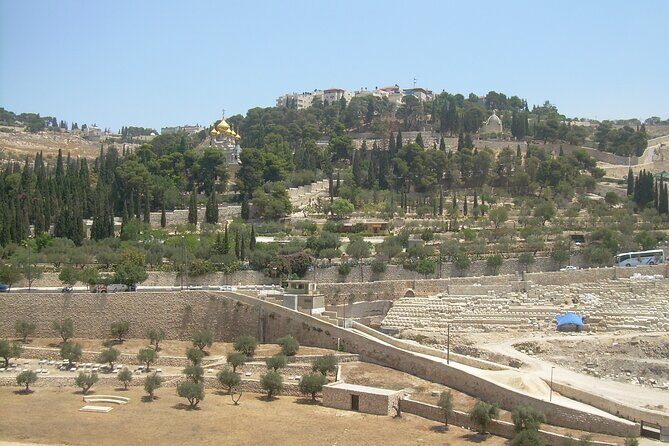
- Mount of Olives orientation views that help you understand Jerusalem’s layout before you enter the Old City
- Zion Gate (David’s Gate) and the Sephardic synagogues in the Jewish Quarter
- Western Wall plus the Byzantine Cardo gives you two major Jerusalem “time periods” in one route
- A guide can make or break the day, and strong guides often answer questions on the spot
- Long but doable pacing if you come prepared with sturdy shoes and patience for stairs
In This Review
- Mount of Olives First: Getting Jerusalem’s Shape in One Look
- Zion Gate and the Jewish Quarter: The Walk Through Community and Time
- Cardo to the Western Wall: Street Life Meets Sacred Space
- Mount Zion Stops: David’s Tomb and the Last Supper Room
- The Kidron Valley and the Gethsemane View: Small Stops, Strong Signals
- City of David National Park: Where Archaeology Takes Over the Day
- King David’s Tomb and the Sephardic Synagogues Add On-the-Spot Detail
- Pacing and Where You’ll Feel It Most
- Price and Value: What Your $89 Buys
- Who This Tour Fits Best (and Who Should Skip It)
- Should You Book This City of David and Underground Jerusalem Tour?
- FAQ
- What time does the City of David and Underground Jerusalem Day Tour start?
- How long is the tour?
- Is hotel pickup and drop-off included?
- What is the price per person and what’s included?
- Are entrance fees included in the price?
- Do I need comfortable shoes?
- What is the dress code?
- Is this tour suitable for children?
- What if the Spanish synagogues are not possible to visit?
Mount of Olives First: Getting Jerusalem’s Shape in One Look
This tour starts with a big picture moment, and it matters. Mount of Olives gives you an instant orientation view of Jerusalem, stretching your understanding beyond the Old City walls. It is also a pilgrimage hill with deep Christian connections, including events tied to the life of Jesus in the gospels. You get the view without needing to know every location name yet.
Stop one also includes time at Mount Scopus National Botanical Garden. The timing is short, but it is a good breather before you start moving into denser streets.
If you like history, this “look first, learn second” approach helps your brain. When you later walk through the Jewish Quarter and down toward the City of David, you can picture where you are on the ridge.
Bring layers if mornings feel chilly—Jerusalem mornings can change fast, and you still have viewpoints early.
Zion Gate and the Jewish Quarter: The Walk Through Community and Time
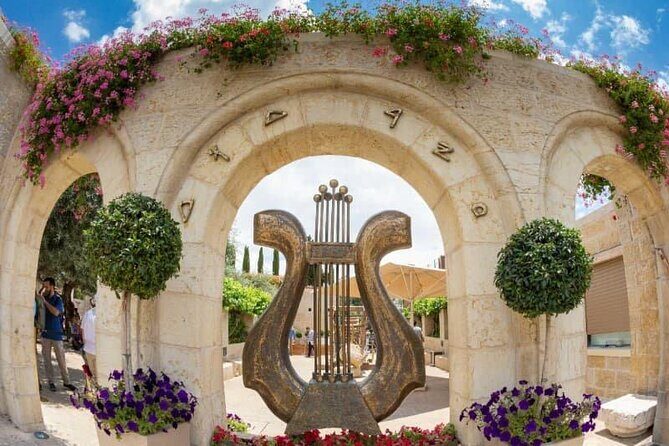
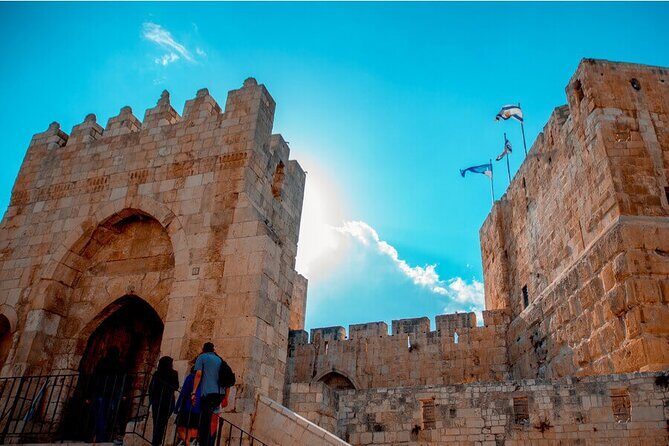
After the scenic opening, the day turns into Old City walking. You enter through Zion Gate, also known as David’s Gate, and it’s one of the fastest ways to feel the shift from modern Jerusalem into the walled neighborhoods.
From there, you move through key Old City areas:
- the Armenian Quarter for a short walk
- then into the Jewish Quarter for a longer visit
The Jewish Quarter stop is built around a major draw: the Four Sephardic Synagogues. This is not just one church-like building you rush past. You are visiting a set of four interconnected synagogues built in different periods to serve a Sephardic Jewish community with changing needs over time.
Even if you do not read religious architecture every day, you’ll appreciate what this set of buildings communicates: Jerusalem’s layers are not abstract. They are practical. People lived, worshiped, and adapted here in a crowded place with a long timeline.
Tip for the synagogues: dress code matters. Knees and shoulders covered is not optional if you want to avoid getting turned back.
You can also read our reviews of more city tours in Jerusalem



Cardo to the Western Wall: Street Life Meets Sacred Space
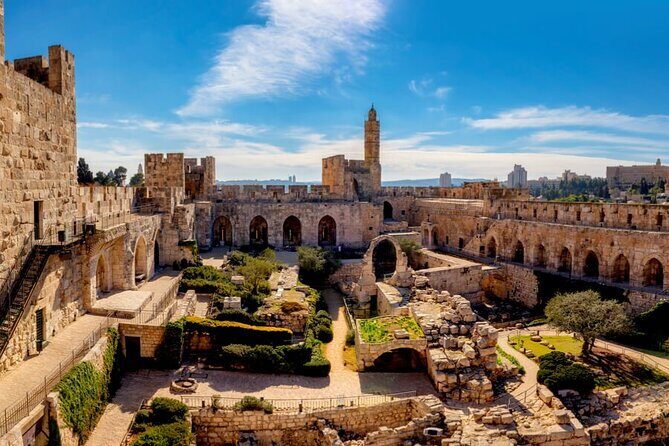
Next, the itinerary leans into famous Jerusalem landmarks that also work as “navigation tools” for history.
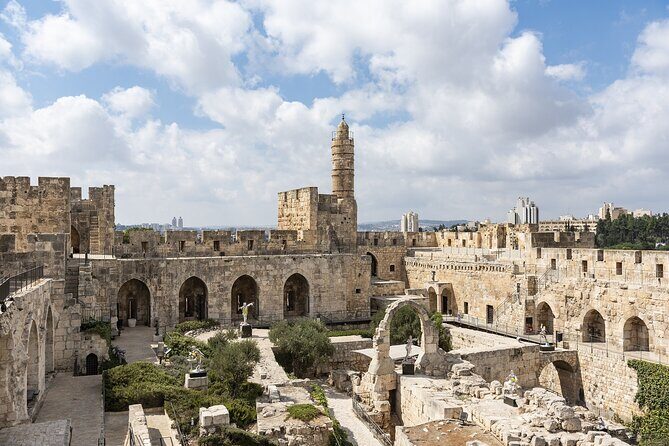
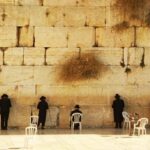
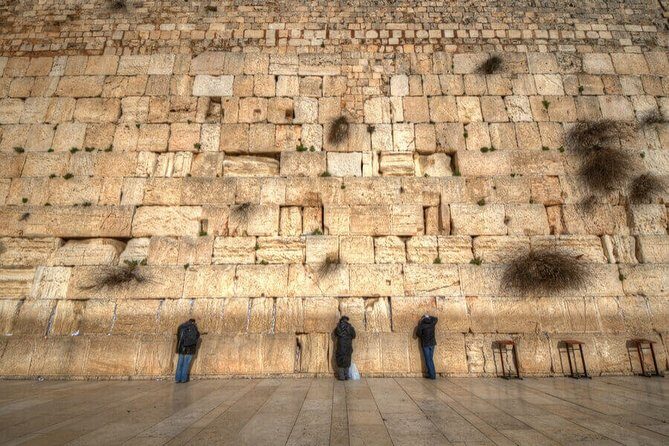
You get time at the Byzantine Cardo, a classic Old City corridor that helps you imagine how the ancient city flowed—markets, movement, and everyday life. You also get a stop at the Western Wall for a focused visit. It’s a short block of time, but it is enough to experience the mood and see why people come here again and again.
This part of the route is where the tour can feel both moving and crowded. You are outside, surrounded by ongoing life, and the pace depends on the group’s comfort level. If you are used to quiet museums only, plan for the energy here.
I like that the tour pairs a street-history stop (Cardo) with a religious focal point (Western Wall). It keeps the day from turning into a list of stand-alone sites.
Mount Zion Stops: David’s Tomb and the Last Supper Room
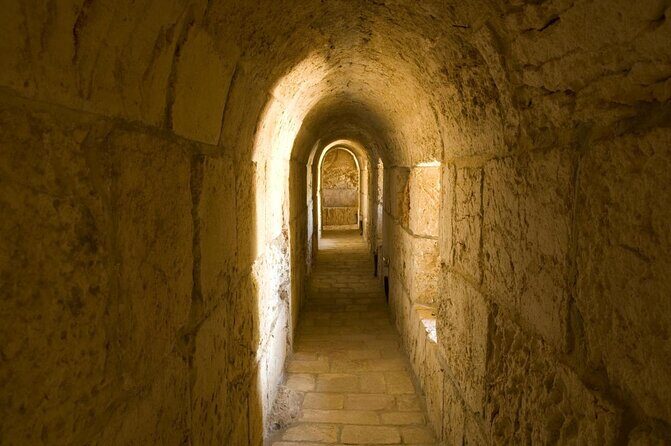
Between the viewpoints and the Old City entrances, the day includes Mount Zion sights tied to King David and the Last Supper tradition. You’ll see David’s Tomb and also the Last Supper Room, where Jesus shared the Last Supper with his disciples according to the tradition the tour is describing.
These stops are shorter than the City of David park time, but they set up a key theme for the day: Jerusalem is not only “ruins on display.” It’s a place where religious memory and physical locations are treated as connected.
If your interest is the intersection of faith and archaeology, this is the section that gives it emotional context. If your interest is purely physical remains, this is still helpful because it gives you a map of what people historically tried to anchor their beliefs to.
Why this works: your later walk through the City of David makes more sense when you already understand the religious geography the day is following.
The Kidron Valley and the Gethsemane View: Small Stops, Strong Signals
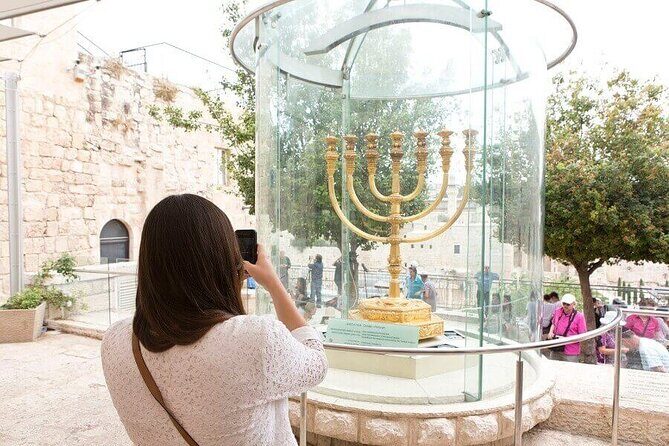
The tour includes passes and viewpoints connected to Kidron Valley and the Garden of Gethsemane area. Even when you are not spending hours in one exact spot, these stops help you connect the ridge-and-valley shape of Jerusalem to the story locations.
In practical terms, it also gives a rhythm break. You move from big view moments to tighter street walking, then back to a viewpoint again. That rhythm matters on an 8-hour day.
If it’s hot out, you’ll appreciate any moment that is not continuous walking. If it’s cold or rainy, you’ll appreciate that the guide can keep the pace sensible and keep you moving rather than freezing in place.
One lesson from guides handling tough weather: it’s easier when you come prepared for the forecast, not just the calendar.
City of David National Park: Where Archaeology Takes Over the Day
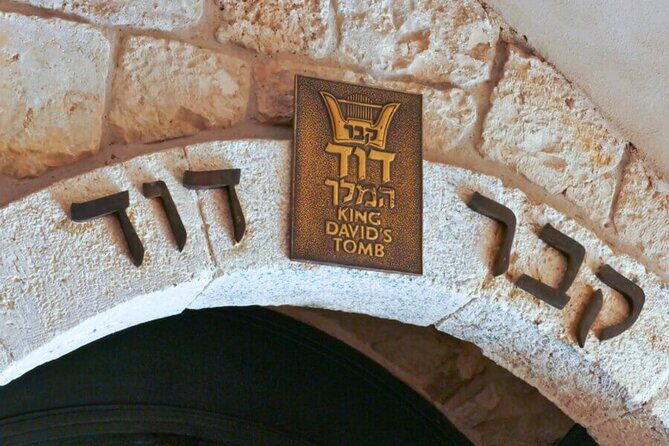
Now you reach the star of the outing: City of David National Park. This is the main reason to choose a guided day rather than doing it as a quick self-walk.
The park time is about 1.5 hours, and it focuses on ongoing excavations and the area referred to as Warren. You also hear how the above-ground City of David relates to what is being found underground—where recent excavations reveal some of the most compelling archaeological discoveries.
This is where your brain stops thinking only in “tourist stops” and starts thinking in “layers.” Jerusalem’s story is stacked: different periods sit over earlier ones, and you see evidence of that in the work itself.
You will also likely get context that helps you understand what archaeologists can and cannot conclude from what they uncover. Even if you come with zero background, a good guide can translate the site into something you can picture.
What to know before you go: the entrance fees for the park are not included, so plan for an additional payment on the day. The tour estimate given is around $10 per person, plus any other site-related fees.
And because this is an archaeological environment, you should expect uneven terrain and stairs. Pack for movement, not just photos.



King David’s Tomb and the Sephardic Synagogues Add On-the-Spot Detail
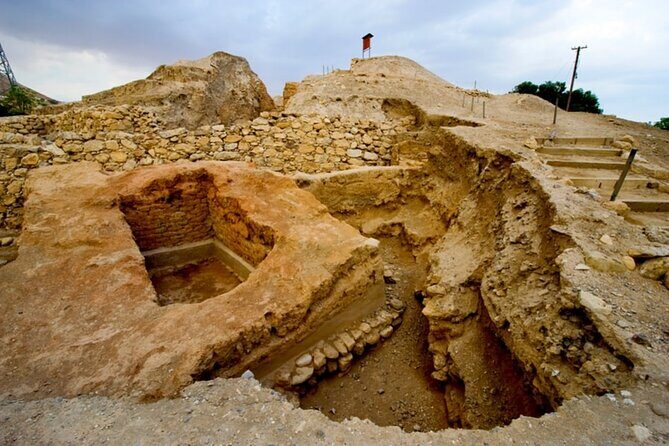
After the City of David park, the day continues with quick but meaningful stops.
You visit King David’s Tomb. This is a short stop, but it anchors the ridge story: the tour is tying a religious narrative to a physical point on the map. Then you spend time at the Four Sephardic Synagogues again for focused viewing during the synagogue segment (with fees not included for that part).
At this stage, you may feel the day in your legs. That is normal. The tour moves like a “spoke wheel”: coach between areas, then concentrated walking and standing.
A practical mindset: treat this as a day you remember through narration, not through speed. If you rush, you miss the connections.
Pacing and Where You’ll Feel It Most
This is a full-day tour, about 8 hours start to finish. You’ll be in and out of tight spaces, do stair work, and spend time standing during religious and archaeological visits.
One reason this matters: even when a tour is described as moderate walking, Jerusalem can still be physically demanding. You may be stepping on wet or narrow passages at points, and the City of David area includes steps and uneven ground.
So my advice is simple:
- wear good walking shoes
- bring water (food and drinks are not included)
- keep your outfit within the dress code without suffering
A couple of reviews emphasized how much guides matter here. Guides like Moshe and Gil were praised for keeping the day organized even when weather made it harder. That’s a signal that your comfort depends on how the guide manages the line, the timing, and group movement.
If you have mobility limits, consider carefully. This is not a sit-everywhere day.
Price and Value: What Your $89 Buys
At $89 per person, you get real structure: hotel pickup and drop-off, a professional guide, and an air-conditioned coach. You are also getting a day built around multiple major Jerusalem areas instead of a single-site half-day.
What’s not covered: food and drinks, and entrance fees. The tour lists entrance fees as about $10 per person on average, and notes that City of David National Park and the Four Sephardic Synagogues have fees not included.
Here’s how I think about value:
- If you want someone to connect the dots between Mount of Olives, Mount Zion, the Jewish Quarter, the Cardo, Western Wall, and the excavations, this price is fair.
- If you prefer to wander slowly with minimal guidance, you might feel the cost more than the benefit.
For most first-time Jerusalem visitors, guided value is high because it saves you from figuring out the best order, handling site etiquette, and choosing what to skip.
Who This Tour Fits Best (and Who Should Skip It)
This tour fits best if you:
- want a full-day Jerusalem route without planning every turn
- like archaeology that is tied to real locations and narratives
- enjoy walking and standing for several hours
- want a guide who will answer questions and keep the day moving
It may not fit if you:
- need a low-step itinerary
- get uncomfortable in tight or damp passageways
- travel with small children (it is not suitable for kids under 4)
Best match: history-minded adults and couples who want an organized day with strong storytelling. If you hate crowds, you might still enjoy it, but you will want to manage expectations during the Old City segments.
Should You Book This City of David and Underground Jerusalem Tour?
Book it if you want Jerusalem’s layers in one day, guided by someone who can make the excavations, synagogues, and street history feel connected. I especially like it for travelers who value orientation first, then deepening through hands-on archaeology time at the City of David.
Skip it (or choose a different format) if you are sensitive to stairs, tight spaces, or long standing. Also, if you hate dress-code rules, you’ll need to plan ahead so you do not lose time to last-minute outfit changes.
If you do book, do two things well: wear sturdy shoes, and come ready to stand and listen. A good guide can turn this from a list of stops into a coherent, memorable day.
FAQ
What time does the City of David and Underground Jerusalem Day Tour start?
The tour start time is 8:30 am.
How long is the tour?
The duration is about 8 hours.
Is hotel pickup and drop-off included?
Yes. Jerusalem hotel pickup and drop-off is included, and you travel by air-conditioned coach.
What is the price per person and what’s included?
The price is $89.00 per person. Included are hotel pickup and drop-off, a professional guide, and an air-conditioned vehicle.
Are entrance fees included in the price?
No. Entrance fees are not included, and the tour indicates an approximate additional cost of about $10 per person, including the City of David National Park. The Four Sephardic Synagogues also have an entrance fee not included.
Do I need comfortable shoes?
Yes. The tour includes a reasonable amount of walking, and it can involve many steps. Comfortable walking shoes are strongly recommended.
What is the dress code?
You need a moderate dress code: no shorts, and both knees and shoulders must be covered for men and women when entering places of worship and selected museums.
Is this tour suitable for children?
It is not suitable for children under age 4.
What if the Spanish synagogues are not possible to visit?
If visiting the Spanish synagogues is not possible, the tour will visit the Hurva Synagogue instead.