REVIEW · JERUSALEM
From Jerusalem: Nazareth and Sea of Galilee Tour
Book on GetYourGuide →Operated by Bein Harim Israel Tours · Bookable on GetYourGuide
A holy-day road trip you can actually enjoy. This full-day bus tour links Nazareth and the Sea of Galilee with stops at Capernaum and the Jordan River, run by guides known for keeping the day moving without feeling mechanical.
I love the way the guides handle the group: Orion-style safety and timing, and guides like Juven who can switch between English and Spanish while keeping answers clear and practical. I also love that the itinerary includes a real option to experience the Jordan River at Yardenit, with an optional baptism moment if you want it.
One trade-off: it is a long, early day, and you’ll pay extra for food and drinks. Also, baptism with a priest is not something the tour operator arranges for you on the spot.
In This Review
- Key Highlights You’ll Care About
- Why This Jerusalem to Galilee Tour Feels Like a Story in Motion
- Getting Out of Jerusalem: Pickup Rules and the Tel Aviv Connection
- Nazareth First: Church of the Annunciation and St. Joseph’s Stops
- Mount of Beatitudes and Tabgha: Views Plus Fish and Loaves
- Capernaum’s Ancient Synagogue Ruins: The Stop That Anchors the Day
- Sea of Galilee and Tiberias: Geography You Can Feel
- Yardenit on the Jordan River: Optional Baptism, Priest Limits, and Real Expectations
- Lunch, BBQ, and Drinks: What You Pay For Versus What You Get
- The Return Drive via Mt. Tabor: A Scenic Finish with a Spiritual Backdrop
- Guides Matter More Than You’d Think
- Who Should Book This Tour (and Who Might Want Something Else)
- Value for $108: The Real Math Behind the Price
- Practical Packing and Timing Tips That Save the Day
- Should You Book This Jerusalem to Galilee Tour?
- FAQ
- How long is the tour?
- What places does this tour visit?
- Is food included in the price?
- Is pickup available from any address in Jerusalem?
- Do I need modest dress for the holy sites?
- Is baptism included, and is a priest involved?
- What should I bring for the day?
- What languages are the guides offered in?
- Is the tour suitable for wheelchairs and young children?
Key Highlights You’ll Care About
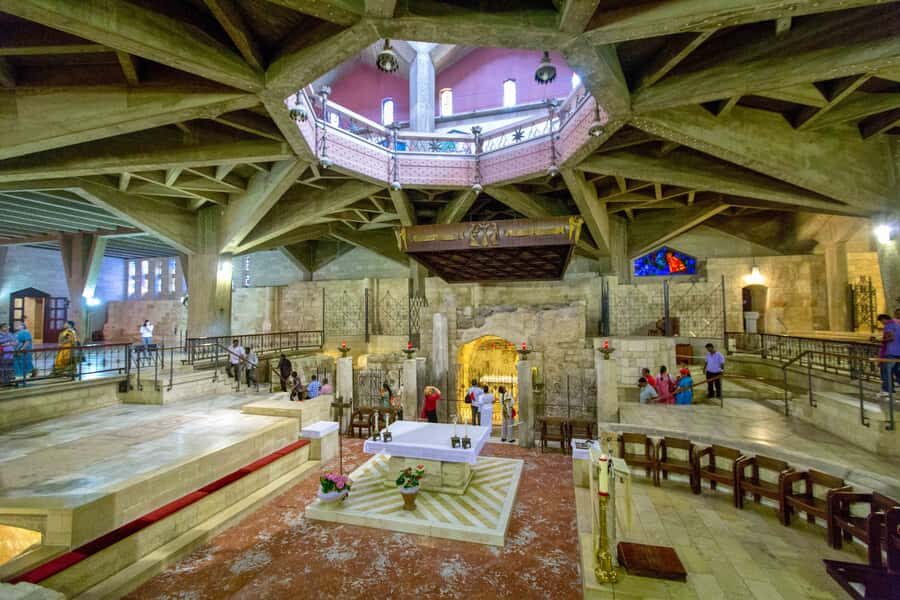
- Nazareth’s Church of the Annunciation plus St. Joseph’s Church: big, important, and still deeply moving for many visitors
- A guided look at Capernaum’s ancient synagogue ruins: included entry, and it’s built for stopping and looking
- Tabgha and the Mount of Beatitudes area: fish-and-loaves symbolism in the exact region people connect to the story
- Sea of Galilee viewpoints and Tiberias context: you get geography, not just checkpoints
- Yardenit at the Jordan River: optional baptism experience, with clear limits on priest-led arrangements
- A pace that fits a full day: photo time, restroom stops, and breaks planned into the route
Why This Jerusalem to Galilee Tour Feels Like a Story in Motion
This is one of those day trips where the locations matter because they line up geographically and chronologically. You start in Jerusalem, then the drive swings north with coastal views in the mix, and suddenly the day becomes less about bus rides and more about watching the countryside shift. If you’re the kind of traveler who likes to connect places on a map, you’ll probably enjoy how each stop follows the others logically.
I also like that the tour doesn’t treat holy sites like a checklist. The guides tend to bring the details to life with humor and clear explanations, which helps when you’re visiting multiple sites back-to-back. Guides like Orion, Dorit, Aharon, Daniel, and even bilingual guide setups (English plus Spanish) show up in different group configurations, and the best ones keep the tone human while still giving you meaningful context.
That said, be realistic: you’re signing up for a packed day. Your feet will do some work, and your schedule will not slow down for lingering. When you want maximum calm, you might prefer a slower, overnight-style plan in the north.
You can also read our reviews of more tours and experiences in Jerusalem.
Getting Out of Jerusalem: Pickup Rules and the Tel Aviv Connection
The day starts early, and that affects everything. Transfer timing is built in so you can join the tour in Tel Aviv at 5:50 AM. If you’re used to starting your travel day at a civilized hour, treat this as a “rise, go, enjoy” mission.
Pickup is also hotel-dependent. The tour offers pickup only from listed Jerusalem hotels, not from Airbnbs or private addresses. In practice, that means you’ll want to confirm your meeting point before travel day so you’re not hunting down the van like it’s a scavenger hunt.
One more logistics note that matters: the Jerusalem leg may not always run straight north. There are occasions when you transfer to Tel Aviv to connect with the tour guide. The important thing for you is simple: be flexible with the first part of the day, and keep your expectations on travel time rather than perfect route predictability.
On the plus side, you’re in an air-conditioned coach for the long stretches. That matters in heat or sun, especially when your next stop involves outdoor walking and photos.
Nazareth First: Church of the Annunciation and St. Joseph’s Stops
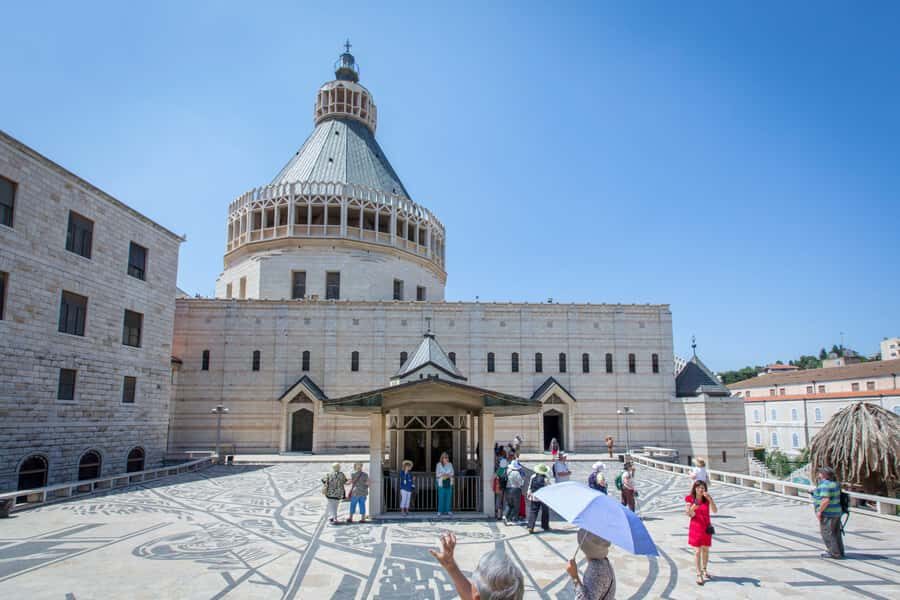
Nazareth is where the day gains emotional weight fast. You arrive and get a break with time for shopping—about 20 minutes—which is helpful if you want a quick browse or need a snack before the guided portion. Then it’s into guided sightseeing.
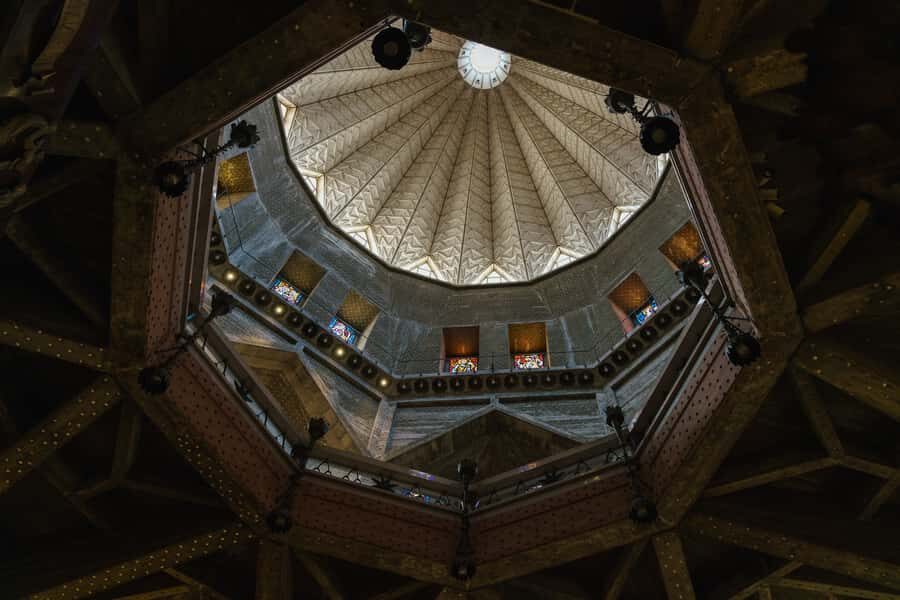
St. Joseph’s Church is the first major stop. After that, the tour takes you to the Church of the Annunciation, described in tradition as the site connected to the annunciation of Mary. The church is known for being the largest Roman Catholic church in the Middle East, and inside, the setting can feel like a mix of history, reverence, and crowd energy (depending on the time of day).
Here’s what tends to work best for you at this stop: take a few minutes to look before you start taking photos. The building can make you want to shoot immediately, but waiting five minutes gives you a better sense of space and symbolism. Also, modest dress is required at holy sites. If you forgot something, you might be stuck improvising, so pack accordingly.
One more practical point: because Nazareth is early, you may find the group energy higher than later. That’s a good thing—if your guide is strong, you’ll get momentum for the rest of the day.
Mount of Beatitudes and Tabgha: Views Plus Fish and Loaves
Next comes Tabgha and the Mount of Beatitudes area. You’ll likely hear the stories tied to these spots right where people historically connect them. From a traveler’s perspective, that’s where a bus tour can actually beat self-guided travel: you don’t have to figure out the “why” on your own.
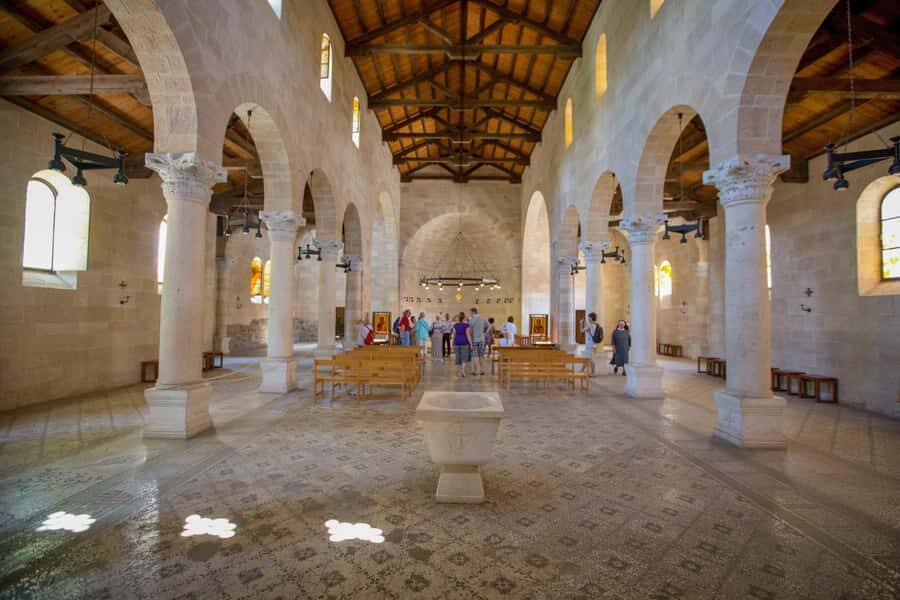
Tabgha is built around the Church of Multiplication of Fish and Loaves. Even if you don’t need the religious angle, it’s a striking place to stand and picture the scene. The region’s geography helps. People talk about this part of the Sea of Galilee world as if it’s a stage, and here you get enough location sense to understand why.
The Mount of Beatitudes area is another key stop in this section. You get a sense of elevated viewpoint and open space—ideal for photos. If you’re sensitive to long walking on uneven ground, wear shoes that won’t punish you. You’ll probably do short stretches, then more short stretches, not one long hike.
One thing to watch: this part of the day is visually rich, but it can also be time-tight. If you’re the type who wants to sit for 30 minutes quietly, you’ll want to keep your expectations realistic. Some visitors have mentioned that certain stops, including Tabgha and Capernaum, felt a bit rushed—so go in ready to capture what you can quickly and soak it in through attention, not sitting.
Capernaum’s Ancient Synagogue Ruins: The Stop That Anchors the Day
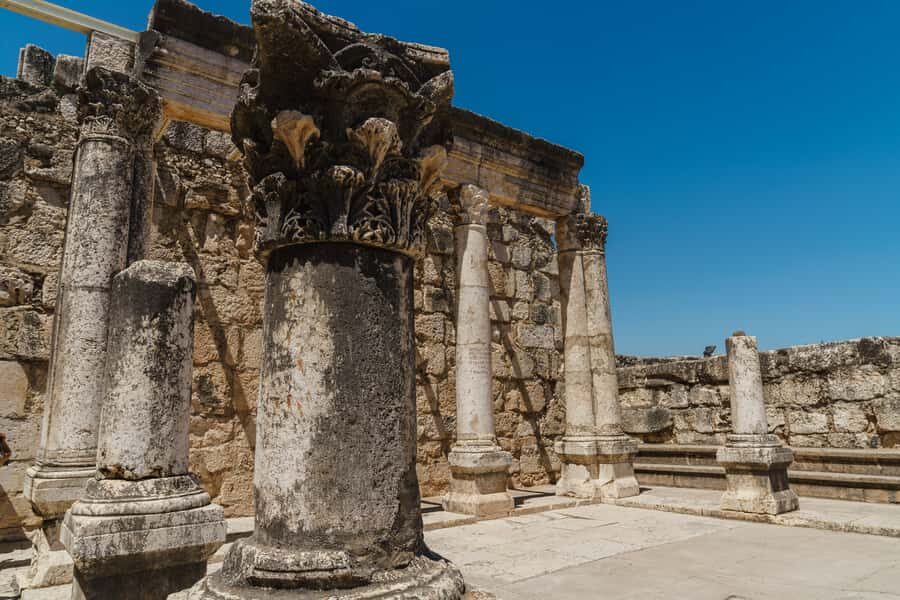
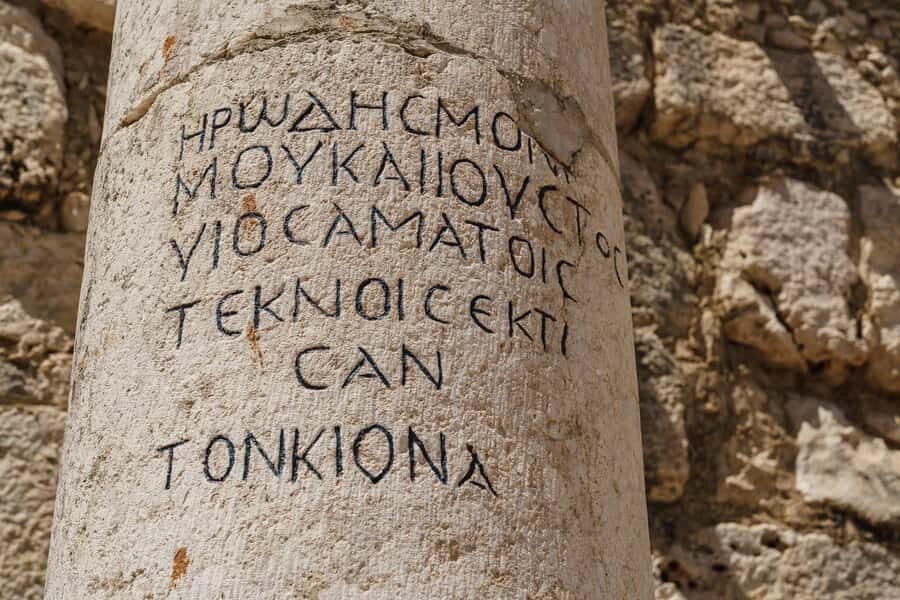
Capernaum is often the anchor. You get there by coach, then there’s a guided visit and sightseeing time. Entry fees to Capernaum are included, which is one less thing for you to track.
What makes this stop land is the feeling of “built memory.” The ruins and historic layout help you understand why this place was significant. Even if you know the stories from reading, the physical scale gives those stories weight.
This is also where you’ll want to be a little strategic with your time. There’s a temptation to run from one viewpoint to the next. Instead, pick one angle and spend a minute really looking. Ruins reward patience, even if your tour timeline doesn’t.
In some tours, the Capernaum stop can feel busy because everyone wants photos. If your guide is experienced, you’ll get enough time to avoid feeling like you’re sprinting. Many reviews highlight that guides tend to manage pacing well, with restroom breaks and photo time built in.

Sea of Galilee and Tiberias: Geography You Can Feel

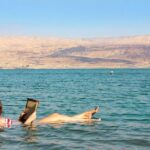
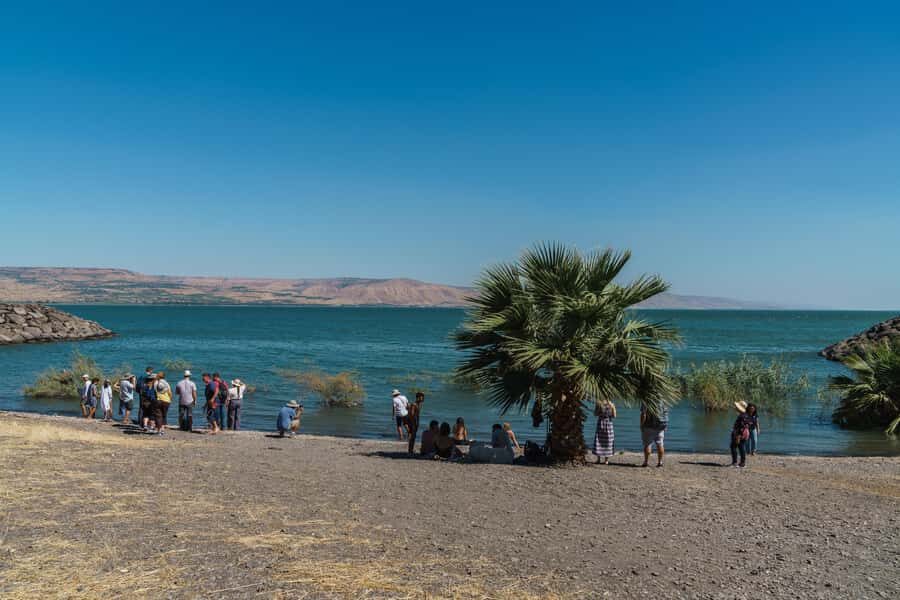
Then you reach the Sea of Galilee region proper. The tour includes viewing the sea from the area on the northwest shore, with photo stops that let you look across the water. It’s not a long waterfront stroll; it’s more like a “take it in” moment.
Tiberias comes next on the western shore. For Judaism, it’s considered one of the four holy cities, along with Jerusalem, Hebron, and Safed. That matters because it expands the day beyond one faith lens. Even if your main interest is Christian holy sites, you’ll get more context when the guide connects the region to Jewish tradition and history.
This section is where the day starts to feel more like a place than a list. You get light, water, and a sense of scale. If you’re traveling in the morning-to-afternoon rhythm, this is also when your energy often steadies. You’ve done the emotional hit of Nazareth and the story stops of Tabgha; now the view gives your brain a breather.
Yardenit on the Jordan River: Optional Baptism, Priest Limits, and Real Expectations
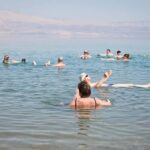
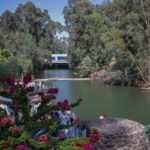
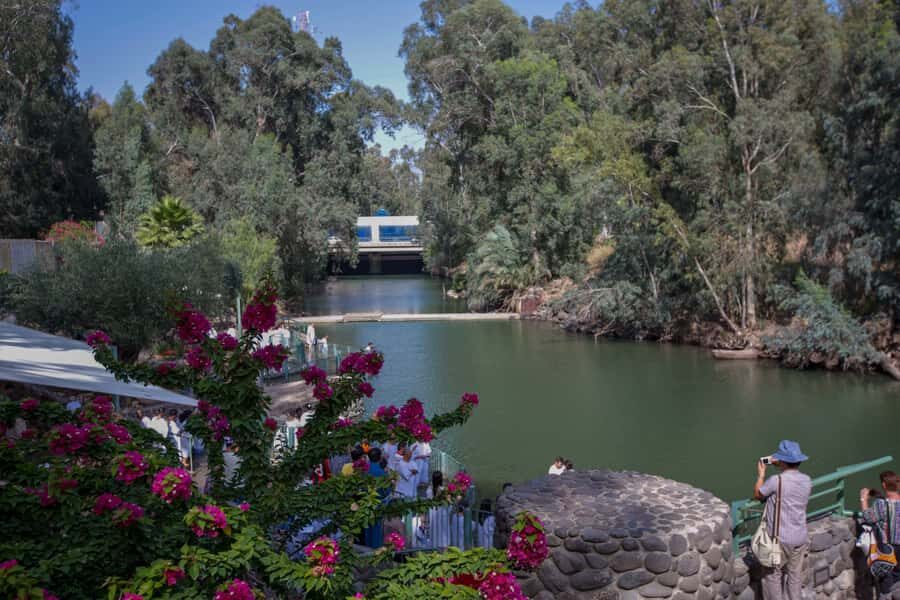
Yardenit is the stop people remember most—often because it’s physical. The tour includes a photo stop and a guided visit, plus time for shopping, sightseeing, and swimming. The time window is estimated around 15:30–16:15, and many tours run about an hour for this part including immersion time.
At Yardenit, guests are invited to take part in an optional baptismal service. Here’s the key detail for you: the tour company does not organize a baptism with a priest. If you want a priest-led ritual, you’re expected to contact the Yardenit site and coordinate it in advance.
In plain terms: don’t assume there will be clergy performing a formal priest-led ceremony during your stop. Some visitors have found that the on-site experience is more about immersion and personal participation than about waiting for a priest. If baptism is a major goal, plan ahead so the experience matches your expectations.
Also, some visitors mention additional costs at the site, like renting a robe and towel. You may want to budget a little extra so you’re not caught off guard when you see what’s available on site.
Finally, bring swim-ready basics mentally even if you don’t have a specific plan to swim. The Jordan River stop is structured around time in the water.
Lunch, BBQ, and Drinks: What You Pay For Versus What You Get
Food and drinks are not included in the tour price. That’s not a surprise, but it’s worth saying clearly because it affects real cost.
In Tiberias, there’s about an hour for lunch and regional food, with mentions of BBQ plus options like beer, coffee, tea, and even wine or spirits. Still, those are part of the lunch setting, not included as open bar for your whole day. In practice, you’ll be paying for the meal.
Based on what people reported, lunch pricing can feel high for the value you expect at that moment. Some visitors have called out an extra fixed lunch cost around €20–€24 per person, and some have said it wasn’t great food for the price. Others have enjoyed specific meal formats like fish lunches near the Sea of Galilee.
My practical advice: treat lunch as a paid add-on you should budget for, and if you’re picky, consider bringing snacks for the gaps. And even if you’re not picky, bring water instincts—long bus days dry you out faster than you think.
The Return Drive via Mt. Tabor: A Scenic Finish with a Spiritual Backdrop
Heading back to Jerusalem, you’ll take a scenic route that includes Mt. Tabor, connected to the site of the transfiguration. The return drive gives you a quieter moment at the end, when your legs are tired and your brain wants to reflect instead of absorb new information.
This is also where the day’s earlier logistics start paying off. If your guide managed the group well, you’ll arrive without that chaotic scramble that sometimes happens after a long tour day. Many guides highlighted in real-world experience emphasize restroom planning, photo timing, and keeping the group together.
In rougher situations—like busy holiday traffic—routes can get slower and returns can change. If your itinerary is tight around evening plans in Jerusalem, keep a little buffer.
Guides Matter More Than You’d Think
One of the strongest reasons people rate this tour highly is guide quality. You’ll see recurring praise for guides who manage the day with warmth and humor, while still sharing clear details.
Examples you might recognize include:
- Orion, often praised for knowledge and making the day feel smooth and fun
- Dorit, described as lively, attentive, and organized
- Aharon, noted for humor and relaxed pacing in English-speaking contexts
- Juven, highlighted for confidence and clear bilingual explanations (English and Spanish)
- Daniel and Ahmed, paired as guide and driver teams that keep things safe and on track
- Eli Yaco, mentioned for bringing energy and laughter to a long day
So here’s the advice I’d give you: treat the guide as part of the experience, not background. Ask questions early. If the guide is bilingual, use that chance. If you’re trying to fit the day to your personal interests (more history, more geography, less religious storytelling), a good guide can adjust the way they explain.
Who Should Book This Tour (and Who Might Want Something Else)
This tour suits you if:
- You want a one-day sweep of northern holy sites from Jerusalem
- You like guided explanations and don’t want to coordinate transport on your own
- You’re okay with a packed day and early start
You should skip it (or at least think hard) if:
- You need wheelchair accessibility, because it is not suitable for wheelchair users
- You’re traveling with children under 4, because it is not suitable for that age group
If you want slow travel, this isn’t that. But if you want a concentrated “greatest hits” day that still has meaningful stops, it’s a strong fit.
Value for $108: The Real Math Behind the Price
At $108 per person for a roughly 10-hour day, you’re paying for several things working together:
- air-conditioned coach transport
- a professional guide
- pickup and drop-off within listed Jerusalem hotels
- included entry fees to Capernaum
The expensive part you still control is food. Since meals and drinks are not included, your final cost depends on what you choose for lunch in Tiberias and whether you add anything at the Jordan River.
Here’s how I think about the value: if you tried to DIY this north-country route, you’d pay for transport and lose the guided context. That context is often what people feel is worth paying for on a day like this—especially at stops like Capernaum and Tabgha where stories and geography overlap.
So the value is best if you want the whole circuit in one shot. If you only care about one or two sites, a smaller itinerary might be a better deal.
Practical Packing and Timing Tips That Save the Day
A few small things make a big difference on a tour this long:
- Wear comfortable shoes you can walk in on uneven areas
- Bring sunglasses, a sun hat, and sunscreen
- Follow modest dress rules at holy sites
- If baptism is important to you, plan mentally for the baptism experience structure at Yardenit and remember priest-led coordination is on you
Also, build a flexible mindset around shopping stops. There’s shopping time in Nazareth and again at Yardenit, but it’s brief. If you hate that, you’ll want to treat the shopping as optional window dressing and focus your attention on the guided parts.
Lastly, if you’re the kind of person who gets restless in long rides, counter it with a simple strategy: take notes on your phone right after each stop. That helps your brain connect the locations and makes the long travel feel useful instead of wasted.
Should You Book This Jerusalem to Galilee Tour?
Book it if you want a single full day that covers Nazareth, Tabgha, Capernaum, the Sea of Galilee region, and the Jordan River—without the stress of coordinating transport or figuring out what to prioritize.
Skip it or consider an alternative if you want a slower pace, you’re uncomfortable with very early starts, or you’re budgeting tightly for food. Also, if baptism with a priest is non-negotiable for you, you’ll need extra planning because the tour doesn’t set that up for you.
If you match those conditions—especially if you can roll with a packed day—this tour is a solid value and a memorable way to see Northern Israel in one sweep.
FAQ
How long is the tour?
The duration is 10 hours.
What places does this tour visit?
It includes Nazareth (including St. Joseph’s Church and the Church of the Annunciation), Mount of Beatitudes and Tabgha (Church of Multiplication), Capernaum (including an ancient synagogue visit), the Sea of Galilee area and Tiberias, and Yardenit on the Jordan River.
Is food included in the price?
No. Food and drinks are not included.
Is pickup available from any address in Jerusalem?
Pickup is available only from the listed hotels in Jerusalem, not from Airbnbs or private addresses.
Do I need modest dress for the holy sites?
Yes. Modest dress is required for holy sites.
Is baptism included, and is a priest involved?
You may take part in an optional baptismal service at Yardenit. However, the company does not organize baptism with a priest; if you want a priest, you need to coordinate it with the Yardenit site in advance.
What should I bring for the day?
Bring comfortable shoes, sunglasses, a sun hat, and sunscreen.
What languages are the guides offered in?
The tour guide is available in German, English, Spanish, and French.
Is the tour suitable for wheelchairs and young children?
No. It is not suitable for wheelchair users, and it is not suitable for children under the age of 4.