REVIEW · JERUSALEM
Masada and the Dead Sea Day Trip from Jerusalem
Book on Viator →Operated by Bein Harim Ltd · Bookable on Viator
Masada in the morning, salty water by afternoon. This full-day trip links Masada’s mountaintop ruins with the surreal Dead Sea float, with air-conditioned coach rides and a guided route through the Judean desert. I like that you get real structure on the day (pickup, cable car included, entrance fees handled) and that the Dead Sea time is long enough to actually enjoy the experience. The main drawback to watch for is pacing: some time feels tight, especially if you want to linger.
I also appreciate the extra historical scenery between the headline stops. You’ll pass key biblical-era landmarks on the drive, roll past the view corridors toward Ein Gedi and Qumran, and then finish with a return route that traces part of the old Roman road through the Jericho area. In hot weather, having a guide who manages timing matters.
That said, group tours live and die by logistics and communication. A few reviews mention pickup confusion or small missteps, so you’ll want to double-check your exact pickup point and stay reachable (especially if the operator contacts you by phone/app).
In This Review
- Key Things I Found Especially Worth Knowing
- Why Masada and the Dead Sea in One Day Works
- Getting Moving From Jerusalem: Coach Comfort and Desert-Route Views
- Masada by Cable Car: Turning a Big Name Into a Clear Story
- A heads-up about museums and interpretation
- Crowd and time reality
- Herod’s Palace at Herodium + The Scenic Build-Up Stops
- Ein Gedi and the Qumran viewpoint corridor
- The lunch/food stop factor
- Dead Sea Float and Mud Bath: The Surreal Part That Actually Delivers
- What to expect on the ground
- Mud bath and skin care extras
- Dead Sea beach expectations
- Price and Logistics: What You’re Paying For (and What Can Go Sideways)
- Group size and guide impact
- The communication reality
- What to Bring for Heat, Salt, and the Rocky Bits
- Should You Book This Masada and Dead Sea Day Trip?
- My quick rule of thumb
- FAQ
- How long is the Masada and Dead Sea day trip from Jerusalem?
- What time does the tour start?
- What’s included in the price?
- Are food and drinks included?
- How much time do I get at Masada and at the Dead Sea?
- Is the tour okay for young children?
Key Things I Found Especially Worth Knowing
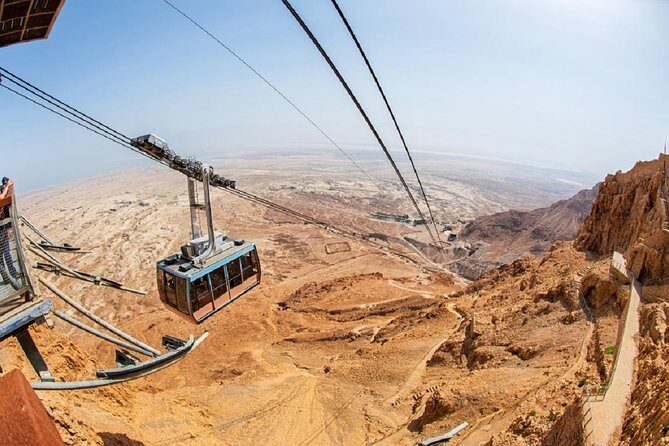
- Cable car to Masada saves a lot of effort and keeps the day moving.
- Guided time on site helps Masada make sense fast, instead of feeling like random ruins.
- Dead Sea for about 1.5 hours gives you time to float, rinse, and (if you want) try the mud bath.
- Bring water shoes: the Dead Sea entry can be rocky and rough on feet.
- Expect a shop/food stop vibe in the Qumran area, with prices that may sting.
Why Masada and the Dead Sea in One Day Works
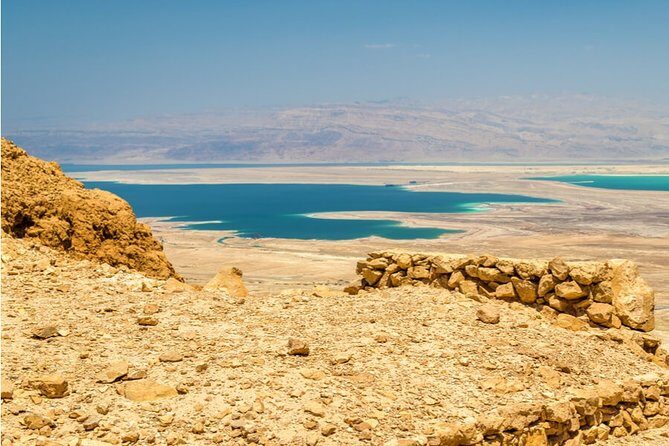
Masada and the Dead Sea are both famous, but they’re famous in totally different ways. Masada is “why would anyone build here?” history—fortresses, palaces, and a dramatic showdown. The Dead Sea is “how is this body of water even real?” nature—floating without effort and mud you can smear on like a science project.
The value of this format is that you don’t spend your limited time in Israel figuring out transport between them. You’re doing the big lift—getting out of Jerusalem, getting to Masada’s height, then reaching the lowest point on earth—on an organized schedule with entrance fees included and hotel pickup/drop-off.
The trade-off is you’re not touring at a slow, private pace. If you want lots of unhurried wandering, especially at Masada, you may feel a bit time-pressed. Some guides and groups move quickly; others feel more relaxed. Either way, you’re working within a full-day timetable.
A few more Jerusalem tours and experiences worth a look

Getting Moving From Jerusalem: Coach Comfort and Desert-Route Views
The day starts with a pickup window in the Jerusalem area, with the experience listed as starting around 8:30 am. You’ll ride in an air-conditioned coach, and that matters more than you’d think. Even if the morning feels mild, Judean desert heat can show up fast—plus you’ll likely be standing around for viewpoints.
On the way out, you pass biblical-era sites along the route. You’ll go by the area associated with the Good Samaritan parable as you head toward the Judean desert. It’s not a long stop for deep study, but it’s a reminder that this region layers story on story.
Later, the return route also has its own payoff. You’ll drive back passing Jericho and tracing parts of the old Roman road route back toward Jerusalem. It’s a neat closer: after all that history at Masada, you get to see the kind of ancient corridor people used for centuries.
One practical note: a few reviews mention needing to communicate with the driver through WhatsApp. I’d treat this as common-sense travel advice. Confirm your exact pickup location, keep your phone notifications on, and be ready to move when the coach arrives. With limited time, a missed pickup can turn the day upside down.
Masada by Cable Car: Turning a Big Name Into a Clear Story
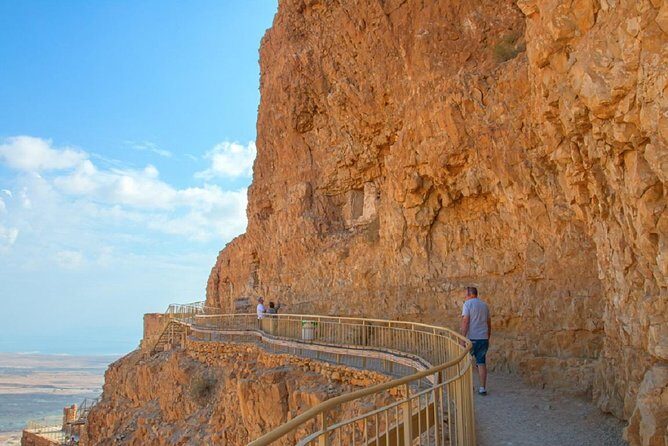
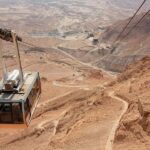
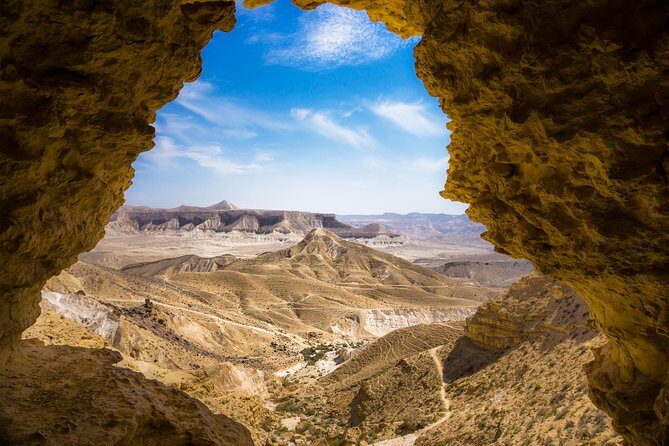
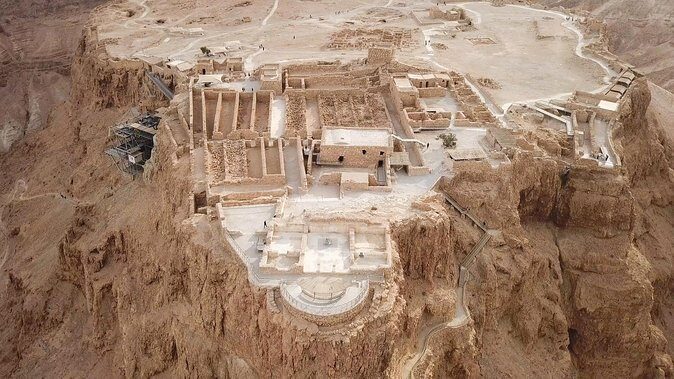
Masada is the kind of place where first impressions are massive. From the cable car, you get a quick sense that this isn’t just a hilltop—this is a fortress site built for defense and control over the surrounding desert.
Once you arrive at Masada National Park, you’ll have around 1 hour 15 minutes on site (with entrance included). The guided part is where Masada stops being a checklist and becomes a real story: why King Herod chose this remote mountain, how the fortified palaces functioned, and what the ruins are telling you today.
A highlight here is the viewpoint and the ruins scale. You’re looking at structures that were designed for life on top of a cliff, not comfort for tourists today. Guides who explain the layout help you see why some walls and platforms matter, and why specific vantage points were so valuable.
A heads-up about museums and interpretation
One review flagged that the museum experience includes a film that can feel propagandistic, based largely on older sources. I can’t say it will match your perspective, but I can say this: if you care about how history gets narrated, come prepared to hear one interpretation. If your guide is good, you can usually ask a question and get a more balanced explanation on the spot.
Crowd and time reality
Masada can feel crowded depending on the day and season. Also, some reviews praised the time and guidance; others felt the stop could be rushed. The reality: your cable ride + guided tour + walking time must fit into the day’s schedule. If you want extra time, watch the group flow—when you get a window for photos or short pauses, take it.



Herod’s Palace at Herodium + The Scenic Build-Up Stops
This route doesn’t only do Masada and then sprint to the Dead Sea. You also get a stop at Herodium (Herod’s Palace). Think of it as the “Herod theme continues” moment. The ruins aren’t the same scale as Masada, but it gives context: this whole area was a playground for royal power, engineering, and dramatic statements about authority.
You’ll have about 1 hour here with admission listed as free. If you like archaeology and you enjoy connecting the dots between different sites, this is a solid addition. If you’re mainly in “I came for the headlines” mode, just know you’ll be splitting attention between locations.
Ein Gedi and the Qumran viewpoint corridor
As you drive, you’ll see Ein Gedi (natural reserve). You may not walk in it on this tour, but the views help you understand why people cared about this part of the desert—water and greenery in a place that otherwise feels dry and exposed.
Then you’ll get views toward Qumran caves, tied to the discovery of the Dead Sea Scrolls in the 1940s and 1950s. Even without a deep classroom-style lesson, these are the kinds of places that make you slow down. The idea that about 900 ancient parchment manuscripts were found here gives the landscape a different weight.
The lunch/food stop factor
A few reviews mention lunch being timed in the Qumran area and feeling overpriced or rushed. The important takeaway for you: plan to buy food if you need it, but don’t assume it will be great value. If you’re picky about food, consider bringing a snack so you can eat what you like without waiting in line.
Dead Sea Float and Mud Bath: The Surreal Part That Actually Delivers
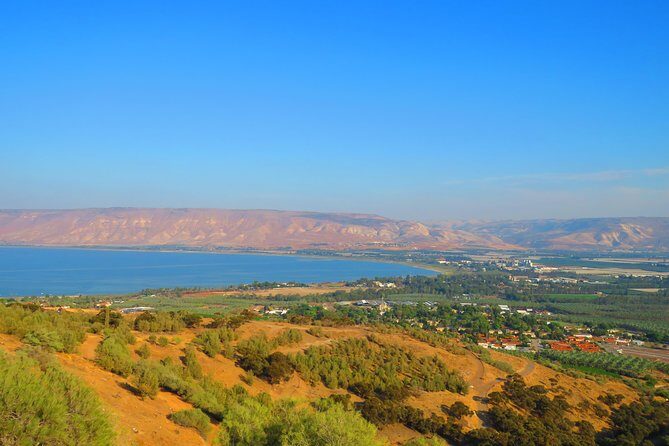
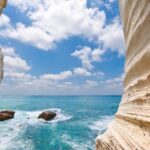
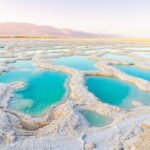
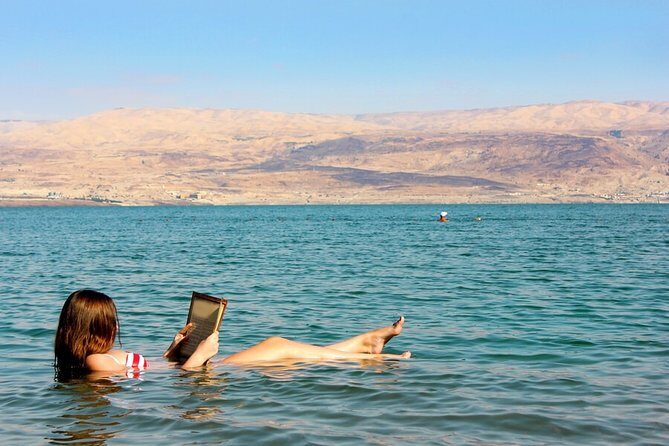
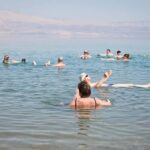
Now for the main event you can feel instantly. The tour gives about 1 hour 30 minutes at the Dead Sea, with the experience time framed around floating on the mineral beach.
The Dead Sea sits 1,312 feet (400 meters) below sea level, and the salt content makes your body buoyant in a way that feels almost unreal. If you can’t float in a pool normally, this is the one place where you may try anyway and find your back unexpectedly supported.
What to expect on the ground
Here’s where you need to prepare. Reviews repeatedly warn that entry can be rocky. Water shoes are not optional if you want comfortable walking. I’d bring sturdy footwear for the rocky entry rather than relying on flip-flops.
Also plan for mud. You’ll likely leave covered if you do the mud bath (and the showers available afterward won’t necessarily fix the fact that you’ll look like a character from a clay-movie). Bring a towel if you can—some reviews specifically say to carry your own, even though there are facilities like showers.
Mud bath and skin care extras
If you want the classic Dead Sea ritual, you can follow your float with a therapeutic mud bath. You may also find Dead Sea skin care products sold there at duty-free prices. You don’t need to buy anything to enjoy the water, but it’s available if you want a souvenir you can actually use.
Dead Sea beach expectations
Some reviews say the beach setup can feel small or not ideal. I’d frame the visit like this: your goal isn’t a perfect resort sun deck. Your goal is the float, the mud, and the odd feeling of being suspended in something that’s more salt than sea.
Price and Logistics: What You’re Paying For (and What Can Go Sideways)
At $111 per person for a roughly 9-hour day, this tour is aiming for “organized convenience” value. You’re paying for:
- Hotel pickup and drop-off
- a professional guide
- air-conditioned transport
- cable car to Masada
- entrance fees at key sites
That combination usually costs more if you try to DIY it—especially the cable car and the guided interpretation that helps you understand what you’re seeing.
Group size and guide impact
The cap is listed at up to 40 travelers. That’s big enough to feel like a group day, small enough to still get attention from your guide.
Guide quality shows up a lot in the reviews. Names that came up include Dorit, Dan Porges, Orion, Erez, Mati, Aviva, and Michael. The message is simple: when the guide is energetic and clear, Masada feels worth every minute. When communication and pacing slip, you feel it fast.
The communication reality
Because you rely on timing, pay attention to your pickup details. If you’re contacted with instructions, follow them. If you have a late change, get confirmation quickly. One review describes a situation where the driver pick-up didn’t go smoothly and the guest missed the Masada visit. That’s an extreme case, but it’s a good reminder to stay proactive.
What to Bring for Heat, Salt, and the Rocky Bits
This is the part I’d treat like a checklist. The desert can be brutally warm, and the Dead Sea isn’t a spa where everything is provided for you.
Bring:
- a hat and sun protection
- a bathing suit
- a towel (and a change of clothes)
- water shoes or sturdy sandals for the rocky entry
- a water bottle (even if the ride is organized—heat makes you thirsty)
If you do the mud bath, plan on being messy and then needing time to rinse. Soap and a spare set of clothes help. If you’re hoping for the smoothest experience, pack like you’re going to a beach with a bonus geology lesson.
Should You Book This Masada and Dead Sea Day Trip?
I’d book it if you want a structured full-day hit of two big-name sites without spending your vacation planning transport. The Masada cable car plus guided ruins is the kind of combo that’s hard to replicate easily on your own, and the Dead Sea float is genuinely memorable when you’re there long enough to do it right.
Skip it—or at least adjust your expectations—if you’re very sensitive to pacing or you want long, slow time in each place. This is a day built around efficient stops, and some people feel the schedule can be a bit sales-y around food and shops in the Qumran area.
My quick rule of thumb
- If you like guides and you’re okay with a full schedule, this is a strong option.
- If you prefer independent travel or deep lingering, consider splitting Masada and the Dead Sea into separate plans so you can control your time.
FAQ
How long is the Masada and Dead Sea day trip from Jerusalem?
The tour is listed as about 9 hours.
What time does the tour start?
The listed start time is 8:30 am, with pickup arranged from your central Jerusalem hotel.
What’s included in the price?
Hotel pickup and drop-off, a professional guide, air-conditioned vehicle transport, the cable car up to Masada, and entrance fees are included.
Are food and drinks included?
No. Food and drinks are not included unless specifically stated.
How much time do I get at Masada and at the Dead Sea?
Masada National Park is listed at about 1 hour 15 minutes, and the Dead Sea stop is about 1 hour 30 minutes.
Is the tour okay for young children?
The tour is not suitable for children under age 4.