REVIEW · TEL AVIV
Unforgettable Tour to Caesarea, Haifa, Acre and Rosh HaNikra from Tel Aviv
Book on Viator →Operated by Click Tours · Bookable on Viator
Morning starts early, but the payoff is real. This full-day coastal circuit mixes Roman remains with the sea-cave drama of Rosh HaNikra, plus the Caesarea amphitheater that still feels like a living stage.
I also like the basic format: you get door-to-door pickup and drop-off in an air-conditioned vehicle, and the entrance fees are built in. One thing to plan around is that this is a long day in warm conditions, and the tour doesn’t include food or drinks—so you’ll want to be ready for heat and walking.
In This Review
- Key things to know before you go
- A 6:40 a.m. start from Tel Aviv: why the timing works
- Caesarea National Park: Herod’s Roman stage and the amphitheater feel
- Haifa’s Baha’i Shrine terraces: great views, possible access changes
- Rosh HaNikra: cable car to sea caves, plus the border-area stop
- Acre’s Old City and Citadel: crusader remains to British Mandate-era details
- How the guide format and route keep the day moving
- Price and inclusions: where $155 actually lands in your day
- Walking, heat, and comfort: the trade-offs you should plan for
- Should you book this Caesarea–Haifa–Acre–Rosh HaNikra tour?
- FAQ
- What’s the starting time for the tour?
- How long is the experience?
- Do I get hotel pickup and drop-off?
- Is the tour guided?
- Are entrance fees included?
- Will I have a mobile ticket?
- Is cable car access included at Rosh HaNikra?
- Is food or drinks included?
- What are the age limits?
- Are there days when the Baha’i Gardens might not be accessible?
- Is the group size limited?
Key things to know before you go
- Hotel pickup + drop-off saves time and hassle, especially at the start of the day.
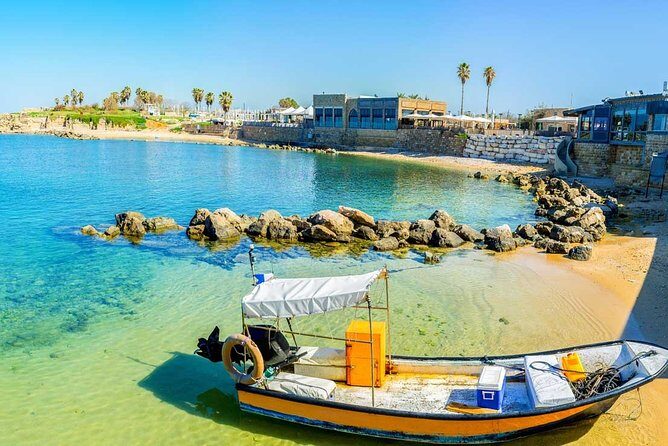
- Caesarea National Park gives you major Roman ruins in about one focused stop.
- Haifa’s terraces are a show in themselves, even if access rules can vary.
- Rosh HaNikra is the main wow: the cable car brings you into the limestone sea-grotto world.
- Acre’s Old City + Citadel adds crusader-era and later layers in one sweep.
- Group size stays capped (maximum 40), which helps the flow of a packed route.
A 6:40 a.m. start from Tel Aviv: why the timing works
This tour begins at 6:40 am. Yes, it’s early. But it’s also how you beat traffic and get your best light for photos before the coast heats up.
The day is set up as a smooth loop: pickup, then an air-conditioned ride north, then return to your hotel after the last stop. When your schedule is tight, this kind of structure is a big deal—especially if you don’t want to juggle rental cars, parking, and separate tickets across multiple cities.
Tip: even with early timing, bring your heat strategy. Several guides and routes like this move fairly quickly between stops. If you’re the type who likes long coffee breaks, you’ll need to adapt (or supplement with your own snacks).
You can also read our reviews of more tours and experiences in Tel Aviv.

Caesarea National Park: Herod’s Roman stage and the amphitheater feel

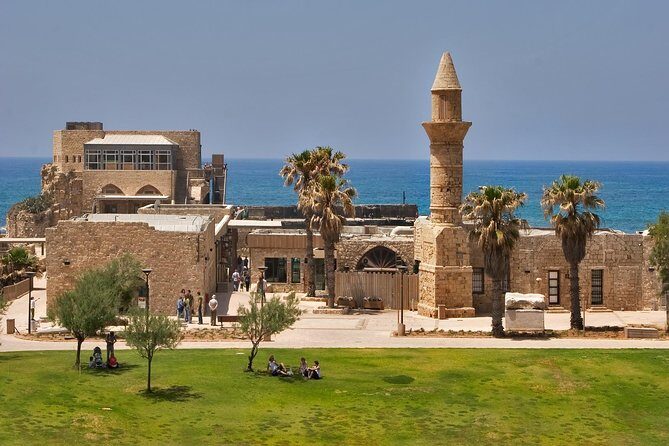
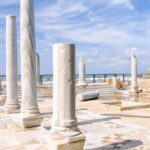
Your first stop is Caesarea National Park, tied to Herod the Great and named for Caesar. What I like here is how much you can understand without needing a museum pass. You’re walking among remains that connect the dots between power, engineering, and daily life.
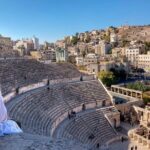
Highlights in the park include a well-preserved Roman amphitheater that’s still used today for performances by Israeli and international artists. That “still in use” factor matters. It helps ruins feel less like rubble and more like a place where people once gathered—loud voices, planned events, and serious social status.
Also keep an eye out near the amphitheater for parts of what was once a hippodrome area, plus other visible features from the ancient city such as gateways and remnants of walls and rooms. The stop runs about 1 hour, and admission is included—so you’re not paying extra on-site to get into the archaeology.
Practical note: it’s a walking stop. Wear shoes you trust, not your “cute but questionable” pair.
Haifa’s Baha’i Shrine terraces: great views, possible access changes
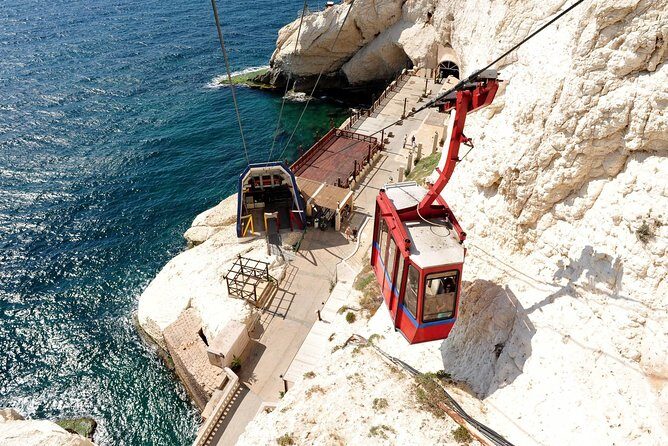
Next you head toward Haifa’s Baha’i Shrine and gardens. The terraced hillside is the star: 19 terraces run down toward the city, each laid out with landscaped design and colorful plantings.
In the schedule, you get a shorter look—about 20 minutes—and the admission for this stop is listed as free. You’ll likely spend that time taking photos and absorbing the big idea: how a religious landscape becomes a visual map.
One important reality check: access can be inconsistent. Some tours describe this as you’re seeing the shrine and gardens, but there can be times when you can’t go fully into the gardens area. On a short stop, you don’t want to bank your day on being inside every viewpoint. Go in expecting terraces and the viewpoint experience, then treat any extra access as a bonus.
Tip: if you care a lot about gardens entry, plan to arrive with patience. The best approach is mindset, not control.
Rosh HaNikra: cable car to sea caves, plus the border-area stop
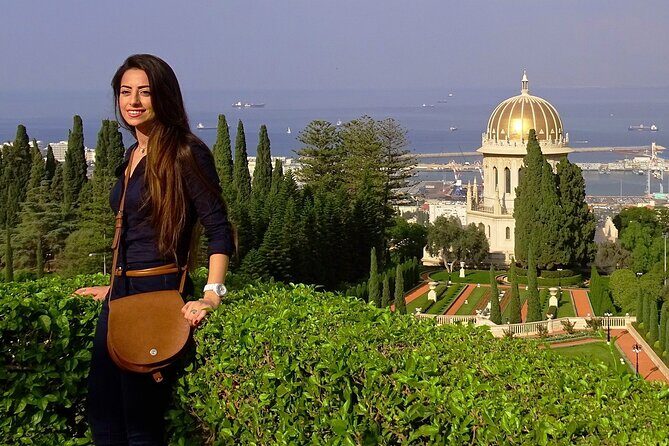
Then comes the geography shift—away from cities and into the edge of the Mediterranean. Rosh HaNikra is Israel’s northern coastline’s end-point vibe, and the main event is descending into the limestone grottoes formed by wave action over time.
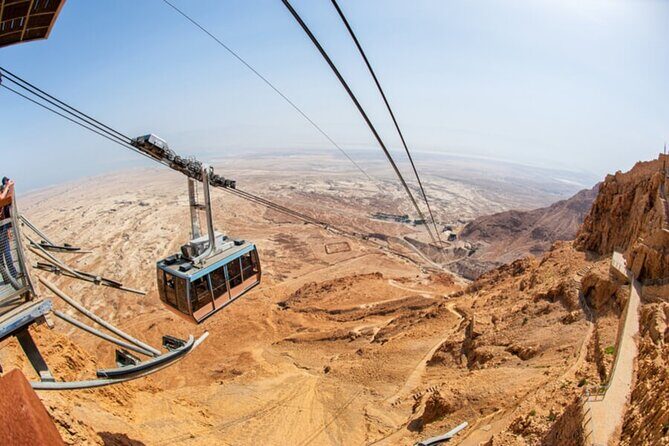
This is where the tour really earns its favorite status. The schedule gives you about 1 hour here, and the cable car ride is part of the experience. The caves are the kind of place that makes you stop talking mid-sentence because the scenery is doing the talking for you.
The limestone caves are also great for photos: your camera will love the contrast between bright sea light and darker cave interiors. If you’re bringing a phone-only setup, it’s still worth it. The views are strong enough even without fancy lenses.
There’s also a Lebanese Border segment in the program, around 40 minutes, listed as included. It’s part of the Rosh HaNikra experience, so expect a second piece of the north-coast story beyond the caves themselves. Exact viewpoints can vary day to day, but the theme is consistent: you’ll be seeing this coastline from a perspective tied to modern history as well as geology.
What to wear: bring a light layer if you run cool in shaded areas. Caves can feel cooler than the beach air.
Acre’s Old City and Citadel: crusader remains to British Mandate-era details
Acre (Akkre) brings you into the “walkable history” zone. You’ll get about 1 hour in the Old City of Acre, which is a great time window—long enough to soak up streets and walls, short enough that you’re not exhausted before the next stop.
Then you add the Citadel of Acre with another 1 hour. This is the part where the past gets sharply specific. You’ll see Crusader remains, and the program includes references to a prison used under Turkish rule, plus gallows used during the British Mandate to hang Jews who broke British law limiting Jewish immigration after World War II.
That mix of eras can feel heavy if you stop and think about it. If you’re the type who likes history, you’ll appreciate having a guide connect names and dates to visible stone. If you’re more “show me the vibe,” you can still enjoy the Citadel walls and views without turning it into a textbook.
Shoes again: this area involves uneven ground and steady walking.

How the guide format and route keep the day moving
This is a guided tour, and the quality can vary a bit based on who you get. Still, some guides stand out in the way they make the sights click.
For example, I’ve seen multiple named guides praised for their energy and explanations—Aviva, Rom, Abraham, and Sivan show up in the better experiences, along with Norbert. One guide, Itamar, was highlighted for taking a personal, story-driven approach that helped connect the sites to real people and real context.
There’s one logistics detail you should know up front: this tour can run in two languages. That can be great if you understand both and still stay engaged. If you don’t, you may feel like you’re waiting through repeated information. It also means you’ll likely arrive at the next stop already “on the clock,” so don’t plan to wander far without your group.
If you’re the “ask questions” type, a good guide will keep you moving while still answering. If you’re not, just accept that pacing is part of the deal here.
Price and inclusions: where $155 actually lands in your day

At about $155, you’re buying a lot of convenience: hotel pickup and drop-off, a professional guide, an air-conditioned vehicle, and entrance fees included.
That last part matters. Sites like Caesarea and Rosh HaNikra aren’t cheap if you buy everything separately while also managing transport between stops. Here, the cost is bundled into the day, which usually makes budgeting easier.
What’s not included: food and drinks. That’s the biggest “watch out.” Even if you’re comfortable with heat, you’ll want water and maybe a snack because the stops are time-boxed and the schedule runs long. A few minutes of skipped dehydration can turn a great day into a miserable one.
Also not included: insurance. That’s normal for tours, but worth checking if your trip already includes coverage.
Walking, heat, and comfort: the trade-offs you should plan for

This tour is doable for many people, but it’s not a sit-and-stare day. Some stops are shorter, but across the whole route you’ll be standing and walking steadily—amphitheater areas, citadel grounds, old-city streets, and the cave logistics.
The heat can be real, especially with an early start that still turns into daytime temperatures. If you’re sensitive to sun, plan for it:
- bring a hat and sunscreen
- carry water (even if you think you won’t need it)
- keep your pacing realistic—this tour is ambitious by design
If you have mobility issues, consider whether you want this much in one day. The route compresses multiple highlights into one long morning-to-evening block.
Should you book this Caesarea–Haifa–Acre–Rosh HaNikra tour?
If you want one efficient day that hits big-name northern sites with guide context and no car hassle, I think this is a strong option. It’s especially worth it if you value the Roman-to-religious-to-coastal sequence and you don’t want to piece together transport and tickets across the coast.
I’d hold off or approach with caution if:
- you’re heat-sensitive or need lots of long breaks
- you prefer independent pacing over guided structure
- you strongly dislike tours that run in two languages
Otherwise, grab the early start mindset and enjoy the variety. Caesarea gives you Roman scale, Haifa gives you a hillside vision, Rosh HaNikra gives you sea caves you’ll talk about later, and Acre adds the layered, sometimes unsettling story of the region.
FAQ
What’s the starting time for the tour?
The tour starts at 6:40 am.
How long is the experience?
It runs for 10 hours (approx.).
Do I get hotel pickup and drop-off?
Yes. Hotel pickup and drop-off are included.
Is the tour guided?
Yes. The tour includes a professional guide.
Are entrance fees included?
Yes. The tour includes all entrance fees.
Will I have a mobile ticket?
Yes. The tour includes a mobile ticket.
Is cable car access included at Rosh HaNikra?
Yes. The tour includes riding the cable car down to the sea caves at Rosh HaNikra.
Is food or drinks included?
No. Food and drinks are not included.
What are the age limits?
The minimum starting age is 4 years old.
Are there days when the Baha’i Gardens might not be accessible?
There’s an important note: the Baha’i gardens are closed Monday and Tuesday (based on reported experience). On those days, your access may be different.
Is the group size limited?
Yes. There’s a maximum of 40 travelers.