REVIEW · JERUSALEM
JERUSALEM private tour with ELAD VAZANA – Life in Israel & Palestine Then & Now
Book on Viator →Operated by www.Tour4Change.com · Bookable on Viator
Jerusalem can feel like a maze. This private tour gives you a guided map of what you’re seeing and why it matters, with enough flexibility to move at your pace. You’ll cover major landmarks like the Western Wall, the Dome of the Rock, and the Church of the Holy Sepulchre, then slow down for the smaller places—courtyards, rooftops, and market streets—where local life actually shows up.
I especially like the balanced, timeline-based storytelling led by Elad Vazana, which keeps the focus on context instead of finger-pointing. I also like that you get real conversation time in a private group of up to 12, so you can ask questions as you go rather than saving everything for the end.
One thing to consider: this is a 6 to 7 hour Old City-style walking tour, so you’ll want comfortable shoes and a good plan for heat, modest clothing, and crowds around holy sites.
In This Review
- Key things to know before you go
- Why this Jerusalem tour feels different from the herd
- Elad Vazana and the balanced way the story is told
- Jaffa Gate to get your bearings fast (and make the walls make sense)
- The Dome of the Rock: seeing the architecture and the tension
- Western Wall: history, significance, and a quiet personal moment
- Jewish Quarter and the Cardo: religious objects meet everyday life
- Via Dolorosa (optional) and the Church of the Holy Sepulchre build a reason to slow down
- Muslim Quarter: symbols, codes, and culture in daily motion
- Mount Zion: King David’s tomb and the Last Supper room (optional)
- Muristan Market and lunch timing: where to eat well nearby
- Christian Quarter and Holy Sepulchre approach: why the “in-between streets” matter
- Price and what you’re truly paying for
- What to wear and how to plan for a 6–7 hour Jerusalem walk
- Who this tour fits best (and who might want something else)
- Should you book Jerusalem Private Tour with Elad Vazana?
- FAQ
- Where does the tour start?
- How long is the tour?
- How much does it cost?
- What is included in the tour price?
- Is lunch included?
- Which sites can be closed on certain days?
- Do I need to dress modestly?
- Does the tour allow questions and personalization?
- What are the cancellation terms?
Key things to know before you go
- Private, flexible route for a group size up to 12, not a one-size-fits-all bus schedule
- Elad Vazana’s balanced context, focused on facts and timelines from multiple perspectives
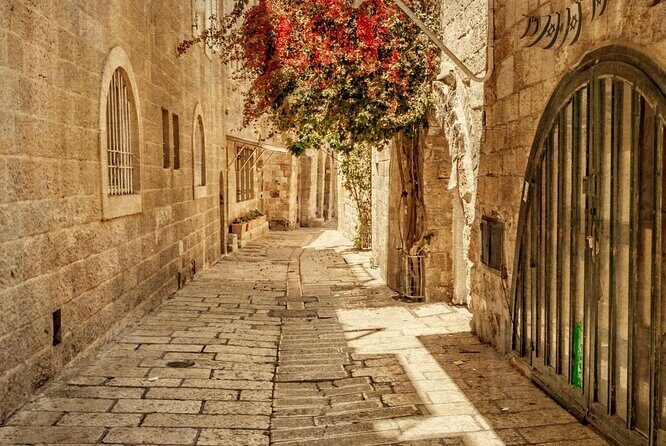
- Big sights plus smaller local streets, including markets and the historic Cardo area
- A hands-on Western Wall moment where you can leave a written prayer in the cracks
- Food included in small ways, like coffee/tea and a Jerusalem bagel taste, with lunch available nearby (not included)
Why this Jerusalem tour feels different from the herd
Jerusalem is not one story. It’s a stack of stories—some written in stone, some in daily habits, and some in the uneasy way people share space. What makes this tour work is the pacing and the framing. You won’t just stand in front of famous sites and rush away. You’ll get a guided walk that connects the present to the past in a way that helps you make sense of what otherwise feels contradictory.
Because it’s private, you can slow down when something catches your attention. You can also speed up when a section doesn’t need extra time. That matters in Jerusalem, where one street can feel calm and the next one can feel intense. Having a guide who can steer the visit without forcing a rigid script makes the experience more useful—and less stressful.
You can also read our reviews of more private tours in Jerusalem


Elad Vazana and the balanced way the story is told
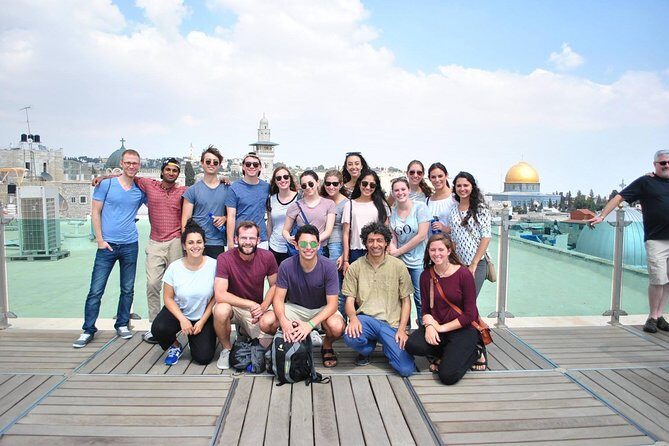
The biggest praised part of this tour is the way Elad Vazana explains the complicated reality of life in Israel and Palestine—then and now. The tone is important. You get facts and timelines, and you hear stories from more than one side without turning every stop into a debate.
That approach pays off because Jerusalem can trigger strong emotions fast. When a guide keeps the conversation anchored in history and clearly explains what you’re looking at, you’re less likely to miss the point of a place. You also get better questions—ones you can actually ask, in real time, while the streets and buildings are still right in front of you.
If you’re the type of traveler who wants context more than slogans, this is exactly the kind of guide-led experience that helps you understand without escalating.
Jaffa Gate to get your bearings fast (and make the walls make sense)
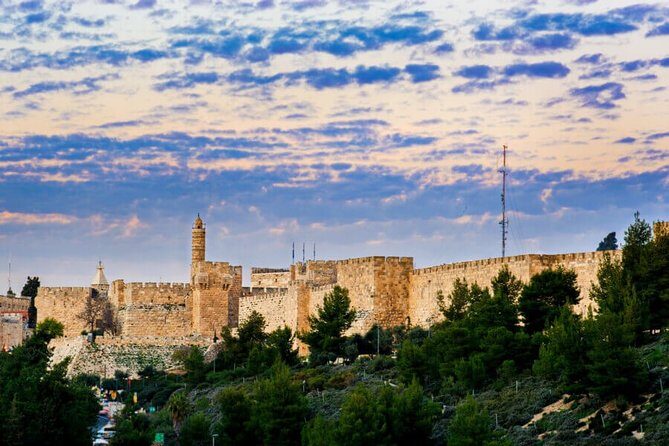
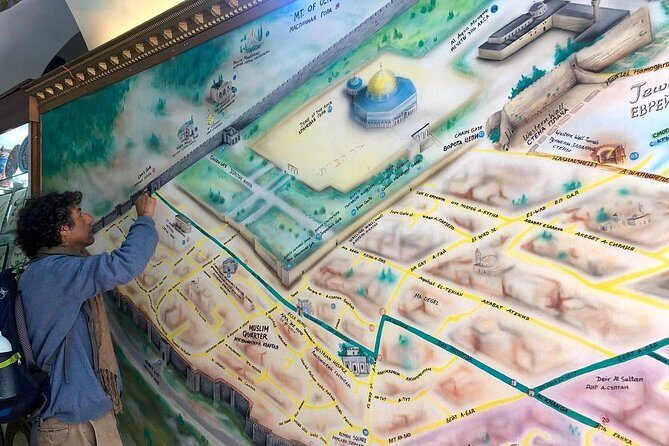
The tour starts at Jaffa Gate, a key entrance point to the Old City area. Even before you hit the major holy sites, you’ll learn about the ancient wall of Jerusalem and how it shaped the city’s layout over time. This is one of those moments where a little background prevents a lot of confusion later.
The time here is short—about 20 minutes. That’s a good thing. It gives you orientation without dragging you through lecture-mode. You’ll leave this stop with a clearer mental map, so the rest of the walking route feels connected instead of random.
Practical tip: the start is early (8:30 am). Use that. Morning light helps, and the crowds can be easier to handle.
The Dome of the Rock: seeing the architecture and the tension
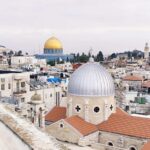
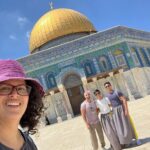
Next up is the Dome of the Rock. This is one of the places where people come with preloaded beliefs, and where it helps to have someone explain the history and symbolism behind the setting. The guide also covers why so much conflict surrounds it, which helps you understand why you might feel a different mood here than at other sites.
Timing matters a lot. The Dome of the Rock is closed on Friday, Saturday, and Muslim holidays, so if your dates include those days, the tour may have a different experience than you’re picturing. The plan, though, is still about the history and context—so you won’t just get a generic stop-photo.
One challenge: this is a sensitive area, and security rules can affect how you move and how long you can stay. A private guide helps you navigate the practical side without wasting time.
Western Wall: history, significance, and a quiet personal moment
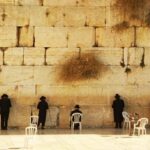
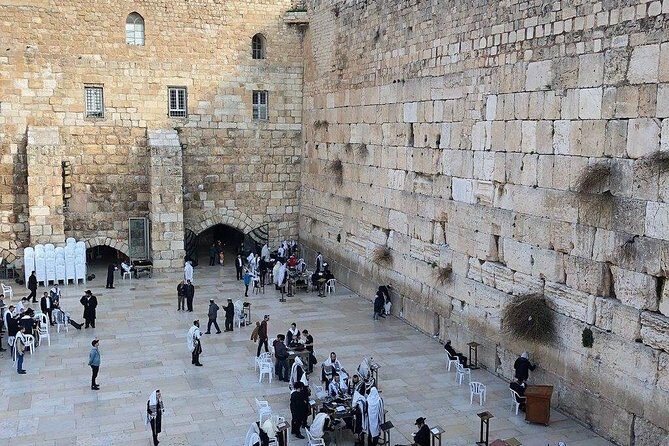
The Western Wall stop is about Jewish history and why this wall matters so much to the Jewish people. You also get a chance to approach the Wall and leave a secret written prayer in its cracks. That small ritual changes the feel of the visit. It’s not just looking; it’s participating in a meaningful tradition.
The allotted time is around 30 minutes. That’s enough to take in the setting, listen to the story, and still have a moment to be still. If you tend to be reflective during religious visits, this will likely be a highlight.
Practical note: expect crowds and lines around the Wall area depending on the day. The private format helps you avoid the most painful waits and focus on what’s important.





Jewish Quarter and the Cardo: religious objects meet everyday life
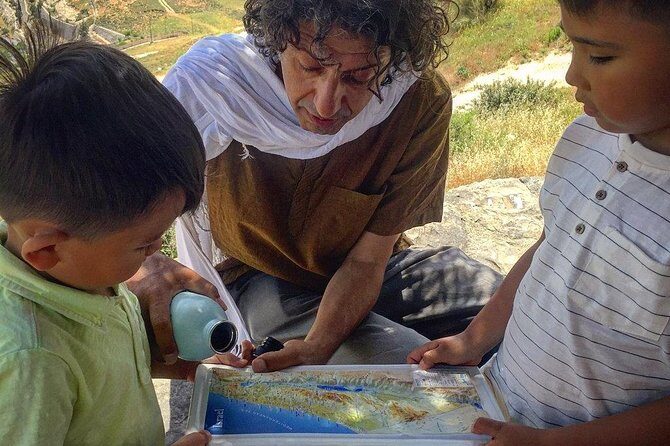
After the Western Wall, you’ll move into the Jewish Quarter. This is where the tour shifts from mega-landmark to daily textures: customs of Judaism, religious items, and artwork tied to biblical stories. The point isn’t to turn the Quarter into a museum. It’s to show how belief shows up in visible ways—what people wear, what they carry, and how the past stays present.
You’ll also see the Cardo, a historic street laid out by Romans almost 2,000 years ago, and now used as a shopping area for Jewish art and religious items. This stop is shorter—about 20 minutes—but it gives you a powerful “layering” effect. Same physical corridor, different eras, different purposes.
If you like history you can touch, these two stops are a strong pairing:
- Jewish Quarter gives meaning.
- Cardo shows the street itself as a historical artifact.
Via Dolorosa (optional) and the Church of the Holy Sepulchre build a reason to slow down
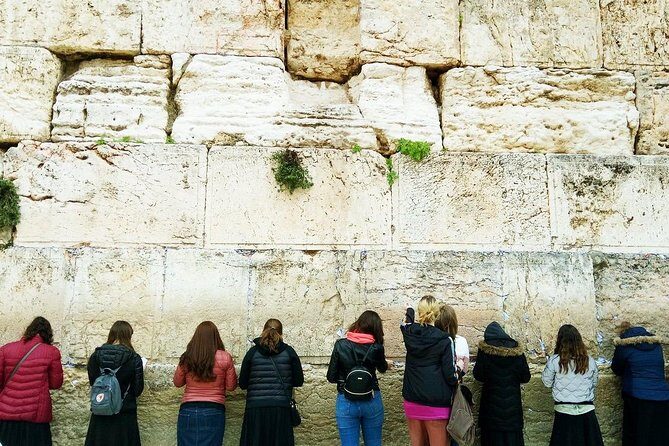
You may include the Way of the Cross (Via Dolorosa) walk segment to reach the Church of the Holy Sepulchre. It’s optional and scheduled as about 20 minutes. If you’re up for it, it adds a steady, foot-on-stone feeling to the morning. If you’d rather focus purely on the church interiors, skip it and save your legs for the next stops.
Then comes the Church of the Holy Sepulchre, described as a complex of about 20 chapels. This is one of those places that can feel overwhelming if you don’t have a guide explaining what you’re looking at. Here, the key value is clarity: hearing the stories of the chapels helps you understand why different corners matter, instead of getting lost in a maze of walls and names.
The time is around 1 hour. That’s enough to take in the church’s major points without feeling rushed through the most meaningful parts.
Muslim Quarter: symbols, codes, and culture in daily motion
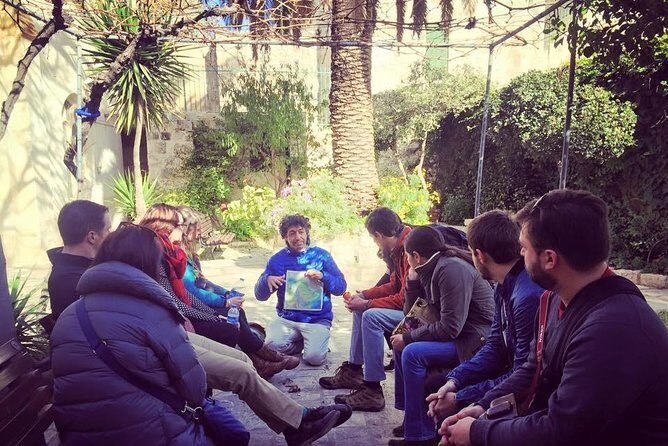
Next is the Muslim Quarter, about 1 hour. This stop is not just “sightseeing.” It focuses on Islam, culture, symbols, dress, architecture, and history in Jerusalem—and how people interact within that environment.
The useful part here is that you’re learning how to read what you see. A good guide helps you notice signals you might otherwise miss: the visual language of religious practice, the way architecture frames social space, and the codes that affect everyday behavior.
There’s also an extra payoff. Because this tour is walking through neighborhoods (not just between monuments), you’re more likely to see Jerusalem as a lived-in city rather than a photo list.
Mount Zion: King David’s tomb and the Last Supper room (optional)
You’ll then head to Mount Zion for the Tomb of King David and the Room of the Last Supper (optional), with about 30 minutes total. The schedule is built for a taste of the area rather than a long worship-length visit.
This stop can be especially meaningful if you’re the kind of traveler who likes connections between biblical stories and the places people point to today. Even if you already know the major references, a guide can help you understand how tradition and religious significance are tied to specific locations.
Because the Last Supper room is optional, you can decide based on your interests and energy level.
Muristan Market and lunch timing: where to eat well nearby
At around the Muristan Market, you’ll have time for a meal. The tour note is specific: lunch at the market is not included. You’ll likely see options and get recommendations for Mediterranean local fresh food—hummus and friends are mentioned.
This is a practical stop, and it’s also a good one to slow down. Markets are where you see how visitors and locals share space. If you’re hungry, this is your window to eat without turning the rest of the route into a snack-and-stumble situation.
Tip for value: since lunch isn’t included, treat it as your chance to choose something that fits your pace and preferences. You’ll still get guidance from the guide, but you control what you spend.
Christian Quarter and Holy Sepulchre approach: why the “in-between streets” matter
After Muristan, you walk via the main shopping street of the Christian Quarter, about 30 minutes. This isn’t listed as a deep interior history stop. It’s more about atmosphere—how the quarter functions as a corridor for daily commerce and religious identity at the same time.
Then you return to the big anchor: the Church of the Holy Sepulchre again is the core finale for Christian context, with about 1 hour planned. The value of this sequence is that it trains your eyes. You arrive at the church area already understanding the logic of the neighborhood streets around it, so the church doesn’t feel like a sudden left turn.
Price and what you’re truly paying for
It’s $450 per group, up to 12 people, with a private format. That means your real cost depends on how many people you bring. If you’re traveling as a couple or a small family, you’ll feel the private-tour premium. If you’re a small group of friends, it becomes a practical split.
What you’re buying isn’t just access to famous sights. You’re buying:
- Flexibility to ask questions
- A guide-led explanation that helps you connect history to the present
- A route designed to cover major sites plus surrounding neighborhoods
Also, coffee and/or tea are included, and there’s a Jerusalem bagel taste in the highlights. So you’re not starting completely from scratch on day-food and hydration.
Value check: if you’ve done a crowded walking tour before, you know how much time you lose when everyone moves at the same speed. A private tour is usually worth it in Old City Jerusalem because the “optimal pace” is different for each person. Here, you can match the pace to your questions.
What to wear and how to plan for a 6–7 hour Jerusalem walk
Jerusalem’s religious sites require modest clothing, so plan your outfit with that in mind. You’ll also want comfortable walking shoes, a hat, and water. This is a full morning tour (8:30 am start), and you’ll spend enough time outside and moving between areas that you’ll feel it if you’re underprepared.
There’s also an operational detail that matters: the tour uses a mobile ticket, and you’ll have free cancellation up to 24 hours before the experience starts. You should still pack for flexibility on the ground, especially since sensitive sites have rules that can change the flow.
If you get tired easily, you’ll still be able to rest for a minute during the pauses built into the route. Private guiding helps here, too—you can ask for slower steps rather than forcing yourself to keep up with a group you didn’t choose.
Who this tour fits best (and who might want something else)
This tour is a great match for you if:
- You want context more than quick photo stops
- You care about understanding how different communities read the same landmarks
- You like the mix of major sites and real neighborhood streets and markets
- You’re traveling with a small group and want a guide who can adjust on the fly
It may be less ideal if you’re expecting a strict, “everything is indoors” day or if you dislike walking for hours in historic, busy areas.
One more note: the tour is described as having adaptable timing, including that morning tours or afternoon tours can be customized to suit schedules. So if you can’t do the morning start, ask about fitting your day instead of assuming you must do 8:30 am.
Should you book Jerusalem Private Tour with Elad Vazana?
I’d book it if you want to leave Jerusalem understanding more than just the name of each landmark. The strongest draw here is the balanced, timeline-focused way the guide explains today’s situation through history, plus the fact that you’re not stuck marching with a crowd.
It’s also a good value structure for groups because it’s priced per group (up to 12) and includes small but helpful extras like coffee/tea and a Jerusalem bagel taste.
If you’re sensitive to religious-site rules, plan your clothing and expect modest dress. And if you’re physically cautious, wear proper shoes and treat the day like a real walking itinerary.
If your goal is understanding Jerusalem as a lived city—history plus daily life—this is the kind of private tour that makes that goal realistic.
FAQ
Where does the tour start?
The tour starts at Jaffa Gate hostel at Jaffa Gate, Jerusalem.
How long is the tour?
It runs about 6 to 7 hours.
How much does it cost?
The price is $450 per group, up to 12 people.
What is included in the tour price?
The tour includes coffee and/or tea.
Is lunch included?
No. Lunch is not included. There is a market stop (Muristan Market) where you can get food, but it’s not part of the price.
Which sites can be closed on certain days?
The Dome of the Rock is noted as closed on Friday, Saturday, and Muslim holidays.
Do I need to dress modestly?
Yes. Modest clothing is required to enter holy sites.
Does the tour allow questions and personalization?
Yes. Because it’s private, it allows for questions, conversations, and personalized interactions. The itinerary is also described as flexible.
What are the cancellation terms?
You can cancel for a full refund as long as you cancel at least 24 hours before the experience’s start time. Free cancellation is available, and service animals are allowed.