REVIEW · JERUSALEM
Palestine Revealed: 2-Day Private Tour from Jerusalem
Book on Viator →Operated by Green Olive Tours · Bookable on Viator
A single trip can change how you see a place. This 2-day private tour from Jerusalem (or Tel Aviv) threads biblical sites, Israeli settlement blocs, and Palestinian daily life into one hard-to-forget route. I especially liked the up-close Hebron time and the way you get a first-person look at life shaped by the Separation Barrier. One consideration: this is politically and emotionally intense travel, and the day includes security-heavy areas and socially conservative communities—so you’ll want to dress and behave accordingly.
What makes it work is the pacing and the framing. You’re not just “stopping for photos.” You’ll have an English-speaking guide who explains context as you move—so the sights around Gush Etzion, Kiryat Arba, Hebron’s Old City, Bethlehem, and Aida Camp actually connect. For me, the best part was how the route keeps switching gears: holy sites to lived-in realities, then back to history, then out to the Wall and into refugee-camp conversations. The possible drawback is practical, not spiritual: it’s long days, and if you get overwhelmed by checkpoints, crowds, or religious sites, you’ll feel it.
In This Review
- Key Highlights Worth Your Attention
- How the 2 Days Run: Pickup, Timing, and a Political Route That Still Feels Practical
- Hebron Day: From Gush Etzion to Shuhada Street (and Why the Details Matter)
- Gush Etzion: Settlements Discussed as History, Not Slogans
- Kiryat Arba at the Edge of Hebron: The Subject of Controversy Up Close
- Cave of the Patriarchs: Same Place, Different Faith Spaces
- Hebron Old City: Shuhada Street, Settlers’ Compounds, and Checkpoints
- Hebron Glass & Ceramics: A Normal Industry Side to Balance the Tension
- Bethlehem and the Wall: Mar Saba Views, Church of Nativity, and the Walled Off Hotel
- Mar Saba Monastery: Desert Views and a Place That Feels Time-Heavy
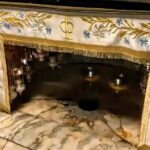
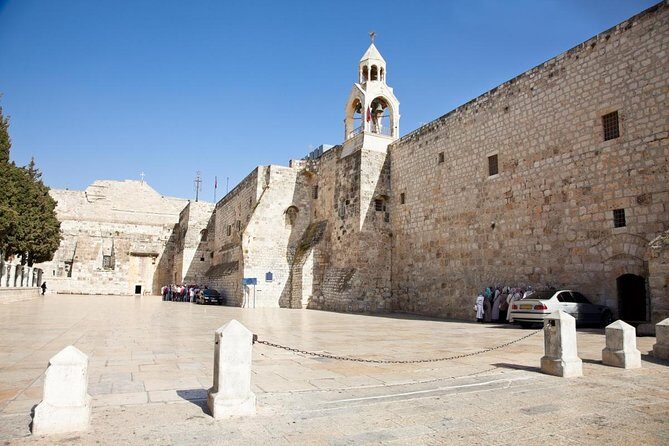
- Church of the Nativity in Bethlehem: Sacred History with Old City Walking Time
- Traditional Palestinian Lunch, then the Walled Off Hotel and Separation Barrier
- Aida Camp: Meeting Locals and Hearing Stories That Don’t Fit in a Soundbite
- Price and What You’re Actually Paying For: Private Guide, Pickup, Hotel, and Meals
- Who This Tour Suits Best (and Who Might Find It Too Much)
- Should You Book Palestine Revealed?
- FAQ
- What time does the tour start?
- Do I need a passport for this tour?
- What should I wear in Hebron and Bethlehem?
- What’s included in the tour price?
- What isn’t included?
- Is this a private tour?
- What’s the cancellation refund policy?
Key Highlights Worth Your Attention
- A true private tour: only your party, with an English-speaking guide and air-conditioned transport
- Hebron-focused walking time: Shuhada Street, Old City lanes, and views of the built-in realities of separation and checkpoints
- Cave of the Patriarchs entry on both sides: you’ll have a chance to step into the Muslim and Jewish sides of the complex
- The Walled Off Hotel and the Separation Barrier: learn how the wall shapes daily life, then see it through art and a museum-style presentation
- Aida Camp conversation time: an opportunity to meet locals and hear stories firsthand
How the 2 Days Run: Pickup, Timing, and a Political Route That Still Feels Practical
This tour starts early, with a pickup and departure at 8:30am. You’ll be picked up from your hotel in Jerusalem or Tel Aviv, then transported in an air-conditioned vehicle. That matters because this route covers a lot of ground across different areas, and being able to ride door-to-door saves energy—especially on days that mix driving with walking through tight old-city spaces.
You should also know the rhythm: it’s not a “sit and listen” bus day. It’s a series of visits where you’ll pause, listen, walk, and then move again. Religious sites take time. Urban walking takes time. Even the stops that are shorter on paper still feel busy once you factor in entry procedures and the way crowds can slow you down.
The tour’s big promise is context: it’s built to help you understand Palestine from the ground up—history, politics, daily constraints—and to connect that to biblical geography you may already know. If you want a tour where the explanation comes with the scenery, this is built for you.
One practical note: you’ll need to manage your schedule around the days’ emotional intensity. I’d treat this less like a casual sightseeing spree and more like a guided lesson you can physically walk through.
You can also read our reviews of more private tours in Jerusalem
Hebron Day: From Gush Etzion to Shuhada Street (and Why the Details Matter)

Day one moves through areas that are often described in political headlines, but here you see them as lived geography.
Gush Etzion: Settlements Discussed as History, Not Slogans
You begin en route via the Gush Etzion settlement bloc. This is one of those places where the conversation needs to be in motion: the guide explains the history and current status of these communities while the landscape unfolds around you. The value of this approach is simple. You start learning before you arrive at the most sensitive spots later in the day.
Even if you’ve read about the West Bank before, you’ll likely find the “on the way” framing helps you keep track of why the rest of the route looks the way it does.
Kiryat Arba at the Edge of Hebron: The Subject of Controversy Up Close
Next is Kiryat Arba, an Israeli suburb and enclave at the edge of Hebron. The visit includes Baruch Goldstein’s tomb. This stop can feel heavy, because it’s tied to a figure that carries deep political and personal meaning.
This is one of those moments where your guide’s tone matters. The tour is designed to keep the discussion anchored in what you’re seeing and what it means for people living nearby—not just name-dropping or pushing a slogan. Still, come prepared: this area is not “neutral ground,” even if you’re there for a historical explanation.
Cave of the Patriarchs: Same Place, Different Faith Spaces
Then you reach the Cave of the Patriarchs (also known as Me’arat Hamachpela / Al-Haram Al-Ibrahimi). You should make sure you bring your passport. This is a key practical point for this tour and especially for religious sites.
Here you’re given the chance to enter both the Muslim side (Abraham’s Tomb Mosque area) and the Jewish side (synagogue area). What I like about this setup is that it forces you to notice how one sacred geography can hold multiple narratives at the same time. It’s not just “holy site sightseeing.” It’s a lesson in how faith, history, and modern politics overlap in the same building.
Plan for time and movement. The space is active, people flow, and you’ll want to be respectful and patient.
A few more Jerusalem tours and experiences worth a look

Hebron Old City: Shuhada Street, Settlers’ Compounds, and Checkpoints
The tour continues into Hebron for a walk down Shuhada Street through the Old City. You’ll see settlers’ compounds and the military base and checkpoints along the route connecting areas.
This is the heart of why the tour exists. It’s not simply showing “places of conflict.” It’s showing how control, access, and separation show up on foot: where movement changes, where it pauses, and what “security infrastructure” looks like in everyday sightlines.
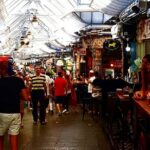
Lunch in the Old City fits naturally here. It also gives you a chance to pause and reset during a day that can feel relentless.
Hebron Glass & Ceramics: A Normal Industry Side to Balance the Tension
Before the day ends, you visit Hebron Glass & Ceramics, a local glass factory. This stop is shorter, but I really like having it. After the heavy politics of the morning, you get a grounded look at work and craftsmanship.
It’s a good reminder that the people living here are doing normal things too—making products, running a business, and sustaining a local economy.
Bethlehem and the Wall: Mar Saba Views, Church of Nativity, and the Walled Off Hotel
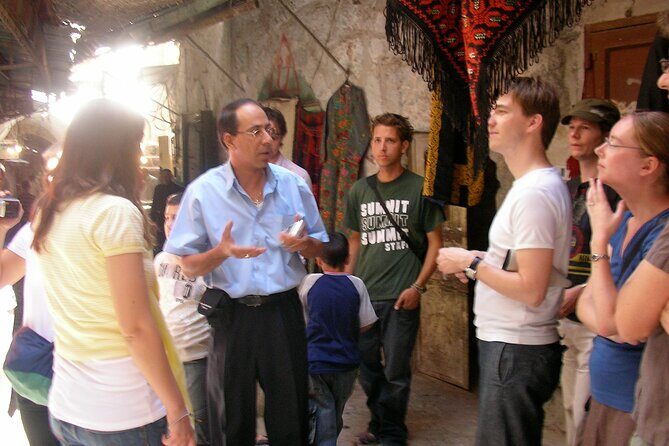
Day two is a shift in tone. You move from Hebron’s urban intensity to the Judean desert and Bethlehem’s layered religious history. It still stays grounded in modern reality, though, especially once you get near the barrier.
Mar Saba Monastery: Desert Views and a Place That Feels Time-Heavy
You start at Mar Saba Monastery. The big draw is the combination of Judean desert views and the monastery’s atmosphere. You’ll get about 1 hour 30 minutes, which is enough time to see the viewpoints without turning it into a rushed checkbox.
This stop works as a mental reset. Even if you came for politics and lived realities, you’ll still appreciate how the geography shapes belief and travel patterns.
Church of the Nativity in Bethlehem: Sacred History with Old City Walking Time
Next is the Church of the Nativity, with time walking through the Old City. Expect about 2 hours here. This is one of the places where the crowds can add to the energy, so go slow in your own head. Let the guide’s explanation help you orient—what you’re looking at, why it matters, and how the modern city wraps around older sacred space.
If you’re doing multiple religious sites in a trip, this stop can feel like the climax. It’s also a reminder that pilgrimages aren’t just personal. They’re shaped by geography and borders.
Traditional Palestinian Lunch, then the Walled Off Hotel and Separation Barrier
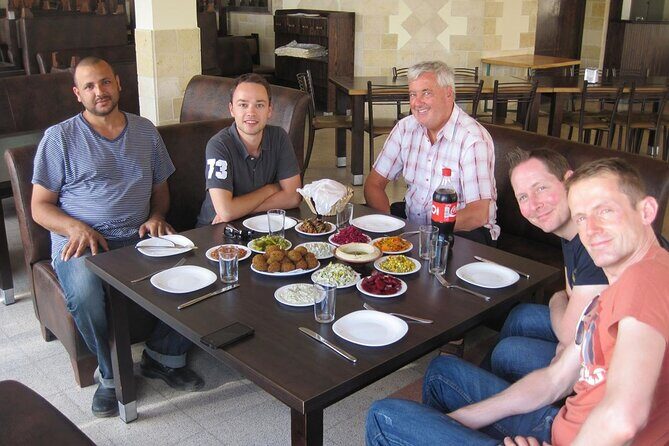
After the Church, you’ll have a traditional Palestinian lunch at a local restaurant. Then you move to the Separation Barrier for an up-close walk and discussion of its impact on Palestinian daily life.
This is where the tour’s perspective sharpens. Instead of only discussing walls in abstract terms, you’re shown what the barrier does to movement and proximity. Then you visit the Walled Off Hotel, a site created to attract tourists to an area that once saw less attention—while using art and museum-style storytelling to explain occupation history through what people create.
The key practical detail: admission to the Walled Off Hotel costs 20 NIS and is not included.
I also like that you’ll learn how the barrier has been used for art and graffiti, including works by various artists. It turns a concrete object into something you can read—like a public message board. It can be emotional, but it’s also one of the most meaningful ways to understand how people respond when life is constrained.
Aida Camp: Meeting Locals and Hearing Stories That Don’t Fit in a Soundbite
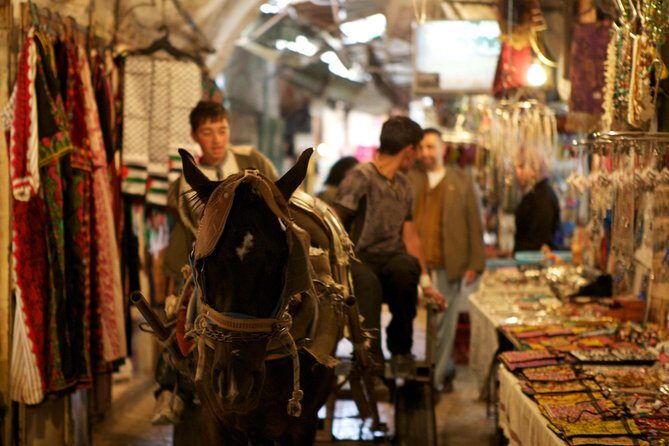
The final stop is Aida Refugee Camp, about 1 hour. You’ll have the chance to meet locals and hear stories.
This is the moment where the tour stops being about monuments and starts being about people. Even with a guided visit, you should approach this with patience. Listening matters more than talking. Ask questions only if it feels appropriate, and let your guide steer what’s respectful.
Aida Camp is also a reminder that “history” isn’t finished just because you learned it in a book. It continues in families, routines, and ongoing challenges.
If you only take one lesson from day two, I’d want it to be this: the tour isn’t trying to force a single conclusion. It’s trying to give you enough detail to form your own understanding.
Price and What You’re Actually Paying For: Private Guide, Pickup, Hotel, and Meals
At $1,245.65 per person, this isn’t a budget tour. You’re paying for a private format with door-to-door pickup in Jerusalem or Tel Aviv, an English-speaking guide, air-conditioned transport, and one night accommodation (double or triple occupancy unless you book a single). You also get breakfast and dinner, plus coffee and/or tea.
You don’t pay extra for most admissions along the way—many stops list admission as free, including Gush Etzion, Kiryat Arba, Cave of the Patriarchs, Hebron, Mar Saba, and Church of the Nativity. The one clearly called-out extra is the Walled Off Hotel at 20 NIS, which you should plan for.
What isn’t included is also important: food and drinks are not included unless specified, alcoholic drinks with meals are not included, and personal expenses are on you. So if you’re the type who snacks constantly during long days, budget a bit.
For value, the biggest factor isn’t just price—it’s time and access. This route includes sensitive places and places that are hard to navigate without local guidance. When a tour includes private transport plus a guide who can explain what you’re seeing as you go, you save the stress of trying to assemble it all yourself.
This tour seems especially worth it if:
- you want both biblical and modern context in one package
- you don’t want to juggle logistics while dealing with politically sensitive areas
- you care about hearing perspectives from Palestinian life, not only the heritage sites
Who This Tour Suits Best (and Who Might Find It Too Much)
This experience is best for you if you like guided learning and you’re willing to sit with difficult realities. It fits travelers who want to understand how politics and daily life intersect around Jerusalem and the West Bank, and who are okay with walking through places where tension is part of the scenery.
It also suits couples and small groups because it’s private—just your party—so you can ask questions without feeling like you’re sharing your time with strangers.
The main “skip” case is emotional readiness. If you know you get distressed by checkpoints, confrontations, or anything that feels unsafe or unfair, this may wear on you. Also, the dress code is not optional here. Hebron and Bethlehem are described as socially conservative religious cities, and the guideline is basically face, lower arms, and hands only; no shorts for men or women, and dress with shirts closed at the neck and covering shoulders.
If it’s hot, you still need lightweight, loose clothing that covers appropriately. Plan for that so you stay comfortable and respectful.
Should You Book Palestine Revealed?
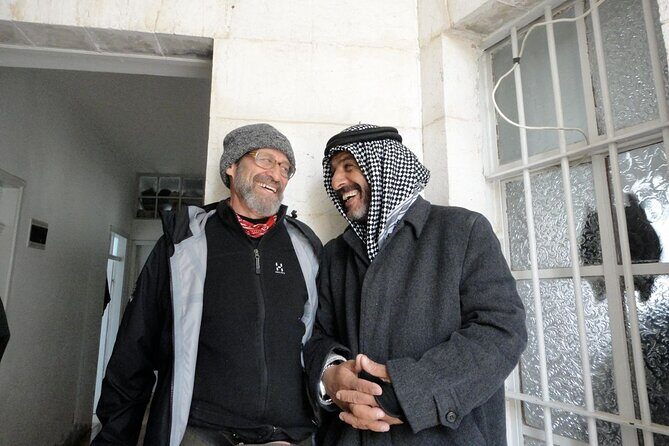
If your goal is to understand the region beyond what’s on a standard Holy Land checklist, I’d say this is a strong choice. I like how it mixes holy sites with lived infrastructure—Hebron’s Old City walking, the built-in realities of separation, and then an Aida Camp visit where you meet people and hear stories.
Book it if you’re ready for a guided, high-context route and you can handle the emotional weight. Skip it if you want light, carefree sightseeing with minimal political discussion, or if the combination of security areas and socially conservative environments will stress you out.
If you do book, go in with one mindset: you’re not shopping for the “right opinion.” You’re collecting details—views, conversations, and explanations—so you can understand what you see.
FAQ
What time does the tour start?
The meeting time is 8:30am, and pickup is offered from your hotel in Jerusalem or Tel Aviv.
Do I need a passport for this tour?
Yes. A current valid passport is required on the day of travel.
What should I wear in Hebron and Bethlehem?
The tour asks you to dress appropriately for socially conservative religious cities: avoid shorts, and aim for clothing that covers everything except the face, lower arms, and hands. Shirts should be closed at the neck and cover the shoulders.
What’s included in the tour price?
Included are breakfast and dinner, pickup and drop-off at your hotel (Jerusalem or Tel Aviv), a personal English-speaking guide, air-conditioned transport, one night accommodation (double or triple occupancy unless single is specified), and coffee and/or tea.
What isn’t included?
Not included are food and drinks unless specified, alcoholic drinks with meals, personal expenses, and the Walled Off Hotel admission fee (20 NIS).
Is this a private tour?
Yes. It’s described as private, with only your group participating.
What’s the cancellation refund policy?
You can cancel up to 6 days in advance for a full refund. Cancel 2–6 days before for a 50% refund. If you cancel less than 2 days before, the amount you paid will not be refunded.