REVIEW · JERUSALEM
Jerusalem: Old City Shabbat Experience and Walking Tour
Book on GetYourGuide →Operated by Abraham Tlalim Tours LTD · Bookable on GetYourGuide
Shabbat feels closer when the streets are getting ready. I love how this tour shows you the pre-Shabbat atmosphere as Jerusalem flips from weekday motion to day-of-rest rhythm, and I also love the tight focus on key Jewish landmarks—so you understand what you’re looking at, not just where to stand. You’ll pass major sights in a logical loop that keeps the meaning of the Old City in front of you.
One thing to consider: this is a walking tour with a set flow, so you may want to arrive on time at the Jaffa Gate meeting point. A prior guest noted that the guide didn’t always pause to wait for everyone before continuing stories, so being a few minutes early helps you catch the full context.
In This Review
- Key highlights to look for on this 150-minute Old City loop
- Where it starts: Jaffa Gate and the short walk-in mindset
- Tower of David near the wall: understanding the Old City’s big picture
- Jewish Quarter before Shabbat: markets, mood, and the timing of meaning
- Hurva Synagogue: architecture and the story of rebuilding
- Western Wall as a finishing moment: sacred history you can feel
- Circling back to markets and Jaffa Gate: how to extend the experience
- Guide quality matters: what you can expect from Liran and Orna-style guiding
- Cost and value: is $47 worth 150 minutes in the Old City?
- What to bring (and what to skip) so you don’t ruin your own day
- Who should book this Shabbat-season Old City walk?
- Should you book this Jerusalem Old City Shabbat experience?
- FAQ
- Where is the meeting point for the tour?
- How long is the tour?
- Is the tour guided, and what language is it in?
- What is included in the price?
- Are food and drinks included?
- What should I bring?
- What clothing is not allowed?
- What is the cancellation policy?
Key highlights to look for on this 150-minute Old City loop
- Pre-Shabbat preparation you can actually see as shops and streets shift into Shabbat mode
- Tower of David history framing the Old City near Jaffa Gate, helping everything make more sense
- Jewish Quarter markets as living context, not just scenery
- Hurva Synagogue’s repeated rebuilds, explained as part of why the site matters
- Western Wall significance and storytelling near sunset, when the mood changes fast
- A small Shabbat taste (like grape juice and challah) that can add a real sense of occasion
Where it starts: Jaffa Gate and the short walk-in mindset
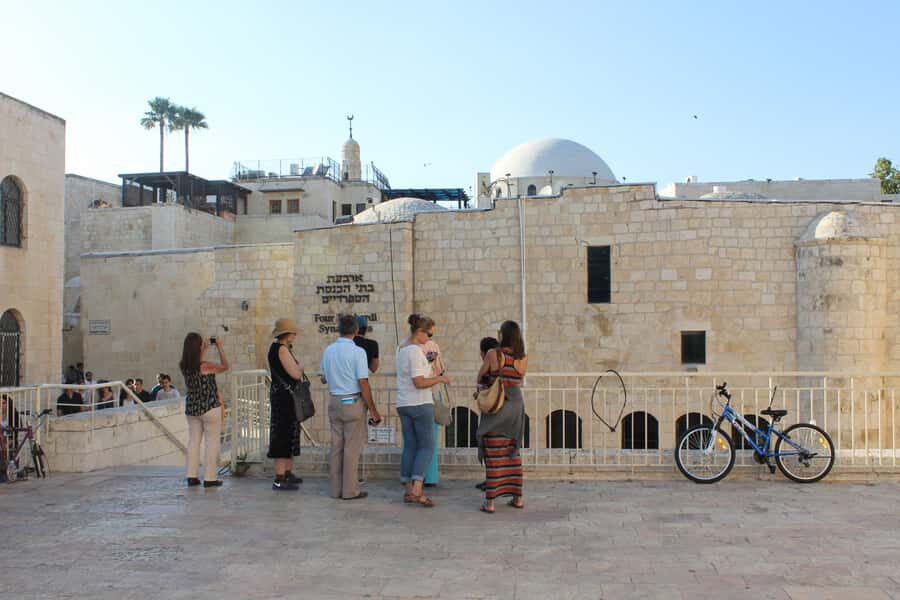
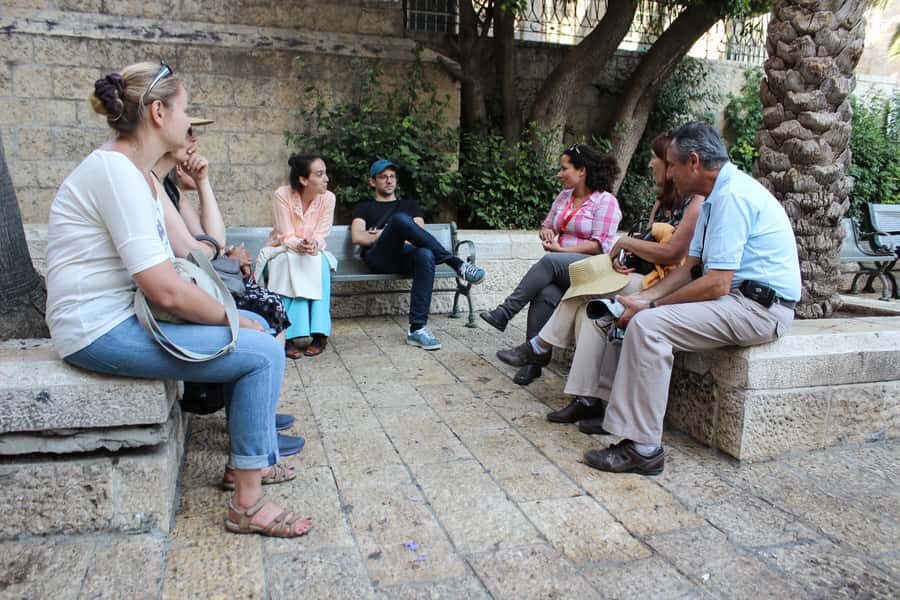
Your meeting point is outside the Old City at Jaffa Gate, at the stone bench just beyond the gate. Look for a guide wearing a green shirt with the word Guide in yellow on the back. This matters more than it sounds. Jerusalem’s Old City is busy, streets braid together, and being confident at the start saves time and stress.
Also plan to dress for the reality of a holy site plus lots of walking. The tour asks for no shorts and no sleeveless shirts, so bring something that covers appropriately. For your comfort, water, a sun hat, and a scarf are on your list—follow it, because pre-Shabbat timing means you’ll often feel the heat before the evening cool-down.
You can also read our reviews of more walking tours in Jerusalem



Tower of David near the wall: understanding the Old City’s big picture
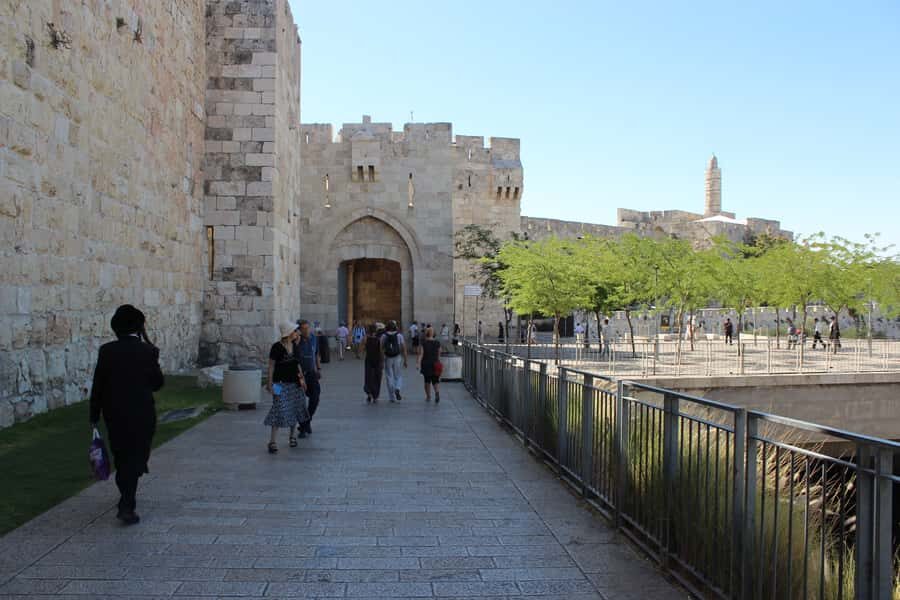
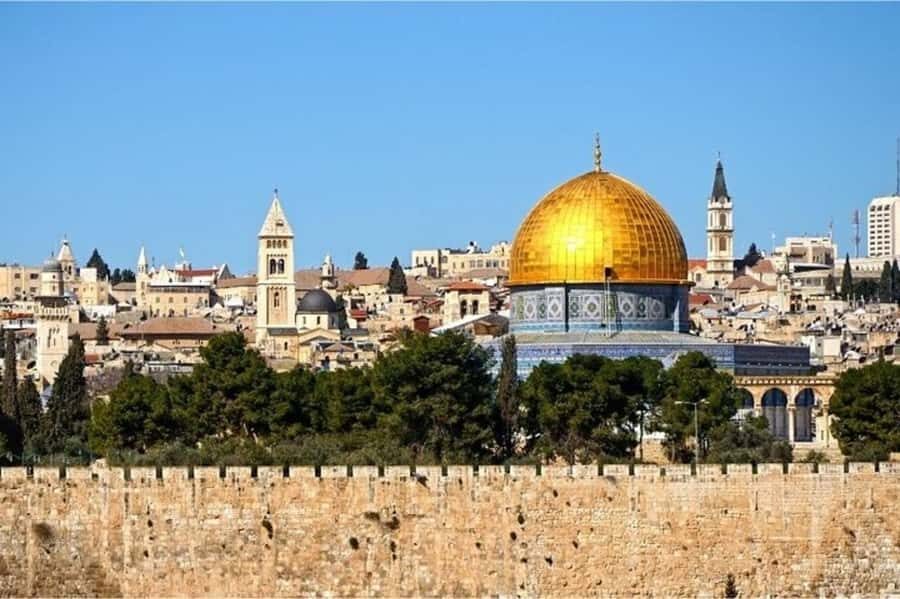
From Jaffa Gate you’ll head toward the Tower of David, an ancient fortress area that’s used as a museum today. Even if you don’t spend extra time inside, you’ll get the historical framing that makes the rest of the walk click.
Here’s why I think this stop is valuable for you: the Old City can feel like a set of separate places—Western Wall here, synagogues there, markets somewhere else. Tower of David helps you connect those dots. It’s like getting the chapter title before you start reading.
You’ll also get a sense of how the Old City’s Jewish Quarter and key religious sites fit into the larger story of Jerusalem. That context is exactly what turns pictures into understanding.
Jewish Quarter before Shabbat: markets, mood, and the timing of meaning
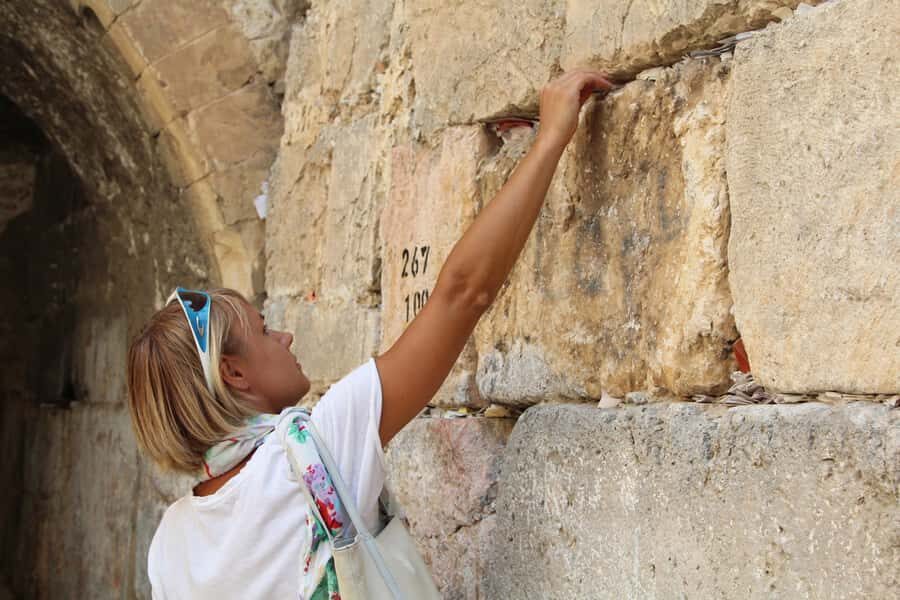
After the fortress area, you move into the Jewish Quarter, and this is where the tour’s theme becomes tangible. You’re walking through the Old City during the period leading up to Shabbat, when people are preparing for the day of rest.
You’ll see why this timing is the point. The streets don’t feel like a museum hallway. They feel like a place where routine is changing—where community life is adjusting for the start of Shabbat. Even if you’re not participating in religious practice, you’ll learn the cultural logic of what’s happening and why it matters.
A practical note: markets can be crowded and sensory. You’ll want to keep an eye on your footing and on the guide, because the tour is designed to keep moving and keep momentum. If you’re easily distracted or you stop a lot for photos, you might feel a little rushed—so choose a camera strategy that works for you (short bursts, then keep pace).
Hurva Synagogue: architecture and the story of rebuilding
Next you’ll reach Hurva Synagogue, described as a beautiful historic synagogue that has been rebuilt multiple times over the centuries. That detail is more than trivia. It’s a clue to the emotional weight of the place.
When a community rebuilds a sacred site repeatedly, it signals continuity. It says the meaning didn’t disappear with destruction. On this tour, you’re not just looking at style or stonework—you’re learning why the synagogue stands where it does, and why the story of rebuilding matters to Jewish life in Jerusalem.
Expect your guide to connect the architecture to identity and memory. That approach is what makes Hurva feel like a lived landmark instead of a postcard.
Western Wall as a finishing moment: sacred history you can feel
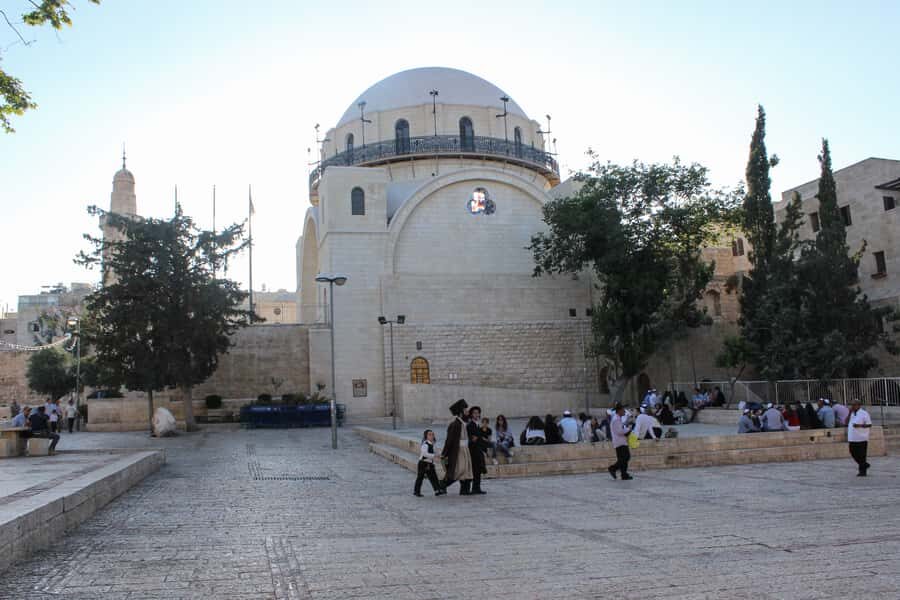
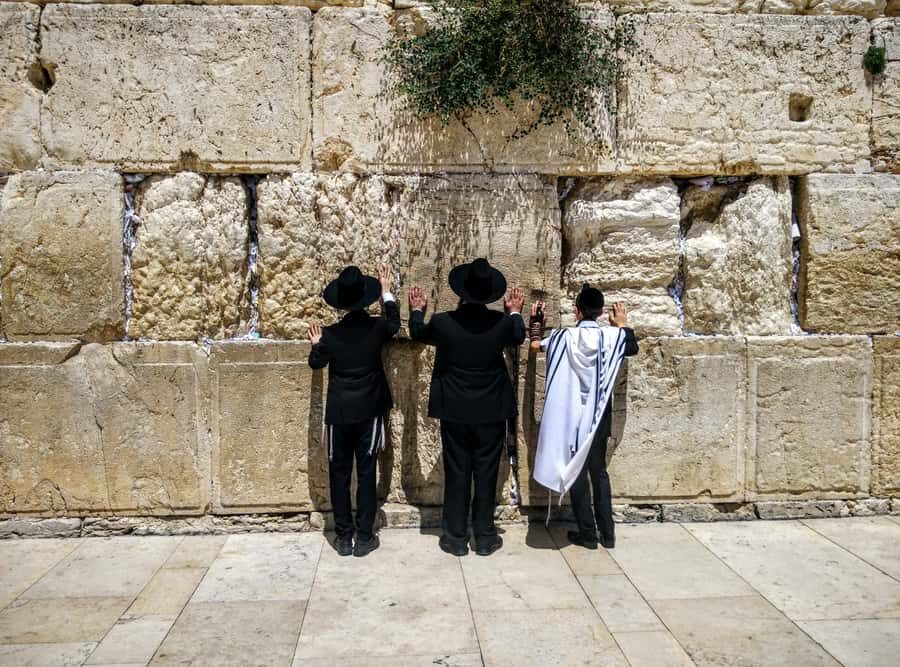
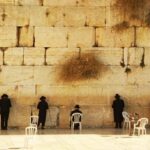
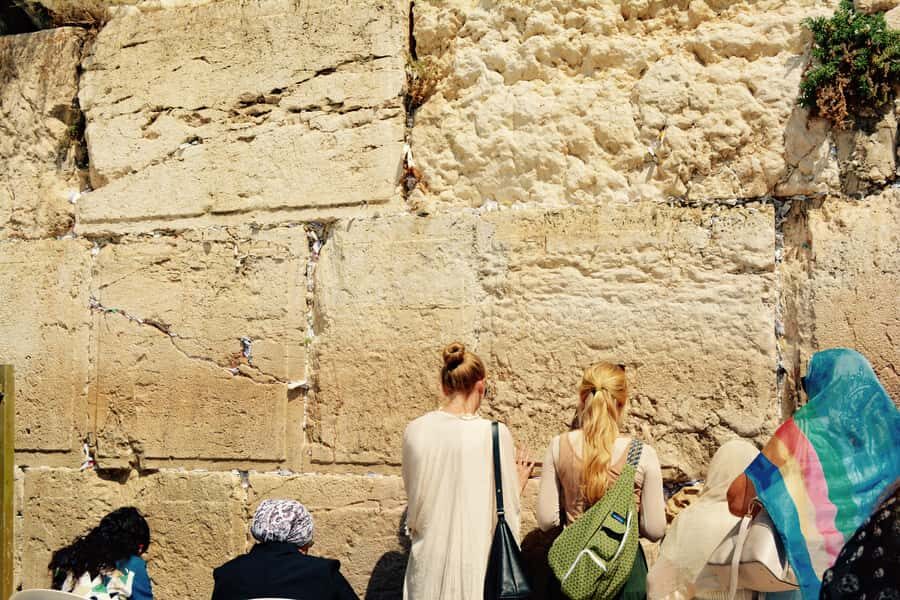
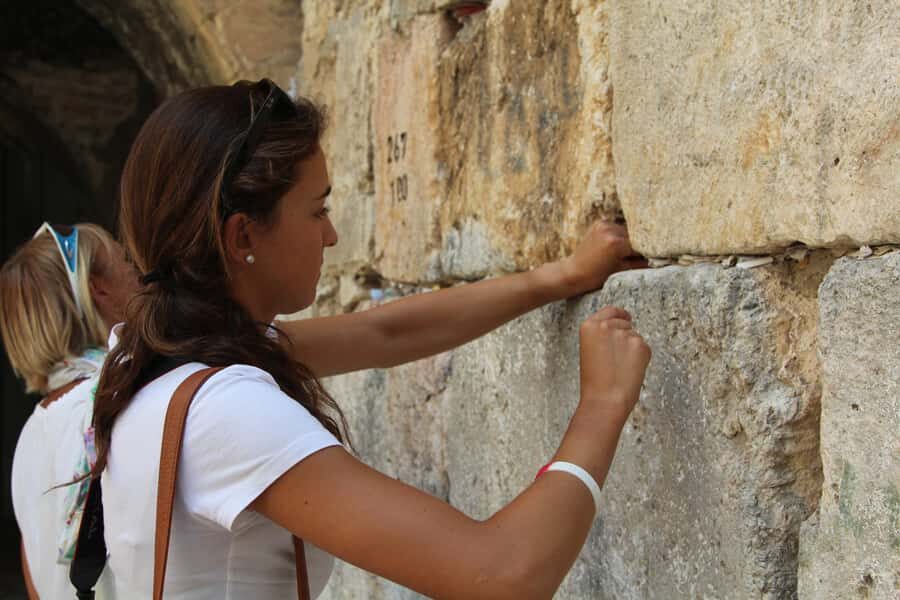
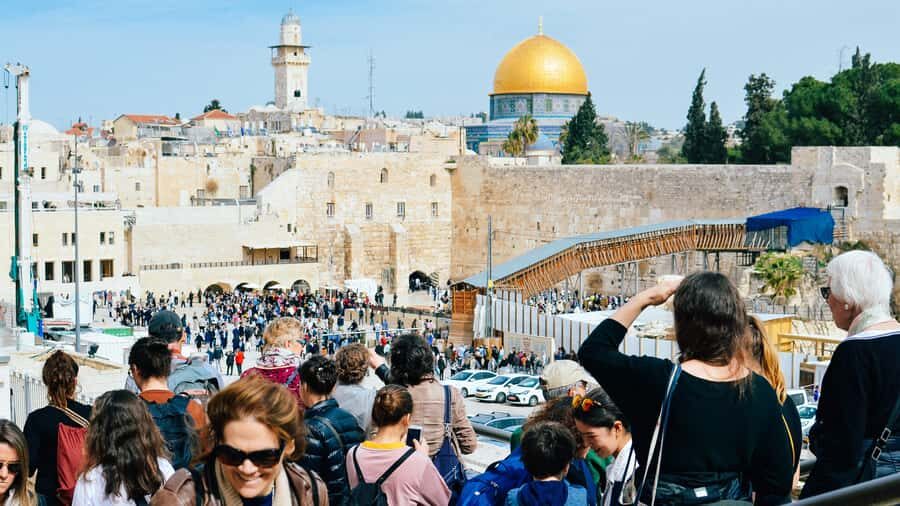
As the sun prepares to set, the tour brings you to the Western Wall, one of Judaism’s most sacred sites. This is a natural climax for the itinerary: you’ve walked through preparation in the streets, you’ve learned about sites with deep roots, and then you arrive at the place where devotion and history converge.
Here’s what I’d pay attention to while you’re there: how the guide explains significance throughout history, not just the modern moment. If you approach the Western Wall as an entire timeline—rather than a single snapshot—you’ll come away understanding why people feel pulled to this specific spot.
If you’re sensitive to crowds or quiet moments, plan your pace. Don’t fight the flow. Let people pass, step back when needed, and use the space the way the moment requires. With timing near sunset, the atmosphere can shift quickly.
You can also read our reviews of more city tours in Jerusalem






Circling back to markets and Jaffa Gate: how to extend the experience
After the Western Wall, you’ll head back toward the Jewish Quarter markets again, soaking in the ongoing energy as the day of Shabbat approaches. This return loop is useful because it lets you compare two feelings: the earlier preparation and the later sense of transition.
Finally, you return to Jaffa Gate, where you can keep exploring on your own or go back to your hotel. That freedom is smart. The Old City has too many lanes and surprises to wrap up in 150 minutes, so the tour ending at a major entrance gives you an easy off-ramp.
Guide quality matters: what you can expect from Liran and Orna-style guiding
The guide is the engine of this walk. And based on the guide reputations connected to this company, two names come up often: Liran and Orna. People highlight their care, clarity, and engagement—and that’s exactly what makes a pre-Shabbat tour work.
A strong guide does three things well:
- Keeps the story understandable while you’re walking.
- Connects architecture and sites to real cultural significance.
- Keeps the mood moving without turning it into a lecture.
If you happen to get a guide with that kind of presence, you’ll likely feel you gained context fast—so you can enjoy the sights without constantly stopping to figure things out.
Cost and value: is $47 worth 150 minutes in the Old City?
At $47 per person for about 150 minutes, this tour isn’t trying to be a bargain-basement deal. But it also isn’t pricing itself like a private, custom experience. What makes it good value is the combination: multiple major Jewish sites plus guided explanation, all in one compact loop.
You should think of the price as paying for:
- Guided interpretation of Tower of David, Hurva Synagogue, and the Western Wall
- A themed walk focused on what’s happening right before Shabbat
- A live English guide who ties the streets and sites together
Food and drinks are listed as not included, but some people report a small Shabbat touch like grape juice and challah. I’d treat that as a bonus rather than a guaranteed meal. Either way, for a short, high-impact walk through a dense area, the guided portion is where the value lives.
What to bring (and what to skip) so you don’t ruin your own day
The tour is straightforward, but you’ll enjoy it more if you come prepared. Bring:
- Sun hat
- Water
- Scarf
- Passport (a copy is accepted)
Also follow the dress rules:
- No shorts
- No sleeveless shirts
This is not just about “looking right.” It’s about moving comfortably through religious spaces and not getting stuck at the gate of your own good intentions.
Who should book this Shabbat-season Old City walk?
I think this tour fits you best if you want:
- A guided, walking-style way to understand the Old City before Shabbat
- Clear explanations of key Jewish sites rather than random stops
- A cultural experience that focuses on meaning, not just sightseeing
It’s also a good match if you like short tours. 150 minutes is enough time to learn a lot without turning the day into a marathon.
If you hate crowds, find it hard to walk in busy streets, or you strongly prefer long, unbroken quiet at religious sites, you might want to choose a different format. This one is designed for movement and guided flow.
Should you book this Jerusalem Old City Shabbat experience?
If your goal is understanding—why these places matter, how Jerusalem changes before Shabbat, and how the Western Wall and Hurva Synagogue connect to Jewish history—then yes, I’d book it. For the price, you’re paying for a focused route, a live English guide, and a specific timing that makes the Old City feel alive instead of staged.
Just do two things to set yourself up for a smooth walk: arrive early at Jaffa Gate, and dress for the rules and the walking. If you do that, you’ll leave with context you can carry into every next photo and every next conversation about Jerusalem.
FAQ
Where is the meeting point for the tour?
Go to the stone bench just outside Jaffa Gate and look for the tour guide wearing a green shirt with Guide written in yellow on the backside.
How long is the tour?
The duration is 150 minutes.
Is the tour guided, and what language is it in?
Yes, it includes a live tour guide, and the language is English.
What is included in the price?
The tour includes guided tour only.
Are food and drinks included?
Food and drinks are listed as not included. Some participants report a small Shabbat taste like grape juice and challah as part of the experience.
What should I bring?
Bring a sun hat, water, and a scarf. You should also bring your passport (a copy is accepted).
What clothing is not allowed?
Shorts and sleeveless shirts are not allowed.
What is the cancellation policy?
You can cancel up to 24 hours in advance for a full refund.