REVIEW · JERUSALEM
Jerusalem: The Center of the Universe – Walk the “Holy City” with GaryTheGuide
Book on Viator →Operated by GaryTheGuide · Bookable on Viator
One walk. Three faiths. Jerusalem turns the volume up. This private tour with GaryTheGuide gives you a focused way to understand why the Old City matters to Jews, Christians, and Muslims, from the Temple Mount to the Church of the Holy Sepulchre. I love that the route is adapted to what you care about, and I love the human, story-driven explanations that make complicated holy places feel easier to read. One thing to keep in mind: holy sites require modest dress, and optional stops can add walking and extra entrance fees.
This is also a practical setup for a city that can feel hard to navigate. You start at Jaffa Gate hostel, you get a mobile ticket, and you can add hotel pickup for an extra cost. The tour runs about 5 to 9 hours, depending on whether you choose half-day or full-day and which optional sites you add.
In This Review
- Key things I’d book this for
- Jerusalem’s Old City is complicated. This walk makes it readable.
- Temple Mount (Al-Aksa / Dome of the Rock): the center everyone argues about
- Church of the Holy Sepulchre: where the story is built from chapels and artwork
- Western Wall: three sections that show three different ways people pray
- Mount Zion optional stop: Last Supper and King David, with uncertainty baked in
- City of David National Park optional stop: caves, tunnels, and the city before the city
- Mount of Olives optional stop: big views, plus faith-linked meaning
- Timing, walking time, and the costs that sit outside the tour price
- Dress code and basic holy-site etiquette: what you should plan for
- Who should book this Jerusalem tour (and who might skip it)
- Should you book Jerusalem: The Center of the Universe?
- FAQ
- Is this tour private or shared?
- How long is the Jerusalem tour?
- Where does the tour start and end?
- Is hotel pickup available?
- What is included in the tour price?
- Are admission tickets included?
- What should I wear for holy sites?
- Is lunch included?
- Can I cancel for a full refund?
Key things I’d book this for
- Private pacing with a real route plan so you spend time where it counts
- Multi-faith context that explains both the beliefs and the tensions
- Free-entry anchor stops like Temple Mount, Holy Sepulchre, and the Western Wall
- Optional depth at Mount Zion, City of David (with caves), and the Mount of Olives
- Help beyond the tour with food and shopping recommendations and planning support
Jerusalem’s Old City is complicated. This walk makes it readable.
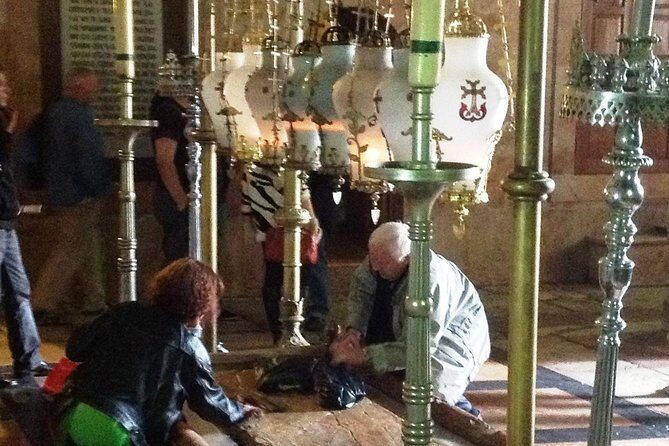
Jerusalem can feel like you need a cheat sheet. You’re not just seeing buildings. You’re seeing layers of meaning piled on top of each other—sometimes peacefully, sometimes not. What I like here is that you don’t get a random checklist. You get a guided route through the city’s most important sacred spaces, with explanations that help you understand what different groups believe and why they attach those beliefs to the same geography.
You also get the comfort of a private tour for your group (up to 15 people). That matters in the Old City, where your questions can range from history to current-day practice. A guide can actually adjust on the fly instead of marching everyone along a script.
Finally, this is the kind of tour where the small choices help. You can go half-day or full-day, and you can pick optional stops when you want extra context rather than being forced into it.
You can also read our reviews of more walking tours in Jerusalem
Temple Mount (Al-Aksa / Dome of the Rock): the center everyone argues about
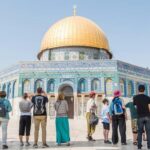
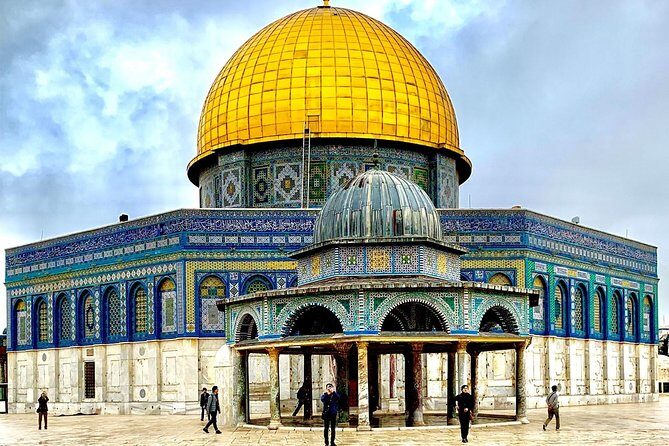
The tour starts with Temple Mount, known to Muslims as Al-Aksa and to Jews as the Temple Mount. In the guide’s framing, it’s like the imagined bridge between heaven and earth—so it’s not surprising people treat it with intense care.
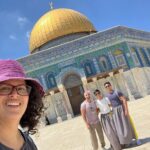
On this stop, you’ll see the Dome of the Rock and the al-Aksa Mosque, and you’ll also hear the significance of earlier temples (where the Temples of Solomon and Herod stood). The goal isn’t to declare a winner. It’s to help you see how Christians, Jews, and Muslims connect their visions of future peace to this same sacred space.
Practical note: this stop lists admission as free. You’ll still want to arrive ready for the modest-dress rules (more on that later), because holy-site standards are not optional on this kind of visit.
Church of the Holy Sepulchre: where the story is built from chapels and artwork
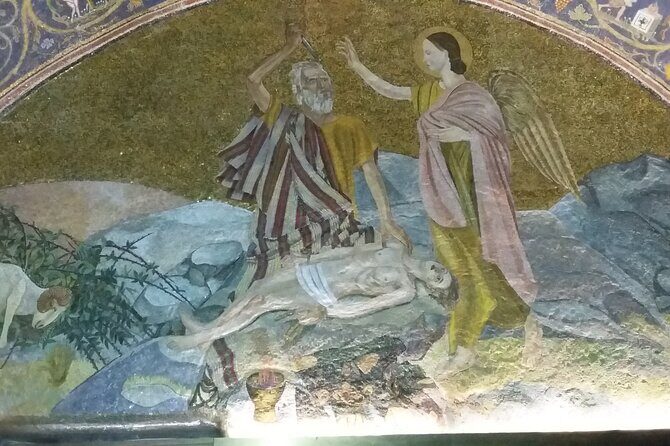
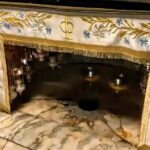
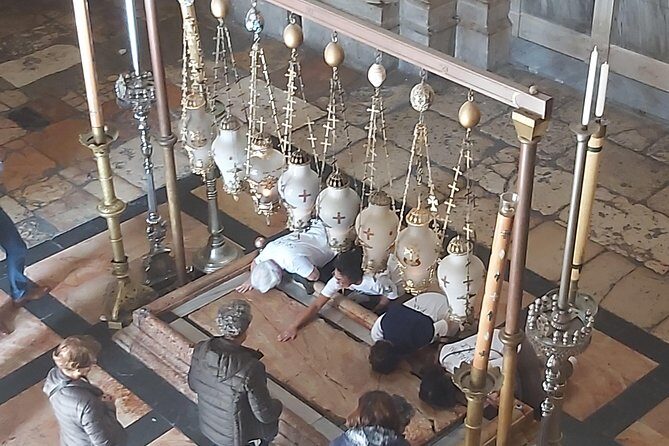
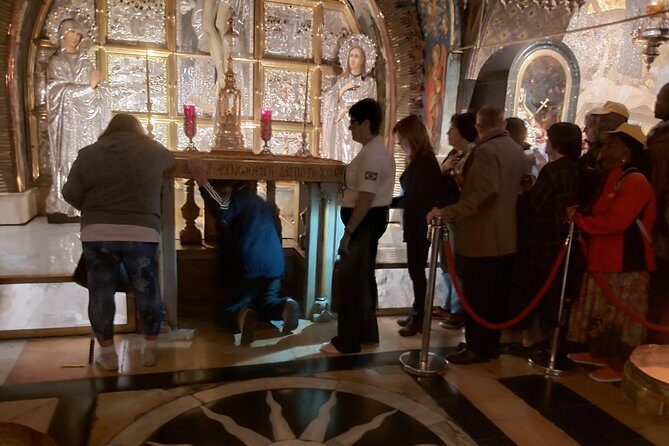
Next up is the Church of the Holy Sepulchre, widely accepted as the site of the Crucifixion and Resurrection of Jesus. This is a place where the building itself feels like a timeline: chapels, artifacts, and scenes tied to the followers and believers who shaped Christianity over the ages.
One detail I think you’ll appreciate: the tour highlights that recent restorations can open up views of colorful artwork that had been hidden beneath dust for centuries. That means you’re not just looking at dark corners and vague shapes. You’re getting a better shot at seeing what’s there now—and understanding why it matters to the faith.
Admission is listed as free for this stop, which is a big plus if you’re trying to control costs. Just plan for the church interior to be mentally busy. It’s full of meaning, and the guide’s job is to help you connect the dots.
Western Wall: three sections that show three different ways people pray
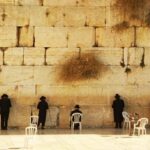
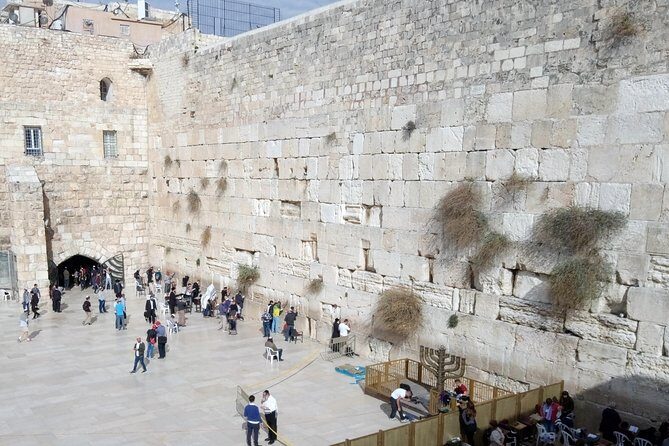
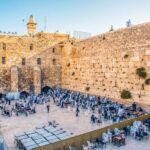
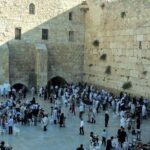
The Western Wall is the center of Jewish holiness for close to eight centuries, and this tour treats it like more than one wall. You’ll look at three sections, each showing a different way people practice.
- The Hidden Wall helps you understand what the wall meant to Jews from prayer began there in the 13th century.
- Ezrat Yisrael is described as the gender-mixed area of the Western Wall. It’s a key stop if you want to understand how this holy wall links back to the idea of God’s house on earth.
- The traditional Western Wall is gender separated, and the tour connects that layout to the way modern Israel and its people relate to the holy spot—plus the challenges and conflicts inside the Jewish faith.
This is where the tour’s value jumps out for me. You aren’t just taking photos. You’re learning why different groups stand where they stand, and what those choices say about belief and identity.
Admission is listed as free here too, so you can spend time absorbing rather than worrying about another paid entry fee.
Mount Zion optional stop: Last Supper and King David, with uncertainty baked in
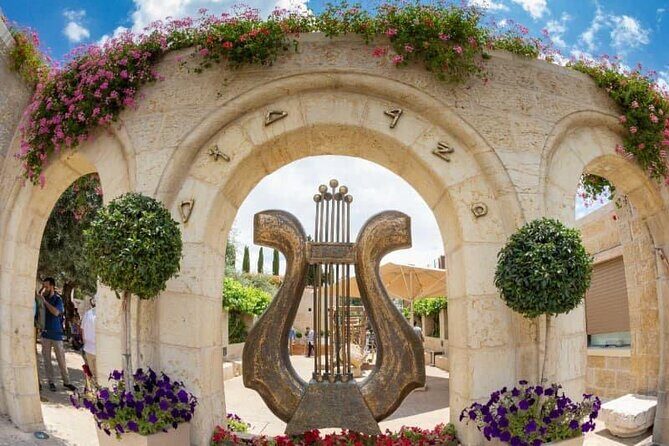
Mount Zion is marked as optional, but it’s one of those stops that can make the tour feel more like a guided conversation than a guided route. Here, Mount Zion is described as a neighborhood of enigmas—including the confusing naming and the fact that more than one tradition claims key sites.
The tour visits the Room of the Last Supper and the Tomb of King David, and then talks through the question of whether these are truly the sites. You’ll also discuss the Dormition Church sitting nearby.
What I like about including this stop is that it doesn’t force you to pick a side. It shows how Jews, Christians, and Muslims try to define themselves in an ever-changing world, using sacred geography as a kind of map for meaning.
Admission is listed as free, so this optional add-on is less about pay-to-see and more about pay-attention.
You can also read our reviews of more city tours in Jerusalem


City of David National Park optional stop: caves, tunnels, and the city before the city
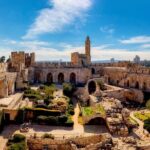
If you want Old Jerusalem to feel physical, this optional stop is where it happens. The City of David National Park is described as the original Jerusalem, built just south of today’s Old City walls around a small freshwater spring.
Here the tour focuses on the Canaanites’ water-protection system—tunnels and walls meant to safeguard the spring. Those structures show up in the stories of Biblical kings and descendants, including the biblical King David and his era.
Then you go underground. You traverse caves, and the guide tells stories tied to kings, palaces, battles, burial, and miracles. There’s even an option for a wet tunnel. If you choose it, the tour notes you’ll need water shoes and a flashlight.
Money matters at this stop: entrance fees are listed as $6–9 and are not included in the tour price. Still, if you’re the type of person who likes the physical, “feet on the ground” side of history, this is likely worth budgeting for.
Mount of Olives optional stop: big views, plus faith-linked meaning
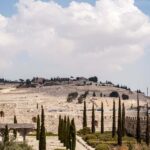
Another optional stop is the Mount of Olives. The tour connects this hill to multiple sacred meanings: the Messiah entering Jerusalem, Jesus’ ascension to heaven, and centuries of commemoration tied to holiness.
You’ll move past churches and chapels, ancient graves, and politically charged neighborhoods, and then you’ll get some of the most moving views in Jerusalem.
This stop doesn’t list an admission ticket as included, so expect it to fall into the extra-cost category if anything applies on the day. Since it’s optional, you can match it to your energy level. Full-day visitors often love it. If you’re short on time or dealing with stamina limits, you can skip it and still get a complete picture.
Timing, walking time, and the costs that sit outside the tour price
The tour runs roughly 5 to 9 hours, depending on your chosen option (half-day vs full-day) and whether you add the optional stops like Mount Zion, City of David, and the Mount of Olives.
A smart way to think about value here is not just the total price—it’s how much paid time you replace. The tour price is $475 per group (up to 15). If you end up with a larger group, your per-person cost drops fast. If you’re booking as a small group or couple, it’s still a reasonable deal if you want a custom route and someone steering you through places that can otherwise feel like sensory overload.
What’s included:
- Guiding at all sites along the Old City paths
- Food and shopping recommendations
- Help planning other parts of your stay in Israel
What’s not included:
- Lunch
- Entry fees where applicable (City of David National Park is specifically listed as $6–9)
You’ll usually find plenty of food around, but if you’re picky about timing, dietary needs, or want specific local choices, the guide’s recommendations can help you avoid wasting time wandering.
Dress code and basic holy-site etiquette: what you should plan for
This tour is very clear on modest dress, and you should take it seriously. Comfortable shoes matter because you’ll be walking through old streets and holy-site areas.
For holy sites, the tour specifies:
- Women: cover legs down to the ankles, arms past the elbows, and cover the front up to the neckline.
- Men: cover knees and wear a shirt with sleeves.
You don’t need formal clothes. You do need clothes that follow those rules when you enter the sites.
Also, the tour notes the route is near public transportation, and start/end point is back at the meeting point, so you’re not dealing with complicated drop-off logistics inside the Old City.
Who should book this Jerusalem tour (and who might skip it)
This is a great pick if you want:
- A private, adaptable itinerary rather than a fixed group march
- Clear explanations connecting holy places to how people pray and identify
- A guide who can steer you between major Jewish, Christian, and Muslim landmarks without losing your attention
It’s less of a fit if you want pure sightseeing with zero sensitivity to meaning. This is a tour about significance—so you’ll get context and questions, not just wall photos.
If you’re traveling as a couple, family, or small group and you want to see a lot with less confusion, it’s a strong choice. If you’re alone and prefer to move completely at your own pace, you might consider whether a private guide is worth the spend for your style of travel.
Should you book Jerusalem: The Center of the Universe?
I think you should book it if Jerusalem’s holy geography makes you curious and a little overwhelmed at the same time. The pairing of major sites—Temple Mount, Holy Sepulchre, Western Wall—plus optional depth at Mount Zion, City of David, and the Mount of Olives is exactly how you get a coherent picture without feeling like you’re cramming.
The “big win” is how the guide’s approach turns a complicated city into something you can actually follow. You’re paying for that mental clarity: the route logic, the explanations, and the way the stops connect to each other.
FAQ
Is this tour private or shared?
It’s a private tour/activity, meaning only your group participates.
How long is the Jerusalem tour?
It runs about 5 to 9 hours, depending on whether you choose half-day or full-day and which optional sites you add.
Where does the tour start and end?
It starts at Jaffa Gate hostel and ends back at the same meeting point.
Is hotel pickup available?
Yes. Pickup is offered as an upgrade for an extra cost.
What is included in the tour price?
The tour includes guiding at all sites and along the Old City paths, plus food and shopping recommendations and help planning other parts of your stay in Israel.
Are admission tickets included?
Some stops list admission as free, but entry fees are not included in the tour price where applicable. For example, City of David National Park has an entrance fee ($6–9) that’s not included.
What should I wear for holy sites?
Modest dress is required: women must cover legs to the ankles, arms past the elbows, and cover the front up to the neckline; men must cover knees and wear a shirt with sleeves.
Is lunch included?
No. Lunch is not included, and you can find restaurants and snacks along the way. The guide can help with recommendations.
Can I cancel for a full refund?
Yes. Free cancellation is available, and you can cancel up to 24 hours in advance for a full refund.