REVIEW · JERUSALEM
Boutique Walking Tour of Jerusalem
Book on Viator →Operated by One Israel Tours · Bookable on Viator
Jerusalem’s Old City is small, but it’s loud with meaning. This boutique walking tour threads together the big three faith sites plus the places where modern history leaves scars, all with a guide who can explain what you’re looking at and why it matters. Two things I really like are the maximum group size of 12 (so you’re not just one face in a crowd) and the way the route blends religious landmarks with the political and historical context behind them.
One possible drawback to plan for: timing can be shaped by security and entry limits around Temple Mount. That can affect how long you spend in and around the area, and it means the day runs on foot and on schedule discipline more than you might expect.
In This Review
- Key things that make this tour worth your time
- Why a small-group Old City walk works in Jerusalem
- Price and what you’re really buying for $274.14 per group
- Getting started at Jaffa Gate: meeting point and pickup reality
- Temple Mount: seeing three faiths and working with entry limits
- Via Dolorosa to the Western Wall: religion on foot, crowds by default
- City of David National Park: ancient Jerusalem without the museum bubble
- Church of the Holy Sepulchre: a holy maze with a plan
- Mount Zion landmarks: Last Supper area, King David, and memory sites
- Schindler’s Grave on Mount Zion: a quiet moment that lands
- Armenian Quarter and pottery shopping: a calmer finish
- Lunch, snacks, and keeping your energy up
- Who should book this tour—and who might not love it
- Should you book Boutique Walking Tour of Jerusalem?
- FAQ
- FAQ
- How long is the walking tour?
- What is the group size limit?
- Is pickup available from my hotel?
- Where does the tour start?
- Does the tour include lunch?
- Is admission included for City of David National Park?
- Do I need a ticket for the Temple Mount or other sites?
- Is cancellation free?
- What sites are included in the route?
Key things that make this tour worth your time
- Small group size (up to 12): more questions, less standing around.
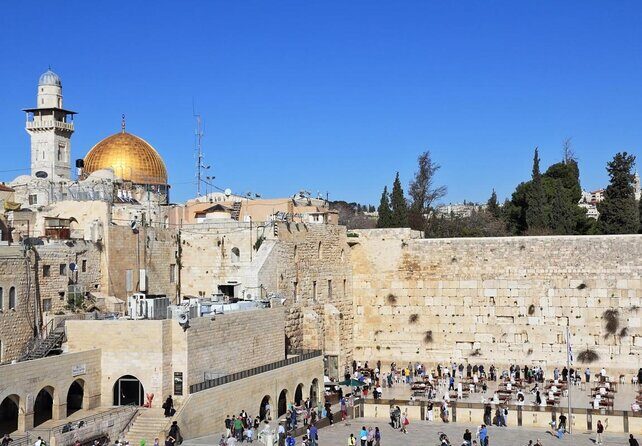
- Temple Mount + Western Wall in one day: you’ll see how access rules shape what people can worship.
- City of David National Park added: not just churches and holy walls, but archaeology of ancient Jerusalem.
- Holy Sepulchre without the guesswork: a guided path through a complicated, crowded site.
- Mount Zion includes both faith sites and memory places: Last Supper area, King David’s Tomb area, plus Holocaust-related stops.
- Schindler’s grave is personal: a quieter, emotional stop that often changes how you remember the day.
Why a small-group Old City walk works in Jerusalem
Jerusalem is one of those cities where the map lies. The Old City looks compact, but the streets funnel you into crowds, the lines can pop up without warning, and the meaning of a landmark depends on your timing and your questions.
That’s where this tour’s small-group setup pays off. With up to 12 people, the pace can be adjusted without everyone getting lost. I like tours where the guide can actually manage the group instead of just herding people like a school bus. Here, you’re walking through places that can turn into bottlenecks, and a smaller group makes it easier to keep moving while still stopping to understand.
The day is also built like a story: you start with the Temple Mount area, move through iconic Christian and Jewish sites, then shift toward the archaeological layer of Jerusalem (City of David), and finally end with Mount Zion and the Armenian Quarter. Even if you’re not a history nerd, you’ll feel the change in atmosphere as you go.
You can also read our reviews of more walking tours in Jerusalem

Price and what you’re really buying for $274.14 per group
The listed price is $274.14 per group (up to 12). If that is truly the total for the group, it’s a strong deal for a full-day guide covering multiple major sites. Even if the operator’s exact per-person math depends on your booking option, the overall value logic is clear: you’re paying for an experienced guide and a tight route that includes places most visitors struggle to connect efficiently on their own.
Why that matters: the Old City isn’t just sightseeing. It’s also logistics—entry rules, crowd flow, and the simple reality that you don’t want to spend half a day trying to figure out where to stand for the best view of the Western Wall or how to approach the Holy Sepulchre respectfully. A guide reduces wasted time, and the tour is long enough to cover everything in one shot.
I’d still check your exact billing at booking, because tours sometimes show pricing in ways that can be confusing. But as a concept—small group, full-day routing, guide interpretation—this looks like it can be good value.
Getting started at Jaffa Gate: meeting point and pickup reality
This tour starts at Jaffa Gate hostel by Jaffa Gate, and it ends back at the meeting point. If you want to avoid navigation stress (or you’re starting the day already tired), hotel pickup can be arranged on request.
Here’s what you should know: door-to-door pickup isn’t just comfort. In Jerusalem Old City, getting dropped at the right edge at the right time can save you from unnecessary zigzags and stair-hunting. You’ll be walking for a full day, so reducing early-day friction helps you actually enjoy the stops instead of spending the morning moving luggage and crossing busy streets.
Also, this tour runs Monday to Friday, 8:00 AM to 5:00 PM during the listed operating dates. Plan your day accordingly, especially if you’re pairing Jerusalem with other parts of Israel.
Temple Mount: seeing three faiths and working with entry limits
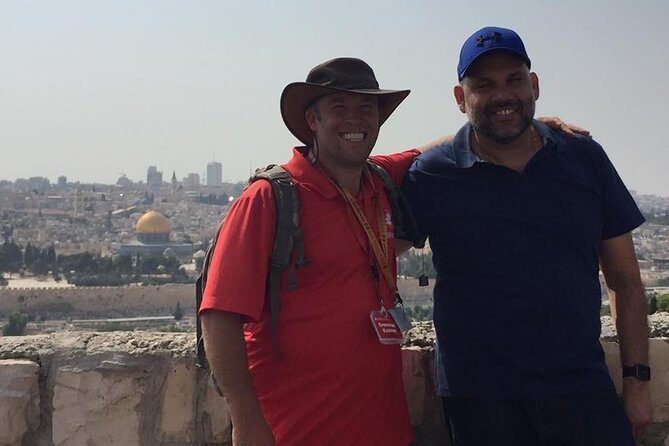
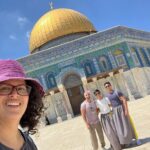
Your first major stop is Temple Mount. This is the spiritual center of Judaism, one of Islam’s holiest sites, and deeply important in Christian history. The tour focuses on how each tradition understands the place, plus it gives you geopolitical context—because in Jerusalem, faith and politics are rarely separable.
A practical note: admission is listed as free, but that does not mean entry is guaranteed. Temple Mount can involve security checks and restrictions, and the tour itself highlights this reality. If entry is limited on the day you go, your guide will still frame what you can see and what that access means for the other faith communities.
What I’d love you to take from this stop is the idea of perspective. From the outside, Temple Mount can feel like a single monument. With the guide’s explanation, it becomes a living intersection of belief systems, history, and modern tensions. Even if you’re only there for a short window, your understanding should get sharper quickly.
Via Dolorosa to the Western Wall: religion on foot, crowds by default

Next comes the Way of the Cross (Via Dolorosa). The route is traditionally associated with Jesus carrying the cross on the path to crucifixion. The tour option here is time-limited (about 45 minutes), which is a smart approach. If you linger too long, you risk getting stuck in crowd flow without a real sense of where you are.
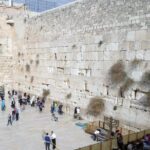
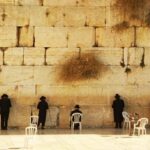
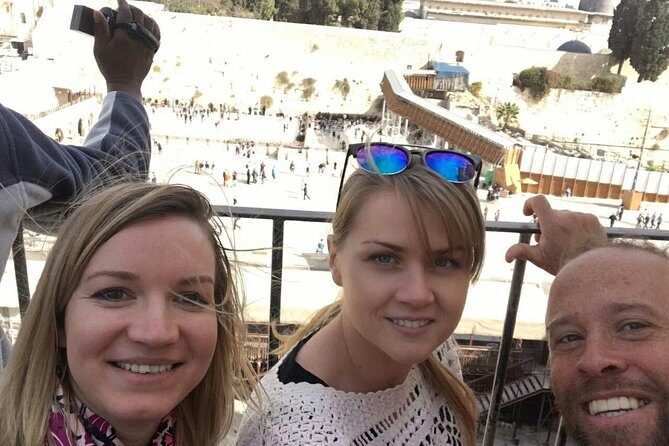
Then you move to the Western Wall, where the connection to the Temple Mount explains why it’s considered holy. The tour makes an important point: due to Temple Mount entry restrictions, the Wall is the holiest place where Jews are permitted to pray. The wall behind the wall matters here—your guide helps you understand that worship access can be shaped by rules on the ground.
This is one of those times where a guide earns their fee. Without context, the Western Wall can feel like just another wall. With context, you see how people use it, how the space is arranged for prayer, and why it holds such emotional weight.
Crowd reality: both Via Dolorosa and the Western Wall can be busy. Wear comfortable shoes, expect stops to be short, and let your guide lead your positioning. Trying to freestyle here usually means you’ll lose time.



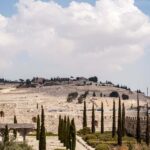
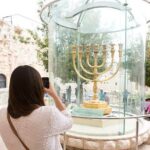
City of David National Park: ancient Jerusalem without the museum bubble
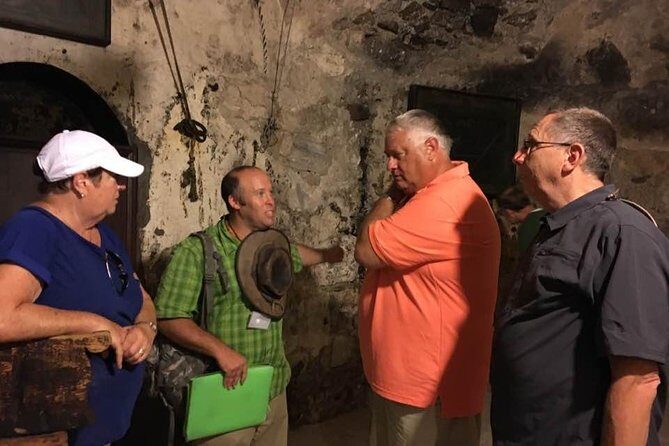
The tour heads to City of David National Park, an archaeological site tied to the birth place of Jerusalem. This stop is about ancient layers—how older Jerusalem is literally built into the landscape.
The big practical detail: admission here is not included. So you’ll want to budget for that extra ticket, and it’s worth carrying a little cash or ensuring your payment method works smoothly onsite. The time on site is about 45 minutes, which is enough to get the big picture without turning it into a marathon.
Why I think this stop matters: many Jerusalem days become a loop of modern-looking religious buildings. City of David shifts you backward—toward older streets, older stones, and the physical evidence that makes the city feel less like a postcard and more like a timeline.
You’ll also likely notice how archaeology and faith intersect in how the city is explained. Even if you don’t love academic details, it helps you connect the story of Jerusalem across centuries.
Church of the Holy Sepulchre: a holy maze with a plan
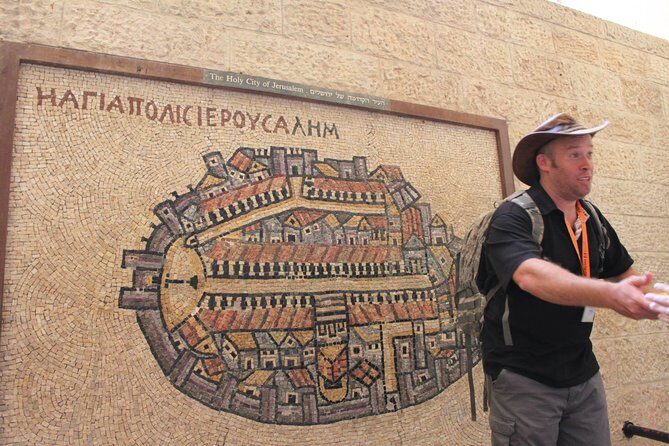
The Church of the Holy Sepulchre is one of the most sacred sites in Christianity, associated with Jesus’ crucifixion, burial, and resurrection. Your time here is about 45 minutes, and admission is listed as free for the tour.
This church is famous for being crowded and confusing—not because the building is unclear, but because the church is so layered in meaning that everyone wants their moment in the same space. That’s where having a guide helps. You don’t just wander. You follow a sensible route and get the explanation tied to what you’re seeing.
The tour also notes an early Byzantine-era context: the site was larger then and known as the Resurrection Church, commemorating Jesus’ rise from the dead. That kind of detail changes how you read the rooms. It’s no longer just a stop; it becomes a record of how Christian worship evolved in Jerusalem.
If you dislike enclosed spaces or tight crowds, you might feel the pressure here. But if you can handle a bit of jostling, it’s one of the most important stops in the city.
Mount Zion landmarks: Last Supper area, King David, and memory sites
Next you go to Mount Zion. This area gathers major religious and historical associations close together, so the stop feels like multiple chapters packed into one hillside.
The tour highlights include the Room of the Last Supper area, King David’s Tomb area, the Chamber of the Holocaust, and the Dormition Abbey. Even if you don’t know the theology ahead of time, your guide helps you place these sites in the bigger Jerusalem story.
This is also where I think the tour does something thoughtful: it doesn’t treat sacred places as separate from human events. The inclusion of the Holocaust-related stop matters. It connects the city to modern memory, not just ancient belief.
Time here is about 30 minutes. That’s enough to see the essentials and understand why each site is emotionally significant, without getting stuck inside one location for too long.
Schindler’s Grave on Mount Zion: a quiet moment that lands
After Mount Zion, you visit Schindler’s Grave. This stop is tied to the story popularized in Schindler’s List, where people place rocks at the grave as a traditional Jewish way to honor the dead. The tour notes that visitors can do the same at the site, which sits inside the Catholic cemetery on the slopes of Mount Zion.
One of the most moving details is the German inscription on the headstone, which honors the lifesaver of 1,200 persecuted Jews. The grave is stacked high with stones, and the emotional weight is immediate even if you’re not familiar with the story beforehand.
Why I recommend treating this stop differently than the big sightseeing: slow down. Take in the space, let your body catch up after lots of walking and crowds. It’s one of those places where you feel the city’s layered history in a very personal way.
Armenian Quarter and pottery shopping: a calmer finish
Your final stop is the Armenian Quarter. The tour connects this neighborhood to Armenia’s early Christian history, noting Armenian presence in Jerusalem dating back to the 4th century AD, when Armenia adopted Christianity and monks settled in Jerusalem.
You’ll visit a church and have an option to see an Armenian pottery shop. This is a nice contrast after the bigger, heavier sites. You get a more local texture—less crowd pressure, more small-street life, and the chance to look at crafts that have value beyond souvenirs.
The time here is about 30 minutes. It’s long enough to enjoy the atmosphere and browse lightly, but short enough that you’re not exhausted before the return to your meeting point.
Lunch, snacks, and keeping your energy up
Lunch is not included. The tour does suggest you can visit local restaurants in the quarters for snacks or a meal.
Here’s my practical advice: plan to eat on your own terms. Bring water and a small snack if you’re the type who gets cranky when hungry. This day has multiple stops that can be affected by access and crowds, so you don’t want your schedule to depend on finding food exactly where your guide expects it.
If you eat early, you might have an easier time enjoying the Temple Mount and Western Wall time windows. If you eat late, you’ll want to pace yourself through Holy Sepulchre and Mount Zion so you don’t feel wiped out.
Who should book this tour—and who might not love it
This tour is best for you if you want:
- A one-day route that covers major Old City priorities without turning it into a scavenger hunt.
- A small group experience where the guide can give context, not just point at buildings.
- A balance of sacred sites and historical memory, including City of David and Schindler’s grave.
It might not be ideal if:
- You need large-breathing-room spaces. Church of the Holy Sepulchre can feel crowded.
- You hate walking for hours. The tour runs about 8 hours, even though parts can feel fast when the day flows well.
- You expect Temple Mount to function like a normal ticketed attraction. Entry is shaped by restrictions and security.
One more point: the tour includes hotel pickup on request and uses a mobile ticket. That’s helpful if you like clean, simple check-in.
Should you book Boutique Walking Tour of Jerusalem?
I’d book it if you’re the type who wants Jerusalem to make sense in your head, not just sit in your phone gallery. The route is built around the Old City’s real anchors—Temple Mount, Via Dolorosa, the Western Wall, Holy Sepulchre, then City of David, Mount Zion, Schindler’s grave, and the Armenian Quarter. You get both the sacred map and the historical and political explanations that explain why people care so much.
You’ll also be paying for a guide’s ability to keep things moving in places where crowd flow and entry rules can derail the average self-guided day. With up to 12 people, your questions stand a chance, and you’re less likely to feel lost in the chaos.
If you’re deciding between this and a bigger group version, I’d lean small-group here. The Old City is not the place to go big and hope for the best.
FAQ
FAQ
How long is the walking tour?
The tour runs for about 8 hours.
What is the group size limit?
The tour has a maximum of 12 travelers.
Is pickup available from my hotel?
Hotel pickup is available on request, with door-to-door transfers offered.
Where does the tour start?
It starts at Jaffa Gate hostel near Jaffa Gate, ירושלים.
Does the tour include lunch?
No. Lunch is not included, and you can visit local restaurants in the different quarters for snacks or a meal.
Is admission included for City of David National Park?
Admission to City of David National Park is not included.
Do I need a ticket for the Temple Mount or other sites?
Temple Mount and the other listed major religious stops show free admission tickets for the tour. City of David is the one specifically listed as not included.
Is cancellation free?
Yes. You can cancel up to 24 hours in advance for a full refund.
What sites are included in the route?
You’ll visit Temple Mount, the Way of the Cross (Via Dolorosa), the Western Wall, City of David National Park, the Church of the Holy Sepulchre, Mount Zion (including sites in that area), Schindler’s grave, and the Armenian Quarter with an optional Armenian pottery shop visit.