REVIEW · JERUSALEM
Jerusalem Walking Tour: In the Footsteps of Jesus
Book on Viator →Operated by Bein Harim Ltd · Bookable on Viator
One route, one story, lots of walking. This full-day guided trek traces Jesus’ path through Mount of Olives viewpoints, the Garden area, and the Via Dolorosa first stations with clear biblical storytelling. I especially like the mix of big spiritual moments (Church of All Nations and Gethsemane) plus practical stops in the streets of Old City, including Pool of Bethesda photos. One thing to consider: the route can feel long and packed, and some days may shift if access is limited for safety.
You’ll start early with hotel pickup at 8:30 am in an air-conditioned coach, then spend about 9 hours moving from stop to stop. I like that the tour keeps group size moderate (up to 40) and gives you enough time for photos, not just fast look-and-go. Still, you do need to plan for a steady pace and a dress code that’s strict at places of worship.
In This Review
- Key highlights worth marking on your map
- Mount of Olives: get your bearings fast, then go deeper
- Garden area pauses: Church of All Nations and Gethsemane in one arc
- Kidron Valley to Old City: crossing from view to street-level reality
- Pool of Bethesda and St Anne’s: the stories you can actually stand next to
- Via Dolorosa first stations: where the walk payoff starts
- Pace, comfort, and the little logistics that matter
- Price and value: what $89 buys you in Jerusalem time
- Who this tour suits best (and who might want a different approach)
- Should you book this Jerusalem Jesus walking tour?
- FAQ
- How long is the Jerusalem Walking Tour: In the Footsteps of Jesus?
- What’s included in the price?
- Is lunch included?
- What time does the tour start?
- Do I need a dress code?
- Are there any admission fees at stops?
- What’s the maximum group size?
Key highlights worth marking on your map
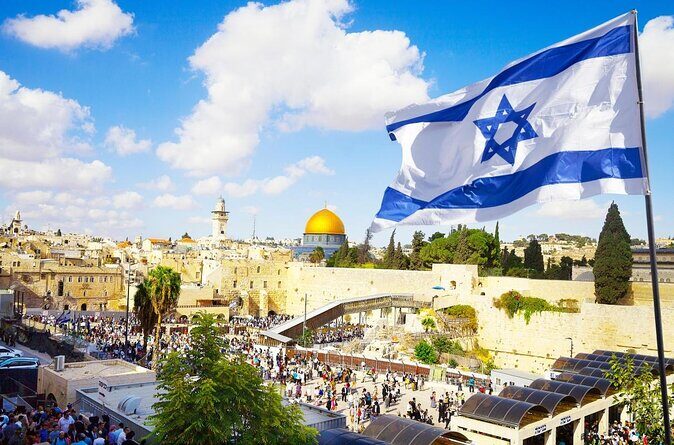
- Mount of Olives viewpoint to orient you before you walk down toward the Garden area
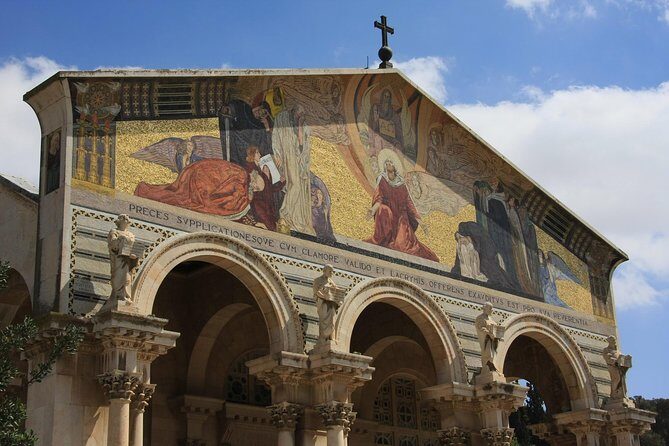
- Church of All Nations (Basilica of Agony) near Gethsemane, tied to the emotional weight of Jesus’ final night
- Kidron Valley crossing into the Old City, with a stop beside the Jewish cemetery
- Pool of Bethesda + St Anne’s for Gospel-of-John healing context and Mary’s traditional birthplace
- Via Dolorosa focus on the first stations rather than trying to race the whole route
Mount of Olives: get your bearings fast, then go deeper
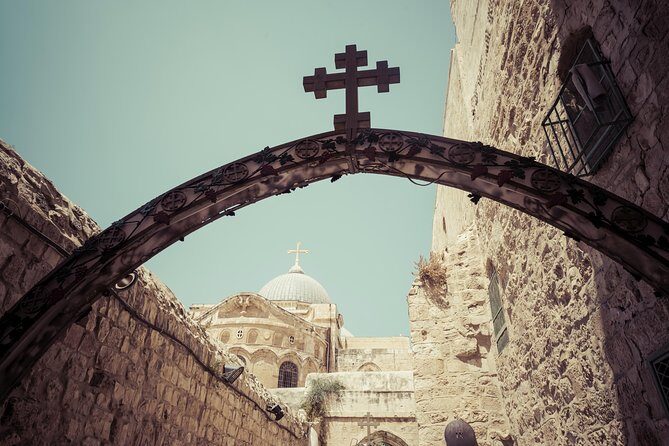
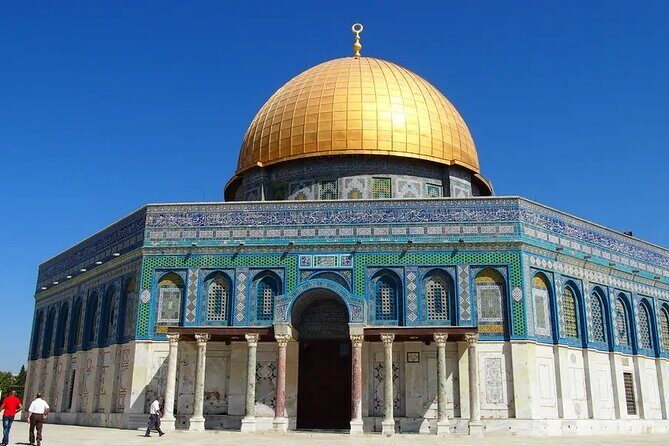
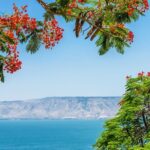
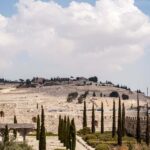
This is one of those tours where the first move matters. Instead of starting in the Old City, you begin on the Mount of Olives ridge. From here you get a scenic overview of Jerusalem’s layout, and that makes everything you see later in the Old City feel more connected. It’s also easier on your brain than jumping straight into narrow streets.
After the overview, you start down the mountain’s western slopes. Along the way you visit a run of key Christian sites in this area, including the Chapel of the Ascension, the Church of Pater Noster, and Dominus Flevit. These stops give you a sense of place and scale. Even if you’re not chasing every doctrine, you can still appreciate how the location shapes the story: a hillside looking down on the city, then the slow shift toward the Garden side.
A practical note: not every church visit is guaranteed to be fully free. The Church of Pater Noster and Dominus Flevit list admission as not included, so budget a little extra for entry fees that can pop up during the day. The silver lining is that the tour still handles the big logistics—coach transport and guidance—so you’re not bouncing around on your own.
You can also read our reviews of more walking tours in Jerusalem
Garden area pauses: Church of All Nations and Gethsemane in one arc
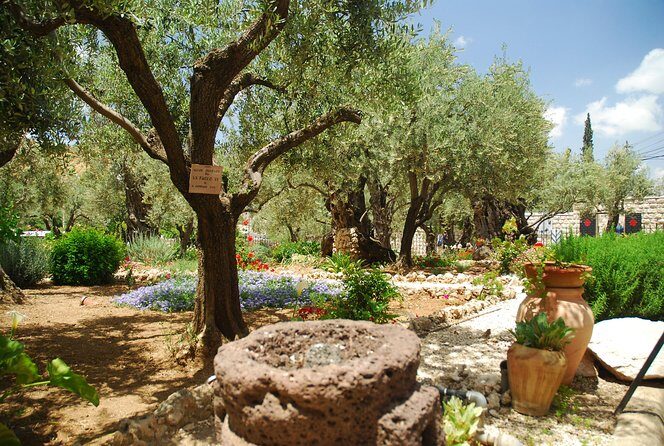
The next section carries the emotional weight. You spend time at the Garden of Gethsemane, then move to the Church of All Nations—also called the Basilica of Agony.
This pair works well because it’s not only sightseeing. You’re in the same general atmosphere people associate with a quiet, tense night before the arrest. Some visitors even highlight the value of pauses for reflection and prayer during the walk. That matters. Jerusalem sites can blur together if everything is just “next, next, next.” Here, the route gives you a beat to settle.
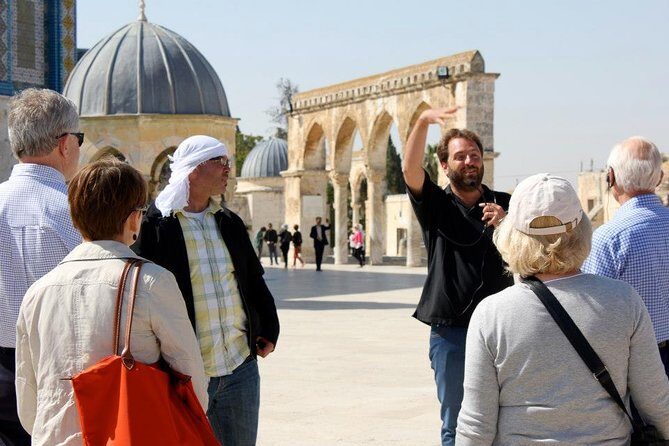
You’ll also likely appreciate how the guide connects what you’re seeing with the biblical narrative as you go. In the better moments, stories aren’t just read out loud—they’re matched to the setting, so the place feels less like a postcard and more like a scene in a film.
Accessibility and pacing are worth mentioning. If you find yourself slowing down at small stairs and uneven ground, plan to take it step by step. The day isn’t described as extreme, but it is a long walk.
Kidron Valley to Old City: crossing from view to street-level reality
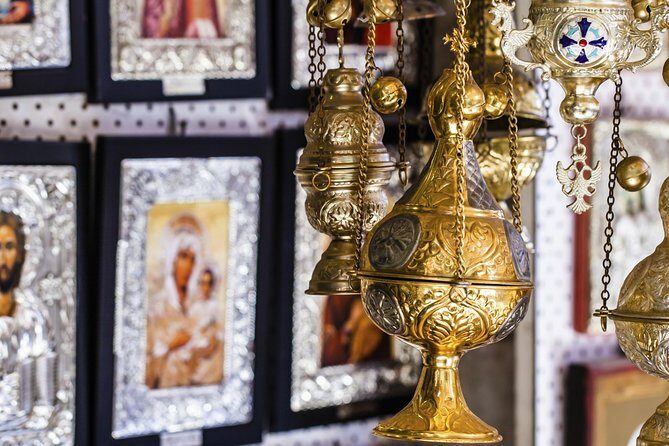
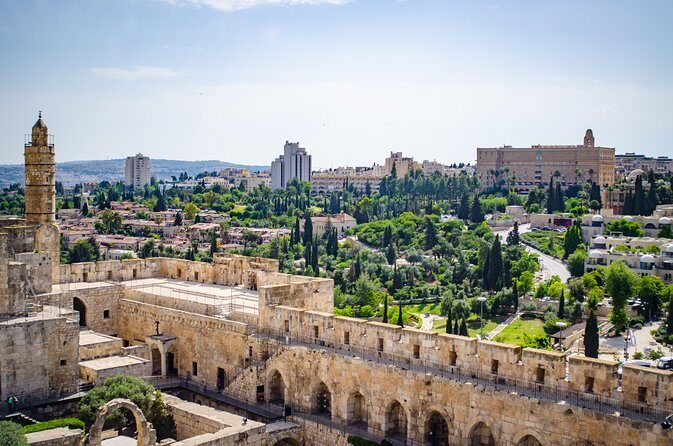
After the Garden area, you head across the Kidron Valley and enter Old City Jerusalem. The tour passes through the Jewish cemetery area in the valley, which adds a real sense of continuity—this isn’t a single faith theme. It’s Jerusalem as a layered place where different communities have been shaping the same streets and hills for a long time.
Then you move into the Old City itself. The tour gives a chunk of time to walk inside and do photos. This is one of the strongest “why this tour works” parts: the guide helps you translate what you’re looking at. Without a guide, Old City can be overwhelming. With one, you tend to notice the details that make the route meaningful.
Lunch is also built into this part of the day. It’s own expense, so you’ll want to decide in advance how you’ll handle it. The tour likely gives you time to refuel without turning the day into a full-on food crawl. Still, come hungry and hydrated, because you’re on the go from morning.
Here’s the dress code reality check. You must cover knees and shoulders and no shorts or sleeveless tops are allowed for places of worship and selected museums. This isn’t optional. You may be refused entry if you don’t comply. If you run warm easily, consider bringing a lightweight layer you can wear over a T-shirt.
Pool of Bethesda and St Anne’s: the stories you can actually stand next to
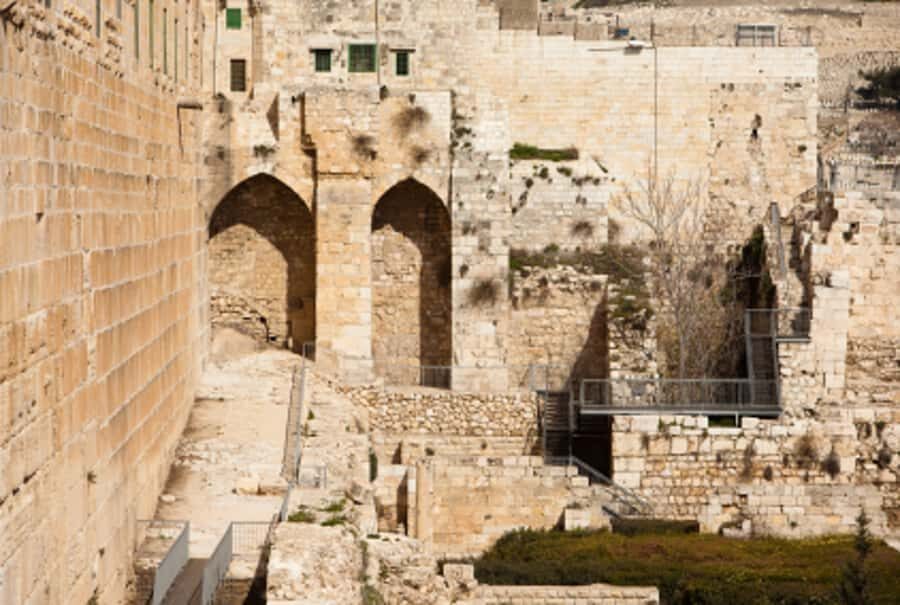
Once you’re inside the Old City loop, the route shifts to famous stops tied to healing and birth traditions. You visit the Church of Saint Anne and then the Pools of Bethesda.
The Pool of Bethesda is associated with healing in the Gospel of John, and the stop is timed for you to connect the story to the physical location. That’s the big value here: you’re not just reading about water and miracles. You’re standing where people point and pray, and your guide is there to explain what the tradition is emphasizing.
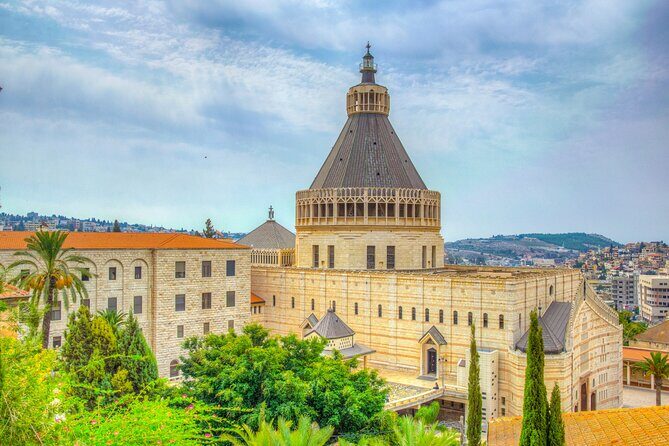
The Church of Saint Anne is believed to be Mary’s birthplace, and seeing it alongside the Bethesda story helps you understand how Christian sites cluster around life events: birth, healing, suffering, and then the final path toward crucifixion.
One more detail that can affect your budget: admission for Church of Saint Anne and the Pools of Bethesda is listed as not included. So even though the tour price covers the guide and transportation, you should still expect a small set of extra fees at select entries.
Also, don’t ignore the “street” side of this day. You pass by places connected to religious communities, including the Convent of the Sisters of Zion, and you get photo opportunities that don’t feel rushed.
Via Dolorosa first stations: where the walk payoff starts
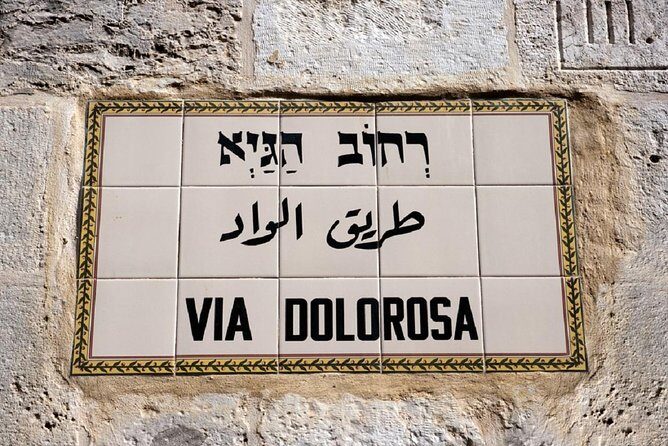
The tour finishes by stepping into the Way of the Cross area, focusing on the first four stations of the Via Dolorosa. This is smart if your goal is understanding, not endurance.
Why this matters: the Via Dolorosa can get crowded, and trying to cover every station in one go can turn into a bottleneck. By stopping at the start and giving you guided context, you get the framework of the story without spending hours stuck in slow-moving lines.
You’ll also get a sense of the beginning point—where Jesus is traditionally said to have walked toward crucifixion. The guide’s job here is crucial. The best guides keep the narrative grounded and practical: what people believe happened here, how the route functions today, and what the stations represent.
Two things to keep in mind. First, time at these stations is limited (about half an hour), so you won’t linger all day at each marker. Second, the day can change depending on safety and access. One past experience described a situation where the guide avoided going on the actual Via Dolorosa route due to restrictions and redirected the tour to keep everyone safe. So while the plan is the first four stations, you should be flexible about what the guide can safely do on the day you go.
For pairing: this walk can complement a separate visit to major crucifixion/burial sites in the Old City. If that’s your priority, plan to add it with another tour or time slot, since this route focuses on the Mount of Olives down to the early Via Dolorosa stations.

Pace, comfort, and the little logistics that matter
This is a full day—about 9 hours. You start at 8:30 am with hotel pickup. You return to the same general hotel area via coach at the end. That round-trip transport is part of what makes the day feel doable, especially if you’re staying in central Jerusalem.
The tour includes a professional guide and an air-conditioned vehicle, which is a real quality-of-life upgrade in Jerusalem heat or shoulder season chill. The group size caps at 40 travelers, which is large enough to feel lively but not so huge that you lose the chance to hear explanations.
Walking shoes are strongly recommended. The tour notes a reasonable amount of walking, but “reasonable” in Jerusalem can still mean uneven pavement, stairs, and short uphill stretches. I’d treat this as an all-day walking experience, not a quick stroll.
Bring a simple plan for food: lunch is not included. If you’re the type who needs caffeine or snacks to keep your mood steady, plan for it. Just don’t expect the tour to provide food and drinks.
One more practical point: you get a mobile ticket and a confirmation at booking. That’s helpful for a smooth start, especially if you’re balancing multiple reservations.
Price and value: what $89 buys you in Jerusalem time
At $89 per person, this tour prices itself as a “guided day” deal rather than an all-in package tour. What you’re paying for is not just the sites—it’s the structure.
Here’s the value math in plain terms:
- You get hotel pickup and drop-off (big savings in time and stress).
- You get a guide for most of the day—the storytelling and navigation help you understand what you’re seeing.
- You get an air-conditioned coach between clustered areas.
- You get access to a clear sequence of major Christian points: Mount of Olives, Garden area, Old City stops, and the Via Dolorosa first stations.
But don’t ignore the “not included” items. Some church entrances are not included, including the Church of Pater Noster, Dominus Flevit, Church of Saint Anne, and the Pools of Bethesda. Lunch is also own expense. That means your final day cost depends on how many of those paid entries you choose to cover.
Still, if you’re spending only one day doing this kind of route, the guide and transport are usually the difference between a meaningful day and a scattered day.
Also, there’s free cancellation up to 24 hours (you can cancel for a full refund with enough notice). That’s worth something in Jerusalem, where conditions and schedules can shift.
Who this tour suits best (and who might want a different approach)
This tour fits you if you want:
- a full-day guided path with biblical context in multiple locations
- a start that includes the Mount of Olives viewpoint and then descends into the Old City
- a focus on the Christian pilgrimage route without needing to manage transport between areas
It’s also a good fit for religious and non-religious visitors. One review highlighted that the experience worked for people in both categories, mainly because the guide made the stories understandable and the route stayed structured.
It’s not a fit if:
- you want minimal walking or lots of downtime
- you’re traveling with kids under 4 (it’s noted as not suitable)
- you strongly expect long, station-by-station time across the entire Via Dolorosa or a stop at every single major Old City church site. This route emphasizes specific moments and ends at the first stations.
Should you book this Jerusalem Jesus walking tour?
I think it’s a solid buy if you’re looking for a guided, emotionally weighted route that doesn’t force you to plan transit, sequence, or entry timing. The best version of this day is when the guide keeps the pace moving while tying stories to the exact places you’re standing—people have singled out guides like Eli and Janu for detail and patience, including continuing the full route even when some in the group wanted to stop early.
I’d only hesitate if you’re sensitive to pacing and want a slower, more flexible day with lots of time sitting. A couple of lower ratings complained about slowness or missing the full emphasis they expected. And if you want to guarantee a specific full-length Via Dolorosa walk no matter what, also know access can change for safety, and the guide may adjust what’s possible.
If you book, do yourself a favor: wear the right clothes for entry, bring comfortable shoes, and keep your lunch expectations simple. Then enjoy the real value—this is one of the more coherent ways to connect Jerusalem’s geography to the stories people come here to remember.
FAQ
How long is the Jerusalem Walking Tour: In the Footsteps of Jesus?
It runs for about 9 hours.
What’s included in the price?
Hotel pickup and drop-off, a professional guide, and an air-conditioned vehicle.
Is lunch included?
No. Food and drinks are not included, so lunch is at your own expense.
What time does the tour start?
The start time is 8:30 am.
Do I need a dress code?
Yes. You must cover knees and shoulders, and no shorts or sleeveless tops are allowed. You could be refused entry if you don’t meet the dress requirements.
Are there any admission fees at stops?
Some stops list admission as not included, including the Church of Pater Noster and Dominus Flevit, plus Church of Saint Anne and the Pools of Bethesda.
What’s the maximum group size?
The tour has a maximum of 40 travelers.