REVIEW · JERUSALEM
Private Tour: Old City of Jerusalem Christianity Tour
Book on Viator →Operated by Michael Tours · Bookable on Viator
Jerusalem’s Old City is a lot of religion, in motion. This private 6 to 7 hour walking tour connects the dots between Jesus’ story and the places you see today, from the Via Dolorosa to the Church of the Holy Sepulchre. I really like the undivided, private-guiding pace—no squeeze-in crowds or guessing what you’re looking at—and I love the mix of Christian sites with big “across-the-map” context like the Dome of the Rock and the Western Wall. One thing to plan for: the walking is real, and some stop access depends on opening hours and day-of-week closures.
If you want a single-day plan that hits the major hits without bouncing between tour groups, this is built for you. My favorite part was how the guide keeps you oriented—showing you where you are in the city’s quarters and why each stop matters—so the Old City feels less like a maze and more like a story you can follow. The main consideration is logistics: you’ll meet at Gloria Hotel near Jaffa Gate, and food/drinks aren’t included, so you’ll want to handle snacks and water on your own.
In This Review
- Key things that make this tour worth it
- A private Old City walk that reads like a story
- Where you start: Gloria Hotel by Jaffa Gate, then into the walled city
- Ramparts Walk: the easy way to get your bearings fast
- Dome of the Rock and Al Aqsa area: timing matters (and closures happen)
- Via Dolorosa on foot: 14 Stations, paced by a guide
- St Anne Church (Crusader-era) and the Pool of Bethesda
- Church of Saint Anne
- Pools of Bethesda
- Church of the Holy Sepulchre: the big Christian anchor
- Western Wall and the Cardo: Judaism and the old main street
- Western Wall (Wailing Wall)
- Mount Zion and Cardo
- Price and value: $500 per group, up to 6
- What to plan for: walking, tickets, and passport details
- Who this tour suits best
- Should you book this private Old City Christianity tour?
- FAQ
- How long is the Old City of Jerusalem Christianity private tour?
- What is the meeting point for the tour?
- How much does the tour cost and what group size does it cover?
- Is this a private tour?
- Are tickets included for the sites?
- Can you visit the Dome of the Rock every day?
- Do I need to provide passport details?
Key things that make this tour worth it
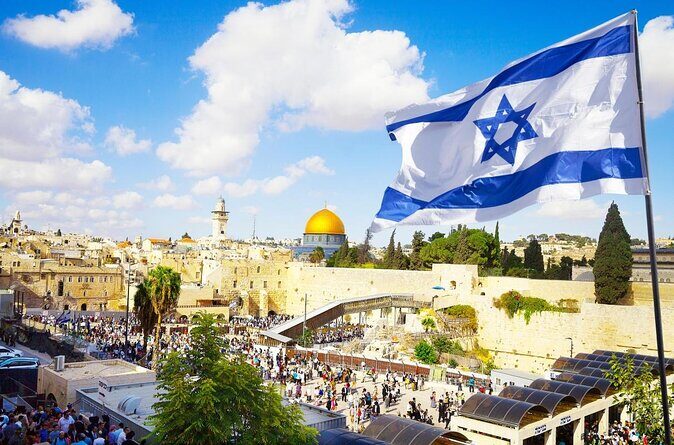
- Private guide attention on a focused route through Jerusalem’s most important religious landmarks
- Ramparts Walk for skyline views and quick orientation before you head deeper into the Old City
- Via Dolorosa with the 14 Stations timing and stops handled for you (2 hours on foot)
- Strategic Christian anchors like St Anne Church, Pool of Bethesda, and the Holy Sepulchre
- Cross-faith context with stops at the Dome of the Rock / Al Aqsa area and the Western Wall
- Built for a group up to 6—cost stays reasonable when split
A private Old City walk that reads like a story
This tour is designed for the way Jerusalem actually works: you start with big-picture orientation, then you walk into the details. You begin near Jaffa Gate, and the route gradually pulls you from panoramic views into lanes where centuries sit on top of each other.
What makes it feel different from a generic “see the sights” day is the private format. You’re not trying to keep up with a group that drifts faster than you can process. Instead, you get commentary that ties landmarks together—how streets, quarters, and holy sites connect to the Christian story you came for.
And yes, you still cover the famous places. But the value is in the linking: you don’t just arrive at the Church of the Holy Sepulchre and move on. You’re guided through what happened there historically and how people understand it now—while also seeing why other faiths also claim deep meaning in the same geography.
You can also read our reviews of more city tours in Jerusalem
Where you start: Gloria Hotel by Jaffa Gate, then into the walled city
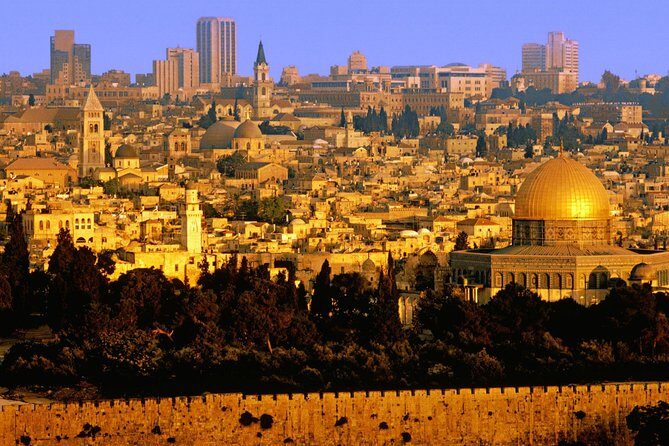
Your tour starts at 9:00 am at the entrance of Gloria Hotel next to Jaffa Gate. That’s a smart starting point because it’s the gateway to the Old City you’ll be circling anyway. You also have an option for pickup from Bethlehem: it’s included from Bethlehem 300 Checkpoint or your hotel inside Bethlehem.
From there, you head through one of the city gates into the walled Old City and keep walking. The guide’s role here is practical: you learn how to orient yourself in the quarters and streets as you go, so the “Where am I?” feeling doesn’t swallow the day.
If you’re someone who likes a plan with a clear end point, good news: the tour ends back at Jaffa Gate, where you say goodbye to your guide.
Ramparts Walk: the easy way to get your bearings fast
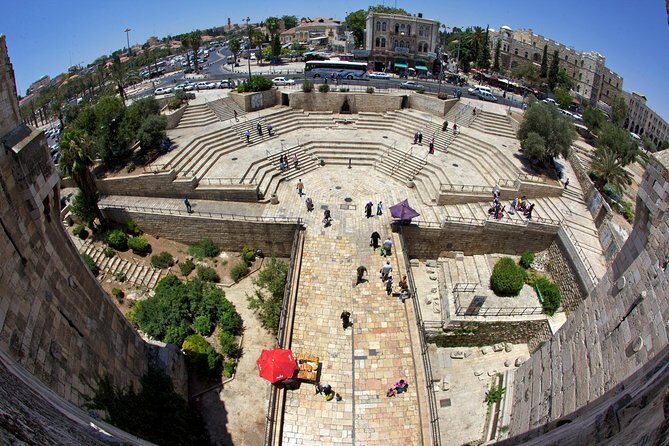
Early on, you’ll do a Ramparts Walk (about 1 hour). This is not just a scenic warm-up. It’s the part of the tour that helps you understand the Old City layout before you start threading through the streets on foot.
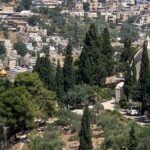
You walk along the wall and pass by five gates while overlooking three quarters of the Old City. It’s a quick lesson in how the city is structured—where major areas sit relative to each other—so later stops make more sense.
Important detail: this stop has admission ticket not included. The view is worth it, but it’s one of the few places where you may need to pay separately, so don’t assume every single site is covered.
Dome of the Rock and Al Aqsa area: timing matters (and closures happen)
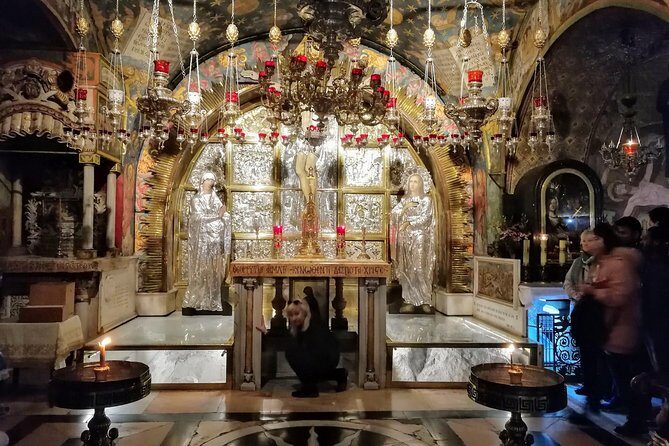
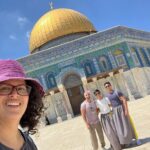
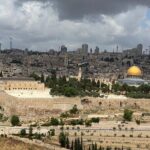
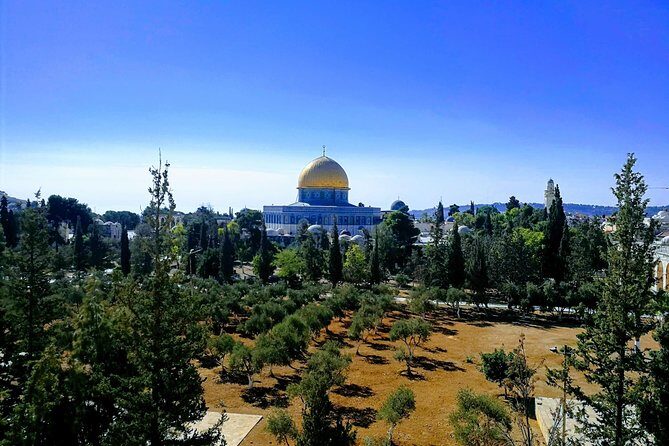
After the orientation, the route reaches the Temple Mount area with a stop at the Dome of the Rock (about 45 minutes). The Dome of the Rock is described as the city’s most hallowed Islamic site, and it sits above the shrine on the Temple Mount.
Expect religious significance at ground level: you’ll admire the golden dome and hear why this place matters. Then the itinerary notes a chance to visit the Al Aqsa Mosque as well, with the big caveat that it’s subject to opening hours, and access is very limited.
There’s also a hard schedule note: the Dome of the Rock is closed on Fridays and Saturdays. So if your trip overlaps those days, you’ll want to confirm what substitutions (if any) are possible—because the itinerary can’t pretend the access rules aren’t real.
This stop is valuable even if you’re mainly Christian-focused, because it gives you that essential “why this ground is sacred to more than one faith” context. Jerusalem’s holy sites aren’t museum pieces; they’re active and shared in complex ways.
Via Dolorosa on foot: 14 Stations, paced by a guide
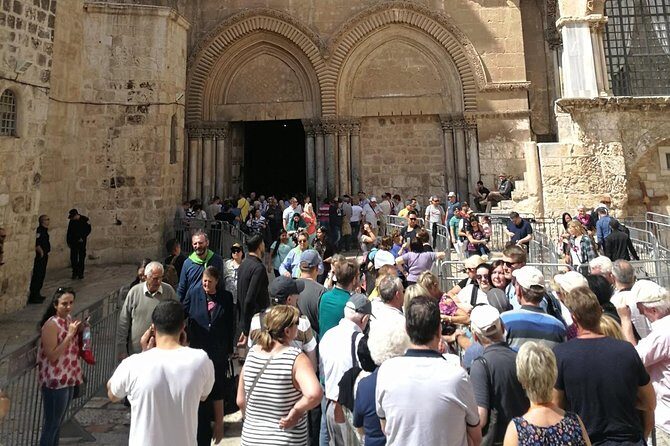
Then you walk the Via Dolorosa (Way of the Cross)—about 2 hours. The itinerary is built around the 14 Stations, and your guide stops by each one to explain the story and history tied to the route.
This is where the tour becomes emotionally legible. Instead of seeing the Via Dolorosa as just a busy corridor, you’re taught what the stations represent and why pilgrims have walked it for generations. The effect is practical: you stop at the right points, you don’t miss key markers, and you understand the sequence.
The Via Dolorosa itself is listed as admission free, which means you can focus on the walking and listening rather than adding tickets. The only “cost” here is stamina, since it’s a sustained route through the Old City lanes.
If you’re planning what to wear, think comfortable shoes and a steady pace. You’re moving through uneven stone and tight spaces.
You can also read our reviews of more private tours in Jerusalem

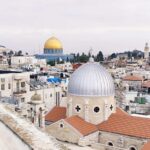
St Anne Church (Crusader-era) and the Pool of Bethesda
Next you visit two major stops in the Muslim Quarter area: the Church of Saint Anne and the Pool of Bethesda.
Church of Saint Anne
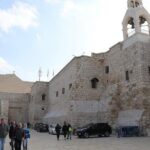
You’ll spend about 30 minutes at St Anne Church. It’s described as a Crusader building still in use in the Old City and thought to stand on the site of the Virgin Mary’s birth. This is one of those stops where context really matters. When you know what tradition connects here, the church stops being just architecture and becomes part of the lived Christian map.
Admission ticket is listed as not included, so again, not every stop is cost-free.
Pools of Bethesda
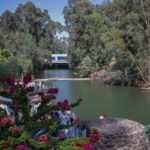
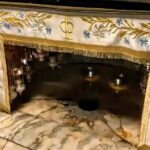
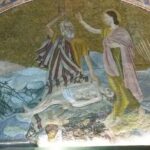
A short hop away is the Pool of Bethesda (about 30 minutes). This is where Jesus is believed to have performed a miracle—healing a paralyzed man.
Why I like pairing these two: they’re close, and they work as a thematic bridge. One stop anchors Mary’s story in Christian tradition; the other brings you to a miracle scene that many people know from the Gospel accounts. Together, they make the Old City feel more connected than a list of unrelated monuments.
Same note: admission ticket not included here as well.
Church of the Holy Sepulchre: the big Christian anchor
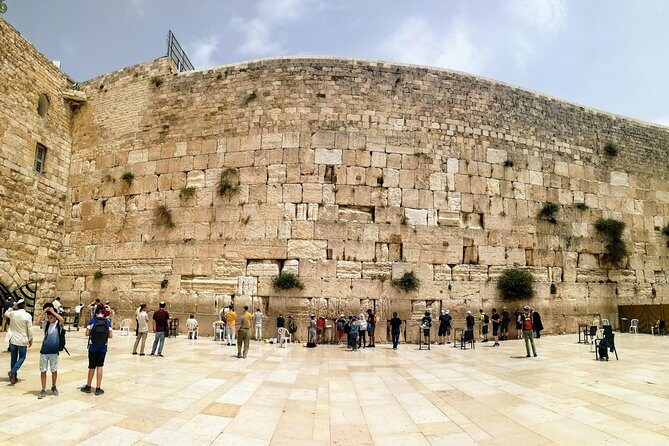
The route continues to the Church of the Holy Sepulchre (about 1 hour). This is described as the holiest place in Christianity—built on the site of Jesus’ crucifixion, burial, and resurrection.
Inside, you get a complete explanation from Roman times until today (as described in the tour notes). That time span matters because it stops the story from feeling stuck in one era. Jerusalem’s holy sites keep changing hands, rebuilding, and redefining themselves—so it helps to understand how the present church relates to earlier layers.
You’ll also stop to see Calvary and the Resurrection Tombs as part of the visit. The tour doesn’t treat this like a quick photo stop. It’s framed as a guided, place-based understanding of the central events of Christianity.
Good news for planning: this stop is listed as admission free.
Western Wall and the Cardo: Judaism and the old main street
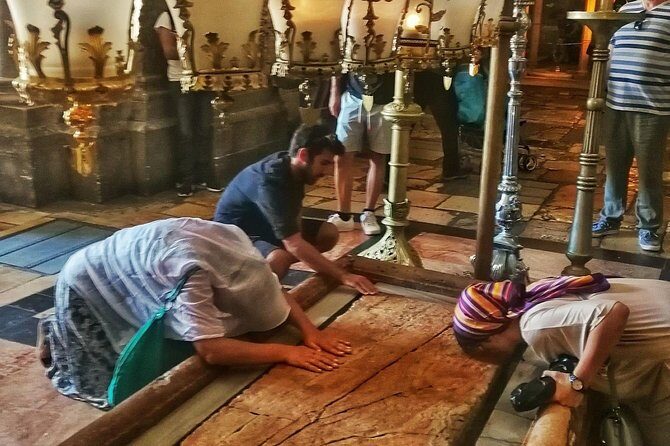
After the Holy Sepulchre, you head toward two more anchors: the Western Wall and the Cardo.
Western Wall (Wailing Wall)
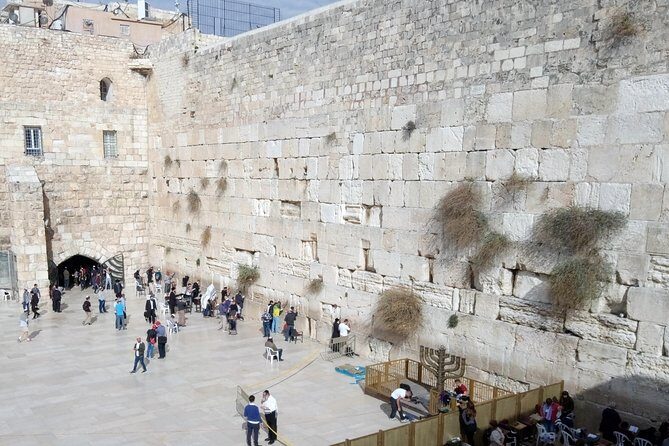
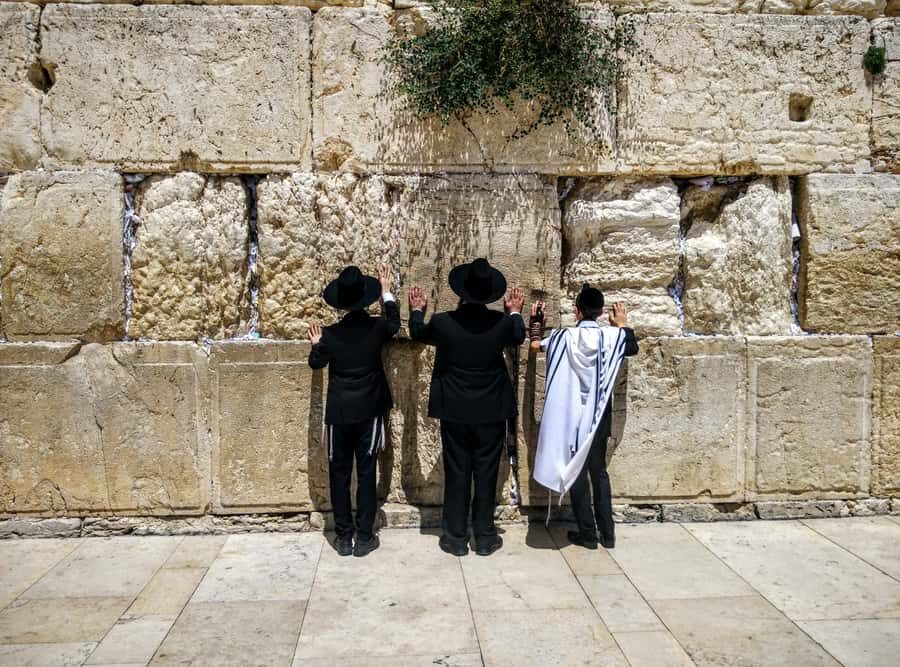
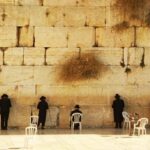
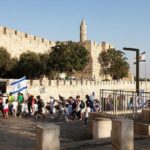
You’ll spend about 20 minutes at the Western Wall, noted as the only remaining portion of the Temple from the Roman period and the most sacred place in Judaism after the Temple was destroyed in 70 AD. You’ll take in the sight of worshippers here.
This stop is a reminder that the Old City doesn’t belong to one story alone. Seeing the Western Wall in a live, active setting adds weight to what you’ve been thinking about all morning—faith isn’t just in buildings; it’s in people showing up.
Admission is free.
Mount Zion and Cardo
Next you’ll check out Mount Zion and then move to the Cardo, the ancient main street of Jerusalem. You’ll see part of a 1,500-year-old arcaded street that’s been brought back to life with modern shops.
Then you’ll browse the stalls at the Muslim Quarter’s busiest bazaar for souvenirs. This is one of the nice, human parts of the day: you go from religious monuments to everyday street life, without the tour turning into a generic shopping detour.
Price and value: $500 per group, up to 6
The price is $500 per group (up to 6) for a private walking experience lasting 6 to 7 hours. On its face, that sounds like a lot—until you think about what you’re buying: private time with a professional guide focused on a tight cluster of major sites.
Here’s the value logic that works for most groups:
- If you’re traveling as a pair, the cost per person can feel steep.
- If you’re traveling as a family or small group that can split the price, it becomes a practical alternative to joining larger group tours where you can’t linger or ask follow-up questions.
Also, many key stops are listed as admission free, while a couple are not included (like the Ramparts Walk, St Anne Church, and Pool of Bethesda). That mix means your day won’t be one surprise ticket after another. Still, it’s smart to budget a bit for the ticketed elements that aren’t included.
What to plan for: walking, tickets, and passport details
This tour requires moderate physical fitness. That doesn’t mean you need to be an athlete, but you should be comfortable with several hours of walking on Old City streets and stairs.
On the ticket side:
- Admission not included: Ramparts Walk, Church of Saint Anne, Pools of Bethesda.
- Free (per tour notes): Via Dolorosa, Dome of the Rock / Al Aqsa area (subject to access), Western Wall, Church of the Holy Sepulchre.
On your documents:
- You need the passport name, number, expiry, and country for all participants at booking.
- A current valid passport is required on the day of travel.
Those requirements are worth taking seriously. If you’re traveling with other people and their passport details aren’t ready, the day can get stressful fast.
One more practical note: food and drinks aren’t included. Build a snack plan. Even if you’re energized now, the Old City is slower than you expect because you stop so often.
Who this tour suits best
I think this tour fits best if:
- You want a private guide and prefer asking questions in real time.
- You care about the Christian sites but still want basic, respectful context for why other faiths hold meaning in the same spaces.
- You’re short on time and want a focused Old City route that hits the big landmarks without feeling scattered.
It may feel like a lot if:
- You dislike structured stops and guided pacing.
- You’re visiting on a day where the Dome of the Rock is closed (Friday and Saturday), since that planned access may not be possible.
Should you book this private Old City Christianity tour?
If you’re trying to do Jerusalem’s Old City in one day and you want your route to feel coherent, I’d book it. The private format is the real selling point: you get a guide who keeps you oriented, stops at meaningful points like the 14 Stations, and explains why places matter in the Christian story—while still showing you the Western Wall and Temple Mount area so you don’t leave with a one-track view.
If you already know the basics and just want a fast sightseeing loop, you might not need private guiding. But for most people, paying for a focused, private day is what makes the Old City click.
If you can travel on a weekday (since the Dome of the Rock is closed Friday/Saturday) and you’re willing to handle passport details and walking, this is a strong value for a small group.
FAQ
How long is the Old City of Jerusalem Christianity private tour?
The tour runs about 6 to 7 hours.
What is the meeting point for the tour?
You meet at the entrance of Gloria Hotel next to Jaffa Gate in Jerusalem.
How much does the tour cost and what group size does it cover?
It costs $500 per group for up to 6 people.
Is this a private tour?
Yes. It’s a private tour/activity, so only your group participates.
Are tickets included for the sites?
Some are free (for example Via Dolorosa, Western Wall, Church of the Holy Sepulchre, and Dome of the Rock area per access). Other stops list admission ticket not included, including the Ramparts Walk, Church of Saint Anne, and Pools of Bethesda.
Can you visit the Dome of the Rock every day?
No. The Dome of the Rock is closed on Fridays and Saturdays, and visits are also subject to opening hours, which are limited.
Do I need to provide passport details?
Yes. Passport name, number, expiry, and country are required at booking, and a current valid passport is required on the day of travel.