REVIEW · JERUSALEM
Private Tour: Masada and Dead Sea Day Trip from Jerusalem
Book on Viator →Operated by Bein Harim Ltd · Bookable on Viator
A salt bath with ancient ghosts. This private day trip links Masada’s dramatic cliff-top story to the Dead Sea’s float-and-mud therapy, all with a guide riding in your air-conditioned vehicle. I also love the extra attention you get as your day shifts around lines and timing, like when traffic slows things down. The one drawback to plan for: it’s a long 10-hour day, and some parts (especially the Dead Sea stop) can feel hit-or-miss depending on what you want out of your visit.
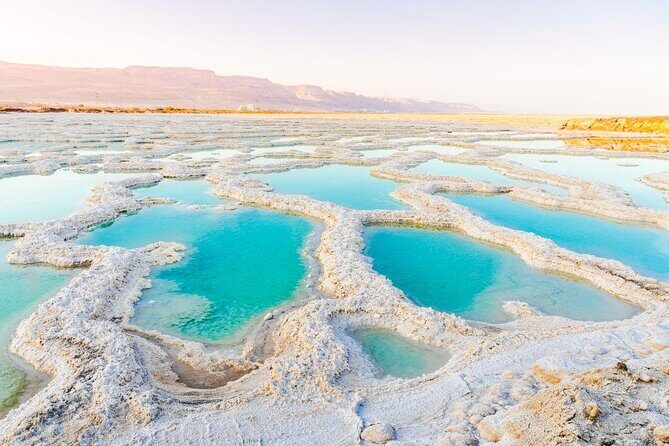
You’ll start in Jerusalem at 8:30 am, then roll through the Jordan Valley and down into the Judean Desert, with stops that feel purposeful rather than rushed. You’ll ride up to Masada by cable car, walk through fortifications and palace ruins, and learn what happened when Roman troops met Jewish Sicarii rebels in the 1st century. Then you’ll head toward the Dead Sea for salt-encrusted shoreline time, a mud bath, and that famous floating sensation.
In This Review
- Key highlights that make this day trip work
- From Jerusalem to the Judean Desert: the drive you’ll actually remember
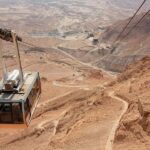
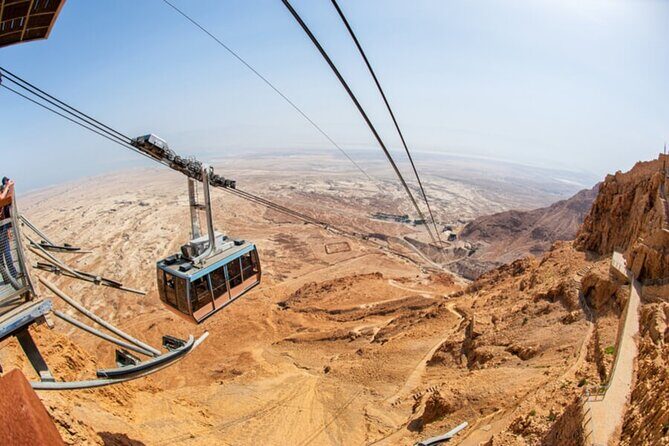
- Cable car up to Masada: walking the cliff-top fortress without the grind
- Masada’s last stand: the Sicarii vs. Romans story in plain language
- Ein Gedi Nature Reserve: a short oasis break with smart expectations
- Qumran Caves: Dead Sea Scrolls in 20 minutes (and that’s enough)
- Dead Sea floating and mud bath: how to do it comfortably
- Price and logistics: is $460 per person good value?
- What it’s like with the guide you get
- Who this Masada and Dead Sea day trip is best for
- Should you book this tour?
- FAQ
- What time does the tour start?
- Is this a private tour?
- What is included in the price?
- Are entrance fees and activities included?
- Is food included?
- Can I cancel for a refund?
Key highlights that make this day trip work
- A true private setup from Jerusalem with pickup and drop-off, plus time on the clock that stays flexible for your group
- Masada by cable car to save energy, with time to walk the ruins and hear the story clearly
- The Judean Desert drive past major landmarks like Jericho and the Inn of the Good Samaritan
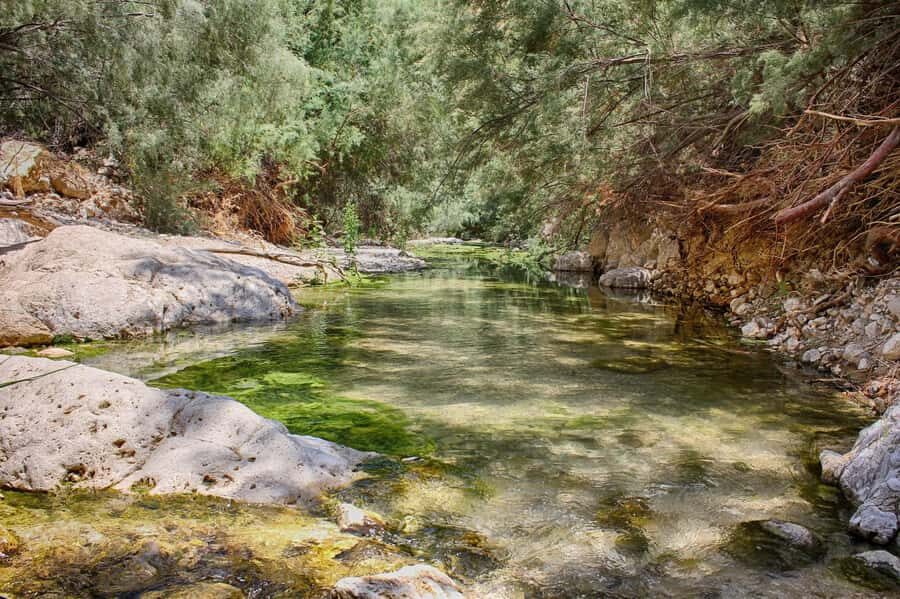
- Ein Gedi Nature Reserve stop for a quick taste of a rare green pocket in the desert
- Qumran Caves quick stop where the Dead Sea Scrolls were found, with admission noted as free
- Dead Sea mud bath + floating time to turn the history day into a body-and-soul reset
From Jerusalem to the Judean Desert: the drive you’ll actually remember
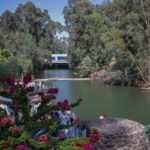
The best part of a private day like this is that the drive isn’t just a transfer. You leave Jerusalem and head toward the Jordan Valley, then keep rolling through the Judean Desert. Along the way, you pass places you’ve likely only seen on postcards before, including Jericho and the Inn of the Good Samaritan.
You’ll feel the day shift as the scenery changes and the air gets drier. And because you have a private guide, you’re not stuck staring out the window wondering what you’re looking at. I like that the guide can connect the geography to the story you’ll soon see at Masada—high ground, siege routes, and why water matters so much in this region.
Practical tip: start hydrating early. Even with an air-conditioned vehicle, your time at Masada and the Dead Sea is outdoors and sun-heavy.
You can also read our reviews of more private tours in Jerusalem

Cable car up to Masada: walking the cliff-top fortress without the grind
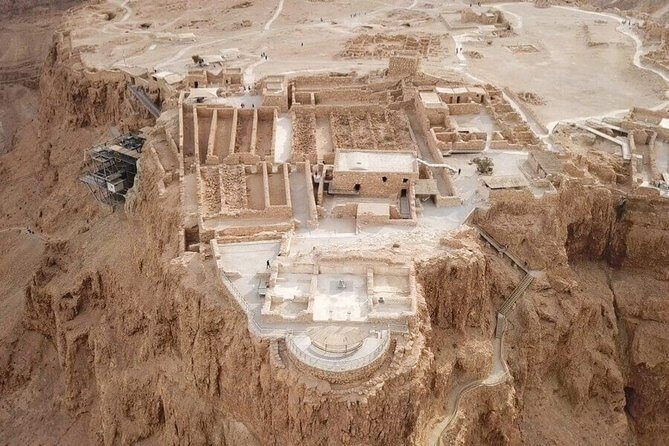
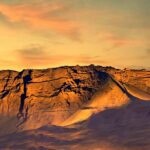
Masada is a place that sounds dramatic even before you see it. Up on the mountaintop fortress-palace built by King Herod, you get big views and a strong sense of why someone would build a stronghold so far above the desert floor.
Your time here is planned around two things: movement and meaning. You ride the cable car up, then explore the national park by foot with your guide. Admission for Masada National Park (77 NIS / $23) is not included, so plan to pay the site entrance when you arrive.
What I’d watch for on the ground: the terrain can feel steep and uneven, so good shoes matter. The day is long, and Masada is one of the few stops where you’ll likely do most of your walking, so don’t schedule extra side trips that day. Let Masada be your main “legs day.”
Masada’s last stand: the Sicarii vs. Romans story in plain language
Masada isn’t just about walls and viewpoints. The payoff is the 1st-century clash between Roman forces and Jewish Sicarii rebels—and the grim end that followed. Standing in the ruins, it hits differently when someone can translate the place into events you can picture.
I especially like when a guide explains how the rebels could survive in such an arid setting. One guide in this company’s lineup, Ellie, was praised for exactly that: connecting Masada’s layout to the idea that even in the desert, there was access to water. That kind of context makes the architecture feel less like scattered rocks and more like a functioning plan.
If you care about the human side of history, this is the stop to slow down for. Pause at viewpoints. Ask questions. The guide can point out how the fortifications and palace areas fit together and what the Romans were really up against.
Ein Gedi Nature Reserve: a short oasis break with smart expectations
After Masada, the itinerary moves toward Ein Gedi Nature Reserve, with about 50 minutes at the site. This is a taste stop, not a long hike tour. In a day packed with “once-in-a-lifetime” sites, Ein Gedi works best as a chance to breathe and change pace.
You’re still in the desert region, so expect the heat to stay a factor. This stop can be great for photos and quick walks, but it’s not the place to plan for a half-day adventure. You’ll want to keep moving at a comfortable pace so you still have energy for the Dead Sea mud and swim time later.
Bring what you can from the car: sunscreen, water, and shoes that handle uneven paths. If your guide is paying attention (and the guides here often are), they’ll keep the timing realistic and help you avoid getting stuck waiting in the sun.
Qumran Caves: Dead Sea Scrolls in 20 minutes (and that’s enough)
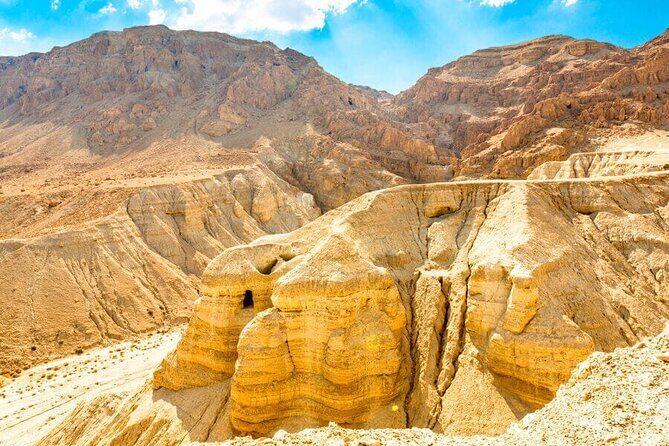
Then you’ll stop by the Qumran Caves, tied to where the Dead Sea Scrolls were found. The time here is brief—around 20 minutes—and admission is noted as free.
This is the kind of stop that helps you make sense of the region’s religious and cultural layers without eating your whole day. I like it as a “connector” moment: Masada tells you about conflict and control. Qumran adds another layer—text, belief, and what communities preserved.
Because the time is short, go in with one goal: understand why Qumran matters. If you’re a details person, ask your guide what to look for and what the site means historically. If you’re not, just absorb the context and move on.
A few more Jerusalem tours and experiences worth a look
Dead Sea floating and mud bath: how to do it comfortably
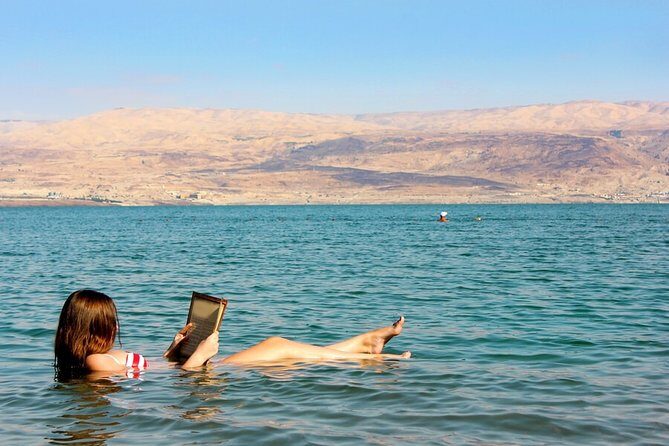
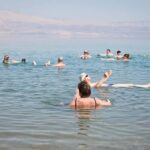
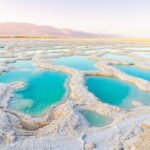
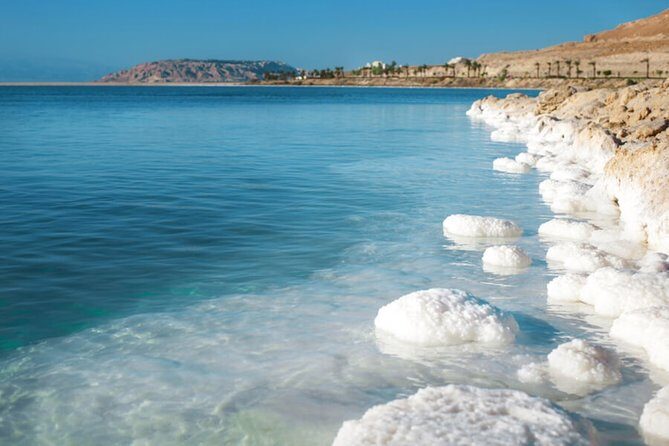
By the time you reach the Dead Sea, you’re ready for something that feels totally different from ruins and desert stone. You’ll have about two hours here for relaxation, including time to float in the salt-rich waters and try a mud bath.
Your guide can help you approach it safely and comfortably. Bring swimwear and a towel—these are the practical items that turn a “cool idea” into an actual good time. Don’t forget sun protection either; the Dead Sea area can feel bright and intense.
Also plan your expectations. The floating sensation is unusual and fun, but you’ll want to be careful—keep your eyes protected and don’t do anything that forces you to panic in the water. The mud bath part is the therapy moment, but it can also be messy, so give yourself enough time to rinse and re-set before you get back into the car.
One note from experience-patterns I noticed in how people talk about this stop: the exact spot at the Dead Sea can shape the mood. If you have strong preferences (quiet vs. active, facilities vs. a simple shoreline), tell your guide early so they can steer you toward what you want.
Price and logistics: is $460 per person good value?
At $460 per person for a private 10-hour day, the value depends on what you’re optimizing for: comfort, time efficiency, and having a guide tuned to your pace.
Here’s what you’re getting for the base price:
- Pickup and drop-off around the city
- A professional private guide
- An air-conditioned vehicle
- A mobile ticket approach
Here’s what adds cost on the day:
- Food and drinks (not included)
- Masada National Park: 77 NIS / $23
- Ein Gedi Nature Reserve: 24 NIS / $7.5
- Dead Sea, Israel: 45 NIS / $13.5
- Qumran Caves stop is listed as free
- Entrance fees are listed as not included for those main sites
So yes, the total spend can rise once site entries and swim-related costs stack up. Still, if your goal is to see all of this in one day without coordinating buses, taxis, and transfers, the private structure can feel efficient.
Timing matters too. This starts at 8:30 am, so you’ll beat some of the day’s heat. Also, on Saturday and holidays, there’s an extra $125 charge. If you’re planning around Shabbat or a holiday period, build that into your budget from the start.
What about group size? One useful reality check: if you’re traveling as a small group, private costs can end up close to group-tour pricing. A review story here noted that with five people, the private price can be close to what a group option would cost. If that matches your situation, you’ll likely feel better about paying for the “only your group” comfort.
What it’s like with the guide you get
The biggest difference between an ordinary day trip and a standout one is how the guide handles pacing and questions. This tour is built for personal attention, and the guide quality is a major theme in how people rate it.
I’ve seen praise specifically for:
- Flexibility when timing gets thrown off by traffic, including turning around to protect your Dead Sea time
- Big-picture explanations at Masada—especially the “how could they survive here?” angle
- Warm, friendly delivery, including guides who share personal context and make history feel human
- Patience with larger groups, which matters because Masada and the Dead Sea can create bottlenecks
If you want the day to feel smooth, don’t be shy about asking for what you need: more time at a viewpoint, a faster route to avoid extra heat, or a recommendation for a meal near where the group stops for food on your schedule. A good private guide will work with you.
Who this Masada and Dead Sea day trip is best for
This is a great fit if you:
- Want one day that covers Masada, Qumran, and the Dead Sea without fuss
- Prefer a private guide who can explain what you’re seeing, not just recite facts
- Plan to swim, do the mud bath, and want a day structured around those moments
It’s also a solid choice if you like balanced travel: history in the morning, relaxation in the afternoon.
You might want to think twice if you:
- Hate long days (this one runs about 10 hours)
- Want a super-structured, fixed schedule with zero flexibility
- Are very sensitive to how the Dead Sea stop is handled and want a highly specific setup
Should you book this tour?
If you want a day that mixes Masada’s cliff-top story with the Dead Sea’s weirdly satisfying float-and-mud experience, this private tour is a strong option. The private format is what makes it work: pickup and drop-off, an air-conditioned ride, and a guide who can keep the day flowing even when conditions shift.
Book it if you’re comfortable with outdoor walking and you’re okay paying a few site entrances on top of the base price. Skip it only if you’re trying to squeeze in a lot of extra activities, or if you know you strongly dislike uncertainty about where you’ll spend your Dead Sea time.
If you do book, pack smart (swimwear, towel, sun protection, water, comfortable shoes) and tell your guide what you want most—Masada views, Ein Gedi pacing, or the Dead Sea experience first.
FAQ
What time does the tour start?
The tour starts at 8:30 am, with pickup offered around your city and return drop-off after the day ends.
Is this a private tour?
Yes. It’s described as a private experience, and only your group participates.
What is included in the price?
Pickup and drop-off, a professional private guide, and an air-conditioned vehicle are included.
Are entrance fees and activities included?
No. Masada National Park (77 NIS / $23), Ein Gedi Nature Reserve (24 NIS / $7.5), and the Dead Sea (45 NIS / $13.5) are listed as not included. Qumran Caves is listed as free, and Masada National Park admission is the main paid entry noted.
Is food included?
Food and drinks are not included.
Can I cancel for a refund?
Yes. You can cancel up to 24 hours in advance for a full refund. If you cancel less than 24 hours before the start time, the amount paid is not refunded.