REVIEW · JERUSALEM
Caesarea, Haifa & Akko Day Trip from Jerusalem
Book on GetYourGuide →Operated by Bein Harim Israel Tours · Bookable on GetYourGuide
One day on the coast, four time periods. Caesarea’s Roman leftovers and Haifa’s Bahá’í Gardens are a great one-two punch of ruins and views, then Rosh Hanikra’s limestone caves add a shock of sea-and-rock drama, and Acre ties it all together with walls, markets, and even the underground Crusader layer. Guides like Dorit and Abraham can make the story-click moments feel clear and human, not like a textbook.
I also like that this is built for comfort: you get an air-conditioned coach, hotel pickup and drop-off, and the route follows Israel’s Mediterranean coastal highway so you spend less energy on logistics and more time looking out the window. One thing to consider: it’s a long day (10 to 12 hours), and depending on timing and group flow, the planned break for food can run a bit tight.
In This Review
- Key things that matter on this tour
- Caesarea’s Roman port: aqueduct, theatre, and Herod’s big idea
- Haifa Bay from Mount Carmel: the Bahá’í Gardens viewpoint you’ll remember
- Rosh Hanikra’s limestone grottoes: white cliffs, sea spray, and the Lebanon horizon
- Acre’s Old City: walls, Jezzar Pasha Mosque, and the Crusader layer underground
- The 5:50 Jerusalem start and how the day pacing feels
- Price and value: $105 plus entrances and your food budget
- Who should book this day trip, and who should reconsider
- Small tips to make the day smoother
- Should you book this Caesarea, Haifa & Akko day trip?
- FAQ
- How long is the Caesarea, Haifa & Akko day trip?
- What’s included in the price?
- What entrance fees should I expect?
- Is food and drinks included?
- What time does the tour depart from Jerusalem?
- Where do the pickup and drop-off happen?
- What languages is the guide available in?
- Is the tour suitable for wheelchair users or young children?
Key things that matter on this tour

- Caesarea’s Roman theatre and aqueduct ruins: big, dramatic archaeology that’s easy to understand as you walk.
- Haifa Bay viewpoints from the Bahá’í World Center: a rare “pause and take it in” moment with a built-in photo stop.
- Rosh Hanikra’s white chalk cliffs and grottoes: you get sea-level visuals plus the added twist of looking toward Lebanon.
- Acre’s layered history in one walled Old City: Greeks, Byzantines, Arab Crusaders, Ottomans, and the British all leave marks you can still read.
- Acre’s underground Crusader city and crypt: not just surface sightseeing, you’ll head into the depths.
- Hotel pickup from Jerusalem with a Tel Aviv join: less friction if you’re staying in the city, though you should expect an early start.
Caesarea’s Roman port: aqueduct, theatre, and Herod’s big idea
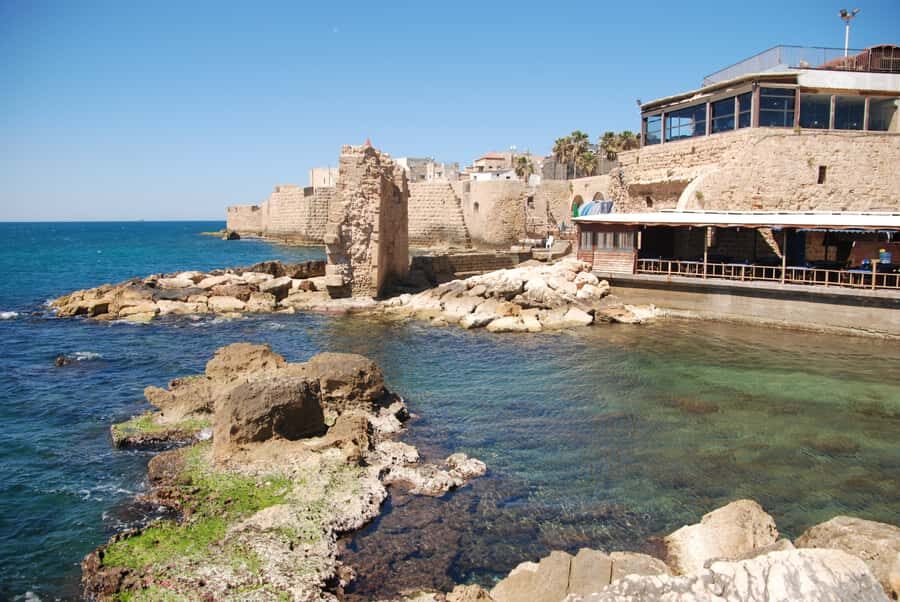
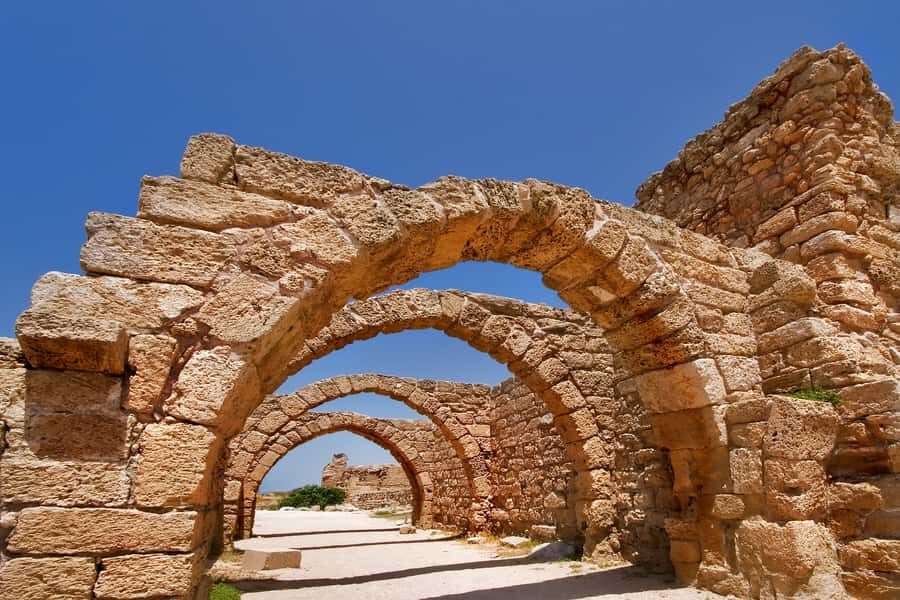
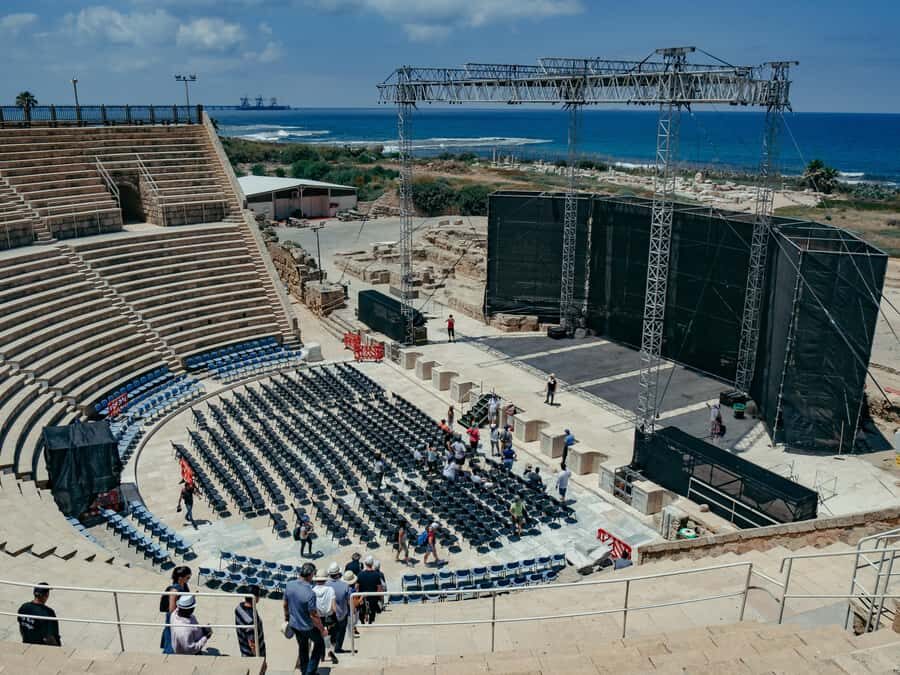
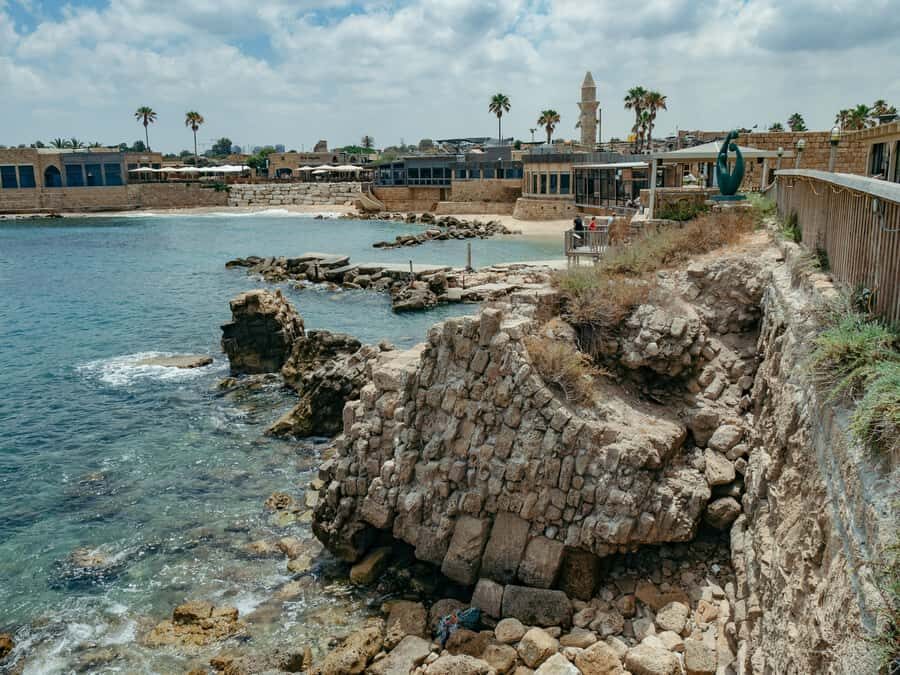
Caesarea is the kind of site where you feel the scale even before you understand it. This ancient port grew from a smaller Phoenician harbor into a major Roman-era capital project under King Herod—so yes, it’s about the sea, but also about engineering and power.
On the ground, you’ll walk through archaeological excavations that include a mighty aqueduct and one of the largest amphitheaters from the Roman period. The aqueduct gets your attention fast because it’s not decoration; it’s infrastructure, designed to move water and support daily life. And the theatre matters because it shows how the Romans liked to gather crowds—public life on a grand stage.
A practical note: this portion is a walking tour of the ruins. Bring comfortable shoes and plan for uneven ground. In winter especially, wear a layer because coastal air can feel sharp even on a decent day.
The historical punch also helps you connect the dots. Caesarea’s story doesn’t end cleanly—ruins survived through centuries and were destroyed in the 13th century during Baybars of Egypt’s campaign. That adds weight to why what you see today is still so impressive: it’s what remains after big eras ended.
A few more Jerusalem tours and experiences worth a look
Haifa Bay from Mount Carmel: the Bahá’í Gardens viewpoint you’ll remember
If Caesarea is about Roman muscle, Haifa is about perspective. Israel’s third city opens up with panoramic Mediterranean views, and the tour centers that view at the Bahá’í Gardens in the Bahá’í World Center.
This stop is also a UNESCO World Heritage Site, and the visit is timed for one simple reason: you’ll have a photo opportunity with the view before you head onward. That means you’re not constantly rushing through. You’ll get a moment to look out over Haifa Bay and understand how the coastline bends around the city.
What makes this part valuable is the contrast. After stone ruins and archaeology in Caesarea, you shift to carefully designed gardens and sweeping angles. You’re still surrounded by history, but you’re seeing it through geography—how people built cities where the terrain offered both protection and trade.
Tip for comfort: wear a hat if you’re sensitive to sun. Even when the day is mild, you’ll want shade breaks. And if you get motion-sick, this city-to-coast route is generally fine, but you’ll still have short stretches of coach travel on curvier roads near viewpoints—pack water and keep it slow.
Rosh Hanikra’s limestone grottoes: white cliffs, sea spray, and the Lebanon horizon
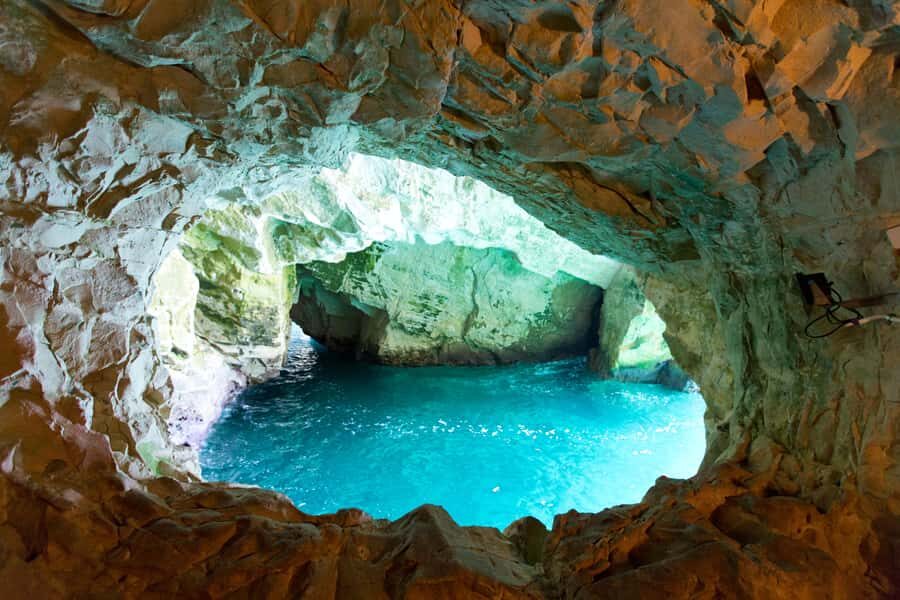
Then comes Rosh Hanikra, right on the northern border area. The big visual here is the limestone grottoes—caves shaped by sea action—and the white chalk cliffs facing the water.
You’ll explore the grotto area, and the tour also includes a dramatic viewpoint where you can see the Lebanon border. That detail changes how you read the geography. This isn’t just a pretty coast stop; it’s also a boundary-shaped place where the sea and politics overlap.
Why this stop works on a day trip: it resets your senses. Caesarea and Haifa pull you through history and city scale. Rosh Hanikra is more about texture—chalky rock, light bouncing off pale cliffs, and the contrast between dark cave interiors and bright sea outside.
What to watch for: grotto areas can mean damp surfaces. Wear shoes you don’t mind getting a little scuffed. If your group includes people who hate crowds, this is still manageable, but it’s popular for a reason—so expect some tight moments around entrances and viewpoints.
Acre’s Old City: walls, Jezzar Pasha Mosque, and the Crusader layer underground
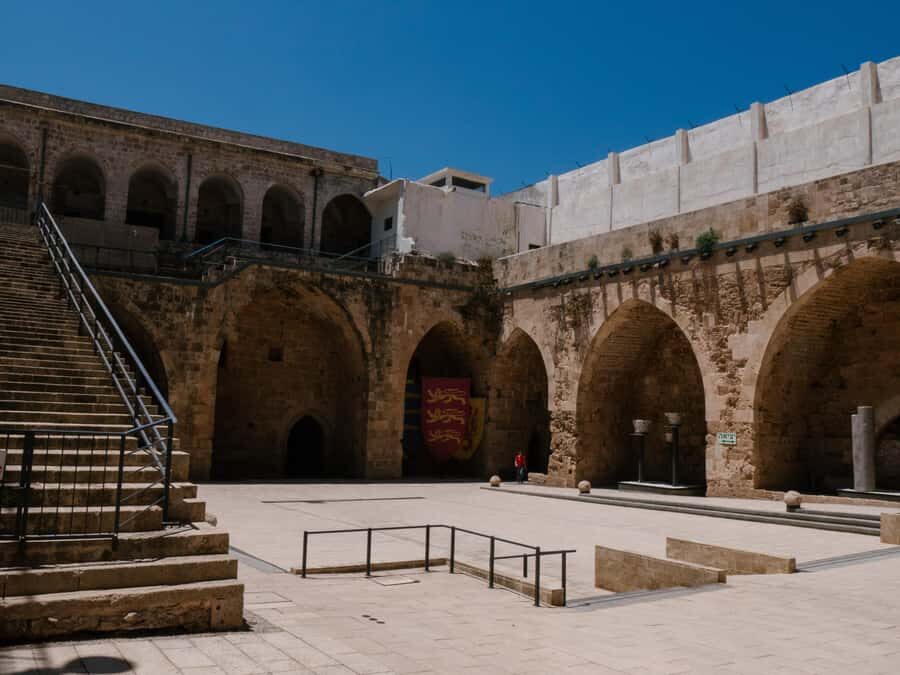
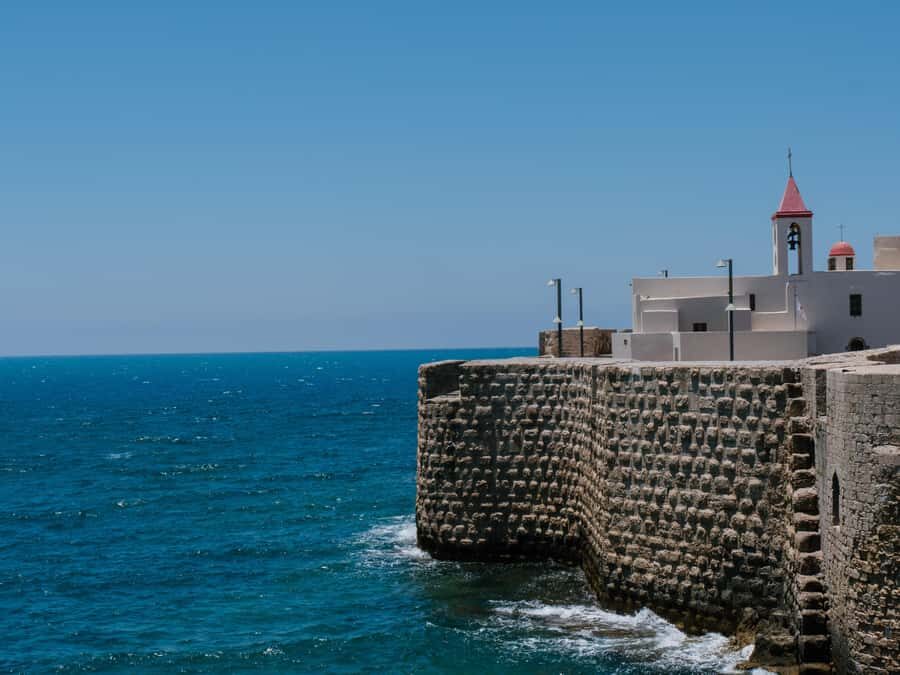
Acre is where the day trip turns into a full story. The Old City is a UNESCO World Heritage Site with massive city walls, a port setting, and an Oriental market area that adds real street energy to the archaeology.
The most memorable part for many people is how much history you can feel without a lecture. You walk through streets that have seen Greeks, Byzantines, Arab Crusaders, Ottomans, and the British. That’s not abstract. You’ll notice it in the variety of structures and in how the city feels like it kept getting rebuilt for new needs.
One of the named highlights is the Jezzar Pasha Mosque. The tour includes this stop because the mosque is famous for something very specific: a single hair from the prophet Mohammed’s beard is kept there. That’s the sort of detail that makes a guide’s explanation land, because it’s a human story inside a monumental setting.
A key added value here is the underground time. The itinerary includes the Crusader underground city and crypt. Surface ruins can feel like leftovers. Underground spaces feel like a living system—cooler air, tighter passages, and a very different sense of what people needed when they built for defense.
If you’re short on energy, Acre might be the hardest part physically because it’s a dense Old City experience. Plan to slow down and let the guide’s pacing help you choose where to linger. And if you’re the type who wants photos at every corner, you’ll be happy—but you may need to keep an eye on the meeting points so the group doesn’t get split.
The 5:50 Jerusalem start and how the day pacing feels
This tour runs 10 to 12 hours, which is honest and long. It leaves Jerusalem at 5:50 to join the group in Tel Aviv, then you head up the coast from there.
That start time is why the day feels like two tracks: the first half leans toward archaeology and gardens, and the later half leans toward caves and the Old City complexity of Acre. The coach helps a lot. You’re traveling along the Mediterranean coast, so even transfer time feels like part of the trip rather than dead time.
One thing to keep in mind from real-world group dynamics: when you have a large group—around thirty people—timing can slip if people get separated early. On at least one run, a transfer delay affected the pacing and the meal break ended up shorter. The good news is that the itinerary goals were still completed, and the guide handled it with a friendly, problem-solving attitude.
So here’s the practical advice: if you’re the kind of person who hates running late, be extra strict about meeting time at every stop. Use the restroom early rather than “when the group is ready.” It’ll save you stress.

Price and value: $105 plus entrances and your food budget
At $105 per person, the big value is what you get folded in: air-conditioned coach transportation, a professional guide, and hotel pickup and drop-off. On a route like this, those pieces matter. You’re covering Caesarea, Haifa, Rosh Hanikra, and Acre in one day, and that would be hard to stitch together smoothly on your own without a full-day rental plan.
The main cost you should plan for is entrance fees—about $34 per person, paid on-site. Food and drinks are also not included, so you need to budget for lunch and snacks.
If you want the day trip to feel comfortable rather than rushed, pack a simple strategy:
- Bring water (especially for the Haifa and Acre walking stretches).
- Consider small snacks if the meal break gets tight.
- Keep some cash or a card ready for entrance fees on-site.
Tour guides offer multiple language options (French, English, German, Spanish), which is helpful if your group isn’t all one language. Also, the guide is the glue for understanding what you’re seeing—especially at Acre’s underground spaces and the layers of Crusader-era story.
Who should book this day trip, and who should reconsider
This is a good fit if you want a structured day that mixes coastline views with major historical sites. You’ll get:
- Roman-era ruins at Caesarea
- a UNESCO garden viewpoint at Haifa
- caves and chalk cliffs at Rosh Hanikra
- Old City architecture, markets, mosques, and underground Crusader areas at Acre
It’s not for everyone. The tour is not suitable for wheelchair users, and it isn’t intended for children under age 4.
So it suits best if you’re:
- comfortable walking through archaeological sites and dense Old City streets
- happy to follow a schedule and meet at set times
- interested in history that’s explained in a guided way, not just seen from outside
If you prefer slow travel, long free time, or you hate group pacing, you might feel squeezed. This itinerary aims to cover a lot, and that’s the trade-off for the convenience.
Small tips to make the day smoother
I recommend you treat this as a “comfort-first” day. That means smart clothing and a little food planning.
Bring comfortable shoes you can trust on uneven surfaces. You’ll do enough walking at Caesarea and Acre that blister-prone footwear becomes a real problem.
Hat and sunscreen help for Haifa’s open viewpoints. Even if it’s not blazing, Mediterranean sun can catch you off guard.
For food, don’t assume you’ll always find something easy at the exact moment hunger hits. Food and drinks aren’t included, so bring a water bottle and a snack plan if you’re prone to getting cranky when lunch runs short.
Finally: keep your eyes on the guide and the meeting points. With a larger group, timing depends on everyone staying together.
Should you book this Caesarea, Haifa & Akko day trip?
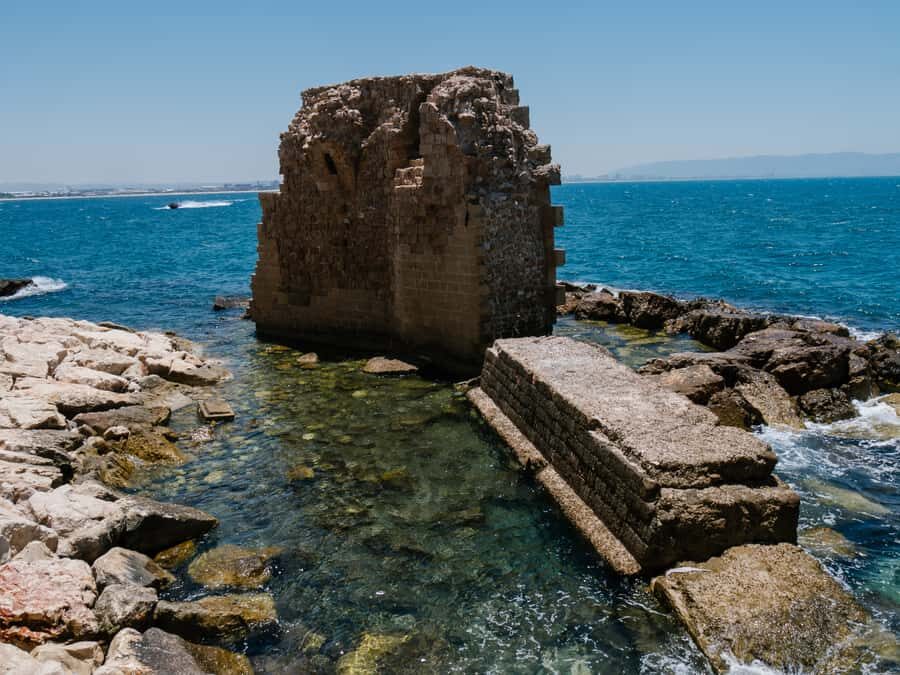
If your goal is to see four headline coastal stops in one day without arranging transport, I’d say this is a solid book. The combination of Caesarea’s Roman archaeology, Haifa’s Bahá’í Gardens views, Rosh Hanikra’s limestone grottoes, and Acre’s walled Old City plus underground Crusader sites is exactly the kind of “efficient, guided, memorable” mix that works on a first trip.
I’d reconsider if you need lots of downtime, have mobility limits, or you’re trying to keep the day super flexible. The itinerary is full, and the day starts early.
If you do book, you’ll get a great payoff for planning ahead: comfortable coach travel, a guide who can explain the stories clearly (and handles timing with friendliness), and a coastal route that keeps changing scenery so the hours don’t feel monotonous.
FAQ
How long is the Caesarea, Haifa & Akko day trip?
The tour lasts about 10 to 12 hours.
What’s included in the price?
Air-conditioned coach transportation, a professional guide, and hotel pickup and drop-off are included.
What entrance fees should I expect?
Entrance fees are not included. They’re about $34 per person and are paid directly on-site.
Is food and drinks included?
No. Food and drinks are not included.
What time does the tour depart from Jerusalem?
The tour departs Jerusalem at 5:50 to join the tour in Tel Aviv.
Where do the pickup and drop-off happen?
Pickup and drop-off are included from your hotel. If you’re staying somewhere else (like an Airbnb), the provider sends the closest pickup point.
What languages is the guide available in?
Guides are available in French, English, German, and Spanish.
Is the tour suitable for wheelchair users or young children?
The tour is not suitable for wheelchair users, and it is not suitable for children under age 4.
If you want, tell me your travel dates and whether you’re more into ruins, caves, or Old City walking, and I’ll help you decide if this schedule fits your style.