REVIEW · AMMAN
From Amman: Bethany Baptism Jordan River Site Visit
Book on GetYourGuide →Operated by Zaid Tours and Travel Jordan · Bookable on GetYourGuide
Baptism grounds that feel eerily alive. This El-Maghtas site tour pairs a close walk along the Jordan River edge with major archaeological remains—churches, wells, caves, and baptismal pools—so the story feels physical, not just read about. I also love the setup with a private English-speaking driver-guide plus a local guide at the site, which makes the visit click fast. One heads-up: if you book the lunch option, the value may feel hit-or-miss.
From Amman, you’re in a comfortable, air-conditioned vehicle with hotel pickup, then you get a focused half-day with time to absorb the spirituality and the details. You can even add Iraq Al-Amir, with Copper Age cave sites and a restored pre-Roman building at Qasr al-Abad, turning a single pilgrimage stop into a fuller day of ancient places.
In This Review
- Key Points at a Glance
- El-Maghtas and Bethany Beyond the Jordan: why the riverbank feels different
- From Amman in 4 hours: private transfer, and why it matters
- The walk through ruins: churches, caves, wells, and the baptismal pools
- Pope John Paul II and Vatican recognition: how the guide connects religion and archaeology
- Not the same Bethany: clearing up one common mix-up
- Iraq Al-Amir upgrade: Copper Age caves and Qasr al-Abad
- Price and value: is $106 per person fair for this 4-hour day?
- Practical comfort tips: shoes, modest dress, and staying sane
- Who this tour suits best
- Should you book this tour?
- FAQ
- How long is the tour from Amman?
- What exactly happens at the Bethany Beyond the Jordan site?
- Is lunch included?
- Can I add a visit to Iraq Al-Amir?
- Will I have an English-speaking guide?
- What should I bring or wear?
Key Points at a Glance
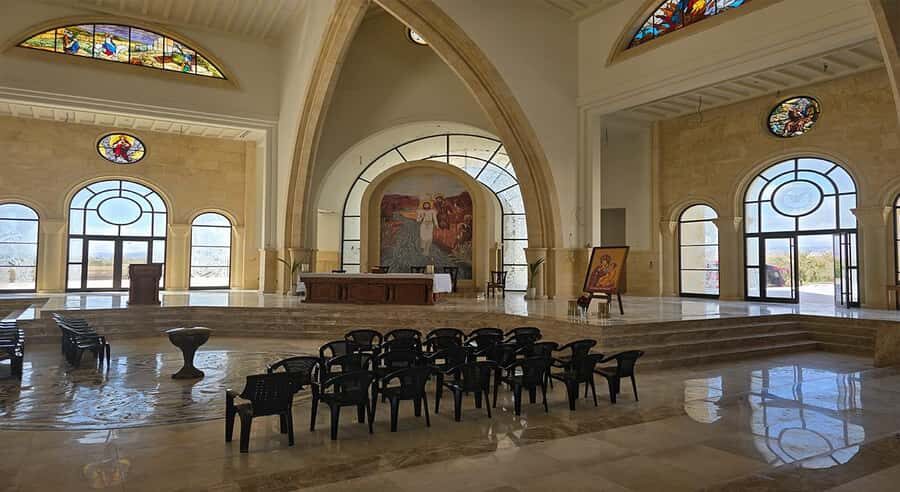
- El-Maghtas (Bethany Beyond the Jordan): Follow the riverbanks and see Roman and Byzantine remains tied to Jesus’ baptism story.
- Local guidance at the site: A local English-speaking guide explains the excavated features and why this spot gained major religious recognition, including Pope John Paul II’s 2000 visit.
- Private, driver-led logistics: Your driver handles the transfer and can act like a guide in the car, keeping everything smooth.
- Optional Iraq Al-Amir add-on: Copper Age cliffside caves plus Qasr al-Abad (2nd–3rd century B.C.) with pillars and animal carvings.
- Entrance fees covered: You don’t have to sort out site tickets for Bethany (and Iraq Al-Amir if selected).
- Lunch is optional: Great if you need it, but don’t expect it to be the strongest part of the day.
El-Maghtas and Bethany Beyond the Jordan: why the riverbank feels different
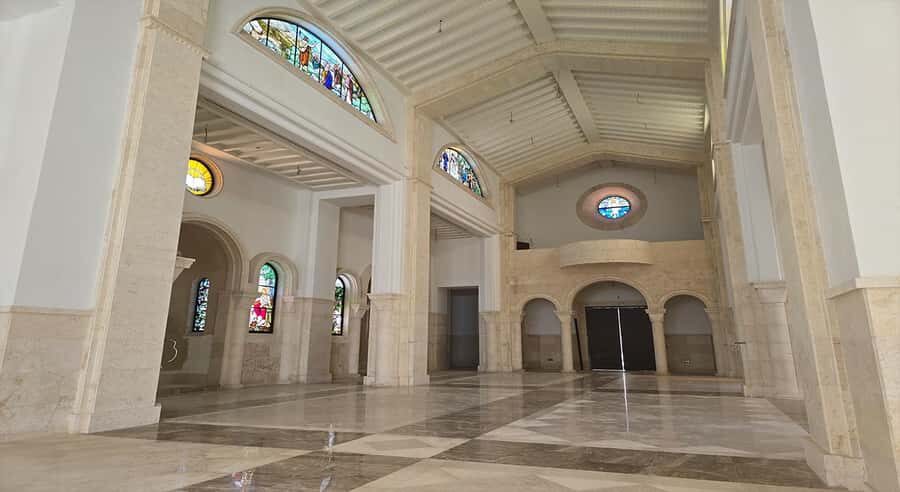
This is not a “stand and photo” stop. The main draw is walking through Bethany Beyond the Jordan River, known as Al-Maghtas on the eastern bank, with enough time to connect the landscape to the religious story.
You’ll meet a local English-speaking guide at the site and learn why this is widely treated as the baptism location of Jesus by John the Baptist. The tour focuses on ruins and features you can actually see: remnants linked to earlier worship, plus the baptism area itself (the baptismal pools). It’s one of those places where the meaning lands more strongly when you’re close to the physical evidence.
Also, the guide connects the dots beyond Christian tradition. Al-Maghtas is treated as holy across Christianity, Judaism, and Islam, including a connection made to the Prophet Elijah’s ascension to heaven. Even if you’re visiting for one tradition, hearing the site spoken about through the others gives you a broader sense of why pilgrims return again and again.
From Amman in 4 hours: private transfer, and why it matters
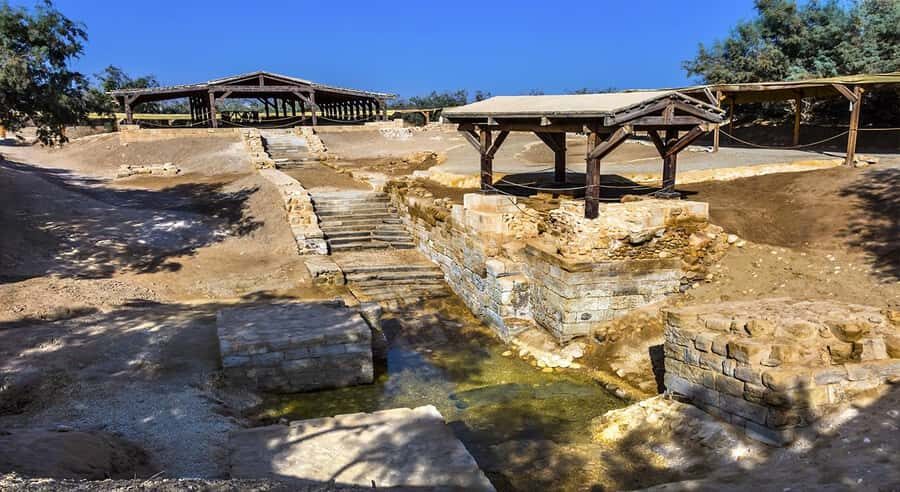
This tour is designed around a simple formula: pick up in Amman, drive to the Jordan River area, tour the site with guidance, then return to your hotel. The whole thing is about 4 hours, so it’s built for people who want a meaningful stop without committing an entire day.
The private setup is the practical win. You get:
- Hotel pickup and hotel drop-off in Amman
- A private air-conditioned vehicle
- An English-speaking driver who also supports the tour as needed
That matters because the ride itself can be long enough that you don’t want to spend it negotiating transport. You also get on-board Wi‑Fi, which is handy if you want to look up context while you’re en route (or just send a message before the day gets busy).
You should plan for time on your feet once you reach the site. Comfortable shoes are the main requirement, and you’ll want to dress for modest coverage since churches are part of the visit.
The walk through ruins: churches, caves, wells, and the baptismal pools
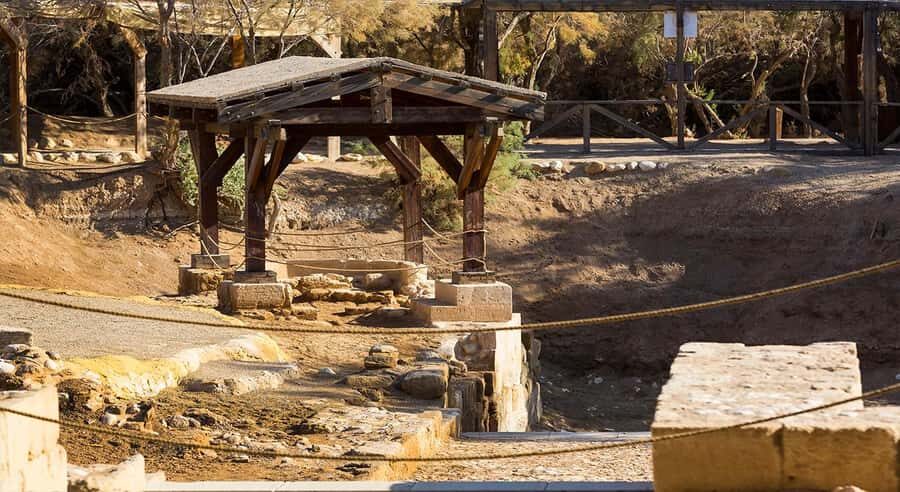
The core tour happens around the riverbanks and excavated remains. Think Roman and Byzantine churches, with surrounding elements like caves, wells, and baptismal pools. The mix is part of why the place feels layered instead of frozen in one era.
Here’s how the experience tends to land:
- Church remains show you that this wasn’t just a one-time event in a single century. Worship here kept going.
- Caves and wells add a “lived-in” feel. Even when you’re looking at remains, the guide’s explanations help you imagine daily life connected to the broader religious story.
- Baptismal pool area gives the tour its emotional center. You’re not only hearing about baptism—you’re standing where the traditions place it.
The local guide also explains why archaeologists believe John the Baptist lived, preached, and carried out baptisms in this area. That’s the kind of detail that can turn a site from scenery into a story you can follow.
And yes, there are plenty of visual angles for photos, but the best use of your time is to slow down and let the guide guide your attention. When you know what you’re looking at—wells versus pools, church remnants versus cave areas—you get more out of the same walk.
Pope John Paul II and Vatican recognition: how the guide connects religion and archaeology
This tour doesn’t keep things in the spiritual lane only. The local guide explains how the site was sanctified as the baptism location by the Vatican and mentions a visit by Pope John Paul II in 2000.
That piece matters because it shows how the Christian pilgrimage story intersects with older records and later religious decisions. If you like when faith and physical evidence are both part of the explanation, this visit hits that balance well: you’ll hear why the location became officially recognized, then you’ll look at features archaeologists uncovered.
It also helps you understand why the site draws people who care about different levels of certainty. Some visitors come for devotion. Others come for research-style archaeology. Here, both types of curiosity get something to hold onto.
Not the same Bethany: clearing up one common mix-up
A quick but important note: Bethany in this trip is not Bethany in Jerusalem. In the Jerusalem tradition, you’ll hear about Mary Magdalene and the story of Lazarus. This tour is specifically about Bethany Beyond the Jordan—Al‑Maghtas—on the Jordan River’s eastern bank.
So before you go, lock in the mental map: this is the baptism site and pilgrimage route area, not the Jerusalem story site.
Iraq Al-Amir upgrade: Copper Age caves and Qasr al-Abad
If you upgrade, you’ll add a second layer of ancient sites, which is great if you feel like one stop might be too short.
The Iraq Al-Amir portion starts with drives through olive groves and pine trees, then you head to cliff-side caves dating to the Copper Age. These caves give you a different kind of “this place has been used for ages” perspective—less about a single moment, more about long-term human presence.
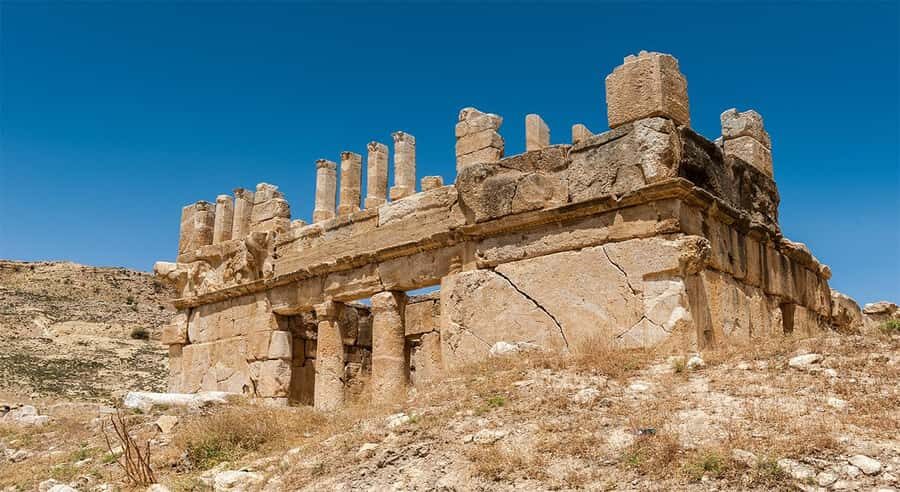
After viewing the caves, the tour continues to Qasr al-Abad, a restored pre-Roman building dating to the 2nd or 3rd century B.C. You’ll admire the exterior and walk around the structure, including pillars and animal carvings. The site is thought to have been a villa or minor palace, which helps you imagine daily life beyond the pilgrimage narrative.
In practical terms, this add-on works well because it keeps the day coherent: you’re already in a northern, ancient-pilgrimage corridor, so adding a second, separate historic stop feels efficient instead of tacked on.
Price and value: is $106 per person fair for this 4-hour day?
At $106 per person for about 4 hours, the key question is: what you’re paying for.
You’re not just paying for driving. Your price covers:
- Hotel pickup and drop-off in Amman
- A private air-conditioned vehicle
- An English-speaking driver (who supports the experience)
- A local English-speaking guide at the Bethany Jordan River site
- Entrance fees to Bethany
- Entry fees for Iraq Al-Amir if you choose the upgrade
- On-board Wi‑Fi
That package is often the real value. If you tried to replicate it with independent taxis and separate site entry arrangements, you’d likely spend more time coordinating, and you might miss some of the context that the local guide provides.
The one part that can distort value is lunch. If you choose the lunch option, be realistic about expectations. The lunch is optional, and if it’s included for you, treat it as a convenience rather than the highlight.
Practical comfort tips: shoes, modest dress, and staying sane
This is an easy tour in logistics, but you still need to come prepared.
What you’ll want:
- Comfortable walking shoes (you’ll be walking on site)
- Modest clothing for church areas (plan coverage)
- Hats and sunscreen, especially if the sun is out
- A water plan for yourself if you tend to get thirsty (the tour info doesn’t include beverages)
Also consider this small reality check: you’ll be near religious sites where crowd flow and walking pace can vary. The private format helps, but your best day still comes from wearing shoes you trust and giving yourself a calm pace.
Who this tour suits best
This works especially well if:
- You want a meaningful religious and historical stop without a full day
- You like when a local guide explains how archaeology and tradition overlap
- You prefer private logistics from Amman and don’t want to fuss with transfers
- You might be interested in an extra ancient sites stop via Iraq Al-Amir
If you’re short on time but your curiosity is high, this is built for that sweet spot.
Should you book this tour?
I’d book it if you want a focused, guided visit to El‑Maghtas that includes more than one kind of site feature—ruins, baptismal pools, and surrounding excavated areas—plus convenient private transport from Amman.
Skip or think twice about the lunch add-on unless you’re sure you’ll be satisfied with meals at the quality level you usually expect for the price. For the core experience, the real win is the pairing of private transfer + local guiding, which is what turns the site from “interesting photos” into a day you can actually interpret as you walk.
If you’re already leaning toward adding Iraq Al-Amir, that upgrade is a strong way to make your half-day feel more complete—Copper Age caves and Qasr al-Abad add a different, longer-view kind of history.
FAQ
How long is the tour from Amman?
The tour lasts about 4 hours, depending on the starting time you choose.
What exactly happens at the Bethany Beyond the Jordan site?
You’ll meet a local English-speaking guide and tour the riverbanks and key excavated ruins, including remnants of ancient churches, caves, wells, and baptismal pools.
Is lunch included?
Meals are not included unless you select the option that includes lunch. If lunch is included, it’s described as vegetarian by request.
Can I add a visit to Iraq Al-Amir?
Yes. You can upgrade to visit Iraq Al-Amir, including cliff-side caves dating to the Copper Age and a stop at Qasr al-Abad.
Will I have an English-speaking guide?
You’ll have an English-speaking driver, and you’ll also have a local English-speaking guide at the Bethany Jordan River site.
What should I bring or wear?
Bring comfortable walking shoes. Dress modestly for church areas, and it’s also advised to bring hats and sunscreen.