REVIEW · JERUSALEM
West Bank Tour from Jerusalem
Book on Viator →Operated by Abraham Tlalim Tours LTD · Bookable on Viator
You meet history head-on in the West Bank. This full-day guided tour out of Jerusalem stitches together scripture landmarks and real-world Palestinian life, with stops like Ramallah and Yasser Arafat’s tomb, plus Bethlehem’s Church of the Nativity and the baptism area at Qasr al-Yahud. What I like most is the chance to walk through Ramallah and understand the everyday rhythm there, especially with guides such as Kamal, George, and Housam who are known for humor and interactive storytelling. I also love how the day hits the big religious sites efficiently, including the Church of the Nativity complex and the grotto traditions that many people travel for. One heads-up: it’s a long day with limited time at each stop, so if you want slow, museum-style history, you may feel a little rushed.
You start early and move by air-conditioned minivan, then get an included Arabic-style lunch in Bethlehem. I like that the tour asks you to be prepared—bring your passport (original, not a copy), wear comfortable shoes, and plan for modest dress at sacred sites. The main consideration is practical: you’re walking, switching locations, and spending real time at emotionally heavy places like the separation barrier.
In This Review
- Key things to know before you go
- Ramallah first: street walking and Arafat’s tomb
- Jericho’s ruins and the view from the Mount of Temptation area
- Qasr al-Yahud on the Jordan River: the baptism-site stop
- Bethlehem’s holy sights: Nativity Church, Manger Square, and more
- Lunch in Bethlehem: included Arabic meal, sometimes home-style
- The separation barrier and Banksy graffiti: a hard stop, handled by the guide
- Value for $130 and how the day is paced
- Practical tips: what to bring and what can limit access
- Who this West Bank tour is best for (and who should skip it)
- Should you book this West Bank Tour from Jerusalem?
- FAQ
- How long is the West Bank tour from Jerusalem?
- Where is the meeting point, and when does the tour start?
- What’s included in the price?
- What do I need to bring or wear?
- Can Israeli passport holders join the tour?
- What happens if Ramallah access is restricted or the weather is poor?
Key things to know before you go
- Ramallah first, with Arafat’s tomb on the route so you get context early in the day.
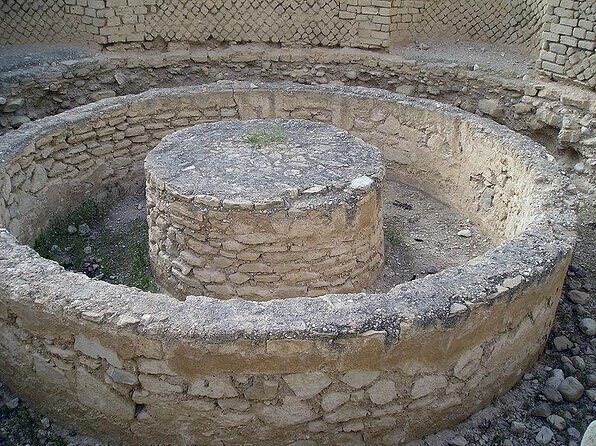
- Jericho is fast but memorable: ruins plus a view of the Mount of Temptation area from below.
- Qasr al-Yahud (Jordan River) is a dedicated stop for the baptism-site tradition.
- Bethlehem isn’t just one church: you’ll see Manger Square, the Milk Grotto, and other key holy spots.
- Guides matter a lot—people often highlight Kamal, George, and Housam for making tough logistics easier.
- The separation barrier gets real time and can feel intense, even if you came for biblical stops.
Ramallah first: street walking and Arafat’s tomb
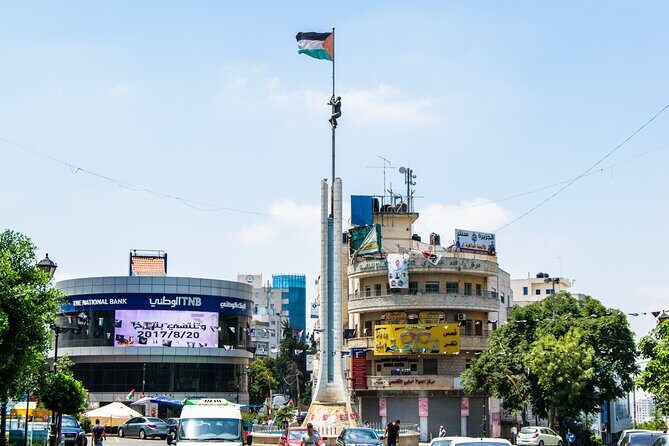
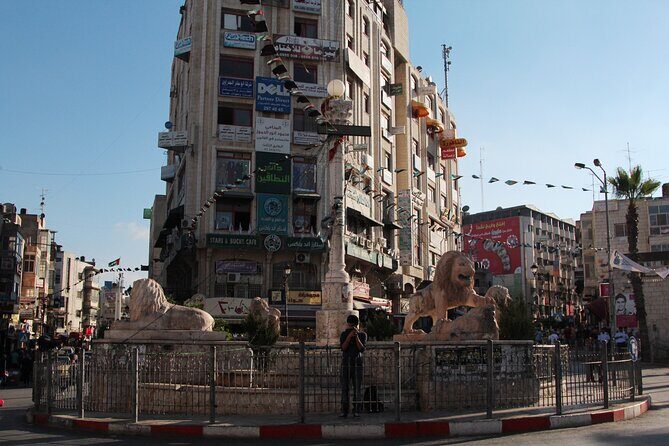
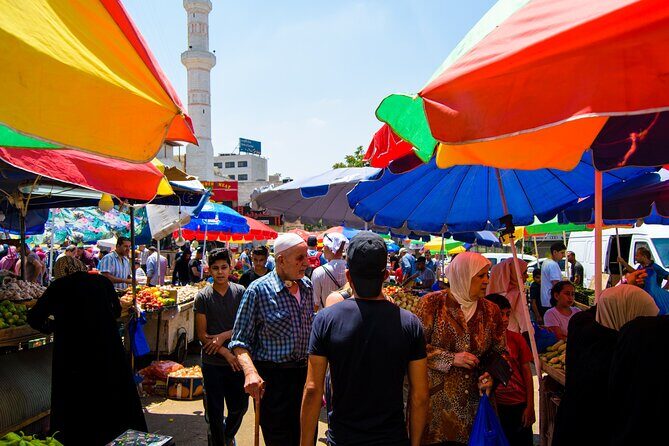
The day begins in Jerusalem and heads straight into the West Bank, with Ramallah as the first major stop. You’ll spend about an hour and a half here, and that timing is smart. It’s long enough to stroll busy streets and get a feel for modern Palestinian life, but short enough that you don’t burn out before the heavier sites later.
A standout is the visit to the tomb of Palestinian leader Yasser Arafat. Even if you don’t know the political history in detail, the symbolism lands quickly. It’s one of those places where you can feel how history is lived, not just read.
You’ll likely notice the tour’s approach: you’re not just looking at buildings. You’re hearing how people understand their own world. Guides with names like Kamal, George, and Housam are praised for answering questions and working the group through what can be confusing or emotionally charged. That matters because the West Bank is complicated, and a good guide can help you connect dots without turning it into a shouting match.
The tradeoff? Ramallah is your first stop, so you start collecting impressions early. If your brain needs a slow ramp-up, you might want to treat this like a sprint—mentally pack light and go with the flow.
You can also read our reviews of more tours and experiences in Jerusalem.
Jericho’s ruins and the view from the Mount of Temptation area
Next comes Jericho, often described as one of the oldest cities with continuous settlement. Expect around two hours here, including time for archaeological evidence and a chance to see the Mount of Temptation from below.
Jericho works best when you’re in the mood for layered history. You’re in a place tied to Bible stories, but you’re also seeing how archaeology tries to map the past onto present geography. That dual focus is a big part of why this tour appeals to people who want both faith and context in the same day.
One practical note: Jericho time is limited, so you might not get every extra attraction you’ve seen mentioned elsewhere. Some people found the stop brief and wished for additional sites or more time in the ruins area. Others still come away glad they visited at all—because even a short look at Jericho’s setting can feel powerful.
And yes, Jericho can feel a bit uneven on upkeep. If you’re the type who hates dingy facilities or wants perfectly managed visitor areas, be prepared. You’re really here for the place and the stories around it.
Qasr al-Yahud on the Jordan River: the baptism-site stop
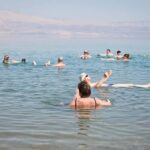
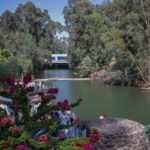
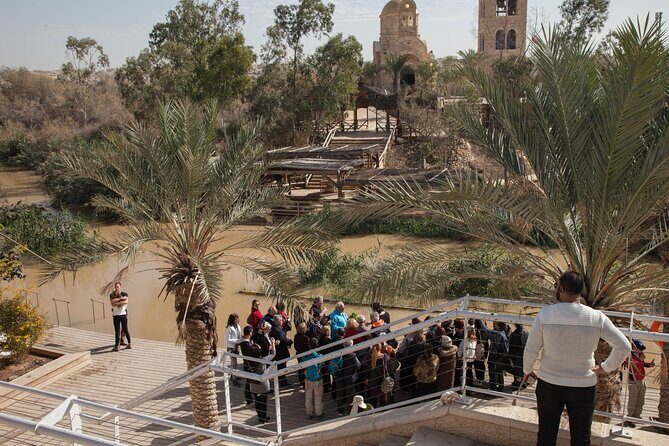
Then you head to Qasr al-Yahud, on the banks of the Jordan River. This is your shorter, focused moment—around 45 minutes—meant to connect the geography to the baptism tradition tied to John the Baptist.
This stop is less about crowds of monuments and more about the setting. The river area gives you that “now I get it” feeling, where the landscape helps explain why this spot became sacred in the first place.
If you’re trying to visit the West Bank for a mix of religious landmarks, this is a key piece of the puzzle. It also helps break the day into smaller chapters: Ramallah first (daily life and memory), Jericho second (deep time), Jordan River third (faith site).
Bethlehem’s holy sights: Nativity Church, Manger Square, and more
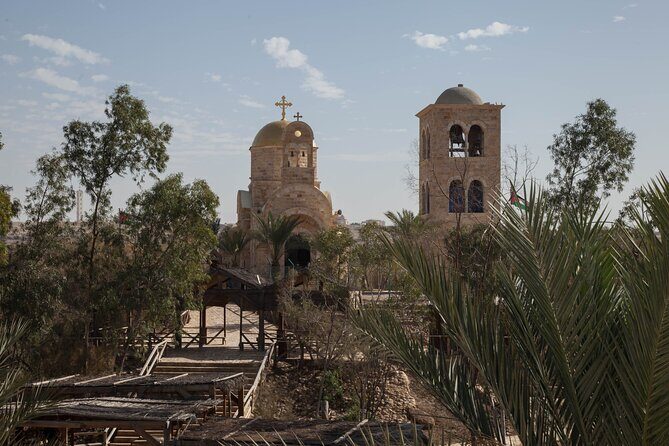
Bethlehem is where the day’s energy concentrates. You’ll have about three hours in the area around the Church of the Nativity and the Old City lanes.
The Church of the Nativity is the anchor. Inside, there’s the grotto tradition connected to the birth of Jesus. It’s a place that draws people from many backgrounds, which means the real experience can be about how your group manages lines and crowds.
Here’s where guides make a difference. Housam is specifically praised for helping move people through the Church of the Nativity situation smoothly—exactly the kind of practical help you want at the one site that can otherwise feel chaotic.
From there, you’ll walk through Old City streets and reach Manger Square, the hub of activity. You’ll also see the Mosque of Omar, noted as one of the oldest and only mosques in the old city of Bethlehem, and significant for Muslims who live in the area. That combination is one of Bethlehem’s lessons: sacred space is shared, argued over, and lived.
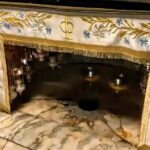
You’ll also visit the Milk Grotto. The tradition says the Holy Family took refuge here before fleeing to Egypt, and that a drop of milk fell to the ground and turned it white. Even if you don’t treat traditions like historical documents, you can still appreciate how stories cling to stone across centuries.
Lunch in Bethlehem: included Arabic meal, sometimes home-style
Lunch is included and generally described as an Arabic-style meal in Bethlehem. In the best cases, it’s not just “food stops.” It’s part of how the tour connects you to local life.
More than once, people mention a home-cooked lunch arranged through the guide’s connections—sometimes even prepared by the guide’s mother. That’s a big value-add. In a country where meals can add up fast, having lunch folded into your tour price helps you keep the day from getting financially spiky.
Still, keep your expectations realistic. You’ll be eating during a long, structured day. Don’t plan to linger. Your lunch is meant to fuel you, not to become its own separate outing.
If you have dietary restrictions, it’s worth checking how the operator handles them when you book. The data here confirms lunch is included, but it doesn’t spell out special meal options.

The separation barrier and Banksy graffiti: a hard stop, handled by the guide
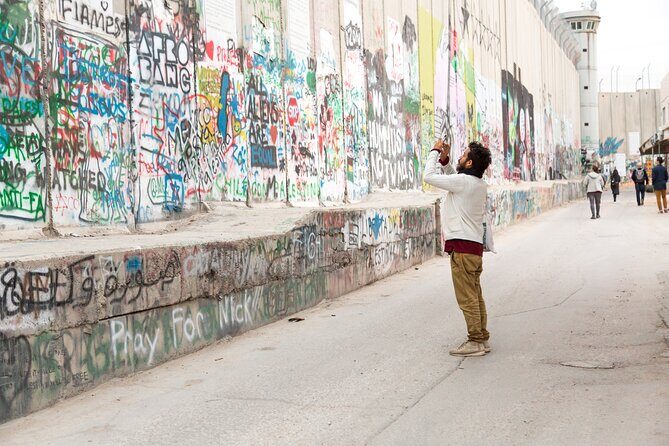
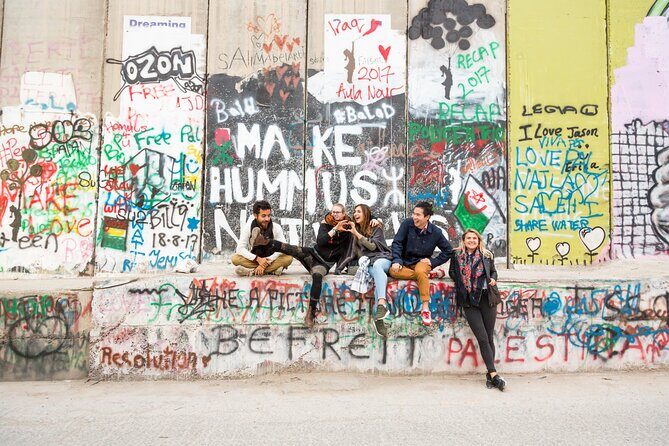
One of the most intense parts of this tour is seeing the separation wall that divides Bethlehem from Israel. The goal isn’t to shock you; it’s to show you the physical reality of the conflict and how it touches daily life.
This stop can feel heavy for even the most prepared traveler. That’s why a skilled guide is crucial. George, for example, is praised for thoughtful context and for making the day feel safer and more manageable for a group.
The other detail you’ll notice is Banksy graffiti visible around the barrier area. Some people mention it with a mix of disbelief and curiosity. It’s a reminder that street art doesn’t just decorate—sometimes it records, argues, and gives people a way to speak when official channels don’t work.
One caution from the experience patterns: some visitors felt the wall time ran long. If you’re sensitive to prolonged emotionally loaded scenes, you may want to be mentally ready to sit with it for a while. The good news is that the tour does not leave you in a vacuum. The guide provides explanation so you don’t just see a wall—you understand why it’s there and what it means.
Value for $130 and how the day is paced
The price is $130 per person, for an approximately 10-hour day. What makes this feel like a reasonable value is what’s included: air-conditioned transport, a local guide, and lunch, plus multiple sacred sites across different areas of the West Bank.
Also, many stops are listed as free for admission tickets, which helps you avoid surprise add-ons. For a day that includes several major landmarks—Ramallah, Jericho, Qasr al-Yahud, and Bethlehem—this is the kind of itinerary that would otherwise cost more through individual tickets and separate transport.
The pacing is the main question. The tour covers a lot, and the time at each stop is limited. Some people loved the breadth. Others wanted more historical background at certain sites or more time in Jericho. That tells you the personality of this tour: it’s designed to give you a full sweep, not a deep seminar at one location.
If you like structure and you’re okay with a “see it all” approach, the schedule works. If you’re the type who hates rushing through places tied to big meanings, you might find parts of the day too short.
Practical tips: what to bring and what can limit access
This tour has clear preparation rules, and following them makes the day smoother.
You’ll want to bring:
- Your passport original (not a copy)
- A hat and sunscreen
- Comfortable shoes
- Scarfs or shawls, especially for modesty at sacred sites
- Drinking water
Dress expectations for sacred sites are straightforward: avoid sleeveless shirts, shorts, and short skirts.
Group size is capped at 34, so you’re not stuck with a giant herd, but you also shouldn’t expect free-roaming time. You’ll be guided along a set route, and you’ll want to stay close so you don’t miss boarding times back into the vehicle.
One more thing that matters: Israeli citizens are noted as not being able to join if they hold an Israeli passport (even with an additional passport). If that applies to you, double-check eligibility before you commit.
Access can also change. If entry into Ramallah is restricted, the tour includes extended time and additional content in Jericho and Bethlehem as an alternative. And the order of stops can shift based on local conditions and events.
Who this West Bank tour is best for (and who should skip it)
This tour is a strong fit if you:
- Want major Bethlehem sites alongside a Jordan River baptism-site stop
- Prefer a guided explanation when visiting places tied to modern conflict
- Like learning through street-level context as much as through churches and ruins
- Appreciate good logistics for crowded religious sites (especially at the Church of the Nativity)
It’s not ideal if you:
- Want a slow, history-heavy deep dive with lots of museum time
- Hate any portion of the day that involves long stays at difficult, political imagery
- Are looking for optional extras in Jericho beyond the basic ruins and views, since time is limited
Should you book this West Bank Tour from Jerusalem?
If you’re looking for a single full-day option that gives you Bethlehem, Ramallah, Jericho, and Qasr al-Yahud without needing to stitch together transport on your own, I think this is a book-worthy choice. The best version of this experience is when the guide can steer the group well—people often single out Kamal, George, and Housam for making the day feel safer, clearer, and more human. Lunch included is also a real value perk in a pricey country.
Book with the right expectations: you’ll cover a lot, and some stops are brief. If that sounds like your style, go for it. If you need long, quiet time at each site or you’re hoping for a purely historical focus with minimal emotional weight, you might want a different approach.
Also, since this depends on weather and sometimes access conditions, it helps that you can cancel up to 24 hours for a full refund and get alternate planning if needed.
FAQ
How long is the West Bank tour from Jerusalem?
It runs for approximately 10 hours.
Where is the meeting point, and when does the tour start?
The tour starts at Abraham Jerusalem, Ha-Nevi’im St 67, Jerusalem, and the start time is 7:30 am. It ends back at the same meeting point.
What’s included in the price?
Transport by air-conditioned minivan, a local guide, and lunch are included. Food and drinks beyond lunch are not included unless specified.
What do I need to bring or wear?
You’ll need a valid passport (original, not a copy), hats, sunscreen, comfortable shoes, scarves or shawls, and drinking water. For sacred sites, avoid sleeveless shirts, shorts, and short skirts.
Can Israeli passport holders join the tour?
No. The tour is noted as not available to Israeli passport holders, even if someone holds an additional passport.
What happens if Ramallah access is restricted or the weather is poor?
If access to Ramallah is restricted, the tour includes extended time and additional content in Jericho and Bethlehem as an alternative. If the tour is canceled due to poor weather, you’ll be offered a different date or a full refund.