REVIEW · JERUSALEM
Jerusalem: Tour with Private Guide
Book on GetYourGuide →Operated by AroundTour · Bookable on GetYourGuide
Jerusalem hits you fast—then it keeps unfolding. This private walking tour threads together the city’s big three faiths with a local guide, from Zion Gate through the Old City quarters to the Western Wall, the Via Dolorosa, and the Church of the Holy Sepulcher. It’s one of those experiences where the stories feel tied directly to the stones under your feet.
I love how much you get with a true private guide: Moshe, Izzat, Alena, Hanna, and others were praised for answering tough questions on history and geography, staying flexible, and even adding time or small extras when it mattered. I also like the practical feel of the route: you’re not just looking—you’re walking the same corridors pilgrims have paced for generations, including the moment of placing written prayers at the Western Wall. One possible drawback: Jerusalem’s holy-site dress code is strict and you’ll be walking a lot in the Old City, so if you’re not ready for that, the day can feel more like a chore than a stroll.
In This Review
- Key things to look forward to
- A Private Jerusalem Start: Meet the Guide Without the Hassle
- Zion Gate to the Armenian Quarter: First Look at the Old City’s Voices
- Jewish Quarter and the Byzantine Cardo: Walking on the Old City’s Main Spine
- Western Wall: The Written-Prayer Moment at Herod’s Wall
- Via Dolorosa: Following the Way of the Cross at Human Speed
- Church of the Holy Sepulcher: Private Guide Time in Christianity’s Center
- Jaffa Gate Finish: Keep Wandering After Your Guide
- Price and Value at $199 Per Person
- Modest Dress and Packing: The Gear That Makes the Day Feel Easy
- Who This Tour Suits Best (and Who Might Want a Different Style)
- Should You Book a Jerusalem Private Guide Tour Like This?
- FAQ
- What sites are covered on the walking route?
- How do the Western Wall prayers work?
- Where does the tour start and where does it end?
- What’s included in the price?
- What should I wear and bring?
- Can I choose the tour language, and is there a way to pay later?
Key things to look forward to
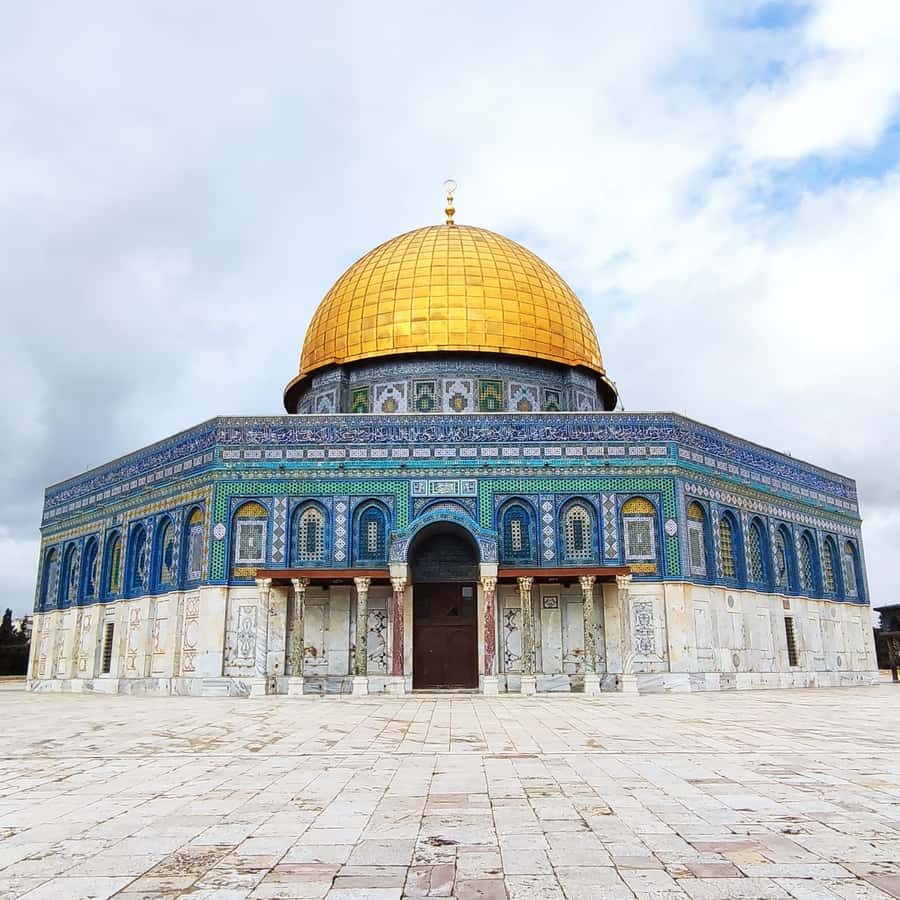
- Hotel pickup on foot in central Jerusalem means you start quickly and don’t waste time hunting for the meeting spot
- Zion Gate to the Old City quarters with a guided route through the Armenian Quarter, Jewish Quarter, and the ancient Byzantine Cardo
- Western Wall prayer moment with written prayers placed in the wall’s stone crevices
- Via Dolorosa as a follow-the-route walk from condemnation toward the crucifixion site
- Holy Sepulcher with private guide time at one of Christianity’s most significant places of crucifixion, burial, and resurrection
- Flexible add-ons from guides like St Peter in Gallicantu, cisterns such as St Helena’s, or underground street-level sights when time allows
A Private Jerusalem Start: Meet the Guide Without the Hassle
This tour is built for a simple start: your guide meets you in the lobby of your centrally located hotel. You’re not schlepping across town first. The pickup is on foot, and that matters because Jerusalem’s Old City approach can be slow, confusing, or just plain tiring when you’re already jet-lagged.
What you’re paying for is the guide factor. With a private setup, the pacing can match you—slower if you want to read, faster if you want to keep moving. In the feedback, Moshe and Izzat specifically stood out for sticking with guests longer than expected when visitors still wanted to get into a couple of places on the route.
One practical note: because it’s walking, bring comfortable shoes and plan to take breaks when you need them. If your feet are happy, the day feels much more like a guided walk than an endurance test.
You can also read our reviews of more guided tours in Jerusalem

Zion Gate to the Armenian Quarter: First Look at the Old City’s Voices
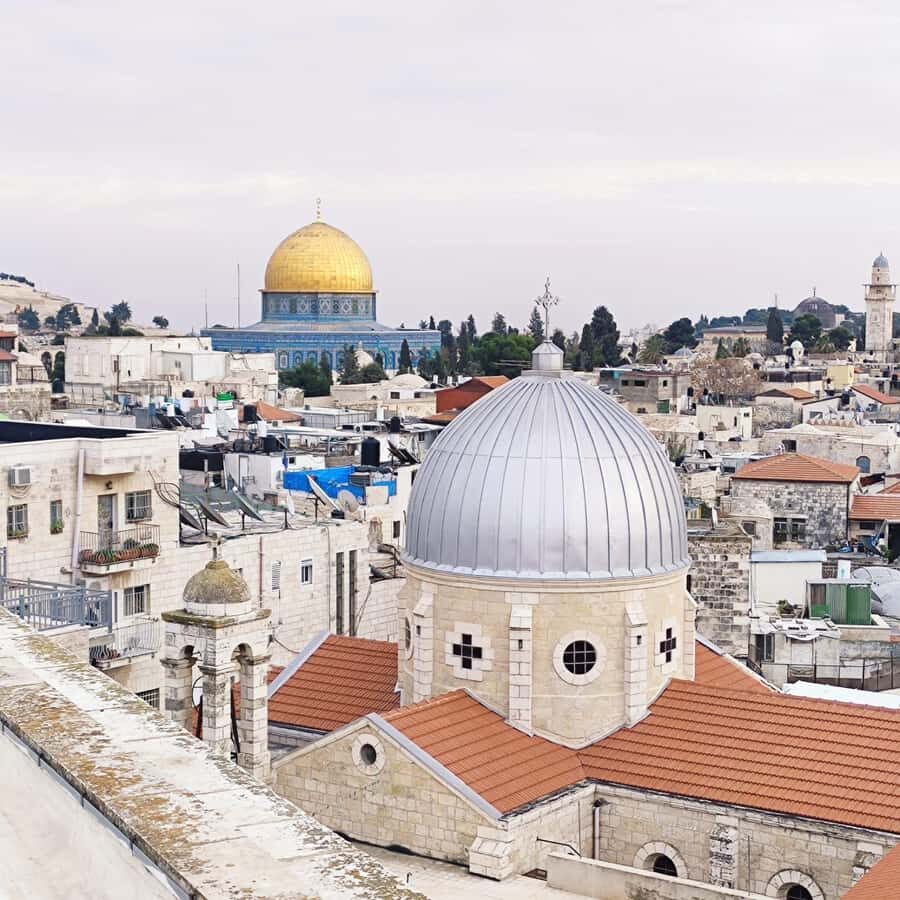
You’ll enter through Zion Gate, then your guide steers you through the Old City’s quarters, starting with the Armenian Quarter. That opening stretch is a good way to understand what people mean when they say Jerusalem feels “stacked”—the city doesn’t replace eras, it layers them.
This part works best if you’re willing to slow down for the small stuff. A good guide points out what to notice: street patterns, entrances, and landmarks that look similar at first glance but aren’t. One of the strengths repeatedly praised in the feedback is that guides didn’t just talk; they stayed ready for questions. If you like “why is that here?” history and geography questions, this is where your guide earns their keep.
Potential downside here is simple: the Old City streets can be tight and busy, and you’re moving through areas with active religious life. If you’re sensitive to crowds or want a quiet, museum-style experience, you may find the streets feel more alive than calm.
Jewish Quarter and the Byzantine Cardo: Walking on the Old City’s Main Spine
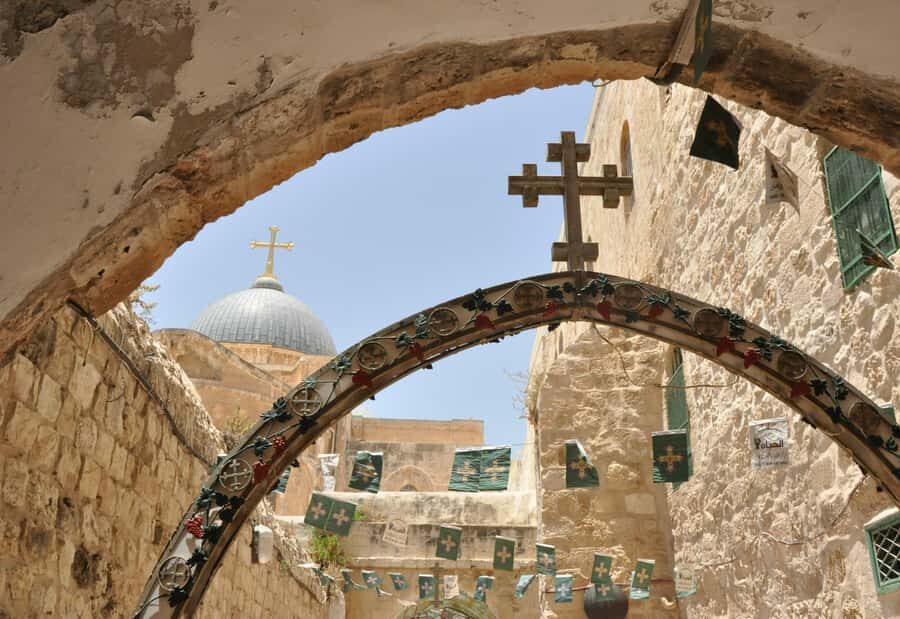
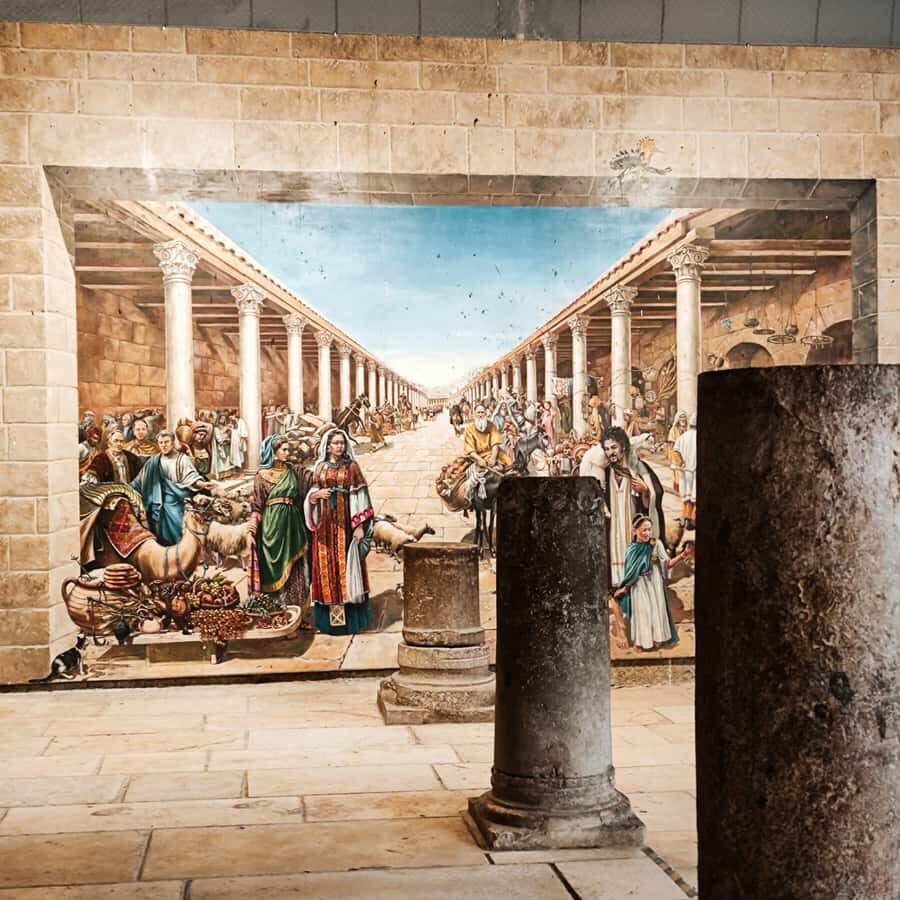
Next comes the Jewish Quarter and the ancient Byzantine Cardo. The Cardo is the kind of place where you can feel the scale even without big signage. It’s a reminder that Jerusalem’s main routes were built to serve long before modern streets existed.
This stop tends to click for visitors who like “city structure” history—the idea that empires and communities shape the layout, and the layout keeps shaping how people move. Your private guide can explain what the Cardo represented and why that matters when you’re standing right on it.
Here’s a benefit that’s easy to overlook: this section helps you get your bearings before you reach the most intense pilgrimage sites. Once you’ve seen how the quarters connect, the rest of the day makes more sense.
Western Wall: The Written-Prayer Moment at Herod’s Wall
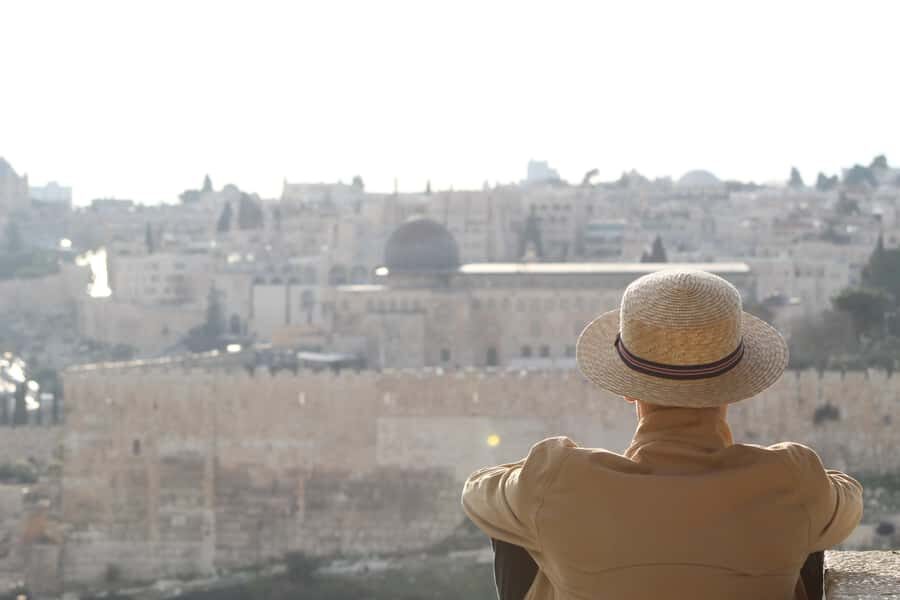
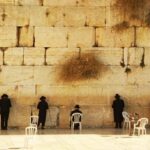
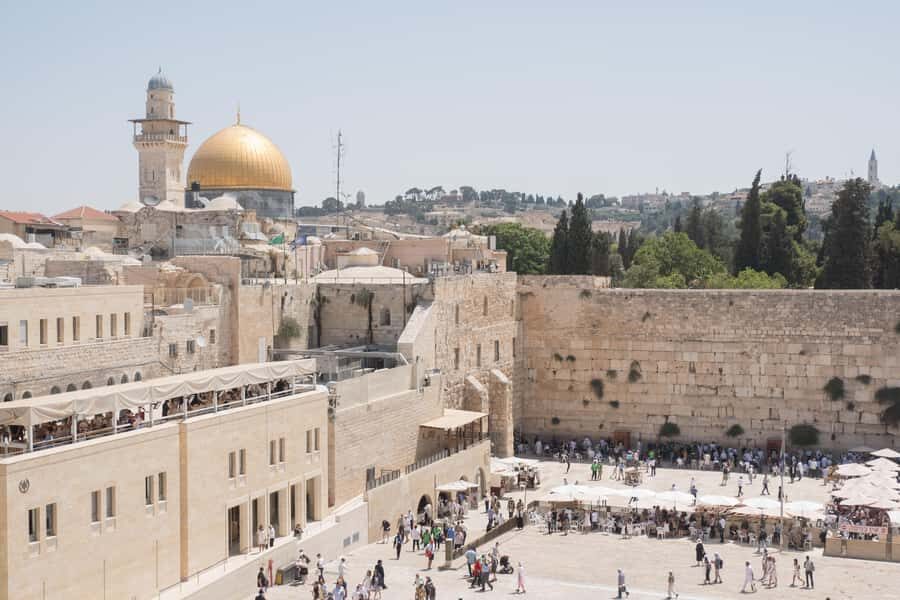
The tour’s emotional anchor is the Western Wall, part of the western retaining wall from the Temple Mount area. You’ll learn about the monumental wall attributed to Herod the Great, tied to his Temple expansion around 20 BCE.
The highlight is the prayer moment. You’ll be able to insert written prayers into the spaces between the stones. That’s not just symbolic theater. It’s one of the few opportunities on the route where you do something physical and personal, and it changes the way you experience the rest of the area—you’re not only learning; you’re participating.
If you’re the practical type, plan your clothing so you can handle the modesty expectations comfortably. You don’t want your focus on the day to be fighting your outfit. Also, keep your water handy, because the Old City heat can sneak up on you even on a “short” walk.
Via Dolorosa: Following the Way of the Cross at Human Speed
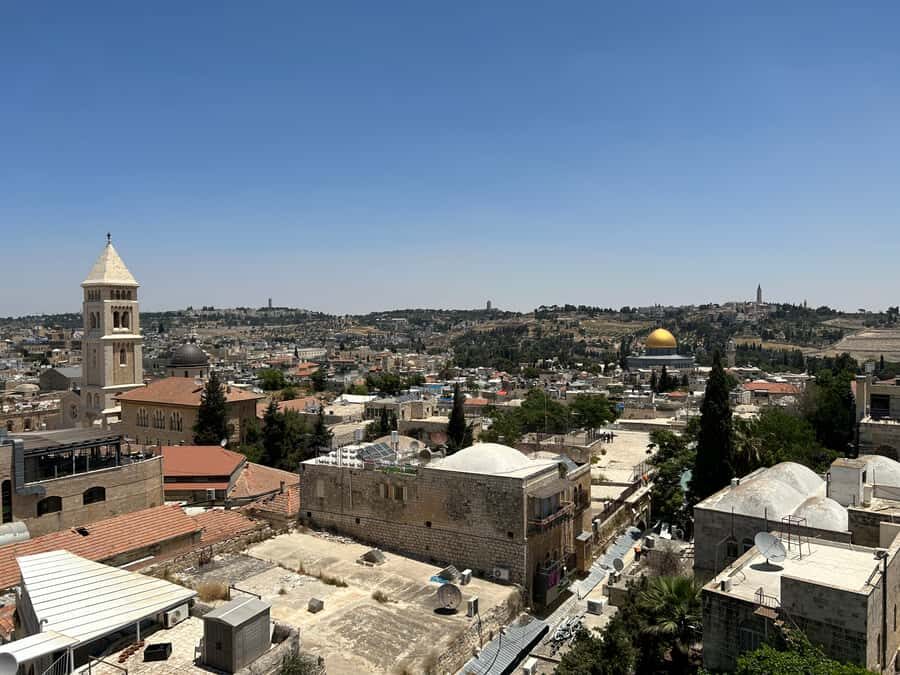
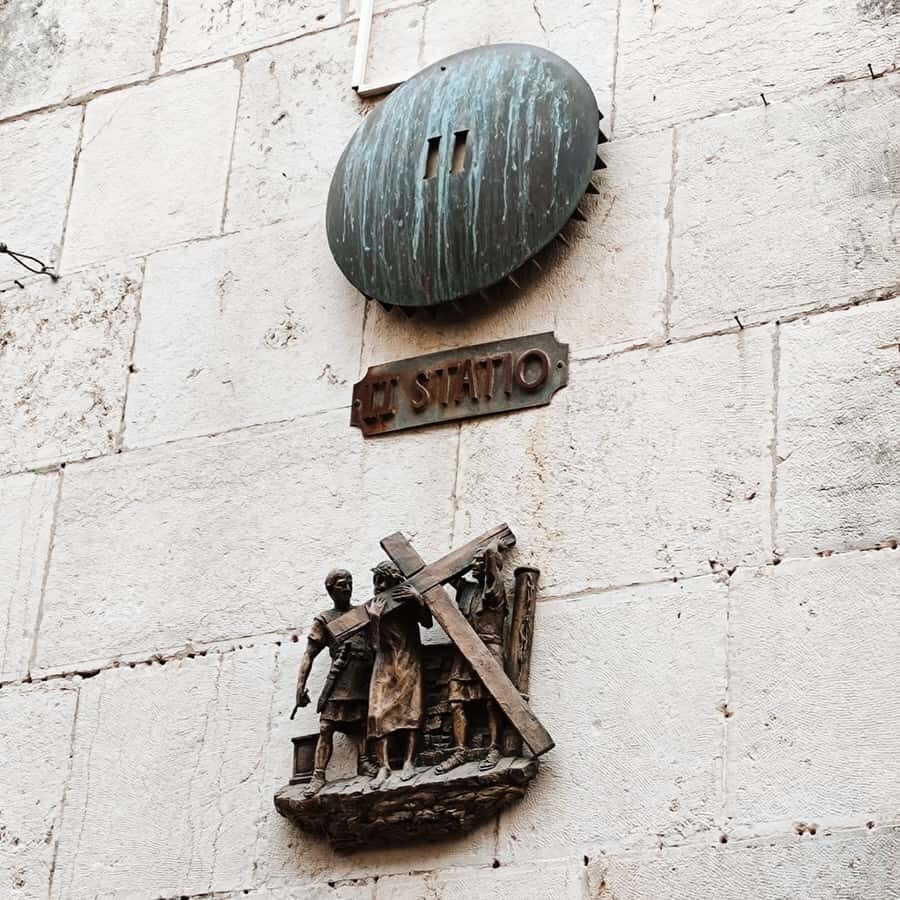
After the Wall, you’ll follow in the footsteps of Jesus along the Via Dolorosa, known as the Way of the Cross. The route is connected to the path from condemnation toward the crucifixion site, and that pilgrim-focused context matters. Your guide’s job here is to translate route stations into stories you can actually picture.
This segment is where private guiding helps more than people expect. In a group, you rush. With your own guide, you can pause, ask a question, and let the route feel like a walk instead of a checklist.
One consideration: religious routes require respectful behavior, and you’ll likely be surrounded by active devotion. Keep your tone and body language calm. Move with intention, and you’ll get more out of the walk than if you treat it like a sightseeing corridor.
You can also read our reviews of more private tours in Jerusalem




Church of the Holy Sepulcher: Private Guide Time in Christianity’s Center
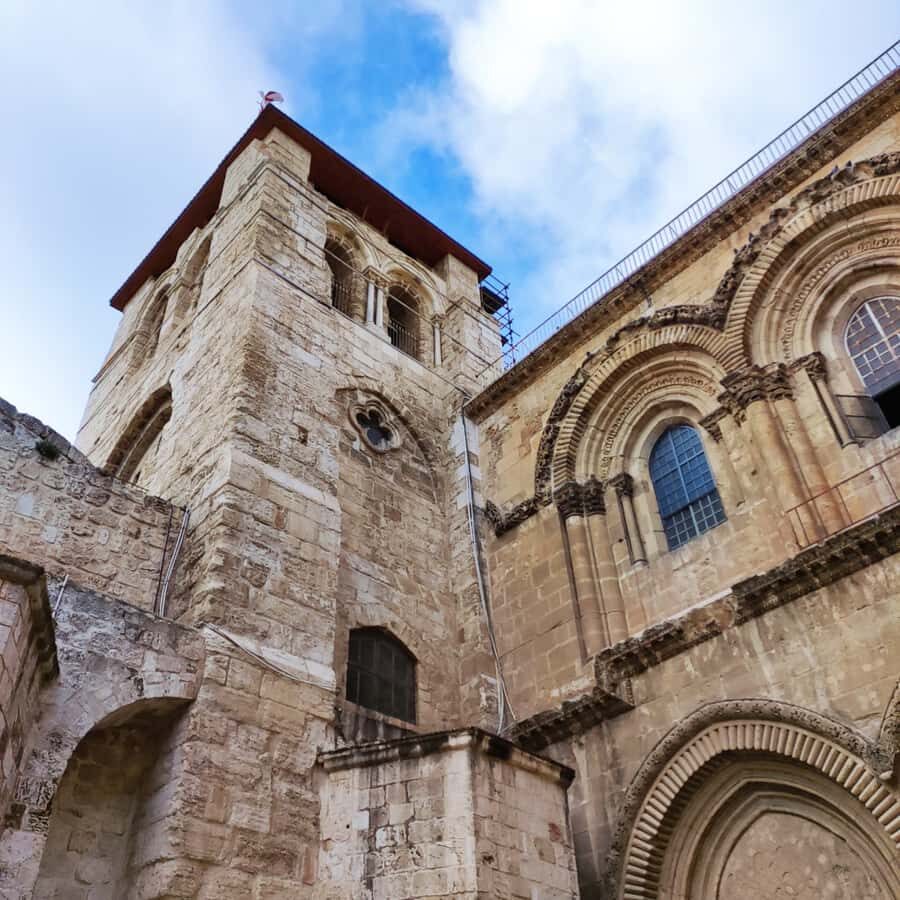
The tour ends at the Church of the Holy Sepulcher, a major Christian site linked with Jesus’s crucifixion, burial, and resurrection. It’s one of the world’s most layered holy spaces—different traditions, shared significance, and a lot going on in a relatively small footprint.
Having a private tour of the Holy Sepulcher is a smart choice. You’re less dependent on crowd flow and more likely to get explanations that match what you’re seeing in the moment. That matters here because the building is confusing even when it’s not your first time reading about it.
A practical downside to keep in mind: this is a working holy place, so expect restrictions and respectful routines. Your guide can help you navigate what to do and where to look, but you’ll want to be mentally ready for “this place has rules.”
Jaffa Gate Finish: Keep Wandering After Your Guide
Your tour concludes near Jaffa Gate. That’s a great way to transition from “guided holy sites” to “Jerusalem as a living city.”
By finishing in this area, you’re positioned to keep exploring on your own—markets, side streets, snacks, and the slow process of watching the city do its thing. Some guides even nudge you toward practical food options: one guide helped a guest order pastries in the market area, and another recommended a meal stop in Mahane Yehuda when time and energy allowed.
If you want the day to feel complete, don’t rush your post-tour wandering. This is where you process what you learned and start noticing details you missed earlier.
Price and Value at $199 Per Person
At $199 per person, the big question is whether private guiding in Jerusalem delivers value. For me, the answer comes down to what you’re really buying.
You’re paying for:
- a private, professional guide
- hotel pickup on foot from a central point
- private time around the Old City route
- private time inside the Church of the Holy Sepulcher
- taxes and fees included
Entrance fees and food are not included, so plan for those add-ons. But the core value is the guide’s control over your experience: flexibility, pacing, and the ability to answer questions without turning your day into a passive audio guide session.
The strongest signals in the feedback are stories of guides going beyond the script. Moshe waited patiently when guests wanted extra time in stops, then even shared a Jerusalem specialty—bread with zatar—from his own pocket. Izzat used personal convenience (he brought his own car) to show more, while still trying not to create extra charges. Those moments don’t happen in every tour, but they illustrate the kind of service that makes a private experience feel worth the cost.
One fair caution: one review flagged that the price can feel high if you’re traveling as a small group, since the per-person cost doesn’t automatically get cheaper when there are multiple people. If you’re price-sensitive, it’s worth thinking about whether you’ll truly use the private format to maximize time.
Modest Dress and Packing: The Gear That Makes the Day Feel Easy
This tour is heavy on holy-site visits, so the dress code is not optional detail. Women must cover legs down to the ankles, cover arms past the elbows, and cover the front up to the neckline. Men must have knees covered and wear a shirt with sleeves.
You don’t need special costumes. You do need clothes that are comfortable enough to walk in for hours. A long-sleeved shirt and long pants are specifically recommended, and I agree—plan that as your baseline. Bring layers if the weather shifts.
What else to pack:
- comfortable shoes (you’ll earn your comfort)
- water
- comfortable clothes
- long-sleeved shirt and long pants (to match the rules quickly)
If you forget the basics, you can get stuck dealing with last-minute adjustments. That kills the relaxed feeling of the day, and this tour works best when your mind is on the route, not your outfit.
Who This Tour Suits Best (and Who Might Want a Different Style)
I’d book this if you want a guided walk that connects the city’s three major faith pillars in one coherent day—without doing the heavy research yourself. It’s ideal for history lovers, first-timers who feel overwhelmed by the Old City, and anyone who likes asking questions and getting straight answers.
It also fits well if you’re the type who values respectful, thoughtful pacing. Guides like Alena and Izak were praised for being flexible and for creating customized tours based on what guests cared about—so if you want less rigid time pressure, private is the way to go.
If you’re the type who only wants a quick photo-and-go loop, this might feel like more explanation than you want. And if modest dressing and walking are hard for you, you’ll want to rethink the format or plan your clothing carefully.
Should You Book a Jerusalem Private Guide Tour Like This?
Yes, I think you should book it if you want a more personal, better-informed Old City experience. The tour’s structure hits the core sites most visitors come for—Western Wall, Via Dolorosa, and Church of the Holy Sepulcher—but the real win is the private guidance and the ability to adjust when you want more time in a place.
Book it especially if you care about details and context. In the feedback, Moshe and Izzat weren’t just repeating facts; they were ready with history and geography answers, and they adapted when guests wanted extra stops. That makes the day feel less like a route and more like understanding.
I’d hesitate only if cost is the deciding factor and you’re traveling as a group that won’t use the private time fully. Also think twice if you can’t meet modest dress requirements. This tour is built around holy-site access, and those rules shape the day.
FAQ
What sites are covered on the walking route?
You’ll walk through the Old City, starting at Zion Gate, passing through the Armenian Quarter and Jewish Quarter, and along the Byzantine Cardo. The tour also includes the Western Wall, the Via Dolorosa, and a private visit to the Church of the Holy Sepulcher.
How do the Western Wall prayers work?
At the Western Wall, you can insert written prayers into the spaces between the stones in the wall.
Where does the tour start and where does it end?
Your guide meets you in the lobby of your centrally located hotel. The tour ends near Jaffa Gate, where you can continue exploring on your own.
What’s included in the price?
Included are a private, professional guide (with your chosen language), pickup in a central area on foot, private Old City guiding, private guiding at the Church of the Holy Sepulcher, and all taxes, fees, and handling charges.
What should I wear and bring?
Wear comfortable shoes and comfortable clothes, and bring a long-sleeved shirt and long pants. The holy-site modest dress code is specific: women must cover legs to the ankles and arms past the elbows, and men must cover knees and wear sleeves. Also bring water.
Can I choose the tour language, and is there a way to pay later?
Yes. Languages listed include Arabic, English, French, German, Hebrew, Italian, Russian, Spanish, Chinese, Dutch, Greek, Indonesian, Portuguese, Romanian, and Swedish. The option is Reserve & Pay Later, and you can cancel up to 24 hours in advance for a full refund.
If you tell me your travel dates and how many people are in your group, I can help you sanity-check the $199 per person value against what you actually want to prioritize in one day.