REVIEW · JERUSALEM
From Jerusalem: Old City & Dead Sea Full-Day Tour
Book on GetYourGuide →Operated by Bein Harim Israel Tours · Bookable on GetYourGuide
Old City sights, then salt-water therapy. This full-day tour hits the big emotional stops—the Western Wall and the Church of the Holy Sepulcher—with a guide, then switches gears to the Dead Sea for real floating time. I like how the day gives you a structured route so you’re not wandering the Old City without a plan, but it is a long day that moves fast in the busiest places.
The plus is practical convenience: hotel pickup and drop-off, plus air-conditioned coach transport between stops. The pace shifts too—Jerusalem is guided and walking-heavy, while the Dead Sea part is more free-time oriented, including time to suit up and change.
In This Review
- Key takeaways before you go
- What You Get in a Tight 10 Hours: Old City + Dead Sea
- Mount Scopus and the Mount of Olives: Get Your Bearings Before the Crowds
- Western Wall Square Through the Armenian Quarter: A Route With Logic
- The Bazaar, the Quarters, and the Walking Pace That Can Surprise You
- The Cardo and the Jewish Quarter: Why the Streets Feel Different
- Via Dolorosa Stations and the Church of the Holy Sepulcher
- Garden of Gethsemane Area and the Kidron Valley Drive
- Judean Hills and a Roadside Look at Qumran Caves
- Dead Sea Time: 90 Minutes to Swim, Float, and Mud-Bath Like a Pro
- Price and Value at $106: What’s Included, What You Must Budget For
- Guide Languages and the Real-World Group Dynamic
- Who This Tour Fits Best (and who should skip it)
- Should You Book This Jerusalem to Dead Sea Tour?
- FAQ
- How long is the From Jerusalem: Old City & Dead Sea Full-Day Tour?
- Is hotel pickup and drop-off included?
- Are meals included in the price?
- What languages does the guide speak?
- Do I need a passport?
- Is there a guide at the Dead Sea?
- Can I swim or float at the Dead Sea?
- Is this tour suitable for wheelchair users and small children?
Key takeaways before you go
- Big-ticket holy sites with a guide: the Western Wall and the Church of the Holy Sepulcher are the core Jerusalem experience.
- Orientation viewpoints matter: Mount of Olives and the Mount Scopus area help you connect streets and walls to the bigger map.
- Old City time is focused, not leisurely: you’ll also pass through multiple quarters and key streets in one run.
- Qumran is a roadside glimpse: you get views linked to the Dead Sea Scrolls story, without a full excavation-style visit.
- Dead Sea change-over takes time: plan around lockers and swapping from street clothes to swim gear.
- Food isn’t included: you’ll want to budget for lunch and drinks of your choice.
What You Get in a Tight 10 Hours: Old City + Dead Sea
This is a classic one-day “two worlds” trip. You’ll start in Jerusalem’s sacred core, where walking routes can feel like they crisscross layers of faith and history at once, then you’ll head down into the dry, otherworldly setting near the Dead Sea.
The value at about $106 per person comes from what’s bundled: hotel pickup and drop-off, transport by air-conditioned coach, a live guide (multiple languages), and entrance fees. The catch is also built-in: because it’s only 10 hours, you’re choosing breadth over slow wandering. If you want to sit in quiet corners for hours, this may feel like a sprint.
You can also read our reviews of more city tours in Jerusalem
Mount Scopus and the Mount of Olives: Get Your Bearings Before the Crowds
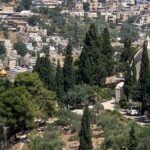
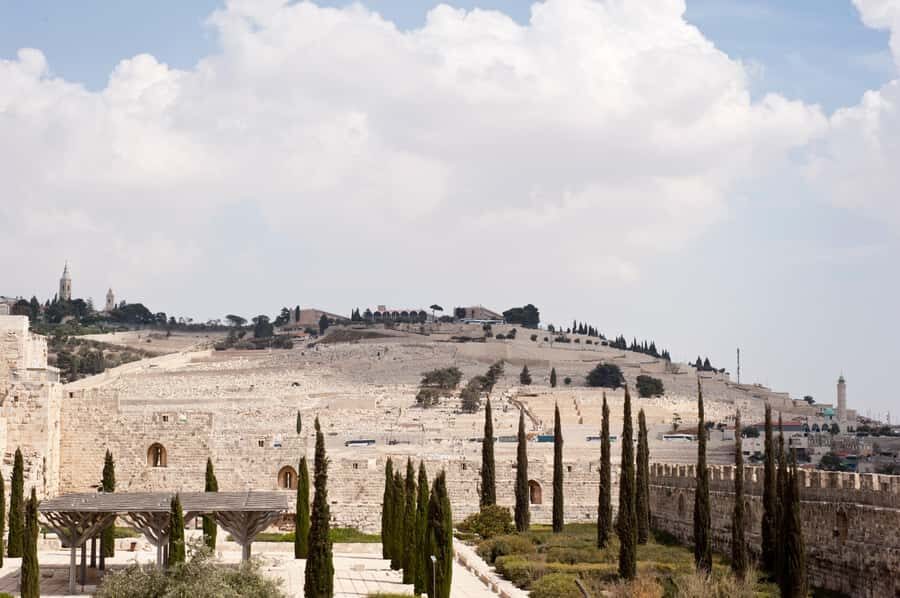
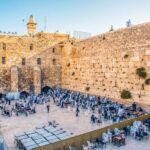
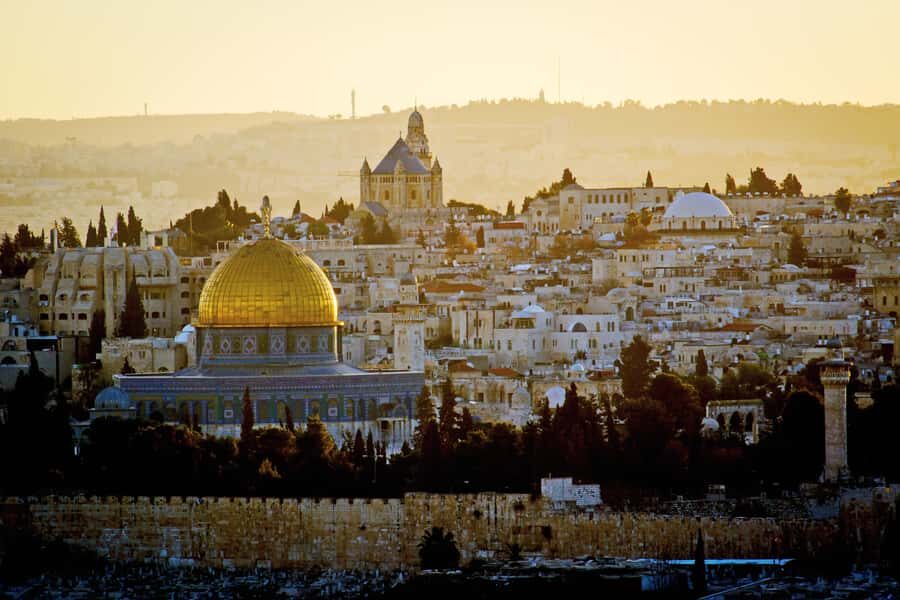
A good day in Jerusalem starts before you step into the Old City. Early on, you’ll have a stop in the Mount Scopus area for a break and photos, plus you’ll later reach the Mount of Olives for panoramic views.
Why that matters: Jerusalem’s Old City can feel like a maze if you show up cold. From higher ground, you get a sense of where the city walls sit, where the newer city spreads, and how the key neighborhoods connect. That “mental picture” makes the later walking route easier to follow.
Western Wall Square Through the Armenian Quarter: A Route With Logic
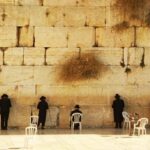
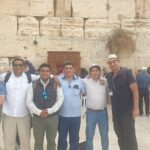
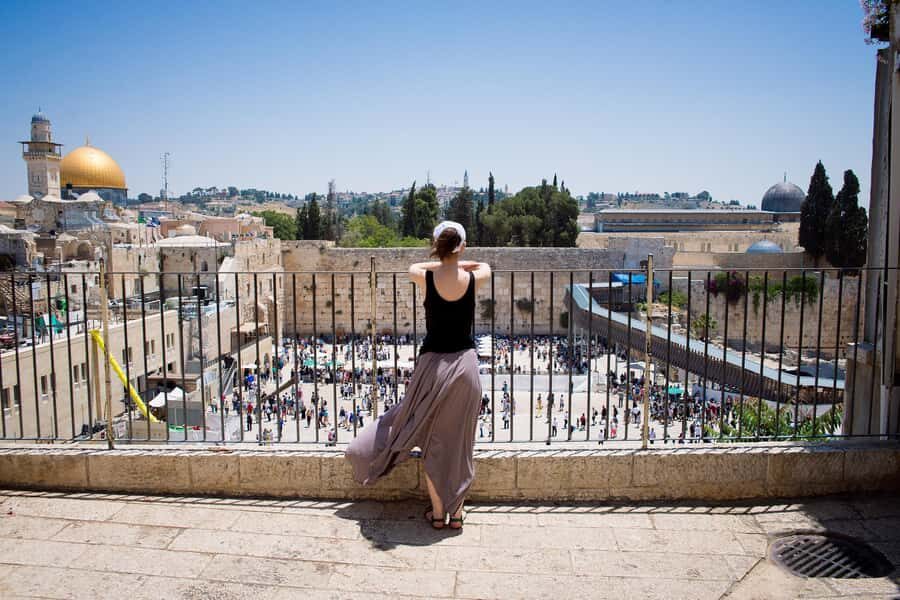
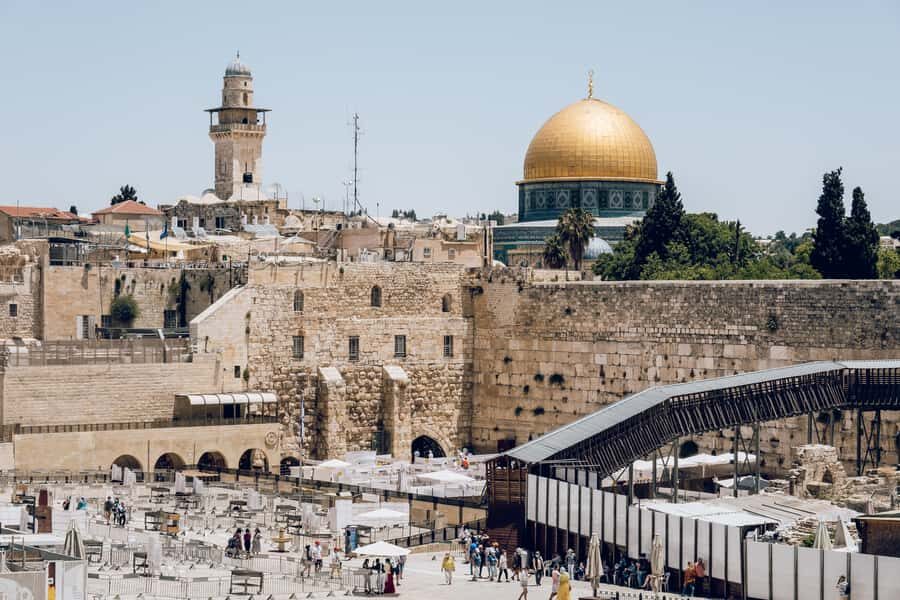
Your Jerusalem walk begins with entry into the Old City via the Armenian Quarter and then you move toward the Western Wall Square. That entrance direction is more than a detail—it helps you approach the area with a sense of sequence instead of popping out at the Western Wall as if from nowhere.
From there, you’ll spend guided time seeing the Western Wall area and moving through the adjacent streets. The day’s rhythm is designed so you’re not just looking at one site; you’re moving through the Old City’s quarters—Christian Quarter is part of the route—so you get a feel for how the city functions as a lived-in mosaic, not only a museum.
Practical reality: the Western Wall area and nearby lanes can be crowded. Keep your pace steady, and don’t plan on lingering long unless your group flow allows it.
The Bazaar, the Quarters, and the Walking Pace That Can Surprise You
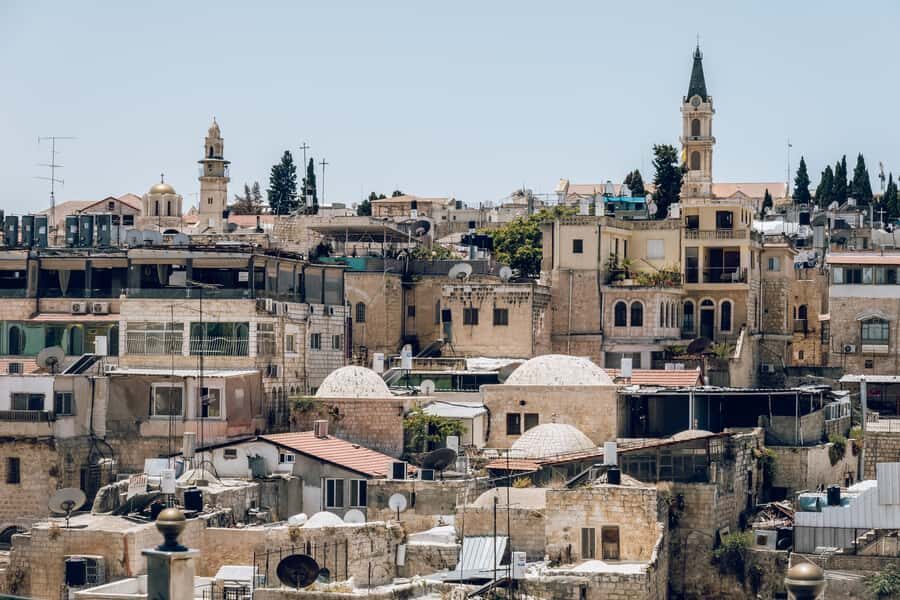
Jerusalem’s Old City has a way of pulling you forward. The route includes time strolling through the Bazaar, plus walking through the Christian Quarter area during your guided portion.
This is one of the moments where you feel the difference between what you want and what the schedule permits. The Old City segment is about three hours total, and that time has to cover the big sites, the walking between them, and a lunch period. If you treat those three hours like a guided “highlights route,” it works well. If you expect a relaxed, unhurried stroll with lots of stopping for photographs, you’ll feel the clock.
The Cardo and the Jewish Quarter: Why the Streets Feel Different
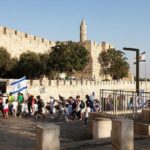
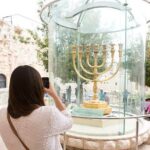
One of the most useful parts of a guided Old City day is learning what to look at while you’re walking. You’ll pass along the Byzantine main street known as the Cardo, including references to the recently restored Roman road section.
You’ll also have time through the renovated Jewish Quarter. Even if you’re not a history buff, this is where the Old City’s layered identity becomes visible: different eras show up in street layout, building rhythm, and the way corridors channel movement.
If you like to understand places by their physical clues, pay attention to the street transitions. It’s a simple skill, and it makes your photos look more meaningful later.
A few more Jerusalem tours and experiences worth a look

Via Dolorosa Stations and the Church of the Holy Sepulcher

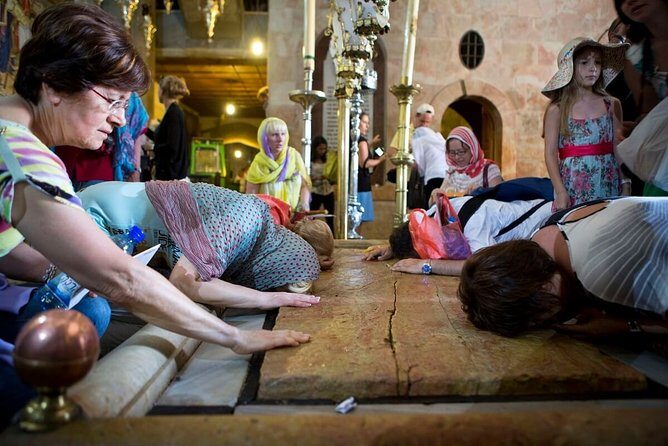
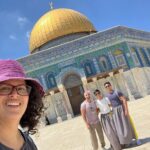
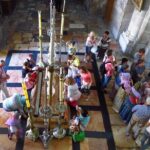
The tour’s Christian sites are a major draw. You’ll see the Stations of the Cross along the Via Dolorosa, then continue to the Church of the Holy Sepulcher, a site associated with the crucifixion.
This is the emotional core of the day for many people, and it can also be the most intense. The church area is tight, busy, and full of visual details—people praying, others taking in the space, guides trying to manage group flow. A good guide helps you make sense of what you’re seeing without turning it into a checklist.
Also, note the modest dress requirement for holy sites. Bring shoulders and legs covered. Comfortable walking shoes matter here more than you think.
Garden of Gethsemane Area and the Kidron Valley Drive
Between viewpoints and Old City walking, the day includes driving through key settings such as the Kidron Valley and the walls of the City, with a pass along the Garden of Gethsemane area.
This kind of “drive-by perspective” is useful. Instead of only walking, you get a sense of how the valley and walls shape movement and sightlines. Even if you’re not getting out everywhere, it helps connect the names you’ve heard for years to something you can visualize.
Judean Hills and a Roadside Look at Qumran Caves
As you leave Jerusalem’s center and travel through the Judean Hills, you’ll get a roadside view of the Qumran Caves, known because the Dead Sea Scrolls were found there.
This is not a long, ticketed archaeological visit. It’s a viewpoint moment—enough to place the scroll story in the landscape and remind you that this region’s significance isn’t only religious; it’s also tied to major discoveries in texts and history.
Dead Sea Time: 90 Minutes to Swim, Float, and Mud-Bath Like a Pro

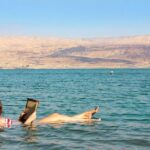
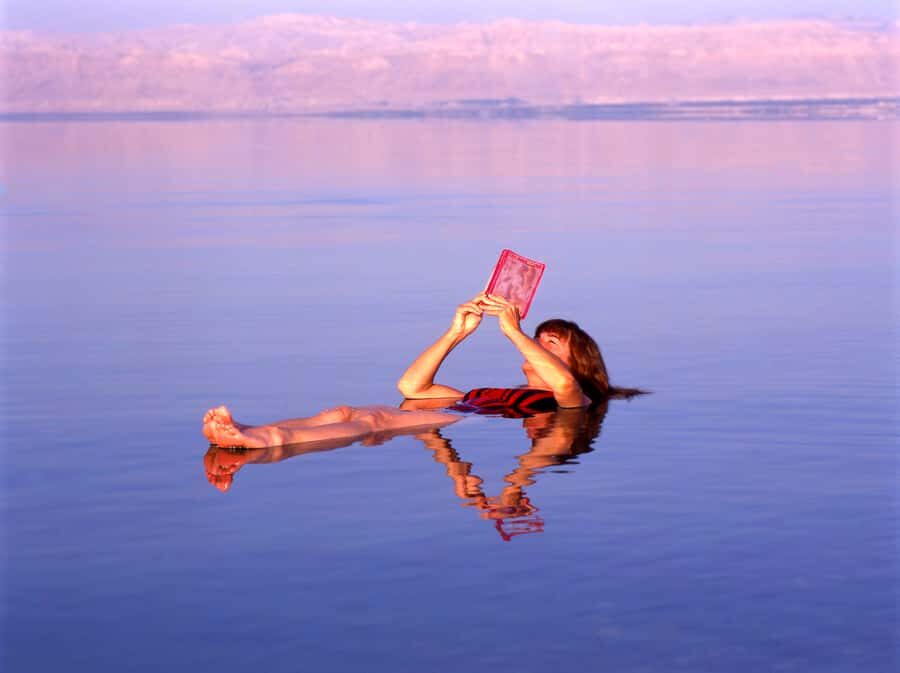
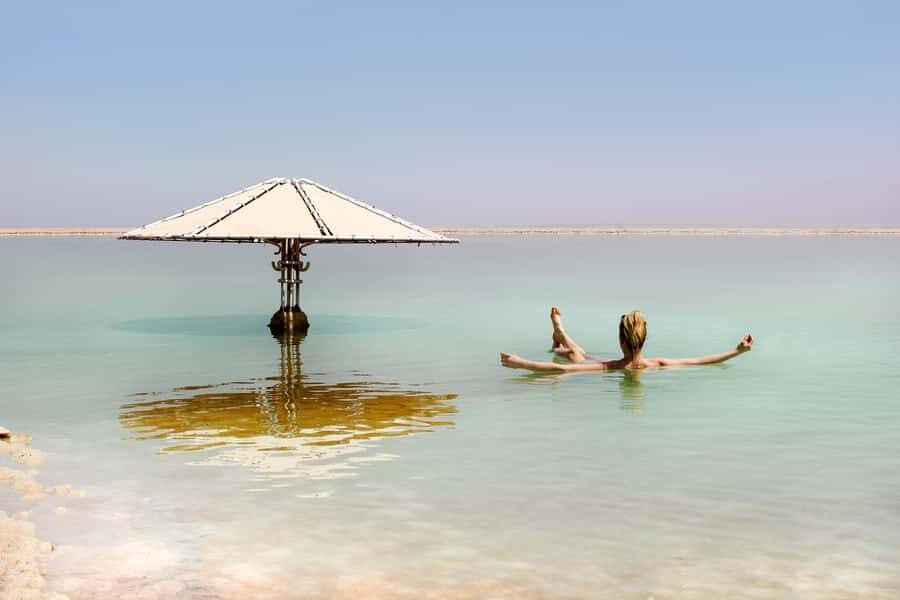
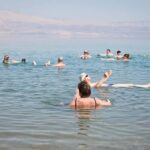
Then comes the payoff: the Dead Sea. Once you arrive at the shore, you’ll have free time that includes swimming. You can float in the mineral-rich water, and you’ll also have the option of a mud-bath experience associated with the area.
Here’s the part where planning beats spontaneity. You should expect to use lockers for your belongings and change more than once. Bring a bag you can seal up, and keep what you need for the water within easy reach. The day moves fast—people want photos, people want to get in, and there’s only so much time.
What to bring (and actually use)
- Hat for sun protection
- Bathing suit
- Towels
- Comfortable shoes for walking on uneven ground
- Beach thongs (flip-flops)
- Passport (required for the day)
Also, remember: the drive to the Dead Sea shore is without a guide. Once you’re there, you’ll have time on your own, which is great if you want flexibility—but it’s also why being ready with swim basics matters. If you tend to feel unsure in self-guided settings, arrive with a clear plan for where you’ll change and how you’ll store belongings.
One more gentle warning: water conditions at the Dead Sea can be unusual. Keep your eyes protected and avoid rubbing salt residue into your face. It sounds obvious, but it’s the kind of lesson you learn the first time your hair decides to feel salty forever.
Price and Value at $106: What’s Included, What You Must Budget For
At around $106 per person, this tour is priced like a “guided highlights plus one major activity” day. You’re paying for:
- Hotel pickup and drop-off
- Air-conditioned coach transport
- A live guide
- Entrance fees
What you need to add:
- Food and drink (not included)
That last point is a real cost lever. You’ll have lunch time during the Old City portion, but you’ll still need to cover your own meal and any drinks. If you like to buy snacks and water frequently in Jerusalem (easy to do), factor that into your budget.
Is it worth it? If you want the big names—Western Wall area, Via Dolorosa, Church of the Holy Sepulcher—plus a Dead Sea swim day in one package, the structure saves time and decision fatigue. If you’d rather go slow in the Old City, this price might not feel like a bargain because you’re paying for movement, not for deep time in any one place.
Guide Languages and the Real-World Group Dynamic
The tour uses a live guide and operates in Spanish, English, French, and German. In practice, the “quality” you feel will depend heavily on how clearly your guide communicates and how well the group is managed during transitions.
From what you can glean about past departures, the biggest operational friction points are usually logistics: bus labeling, getting people in the correct group, and keeping the schedule moving without repeated waiting. You can’t control that, but you can control your readiness—arrive early at pickup and keep your confirmation details handy so you’re not scrambling when it’s already hectic.
A small, helpful tip: sit where you can hear during any guided walking moments. If you struggle with accents or background noise, you’ll get more out of the time by choosing a better position.
Who This Tour Fits Best (and who should skip it)
This is a good fit if you want:
- A guided, first-time oriented Jerusalem Old City day
- The major holy sites in one structured route
- A Dead Sea swim stop without having to organize transport on your own
It may be a bad fit if:
- You dislike tight schedules and rapid crowd flow
- You need full mobility support (it’s not suitable for wheelchair users)
- You’re traveling with very young kids (it’s not suitable for children under 4)
If your travel style is “show me the essentials with context,” this tour makes sense. If your style is “I want to linger and go quiet,” you’ll likely feel impatient.
Should You Book This Jerusalem to Dead Sea Tour?
Book it if you’re on a time budget and you want a guided, ticketed-feeling Old City experience plus a genuine Dead Sea float in one day. The route is built for first-time orientation, and the Mount of Olives viewpoint plus Old City walking help you connect the dots fast.
Consider passing (or pairing it with a separate slower Jerusalem plan) if you’re sensitive to rushing. With only about 1.5 hours at the Dead Sea and a busy Old City segment, you won’t have the kind of slow, reflective time some visitors want.
FAQ
How long is the From Jerusalem: Old City & Dead Sea Full-Day Tour?
The tour lasts 10 hours.
Is hotel pickup and drop-off included?
Yes. Hotel pickup and drop-off are included (with multiple possible drop-off hotels listed).
Are meals included in the price?
No. Food and drink are not included.
What languages does the guide speak?
The live guide speaks Spanish, English, French, and German.
Do I need a passport?
Yes. You should bring your passport.
Is there a guide at the Dead Sea?
The drive to the Dead Sea shore is without a guide, but once you arrive you’ll have free time there.
Can I swim or float at the Dead Sea?
Yes. Swimming is part of the free time at the Dead Sea.
Is this tour suitable for wheelchair users and small children?
No. It is not suitable for wheelchair users, and it is not suitable for children under age 4.