REVIEW · JERUSALEM
kosher Israel wine tour
Book on Viator →Operated by Ji- tours · Bookable on Viator
A day of wine with serious biblical roots.
This kosher Israel wine tour links Jerusalem-region wine to the stories Jews have told for centuries, from Tabernacle-era Shiloh to award-winning boutique producers. I like that you get both the “why” and the “what,” so the tastings feel rooted, not random. You’ll also enjoy the private-group pace, with a friendly guide who can translate winemaking and viticulture ideas across three languages.
I especially like the mix of places: ancient Shiloh has that time-travel feeling, then you shift to wine country in the Judean Hills with real personality behind the bottles. In the day’s highlights, Psagot brings a standout origin story tied to an ancient cave and a coin linked to the Great Revolt. One possible drawback: the itinerary is long (about 7 to 10 hours), so plan for a full day of driving and walking at stops.
In This Review
- Key highlights you’ll care about
- Why a Jerusalem kosher wine day works so well
- Entering Ancient Shiloh: where the prayer story begins
- What you should expect at Shiloh
- A practical consideration
- Psagot Winery near Michmash: award-winning wine with a time-capsule origin
- What you should expect at Psagot
- Why the origin story is more than trivia
- Gvaot winery tasting: your time to slow down and compare
- What to do with your Gvaot tasting time
- A realistic note
- Price and what you’re really paying for (up to 7 people)
- Private tour logistics: pickup, timing, and the flow of the day
- Who this kosher Israel wine tour is best for
- Should you book this kosher Israel wine tour?
- FAQ
- Where does the kosher Israel wine tour start?
- How long does the tour take?
- Is this a private tour?
- What stops are included?
- Are admission tickets included for each stop?
- Is pickup available and is there a mobile ticket?
- What is the cancellation policy?
Key highlights you’ll care about
- Shiloh’s 369-year Tabernacle-era setting: a major biblical site that turns prayers and blessings into lived context
- Psagot’s cave story (2000 years old): an ancient winemaking space plus a coin clue from the Great Revolt
- International-award boutique wineries: you’re not just tasting; you’re tasting something that’s been recognized
- A guide who translates across three languages: makes technical winemaking talk actually make sense
- Private tour for up to 7 people: easier conversation, less rushing, more flexibility in a long day
Why a Jerusalem kosher wine day works so well
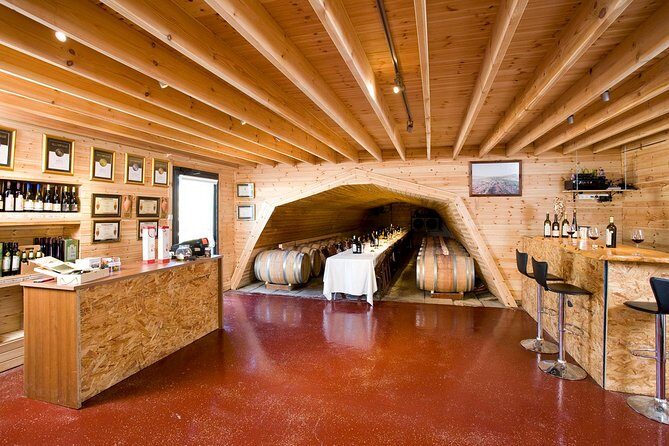
Wine matters in Jewish and Israeli culture, and this tour doesn’t treat it like a side note. It frames wine through familiar biblical lines like the blessing to Judah and the image of peace under one’s vine and fig tree. You also get a sense of how the region’s reputation for wine shows up in older writing—Egyptian and Roman historians praised the Land of Israel’s wine, and that reputation still shapes the way boutique producers present themselves today.
What makes this kind of day satisfying is the pacing: you start with history and meaning, then move into the sensory part—smelling, tasting, and talking through what you’re drinking. If you’ve ever felt that a wine tour can be all personality but no context, this one is designed to do both.
You’ll also be in a private group (up to 7), which changes the feel. Questions land better, and your guide can tailor explanations—especially helpful when you want to understand winemaking methods, not just swallow answers.
You can also read our reviews of more wine tours in Jerusalem

Entering Ancient Shiloh: where the prayer story begins
Your first stop is Ancient Shiloh (Tel Shiloh), the place where the Tabernacle stood for 369 years. Even if you know the broad biblical timeline, the site helps you picture why Shiloh was a turning point: it served as a capital for the Jewish people during those years, and it’s tied to major moments like when Joshua divided the inheritance among the tribes of Israel.
There’s also a prayer thread that stays with you. Hannah prayed here, and the tradition connects that moment to how people pray to this day. The site setup—antiquities on view plus a visitor center—helps you understand what you’re seeing rather than just looking at ruins and guessing.
What you should expect at Shiloh
- About 1 hour 30 minutes on site
- A real biblical setting, not just a scenic stop
- A visitor center that supports the story with artifacts and context
A practical consideration
Shiloh is an archaeological and historical site, so don’t assume it’s purely flat and polished like a city museum. Wear comfortable shoes and give yourself the time to read and look rather than treating it as a quick photo stop.
Psagot Winery near Michmash: award-winning wine with a time-capsule origin
Next comes Psagot Winery, near the Michmash crossing, the same area tied to the battle between Yonatan ben Shaul (Jonathan son of Saul) and the Philistines. That historical grounding matters here too—because Psagot isn’t just selling bottles. It’s telling you why it can feel connected to the land.
The Psagot story starts with a dreamer who began making wine in a home setup and needed a cheap, cool storage solution. Instead of giving up, he searched nearby and found ancient caves. After months of excavation, they uncovered an ancient cave winery used around 2000 years ago—and they found a coin from the time of the Great Revolt against the Romans. The coin had an image of an amphora, an ancient wine vessel. That evidence—plus the winemaker’s interpretation—helped motivate the decision to build the modern operation.
The result: Psagot grew into one of Israel’s leading boutique wineries, and it earned international awards along the way.





What you should expect at Psagot
- About 30 minutes total here
- Admission ticket is free (so you’re paying for the tasting experience through the tour rather than a separate ticket)
- A guided explanation that ties winemaking to place and discovery
Why the origin story is more than trivia
When a producer links its story to something as specific as an ancient cave and a coin, it changes how you taste. You’re not just moving through stops—you’re building a mental timeline, from biblical geography to Roman-era evidence to today’s boutique viticulture.
If you enjoy hearing the how behind the process, you’ll likely appreciate the guide’s translations of winemaking techniques and viticulture details. The day’s standout feedback highlights that the guide is friendly and entertaining, and can explain concepts clearly across three languages.
Gvaot winery tasting: your time to slow down and compare
The last wine-focused stop is Gvaot winery, where the schedule gives you about 45 minutes for wine tasting. Unlike Psagot, there’s less detail provided in the tour overview about the origin story or the setting specifics at Gvaot, but the value here is simple: you get more time with the wines themselves.
What to do with your Gvaot tasting time
This is where you turn the history you saw earlier into something you can actually notice in the glass. Pay attention to:
- Aroma first, then flavor
- How each wine feels on the palate (light vs. full, dry vs. fruit-forward)
- What the guide explains about how the wine is made and why that changes what you taste
Because this is a private tour, you can also ask direct questions. If you want to know why one grape or style behaves differently than another, this is the window to do it—before the day gets full and travel time takes over.
A realistic note
Admission at Gvaot is not included, so if you’re budgeting carefully, plan for an extra ticket cost here. The same goes for your Shiloh admission.
Price and what you’re really paying for (up to 7 people)
The tour price is $762.83 per group, up to 7 people, in the Jerusalem area. On a per-person basis, this can be a good value when you split the cost with friends or family—especially because you’re getting a private, full-day program with multiple stops rather than a short tastings-only outing.
Where the money shows up:
- Private group format: no sharing a van with strangers
- Time coverage: history + two wine tastings in one day
- Guide support: explanations that include winemaking and viticulture, with translation across three languages
Where it might feel less ideal:
- If you’re coming solo or as a couple, you’ll feel more of the group cost yourself. That said, private wine days can be hard to replace with the same combination of history, wineries, and a guided technical conversation.
Private tour logistics: pickup, timing, and the flow of the day
The tour starts at ICC / Shazar, Jerusalem, and ends back at the meeting point. Pickup is offered, and you’ll receive a mobile ticket. Because the itinerary totals about 7 to 10 hours, timing matters. You’re not just sampling wine; you’re also covering distance between sites and giving yourself enough time at each stop.
This matters for two reasons:
- You’ll want to stay hydrated and pace yourself through tastings, since the day doesn’t end quickly.
- The longer format gives you a more connected story—history first, wine after—so plan to treat the day as one narrative rather than separate excursions.
Also, the day is designed as a private activity: only your group participates. That’s a big quality-of-life upgrade in a place where queues and crowding can turn a good plan into stress.
Who this kosher Israel wine tour is best for
This works best if you match at least one of these:
- You like the intersection of biblical sites and modern culture
- You want boutique wine tastings with a real explanation of how wines connect to the land
- You enjoy learning in detail, and you appreciate a guide who can translate technical ideas clearly
- You’d rather spend money on a private group day than squeeze into a larger bus tour
Because the tour notes that service animals are allowed and that most travelers can participate, it’s also a flexible pick for different travel styles. If you’re sensitive to long sitting time or lots of walking, consider that the day includes an ancient site plus travel time.
Should you book this kosher Israel wine tour?
I’d book it if you want a Jerusalem-area wine day that doesn’t treat history like wallpaper. The combination of Ancient Shiloh (with the 369-year Tabernacle context and Hannah’s prayer connection) and a Psagot winery with a deeply specific origin story makes this tour feel like a coherent experience. Add in a guide who’s friendly, entertaining, and can translate winemaking and viticulture topics across three languages, and you get more than a basic tasting.
Skip it or look closely if you prefer ultra-short outings or you don’t enjoy long days that include an archaeological site before the wine.
If you’re traveling with a group of friends (up to 7), the group pricing can be especially sensible. If you’re just two people, it may still be worth it, but I’d think hard about whether you’re paying for the private format—or for the wine itself.
FAQ
Where does the kosher Israel wine tour start?
It starts at ICC / Shazar in Jerusalem, Israel, and the experience ends back at the same meeting point.
How long does the tour take?
The duration is approximately 7 to 10 hours.
Is this a private tour?
Yes. It’s listed as a private tour/activity, and only your group will participate (up to 7 people).
What stops are included?
You’ll visit Ancient Shiloh (Tel Shiloh), Psagot Winery, and Gvaot winery for wine tasting.
Are admission tickets included for each stop?
Shiloh has admission listed as not included. Psagot winery lists admission as free. Gvaot winery lists admission as not included.
Is pickup available and is there a mobile ticket?
Pickup is offered, and you’ll receive a mobile ticket.
What is the cancellation policy?
Free cancellation is available. You can cancel up to 24 hours in advance for a full refund; cancellations less than 24 hours before the experience start time are not refunded.