REVIEW · JERUSALEM
Jerusalem and Bethlehem Full-Day Tour from Jerusalem
Book on GetYourGuide →Operated by Bein Harim Israel Tours · Bookable on GetYourGuide
Jerusalem and Bethlehem in one day feels big. This full-day tour strings together iconic stops like the Wailing Wall and the Church of the Holy Sepulchre, then carries you into Bethlehem for the Nativity visit. I especially like the way the route mixes viewpoints (hello, Mount of Olives) with hands-on walking inside the old quarters, and I also like that you get a professional guide who explains what you’re seeing. One thing to keep in mind: border procedures can add friction, and the Grotto of Nativity may not always be possible depending on time and crowds.
For practical value, this tour includes entry fees, an air-conditioned coach, and hotel pickup/drop-off, so you’re not piecing the day together yourself. The best part is you’re not just “looking at buildings”—you’re following the geography of the holy sites across Jerusalem’s neighborhoods and then crossing into Bethlehem with a Palestinian guide. The drawback I’d flag from the mix of feedback is that pickup and day execution can be sensitive if schedules shift, so plan to be flexible and double-check your pickup point.
In This Review
- Key Things That Make This Tour Work
- Jerusalem to Bethlehem in a Single Day: What You’re Really Signing Up For
- Pickup, Coach Bus Comfort, and the Passport Step at the Border
- Mount Scopus Views and the Kidron Valley: Setting the Stage Before the Old City
- Wailing Wall Square and the Armenian Quarter Bazaar Route
- Christian Quarter Walk: Stations of the Cross Toward the Church of the Holy Sepulchre
- The Byzantine Cardo and the Jewish Quarter: A 1,700-Year Street Moment
- Mount of Olives Panoramas and Shepherd’s Fields Return Views
- Crossing Into Bethlehem: Switching Buses and Meeting a Palestinian Guide
- Bethlehem’s Nativity Circle, Church of Nativity, and Manger Square
- Timing Reality: When the Grotto of Nativity Might Not Be Possible
- What You’ll Pay and Whether $106 Feels Fair
- Guides and Pacing: What the Best Days Tend to Feel Like
- Small Warning Flags: Pickup Problems and When Bethlehem Can Be Altered
- Dress Code, What to Bring, and How to Stay Comfortable
- Who This Tour Fits Best (and Who Should Skip It)
- Should You Book? My Practical Recommendation
- FAQ
- What languages are the live guides?
- How long is the Jerusalem and Bethlehem full-day tour?
- Do I need a passport for this tour?
- Is there a dress code?
- Are food and drinks included?
- Is the tour suitable for kids or wheelchair users?
- Can I get to the Grotto of Nativity?
Key Things That Make This Tour Work
- Old City walking that matches the city’s religious neighborhoods, not just a grab-bag of landmarks
- Mount Scopus + Mount of Olives panoramas, with named viewpoints before you hit the crowd hotspots
- A guide-led Bethlehem visit that includes the Church of Nativity and Manger Square
- Border-crossing procedures and possible vehicle changes, built into how the day is run
- Time-limit reality around the Grotto of Nativity if crowds or schedules run long
- Guides named in reviews like Asaf and Ayal, praised for pacing, patience, and explanations
Jerusalem to Bethlehem in a Single Day: What You’re Really Signing Up For
This tour is built for people who want the “big hits” of Jerusalem and Bethlehem without turning the day into a stressful self-made itinerary. You’ll spend a long 10 hours moving between viewpoints, historic streets, and sacred sites, with a guide who helps you connect the geography to the stories people associate with the places.
The route matters. Jerusalem isn’t one uniform experience. You’ll move through different quarters—Armenian, Christian, and Jewish—so you see how religious life and architecture overlap inside a small area. Then you leave for Bethlehem, where the tone changes from Jerusalem’s dense old-city walking to a guided visit tied to the Church of the Nativity area and the surrounding sites.
If you like a structured day with a real guide, this format is a good fit. If you prefer wandering at your own pace for hours on end, you may find the schedule brisk. This is a “see a lot, learn a lot” outing.
A few more Jerusalem tours and experiences worth a look

Pickup, Coach Bus Comfort, and the Passport Step at the Border

The included logistics are a big part of the value: hotel pickup and drop-off, plus transportation in an air-conditioned coach bus. That matters in Jerusalem, where getting from one viewpoint and neighborhood to the next can chew up time if you’re managing buses or taxis yourself.
The key practical item is your passport. The tour is subject to Palestinian authority regulations, and you must bring a valid passport on the day. A Palestinian guide meets your group at a border post, and a change of vehicle may be required when entering Palestinian territory. In other words: don’t treat that border crossing as a quick formality. Build in patience, and keep your passport easy to reach.
Also note: the tour says it’s not suitable for wheelchair users and not for children under 4. If you’re traveling with toddlers or need mobility support, you’ll want a different option.
Mount Scopus Views and the Kidron Valley: Setting the Stage Before the Old City
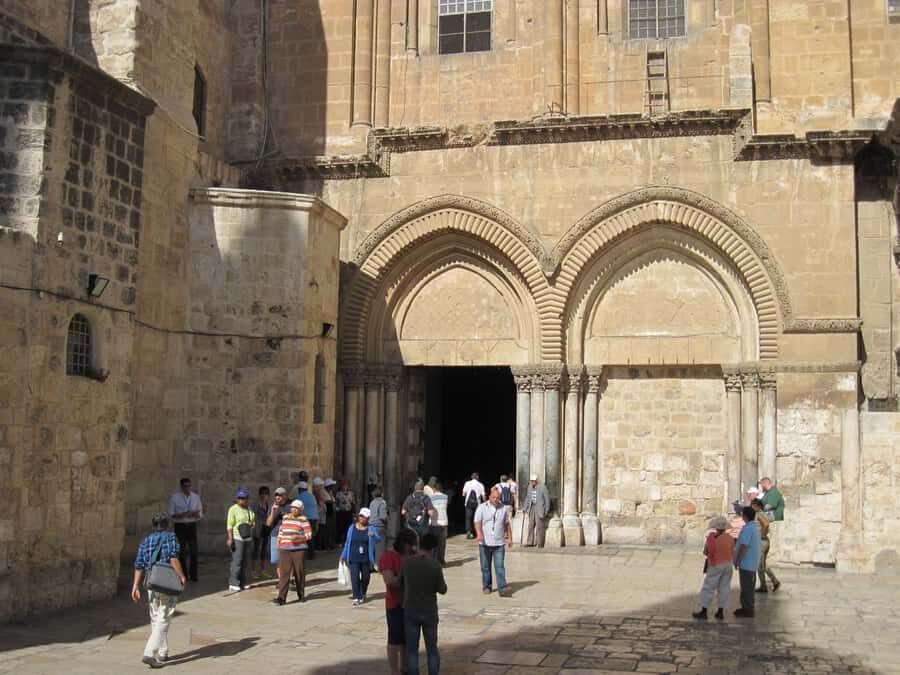
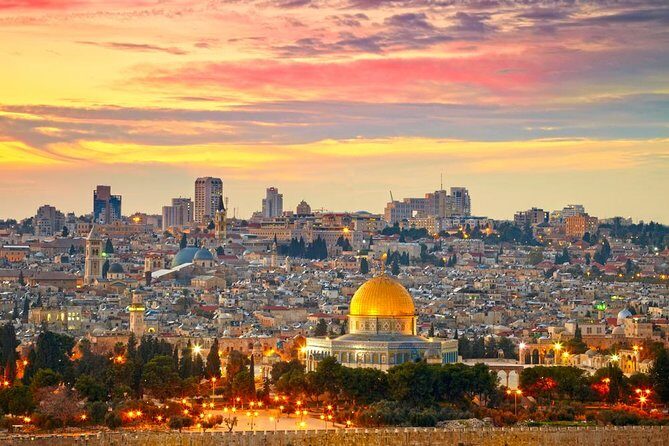
You start in Jerusalem, then head to Mount Scopus for picturesque views over the city. This is a smart move early in the day because it gives you orientation. Jerusalem’s hills and layers can feel confusing at street level, but from a viewpoint you can start mapping where the old city sits.
From there, you’ll see the Temple Mount Esplanade viewpoint, then travel through Jerusalem via the Kidron Valley. This is where the tour shifts from “pretty photos” to “walking through meaning.” You’ll take in views of the Garden of Gethsemane area, which helps connect later stops to the broader landscape.
This section is also a good time to settle your group. You’ll get your bearings fast, and when the walking begins in the old quarters, you’ll understand what direction you’re moving and why the tour keeps referencing the city’s geography.
Wailing Wall Square and the Armenian Quarter Bazaar Route
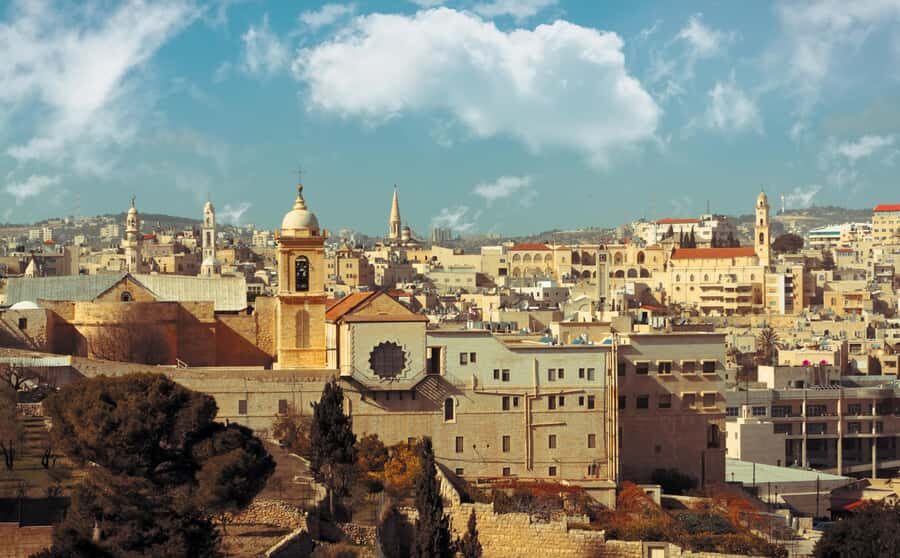
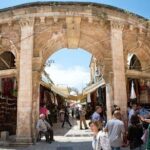
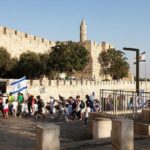
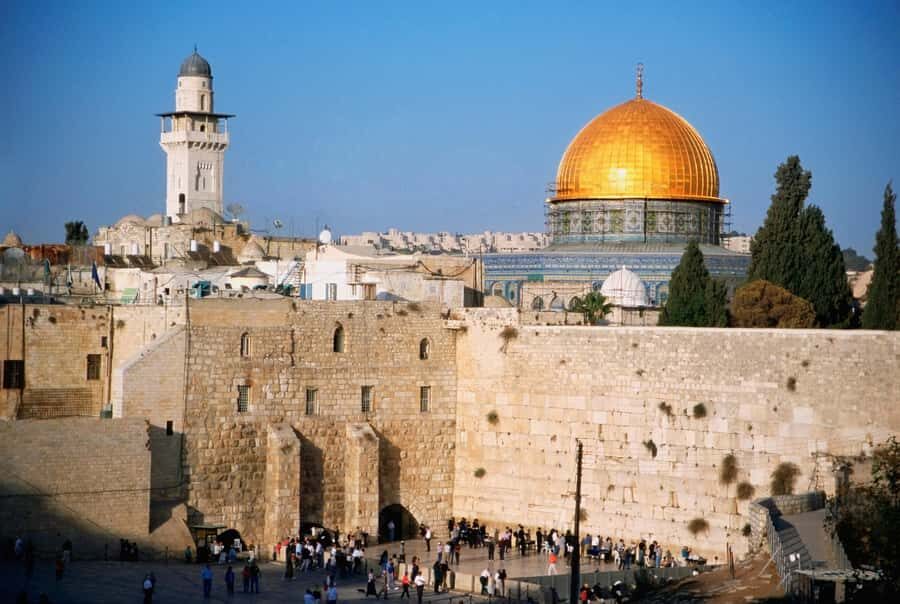
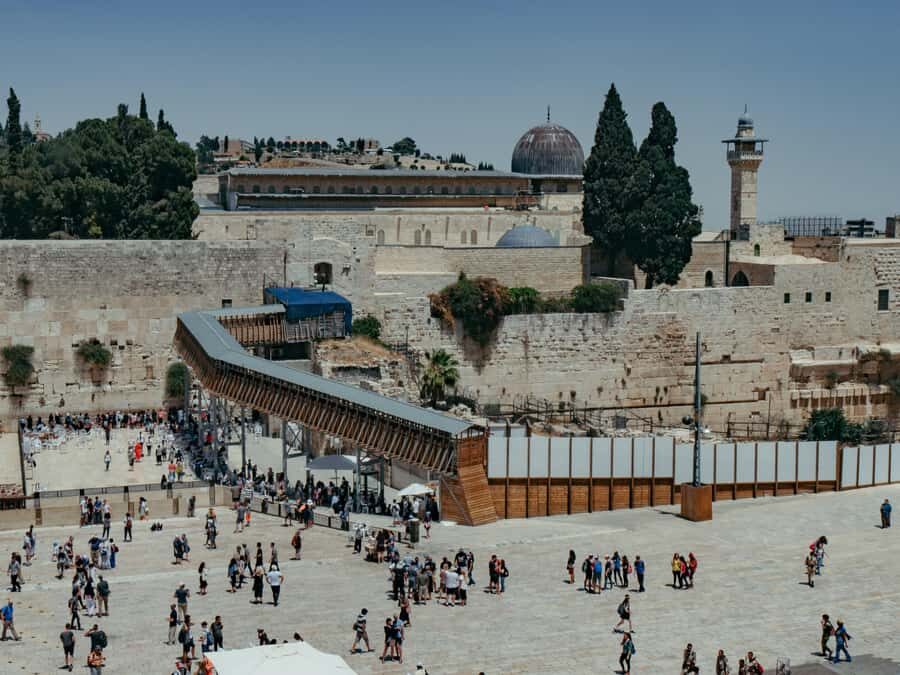
Once you enter the old-city walking zone, the tour keeps it organized by religion and neighborhood. In the Armenian Quarter, you’ll explore the bazaar leading toward Wailing Wall Square. The bazaar approach is more interesting than simply arriving at the plaza. You pass through real commercial streets where the daily rhythm of the area is part of the experience.
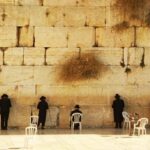
The Wailing Wall area is emotionally intense for many visitors. A guided visit here is useful because it helps explain the setting and why this wall is so important to Jewish tradition. Even if you know the basics already, the guide’s framing can shift how you notice details—crowd flow, sightlines, and the way the space is used.
If you’re sensitive to religious sites that involve dense crowds, keep your expectations simple. This is one of the busiest zones in Jerusalem, and you’ll want to focus on the guide’s timing rather than trying to “linger forever.”
Christian Quarter Walk: Stations of the Cross Toward the Church of the Holy Sepulchre
Next comes the Christian Quarter, where the tour points you to the Stations of the Cross and then onward to the Church of the Holy Sepulchre. The Stations stop is helpful even if you don’t consider yourself religious, because it gives a visual spine to the story most people know as the Passion narrative.
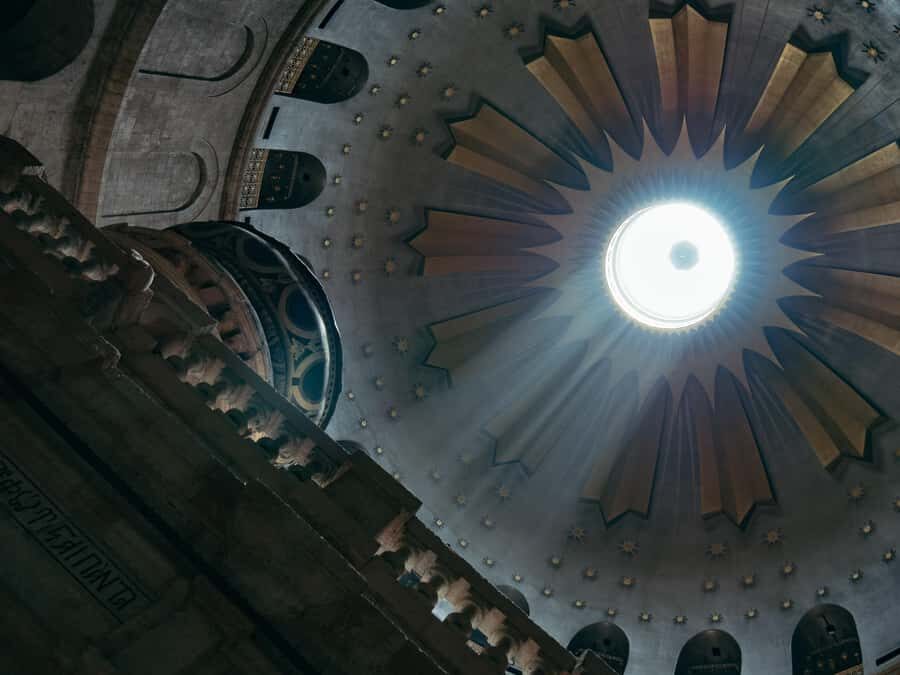
Then you reach one of the most famous churches in the Christian world. The Church of the Holy Sepulchre is considered, within Christian tradition, to be the place where Jesus was crucified. A guided visit helps because it’s a complex building with many overlapping traditions and chapels. In a place like this, context matters more than raw architecture.
From feedback, one theme stands out: guides are praised for pacing and for answering questions on the spot. That fits this stop perfectly. If you’re the type who likes to ask why something is located where it is, the guide time here is the part that can feel most worthwhile.


The Byzantine Cardo and the Jewish Quarter: A 1,700-Year Street Moment
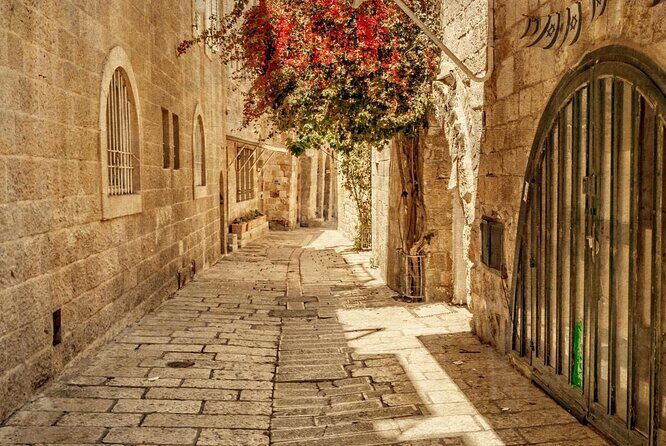
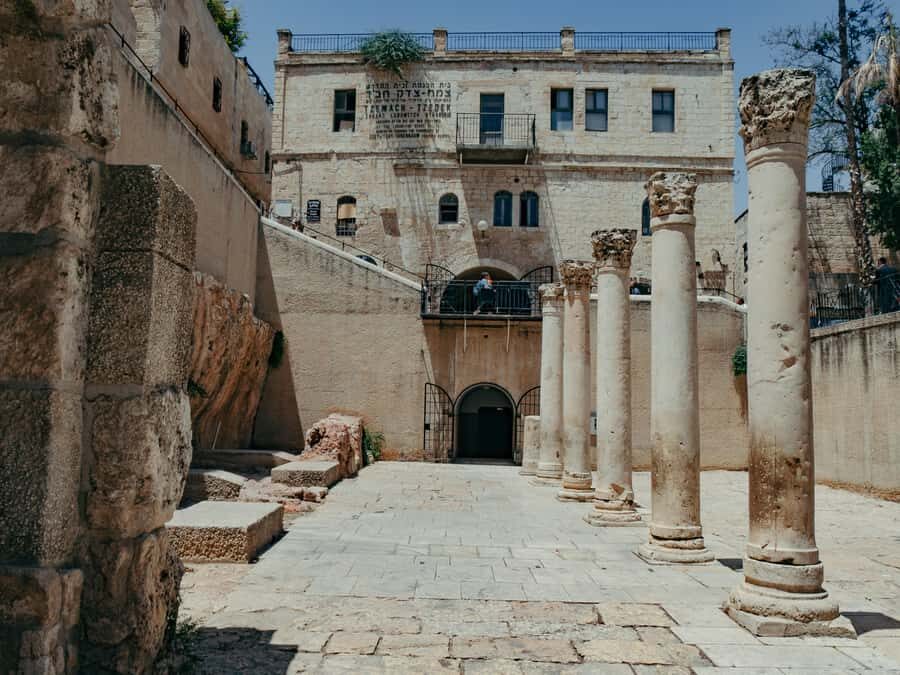
After the church area, the tour continues along the Byzantine Cardo, described as a street over 1,700 years old. This is one of those “small” details that ends up being big. A street is a living timeline: you walk where older roads ran, and you see how layers accumulate in the same narrow corridors.
You then reach the restored Jewish Quarter area, which is another helpful contrast. Jerusalem often gets reduced to a few postcard images, but this day-style itinerary tries to show that the city’s spiritual significance is tied to neighborhoods, not just single sites.
If you’re trying to understand Jerusalem rather than just photograph it, this stretch is key. It also helps you feel the day’s pattern: viewpoint → quarter → sacred stop → street → next quarter.
Mount of Olives Panoramas and Shepherd’s Fields Return Views
The tour includes panoramic views from the Mount of Olives. That’s not a random add-on. Once you’ve walked the old-city streets, stepping to a viewpoint lets you reframe what you’ve just seen. You can connect the sacred sites you visited with the broader city layout.
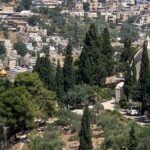
On the return, you’ll also enjoy sweeping views of the Shepherd’s Fields. It’s a nice way to end the day when your feet are tired and your brain is full of names and stories. Even if you’re not a history buff, open views help you reset.
This kind of “see it, then step back” rhythm is exactly what makes a guided full-day itinerary feel more than just a checklist.
Crossing Into Bethlehem: Switching Buses and Meeting a Palestinian Guide
Bethlehem is part of this tour, but it’s not a copy-paste Jerusalem stop. The plan includes passing through a Palestinian border-crossing, then switching buses to continue with a knowledgeable Palestinian guide.
This is one of the most important practical notes: the tour expects border procedures to be part of the day. You may also see a vehicle change. That means you should pack your patience alongside your passport.
It also means the experience can feel more grounded. Having a Palestinian guide for the Bethlehem side tends to shift the focus from only religious monument viewing to how locals experience the area today. The tour guide framing can shape your mood for the rest of the afternoon.
Bethlehem’s Nativity Circle, Church of Nativity, and Manger Square
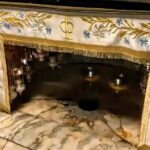
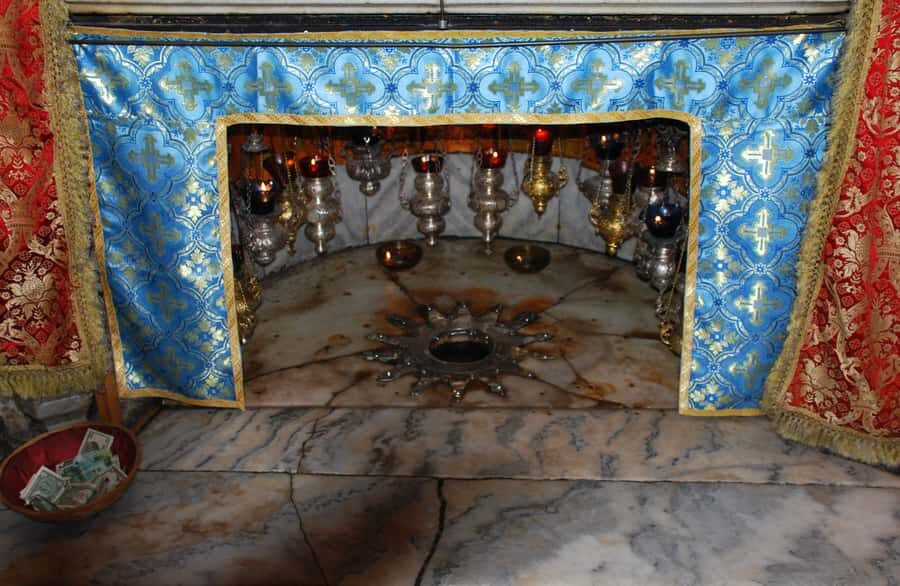
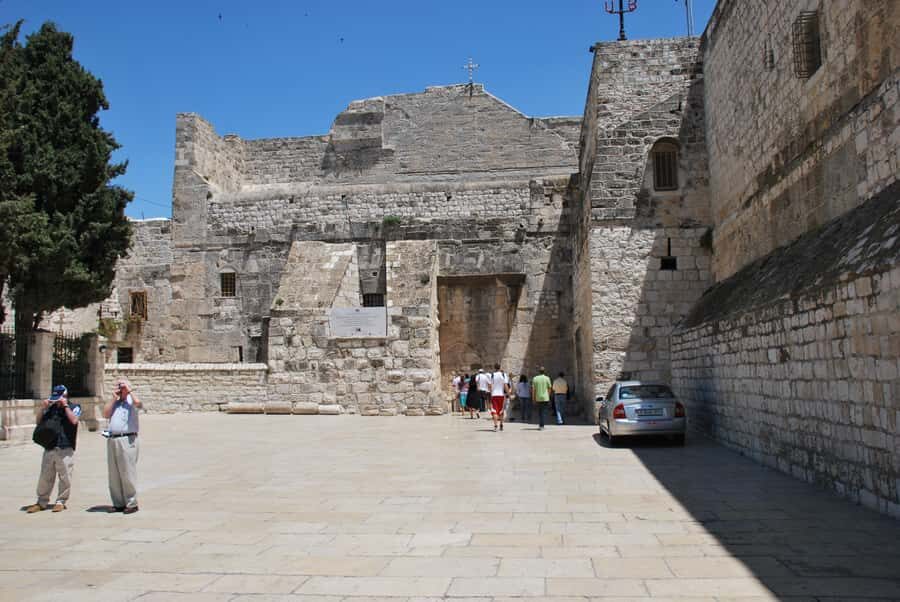
In Bethlehem, the tour focuses on core sites tied to the Christian tradition of Jesus’s birthplace. You’ll see the Nativity Circle, then the Church of Nativity. From there, you’ll view the cave believed to be where Jesus was born, and then move to Manger Square, where Jesus is said to have been placed after his birth.
This is where the tour’s “guided walking” approach matters most. At these sites, it’s easy to get lost in crowds and religious architecture. A guide helps you keep track of what each place is, why it’s venerated, and what to pay attention to while you’re there.
One review singled out the Bethlehem visit as deeply moving, highlighting the emotional weight of seeing the sites with explanations rather than just touring at speed. That matches what this itinerary tries to do: show you the places people come for, with a guide to help you understand the setting and the story.
Timing Reality: When the Grotto of Nativity Might Not Be Possible
Here’s the one line item that can change your day: due to visitor overload, a visit down to the Grotto of Nativity might not be possible because of the tour time schedule.
This is not a small detail. The Grotto is often a highlight for people who specifically want the deeper access associated with the Nativity tradition. If that’s the reason you booked, you should understand there’s a chance you won’t get down there depending on crowds and timing.
This is one reason to go in with a flexible mindset. Even without that extra stop, you still have a guided look at the Church of Nativity area and Manger Square, which are the core pilgrimage anchors.
What You’ll Pay and Whether $106 Feels Fair
At $106 per person for a 10-hour day, the price isn’t just for transportation. It includes entry fees, a professional guide, and air-conditioned coach transport with hotel pickup and drop-off. It’s also notable that this is a single-day plan that covers both Jerusalem and Bethlehem, which usually means more complexity than a local city tour.
The part that isn’t included is food and drinks. So plan to budget for meals on your own. If you want the easiest day, bring snacks and water where possible, especially since the route includes walking through dense areas.
Value-wise, I’d call it fair if:
- you want a guided day with structured stops,
- you’d rather not handle borders and switching transport,
- and you care about explanations at the big-ticket sites.
I’d be more cautious if you’re hoping for lots of free time or you’re booking primarily for a single sub-stop like the Grotto.
Guides and Pacing: What the Best Days Tend to Feel Like
The human factor shows up clearly in the feedback you provided. Names like Asaf, Ayal, Eyal, and Jorge appear in high scores for being patient, organized, and willing to explain history and context at a practical pace.
One standout praise was guides taking time to explain the background behind holy sites, and also waiting patiently when people fell behind on the walk. That’s the difference between a tour that feels manageable and one that feels like a sprint.
Another review referenced a recommended restaurant stop, with the highlight being a falafel sandwich. That’s the kind of small local touch that can turn a long day into something memorable, even when you’re not shopping or planning anything.
Small Warning Flags: Pickup Problems and When Bethlehem Can Be Altered
Not every day goes perfectly. One lower-rated experience described a breakdown with pickup: the person said they weren’t collected at the indicated address and had to use a taxi to reach the meeting point. They also said Bethlehem was canceled during the day and felt disappointed about how it was handled.
I’m not going to paint this as the usual outcome. But you should take it seriously as a reminder to confirm your pickup location details and show up a bit early at the meeting point if you’re starting from a central hotel area.
For a tour that crosses into Palestinian territory and runs on strict timing, minor shifts can ripple. So your best strategy is simple: stay flexible, keep your documents ready, and don’t schedule a tight connection right after the tour ends.
Dress Code, What to Bring, and How to Stay Comfortable
The tour has a modest dress requirement. This matters for entrances and for how respectfully you’re able to move through religious sites. You don’t need to overthink it, but plan clothing that covers appropriately and feels comfortable for walking.
What to bring is clear: your passport. Beyond that, think practical. You’ll be on foot for parts of the day in crowded religious zones and narrow streets, so wear supportive shoes and bring a small layer if you get chilly in churches or inside shaded areas.
Also remember: the day isn’t built for wheelchairs, and it isn’t built for very young children. If you’re traveling with mobility limits or you’re bringing a family with a toddler, this might not be the best match.
Who This Tour Fits Best (and Who Should Skip It)
This tour is a strong fit if you:
- want Jerusalem and Bethlehem in one day without arranging separate transport,
- like being guided through major pilgrimage sites with context,
- and enjoy panoramas as a break from dense old-city walking.
You might want to skip it if you:
- need a fully flexible schedule with lots of free time,
- can’t handle border procedures and the possibility of vehicle changes,
- or you’re specifically counting on the Grotto of Nativity access.
If you’re a first-timer to the region and you’re deciding between doing it yourself or going with a guide, this is the “guided structure” option that helps you see more without turning the day into logistics.
Should You Book? My Practical Recommendation
Book this tour if you want the big religious landmarks stitched into a coherent route, with professional guidance and entry fees handled. The combination of Old City neighborhood walking, Mount of Olives views, and the guided Bethlehem Nativity-area visit is a solid way to experience the highlights of Jerusalem and Bethlehem in a single, organized day.
Hold off or choose another option if you’re traveling with very young kids, need wheelchair access, or you’re traveling on a schedule that can’t absorb border timing and crowd-based constraints. And if the Grotto of Nativity is your main reason to come, be aware that it may not be possible at some times due to visitor overload and the day’s schedule.
FAQ
What languages are the live guides?
The live tour guide is available in Spanish, French, German, and English.
How long is the Jerusalem and Bethlehem full-day tour?
The tour runs for 10 hours.
Do I need a passport for this tour?
Yes. You must bring a valid passport because the tour is subject to Palestinian authority regulations, and a Palestinian guide meets the group at a border post.
Is there a dress code?
Yes. Modest dress is required.
Are food and drinks included?
No. Food and drinks are not included.
Is the tour suitable for kids or wheelchair users?
It’s not suitable for children under 4 and not suitable for wheelchair users.
Can I get to the Grotto of Nativity?
A visit down to the Grotto of Nativity might not be possible due to visitor overload and the tour time schedule.