REVIEW · TEL AVIV
Masada and Dead Sea from Tel Aviv
Book on Viator →Operated by CTO Israel · Bookable on Viator
Masada and the Dead Sea, in one day. This full-day tour stacks two top Israel stops—Masada for big desert views and Dead Sea time for floating in saltwater—while keeping logistics easy with an air-conditioned ride from central Tel Aviv. I like the clean format: guided time at each place with admission handled, so you’re not hunting tickets. The tradeoff is the early start at 6:30 am plus no lunch, so you’ll want to plan what you’ll eat.
I also like how this trip is guided with real site context, not just a drive-by. Reviews highlight guides like Chava for bringing archaeology background that makes Masada feel less like ruins and more like a story you can follow. One more thing to consider: it’s a shared group with up to 40 people, so expect a busier vibe than a private tour.
In This Review
- Key highlights
- Two-for-one value: Masada first, then the Dead Sea
- Morning run: arriving at Masada National Park
- What you’ll likely appreciate at Masada
- A consideration at Masada
- Masada museum time: using context before you wander
- Dead Sea afternoon: floating with history in the background
- Why this stop feels different
- A consideration at the Dead Sea
- Shared group reality: what the day feels like on the ground
- Price check: is $119 good value for Masada + Dead Sea?
- Who this tour is best for (and who should pass)
- Weather and timing: why “good weather” matters here
- Getting the most out of the day
- Should you book Masada and Dead Sea from Tel Aviv?
- FAQ
- How long is the Masada and Dead Sea day trip from Tel Aviv?
- What time does the tour start?
- Where does the tour pick up in Tel Aviv?
- Does the tour end back at the same place?
- Is lunch included?
- Are admission tickets included for Masada and the Dead Sea?
- Is the transportation air-conditioned?
- How large is the group?
- What about tickets—do I get a mobile ticket?
- What is the cancellation policy?
Key highlights
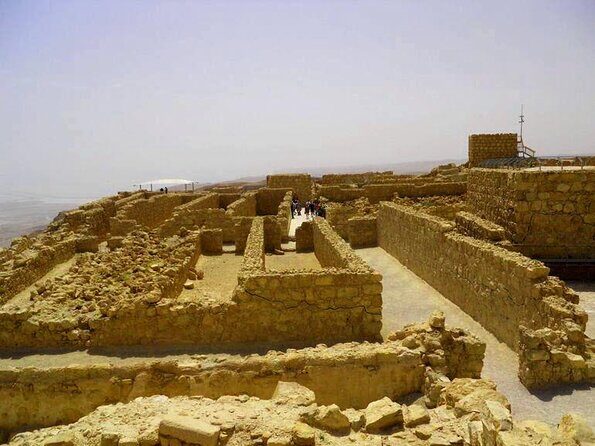
- UNESCO Masada + the Masada Museum in Memory of Yigael Yadin for context beyond the stones
- Dead Sea floating time (admission included) in water famous for centuries of health and mineral lore
- Air-conditioned round-trip transfers from the Dan Tel Aviv Hotel area
- Group size limited to 40 so you get a social day without feeling packed-in
- Tickets are included, lunch is not which affects how you’ll pace the day
Two-for-one value: Masada first, then the Dead Sea
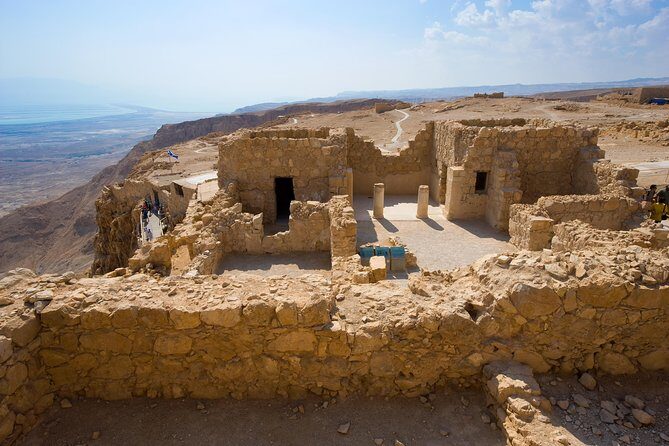
This is the kind of day trip that makes sense if you only have limited time in Tel Aviv and you want your Israel highlights without renting a car or doing a lot of extra planning. You start early, ride out with the group in an air-conditioned vehicle, and then work through two very different “wow” moments: one historic and one weirdly relaxing.
What you’re really paying for is not just sightseeing. You’re buying time saved—admissions are included at both stops, and round-trip transport is handled from a central meeting point. That adds up when you’re trying to string together Masada National Park and the Dead Sea in one efficient block.
And yes, it’s also a long day. Even with a smooth schedule, you’re looking at about 8 hours total and a big chunk of time spent outdoors and in transit.
You can also read our reviews of more tours and experiences in Tel Aviv.

Morning run: arriving at Masada National Park
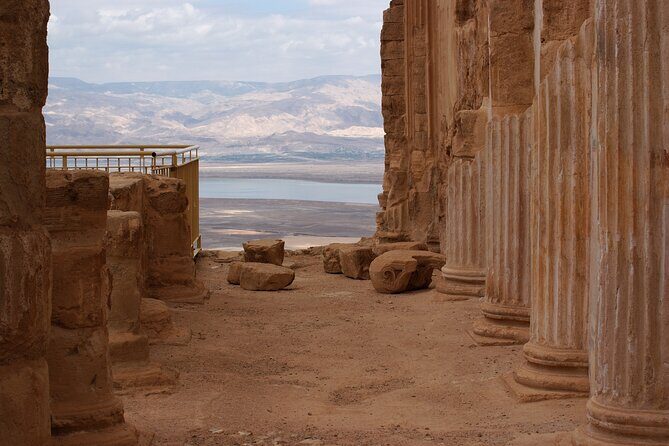
Masada National Park is famous for a reason: it sits high above the desert, so the views come with the history. You’ll get around 2 hours here, which is a workable window for seeing the main areas without turning the visit into a sprint.
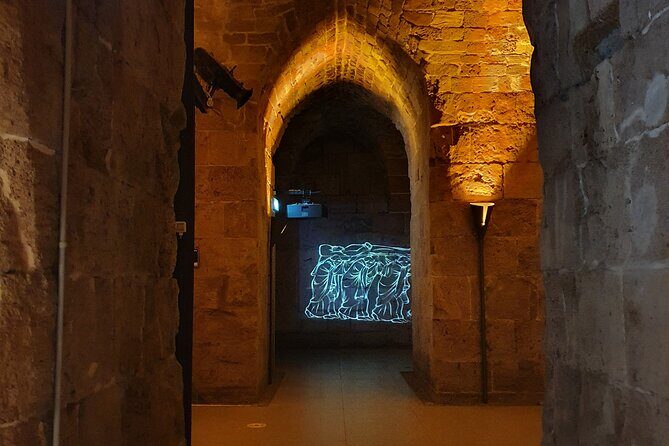
A big part of why this stop is worth your time is that you’re not only walking ruins. There’s also the Masada Museum in Memory of Yigael Yadin on site. The museum opened in 2007, and it presents archaeological findings in a theatrical setting. It’s a useful change of pace because it helps you understand what you’re looking at before you go back outside and connect the facts to the cliff-top fortress.
The museum is also tied to real digging. Many of the artifacts displayed were unearthed by Yigael Yadin and his team from the Hebrew University of Jerusalem in the 1960s. That detail matters because it explains why Masada doesn’t feel like a vague legend. Instead, it’s grounded in discoveries that were actually made on the ground.
What you’ll likely appreciate at Masada
- UNESCO World Heritage status (since 2001), which signals the site’s global historical importance
- the museum’s role in turning ruins into a clearer timeline
- the way the elevated setting makes the fortress look strategic, not just dramatic
A consideration at Masada
Two hours sounds generous until you’re on a timetable and moving between museum space and outdoor viewpoints. If you’re the type who likes to linger, keep expectations realistic. This is built for seeing the highlights, not spending the entire morning photographing every corner.
Masada museum time: using context before you wander
If you usually skip museums, Masada is one of the places where the museum slot can actually pay off. The site’s story is intense, and the museum helps you frame it. You’re not just staring at stone walls. You’re seeing artifacts and learning how archaeological finds support what we understand about the fortress.
The museum’s theatrical presentation is specifically designed to guide you through the material in a more “you’re there” way than a standard room of labels. That means you’ll spend less time decoding information on your own and more time connecting it to what’s around you.
Also, it’s nice that the museum is part of the same stop. You don’t lose time traveling to a separate location. With admission included, you don’t have to decide last minute whether it’s worth paying extra.



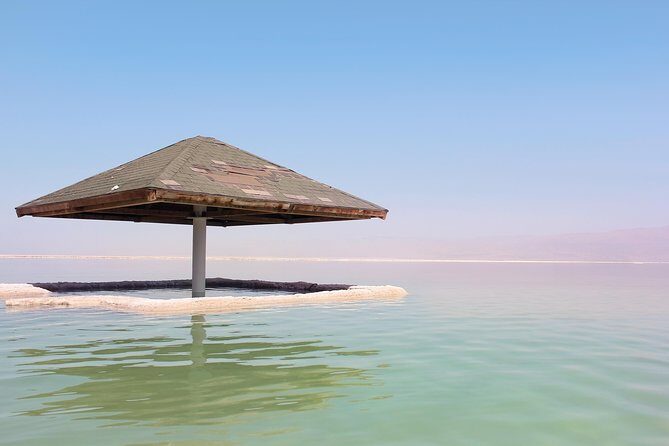
Dead Sea afternoon: floating with history in the background

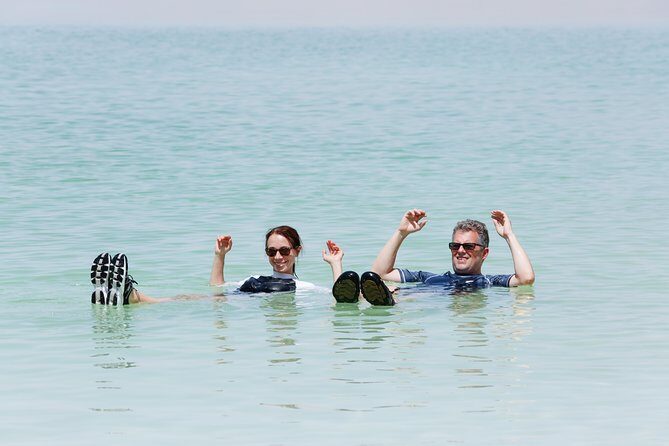
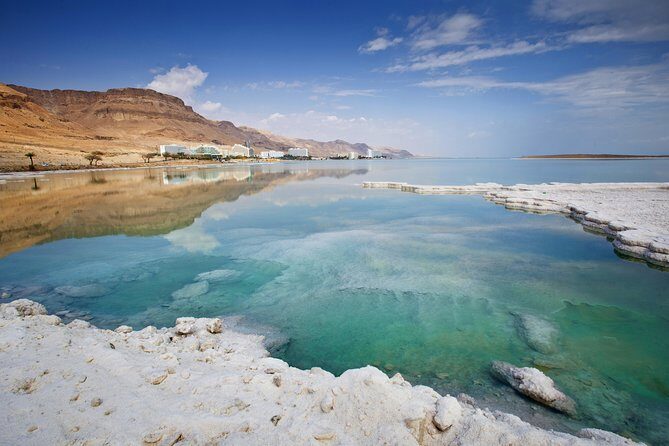
After Masada, the day shifts gears. The Dead Sea visit runs about 3 hours, and the big headline is right there: you get time at the saltwater area, with the chance to float in its nutrient-rich saltwater.
The Dead Sea is one of those places where the marketing and the facts basically agree. For thousands of years, people from across the Mediterranean region have been visiting. It also has a long track record as a health resort, including for Herod the Great.
And then there’s the industrial side of the story. The Dead Sea has supplied materials used for centuries, from asphalt (used for Egyptian mummification) to potash for fertilizers. Today, people still use the salt and minerals for cosmetics and herbal sachets, which is one reason the area feels equal parts nature and human industry.
Why this stop feels different
Masada asks you to look outward—up, across, and into the desert setting. The Dead Sea asks you to look inward—calm your pace, accept that the water is unusual, and treat the experience like a physical reset.
If you want the most value out of this portion, don’t treat it like a quick dip. Give yourself time to get comfortable with the idea of floating in very salty water and then enjoy the slower rhythm.
A consideration at the Dead Sea
The trip includes admission tickets but does not include lunch. Dead Sea time is often when people realize they were relying on food they assumed was covered. If you go hungry, the saltwater fun can start to feel like a chore instead of a reward.
Shared group reality: what the day feels like on the ground
This is a shared tour with a maximum of 40 participants. That size is big enough to have a lively group vibe, but small enough that the day doesn’t automatically feel chaotic.
The upside of a shared format is comfort and pace. You’re in an air-conditioned vehicle, leaving from a central Tel Aviv meeting point, and you’re not stuck juggling directions, parking, or ticket lines on your own. For many people, that’s the difference between seeing Masada and deciding it’s too much work.
The downside is freedom. You’re following a schedule with timed stops: about 2 hours at Masada and 3 hours at the Dead Sea. If you’re a slow traveler, you’ll have to accept that the tour’s job is to get you through the highlights.
If you care about getting the best angles at viewpoints, go with the flow rather than trying to speed ahead. The tour is set up to keep everyone moving smoothly through both attractions.
Price check: is $119 good value for Masada + Dead Sea?
At $119 per person, you’re paying for a full-day package rather than a DIY day. The key detail for value is that admission tickets are included for both Masada National Park and the Dead Sea stop, and all fees and taxes are covered.
That matters because entrance costs can add up, and with two major attractions in one day, the total can surprise you if you’re planning it yourself. Add in the round-trip air-conditioned vehicle from Tel Aviv, and the price stops looking like a “tour premium” and starts looking like convenience priced into the package.
What you’re not getting is lunch. That’s the part you’ll need to handle yourself, and it’s also where your total day budget can change depending on what you choose to eat.
My take: if you want the structure and don’t want to figure out transport and admissions, this is a fair value deal. If you already have your own car and love independent pacing, it may feel less urgent. But for most people, it’s a practical way to do both stops in one shot.
Who this tour is best for (and who should pass)

This is a great fit if you:
- want Masada and the Dead Sea without splitting the day into separate trips
- prefer A/C transport and a simple plan starting from Tel Aviv
- like guided context, especially for Masada, where the museum helps you understand what you’re seeing
- don’t want the hassle of figuring out admissions and timing back-to-back
You might think twice if you:
- hate early mornings (it starts at 6:30 am)
- need long free time to wander (the stops are time-boxed)
- want lunch included (it isn’t)
It also works well for people who enjoy shared travel. You get to experience these famous sites together with other visitors, and the day keeps moving.
Weather and timing: why “good weather” matters here
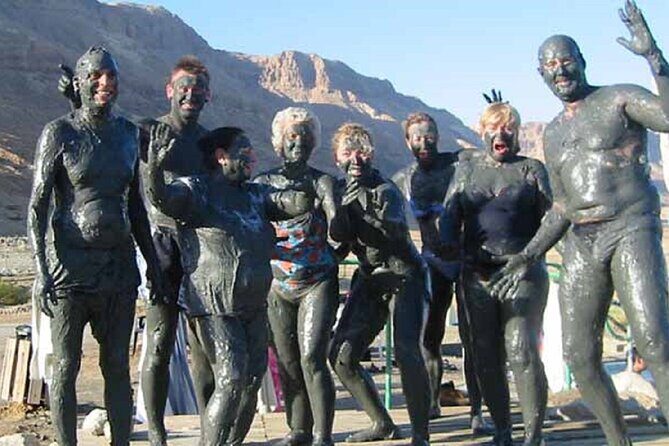
This experience requires good weather. That’s not just fine print. Both Masada and the Dead Sea are very “out there” experiences. If conditions aren’t ideal, the operator may cancel and offer a different date or a full refund.
So if you’re traveling in a shoulder season or you’re flexible with plans, this is fine. If your schedule is locked, consider how much you can shift your day if weather doesn’t cooperate.
Getting the most out of the day
You’ll get the best outcome if you treat it like a well-paced highlight reel. At Masada, use the museum time to build the story, then step outside and connect it to the fortress setting. At the Dead Sea, give yourself room to enjoy floating rather than racing through it.
Also, because lunch isn’t included, think about your plan for food. The simplest approach is to assume you’ll need to buy or pack something, then you won’t feel grumpy mid-day.
Should you book Masada and Dead Sea from Tel Aviv?
I’d book it if you want a straightforward, time-saving day that hits two major Israel experiences without extra planning. The mix of Masada history (UNESCO and the Yigael Yadin museum) and the Dead Sea’s famous saltwater floating time is a smart pairing, and the included admissions make it feel complete.
Skip it only if you strongly dislike early starts, need lunch included, or prefer totally independent pacing. For everyone else, this is a practical way to get value out of limited time in Tel Aviv.
FAQ
How long is the Masada and Dead Sea day trip from Tel Aviv?
The tour duration is approximately 8 hours.
What time does the tour start?
The start time is 6:30 am.
Where does the tour pick up in Tel Aviv?
The meeting point is Dan Tel Aviv Hotel, HaYarkon St 99, Tel Aviv-Yafo.
Does the tour end back at the same place?
Yes, the activity ends back at the meeting point.
Is lunch included?
No, lunch is not included.
Are admission tickets included for Masada and the Dead Sea?
Yes. Admission tickets are included for both Masada National Park and the Dead Sea stop.
Is the transportation air-conditioned?
Yes. Round-trip transportation is in an air-conditioned vehicle.
How large is the group?
The tour has a maximum of 40 travelers.
What about tickets—do I get a mobile ticket?
Yes, this tour uses a mobile ticket.
What is the cancellation policy?
You can cancel for free up to 24 hours in advance for a full refund. If you cancel less than 24 hours before the start time, the amount paid is not refunded.