REVIEW · ASHDOD
From Ashdod Port: Jerusalem and Bethlehem Day Trip
Book on GetYourGuide →Operated by Bein Harim Israel Tours · Bookable on GetYourGuide
Jerusalem feels big even on a cruise day, and this one delivers the essentials fast. You get a guided ride from Ashdod Port to Mt. Scopus for a rooftop-and-dome panorama, then straight into the Old City to see the Western Wall and continue on to the Holy Sepulchre and Bethlehem. One possible drawback: crowds and site-access limits can shrink your time at the Holy Sepulchre or Bethlehem’s Nativity Grotto.
What makes this trip work is the pace and structure: you’re not left to figure out gates, routes, or entrance lines, and you’re back at Ashdod Port with enough time to rejoin your ship. The main trade-off is that it’s a 9-hour day, with lots of walking, heat-proof clothing rules, and time that can’t always be controlled when security or visitor numbers get in the way.
In This Review
- Key things to know before you go
- Ashdod Port to Jerusalem: pickup rhythm and the Mt. Scopus skyline stop
- Mount of Olives drive-bys: Garden of Gethsemane and Kidron Valley views
- Entering the Old City: gate access, Western Wall excavations, and the Byzantine Cardo
- Via Dolorosa to the Holy Sepulchre: where timing and crowding can shift your visit
- Bethlehem in a day: Nativity Church and the Holy Grotto
- Price and value: what you pay for at $120 per person
- Guide styles and group reality: how to keep the day smooth
- Should you book the Ashdod Port: Jerusalem and Bethlehem day trip?
- FAQ
- How long is the Jerusalem and Bethlehem day trip from Ashdod Port?
- Where is the meeting point in Ashdod Port?
- Do I need a passport for this tour?
- What languages are available for the guided tour?
- What’s included, and what’s not included in the price?
- Which major sites does the tour include?
- Can the tour always enter the Holy Sepulchre and the Nativity Grotto?
- What should I bring, and what should I avoid wearing?
- Is this tour suitable for young children or mobility impairments?
Key things to know before you go
- A real day-from-port trip: you’re picked up in Ashdod and returned in time for your cruise sailing rhythm
- Big landmarks, organized route: Mt. Scopus, Western Wall, Holy Sepulchre, then Bethlehem’s Nativity Church and Holy Grotto
- Crowds can affect entry: especially at Jesus’ Tomb area and the Nativity Grotto
- Dress code matters: shorts and sleeveless shirts aren’t allowed in the holy-site areas
- Passport required: keep it handy for this port-based tour only
Ashdod Port to Jerusalem: pickup rhythm and the Mt. Scopus skyline stop
This is built for cruise arrivals. When you get off in Ashdod, your guide from Bein Harim meets you holding a sign that reads Bein Harim. From there, you’re in a comfortable vehicle with A/C heading to Jerusalem. Expect a smooth start and a guided day plan, not a hop-on, hop-off free-for-all.
The first “wow” moment is the stop at Mt. Scopus, where you’ll pause for a panoramic view over Jerusalem’s rooftops. It’s a smart opener. From this height, the city makes sense: you can spot the Old City area and understand why the routes you’ll walk later feel compressed and concentrated.
A practical tip: this is a daytime viewpoint, so plan for sun. Bring the hat listed for the tour and use the water you’re encouraged to carry. If you’re the type who takes photos constantly, this is the place to do it, because later the lighting inside churches will be less forgiving.
A few more Ashdod tours and experiences worth a look
Mount of Olives drive-bys: Garden of Gethsemane and Kidron Valley views
After Mt. Scopus, the vehicle continues toward the Old City, and the commentary shifts from “where you are” to “what you’re looking at.” On the way, you pass biblical and historic landmarks such as the Garden of Gethsemane near the Mount of Olives, the Church of All Nations, and you’ll also spot the Kidron Valley area with ancient Jewish tombs.
This stretch matters because it gives you context before you step into the Old City’s warren of streets. You’ll also hear about the Ophel Promenade as the route runs parallel to the Old City walls. Even if you never memorize the names, the drive helps you understand the geography: Jerusalem’s sacred sites are close, but they’re not all in the same pocket of streets.
If you’re sensitive to motion or sunlight, this part is usually easiest if you sit where you have shade and quick sightlines out the window. And if you’re traveling with kids, it helps to keep them buckled and calm here—later, the Old City walk demands attention.
Entering the Old City: gate access, Western Wall excavations, and the Byzantine Cardo
Once you reach Jerusalem’s Old City, you enter on foot through one of the massive gates in the 16th-century walls. This is one of those moments where the day feels real. The vehicle stops, the crowd density increases, and suddenly you’re in the layers of stone that people have walked through for centuries.
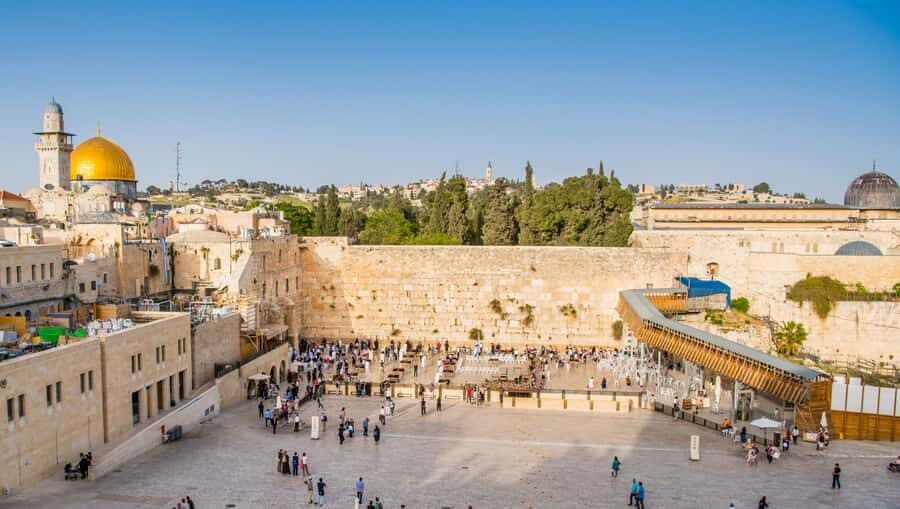
Your route includes the Western Wall excavations and the area near the Western Wall itself. It’s significant not just as a landmark, but because it’s the visible remnant connected to the Temple Mount era—what’s left after a long, complicated history. Your guide’s job here is to keep the meaning clear without turning the day into a lecture.
In the Jewish Quarter, you’ll also see the Byzantine Cardo lined with columns. It’s a historic street segment that helps you picture daily life from long ago—walkable corridors, columns, and the sense that this city has always been a thoroughfare. You then head along part of the Via Dolorosa route, as Jesus did bearing the cross. That doesn’t mean the streets feel staged; it means your walk has a narrative thread.
The drawback to note: Old City walking is compact and busy. It can be a lot for anyone who doesn’t like crowds or who relies on frequent pauses. But for most people, the advantage is that the day stays organized without you needing to constantly check maps.
Via Dolorosa to the Holy Sepulchre: where timing and crowding can shift your visit
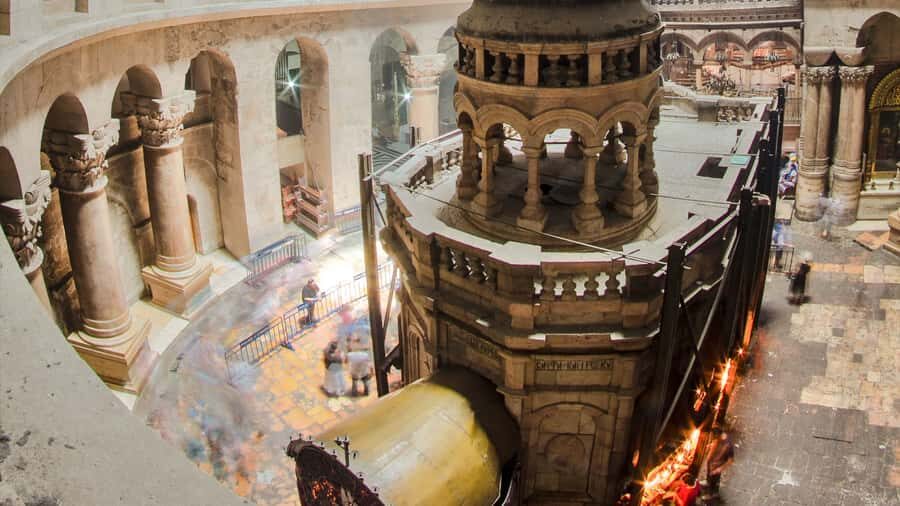
The Via Dolorosa portion leads you to the Holy Sepulchre Church, built in the 4th century to encompass the tomb area and Golgotha (Calvary). Even if you’ve read about it, it hits differently in person because the church is enclosed, layered, and alive with devotion. You’re not just “looking at a building”—you’re entering a site people treat as deeply personal.
Here’s the part that can change: sometimes there are too many visitors at Jesus’ Tomb area, and the visit isn’t always possible. When that happens, it can feel like the day is losing a key chapter. The tour still aims to deliver Jerusalem’s highlights, but you should mentally prepare for the fact that religious sites can get congested fast, especially on busy days.
Plan your expectations around time rather than certainty. You’ll also get lunch break in the Old City and time to wander through a traditional market area. That market time is often what people remember because it’s where you can pause, snack, and get a feel for local commerce at human speed.
A small caution: don’t schedule your own tight plans after the lunch break. Market wandering and church corridors don’t move at the pace you wish they did.
Bethlehem in a day: Nativity Church and the Holy Grotto
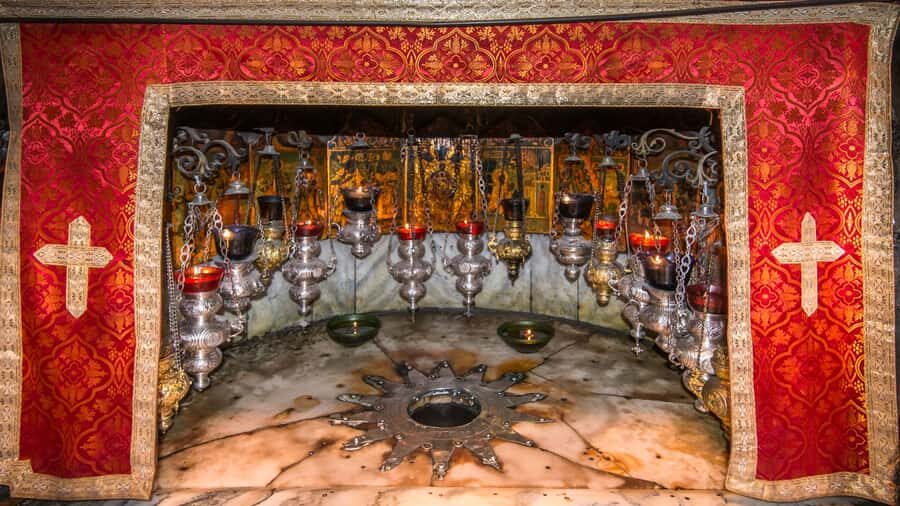
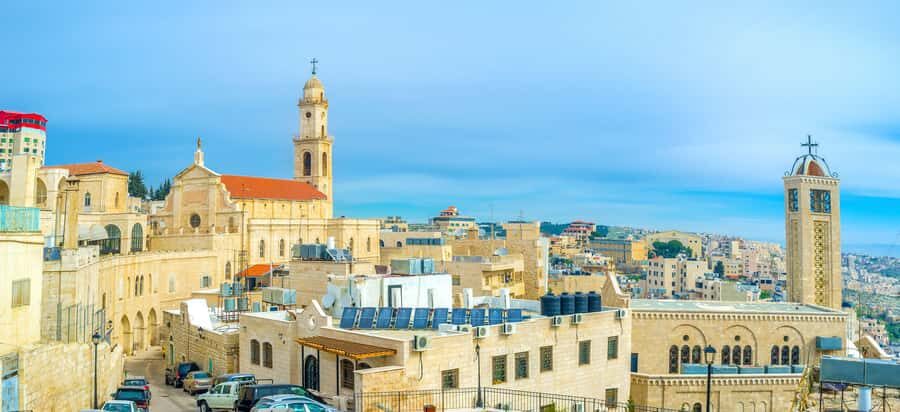
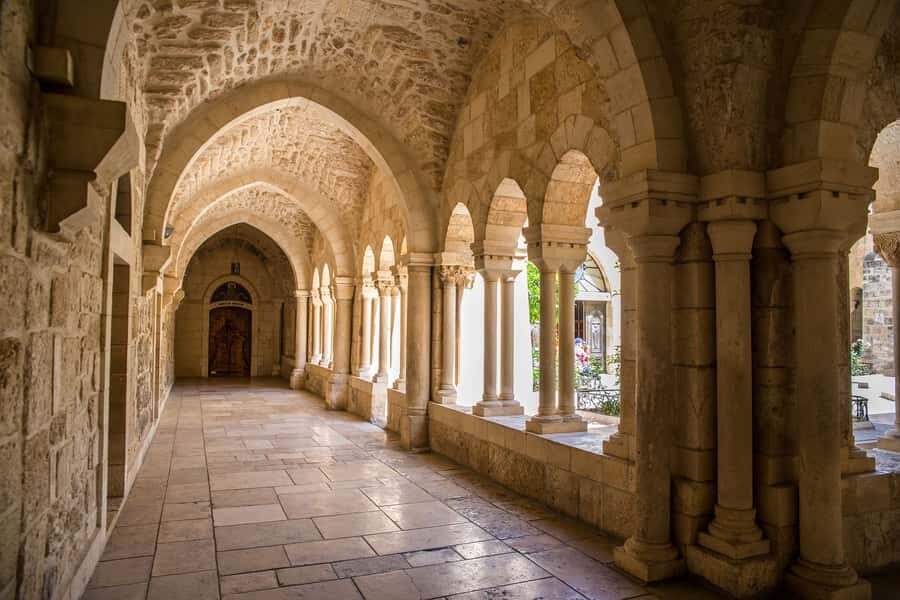
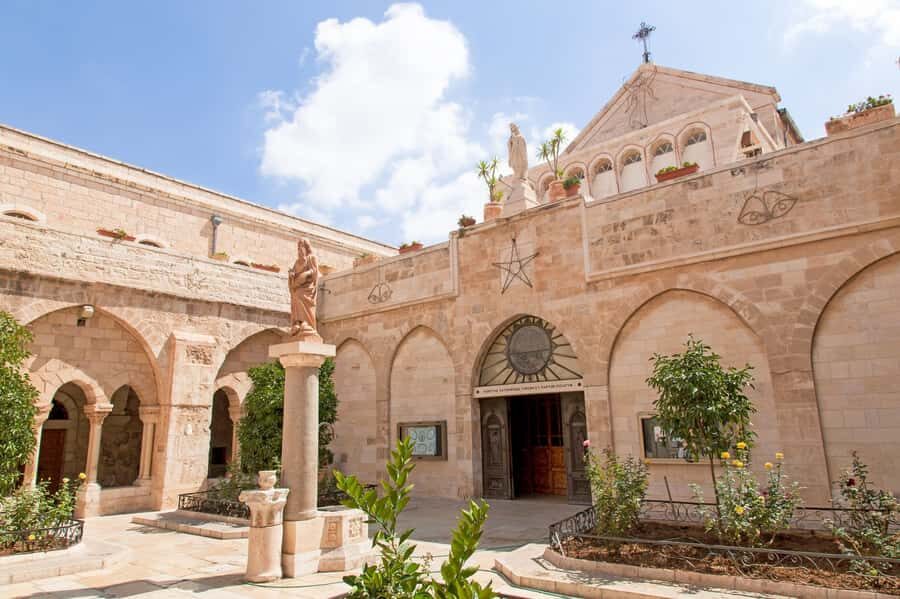
After leaving Jerusalem, you’ll drive toward Bethlehem, the town associated with Christ’s birth. You’ll then visit the Church of Nativity and see the Holy Grotto, the location tied to the Nativity tradition.
This stop is often calmer in tone than the busiest moments in Jerusalem, but it’s not guaranteed. Like the Holy Sepulchre side of the day, Bethlehem’s holy-site access can be affected by crowd levels. There are times when too many visitors at the Nativity Grotto make entry not always possible. When it’s available, it’s a powerful experience; when it isn’t, you’ll still have the overall Bethlehem stop and context, just with less access to the exact spot.
If you’re packing the right gear, this is where it matters. Comfortable shoes help because the ground and entrances can be uneven. Sleeves matter too: shorts and sleeveless shirts aren’t allowed, so dress for rules, not just comfort.
Emotionally, the Bethlehem portion tends to feel more grounded because the day shifts from major city walls and markets to a quieter “place of birth” focus. It’s also a helpful contrast after the Old City density.
Price and value: what you pay for at $120 per person
At $120 per person for a 9-hour day, the value comes from three things you don’t have to arrange yourself: port pickup/drop-off, a live guide for the full day, and entrance fees included. You’re also getting A/C transportation between Jerusalem and Bethlehem, which is exactly what you want in a long day.
What you still need to budget: food and beverages are not included. You’ll have lunch break in the Old City, and you’ll want water throughout the day. The tour asks you to bring water and a hat, which is a hint that you should plan on buying or using your own hydration rather than expecting the trip to cover everything.
Also, remember this tour is limited to passengers who arrive in Ashdod by cruise ship. That restriction can make it feel pricey until you realize the alternative is often paying for multiple pieces—transport, guides, and entrances—on your own.
Bonus value for flexibility: the booking options include free cancellation up to 24 hours in advance and a reserve now & pay later approach. That helps if your cruise timing or day-of access changes.
Guide styles and group reality: how to keep the day smooth
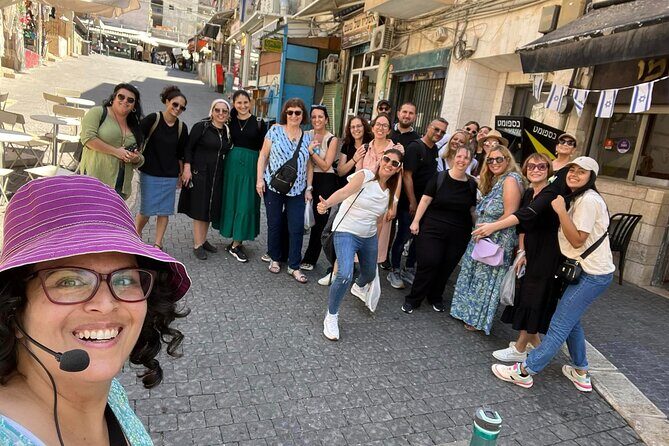
The guide is the difference between a meaningful day and a stressful one. This tour is led by Bein Harim, and guides can vary. Some departures are led by people such as George or Avi, and the difference in style can matter in crowded holy sites.
Here are two real-world lessons that can save you anxiety:
- Stay close in dense areas. The Old City and church interiors are not the places to wander even briefly. One reported issue involved a guide not being attentive to keeping people aligned, and it made it stressful for families with kids. So: keep your spot near the guide, not at the back of the group.
- Be ready for the timing of ship calls. One problem reported on a cruise day was that the tour didn’t wait as expected after passengers were slow getting off. If your ship arrival or disembark timing gets complicated, you should still aim to be waiting and ready when your group is being gathered.
You can’t control security slowdowns or occasional access restrictions, but you can control how calmly you follow instructions. In practice, a little discipline beats frantic searching.
A final note: the tour is not suitable for children under 5 or for people with mobility impairments. That’s about walking and the physical reality of Old City routes and church entry corridors.
Should you book the Ashdod Port: Jerusalem and Bethlehem day trip?
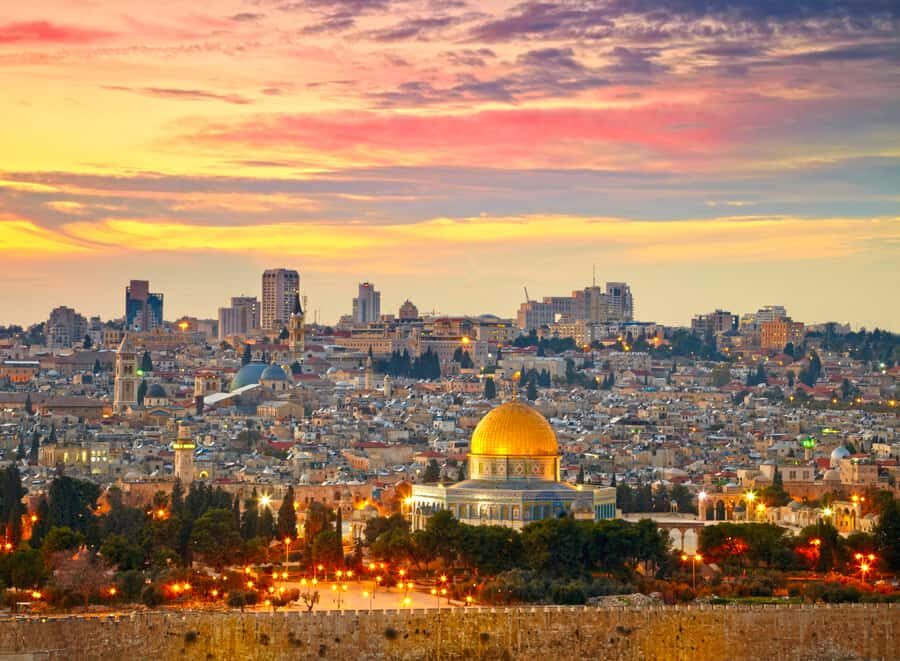
Book it if you want a structured, high-impact day without managing logistics. This trip is a strong choice for first-timers who want the Western Wall, the Holy Sepulchre, and Bethlehem’s Nativity Church in one go, plus the Mt. Scopus viewpoint that helps Jerusalem click into place.
Skip it if you strongly dislike crowds, if you need long rests, or if your idea of a perfect day depends on guaranteed entry into every tight, crowded holy-site location. Since the Holy Sepulchre and Nativity Grotto visits can sometimes be limited by visitor numbers, you should treat “access” as a possibility, not a promise.
If you do book: pack for heat and rules (hat, water, comfortable shoes, and clothing that fits restrictions), keep your passport accessible, and stay close to your guide. Do that, and you’ll get the best version of what this day is built to deliver.
FAQ
How long is the Jerusalem and Bethlehem day trip from Ashdod Port?
The tour runs for 9 hours.
Where is the meeting point in Ashdod Port?
Your guide from Bein Harim meets you at the port holding a sign that reads Bein Harim.
Do I need a passport for this tour?
Yes. A passport is required.
What languages are available for the guided tour?
The live guide is available in Spanish and English.
What’s included, and what’s not included in the price?
Included are pickup and drop-off in Ashdod, a guide for the whole day, and all entrance fees. Food and beverages are not included.
Which major sites does the tour include?
You’ll visit Mt. Scopus for views, the Western Wall and Holy Sepulchre Church in Jerusalem, and the Church of Nativity plus the Holy Grotto in Bethlehem.
Can the tour always enter the Holy Sepulchre and the Nativity Grotto?
Not always. The visit can be limited if there are too many visitors at Jesus’ Tomb in Jerusalem or the Nativity Grotto in Bethlehem, and sometimes sites can’t be visited due to accessibility, security, or holiday events.
What should I bring, and what should I avoid wearing?
Bring your passport, comfortable shoes, a hat, and water. Shorts and sleeveless shirts are not allowed.
Is this tour suitable for young children or mobility impairments?
No. It’s not suitable for children under 5, and it’s also not suitable for people with mobility impairments.