REVIEW · JERUSALEM
2-Day Best of Israel Tour: Old Jerusalem, Bethlehem, Masada and the Dead Sea
Book on Viator →Operated by Bein Harim Ltd · Bookable on Viator
Jerusalem, Bethlehem, and the Dead Sea in two days. That is the magic of this Best of Israel tour: it strings together the big spiritual sights you expect, plus the jaw-dropping views you don’t. I love the way the route builds from Old Jerusalem highlights like the Western Wall and Via Dolorosa into a guided Bethlehem visit at the Church of the Nativity. I also love the contrast on day two: cable-car access up to Masada and then time to float and cover yourself in Dead Sea mud.
The main trade-off is pacing. With a group that can be up to 40, old streets and famous churches can feel rushed, and it can be tough to catch every detail if you end up stuck farther back. Add in some stop time that can feel like shopping or line-waiting, and you’ll want to keep your expectations realistic for a 2-day “greatest hits” style plan.
In This Review
- Key Things to Know Before You Go
- The Big Picture: A Tight Route That Still Covers the Essentials
- Old Jerusalem: Mount Scopus Views, the Western Wall, and the Via Dolorosa Walk
- A quick reality check about time
- Bethlehem: The Church of the Nativity and How to Avoid Mismatch Surprises
- What to do if you have extra Bethlehem dreams
- Masada: Cable Car Up, Views That End Arguments, and Herod’s Palace Ruins
- How to make Masada easier on your body
- Dead Sea: Float, Mud Bath, and the Qumran Connection
- The Real Logistics That Make or Break This Tour
- Walking and how long you’ll stand
- Dress code and entry rules
- Group size: up to 40
- Guides and What Their Style Changes
- Price and Value: When $360 Actually Works for You
- Who gets the best value
- Should You Book This 2-Day Best of Israel Tour?
- FAQ
- What time does the tour start?
- What’s included in the price?
- Do I need a passport for Bethlehem?
- What dress code should I follow?
- Is food included?
- What happens if weather is poor or the tour needs to cancel?
Key Things to Know Before You Go
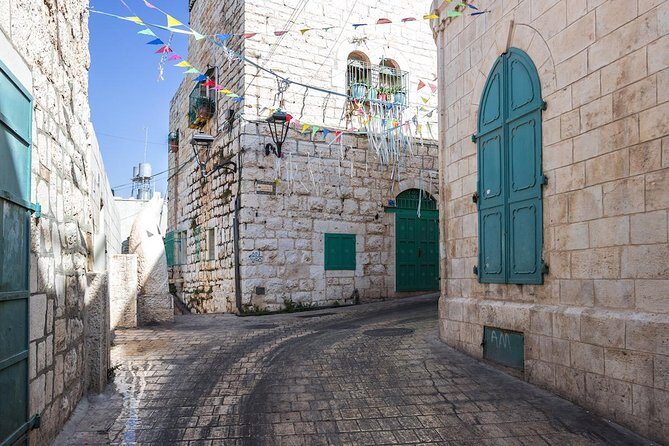
- You get guided structure: a professional guide and air-conditioned vehicle tie the days together.
- Old City time is walk-and-stand style: expect short segments at each stop, not hours in one place.
- Masada is the big wow moment: cable car up, national park views, plus Herod-era ruins at Herodium.
- Dead Sea time is hands-on: mud bath and floating are part of the included experience.
- Bethlehem is not optional if you care about the core sites: the Church of the Nativity is central to day one.
- Dress code matters: cover shoulders and knees for worship sites to avoid being turned away.
The Big Picture: A Tight Route That Still Covers the Essentials
This tour is built like a two-day highlight reel. You start early in Jerusalem, then spend day one working your way through the Old City and into Bethlehem. Day two turns the volume up with Masada and ends with the Dead Sea.
For me, the value is the combination of guided storytelling and practical logistics. You’re not trying to navigate border points, transfers, or time-consuming sites on your own. Hotel pickup and drop-off are included, and you also get breakfast plus an overnight stay, so you’re not piecing together half the trip yourself.
Just remember what it is: a fast-moving, “see the icons” itinerary. That can be great if you want confidence and direction. If you prefer slow wandering, you’ll likely want extra time in Jerusalem or Bethlehem afterward.
A few more Jerusalem tours and experiences worth a look

Old Jerusalem: Mount Scopus Views, the Western Wall, and the Via Dolorosa Walk
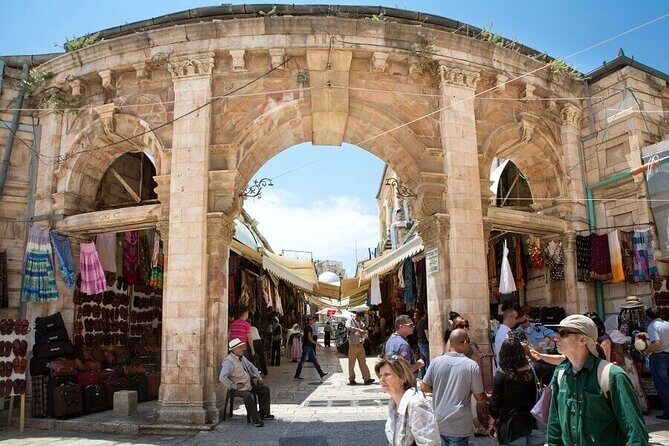
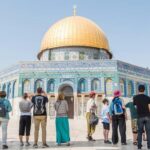
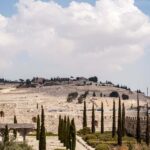
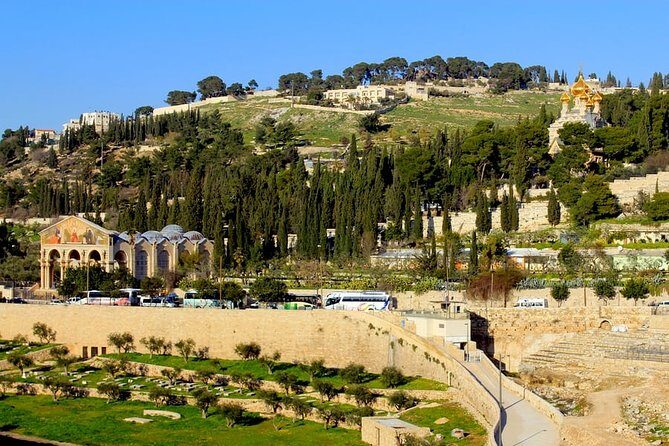
Day one begins with a view from Mount Scopus National Botanical Garden. Even before you enter the Old City, this stop helps you get bearings. From higher ground, you can make sense of where everything sits, and it makes the next steps feel less like random sightseeing and more like a route with logic.
From there, you move into the highlights of the Old City area:
- Garden of Gethsemane is a key spiritual stop on the route. You’ll also pass the Church of All Nations, which is known for its presence right at the site.
- You then pass through the Kidron Valley, a classic geographical thread that links the spiritual map to the real terrain.
- Next comes Old City of Jerusalem, where the tour turns into a guided walk. You’ll spend about 2 hours 30 minutes moving through the streets rather than sitting in one museum-like space.
In the Jewish Quarter, you get a short look at the Byzantine Cardo. This matters because it helps you remember: the Old City isn’t only about the newest buildings or the most famous monuments. It is layered.
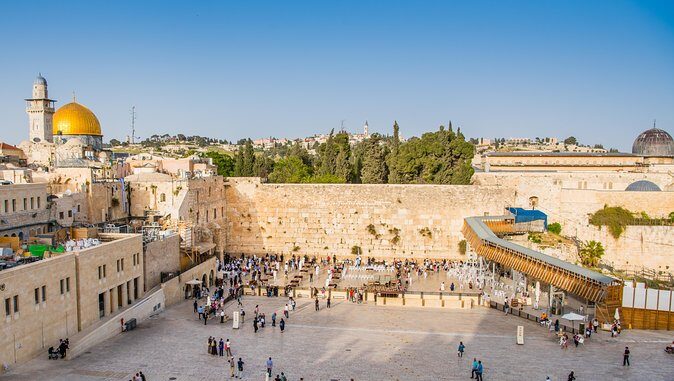
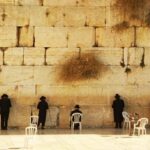
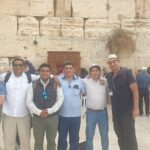
Then you hit the Western Wall, one of the most important Jewish sites. The visit is brief, but it’s the kind of stop where you’ll naturally read the crowd and the mood. If you’re hoping for quiet reflection, aim to be patient and flexible.
The route continues through the Christian Quarter, then onto the Via Dolorosa for selected stations of the Cross. Instead of attempting the entire walking devotion, you cover parts of it, which keeps the schedule moving.
Finally, you end at the Church of the Holy Sepulchre. You’ll get about 30 minutes here. That is enough to see what you came for, but not enough if you want to linger in every chapel. If lines are long on the day you go, your best strategy is mental flexibility: accept that the famous places come with crowds and line-waiting.
A quick reality check about time
The Old City portion is packed into a single day segment. If you’re the type who likes to stop often for photos, sit for a long moment, or ask extra questions, this section may feel tight. In the past, some groups on similar tours have found that larger group size can turn “guided” into “listen when you can.” Your best move is to keep your spot near the front during the walking portions.
Bethlehem: The Church of the Nativity and How to Avoid Mismatch Surprises
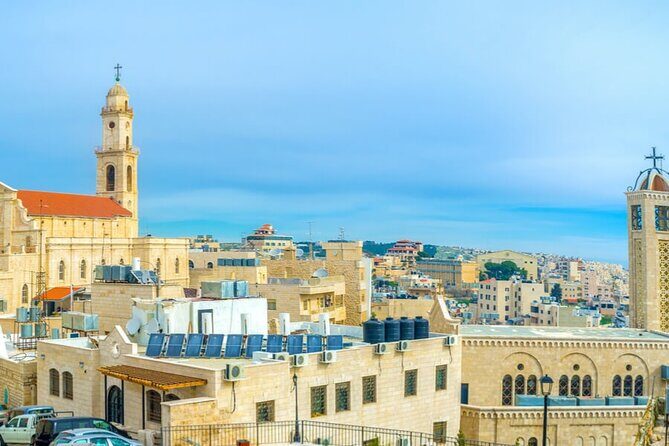
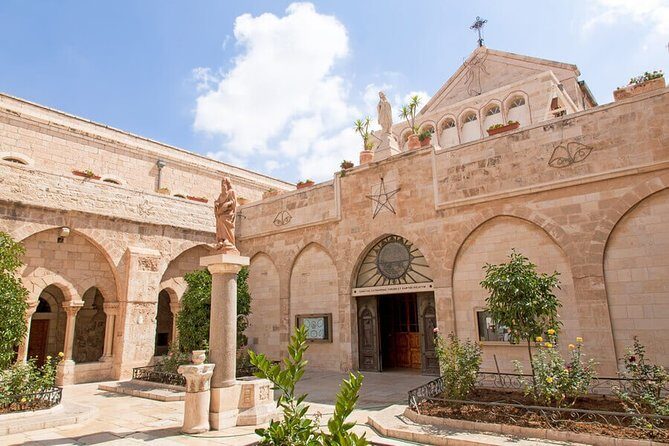
Bethlehem is the other heavy hitter in day one. You’ll head there after the Old City circuit, with roughly 2 hours for Bethlehem, followed by a 40-minute visit to the Church of the Nativity.
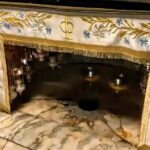
The Church of the Nativity is usually the reason people make the trip. It is central, iconic, and historically layered. Even if you’ve read about it before, the atmosphere inside is what sticks. Think of it as a place where you need to let your eyes do the work. You’re not just collecting facts; you’re taking in a setting that people travel across continents to stand inside.
The itinerary also includes an option to visit the Church of St. Catherine of Alexandria, but it comes with a separate ticket if you go. If you care about that extra site, plan your energy for it and double-check what is actually feasible on your departure date.
What to do if you have extra Bethlehem dreams
A few Bethlehem-area sites, like the Milk Grotto and Shepherds Fields, are common add-ons people hope for. On this kind of tour, those extras may not always be included depending on timing and the day’s schedule. If you have a must-see list beyond the Church of the Nativity, ask your guide what’s on the day you’re traveling. It’s the fastest way to avoid disappointment.
Also, there can be time spent in shops and line areas. That’s normal in this region, but it can eat into sightseeing if you’re hoping for maximum time inside holy sites. If you want souvenirs, buy small and buy quick. If you don’t care, don’t let stop time trick you into feeling like you missed something essential.

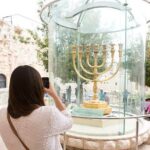
Masada: Cable Car Up, Views That End Arguments, and Herod’s Palace Ruins
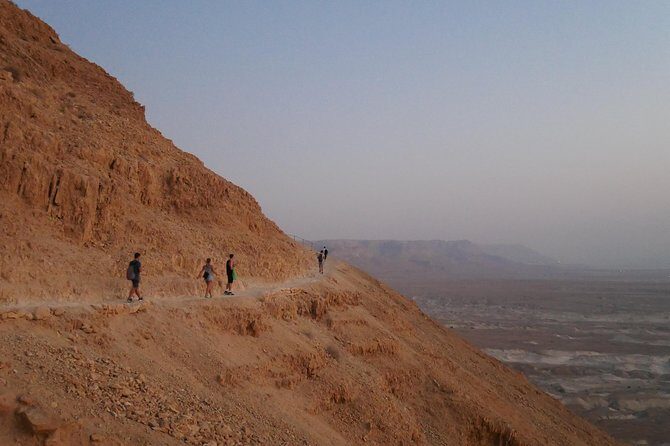
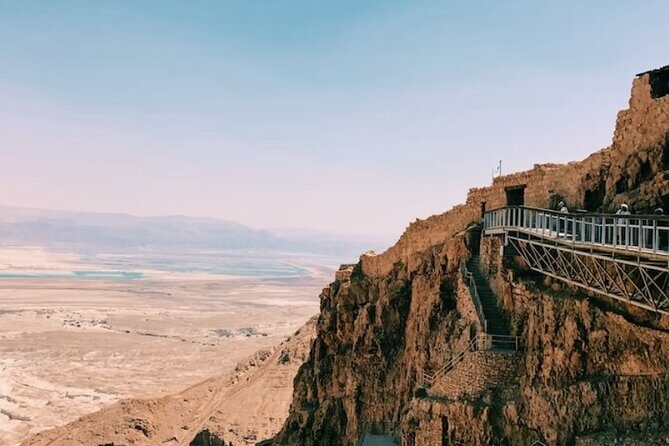
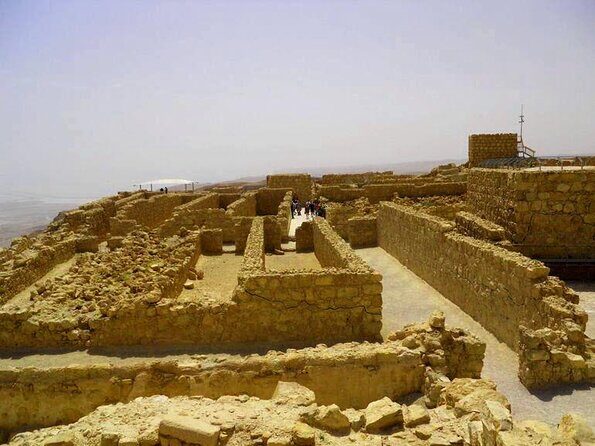
Day two starts with Masada National Park. The highlight here is clear: you’ll ascend Masada and explore the park. You should expect a cable-car ride as part of reaching the top, and once you’re up there, the views do most of the teaching.
Masada isn’t just dramatic for photos. It’s dramatic for context. You’re literally looking out over a harsh, ancient landscape that helps explain why fortress logic mattered. Even if you aren’t a history buff, the setting communicates scale and risk.
Then the tour includes Herod’s Palace (Herodium). This is a different angle on the same theme: power, building ambition, and the mix of spectacle and control in the Herodian era. The palace ruins are a strong add-on because Masada is the high-profile stop, but Herodium helps fill in the bigger story behind the power behind the place.
Some departures also include a look at Ein Gedi natural reserve. If that’s part of your day, it’s a nice palate cleanser after the fortress and ruins. It adds a bit of greenery and makes the Dead Sea region feel more three-dimensional.
How to make Masada easier on your body
Masada involves steps and standing. Wear comfortable shoes and expect sun exposure. If you’re traveling in hot weather, bring sun protection even if you think you’ll be in motion the whole time. The cable car gets you up, but the top is where you feel the heat.
Dead Sea: Float, Mud Bath, and the Qumran Connection
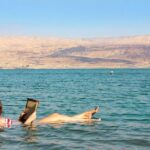
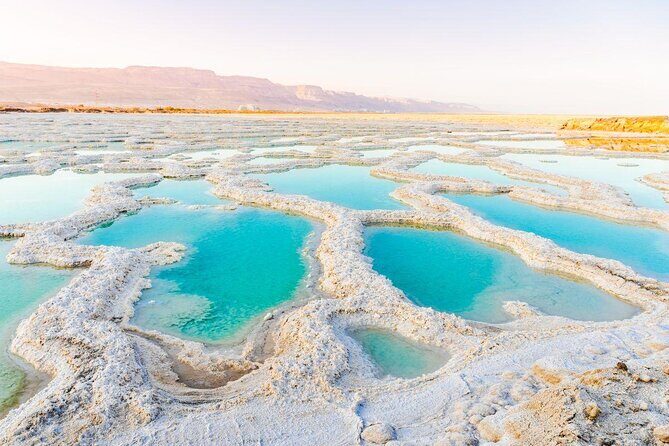
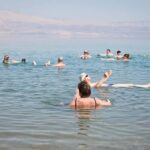
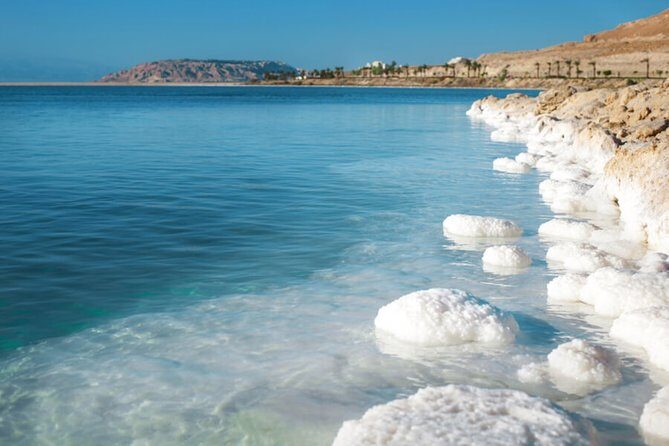
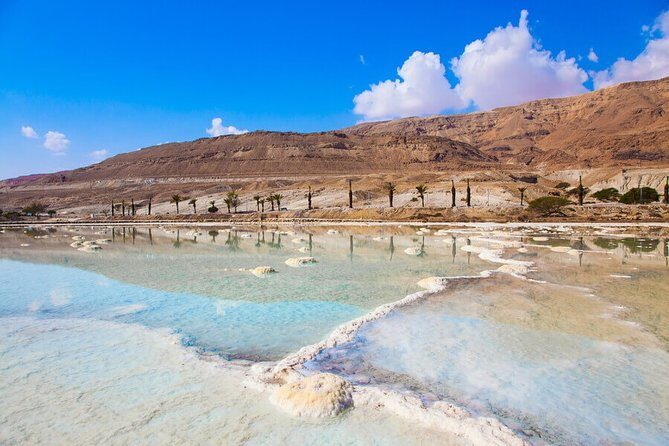
The day’s finale is the Dead Sea. You’ll have about 2 hours here, and the mud bath and float are included. This is one of the few sightseeing experiences where you’re not just looking. You’re participating.
Mud bath time is part of the fun, and it also helps you understand why this place is famous. Then the float is the payoff. Even if you know the science, it still feels weird in a good way to float like you’re in a slow-motion dream.
Before Dead Sea time, the tour also highlights Qumran and the Dead Sea Scrolls. That connection matters because it turns your trip from a purely physical experience into a historical one. You get to see how the region is tied to some of the most famous manuscript discoveries connected with the ancient world.
And don’t forget practical essentials. Bring your bathing suit and towel, plus hats and sun protection. The tour specifically recommends these, because the Dead Sea experience is a mix of sun, water, and staying comfortable while you do something very specific.
The Real Logistics That Make or Break This Tour
Walking and how long you’ll stand
This is a walking-heavy itinerary with lots of short stops. Comfortable walking shoes are strongly advised. Even if each location is only 20 to 40 minutes, you still spend a lot of time moving between them.
Also, some of the stops are in places where you cannot control crowd flow, like major churches and holy sites. If you hate waiting, bring a calm mindset. You’ll still get what you came for, but you may spend more time in lines and transitions than you expect.
Dress code and entry rules
If you’re going into places of worship, you must dress respectfully. The requirements are simple: avoid shorts, and cover knees and shoulders for both men and women. If you ignore this, you risk being refused entry. It’s not worth gambling.
Group size: up to 40
The tour can run with up to 40 people. That’s the biggest reason the experience can feel rushed on the Old City and Bethlehem parts. If you want space to hear everything the guide says, try to stay near the front during the walking segments. And for photos, choose moments when your group is paused rather than during a move.
Guides and What Their Style Changes
One of the best things about this tour when it goes well is the guide. Some departures have standout personalities. Names that show up in past experiences include Amir Call Or and Shmil, and another guide name that has been mentioned is Osi.
What matters for you is not the name—it’s the delivery. On a tour with compressed timing, a guide who can keep the story clear and the pace controlled makes all the difference. If your guide is having to manage larger groups or multi-language needs, it can shift the rhythm.
A practical tip: prepare a short list of questions you want answered, like how to interpret a specific religious site or what to focus on at Masada. A guide who’s organized can answer those quickly and make your time feel more personal.
Price and Value: When $360 Actually Works for You
At $360 per person for about two days, the question isn’t whether it’s cheap. It’s whether it’s fair given what you get.
Here’s what’s included:
- breakfast
- professional guide
- air-conditioned vehicle
- hotel pickup and drop-off
- overnight accommodation
- Dead Sea experience (mud bath and float)
Food and drinks aren’t included unless specified, so budget meals separately.
Who gets the best value
You’ll feel the best value if you:
- want a structured route without map headaches
- appreciate having someone explain what you’re seeing
- prefer pickup and planning over independent transport
- are okay with a “see the highlights” pace
If you’re the type who likes to linger for hours in one place, you may find you’re paying for access to many places rather than time in your favorite ones. In that case, you could still book, but plan to add extra free time later.
Should You Book This 2-Day Best of Israel Tour?
Book it if you want a guided, efficient way to hit Old Jerusalem, Bethlehem, Masada, and the Dead Sea without arranging transport between them. The combination of guided religious sites, fortress-scale views, and hands-on Dead Sea time is a strong mix, and hotel pickup plus an overnight stay reduces a lot of trip friction.
I’d hesitate only if you strongly prefer slow travel, quiet reflection, or deep time in one church or one neighborhood. The schedule moves. Crowd conditions can’t be controlled. And in a group of this size, you’ll want to stay engaged and flexible to get the most out of it.
If you do book, go in with two strategies: dress properly for entry, and keep your expectations tuned to a highlight route. That way, you’ll enjoy the parts that work best here—especially Masada and the Dead Sea.
FAQ
What time does the tour start?
The start time is 8:30 am.
What’s included in the price?
Included are breakfast, hotel pickup and drop-off, a professional guide, an air-conditioned vehicle, overnight accommodation, and the Dead Sea experience (mud bath and float).
Do I need a passport for Bethlehem?
Yes. A current valid passport is required for a visit in Bethlehem.
What dress code should I follow?
You need a moderate dress code for places of worship and selected museums. Avoid shorts. Knees and shoulders must be covered for both men and women, or you may be refused entry.
Is food included?
No. Food and drinks are not included, unless specified.
What happens if weather is poor or the tour needs to cancel?
The tour requires good weather. If it’s canceled due to poor weather, you’ll be offered a different date or receive a full refund. You also can cancel up to 3 days in advance for a full refund.