REVIEW · JERUSALEM
Jerusalem Walking Tour
Book on Viator →Operated by Genesis Boutique Travel · Bookable on Viator
Jerusalem’s Old City feels endless until it doesn’t. This walking tour is a no-drama way to see the big names fast, while still making sense of how the city layers Romans, Jews, Christians, and Muslims in one tight circuit. I like that it stays practical and keeps moving without turning into a history lecture marathon.
I also love that you get a focused run through places that matter to multiple faiths, from the Western Wall area to the Church of the Holy Sepulcher. One thing to consider: parts of the route can be busy and a little tricky underfoot, and your experience will depend a lot on the guide’s English clarity and the pace they set.
If you want a simple plan for your first time in Jerusalem, this is a strong fit. Just don’t expect a slow stroll with long sit-down breaks. If you’re sensitive to crowds, plan for a bit of sensory overload inside the Old City.
In This Review
- Key Things You Should Know Before You Go
- Getting Oriented: The Mamilla Meet-Up and the Right Pace
- The Cardo: Roman Jerusalem’s Main Street, Right Where You Can See It
- Broad Wall and the Jewish Quarter: Defensive Stones and Living Neighborhoods
- Western Wall: Pilgrimage Gravity and How the Tour Uses It
- Western Wall Tunnels Add-On (25 NIS) If You Want the Underground Angle
- Temple Mount Viewing and the Southern Wall: Watching the Holy Sites from the Route
- Cenacle and King David’s Tomb: The Upper Room and the Story Anchor
- Pools of Bethesda and Via Dolorosa: Healing Traditions and the Way of the Cross
- Church of the Holy Sepulcher: Where the Crossed Paths of Christianity Meet
- Ending in the Arab Market: Local Life After the Holy Stops
- Price and Value: Is $89.99 Worth It?
- Who This Tour Suits (and Who Might Want a Different Plan)
- Best Use Strategy: How to Get the Most Without Feeling Rushed
- Should You Book This Jerusalem Walking Tour?
- FAQ
- What is the duration of the Jerusalem Walking Tour?
- What is the price per person?
- What sights are included on the tour route?
- Are the Western Wall Tunnels included?
- Where does the tour start?
- Is the tour private?
- What if the weather is bad?
- Can I cancel for a full refund?
Key Things You Should Know Before You Go
- Two to three hours, tightly planned: short stops that add up to a full-feeling Old City walk
- Western Wall Tunnels are optional: add-on is 25 NIS per person if you book in advance
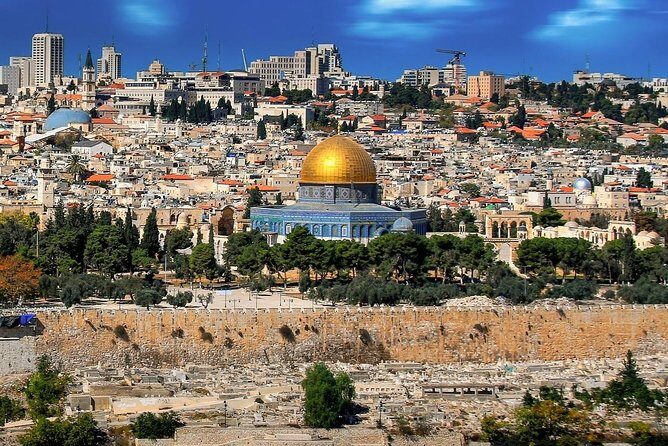
- Temple Mount viewing is included: you’ll get a chance to see it from the route’s perspective
- Your finish is the Arab Market: you end right where local life mixes with visitors
- Guide quality matters: one guide name that comes up is Harley, praised for clear, organized explanations
Getting Oriented: The Mamilla Meet-Up and the Right Pace
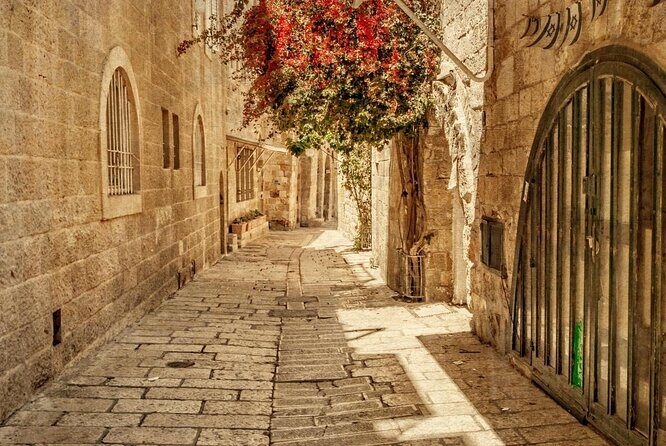
Meet your group at Alrov Mamilla Avenue 8, in the Mamilla area. It’s a good starting zone because it puts you near the edge of the Old City approach, without forcing you to navigate confusing side streets before you even start. The tour ends back at the meeting point, which is a relief when you’re juggling dinner plans.
The time on the clock is about 2 to 3 hours. That matters because Old City time can disappear fast: lines, uneven sidewalks, and the simple fact that you’ll want to look up. This route is designed for a steady walking pace and quick orientation stops, so you leave with a mental map, not just photos.
Also note the style: it’s described as generally the least demanding approach and most travelers can participate. That doesn’t mean it’s stroller-free or slow. It just means the route is structured so you’re not committing to an all-day trek.
You can also read our reviews of more walking tours in Jerusalem
The Cardo: Roman Jerusalem’s Main Street, Right Where You Can See It
Stop number one is the Cardo, the famous Roman-era main street. Seeing it early helps a lot. It sets the framework for the rest of the walk: Jerusalem wasn’t always the walled city you picture from postcards. It grew and changed, and the street grid from ancient times still shapes how you move through the Old City.
In practical terms, the Cardo is a great warm-up. You’ll get your eyes used to the density of the Old City, and you’ll start noticing where older stones and later buildings share space. It’s the kind of start that helps you understand why the city feels layered—because it literally is.
If you’re the type who needs context before entering sacred sites, start here. It’s easier to process everything after you’ve seen what a city street used to mean.
Broad Wall and the Jewish Quarter: Defensive Stones and Living Neighborhoods
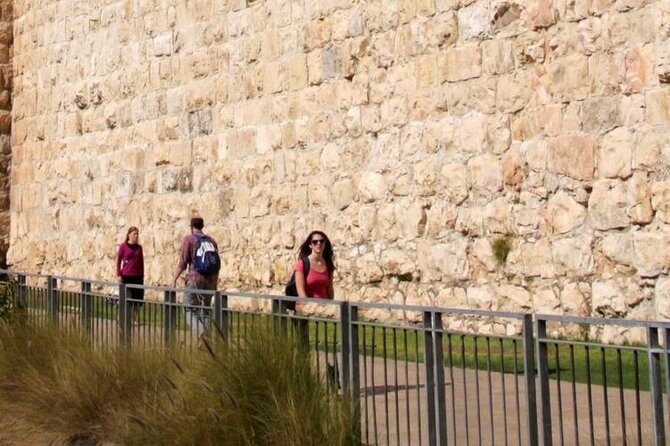
Next up is the Broad Wall, an ancient defensive wall built around Jerusalem. You might think of walls only as barriers, but walls also tell you who feared what, and when. This is one of those stops that feels short on paper and big in impact, because it reminds you that Jerusalem has always been contested.
From there you move into the Jewish Quarter. This part is valuable because it’s not just museum mode. You’re walking through one of the traditional quarters of the Old City, and you can feel that Jerusalem isn’t only about monuments. It’s also about daily life inside ancient boundaries.
One practical consideration: the Jewish Quarter section can feel like a place where people are moving in multiple directions at once. If you want photos without interrupting foot traffic, keep your timing quick and your expectations realistic.
Western Wall: Pilgrimage Gravity and How the Tour Uses It
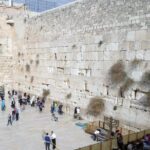
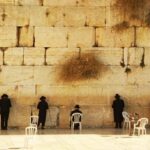
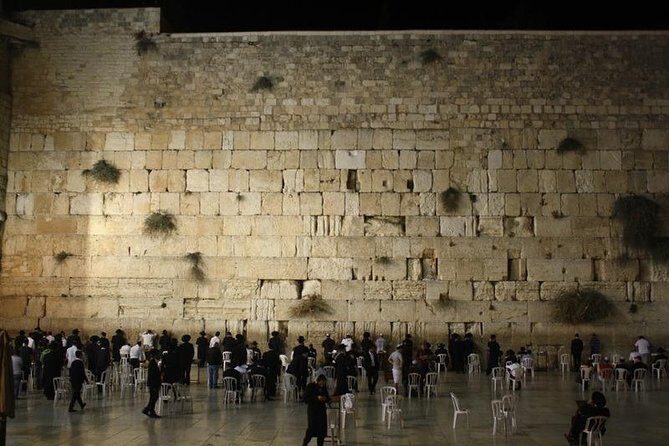
The big draw here is the Western Wall, the holiest site of Judaism and a pilgrimage destination for millions. Even if you’ve seen pictures, standing nearby is different. The energy is not academic—it’s communal, spiritual, and highly focused.
This tour keeps the time efficient. It’s not trying to replace a longer visit where you linger for hours. Instead, it helps you understand the site’s place in the broader map of the Old City. That’s why it works well as a first-time plan.
If you’d like to make it even more complete, there’s an optional upgrade.
Western Wall Tunnels Add-On (25 NIS) If You Want the Underground Angle
You can add the Western Wall Tunnels if you arrange it in advance. The add-on is 25 NIS per person, and the note says it needs to be booked ahead (at least a week in advance). If you’re the kind of traveler who loves archaeology and underground spaces, this is worth considering.
But don’t assume it’s automatic. This tour includes the main sights on the route, and tunnels are a separate ticket-like experience. If tunnels matter to you, plan for that extra step early.


Temple Mount Viewing and the Southern Wall: Watching the Holy Sites from the Route
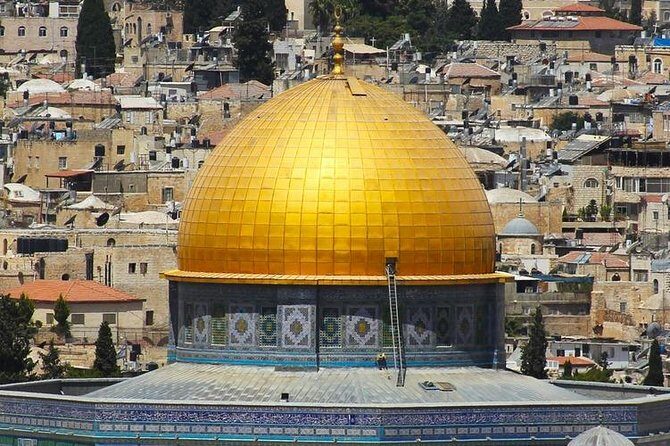
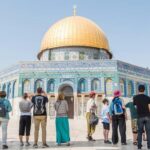
The Temple Mount is part of the route’s viewing, and the tour specifically includes the Southern Wall and its excavations. That Southern Wall area is tied to King Herod, and the excavations are described as among the most important tourist sights in Jerusalem.
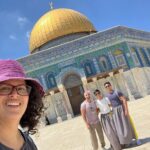
This portion is where you get a shift from “look at a landmark” to “understand why the ground matters.” The Temple Mount complex is politically and emotionally sensitive, so the best approach is to stay observant, follow your guide’s pacing, and remember that you’re seeing the site through the practical limits of access from the walkway.
Also, even with viewing included, you may not get the same kind of close-up experience as a dedicated visit that spends more time there. Think of it as a strong introduction that points you toward what you might want to explore later with more time.
Cenacle and King David’s Tomb: The Upper Room and the Story Anchor
Next you’ll reach the Cenacle, also known as the Upper Room, traditionally linked to the Last Supper. This stop is short, but it’s powerful because it grounds the Christian Jerusalem narrative in a specific location.
Beside it is King David’s Tomb, considered by tradition to be the burial place of David. This pairing works well because it turns the walk into more than a list of sites. It becomes a story route: who came before, who gathered after, and how tradition preserves names in stone.
If you’re trying to connect the dots between Old City geography and religious storytelling, these two stops do that fast. They also give you a break from the toughest walking segments, since you’re mostly focused on a small cluster of sacred landmarks.
Pools of Bethesda and Via Dolorosa: Healing Traditions and the Way of the Cross
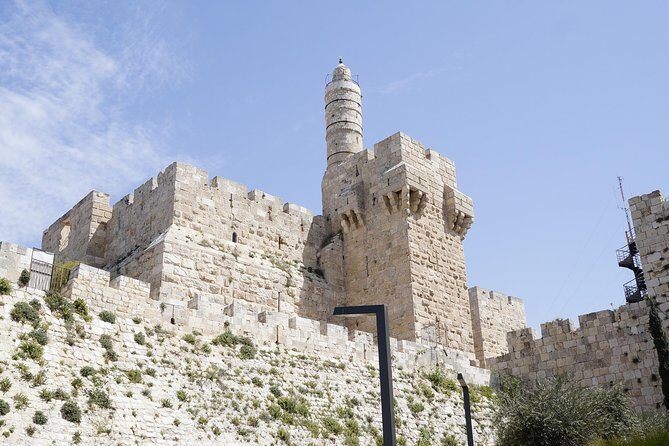
The Pools of Bethesda stop is about a New Testament healing story—the pool where Jesus is traditionally described as healing a paralyzed man. This is one of the stops that tends to make the city feel personal, because it shifts you from historical layers to narrative meaning tied to the physical place.
Then you continue to Via Dolorosa, the processional route traditionally believed to be the path Jesus walked on the way to crucifixion. Even if you’ve read the story before, walking toward and through parts of this route is a different kind of understanding. You experience it as a corridor of memory.
Two practical notes. First, the Old City can get congested here, so keep your pace and don’t expect to stop for long. Second, this section is emotionally heavy for many people, so it helps to stay respectful and keep conversations low-key.
Church of the Holy Sepulcher: Where the Crossed Paths of Christianity Meet
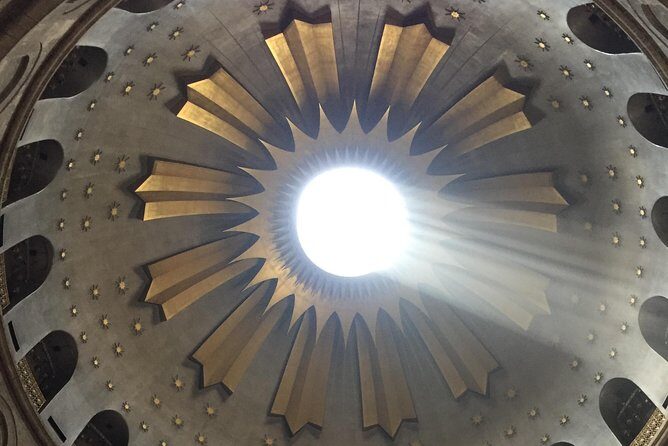
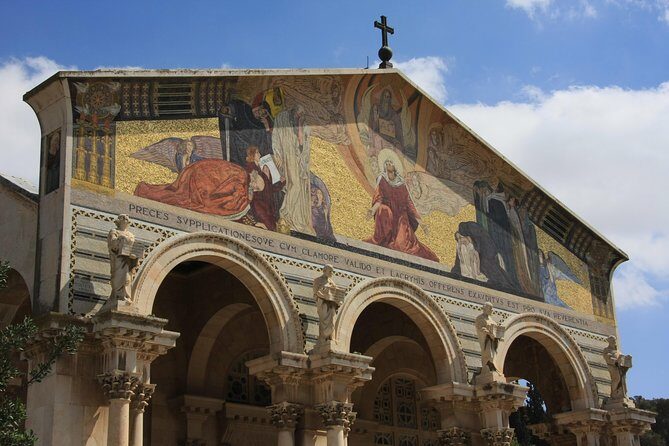
The Church of the Holy Sepulchre is described as the holiest site of Christianity, built on the site where Jesus was crucified (Calvary). This is the kind of place that can overwhelm your senses, even before you know what you’re looking at.
That’s why a guided walk helps. Your guide can help you orient yourself in a structure that can feel confusing because of its importance and layers. In a short time, you can still leave with the key orientation: where the major associations are and what the church is trying to hold in one space.
If you want a deeper visit, this is usually where you return later on your own with more time. But as part of a 2–3 hour overview circuit, it gives you the central reference point for first-time understanding.
Ending in the Arab Market: Local Life After the Holy Stops
The tour exits via the Arab Market in the Old City. This is a smart way to end, because it switches gears from sacred sites to everyday hustle. You get color, fragrance, chatter, and the kind of street-level sensory data no museum can replicate.
If you’re hungry, this is also the time to decide what you actually want. Don’t over-plan. Walk a few steps, check what looks good, and go for something small if you’re still processing lunch after the morning’s walking.
For practical photo advice, I’d aim for quicker shots during the high-traffic moments and save longer looks for the quieter side lanes. The market can move fast, and you don’t want to get separated from your group at the end.
Price and Value: Is $89.99 Worth It?
At $89.99 per person for about 2 to 3 hours, you’re paying for three things: a guided route through dense geography, a selection of major Old City highlights, and the convenience of not having to stitch together your own plan. The tour also notes mobile ticket use and group discounts, which can help the value if you’re traveling with others.
This is not a bargain if you’re planning to spend hours in each sacred site. But it’s good value if you want the major hits with context and a clear path that doesn’t leave you wandering. The stop order also helps: Roman street, defensive wall, Jewish Quarter, Western Wall, Temple Mount viewing, Christian anchors, then Via Dolorosa and the Holy Sepulchre, finishing with the market.
If you care about the Western Wall Tunnels, factor in the add-on cost of 25 NIS per person and the need to book ahead. That one choice can turn this from a straightforward overview into a more archaeology-heavy experience.
Who This Tour Suits (and Who Might Want a Different Plan)
This works best for:
- First-timers who want a map of Jerusalem’s Old City in a short window
- Travelers who like guided explanations but don’t want to sit in one place
- People who want to cover major faith landmarks efficiently and then explore on their own afterward
It may not be the best match if:
- You dislike crowded religious sites or tight indoor spaces
- You need long stops for deep reflection
- You’re expecting a lot of free time between attractions
One more reality check: the reviews included both high praise and a low rating tied to English clarity and how the guide interacted with participants. That doesn’t mean it will happen to you, but it does mean you should treat the guide as a big variable. If you’re language-sensitive, consider confirming details early.
Best Use Strategy: How to Get the Most Without Feeling Rushed
To make this tour work for you, I’d do two things before you go. First, decide whether the Western Wall Tunnels add-on matters. If it does, plan ahead because it requires an advance booking window. Second, set expectations: this is an overview route. You’ll see a lot, but it’s not designed for sitting down in one place for ages.
During the walk, focus on connections. Notice how the route moves from ancient street remains into living quarters, then into pilgrimage sites, and finally to the market. When you see that pattern, the Old City stops feeling like random stops and starts feeling like a coherent city.
Should You Book This Jerusalem Walking Tour?
I’d book it if you want a reliable first pass through the Old City with context, not chaos. The value for $89.99 comes from the tight route, major landmarks, and the smart ending in the Arab Market. It’s also a good option when you’re short on time but still want the key religious geography.
If you want a slow, sacred retreat style visit, you’ll probably want a different format with more time at fewer sites. And if Western Wall Tunnels are a must, book that add-on early so you’re not stuck missing the underground piece.
Overall, this is a practical, scene-and-story route through Jerusalem that helps you get your bearings fast.
FAQ
What is the duration of the Jerusalem Walking Tour?
The tour runs about 2 to 3 hours.
What is the price per person?
The price is $89.99 per person.
What sights are included on the tour route?
The tour includes stops at the Cardo, Broad Wall, Jewish Quarter, Western Wall, Southern Wall at the Temple Mount area (with Temple Mount viewing), Cenacle (Upper Room), King David’s Tomb, Pools of Bethesda, Via Dolorosa, and the Church of the Holy Sepulchre, plus exiting through the Arab Market.
Are the Western Wall Tunnels included?
No. Western Wall Tunnels are not included in the base tour. You can add them for 25 NIS per person if you book in advance.
Where does the tour start?
The meeting point is Alrov Mamilla Avenue 8, Jerusalem.
Is the tour private?
Yes. It is listed as private, and only your group will participate.
What if the weather is bad?
The experience requires good weather. If canceled due to poor weather, you’ll be offered a different date or a full refund.
Can I cancel for a full refund?
Yes. You can cancel up to 24 hours in advance for a full refund, with no refund if you cancel less than 24 hours before the start time.