REVIEW · ASHDOD
2024 Jerusalem & Bethlehem from Ashdod Port Small Groups
Book on Viator →Operated by Compass Travel Israel · Bookable on Viator
Jerusalem and Bethlehem pack a lot of meaning into one day. This Ashdod Port small-group excursion is built for cruise schedules, with a timed pickup and a guided route that hits the big-ticket sights—while still giving you practical context so the stories make sense.
I especially like the ship-coordinated pickup and return. It matters when you’re on a cruise and can’t afford a missed meeting window. I also like the guided narration—this tour is led by a government-licensed English-speaking guide, and the best versions of the day are run with guides such as Yaniv, Avi, or Abraham, who tend to connect what you’re seeing to what the texts say and how the sites fit into modern life.
The main drawback is that it’s a long, structured day with multiple religious sites, timebox stops, and a strict dress code. If you don’t like crowds, waiting, or walking through tight Old City lanes, plan for a faster pace than you might expect.
In This Review
- Key things to know before you go
- From Ashdod Port: pickup that actually fits your cruise
- Mount of Olives views and Gethsemane’s quiet intensity
- Mount Zion: King David’s Tomb and the Room of the Last Supper
- Old City Jerusalem: Cardo, Armenian and Jewish quarters, and the Kotel
- Via Dolorosa and the Church of the Holy Sepulchre
- Western Wall: what makes it different from other walls
- Bethlehem’s Church of the Nativity and Manger’s Square
- A small-group day: pace, walking, and how to survive it
- Price and value: is $225 fair for this route?
- Should you book this Ashdod-to-Bethlehem day trip?
- FAQ
- How long is the Jerusalem and Bethlehem tour from Ashdod Port?
- Where do we meet for pickup in Ashdod?
- Is pickup and drop-off included for cruise passengers?
- What’s the group size?
- Is the tour in English?
- Are food and drinks included?
- Is there a dress code?
- Do I need good weather?
Key things to know before you go
- Max 18 people keeps the day from turning into a herding exercise, and it helps the guide manage the group through busy areas.
- A/C vehicle transfers make the between-sight driving much more comfortable, especially when weather is warm.
- Dress code is real: knees and shoulders must be covered; no shorts or sleeveless tops for places of worship.
- You’ll see both Old City Jerusalem and Bethlehem in one run, so expect back-to-back highlights rather than lingering.
- Cardo (Roman Road) + Western Wall are built into the route, so you get more than just churches.
- No food is included (lunch isn’t part of the package), so you’ll want a plan for breaks.
From Ashdod Port: pickup that actually fits your cruise
This tour starts at the Port of Ashdod, with pickup arranged to match your ship’s schedule. Your guide is supposed to be waiting at the exit arrival terminal with a COMPASS sign, and the group is picked up and driven out from there in a comfortable, air-conditioned vehicle.
That cruise-timed logistics piece is the value you’re paying for. When you’re traveling from a port with limited shore time, the difference between a smooth meeting and a stressful one can be huge. I’d still give yourself extra minutes at the terminal—small-group tours can run on tight timing, and meeting issues are usually solvable, but only if you’re already there.
You can also read our reviews of more tours and experiences in Ashdod.
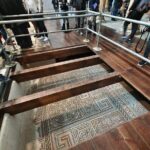
Mount of Olives views and Gethsemane’s quiet intensity
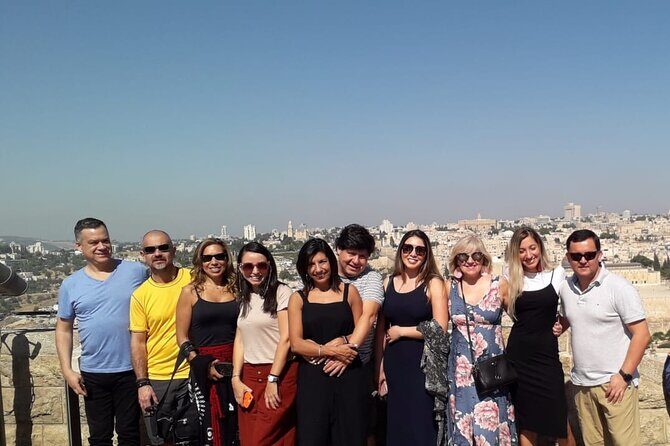
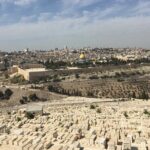
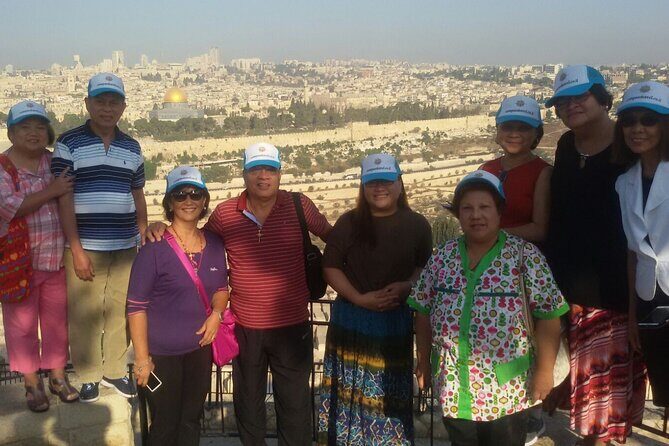
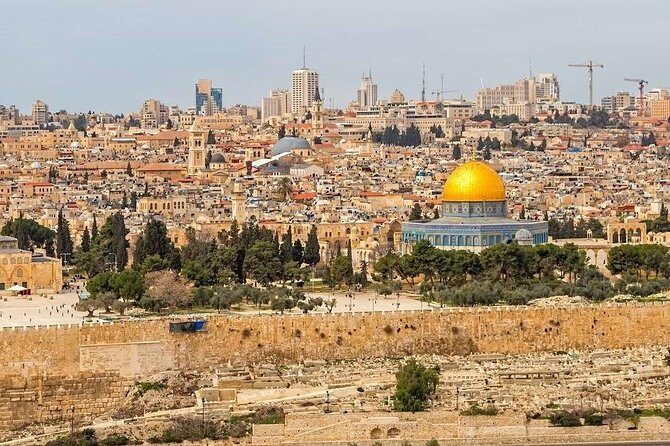
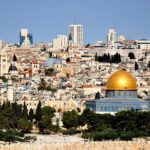
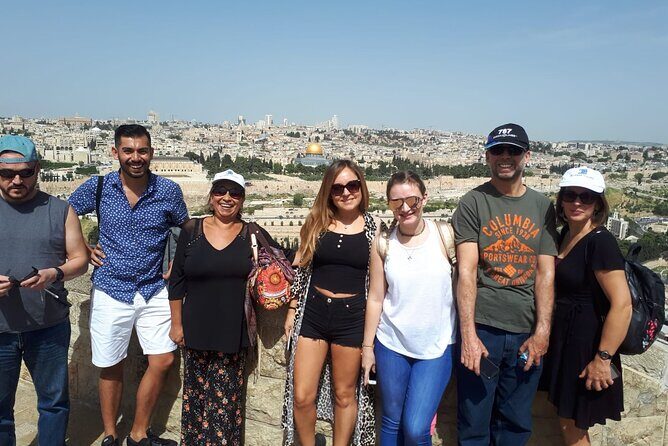
The first real “wow” moment comes at the Mount of Olives. From up high, you get panoramic views of Jerusalem, with the Mount of Olives acting like a divider between the Temple Mount area and the Judean Desert to the east. The guide will connect what you see now with the New Testament scenes tied to that hillside.
You’ll also get the theological geography, not just sightseeing. The tour frames the Mount of Olives as the place linked to Jesus’ ascension (Acts 1:11) and also points toward the tradition of Jesus’ return. It may also reference the moment of weeping over Jerusalem (often connected with the Latin phrase Flevit super illam), which helps you understand why this location carries such emotional weight.
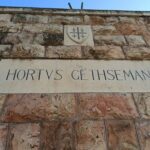
Then you move down to Garden of Gethsemane, at the foot of the Mount of Olives. This is one of those stops where the setting matters: it’s a garden space associated with Jesus’ agony and arrest before crucifixion, as described in the four Gospels. The site includes small olive groves on church property, arranged as adjacent areas identifying with the biblical Gethsemane.
Practical note: this portion is calm and reverent, but it still sits in a busy, sacred zone. Wear comfortable shoes. You’re likely to be walking over uneven stone at least a bit, and the day is only getting denser.
Mount Zion: King David’s Tomb and the Room of the Last Supper
Next up is Mount Zion, a stop with both religious and historical layers. You’ll visit King David’s Tomb and the Room of the Last Supper. The tour explains that Mount Zion can mean the city of Jerusalem in biblical usage, not only the hill itself, which is helpful because people use the term differently.
At King David’s Tomb, the guide also flags an important nuance: there’s no absolute certainty from archaeological or historical research that this is definitively the burial site of King David. That kind of honest context actually improves the visit. Instead of treating it as trivia, it makes you think about what people believed, why sites gained importance, and how tradition and evidence coexist.
Time here is about 30 minutes, so you won’t get a slow, reflective wander unless the group moves quickly. But even in a short stop, having someone explain what you’re looking at—plus what’s assumed versus what’s proven—helps you leave feeling informed rather than rushed.
Old City Jerusalem: Cardo, Armenian and Jewish quarters, and the Kotel
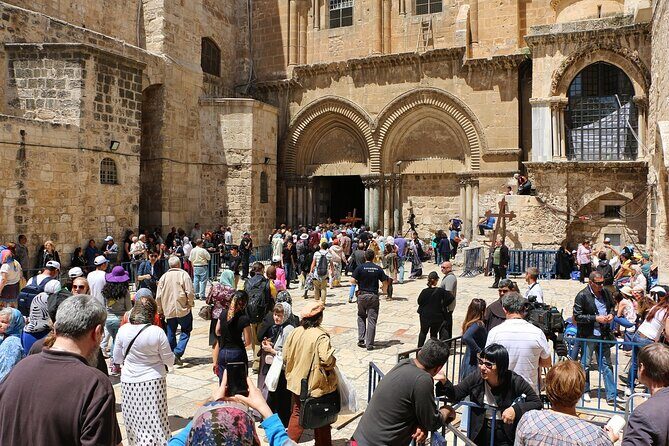
Old City Jerusalem is where the route starts feeling like a guided “greatest hits” tour. You’ll enter the Old City and walk through the Armenian and Jewish quarters, including a stop at the restored and excavated Cardo, the ancient Roman Road.
The Cardo matters more than you might think. It’s not just a pretty historic street. The tour connects the southern segment uncovered in the Jewish Quarter to the reign of Emperor Justinian (527–565), describing it as a continuation that links older Roman sections. That’s the sort of detail that turns a walk into a timeline.
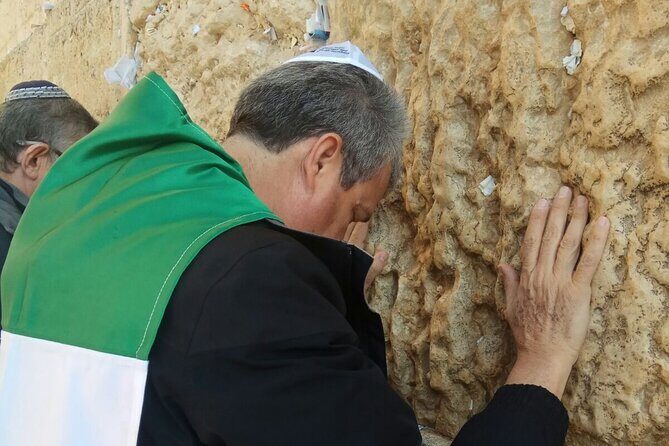
You’ll also see the Jewish Wailing Wall, often called the Kotel. This is a small segment of a longer ancient retaining wall, and the tour explains why it’s so significant: it’s tied to the Temple Mount area. Because Temple Mount entry has restrictions, the Western Wall area becomes the holiest place where Jews are permitted to pray—so when you look at it, you’re looking at living religious practice, not just a monument.
Timebox reality: the Old City portion is generous at about 2 hours, but that’s still not “hang out for an hour taking photos” time. Expect groups, security checks in places, and tight lanes. If you’re someone who wants fewer inputs and more wandering, this is the part you may feel most “on schedule.”
Via Dolorosa and the Church of the Holy Sepulchre
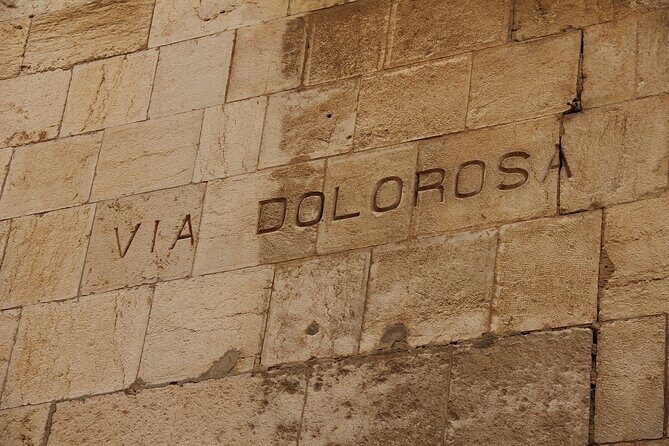
After the Cardo and Kotel areas, the route takes you into the Christian Quarter, where the walk includes Via Dolorosa. The tour frames Via Dolorosa as the processional path associated with the way Jesus is believed to have been taken toward crucifixion. It’s called the Sorrowful Way in Latin, and you’ll find ritual and religious storytelling tied to the route.
Then you visit the Church of the Holy Sepulchre, which is the most sacred site for millions of Christians. The tour describes it as the place of crucifixion, burial, and resurrection, tied to traditions going back to the identification of Calvary/Golgotha. The guide may reference Helena’s role in identifying the location, and it’s also explained that Golgotha means skull in Aramaic (and Calvary in Latin roots).
Here’s the honest practical part: this church can be crowded, and movement inside can feel slow even when you technically “arrive.” Your guide’s job is to keep the group together and help you interpret what’s in front of you without getting lost in the noise. This is one of those stops where having an English guide who can translate the meaning of each area into plain talk makes a real difference.
If you want to hear every word, consider packing small earbuds. One review noted that a microphone and earbuds would help in some segments. Even if your guide speaks clearly, church acoustics plus crowd levels can make audio tricky.
Western Wall: what makes it different from other walls
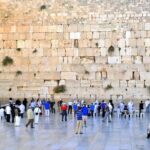
The tour includes a dedicated stop at the Western Wall again, with about an hour here. If you’re wondering why you’d see the Kotel and the Western Wall separately, here’s the likely reason: you get time for both the overview and then a more focused look at prayer areas.
The guide’s framing is worth your attention. The Western Wall’s holiness is tied to its proximity to the Temple Mount. The tour also emphasizes that the most sacred foundation area lies behind the wall, and the practical restriction around Temple Mount access is why the Wall area functions as the main prayer space.
In real terms, this is not a place where you just stroll and move on. You’ll see people praying, reading, and standing quietly. That changes the feel of the visit. It also means you should keep your pace respectful—don’t treat it like a fast photo stop.
Bethlehem’s Church of the Nativity and Manger’s Square
Then you head to Bethlehem, where the focus shifts from panoramic Jerusalem views to the heart of the Nativity story. The tour includes an overview connected to Shepherds’ Field and then takes you to the Church of the Nativity and Manger’s Square.
The Church of the Nativity includes a grotto associated with the birth of Jesus. The tour explains that it’s considered the oldest continually used site of Christian worship, which is a big reason pilgrimages still flood here. The meaning becomes tangible because you’re standing in a space with layers of devotion stacked over centuries.
If you care about both story and location, this stop is strong. You’ll also get the Gospel-linked connection that places Jesus’ birth in Bethlehem, and the tour points to Luke’s account of a manger because there was no room elsewhere.
Time is about one hour here. That might sound short, but the site is dense with significance. If you go in expecting a quick photo-op, you’ll miss what makes it special. Instead, go in ready to slow down your thoughts and watch how the place is used.
A small-group day: pace, walking, and how to survive it
This is a small group tour with a maximum of 18 people. That’s usually a sweet spot: big enough to feel lively, small enough that your guide can actually respond when someone has a question.
Still, the structure matters. The itinerary is broken into multiple 30-minute stops plus longer segments at key locations. The day is long—about 8 to 10 hours—and you’ll do walking in Old City lanes and in and around churches. Add the dress code compliance check at worship sites, and you can see why a packed schedule works best when you’re flexible.
My practical tips:
- Wear shoes you can walk in for hours on mixed stone and uneven ground.
- Bring a plan for snacks or water since food and drinks aren’t included.
- Keep your shoulders and knees covered even when you’re hot. You don’t want to risk being turned away.
Price and value: is $225 fair for this route?
At $225 per person, this tour isn’t cheap, but it can be solid value if you’re factoring in how cruise shore time works.
You’re paying for:
- Pickup and return transfers timed to your ship.
- Air-conditioned vehicle transport between Jerusalem and Bethlehem.
- A government licensed English-speaking guide.
- Admission is listed as free for the scheduled stops in the tour plan.
- The small-group format (max 18), which reduces waiting and friction versus a larger bus tour.
Where the price doesn’t help you: food and drinks aren’t included, and lunch isn’t part of the package. One review mentioned lunch being good but pricey, and another pointed out a lunch option that wasn’t great. Translation: plan to eat on your own terms. If you want value, budget for lunch separately or bring what you’re allowed to bring.
Overall, if you want the major sights in one day without wrestling with public transport from Ashdod, $225 can feel fair. If you hate structured days, it might feel expensive because you won’t “linger your way” through the highlights.
Should you book this Ashdod-to-Bethlehem day trip?
I think you should book if you want a guided, high-signal route that covers Jerusalem and Bethlehem in one long stopover day, and you value a cruise-ready pickup. The Mount of Olives and Gethsemane pairing is a great start, the Old City route gives you both Roman-era context (Cardo) and living Jewish tradition (the Kotel), and the Church of the Nativity is a must for many first-timers.
Skip it if you need a slow pace, dislike religious sites with crowds and rules, or you know you’ll struggle with a dress code when you’re already traveling all day. Also, if you’re easily rattled by tight meeting windows, arrive early at the port area so you don’t spend your first hour stressed.
If you do book, do one small thing that makes the day better: plan comfortable clothes that meet the dress requirements before you leave your ship. Then focus on listening. This tour shines when the guide turns each stop into a clear story you can actually follow.
FAQ
How long is the Jerusalem and Bethlehem tour from Ashdod Port?
The tour runs approximately 8 to 10 hours, timed to your cruise ship’s anchoring schedule.
Where do we meet for pickup in Ashdod?
The tour starts at the Port of Ashdod. Your guide waits at the exit arrival terminal with a COMPASS sign.
Is pickup and drop-off included for cruise passengers?
Yes. The tour includes pickup from Ashdod Port coordinated with your ship arrival time, and a return transfer coordinated with your ship departure time.
What’s the group size?
The tour has a maximum of 18 travelers.
Is the tour in English?
Yes. It includes a government licensed tour guide in English.
Are food and drinks included?
No. Food and drinks are not included, and lunch isn’t part of the package.
Is there a dress code?
Yes. You must cover knees and shoulders. No shorts or sleeveless tops are allowed for places of worship, and you may be refused entry if you don’t comply.
Do I need good weather?
Yes. The tour requires good weather. If it’s canceled due to poor weather, you’ll be offered a different date or a full refund.