REVIEW · JERUSALEM
Jerusalem of 3 Religions in Russian
Book on GetYourGuide →Operated by Atlantis Travel & Tourism LTD · Bookable on GetYourGuide
Jerusalem hits different when you walk it. This Jerusalem of 3 Religions tour is a focused way to connect the dots across Jewish, Christian, and Armenian parts of the Old City, then carry that same thread to major holy landmarks. I especially like that the route includes the Old City blocks rather than only one highlight, and I also like that you end with a meaningful stop at the Wailing Wall.
The main thing to consider is that this is a walking-heavy day on uneven stone. It is not recommended for people with limited mobility, and you will want sturdy shoes plus water since there is no food included.
In This Review
- Key things to know before you go
- Why This 6-Hour Route Works: Three Religions, One Logical Walk
- Where You’ll Start and How the Day Flows with Bus Transfers
- Jewish, Christian, and Armenian Old City Places: More Than One Photo Stop
- Mount Zion’s Cenaculum (Last Supper Room) and the Dormition Abbey Link
- The Via Dolorosa: Following the Last 5 Stops Toward Crucifixion and Resurrection
- Church of the Holy Sepulcher: Golgotha, Resurrection Chapels, and Denominations
- Wailing Wall Prayer Stop: Jewish Memories of the First and Second Temples
- Comfort Tips That Make or Break Jerusalem Walking Days
- Price and Value: Is $63 Worth It for This Amount of Sacred Ground?
- Who This Tour Fits Best (and Who It Doesn’t)
- Should You Book Jerusalem of 3 Religions in Russian?
- FAQ
- How long is the Jerusalem of 3 Religions in Russian tour?
- What price should I expect for this tour?
- What language is the live tour guide?
- Are food and drinks included?
- What should I bring?
- Is there any clothing rule I should follow?
- Is the tour suitable for people with limited mobility?
- Are children allowed on the tour?
- Is free cancellation available?
Key things to know before you go
- Three Old City areas in one outing: you’ll move between Jewish, Christian, and Armenian places.
- Mount Zion’s Last Supper tradition: you visit the Cenaculum area, also linked with the Dormition Abbey.
- Via Dolorosa’s late-stage route: the tour follows the last 5 stops leading toward the crucifixion and resurrection sites.
- Church of the Holy Sepulcher inside-and-out context: you’ll see why Golgotha and resurrection chapels matter for different denominations.
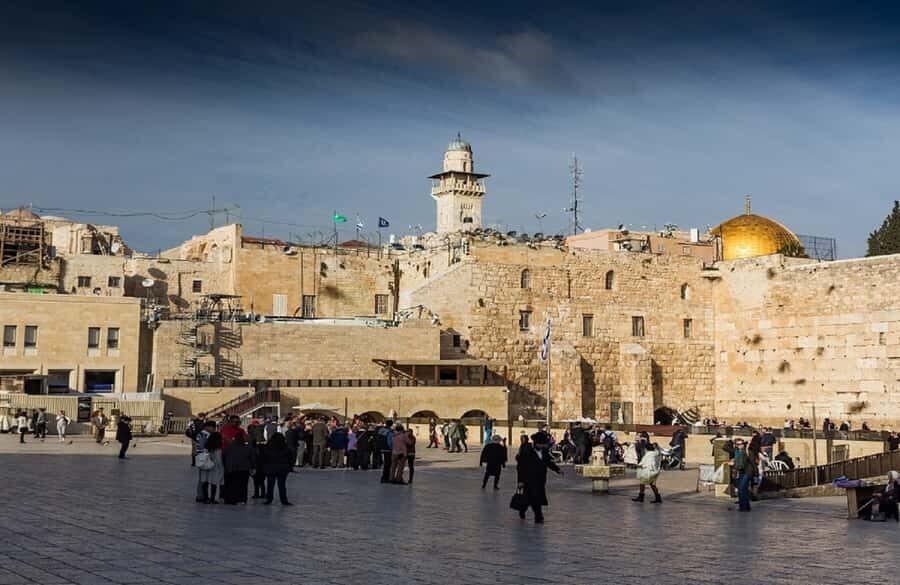
- A prayer moment at the Wailing Wall: you’ll pause at Judaism’s holiest site and learn the symbolism behind it.
- Russian live guide + bus transfers: a real guide in Russian helps you make sense of what you’re seeing.
Why This 6-Hour Route Works: Three Religions, One Logical Walk
For $63 per person and about 6 hours, this tour is built for travelers who want the big religious landmarks without spending the whole day guessing logistics. The value isn’t only that you cover famous sites like the Holy Sepulcher and the Wailing Wall; it’s that you also get the in-between parts of Jerusalem that explain how these faiths took shape in the same tight space.
What I like most is the pacing. You start with Old City blocks, then you move to the Christian core sites connected to the Passion story, and you finish at a place of prayer that anchors Judaism’s memory of the Temples. That order helps your brain store the day as one story instead of a checklist.
The one drawback is emotional intensity and crowding. Even with a guide, the Holy City can feel busy, and the stone streets add physical strain. If you prefer long quiet time in a single place, this may feel fast.
You can also read our reviews of more tours and experiences in Jerusalem.

Where You’ll Start and How the Day Flows with Bus Transfers
This tour uses bus transfers during the day, so you are not spending all 6 hours on foot getting between distant points. Pickup is included, and the stated meeting options are Sderot Haatsmaut 64; Keren HaYesod/Haim Moshe Shapira; Hagshama St 2. There is also a mention that Talpiot Market Haifa pickup is available only on Saturdays.
If you are planning around that, think of it like this: the tour is designed to be efficient, so you’ll want to be on time where you board. Once you’re in motion, your guide will keep the narrative moving from Old City blocks to Mount Zion and then toward the Via Dolorosa sequence.
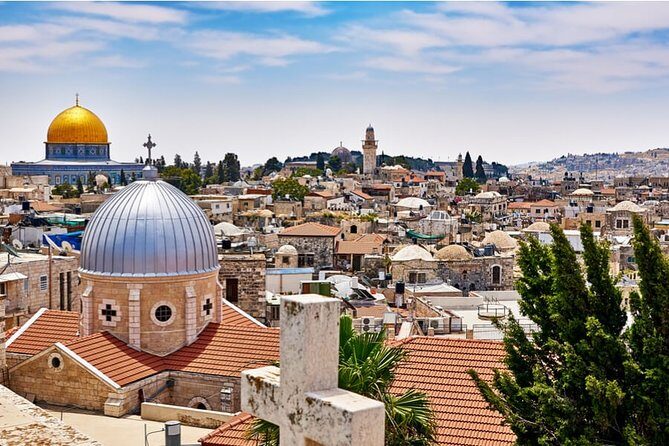
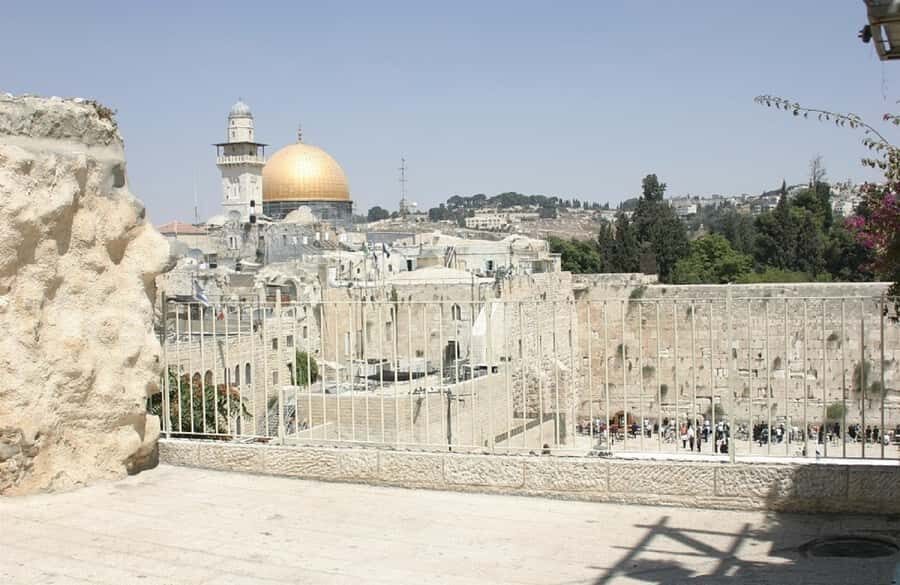
Also, you’ll see a panoramic view of historical and modern Jerusalem. That kind of viewpoint matters because it reminds you that you are not only visiting ancient walls—you’re standing in a city that is still living, growing, and changing.
Jewish, Christian, and Armenian Old City Places: More Than One Photo Stop
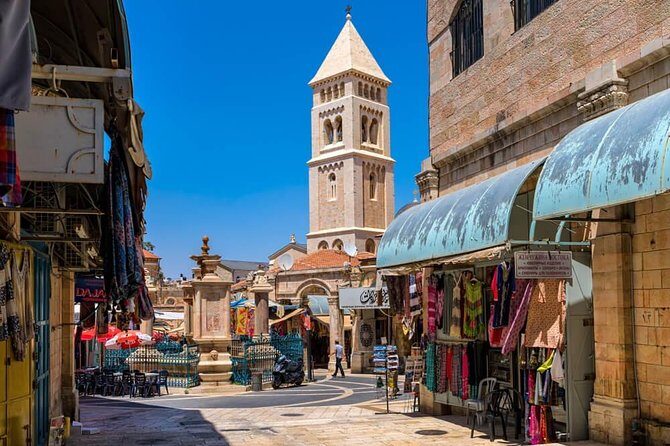
The Old City portion is the heart of the experience. Instead of only focusing on one site, you explore multiple blocks across the Jewish, Christian, and Armenian areas. For me, that is the smartest way to learn Jerusalem without getting stuck in a single corner.
Here’s what this approach helps you do:
- You understand how religious identity is shaped by geography. Different communities built their lives within specific neighborhoods.
- You get context for later stops. When you reach the more famous Christian sites, the older city layout makes more sense.
You also see an Old City “observation excursion” style movement, meaning you’re not just waiting behind barriers for long periods. You’re getting guided orientation—what you’re looking at, why it matters, and how it fits into the broader story of Jerusalem of the three religions.
One practical note: Old City walking tends to be uneven and slow. Bring that in mind if you feel your pace slipping on stairs or cobblestones.
Mount Zion’s Cenaculum (Last Supper Room) and the Dormition Abbey Link
Next you head to the Mount Zion area, where the tour visits the Last Supper Room, also known as the Cenaculum and associated with the Dormition Abbey tradition. This is a stop that can feel both historical and symbolic at the same time.
Why it’s valuable: it gives you the “before” phase of the Christian story. The Passion narrative on the Via Dolorosa feels heavy, but the Cenaculum tradition is part of the setup—connected to the Last Supper moment as Christians traditionally understand it.
Also, Mount Zion is a helpful transition location. You’re moving from the Old City blocks into a different part of Jerusalem that has its own religious atmosphere and viewpoints. If you like your tours with a clear storyline, this stop functions like a chapter break.
As with all holy sites in Jerusalem, the space can be active with prayer and visitors. Your Russian guide will help you understand what you’re looking at and where the tradition connects.
The Via Dolorosa: Following the Last 5 Stops Toward Crucifixion and Resurrection
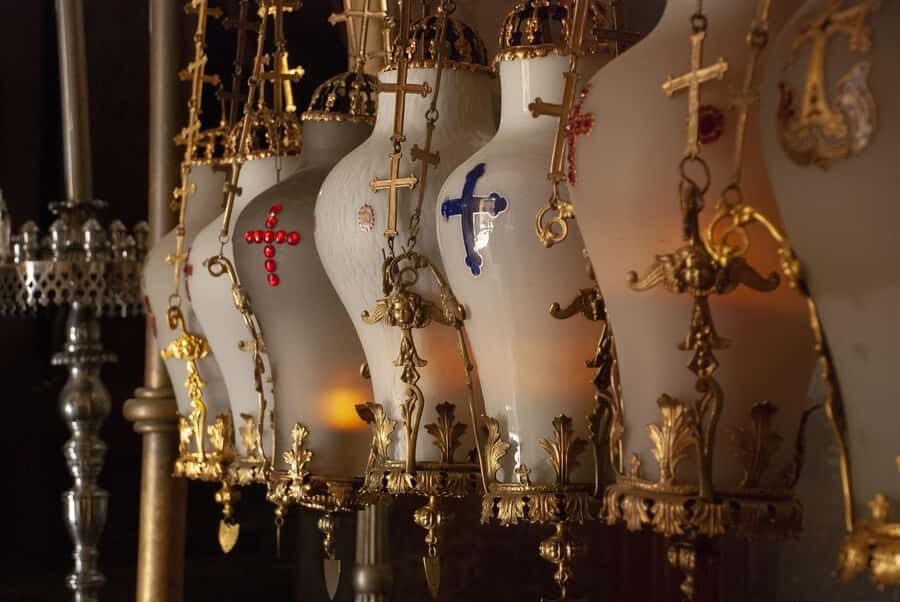
The tour then includes the Via Dolorosa, specifically the last 5 stops leading up to the place connected with crucifixion, death, and resurrection. This choice matters because it keeps the day focused: you’re not trying to walk the whole Via Dolorosa end to end.
What you’re really doing here is tracing a guided route through the Passion journey. Even if you already know the story, walking the sequence with context helps you see why certain segments became so meaningful. The “last 5 stops” framing also prevents the day from becoming endless repetition.
What to watch for:
- Street-level conditions can be crowded.
- You’ll likely spend time standing and moving slowly rather than walking quickly.
This is a good segment for travelers who like to understand the symbolism behind the route, not only the landmarks. Your guide’s job here is crucial, and that’s one reason this tour’s Russian narration is a big part of the value.

Church of the Holy Sepulcher: Golgotha, Resurrection Chapels, and Denominations
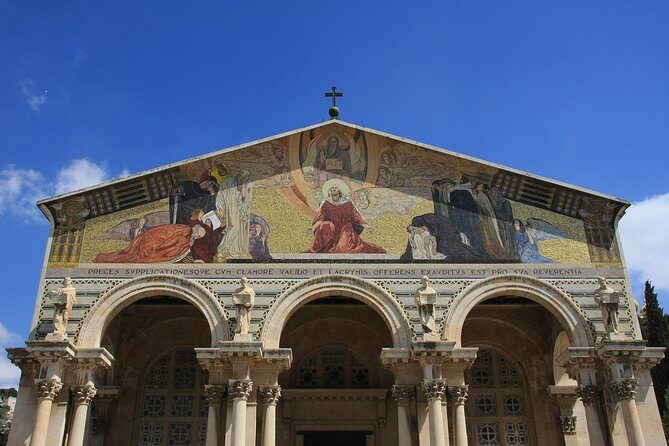
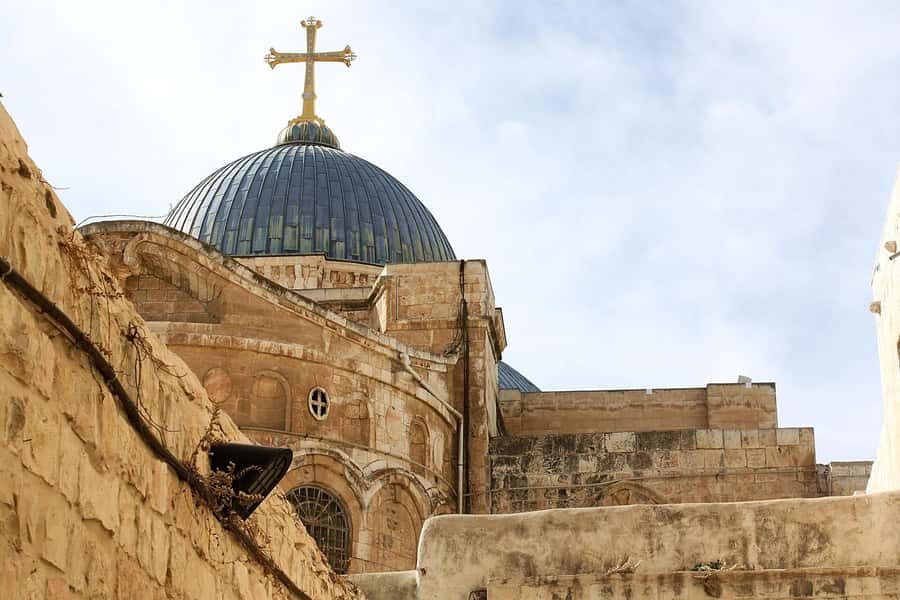
The Church of the Holy Sepulcher is one of the most important Christian shrines in the world, and you’ll visit it as a major centerpiece. The modern church stands where traditions link to Golgotha and where chapels connected to the resurrection story used to be.
Inside, the church includes numerous chapels and monasteries serving different Christian denominations. That means the experience is not only visual; it’s also practical and educational. You are seeing how different groups preserve and interpret the same sacred sites.
If you’re the kind of traveler who likes to leave with mental “maps,” this stop gives you that. You learn what parts are connected to the resurrection story and how the complex works as a shared holy space with multiple denominational traditions.
A word of realism: this is also a place where crowds form, and movement can slow down. If you get stressed in tight spaces, consider pacing your expectations for this stop and focus on the moments your guide highlights.
Wailing Wall Prayer Stop: Jewish Memories of the First and Second Temples
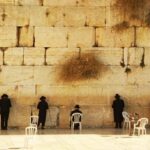
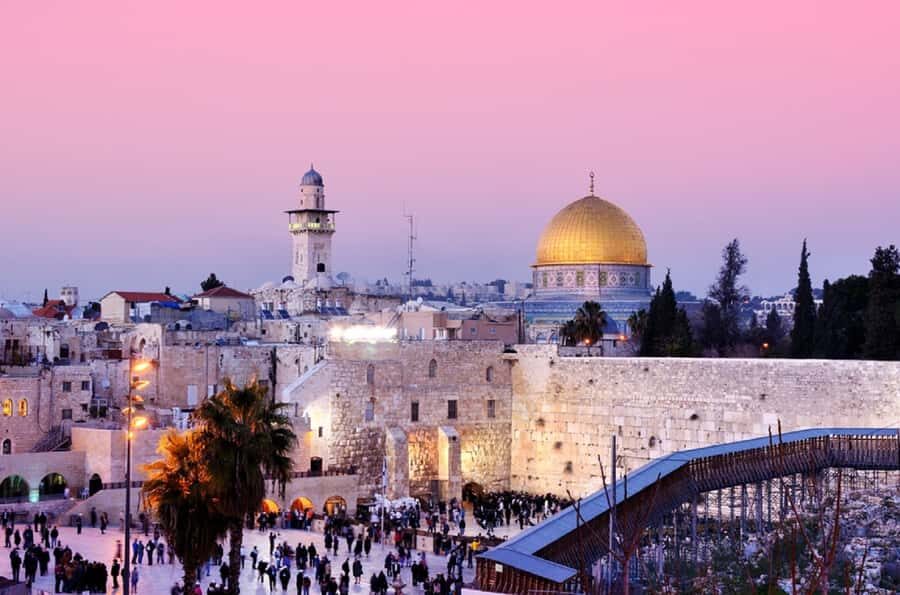
Finally, you end near the Wailing Wall, Judaism’s most holy place. It marks the memories and prayers of the Jewish people for the First and Second Temples, along with the dream of the Third Temple.
This ending gives the day emotional balance. After the Christian focus on the Passion and resurrection story, you shift to a living site of Jewish prayer and remembrance. It’s also an opportunity to slow down a bit and reflect on why physical places matter so much to faith.
Here’s how I’d approach it: treat it as a respectful pause. Watch what others do, follow your guide’s instructions, and keep your clothing and behavior in mind. The tour has a clothing rule (no ripped or see-through clothing), and in a sacred space, those guidelines matter.
Comfort Tips That Make or Break Jerusalem Walking Days
This tour asks you to bring comfortable shoes and water. That sounds obvious, but in Jerusalem it’s the difference between enjoying the walk and counting minutes.
Also note what is not allowed: ripped clothing and see-through clothing. If you’re traveling with light summer layers, plan ahead so you can cover appropriately without overheating.
The tour is not recommended for people with limited mobility. Even with bus transfers, you still spend time on foot around old streets and inside sacred buildings. If your mobility is limited, you’ll likely feel rushed or strained rather than guided comfortably.
Children: the tour allows children from age 5, and it is not suitable for children under 5 years.
Price and Value: Is $63 Worth It for This Amount of Sacred Ground?
$63 for a 6-hour guided tour with bus transfers is a pretty straightforward value proposition if you want multiple major sites with interpretation. You are paying for three things: a live Russian guide, transportation support during the day, and structured access to a route that would be harder to piece together on your own.
The best value is in the combination:
- You cover multiple Old City areas, not just one.
- You visit Christian landmarks connected to both tradition and architecture (Cenaculum area and Church of the Holy Sepulcher).
- You finish at the Wailing Wall with its strong religious meaning.
You do need to budget for your own food and drinks since they are not included. If you hate the idea of stopping for meals during a busy route, plan a simple strategy before you go. A stocked daypack with water helps you stay focused instead of searching for basic needs mid-walk.
One more value signal: the guide experience seems to matter here. In a highly rated Russian-language booking, the guide Petr was praised for explaining everything in an interesting way. That’s exactly what you want for a day packed with layered religious sites.
Who This Tour Fits Best (and Who It Doesn’t)
This is a strong match for you if:
- You want a structured introduction to Jerusalem of three religions in one day.
- You prefer guided context over wandering aimlessly.
- You like seeing how Old City neighborhoods connect to the big Christian sites and then to Judaism’s holiest wall.
This may be the wrong fit if:
- You have limited mobility or you struggle with uneven walking.
- You need a tour with long breaks and minimal standing.
- You’re traveling with a child under 5.
If you’re somewhere in the middle, go with your energy level and tolerance for crowds. The route is efficient, which is great, but it also means you should be ready for a packed day.
Should You Book Jerusalem of 3 Religions in Russian?
I’d book this tour if you want a clear, story-driven day: Jewish, Christian, and Armenian places in the Old City, then the Last Supper tradition area, the Via Dolorosa’s later sequence, the Church of the Holy Sepulcher, and a respectful ending at the Wailing Wall.
Skip it or reconsider if walking is hard for you, or if you need a lighter schedule with lots of downtime. Also, if you don’t plan for food, the lack of included meals could add stress rather than convenience.
If you book, do it with the right mindset: Jerusalem is spiritual, crowded, and physical. With the Russian live guide—Petr gets specific praise for clear, interesting explanations—you’ll get far more out of the sites than you would by rushing between them on your own.
FAQ
How long is the Jerusalem of 3 Religions in Russian tour?
It runs for 6 hours.
What price should I expect for this tour?
The price is listed as $63 per person.
What language is the live tour guide?
The live tour guide is in Russian.
Are food and drinks included?
No. Food and drinks are not included.
What should I bring?
Bring comfortable shoes and water.
Is there any clothing rule I should follow?
Yes. Ripped clothing and see-through clothing are not allowed.
Is the tour suitable for people with limited mobility?
This tour is not recommended for people with limited mobility.
Are children allowed on the tour?
Children are allowed from age 5. It is not suitable for children under 5 years.
Is free cancellation available?
Yes. You can cancel up to 24 hours in advance for a full refund.