REVIEW · JERUSALEM
Jerusalem: Old City Morning Tour
Book on GetYourGuide →Operated by Tourist Israel Tours · Bookable on GetYourGuide
Three hours, four quarters, one Jerusalem. This Old City morning tour focuses on the big spiritual and historical anchors, from the Western Wall to the Church of the Holy Sepulchre, with enough context to make the streets feel like more than postcards. I love how it stitches together the Jewish, Christian, Armenian, and Muslim quarters into one coherent walk, and I love that you’re not rushed through the key stops without at least some explanation. The main drawback to plan around is simple: it’s a stair-and-uneven-ground walk in a tight time window, so if the pace or footwork is an issue, you’ll feel it.
I also like the early departure at 07:45 from outside the David Citadel Hotel. Starting before the day fully ramps up helps you get your bearings fast, then see the Old City’s sights in the right order, ending back at Jaffa Gate for an easy continuation.
In This Review
- Key highlights to know before you go
- Why this 3-hour Old City morning tour makes sense
- The meet-up at 07:45 and the fast track through Jaffa Gate
- Western Wall: the pause that earns its place
- The four quarters in one walk: how each area changes the feel
- Via Dolorosa on foot: walking a traditional route
- Church of the Holy Sepulchre: a near-1,700-year stop
- Price and value: what $39 buys you
- The walking reality: stairs, uneven ground, and modest dress
- Group experience: when the guide makes the difference
- Best for who: matching this tour to your travel style
- Should you book the Jerusalem Old City Morning Tour?
- FAQ
- Where does the tour start?
- Where does the tour end?
- How long is the Jerusalem Old City Morning Tour?
- What sites are included?
- Does the tour cover all four historic quarters?
- Is the tour guided, and what language is it in?
- What is the price?
- What should I wear?
- What should I bring?
- Is cancellation free?
Key highlights to know before you go

- 07:45 start from David Citadel Hotel for a smoother Old City experience
- All four historic quarters in one loop: Jewish, Christian, Armenian, Muslim
- Western Wall moment built into the route for a real pause, not a drive-by
- Via Dolorosa section on foot along the route people associate with Jesus’s steps
- Church of the Holy Sepulchre visit at a site said to date back nearly 1,700 years
- English live guide who connects the street scenes to local traditions
Why this 3-hour Old City morning tour makes sense
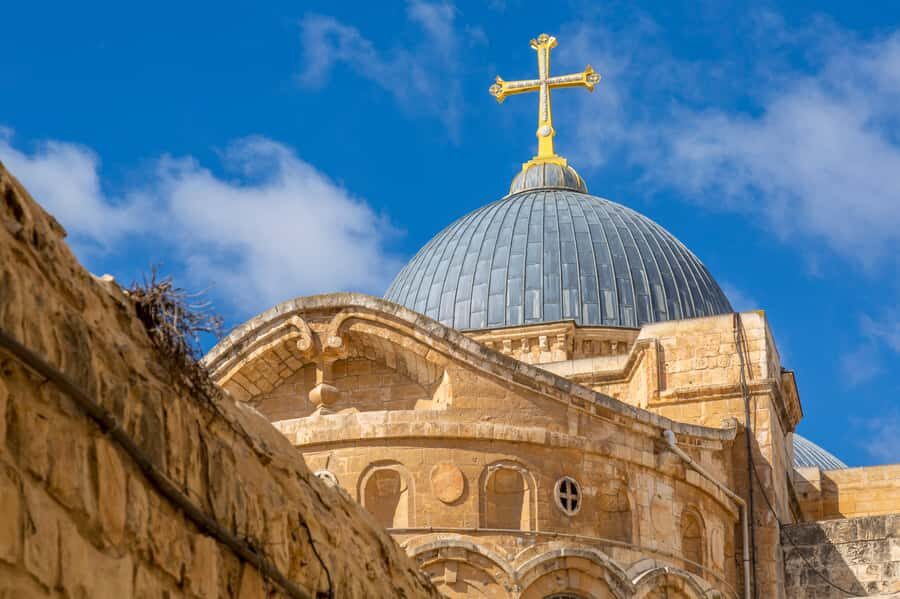
Jerusalem’s Old City is compact on a map, but it’s not compact in your feet. A 3-hour tour is a smart way to handle the scale: you get the iconic stops and the surrounding neighborhoods, without turning your day into an all-day walking marathon.
This one works best if you want a guided framework. You’ll walk in the Jewish, Christian, Armenian, and Muslim quarters, and your guide points out details and traditions that you’d likely miss if you were wandering on your own. It turns the place into a story you can follow.
And the timing matters. The tour begins at 7:45 AM, so you’re not spending the start of your trip fighting for space. You still get morning light and a steady rhythm, which helps when you’re dealing with stairs, stone steps, and uneven ground.
You can also read our reviews of more city tours in Jerusalem



The meet-up at 07:45 and the fast track through Jaffa Gate
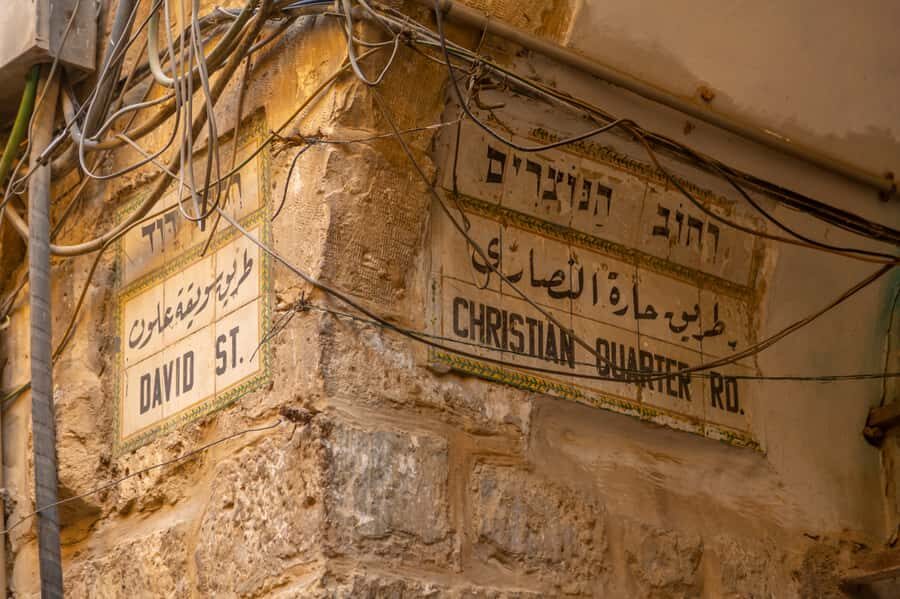
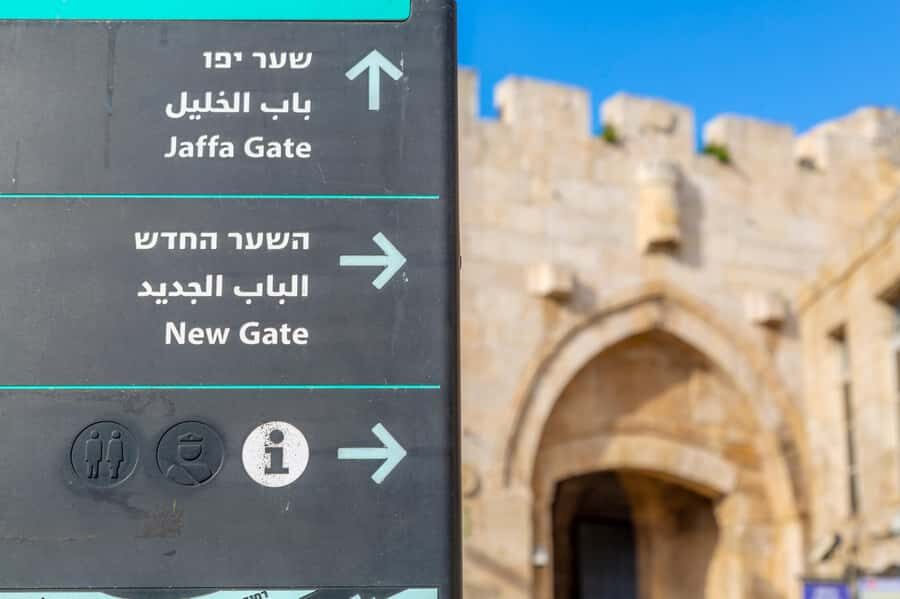
The tour starts outside David Citadel Hotel at 07:45 AM, and you enter the Old City through Jaffa Gate. That first step through the gate is more than a photo moment. It’s where the Old City’s layers start stacking up visually—small lanes, older stonework, and that sense that you’re entering a place where people have moved through the same corridors for generations.
From there, the walk is structured to help you orient. You’re not just going from one landmark to the next; you’re gradually stepping through the quarters, so each stop lands with context.
Practical tip: if you tend to run late, this is not the day to experiment. Starting on time matters because you’re on a short schedule.
Western Wall: the pause that earns its place
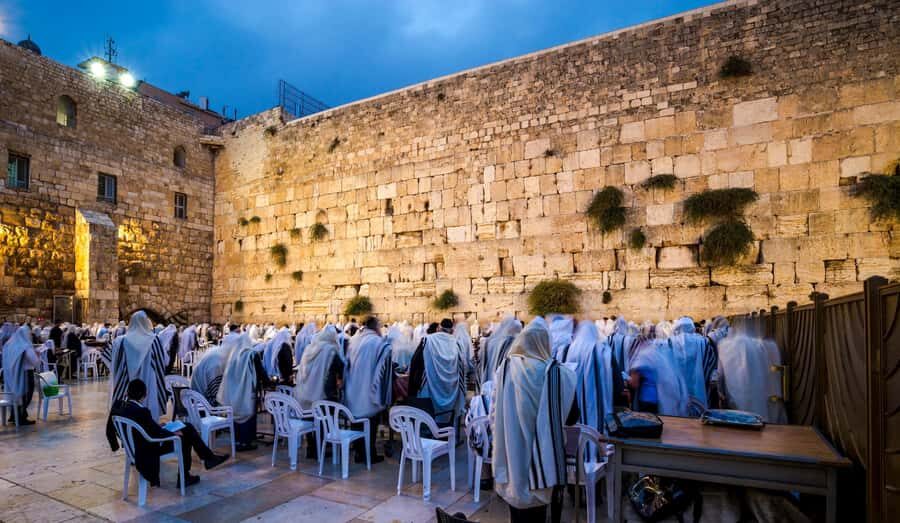
The Western Wall stop is the centerpiece for Jewish visitors and a major draw for many others. In this tour, you get a guided visit that includes a walking segment plus time to see why this place pulls people in from far away to pray.
What I like about this kind of stop on a morning tour is that the guide can help you read what you’re seeing: where people gather, what the wall means in daily life, and how visitors and locals share the space. Even if you’ve seen pictures before, being there in person changes the scale.
One thing to keep in mind: this is a working religious space. You’ll want to be respectful with your time and attention, and let the moment be what it is rather than treating it like another quick stop.
The four quarters in one walk: how each area changes the feel
One of the best values here is that you don’t just “visit the Old City.” You move through the four historic quarters: Jewish, Christian, Armenian, and Muslim. That matters because the Old City isn’t one uniform experience. It’s different communities, different traditions, and different rhythms that show up block by block.
Here’s what you’ll get from a guided approach:
- Your guide helps you connect visible details to traditions, so you understand what you’re looking at.
- You see transitions in architecture and street life that you’d probably overlook without someone pointing them out.
- You get a sense of how the Old City functions as a lived-in place, not just an open-air museum.
If your goal is to leave Jerusalem with a clearer mental map, this quarter-to-quarter structure helps a lot.
Via Dolorosa on foot: walking a traditional route
You’ll also stroll along part of Via Dolorosa, a route associated with Jesus walking in the direction people connect with his final hours. In a guided tour, the value isn’t only the symbolism. It’s that you learn how the route is treated and why certain spots draw attention.
On foot, the street feels different than in a book. You experience the tight lanes, the stop-and-go of sightseeing, and the practical reality that people live and work here while others come to follow the route. It’s a reminder that faith traditions and everyday city life share the same spaces.
Practical tip: the Old City streets can be crowded near major sites. You’ll move along as a group, so keep your focus on the guide’s pacing and your own footing.
A few more Jerusalem tours and experiences worth a look





Church of the Holy Sepulchre: a near-1,700-year stop
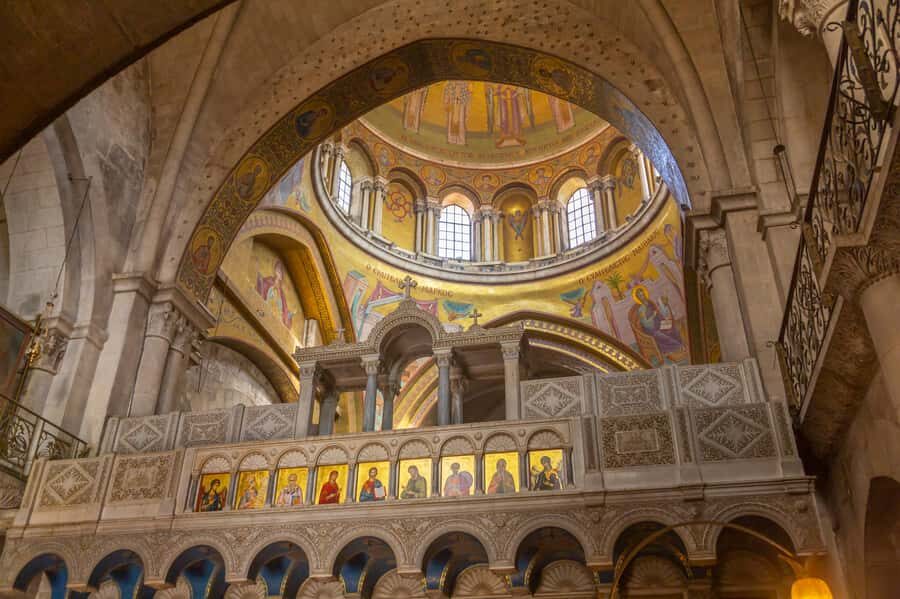
Next comes the Church of the Holy Sepulchre, described here as dating back nearly 1,700 years. This is one of those places where the building’s age feels obvious. Even if you’ve never read the full story, you’ll sense why it became such an important destination for Christian pilgrims over time.
What you should expect from a guided visit is navigation plus explanation. Inside, it’s easy to feel like you’re walking through another historic interior without understanding why people come where they come. A good guide helps you orient yourself in the space and understand the significance of what you’re seeing.
Also, this is a major pilgrimage site. It can get busy, and that affects how much time you can comfortably spend at any one spot. The upside of going on a short morning tour is you generally get your bearings first, before the day’s peak crowds.
Price and value: what $39 buys you
At $39 per person for a 3-hour guided walking tour, you’re paying mainly for two things: an English live guide and a concentrated hit list of Old City highlights. You’re not paying for transportation, and you’re not paying for meals. You’re paying for someone to connect the dots between places.
Here’s why that’s good value:
- You cover major sites tied to multiple traditions, including Western Wall and the Church of the Holy Sepulchre, plus time on Via Dolorosa.
- You get the route structure through all four quarters, which helps you avoid feeling lost.
- Your money buys time efficiency. In a compact Old City, a guide can save you from wandering inefficiently.
Where the value calculation can shift for you: if you’re the type who loves independent roaming and already knows the key historical connections, you might not need as much guidance. But if you want clarity without turning your day into research, the guide-led format makes sense.
The walking reality: stairs, uneven ground, and modest dress

This tour includes “several hours” of walking with stairs and uneven ground. That’s not a minor footnote. The Old City is physically rough underfoot, and a short schedule means you may not have the slow, take-your-time walking pace you’d prefer.
If you have limited mobility, the tour notes you should contact them about arranging an alternate touring option. That’s worth doing early, because it changes what you’re able to experience.
Dress code is also mandatory for holy sites: wear clothing that covers knees and shoulders. Plan for it like a practical requirement, not a spiritual suggestion. It will save you from last-minute stress and help you move through sites without interruptions.
Bring comfortable shoes with decent grip. If you have footwear that’s comfortable but slippery, swap it. The stone floors and steps in the Old City can be unforgiving.
Group experience: when the guide makes the difference
The tour is led by an English live guide, and the quality can show up fast. In the positive experiences, guides like Hanoch and Inbar are praised for being very interesting and for fielding questions without making anyone feel rushed. There are also mentions of Oded with strong satisfaction about the guidance style.
That said, there’s also a caution to keep in your back pocket: because this is a short, structured walk, delays can ripple through the day. One account described the tour as starting late and running long, causing people to need to leave early. So here’s my practical advice: keep the rest of your day flexible if you can. Treat this as the main focus of your morning rather than a quick add-on before a hard deadline.
If you’re traveling with kids or people who get frustrated with group pacing, you’ll want to manage expectations. Your comfort will come from sticking with the guide’s flow and not trying to break away too often.
Best for who: matching this tour to your travel style
I think this tour is ideal if you:
- Want a guided overview of the Old City’s big religious and historical sites
- Like structure and explanation, not just sightseeing photos
- Have limited time and still want the four quarters in one morning
- Prefer starting early and walking in a steady rhythm
It’s less ideal if you:
- Struggle with stairs or uneven ground
- Need a slow pace with lots of waiting time
- Want long, unhurried time in just one site rather than seeing several in sequence
Should you book the Jerusalem Old City Morning Tour?
Book it if you want a focused Old City walkthrough that connects multiple quarters and major landmarks in three hours. At $39, the guide-led format is a straightforward value play—especially if you care about understanding why each site matters and you’d rather not build your own route from scratch.
Skip or rethink it if your mobility is limited or if you need extended time inside one site. Also, if your schedule is tight for the rest of the day, give yourself a buffer. The tour’s success depends partly on timing and group flow, and it’s best to treat this morning as the priority.
FAQ
Where does the tour start?
The tour starts at 07:45 AM outside David Citadel Hotel.
Where does the tour end?
The tour finishes back at Jaffa Gate.
How long is the Jerusalem Old City Morning Tour?
It’s listed as 3 hours.
What sites are included?
You’ll visit Jaffa Gate, the Western Wall, walk part of Via Dolorosa, and visit the Church of the Holy Sepulchre.
Does the tour cover all four historic quarters?
Yes. The walk includes Jewish, Christian, Armenian, and Muslim quarters.
Is the tour guided, and what language is it in?
Yes, it includes a live English tour guide.
What is the price?
The price is $39 per person.
What should I wear?
For holy sites, modest dress is obligatory, covering knees and shoulders.
What should I bring?
Bring comfortable shoes.
Is cancellation free?
Yes. You can cancel up to 24 hours in advance for a full refund, and you can also reserve now and pay later.