REVIEW · JERUSALEM
From Jerusalem: Masada at Sunrise, Ein Gedi & Dead Sea Tour
Book on GetYourGuide →Operated by Abraham Tlalim Tours LTD · Bookable on GetYourGuide
Sunrise at Masada turns a climb into a story. This Jerusalem-to-southern-lands day trip layers Masada at dawn with Ein Gedi and ends with the odd, unforgettable Dead Sea float. It’s a packed 10 hours, but the pacing makes sense if you like big contrasts: fortress walls, desert springs, then salty quiet.
I really like how the day starts when the desert is coolest, so the climb feels doable and the views land at their best. I also like the mix of movement and downtime: a hike through Ein Gedi’s natural springs and waterfalls, followed by time to float and cool off in the sea or try the mud.
The main drawback is the schedule and effort. You’re looking at an extremely early departure (around 3:30–3:40am in past runs) and a moderate fitness level for the Masada hike and rocky paths.
In This Review
- Key highlights worth planning for
- First, Know the Sunrise Clock: Jerusalem Pickup to Desert Timing
- Masada at Sunrise: The Desert Fortress Climb That Changes Everything
- What makes the top special
- Watch your footing
- Down to Ein Gedi: Oasis Hiking With Springs, Waterfalls, and Desert Life
- A key reality check: Ein Gedi may be limited
- How to prepare for this hike
- Dead Sea Time: Floating, Mud, and the Salty Reality
- One safety tip you’ll be glad you heard
- Timing and comfort
- The 10-Hour Format: What You Really Get From a Packed Day
- Pace vs. freedom
- Price and Value: What Your $106 Covers and What You’ll Pay Extra
- Is it good value?
- Who Should Book This Tour (and Who Should Skip It)
- Packing List That Actually Helps on This Route
- Final Call: Should You Book Masada at Sunrise, Ein Gedi & Dead Sea?
- FAQ
- What is the duration of the tour?
- Where do I meet the group in Jerusalem?
- Is the Masada entrance fee included?
- Is the Ein Gedi entrance fee included?
- Is Dead Sea beach entry included?
- Do I need to bring a towel?
- Is the tour fully guided?
- What physical level is required?
- Is the tour suitable for people with mobility impairments?
- What happens if Ein Gedi is affected by flooding?
Key highlights worth planning for
- Masada sunrise timing: you’re climbing for light, not just for sightseeing
- Snake Path access: the route up and down is part of the experience
- Ein Gedi oasis walk: springs, waterfalls, and desert plants with wildlife possibilities
- Dead Sea floating and mud: classic low-point-on-earth relaxation
- Real-world changes: Ein Gedi may be partially unavailable due to flooding, with an alternative stop
First, Know the Sunrise Clock: Jerusalem Pickup to Desert Timing
This tour is built around one idea: see Masada when the world is still waking up. That means you leave Jerusalem very early, with pickup arranged at the bus stop outside Ha-Nevi’im (Ha-Nevi’im St 67). Abraham Jerusalem is closed at the moment, so you’re not going to arrive at some official hub and drift into the day. You meet, you load up, and you head south.
The long day is about logistics, not rushing. You’ll be in an air-conditioned vehicle for the transfers, and you’ll get enough time at each stop to do more than snap photos. Past guests often call out that each location gets an intro amount of time, plus space to explore on your own.
One important thing for your expectations: this is not a full guided stroll where someone stays glued to your shoulder. The tour is described as self-guided, so think of your English-speaking greeter/driver as a helper who sets you up and shares context, while you handle the actual wandering and hiking at each site.
A few more Jerusalem tours and experiences worth a look
Masada at Sunrise: The Desert Fortress Climb That Changes Everything
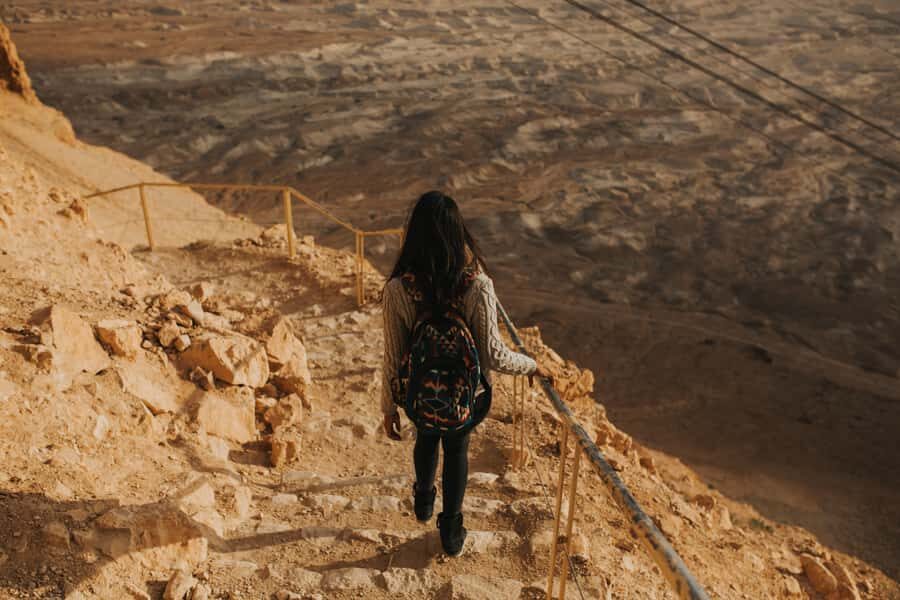
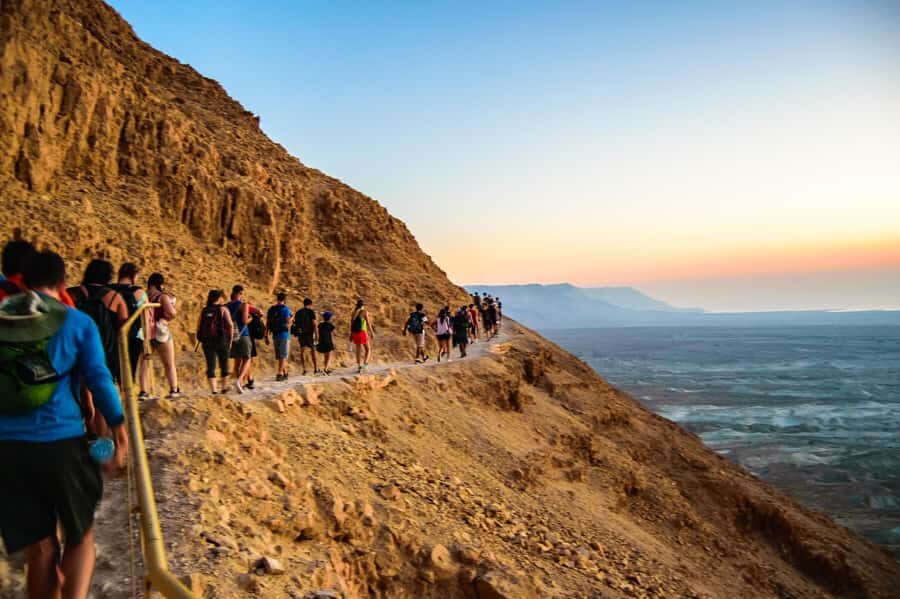
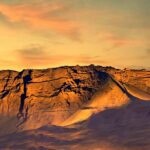
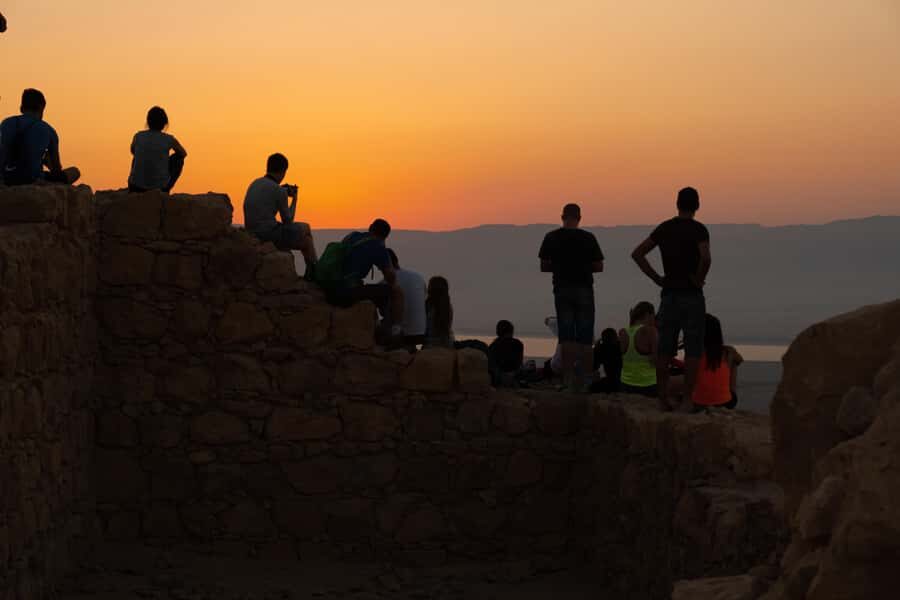
Masada doesn’t just look dramatic from below. It becomes dramatic when you’re actually on the climb, before the heat fully takes over. The tour’s goal is for you to start hiking in the cool dark and reach the top for sunrise over the Judean Desert and Moab Mountains.
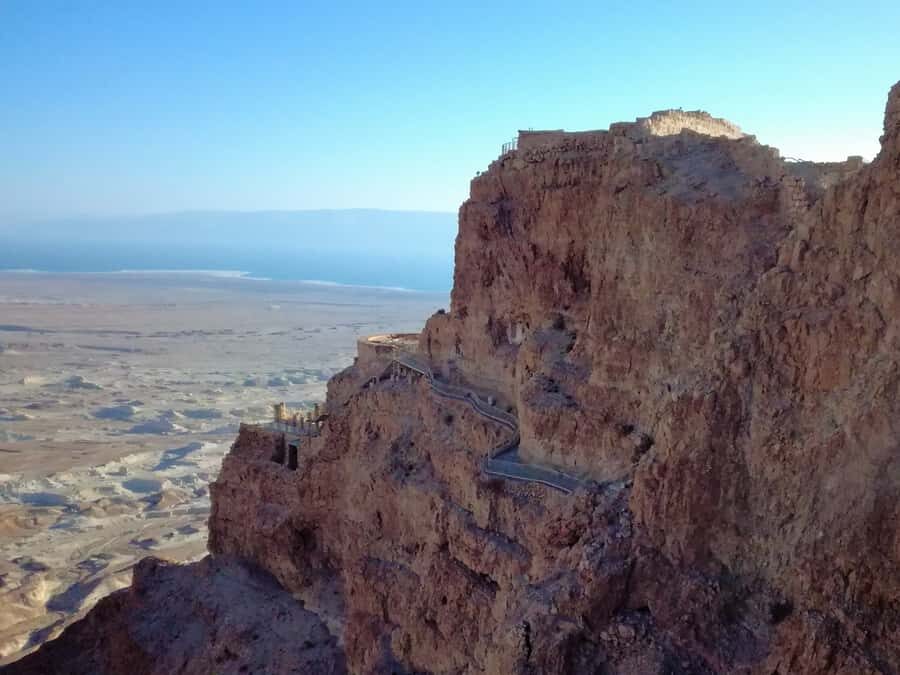
You’ll ascend and descend via the Snake Path. That name isn’t marketing fluff. The route is rocky and steep enough that you should treat this as a real hike, not a gentle walk. One review experience pointed out that the walk up to the fortress is about an hour, which feels about right once you’re on the slope and the dark makes every step count.
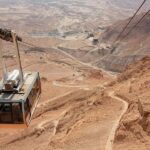
A practical note: the cable car typically starts at 8:00am, which matters because if you miss the early walking window, sunrise timing can slip. If you want the sunrise moment, you should plan to walk at your natural pace and not treat the climb like a casual stroll.
What makes the top special
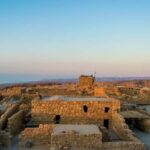
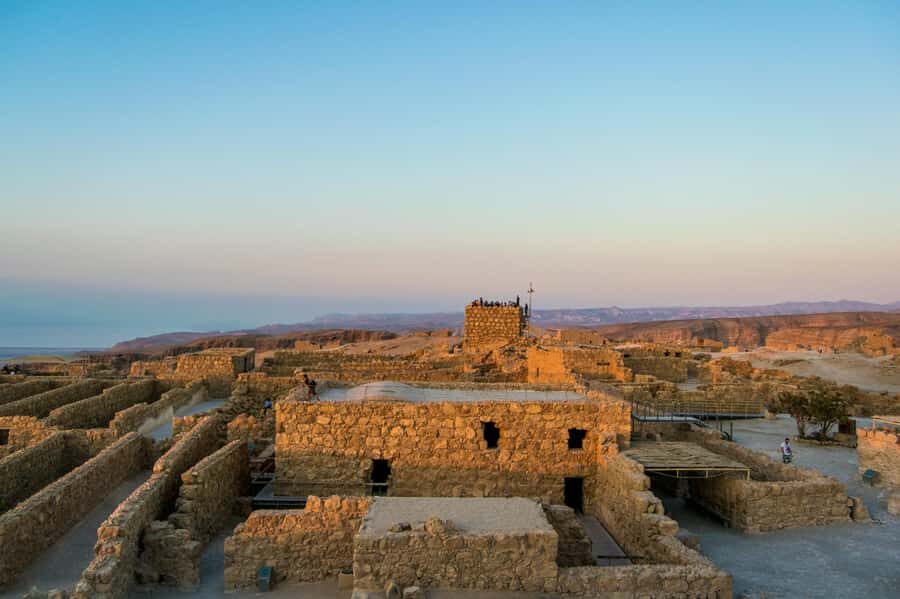
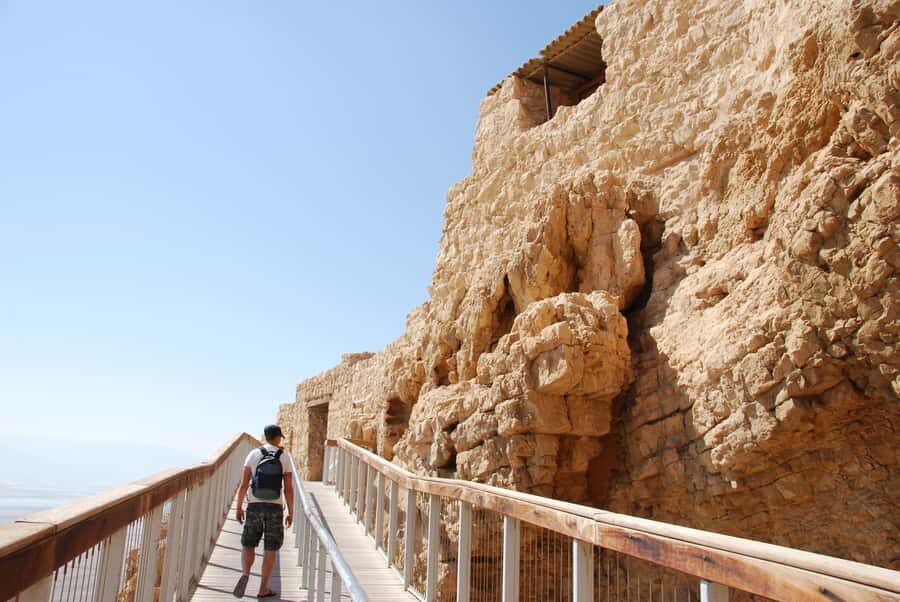
Once you reach the fortress ruins, it’s not just the view. It’s the feeling of being at a place that became a symbol of Jewish hope and pride through one of the most intense clashes of the Roman period. The ruins sit in a landscape that used to be harsher than most people imagine. Seeing the desert stretch out behind the stones is part of the lesson.
Bring a sun hat and sunscreen even if you start in the dark. Sunrise doesn’t mean it stays cool for long, and you’ll still be exposed during the day’s outdoor segments.
Watch your footing
The tour requires moderate fitness, and the Masada climb is where that requirement shows up. You’ll be happier with hiking shoes than with slick or flimsy soles. If you’re used to walking mostly on flat sidewalks, give yourself a little extra grace on the first leg and take short breaks when you need them.
Down to Ein Gedi: Oasis Hiking With Springs, Waterfalls, and Desert Life
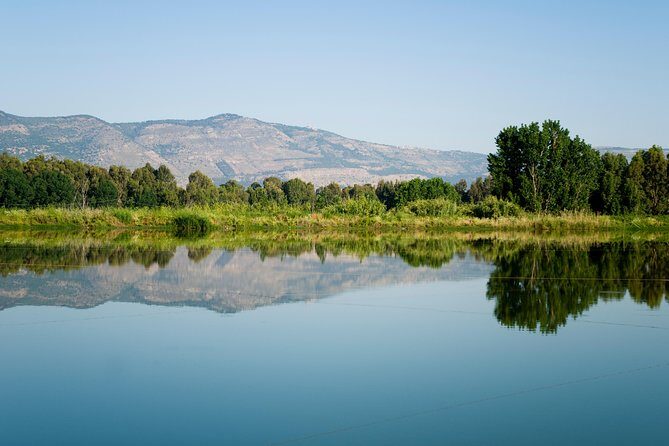
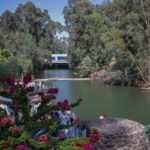
After Masada, you drop into a completely different mood: Ein Gedi. The reserve is known for natural springs and waterfalls that create an oasis pocket in the desert. On this tour you get to hike through that area, and the contrast is part of why the full day works.
This section is a real highlight if you like nature details: the way desert plants survive, the chance to spot local wildlife, and the quiet shift from fortress-stones to moving water. In past experiences, people specifically mention getting close to wildlife and enjoying the natural waterfall feel during the hike.
A key reality check: Ein Gedi may be limited
There’s an update you should take seriously. Due to recent flooding in Ein Gedi, the site is currently unavailable, and you’ll visit an alternative location instead. That doesn’t ruin the day, but it does change expectations. You might get a different hiking route or a different view of the water sources than you were hoping for.
So, if your top priority is a specific waterfall scene, keep flexibility in your plan. If your priority is getting out of the heat and walking in a desert oasis setting, you’ll still find plenty to like.
How to prepare for this hike
Wear your hiking shoes. Even when the terrain looks inviting, the ground can be uneven around springs and channels. Bring water, because this is still desert country even when you’re near shade or spray.
If you’re the type who wants to stop often and take photos, Ein Gedi is a good place for it. The tour’s structure gives you room to explore instead of turning every stop into a sprint.
Dead Sea Time: Floating, Mud, and the Salty Reality
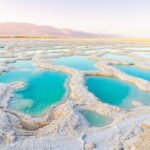
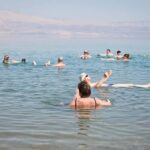
By the time you reach the Dead Sea, your body is ready for something that feels almost too strange to be real. This tour includes the Dead Sea beach entry fee, so once you arrive, you can focus on the experience instead of adding another line-item cost.
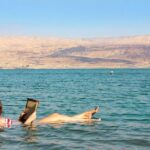
The Dead Sea isn’t just a pretty spot. The “healing salty waters” idea is part of local legend, but your real takeaway will be sensory. You float. The water clings to you. You become slow-moving, like you’re suspended in thick liquid. And if you try the mud, you’ll feel the classic low-Earth-place ritual of coating and washing off.
One safety tip you’ll be glad you heard
This is extremely salty. Be careful around your face and eyes. One past experience described the pain when salty water gets into your eyes, and that rings true with how concentrated it is. If you’re going in, keep your eyes protected and rinse carefully afterward.
Timing and comfort
Not everyone loves the feeling of lying in the sea for long stretches, especially if you’re sensitive to how warm and thick the water feels. A good strategy is shorter floats, a wash, then mud if you want it. That way, you still get the signature moment without turning it into an ordeal.
Also, plan for the beach surface. One review called it more like a mud desert than a clean sand setup. Flip-flops help you move comfortably without turning your whole visit into an uncomfortable shuffle.
The 10-Hour Format: What You Really Get From a Packed Day
A 10-hour day can be either exhausting or satisfying, depending on how the stops are structured. In this case, the best part is that the trip isn’t just three checkboxes. You’re getting enough time to feel the difference between locations, especially because Masada is the emotional peak and Ein Gedi plus the Dead Sea act like recovery chapters.
Still, it’s long. You’re waking up very early, hiking up Masada, then walking in Ein Gedi, then spending time in the Dead Sea. If you like to sit on buses with snacks and doze between adventures, you’ll find the rhythm easier. If you hate long travel days, this one may feel like too much.
Pace vs. freedom
Because the tour is self-guided, you have freedom where it counts: you can linger at viewpoints, pace your hiking, and decide how long you stay in the water. The tradeoff is that you’re responsible for your own movement and timing. If you prefer someone to manage every step, you might feel slightly more “on your own” than you expect.
Price and Value: What Your $106 Covers and What You’ll Pay Extra
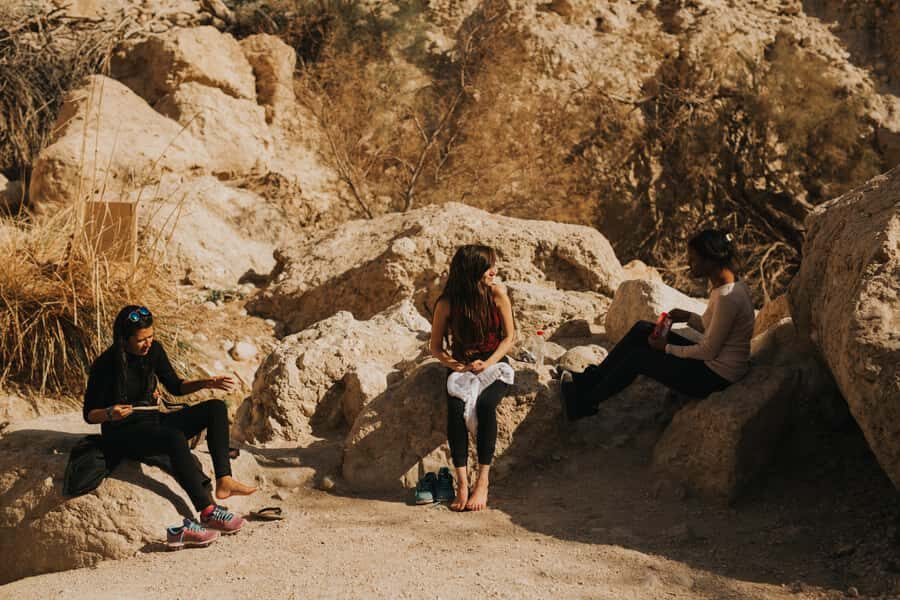
At around $106 per person for a 10-hour outing from Jerusalem, this tour is priced as a practical bundle: transportation plus a major experience at the end.
What’s included:
- Air-conditioned vehicle
- Dead Sea beach entry fee
What’s not included:
- Food and drinks
- Masada National Park entrance (37 ILS)
- Ein Gedi National Park entrance (31 ILS)
- Towel
That towel detail matters because towels are sometimes where the little “surprise” costs sneak in. Towel rental is available at the meeting point for 15 ILS before departure, which is handy if you forget yours.
Is it good value?
I think it’s fair value if you want the three-in-one combination without arranging separate transport and separate timing. Masada and Ein Gedi are not close to Jerusalem, and the whole day is designed to minimize that friction.
If you already have your own car and you’re confident about early logistics, you might be able to DIY parts cheaper. But for many people, paying for the smooth vehicle transfers and the sunrise plan is what makes this worth it.
Who Should Book This Tour (and Who Should Skip It)
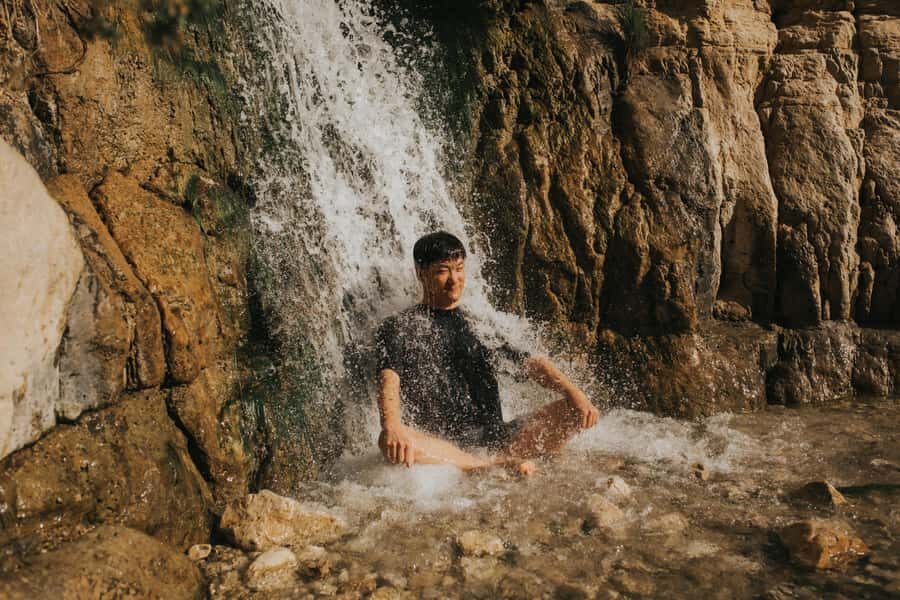
This is a strong fit if you want:
- A sunrise experience over the desert
- A real hike (not a flat stroll)
- Nature time at Ein Gedi
- A memorable Dead Sea float and optional mud experience
It’s not a good fit if you:
- Are pregnant
- Have mobility impairments
The physical demands are real. Even if you’re moderately fit, the Masada climb in early morning conditions and the rocky path up can tire you fast if you’re not used to that kind of walking.
Packing List That Actually Helps on This Route
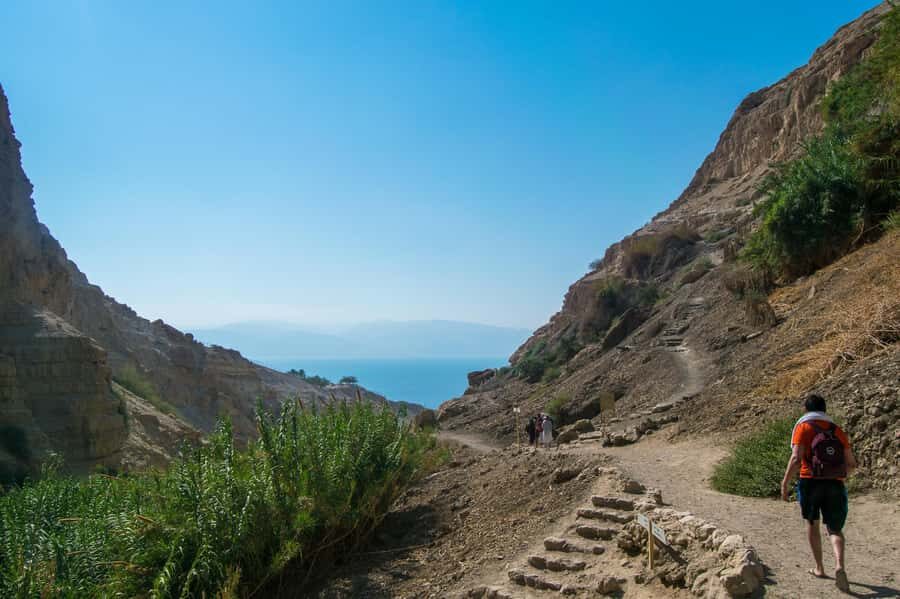
The basics you’re given are exactly what you need for this specific itinerary. Don’t overthink it, just bring the right gear for sun and footing.
Bring:
- Sun hat
- Swimwear
- Towel (or plan to rent for 15 ILS)
- Hiking shoes
- Sunscreen
- Water
- Flip-flops
- Passport (a copy is accepted)
A few extra practical thoughts that match how the day feels:
- Bring water for both Masada and Ein Gedi. You’ll need it before you reach the sea.
- Wear shoes you trust. Dead Sea time is fun, but you still have to walk there.
- Consider carrying a small snack. Food and drinks aren’t included, and it’s easier to enjoy the morning when you’re not running on caffeine alone.
Final Call: Should You Book Masada at Sunrise, Ein Gedi & Dead Sea?
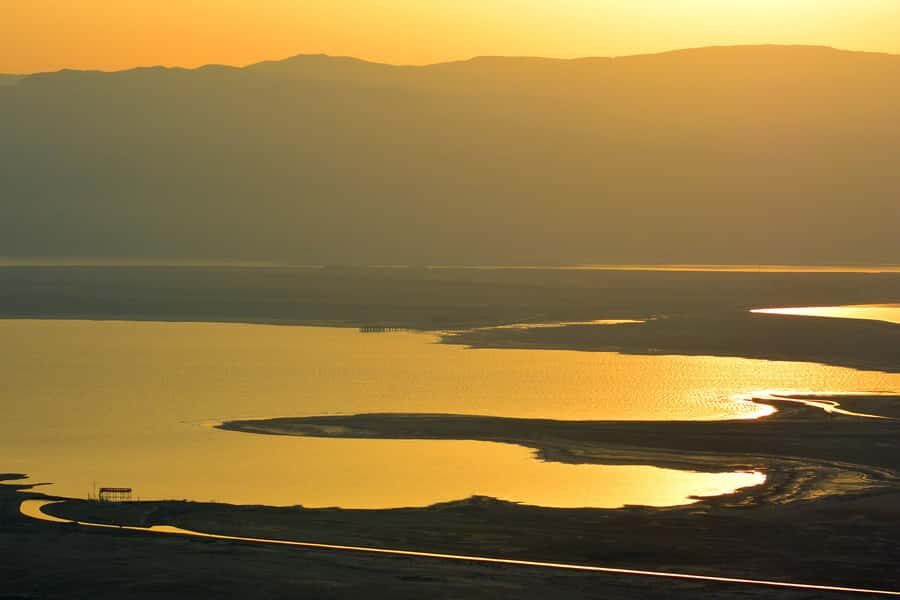
I’d book this tour if you want one ticket that delivers three iconic southern Israel experiences: Masada at sunrise, a hike in Ein Gedi’s oasis, and a proper Dead Sea floating session. The timing is the star here, and the included transport makes the early start manageable.
I wouldn’t book it if you hate early mornings, you dislike rocky climbs, or you want a fully guided feel where someone leads every step. Also, because Ein Gedi may be limited due to flooding and you’ll go to an alternative instead, keep your expectations flexible if you’re chasing a very specific waterfall scene.
If you’re ready for an active day with big contrasts and a strong payoff at sunrise, this is a worthwhile way to spend your time outside Jerusalem.
FAQ
What is the duration of the tour?
The tour lasts 10 hours.
Where do I meet the group in Jerusalem?
You meet at the bus stop outside the hostel Ha-Nevi’im on Ha-Nevi’im St 67, Jerusalem.
Is the Masada entrance fee included?
No. Masada National Park entrance costs 37 ILS.
Is the Ein Gedi entrance fee included?
No. Ein Gedi National Park entrance costs 31 ILS.
Is Dead Sea beach entry included?
Yes. Dead Sea beach entry fee is included.
Do I need to bring a towel?
Towel is not included, but you can rent one for 15 ILS at the meeting point before departure.
Is the tour fully guided?
This is described as a self-guided tour, though an English host/greeter is provided.
What physical level is required?
A moderate physical fitness level is required for this tour.
Is the tour suitable for people with mobility impairments?
No, it is not suitable for people with mobility impairments.
What happens if Ein Gedi is affected by flooding?
Ein Gedi may be unavailable due to flooding, and you will visit an alternative location instead.