REVIEW · JERUSALEM
Dead Sea, Masada at Sunrise and Ein Gedi Tour from Jerusalem
Book on Viator →Operated by Abraham Tlalim Tours LTD · Bookable on Viator
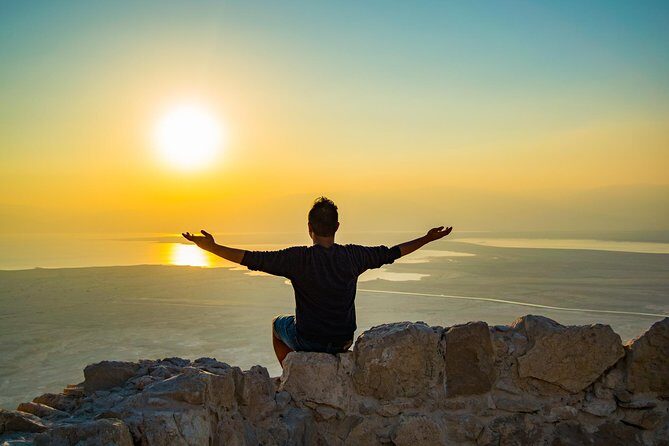
Masada at sunrise is a real head-turner. I love the pre-dawn climb up Masada for that desert-and-sea view, and I also love the Dead Sea mud and floating that feels like a full-body reset.
One thing to factor in: this day runs early and includes hiking in the dark. If you’re sensitive to steep steps or have knee trouble, plan carefully and keep your pace realistic.
In This Review
- Key things to know before you go
- Leaving Jerusalem: the Judean Desert run that sets the tone
- Masada sunrise: timing, steep paths, and that massive view
- Reading the ruins: what to focus on at the top
- Getting down and heading to Ein Gedi’s spring pools
- Ein Gedi hiking tips: comfortable shoes and a realistic pace
- Dead Sea beach time: floating, mud, and making it feel worth the day
- Price and value: what you pay, what you still budget for
- Group size and the self-guided style: how you’ll actually experience it
- Who should book this sunrise Masada and Dead Sea day trip
- Should you book this Masada, Ein Gedi, and Dead Sea tour?
- FAQ
- How long is the Dead Sea, Masada at Sunrise and Ein Gedi Tour from Jerusalem?
- Where does the tour start and end?
- Is this tour guided or self-guided?
- What’s included in the price?
- What entrance fees should I expect to pay separately?
- What should I bring for the day?
- Is Ein Gedi fully open?
Key things to know before you go
- Leave Jerusalem before sunrise in an air-conditioned minivan, then you’re already in place for dawn.
- Masada is a timed sprint plus ruins time: you’ll have about 3 hours at the park.
- You can use the cable car for the ascent, and you’ll still do walking to reach viewpoints like the summit area.
- Ein Gedi can be partly closed due to maintenance, so your waterfall/pool options may be limited.
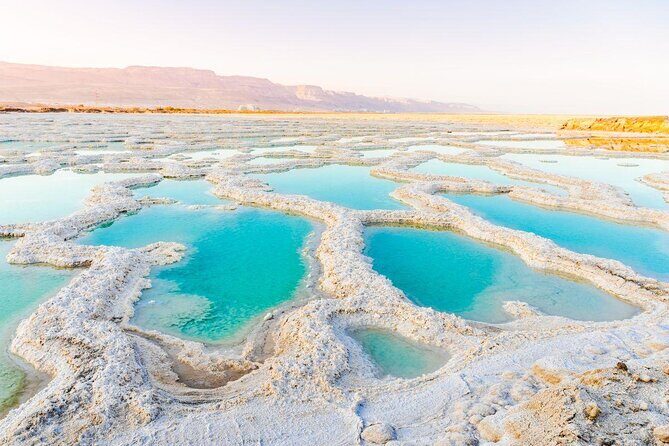
- Dead Sea beach entry is included, and you get about 2 hours to float and mud-bathe.
- Bring the right kit: comfortable shoes, swimwear, flip-flops, hat, sunscreen, and a towel (or rent one).
Leaving Jerusalem: the Judean Desert run that sets the tone
This is a full day, roughly 10 hours, built around getting you out of Jerusalem early and back before it gets late. You start with a central pickup at Abraham Jerusalem, Ha-Nevi’im St 67, then ride in an air-conditioned minivan through the Judean Desert.
On the drive, you pass big Bible-related waypoints along the route, including the Inn of the Good Samaritan and Jericho. I like this start because it gives the trip context fast. You’re not just bouncing between stops; you’re moving through the geography that made these stories stick in the first place.
One practical point: because the schedule is sunrise-first, breakfast plans can be a bit messy. I suggest you eat early before pickup and keep water handy in your day bag.
A few more Jerusalem tours and experiences worth a look
Masada sunrise: timing, steep paths, and that massive view
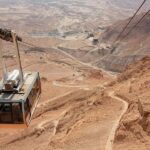
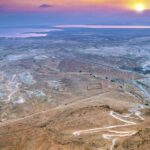
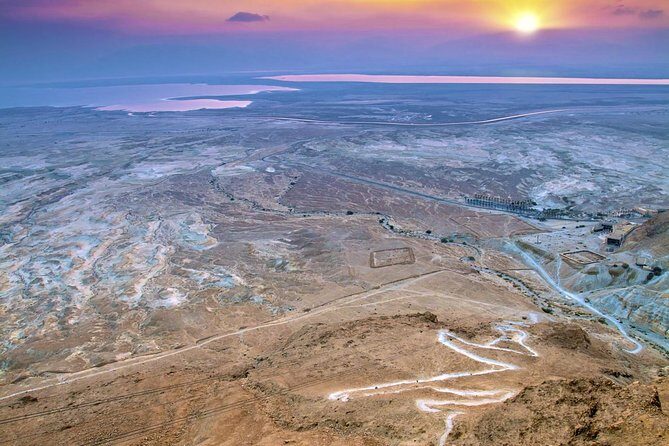
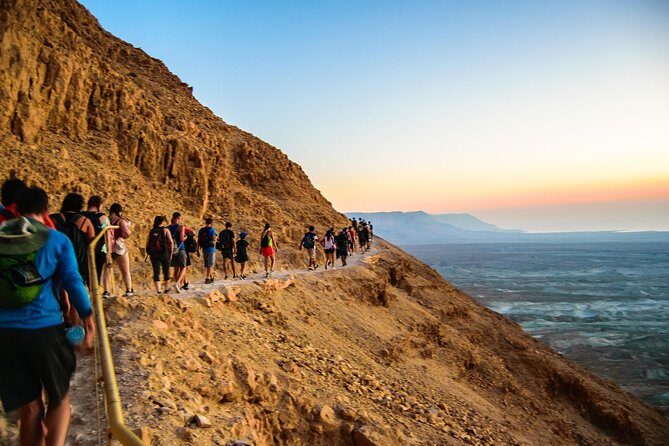
Masada is one of Israel’s must-see sites, and this version is designed for the best light—at dawn. You’ll head to Masada National Park at the base, then go up by cable car to get to the top area in time. From there, you do the walking portion that brings you into the sunrise viewpoint zone.
The park setup is all about dramatic elevation: the fortress sits on an isolated rock plateau high above the Dead Sea. Herod the Great built the summit complex as a palace-style statement in the early Roman Empire tradition, so when you’re looking at the ruins, you’re also looking at a power project that decided to live on top of a mountain.
A few things matter for your experience here:
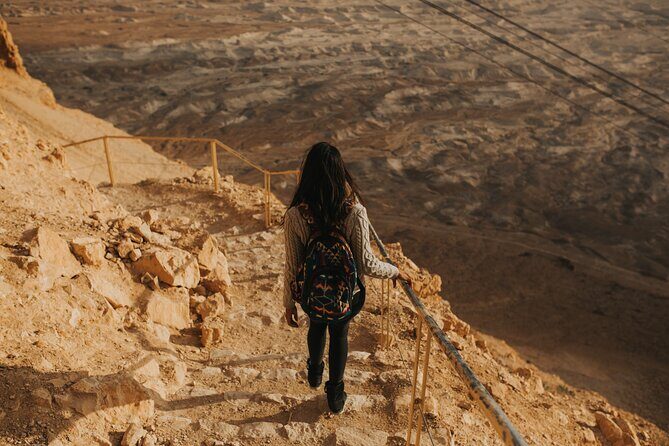
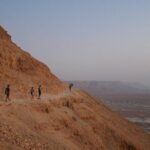
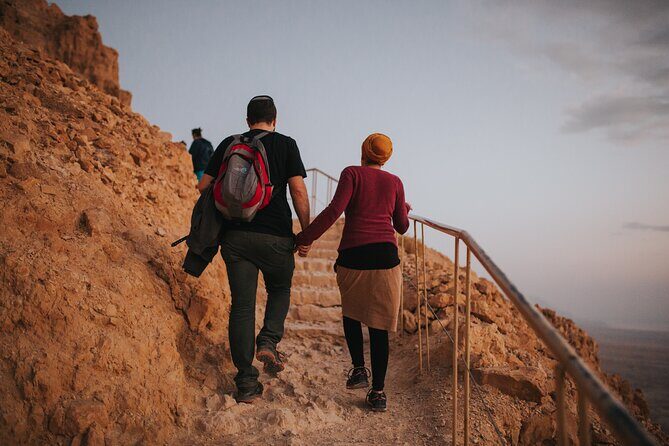
- Expect a pre-dawn climb in darkness even if you’re not doing the whole hike from scratch. The Snake Path is famous, and if you’re moving before sunrise, bring gear and headlamps if you own one.
- Weather can make or break sunrise. If clouds roll in, you might still get the site, but the light effect can change fast.
- Your time at Masada is about 3 hours, which is enough to reach the main viewpoints and also explore the archaeological areas.
Admission for Masada isn’t included, listed at 37 ILS, so check your budgeting before you go. Cable car timing and access can also affect how the day flows, so be ready to follow staff directions when you arrive at the base area.
Reading the ruins: what to focus on at the top
This is a self-guided day. That means you’re not going to have someone standing beside you explaining every stone like a museum tour. Instead, you’ll have printed guiding materials and the time to explore at your own pace.
I actually think that works well at Masada. The site is visual. You can spend a few minutes orienting yourself, then walk the paths that feel most logical—snapping photos, checking ruin layouts, and taking in the scale of the plateau.
If you want a simple strategy, do it in this order:
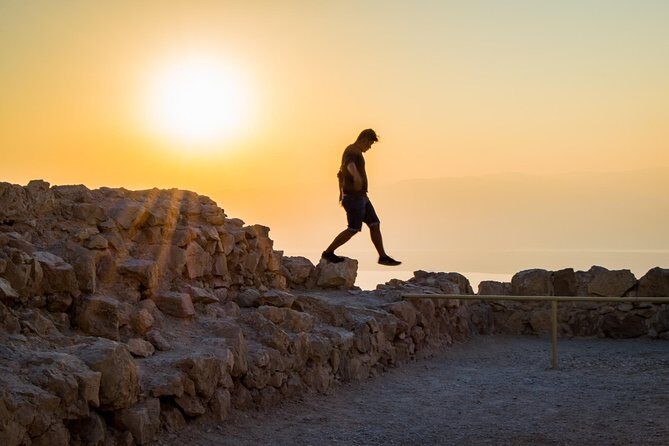
- Walk to the sunrise viewpoint area and let your eyes “map” the horizon.
- Then go back into the ruins zones and look for the palace-complex structure built by Herod.
- Use the printed materials to connect what you’re seeing to what those Roman-era features were meant to do.
A note on facilities: at early hours, some things may be limited. That’s not a deal-breaker, but it can affect how much you can do right at dawn. If your goal is mainly the light show, you’ll still get that. If your goal is doing every single detail without missing anything, arrive mentally ready to be selective.
Getting down and heading to Ein Gedi’s spring pools
After Masada, you head back down. Depending on conditions and logistics, you may go down on foot or by cable car. Either way, you’ll be transitioning from “high fortress” mode into “desert oasis” mode, and that contrast is a big part of why this tour clicks.
Next stop is Ein Gedi Nature Reserve, often one of the best places in the area for real greenery and water. Expect a desert oasis feeling: a stream of cool running water feeds into pools and springs, and on hot days you can even bathe where it’s allowed.
Your time here is about 2 hours, and that’s the main reason you’ll want to plan your hike choices carefully. If you love waterfalls, your timing matters. If you move fast, you’ll probably see more pools. If you want slower breaks and extra photos, you might have to skip one of the side routes to avoid running out of time.
Two more practical points:
- Ein Gedi admission isn’t included (listed at 31 ILS).
- There’s an important update: parts of the Ein Gedi nature reserve may be closed until further notice due to maintenance. So if you’re counting on a specific waterfall or trail section, build in flexibility.
Ein Gedi hiking tips: comfortable shoes and a realistic pace
Ein Gedi is one of those hikes where the reward is water—cool pools, shaded spots, and the feeling that the desert isn’t totally dry. You’ll take a short walk along the springs, and you might spot wildlife such as mountain goats among the vegetation.
I recommend you treat this as a walking day, not a long trek. Bring comfortable shoes you can trust on uneven ground, especially if paths are slick near the water. Also, pack a small plan for heat:
- bring water,
- take breaks where you want them,
- and don’t wait until you feel exhausted to start slowing down.
Snacks and drinks are available for purchase at Ein Gedi, which helps because this is still an all-day schedule and you’ll likely want something along the way.
If you’re the type who hates cutting trails short, you may feel the two-hour limit. But if you’re okay with a “highlights hike” style visit, Ein Gedi works great as a reset between Masada and the Dead Sea.


Dead Sea beach time: floating, mud, and making it feel worth the day
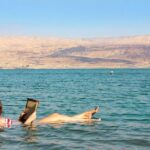
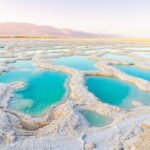
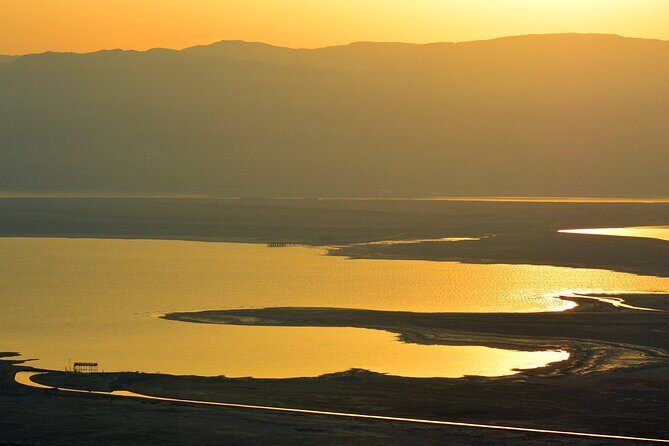
The final stop is the Dead Sea, described as the lowest point on earth, and once you’re there, you’ll understand why people treat it like a ritual. You get about 2 hours at the beach.
What makes the Dead Sea experience special isn’t just the salt. It’s the physical weirdness: you float easily because the water is extremely salty. You can also apply mineral-rich black mud for a classic mud-bath feel.
Dead Sea beach entrance is included, which is one of the clearest “value wins” in this itinerary. You’ll want to show up ready to use your time well:
- wear your swimwear,
- bring flip-flops for walking around,
- and have your towel ready (or plan to rent one).
There’s also a towel rental option: 15 ILS to rent a towel at the meeting point before departure. That’s useful if you forgot yours or you travel light and don’t want to pack extra bulk.
A quick realism check: floating is fun, but you’ll still want a little plan so your two hours don’t evaporate. I like splitting the time into:
- quick float time,
- a mud-bath break,
- then rinse-off and settle into a comfortable rest before your pickup.
Price and value: what you pay, what you still budget for
The tour price is $90 per person, and it’s worth evaluating what you’re buying. For that price, you get:
- air-conditioned round-trip transportation from Jerusalem,
- included Dead Sea beach entrance,
- and printed guiding materials for self-guided exploration.
The two big park costs are not included:
- Masada: 37 ILS
- Ein Gedi: 31 ILS
Food and drinks aren’t included either. So in real life, your total day costs depend on how you handle meals and snacks, plus whether you rent a towel.
Here’s what I think makes this good value: you’re stacking three heavyweight destinations—Masada at dawn, Ein Gedi’s oasis walk, and the Dead Sea float—on one schedule with transportation. If you’ve ever tried to stitch together transit and entry times on your own, you’ll understand why a $90 all-day van can feel like a bargain, especially when the start time is so early.
One more factor: this experience requires good weather. If conditions aren’t right, it may be rescheduled or refunded. I’d treat sunrise timing as a bonus, not a guarantee.
Group size and the self-guided style: how you’ll actually experience it
This is capped at 50 travelers. That usually keeps things from feeling chaotic, especially because the day’s pace is controlled by departures and return trips.
Also, remember: this is self-guided. That’s different from the “follow the guide” style day where you’re told what to look at every ten minutes. Here, you’re given the materials and the timetable, then you explore.
If you’re the kind of traveler who likes to read signs, look closely, and set your own pace, you’ll enjoy it. If you want constant commentary and interpretive storytelling, you may feel like you’re missing context—especially at Masada, where the details are dense.
Still, you’ll have staff support for the transitions—getting you to cable car timing, setting pickup expectations, and handling the move between stops. And in past experiences with Abraham Tlalim Tours LTD, the driver support has been praised, including a named guide, Samuel, for being prompt and informative in the way he communicated the day.
Who should book this sunrise Masada and Dead Sea day trip
This is best for people who:
- can handle moderate physical fitness and steep ground,
- like early mornings and don’t mind walking in low light,
- want a packed day that hits major sites without needing to drive or navigate between them,
- prefer a self-guided approach for ruins and nature.
It’s less ideal if:
- you have knee issues and know you can’t manage steep climbs and uneven stairs,
- you need a lot more time in Ein Gedi to see every spring pool at a relaxed pace,
- or you’re hoping for a fully guided, commentary-heavy history lesson.
If sunrise is your top priority, plan for the fact that weather can shift the payoff. If you go in expecting the site first and sunrise as the cherry on top, you’ll usually feel satisfied even when conditions aren’t perfect.
Should you book this Masada, Ein Gedi, and Dead Sea tour?
I’d book it if your dream day includes Masada at dawn, plus a real walk in Ein Gedi’s spring-fed oasis, and then a Dead Sea float and mud bath that’s genuinely different from anything else nearby.
I’d pause before booking if you’re worried about early dark steps, or if the idea of a self-guided ruins experience feels frustrating. Also check the Ein Gedi closure update—if a specific trail is essential to you, this maintenance note could change what you can see.
FAQ
How long is the Dead Sea, Masada at Sunrise and Ein Gedi Tour from Jerusalem?
The tour runs about 10 hours (approx.).
Where does the tour start and end?
It starts at Abraham Jerusalem, Ha-Nevi’im St 67, Jerusalem and ends back at the same meeting point.
Is this tour guided or self-guided?
It is self-guided, and you’ll receive printed guiding materials.
What’s included in the price?
You get an air-conditioned vehicle and entrance fee to the Dead Sea beach.
What entrance fees should I expect to pay separately?
Masada is listed at 37 ILS, and Ein Gedi is listed at 31 ILS. These are not included. A towel can be rented for 15 ILS at the meeting point before departure.
What should I bring for the day?
Bring a valid passport (copy accepted), hats, sunscreen, comfortable shoes, swimwear, flip-flops, a towel, and drinking water.
Is Ein Gedi fully open?
No. Parts of the Ein Gedi nature reserve may be closed until further notice due to maintenance efforts.