REVIEW · JERUSALEM
Jerusalem Half Day Walking Tour (3 hours) from Jerusalem
Book on Viator →Operated by Tourist Israel · Bookable on Viator
Some cities make sense only on foot. Jerusalem’s Old City is one of them, and this 3-hour walk is built for seeing major holy sites without losing your bearings. I like the way it strings together Jewish, Muslim, and Christian landmarks so you get the bigger picture fast, and I also like that it’s done as a licensed guided walking route through pedestrian-only areas.
The main thing to watch is timing and group comfort. The tour is advertised with a maximum of 30 people, but there have been reports of being a bit crowded at departure when the group was larger and the schedule slipped.
In This Review
- Key points to know before you go
- Why the 7:45 am start is a smart move
- Meeting at King David St 1 and how the tour runs
- Stop 1: Old City of Jerusalem—four quarters, one orientation
- Stop 2: The Western Wall—what it means and how to look
- Stop 3: Church of the Holy Sepulchre—pilgrimage at Christian ground zero
- The route logic: why sacred sites in one walk help you understand Jerusalem
- Foot-only neighborhoods: the best part you’ll feel in your legs
- Guide quality: what makes it work (and who people rave about)
- Price and value: is $59 for 3 hours fair?
- Who should book this tour—and who might not
- Should you book Jerusalem Half Day Walking Tour (Old City)?
- FAQ
- How long is the Jerusalem Half Day Walking Tour?
- Where does the tour start?
- What time does the tour begin?
- What major sites are included?
- How much does the tour cost?
- Is admission included for the stops?
Key points to know before you go

- Three faiths, one route: You’ll connect Jewish, Muslim, and Christian landmarks with guide-led context.
- Old City streets you can’t drive through: It’s aimed at the pedestrian-friendly neighborhoods only accessible on foot.
- Start early at 7:45 am: The timing helps you pack a meaningful visit into a half day.
- Focused, not endless: In about 3 hours, you hit the Western Wall and Church of the Holy Sepulchre plus key Old City stops.
- Guide energy matters: Named guides like Hanoch, Alan Younger, and Doton are highlighted for clear, respectful explanations and good humor.
- Admission is free at stops: The listed sights have free admission tickets within the tour flow.
Why the 7:45 am start is a smart move

This tour runs about 3 hours, starting at 7:45 am and ending back where you meet. That early start matters because Jerusalem’s Old City is intense in every sense—noise, crowds, stone corridors, and lines at major sites. A morning walk gives you a cleaner shot at moving steadily and keeping the day flexible afterward.
Also, half-day is the sweet spot when you’re trying to cover “must-sees” without burning an entire day. If you only have a short stop in Jerusalem, this is one of the easiest ways to get your bearings.
You can also read our reviews of more walking tours in Jerusalem



Meeting at King David St 1 and how the tour runs
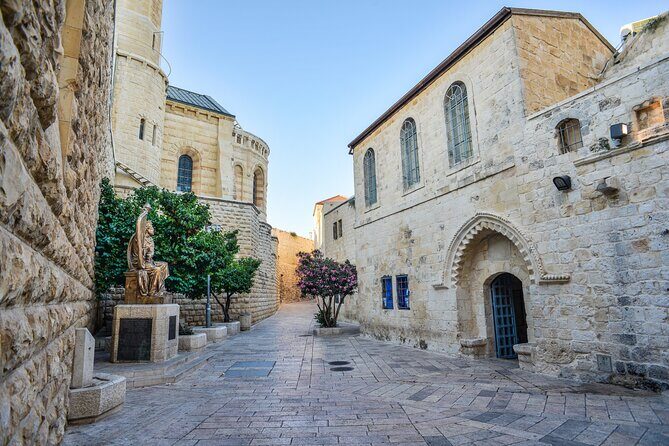
You’ll meet at King David St 1, Jerusalem, Israel. The experience uses a mobile ticket, so you’ll want your phone charged and ready to show your booking quickly.
The route is a guided walking tour in the Old City. The promise here is straightforward: you’ll explore top sights on foot, get commentary from your guide along the way, and then return to the meeting point. With a maximum of 30 travelers, it’s meant to be small enough for interaction, not a giant bus situation.
Stop 1: Old City of Jerusalem—four quarters, one orientation
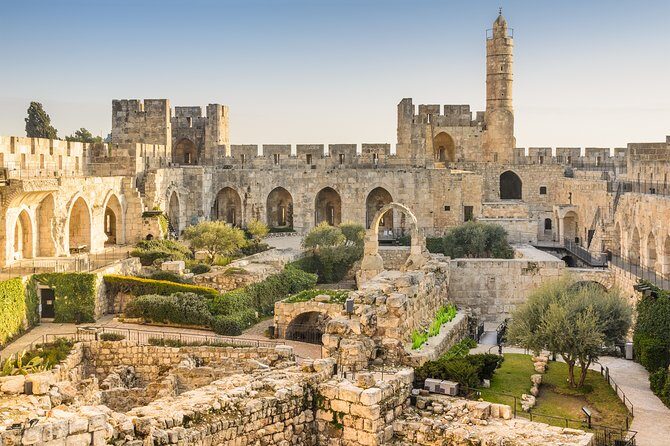
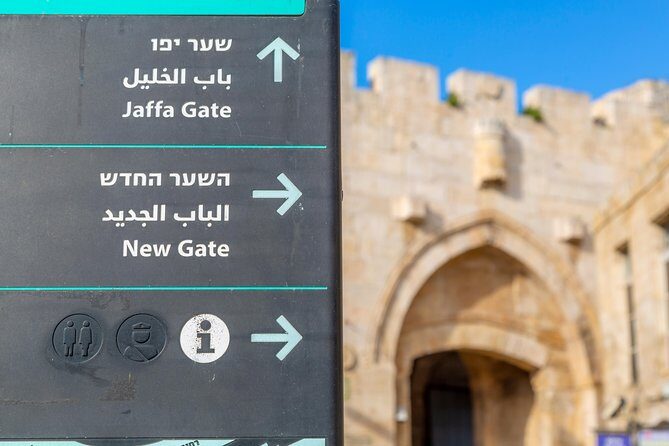
The first stop is the Old City of Jerusalem itself, where you’ll cover the big attractions and see the four quarters. That’s valuable because the Old City can feel like a maze when you’re on your own. On a guided route, you’re not just checking boxes. You’re learning how the area connects and why certain places became focal points.
Your guide will be your translator for the scenery: why you’re seeing what you’re seeing, and how different faith traditions shaped how people use these streets. Reviews put a lot of weight on guides who stay organized and upbeat—names like Hanoch and Doton come up for keeping the mood positive while explaining landmarks and culture. In plain terms, you want a guide who can do both: knowledge and momentum.
One practical consideration: Old City walking means uneven stone and tight turns. Even if the tour says most travelers can participate, wear shoes you trust. Plan for a steady walk, not a stroll.
Stop 2: The Western Wall—what it means and how to look
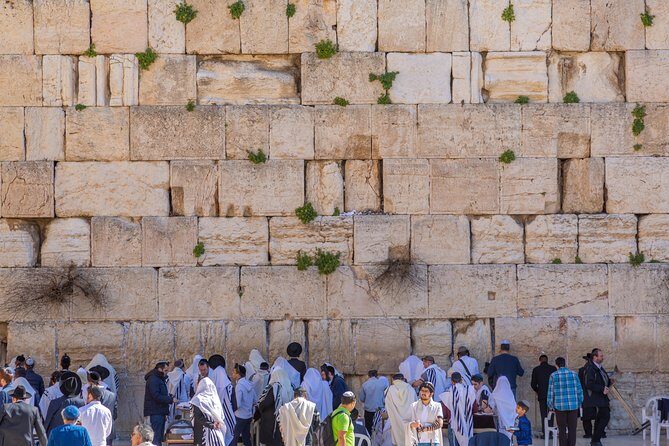
Next you’ll reach the Western Wall, one of the most important symbols for the Jewish people. Your stop here is listed at about 20 minutes, with admission ticket free as part of the tour.
This short window is perfect if your goal is understanding and orientation rather than lingering for hours. Here’s how I’d use your time: look first at the wall itself, then at how people are behaving—how the space is used for prayer and reflection. The guide’s job is to add meaning so you don’t just see stone and crowds. If you’re the kind of person who likes context, this is where that matters most.
A drawback to keep in mind: because the Western Wall is extremely significant, the atmosphere can be emotionally intense. That’s not a reason to skip it. Just be ready for a quieter, more respectful rhythm.
Stop 3: Church of the Holy Sepulchre—pilgrimage at Christian ground zero
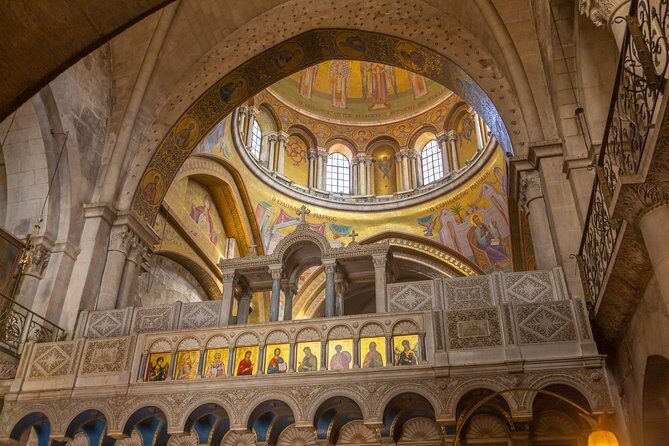
The third highlight is the Church of the Holy Sepulchre, a pilgrimage site for millions of Christians. You’ll enter the church and spend about 20 minutes, again with admission ticket free as part of the tour flow.
This stop is also tied to the Via Dolorosa, so the guide can help you connect the church to the wider Christian story people associate with Jerusalem. Even if you’ve studied religious history before, seeing the building in person often helps everything click. The church is one of those places where faith, architecture, and centuries of devotion overlap.
How to make the most of your short time: pay attention to what your guide points out. In a time-limited visit, the difference between a quick glance and a meaningful stop is whether you know what you’re looking at. The best-rated guides on this route—like Alan Younger for humor and clarity—are the type who explain in a way that doesn’t feel like a lecture.





The route logic: why sacred sites in one walk help you understand Jerusalem
This tour is designed around three faiths—Jewish, Muslim, and Christian—and you move between landmarks that each hold deep meaning. That matters because Jerusalem isn’t a single story. It’s layered stories stacked over centuries.
On your own, you can easily bounce between places without understanding the connections. With a guide, you get an introduction to the city’s millennia-old complexity, and you also get help reading the physical layout: where people gather, why movement is shaped the way it is, and how sacred sites sit inside everyday streets.
One thing I appreciate about this kind of route is that it forces you to slow down just enough to absorb the contrasts. You’re not only visiting holy places. You’re watching how faith shows up in public space, architecture, and daily behavior.
Foot-only neighborhoods: the best part you’ll feel in your legs
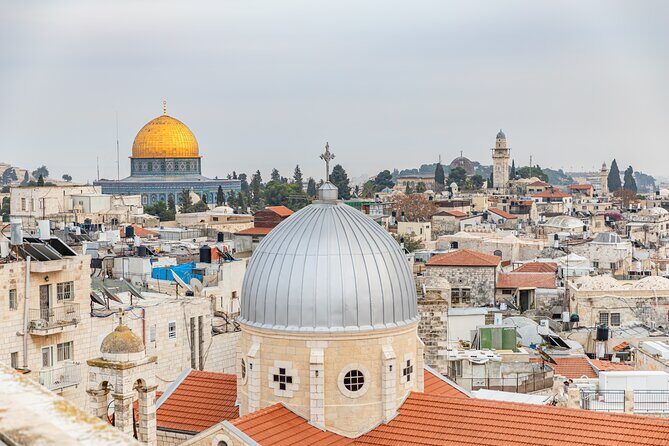
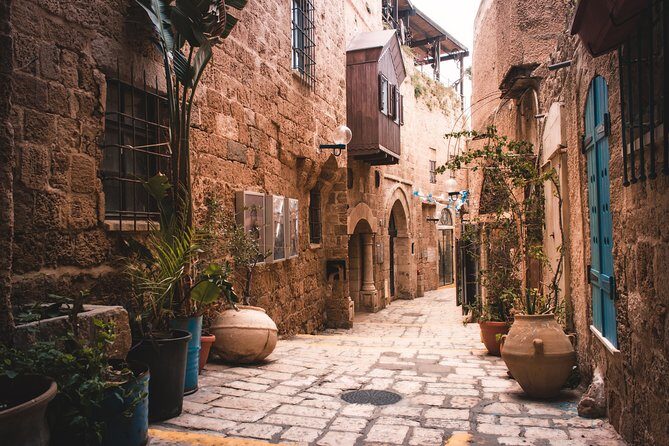
One of the tour highlights is exploring ancient pedestrianized neighborhoods only accessible by foot. That’s more than a convenient travel style. It’s the difference between seeing Jerusalem through a car window versus seeing it as people actually experience it.
Walking also creates a natural pacing. You won’t just pop into one location and leave. You’ll pass through the in-between spaces—the corridors, squares, and street turns—where Jerusalem’s character becomes real. If you like the city feeling alive around you, this route does that well.
The tradeoff is physical. The Old City is compact, but it can be demanding. If you have mobility limits or stamina concerns, you should consider your own comfort first and not just the fact that most travelers can participate.
Guide quality: what makes it work (and who people rave about)
This experience leans heavily on your guide. The tour is built for expert commentary along the way, and the strongest reviews focus on guides who combine history with respect and personality.
Names that pop up include:
- Hanoch, praised for keeping spirits up and explaining history and landmarks.
- Alan Younger, highlighted for being extremely knowledgeable with a strong sense of humor.
- Doton, noted for enthusiasm and clear explanations about the three faiths and cultures living in the Old City.
That’s exactly what you want for a place like Jerusalem, where facts matter—but tone matters too. If you end up with a quieter guide or a group that’s too large, you may get less information per minute. One weaker note in the feedback mentions a bigger-than-advertised group and a slower pace of explanation. It’s a reminder to manage expectations: you’re buying the guide’s structure, not just access to sites.
Price and value: is $59 for 3 hours fair?
At $59 per person for about 3 hours, this tour is positioned as a value option if you want guided context without paying for a full-day schedule. What helps the math is that major stops are listed with free admission tickets during the tour flow (Old City orientation plus the Western Wall and Church of the Holy Sepulchre).
You’re not just paying for entry. You’re paying for:
- a guided route through complex streets,
- expert commentary while you’re there,
- and time-saving organization so you spend more time understanding and less time figuring out what connects to what.
Another small signal of demand: it’s commonly booked about 29 days in advance on average. That doesn’t guarantee quality, but it suggests people find this a useful way to plan a short Jerusalem visit.
Who should book this tour—and who might not
This is a strong fit if you:
- want to cover key Old City landmarks in a half day,
- prefer a guided explanation over reading alone,
- and like the idea of seeing Jewish, Muslim, and Christian sites as part of one connected walk.
It may be less ideal if you:
- dislike walking in tight old-stone areas,
- need lots of unstructured time at a single site,
- or are very sensitive to schedule slips and group size. There has been at least one complaint about lateness and a group size not matching the cap, and that’s the kind of thing that can affect the quality of commentary.
Should you book Jerusalem Half Day Walking Tour (Old City)?
I think it’s a good booking if your priority is fast orientation plus meaningful stopovers at the Western Wall and the Church of the Holy Sepulchre, with a guide who can connect the three faith stories in a respectful way. The price makes sense when you consider you’re paying for a structured route and commentary, not just entrances.
If you go, I’d show up ready to walk and ready to listen. Bring comfy shoes, and treat the short stops as an introduction rather than a replacement for deeper visits later. If you have flexibility, you can always return to your favorite spot after the tour with a clearer sense of what matters most to you.
FAQ
How long is the Jerusalem Half Day Walking Tour?
It lasts approximately 3 hours.
Where does the tour start?
The meeting point is King David St 1, Jerusalem, Israel.
What time does the tour begin?
The start time listed is 7:45 am.
What major sites are included?
You’ll see the Western Wall and enter the Church of the Holy Sepulchre, plus an Old City orientation that covers key attractions and the four quarters.
How much does the tour cost?
The price is $59.00 per person.
Is admission included for the stops?
The listed stops show admission ticket free during the tour flow.