REVIEW · TEL AVIV
5-Day Best of Israel Tour from Tel Aviv: Jerusalem, Dead Sea, Nazareth, and Masada
Book on Viator →Operated by Bein Harim Ltd · Bookable on Viator
This itinerary moves fast, but it hits the big spiritual and historic stops. You’ll get Jerusalem Old City time, a cable car ride to Masada, and a full sweep from the Galilee down to the Dead Sea.
I especially like the way the tour mixes landmark sightseeing with real context. When guides such as Amir (and sometimes Eyal and Rami) focus on word origins and on-the-ground history, the sites click in your head instead of feeling like a checklist.
One thing to weigh: some departures can feel split up day-to-day, with different guides and a lot of bus time. If you hate shopping stops or you need a tightly continuous narrative, this style may feel a bit disorganized at the edges.
In This Review
- Key things to know before you go
- A brisk best-of route from Tel Aviv across Israel’s north and south
- Price and logistics: what you’re paying for at $1,080 per person
- Day 1 in the Galilee and Golan: Katzrin, Golan Antiquities, and Mount Bental
- Day 2 in Nazareth and the Sea of Galilee: Church of Annunciation to Capernaum
- Day 3 around Haifa and the coast: Caesarea, Bahá’í Gardens, Rosh Hanikra, and Acre
- Day 4 in the Judean hills and desert: Masada by cable car, Herodium, Qumran, and the Dead Sea
- Day 5 Jerusalem circuit: Mount Scopus, Old City quarters, Western Wall, Holy Sepulchre, and Yad Vashem
- Hotel nights and kibbutz stay: how the sleep setup affects the pace
- Where this tour shines—and where it can feel messy
- Value check: is it worth $1,080 for this scope?
- Who should book this tour, and who should consider a different style
- Should you book this 5-day Best of Israel tour?
- FAQ
- What time does the tour start?
- Is hotel pickup and drop-off included?
- Where will I stay during the tour?
- Are meals included?
- What should I bring for the Dead Sea stop?
- How do you visit Masada?
- Is the tour suitable for children, and can you arrange a priest-led baptism?
Key things to know before you go
- Jerusalem gets two angles: Old City wandering plus a City of David visit for added depth.
- Masada is a cable-car climb, not a grind, and you’ll have real time in the national park.
- Dead Sea floating plus mud time is built in, with admission included and a strong chance to cool off.
- Nazareth and Capernaum are paired on Day 2, so you’re not bouncing between regions all day.
- Rosh Hanikra + Acre gives you caves and coastline on the same day.
- Group pacing can include shopping stops, so bring snacks and set expectations.
A brisk best-of route from Tel Aviv across Israel’s north and south
This is a classic highlights circuit: you start in Tel Aviv, then swing north through the Galilee and Golan, then back west through Haifa and Acre, then down to the Judean hills, Masada, and the Dead Sea, and finally finish with Jerusalem in a dense final day.
The big value here is coverage. In five days you’re getting multiple regions that most people would struggle to combine on their own without a lot of driving. You also get guided interpretation for places that can feel repetitive if you do them solo.
The trade-off is pace. You’ll be on an air-conditioned coach much more than you’d be on a slower, rail-and-stroll itinerary. If you’re the type who wants lots of free time for coffee stops and lingering photos, you’ll need to manage your expectations from day one.
Also keep in mind that the order of stops can change based on departure day. That flexibility helps the operator keep things moving, but it means you should stay flexible about timing.
A few more Tel Aviv tours and experiences worth a look
Price and logistics: what you’re paying for at $1,080 per person
At $1,080 per person, this tour is priced like a bundled package: pickup and drop-off, an air-conditioned vehicle, a professional guide, and four nights of accommodation. You’re also getting admission tickets included for several key sites, not just a guide and transport.
Where cost can feel uneven is meals. Food and drinks aren’t included unless specifically mentioned, so you’ll need to budget lunch and water day to day. Breakfast is listed as optional, which is worth clarifying when you book.
One practical tip from how these tours run: plan to spend a little time outside your bus comfort zone. Modest dress is required for holy sites, and you’ll do walking in hot weather—especially near the Dead Sea and in Jerusalem’s quarters. Comfortable shoes, water, and a hat aren’t just nice; they’re a daily survival kit.
Finally, double-check how your departure handles pickups and transfers. A few past experiences flagged confusion about getting onto the correct bus. You can reduce the stress by arriving at the meeting point early and keeping your booking details handy on your phone for quick verification.
Day 1 in the Galilee and Golan: Katzrin, Golan Antiquities, and Mount Bental
Day 1 sets the tone: you start by traveling through the Jordan Valley and along the Sea of Galilee shore, then move into the Golan area for a mix of archaeology and scenery.
You’ll stop at Ancient Katzrin Village and Synagogue, a short visit that’s designed to give you a snapshot of ancient Jewish life in the region. Then you’ll hit the Golan Antiquities Museum, which helps connect what you see in the landscape to what people actually built and lived with here.
Mount Bental is a strong “look-and-learn” moment. You’ll explore remaining Syrian bunkers and stand at a viewpoint that makes the area’s strategic history feel very real. It’s not a long stop, but it’s the kind of place where a guide’s narration matters because the site is more than pretty rocks.
What to watch for: this day can feel like a “two-in-one” intro—scenic travel plus history stops. If your feet get tired, keep your walking slow and steady. The payoff is that by the end of Day 1, you’re not just seeing places—you’re starting to understand why they mattered.
Day 2 in Nazareth and the Sea of Galilee: Church of Annunciation to Capernaum
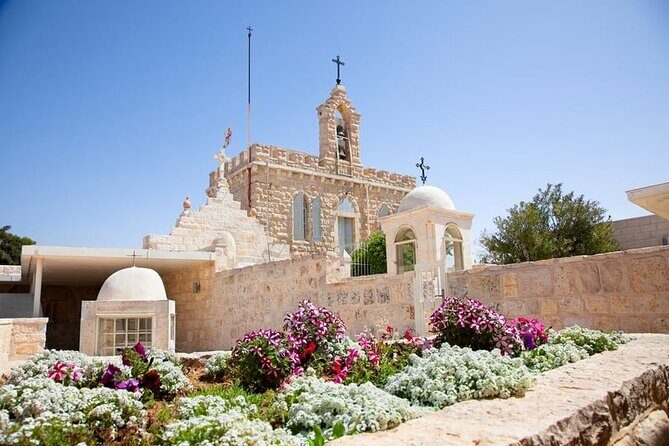
Day 2 is built around Christian biblical landmarks, but it also includes the area’s broader geography. You’ll visit Nazareth, then tour the Church of the Annunciation and St. Joseph’s Church.
These stops matter because Nazareth is not just a single building—it’s a lived-in city. The time you spend inside and around the churches helps you understand how the area’s spiritual identity sits alongside everyday life. If you like learning the background stories behind names and locations, this is where the guide can really shine.
Then you move through the wider region with a pass by Kfar Cana and the Mount of Beatitudes, followed by Capernaum and the Church of the Multiplication. You’ll also stop at Yardenit on the Jordan River, a key baptism site stop where your timing includes a dedicated window.
Another highlight is the view at Mount Tabor, mentioned as the place tied to the Transfiguration. Even if you’re just seeing it from a distance, it helps you build a mental map of the landscape behind the stories.
One thing to keep in mind: Day 2 has a lot of quick stops. If your group is large, you’ll want to manage your photo energy. Shoot fast, then focus on soaking up the guide’s explanations so the short time feels meaningful.
Day 3 around Haifa and the coast: Caesarea, Bahá’í Gardens, Rosh Hanikra, and Acre
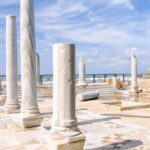
Day 3 is the “wow, coastline and ruins” day. It starts at Caesarea National Park, where you’ll visit the ancient port area. You’ll also see the theatre at Caesarea, dating to the 1st century AD. Even for people who aren’t museum people, this kind of archaeology is easy to read because the scale is so obvious.
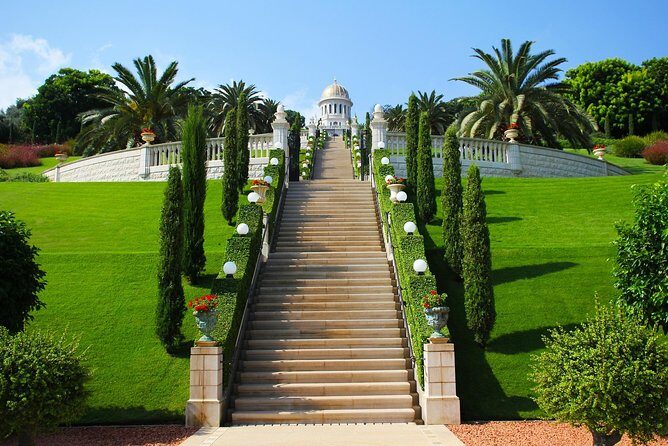
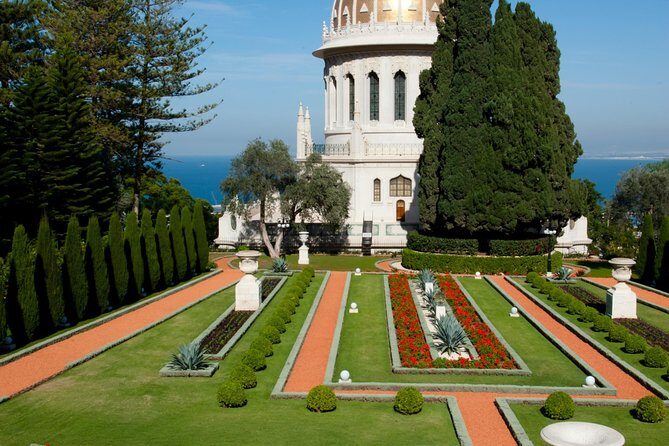
Next comes Haifa’s Baha’i Gardens, with a view from near the top. The gardens stop is short, but it gives you a sense of how Haifa’s slopes shape daily life and sightseeing. Pair that with the next transfer, and you get a nice contrast: organized terraced views, then raw coastal geology.
Rosh Hanikra is where you’ll feel the trip get physical again. You’ll ascend by cable car, then explore the grottos. There’s even a viewpoint where you can see the Lebanese border from the Rosh Hanikra area.
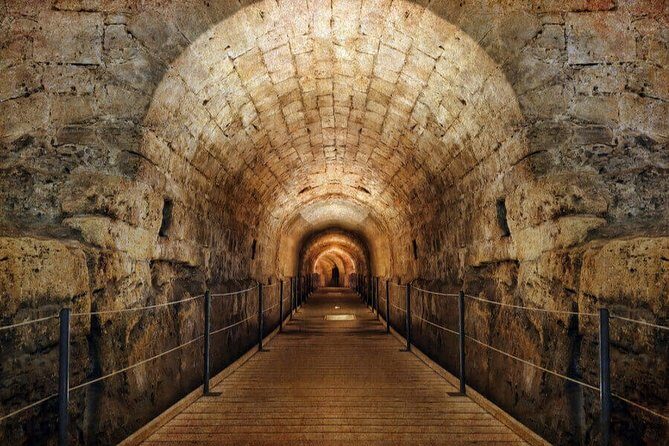
Then you finish at Acre, including Citadel of Acre and the Underground Crusader City. Acre’s Old City feel tends to stick with people because you’re looking at layers—period after period—built right on top of each other.
Practical drawback: this day can include more walking on uneven surfaces around ruins and caves. Wear shoes with grip, and pace yourself through the cable car experience so you don’t feel rushed at the grotto level.
Day 4 in the Judean hills and desert: Masada by cable car, Herodium, Qumran, and the Dead Sea
Day 4 is the most intense mix: desert fortresses, desert scenery, and then a Dead Sea reset.
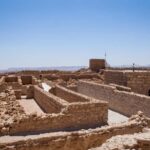
You’ll travel through the Harei Yehuda area in the Judean Hills and pass the Good Samaritan Inn. Then you reach Masada National Park. The big headline is that you go up to Masada by cable car, which saves your energy for the on-site walking and viewpoints. You’ll have about 1 hour 30 minutes at Masada, and admission is included.
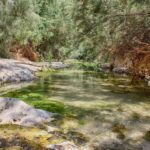
After Masada, you’ll tour Herod’s Palace (Herodium), with time set aside for the remains. Then you’ll pass by Ein Gedi Natural Reserve and the Qumran area, noted as the spot where the Dead Sea Scrolls were found. Even as a pass-by moment, it helps tie the region together so the Dead Sea stop doesn’t feel random.
Then comes the big cooling relief: Dead Sea. You’ll float and mud yourself, and admission is included. You’ll likely need sun protection even if you’re excited about swimming, because you’ll be out in open light.
What you should bring and plan for: the tour notes recommend a hat, bathing suit, towels, and sun protection. I’d add one more practical item—bring a small water bottle for after you exit the salt and mud area. It helps you feel human again fast.
Day 5 Jerusalem circuit: Mount Scopus, Old City quarters, Western Wall, Holy Sepulchre, and Yad Vashem
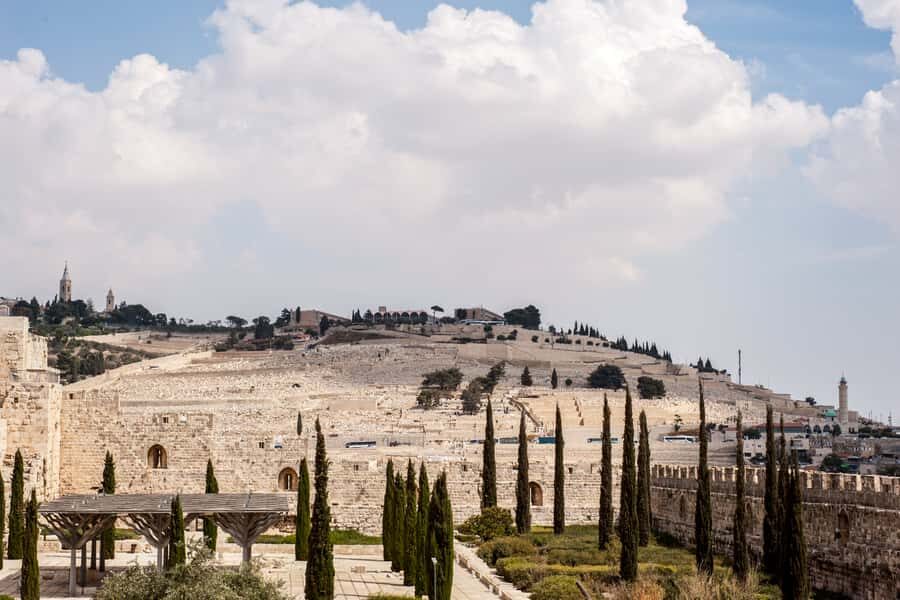
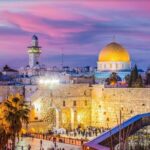
Day 5 is packed, and it’s the reason most people do this tour. You start with Mount Scopus National Botanical Garden to view the Old City, then you move to the Garden of Gethsemane area and pass by the Church of All Nations, plus the Kidron valley.
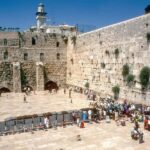
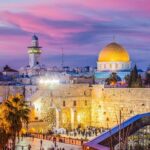
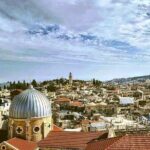
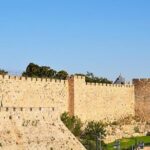
Then it’s the Jerusalem Old City walking circuit. You’ll spend time exploring Old City streets, including the Jewish Quarter and the Byzantine Cardo. You’ll visit the Western Wall, then move through the Christian Quarter and the Via Dolorosa (the Way of the Cross stations). After that you’ll visit the Church of the Holy Sepulchre and continue into the Muslim Quarter and bazaar area.
This is where the guide’s role matters a lot. Inside Jerusalem’s warren of streets, it’s easy to feel like you’re just moving from landmark to landmark. A good explanation helps you connect quarters, names, and historical layers so your walking time turns into understanding instead of just motion.
The final major stop is Yad Vashem – The World Holocaust Remembrance Center, with admission included. It’s a powerful, serious finish that adds weight to the whole trip. Build your day around it: don’t schedule late-night plans that can cut into your ability to process what you see.
Hotel nights and kibbutz stay: how the sleep setup affects the pace
You’ll have four nights total. The structure is three nights in a 3-star Jerusalem hotel and one night in a traditional kibbutz near the Sea of Galilee.
This matters because it changes how tired you feel at key moments. Jerusalem is where you’ll be walking a lot, so those three hotel nights keep you from dragging luggage too often. The kibbutz night is also a nice reset. Even if you don’t plan to relax much, sleeping in a different setting can help you recover between the north and the final Jerusalem surge.
Quality can vary. One past experience cited switching hotels in Jerusalem, from Seven Arches to Prima Park, and the switch made a noticeable difference due to location and overall feel. That’s a reminder: when you book, note what hotel name you’re actually assigned for your dates, and be ready to follow up if it isn’t what you expected.
Where this tour shines—and where it can feel messy
The best version of this tour is when you have a strong guide and clear day structure. Names like Amir showed up in positive write-ups for being well-rounded, up to date, and able to explain origins of words and concepts tied to what you’re seeing. When that happens, the trip feels like a guided story: you start with the land, then the faith traditions, then the history layers.
The weaker version tends to show up when continuity breaks. Some experiences described the tour as feeling like five separate one-day tours with different guides, drivers, and tourist groups each day. That can lead to repetition and a sense that you’re not building on what you already learned.
There are also operational friction points that you can prepare for. Some people flagged wasted time on shopping stops like jewelry shops, plus general shuffling during pickups and transfers. You can’t always control it, but you can control your response: treat these stops as optional bathroom breaks and stock up on water and snacks so you’re not hungry when the bus finally rolls.
The bottom line: the itinerary is strong. Your enjoyment will depend on how smoothly your specific departure runs and how engaging your particular guide is.
Value check: is it worth $1,080 for this scope?
For many people, the value math comes from what’s bundled. You’re paying for:
- Transport by air-conditioned vehicle plus hotel pickup and drop-off
- A professional guide across multiple regions
- Four nights of lodging (3-star Jerusalem + kibbutz)
- Admissions at several major stops like Masada, Caesarea, Rosh Hanikra, and Yad Vashem
If you tried to piece this together yourself—especially if you want guiding for Jerusalem and the big ticket sites—you’d spend significant time and money on planning, driving, and securing timed tickets.
Where value can slip is meals and shopping time. Since food isn’t included (beyond optional breakfast), you’ll add daily costs. If your group gets stuck at sales stops, that’s time you might wish you could use for an extra viewpoint or longer museum moment.
A good way to decide if it’s worth it for you: ask whether you want convenience and coverage over slow, independent pacing. If yes, this package is a practical way to do a lot without handling logistics. If your ideal trip is quiet and self-directed, you may feel rushed.
Who should book this tour, and who should consider a different style
Book this if you want a guided, high-coverage itinerary that hits Israel’s most famous sites in a short window. It suits first-timers who feel overwhelmed trying to link Jerusalem, Masada, Nazareth, and the northern coast in one trip. It also suits people who enjoy structured time and learn best with a guide pointing out what matters.
Choose something else if you’re very sensitive to bus time, shopping detours, or schedule continuity. If you hate feeling herded—or you want deep, unbroken narration across every day—this format may frustrate you.
A practical fit check:
- You should be okay with modest dress rules for holy sites (covered knees and shoulders).
- You should be ready for walking and uneven surfaces around ruins and caves.
- You should bring sun protection and expect heat, especially at the Dead Sea and in Jerusalem.
Should you book this 5-day Best of Israel tour?
I’d book it if your priority is seeing the big names—Jerusalem’s Old City circuit, Masada, the Dead Sea, Nazareth and Capernaum, and then the coast highlights like Rosh Hanikra and Acre—without managing transport and ticket logistics.
I’d pause and compare if you’re expecting a smooth, one-guide, one-narrative experience every day. Because departures can vary, it’s smart to choose this only if you can tolerate some shuffling and keep your focus on the actual sites.
If you go in with realistic expectations, you’ll come out with a strong mental map of northern Israel, the Judean desert edge, and Jerusalem’s layered neighborhoods. That’s the payoff.
FAQ
What time does the tour start?
The tour start time is 7:15 am.
Is hotel pickup and drop-off included?
Yes. The tour includes hotel pickup and drop-off, plus a professional guide and an air-conditioned vehicle.
Where will I stay during the tour?
You get four nights of accommodation: three nights in a 3-star hotel in Jerusalem and one night in a traditional kibbutz.
Are meals included?
Food and drinks are not included unless specified. Breakfast is listed as optional (for four days).
What should I bring for the Dead Sea stop?
The tour recommends a hat, bathing suit, towels, and sun protection for the Dead Sea.
How do you visit Masada?
You ascend to Masada by cable car, then explore Masada National Park (about 1 hour 30 minutes).
Is the tour suitable for children, and can you arrange a priest-led baptism?
The tour is not suitable for children under age 4. The operator does not participate in organizing a baptism with a priest, but they can coordinate priest-led baptism with the Yardenit site in advance, with an estimated visit time of 15:30–16:15 at Yardenit.