REVIEW · JERUSALEM
From Jerusalem/Tel Aviv: Guided Full-Day Tour of Jerusalem
Book on GetYourGuide →Operated by Eliaa B. S Israel Tours · Bookable on GetYourGuide
Jerusalem feels different when you’re guided, not dropped at a curb. This full-day route strings together the key spiritual stops—Mount Scopus, the Western Wall, and the Church of the Holy Sepulchre—plus the lanes of the Old City. I like that the day starts with a wide city view, then tightens into the sacred, stone-on-stone reality of prayer and pilgrimage.
Two things I especially like: the panoramic overlook that frames the Dome of the Rock and the Old City walls from above, and the way the tour moves from symbolic places to lived-in ones, including the restored Cardo and the Old City bazaar. One possible drawback to keep in mind is coordination—one verified booking reported a pickup problem—so you’ll want to confirm your meeting point details carefully before the day.
In This Review
- Key highlights worth your attention
- A 10-hour Jerusalem route that connects the key spiritual stops
- What you get for the $95 price
- Mount Scopus: the best opening act for first-timers
- Enter through Zion Gate: Ottoman walls, then the Armenian Quarter
- A practical note on walking days
- Western Wall (Kotel): the emotional center of the route
- Via Dolorosa and the Church of the Holy Sepulchre
- Expect crowds and patience here
- Old City bazaar: spices, souvenirs, and real atmosphere
- Garden of Gethsemane and Mount Zion: olive trees to the Cenacle
- Monday and Thursday changes (important)
- Pickup, timing, and the one thing you should double-check
- What to wear and bring so the day stays comfortable
- Is this tour worth it for you?
- FAQ
- How long is the Jerusalem full-day tour?
- How much does the tour cost?
- Is food or drinks included?
- What’s included in the price?
- Is the tour guide available in English?
- Do I need a passport?
- What should I wear for holy sites?
- What changes on Mondays and Thursdays?
Key highlights worth your attention
- Mount Scopus skyline view that sets the whole day in context
- Zion Gate into Ottoman walls as your entry into the Old City heart
- Armenian Quarter + restored Cardo showing how the Byzantine street still shows through
- Western Wall (Kotel) for a real moment of prayer and reflection
- Via Dolorosa to Holy Sepulchre linking the Stations of the Cross to Golgotha and the tomb site
- Garden of Gethsemane and Mount Zion for olive trees, Kidron Valley views, and the Cenacle area
A 10-hour Jerusalem route that connects the key spiritual stops
This tour is built like a logical spine through Jerusalem’s most important religious areas. You’ll spend your day moving between viewpoints, major holy sites, and the Old City’s quarters—so you’re not just ticking off landmarks. You’re seeing how the city’s geography shapes the stories people carry here.
The big win is balance: the route covers Judaism and Christianity in the same day, and it does it without skipping the Old City streets. You start with distance and perspective, then you shift into narrow lanes and crowded spaces. That shift matters because Jerusalem reads differently when you understand where you are relative to the walls, valleys, and key monuments.
You can also read our reviews of more guided tours in Jerusalem
What you get for the $95 price
At $95 per person for a 10-hour day, you’re paying for guided time, transportation, and entrance fees. Food and drinks are not included, so plan to budget for that yourself.
In practical terms, this is a value deal if you want:
- A guide to keep the day moving and explain what you’re seeing
- Transportation that handles the longer hops between areas
- Entrance fees taken care of
If you’re the type who enjoys planning every route on your own, you could DIY parts of it. But if you’d rather spend your energy on the sites instead of logistics, this is the kind of structured day that’s easier to enjoy.
Mount Scopus: the best opening act for first-timers
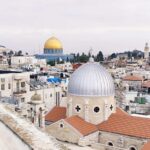
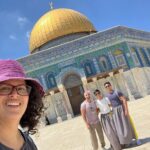
Most Jerusalem days start with walking. This one starts with seeing—specifically from Mount Scopus. From the top, you get a panoramic view over the city, including the golden Dome of the Rock, the Old City walls, and the mix of old and new Jerusalem.
I love an opening view like this because it changes how the rest of the day feels. After that overlook, places you’ll reach later don’t feel random. They connect: which direction the Old City sits, how the valleys frame the approach, and why certain walls and gates matter.
This stop also helps you manage the day’s biggest challenge: Jerusalem’s holy sites are close on a map but far in real life once you factor in crowds, security, and walking. Having that early orientation makes every next turn easier to follow.
Enter through Zion Gate: Ottoman walls, then the Armenian Quarter
After the Mount Scopus panorama, the tour descends into the Old City and enters through Zion Gate, part of the magnificent 500-year-old Ottoman walls. That’s not just a historical detail. It’s the physical moment your day shifts from outside the walls into the layered, enclosed core where multiple communities have lived side by side for centuries.
Next comes a walk through the Armenian Quarter. This area is one of the oldest Christian communities in Jerusalem, and the tour guides you through it so you don’t just pass by storefronts—you understand what you’re seeing as part of a longer story of faith and survival.
From there, you continue into the Jewish Quarter, where the tour highlights the Cardo—the main street of Byzantine Jerusalem. The Cardo is now beautifully restored, but it still carries that sense of a once-busy commercial artery. Even if you’re not shopping, seeing the street layout helps you picture how people used to move through the city.
A practical note on walking days
This is an Old City day. That means uneven steps, narrow sidewalks, and longer-than-you-expect walking windows. Wear shoes you trust. If you’re trying to do this in sandals or soft sneakers, you’ll feel it by late morning.
A few more Jerusalem tours and experiences worth a look

Western Wall (Kotel): the emotional center of the route
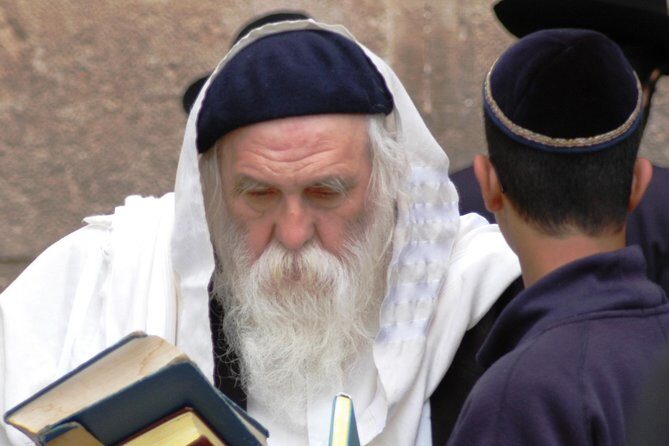
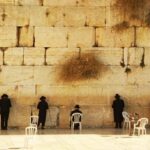
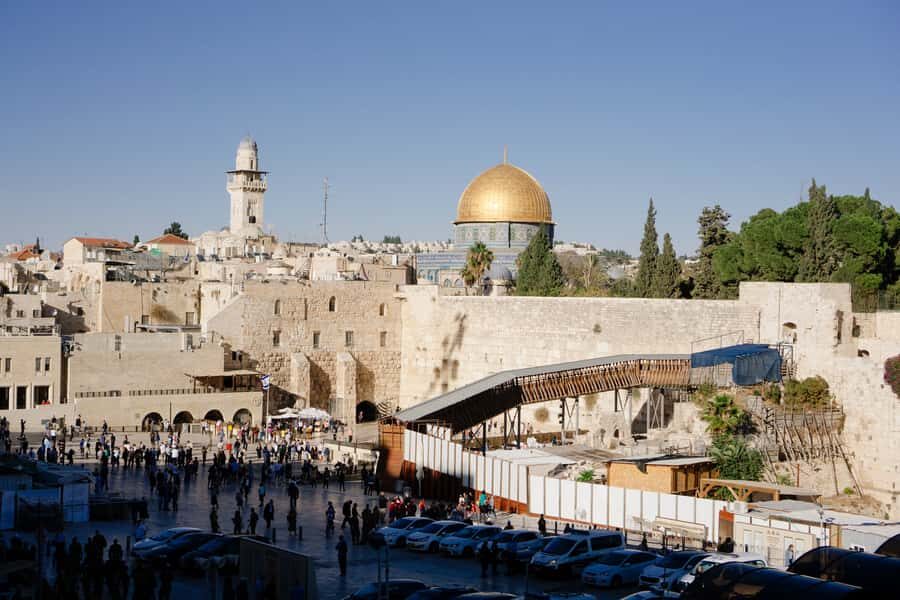
Then you arrive at the Western Wall, known as the Kotel. This is the holiest site in Judaism and a deeply moving place of prayer and reflection.
What I like about having the Kotel in the middle of the day is that you’ve already built context from earlier stops—Old City gates, quarters, and streets—and now you land at a place where people come to pray in a steady, lived rhythm. It’s not a museum vibe. It’s a stillness-and-devotion vibe.
Also, the Kotel tends to be one of those sites where your guide’s framing matters. A good guide helps you notice what’s happening around you: how people pause, where they stand, and how the space shapes the experience.
Via Dolorosa and the Church of the Holy Sepulchre
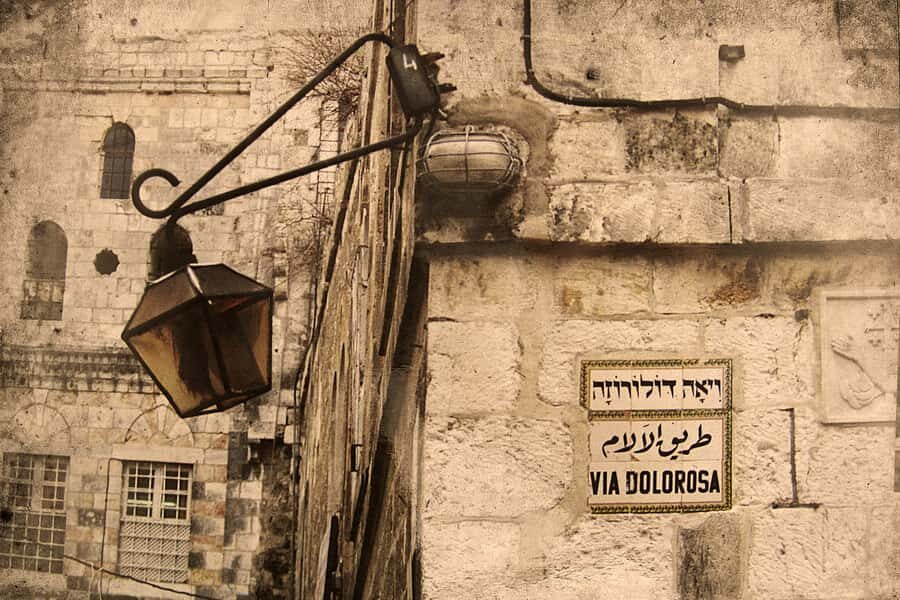
From the Western Wall, the tour follows the route of the Via Dolorosa, the path believed to be connected to Jesus’ journey to crucifixion. Along the way you pass the Stations of the Cross, which gives you a walking script. Even if you don’t treat every station as a literal historical stop, the route still works because it’s how devotion is practiced in Jerusalem.
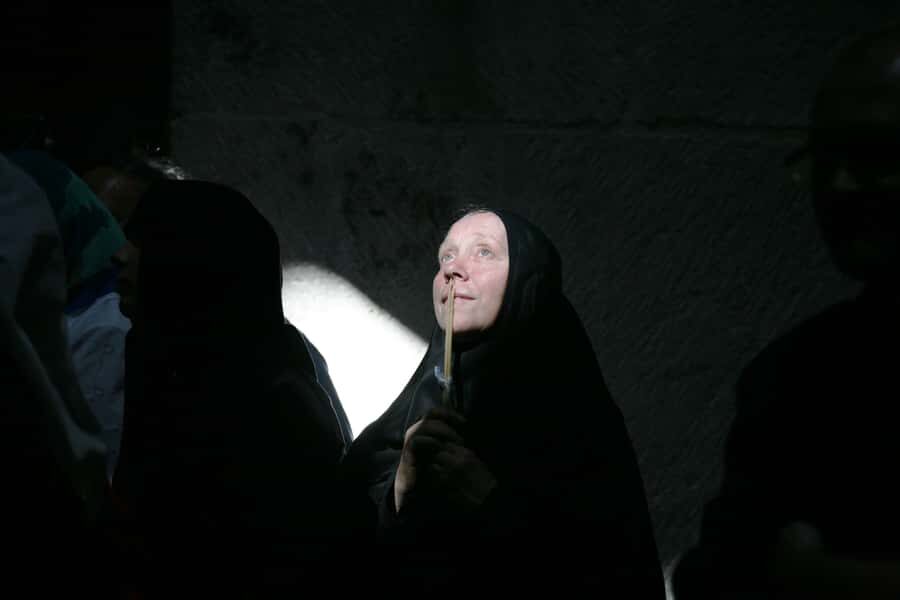
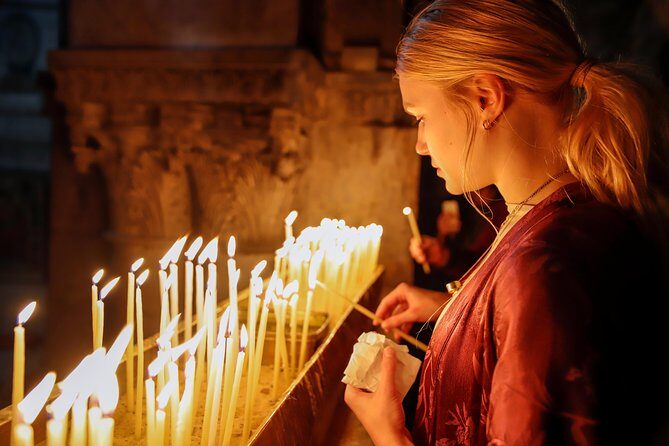
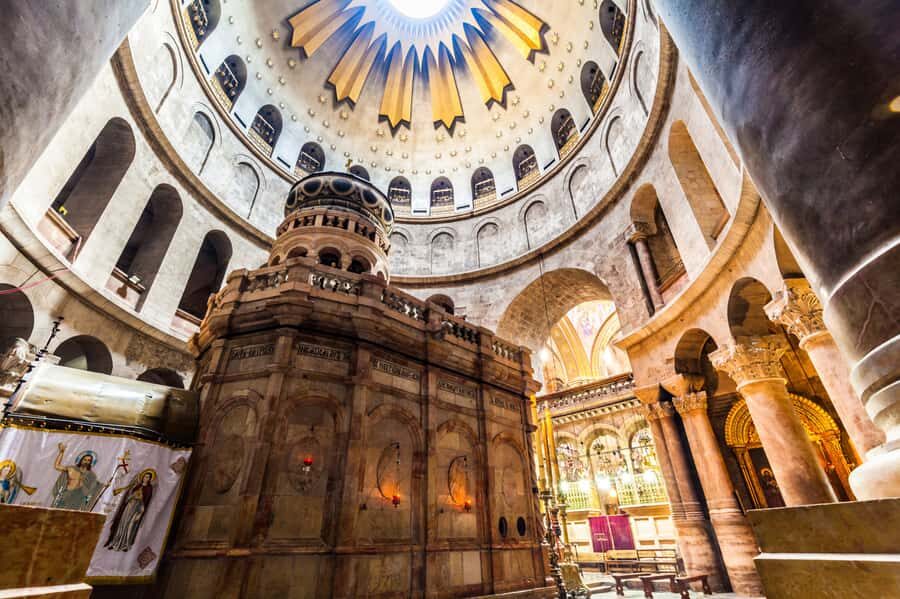
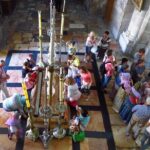
You’ll then reach the Church of the Holy Sepulchre, described as a magnificent 4th-century church that includes both the site of crucifixion (Golgotha) and the tomb of Jesus. This is one of the most important Christian sites on the planet, and it can feel intense in person. You’ll be surrounded by centuries of faith, and the architecture itself compresses the experience—high ceilings, enclosed spaces, and a sense that the building is crowded with meaning.
Expect crowds and patience here
This is not the place for rushing. Parts of the church can be slow-moving, and that’s just how it is. Your best move is mental: expect delays, and let your guide do the timing work.
Old City bazaar: spices, souvenirs, and real atmosphere
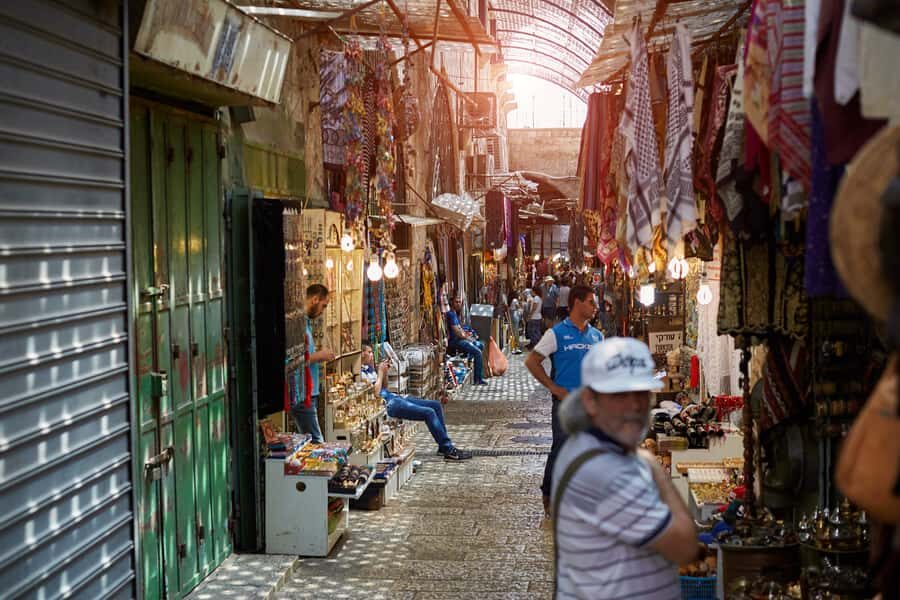
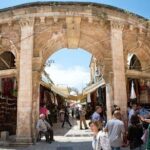
After the holy sites, the day shifts to the Old City bazaar. This is where Jerusalem becomes sensory. You’ll walk through colorful stalls, spices, souvenirs, and the sounds and scents of centuries-old trade.
I recommend treating the bazaar like a slow walk, not a sprint. It’s easy to buy things you don’t really want when you’re tired and the shops start to blur. Instead, pick one or two souvenir targets—spices you can actually use later, a small item you’ll remember—then enjoy the atmosphere without turning it into a shopping chore.
Also, because you’re on a guided timeline, you’ll likely get less time here than you would on your own. That’s why I like this tour approach: you see the bazaar and get the feel of it, without wasting half a day negotiating your way around.
Garden of Gethsemane and Mount Zion: olive trees to the Cenacle
Next comes the Garden of Gethsemane, where ancient olive trees still grow. Nearby is the Church of All Nations, which sits beside the garden. If you want a different mood after the bustle of the Old City, this part of the route usually delivers it: quieter spaces, old trees, and the feeling of stepping into a place associated with prayer and reflection.
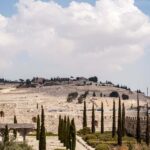
Then you’ll look across the Kidron Valley, dotted with monumental Jewish tombs that date back more than two millennia. Again, this is one of those Jerusalem moments where the geography does the storytelling. You see the valley line and suddenly the city’s sacred map makes more sense.
From there, you pass the Dormition Abbey on Mount Zion, traditionally associated with the Virgin Mary’s eternal rest. Next comes the Room of the Last Supper (Cenacle), where Jesus shared his final meal with his disciples. The tour also includes King David’s Tomb, described as one of Jerusalem’s most significant spiritual landmarks.
Monday and Thursday changes (important)
On Mondays and Thursdays (except during Jewish holidays), the tour includes a visit to the Holocaust Museum instead of:
- the Church of All Nations at the Garden of Gethsemane
- King David’s Tomb
- the Hall of the Last Supper on Mount Zion
If that matters to you—either because you want the Holocaust Museum or because you specifically want the Mount Zion stops—check your day before you book.
Pickup, timing, and the one thing you should double-check
The tour includes hotel pick-up and drop-off, plus transportation and a live English tour guide. Entrance fees are included too. That’s a solid package for a full-day Old City plan.
But here’s the caution I’d take seriously: one verified booking reported the operator didn’t show up for pickup at the meeting point in Jerusalem, and another reported the meeting point organization wasn’t great. You can’t control every external issue, but you can reduce your risk.
Before you go, do these simple things:
- Confirm the exact pickup location for your option, since meeting point can vary
- Arrive a bit early to the pickup window
- Carry your passport as required for the tour
If you’re someone who hates last-minute uncertainty, this is the one part of the experience you should manage carefully.
What to wear and bring so the day stays comfortable
This tour includes multiple holy sites with modest dress rules. Covered knees and shoulders are obligatory for visits to holy sites, so plan your outfit for that reality, not for weather hype.
Bring:
- Your passport
Practical comfort tips, based on how this day unfolds:
- Wear closed shoes for Old City walking
- Bring a light layer if you feel chilly in churches (indoors can be cool)
- Plan to buy food and drinks on your own since they’re not included
Is this tour worth it for you?
If you want a structured day that covers Jerusalem’s most requested spiritual landmarks—Mount Scopus, the Old City quarters, the Kotel, Via Dolorosa, Holy Sepulchre, and then Gethsemane and Mount Zion—this tour is a strong match. The $95 price makes sense when you factor in guide time, transportation, and entrance fees, and the 10-hour length is long enough to feel like a full day without turning into a travel marathon.
You might skip it (or at least adjust your expectations) if:
- You’re extremely sensitive to pickup timing and meeting point confusion
- You prefer deep, unhurried time in just one or two sites rather than a “greatest hits” day
- You want meals included (you’ll need to plan food stops)
If your priority is getting the key places explained in a single day, and you’re willing to be flexible on crowds and walking, I think this is the kind of tour that helps you understand Jerusalem faster—and then explore more thoughtfully on your own afterward.
FAQ
How long is the Jerusalem full-day tour?
It runs for 10 hours.
How much does the tour cost?
The price is $95 per person.
Is food or drinks included?
No. Food and drinks are not included.
What’s included in the price?
It includes hotel pick-up and drop-off, transportation, a tour guide, and entrance fees.
Is the tour guide available in English?
Yes. The tour offers a live English tour guide.
Do I need a passport?
Yes. You should bring your passport.
What should I wear for holy sites?
Modest dress is obligatory. Covered knees and shoulders are required.
What changes on Mondays and Thursdays?
On Mondays and Thursdays (except during Jewish holidays), the tour includes the Holocaust Museum instead of the Church of All Nations at the Garden of Gethsemane, King David’s Tomb, and the Hall of the Last Supper on Mount Zion.