REVIEW · JERUSALEM
Jerusalem and the Dead Sea Tour
Book on Viator →Operated by Bein Harim Ltd · Bookable on Viator
A full day, two worlds, zero boredom. This Jerusalem and Dead Sea tour strings together big views from the Mount of Olives and the unforgettable, salty floating of the Dead Sea with a guided walk through the Old City. I like that it’s structured enough to hit major holy sites without getting lost, yet flexible enough to enjoy the atmosphere in each neighborhood. The main thing to think about is the pace: it’s a long day with moderate walking and lots of queue time in the Old City.
What really makes it work is the logistics: hotel pickup and drop-off in an air-conditioned coach, plus a professional guide and entrance fees handled for you. Start at 8:30am, then spend hours on foot where details matter, and finish with real time on the water and black mud at the lowest spot on earth. Just keep expectations realistic: some stops are tight, and the best experience usually comes from wearing the right shoes and moving with the group.
In This Review
- Key things that make this tour worth your attention
- A tight 10-hour circuit: Mount of Olives to the Dead Sea
- Morning viewpoints: Mount Scopus and the Dome of the Rock
- Old City Jerusalem on foot: Old City streets, Jewish Quarter, and the Western Wall
- Christian Quarter and the Via Dolorosa: walking the stations to Calvary
- Church of the Holy Sepulchre: how to handle the timing and crowds
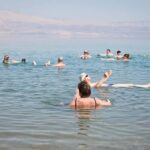
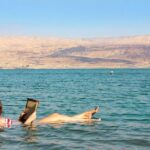
- Dead Sea arrival: 2 hours of floating, black mud, and sulfur pools
- How much time you really get in Jerusalem (and where it can feel tight)
- Dress code, shoes, and the small stuff that decides your comfort
- Price and value: what $106 includes, and what you’ll pay extra for
- Picking a good guide: why names you might get matter
- Should you book this Jerusalem and Dead Sea tour?
- FAQ
- How long is the Jerusalem and Dead Sea tour?
- What time does the tour start?
- Is hotel pickup and drop-off included?
- Is the tour guided?
- How much time do you spend at the Dead Sea?
- What should I bring for the Dead Sea?
- Is food included in the price?
- Do I need to follow a dress code?
- Is free cancellation available?
Key things that make this tour worth your attention
- Mount of Olives and Mount Scopus viewpoints for quick, high-impact photo angles over the city
- A guided Old City route that links Jewish, Armenian/Christian, and Muslim quarters into one walking day
- Western Wall time that feels intentional rather than rushed-by-the-bus
- Via Dolorosa stations plus a stop at the Church of the Holy Sepulchre
- Dead Sea floating plus black mud for that signature salt-and-sulfur experience
- Max 40 people so you’re not stuck in an endless herd
A tight 10-hour circuit: Mount of Olives to the Dead Sea
This is a full-day guided push—about 10 hours total—designed for people who want the highlights without planning, routing, and ticket logistics all by themselves. It starts with a hotel pickup at 8:30am in an air-conditioned coach, then moves into Jerusalem on foot, then out to the Dead Sea for a long final block of time.
I like that the tour is built around contrasts. Jerusalem is all stone steps, crowds, and holy places layered on top of each other. The Dead Sea is the opposite: heat, buoyancy, and the weird fun of floating when you can barely sink. It’s a rare day where you’ll feel like you changed countries without changing your itinerary.
The one drawback is the clock. You’ll cover a lot of ground, and the Old City can be slow with lines and narrow streets. If you’re the type who wants to linger quietly at every doorway, this schedule may feel compressed.
You can also read our reviews of more tours and experiences in Jerusalem.
Morning viewpoints: Mount Scopus and the Dome of the Rock
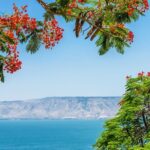
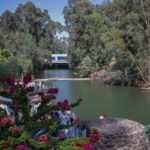
You begin with viewpoint time before the walking starts in earnest. The morning includes a stop at Mount Scopus National Botanical Garden, where you can get a panoramic overview of Jerusalem from above. Even if you’ve seen Jerusalem photos before, this is the moment when the city’s layout starts to make sense—hills, ridges, and the sense of how the Old City sits like a knot in the middle.
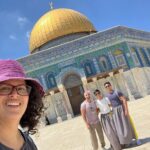
From there, you get a view connected to the Temple Mount area, including the Dome of the Rock. This is one of those “recognize it instantly” landmarks, and seeing it from an exterior vantage helps you understand why it’s such a powerful focal point in the city’s identity.
Why this matters for your day: once you’ve got the geography in your head, the rest of the Old City stops become more than checkboxes. You’ll find it easier to connect neighborhoods, walk directions, and sightlines as you move through the streets.
Old City Jerusalem on foot: Old City streets, Jewish Quarter, and the Western Wall
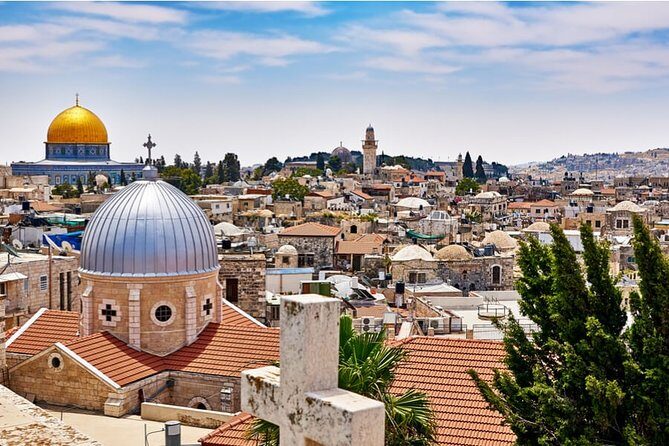
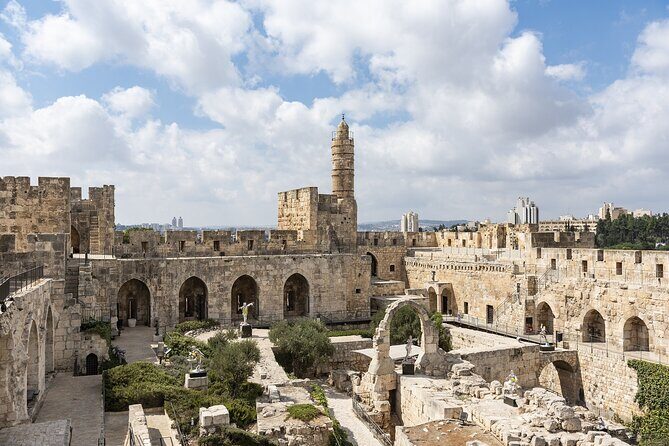
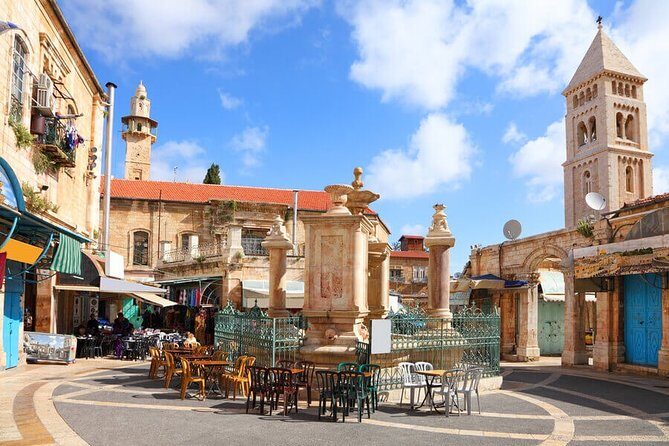
The Old City portion is where this tour turns into real walking. You’ll spend about 2 hours exploring the Old City streets, which is long enough to feel the place rather than just pass through it. The route includes time in the Jewish Quarter and the Byzantine Cardo—an important spine of the area that helps you see how the city’s old layout still shapes movement today.
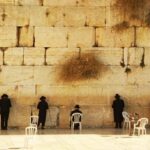
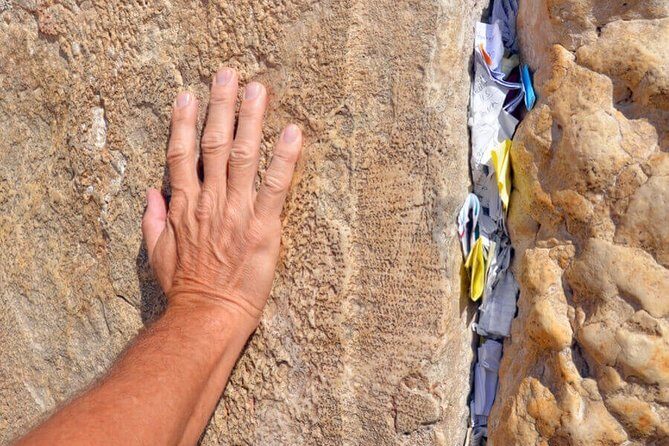
Then comes one of the main stops: the Western Wall. It’s a short block of time—around 20 minutes—but it’s timed as a focal moment, not a rushed photo-op. If you want to do more than look, this is where you can pause, watch, and absorb what this place means to many people.
A practical note: the Old City is a maze. Even with a guide, you’ll feel the crowds and the narrow corridors. That’s normal here. Your best strategy is to keep your focus on what you want to accomplish at each stop: a quick look for orientation, then a slower minute or two for your own moment.
Christian Quarter and the Via Dolorosa: walking the stations to Calvary
After the Jewish Quarter and Western Wall, the tour continues into the Christian Quarter and along the Via Dolorosa route. This includes time to explore the stations of the cross—listed as a segment of about 40 minutes—with the guide framing what you’re seeing as you trace the traditional path.
This portion can feel emotional or reflective—or simply interesting, depending on your personal lens. Either way, it’s one of the most moving “history in motion” parts of the day because you’re walking through a living neighborhood, not a museum hallway.
You also pass through key transitions in the Old City, including time in the Muslim Quarter and walking through part of the bazaar area. This matters because Jerusalem isn’t only churches or only sacred walls. It’s a working city, and the markets are part of the real texture.
Church of the Holy Sepulchre: how to handle the timing and crowds
The highlight you’ll hear about most is the Church of the Holy Sepulchre, where tradition places the crucifixion and burial sites. Your scheduled time here is about 30 minutes, which sounds decent until you remember this church is one of the most visited religious sites in the world.
So here’s the practical expectation: you’ll likely spend part of that window in lines or in moving with the group. You may not have the luxury of drifting slowly from corner to corner unless the crowd level cooperates. This is the place where your mindset matters. If you’re okay with a guided overview and a focused stop at the main points, you’ll get a lot out of it. If you want to linger in every chapel, you may wish you had more time.
If you’re traveling during peak hours, going in prepared helps: water nearby is helpful (food and drinks aren’t included), and your most important items should be secure and easy to grab.

Dead Sea arrival: 2 hours of floating, black mud, and sulfur pools
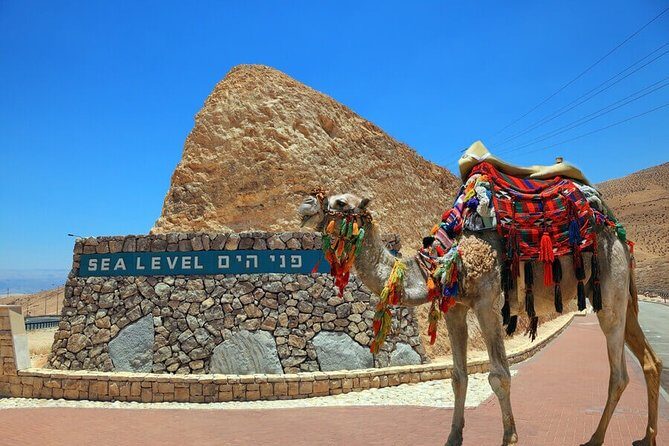
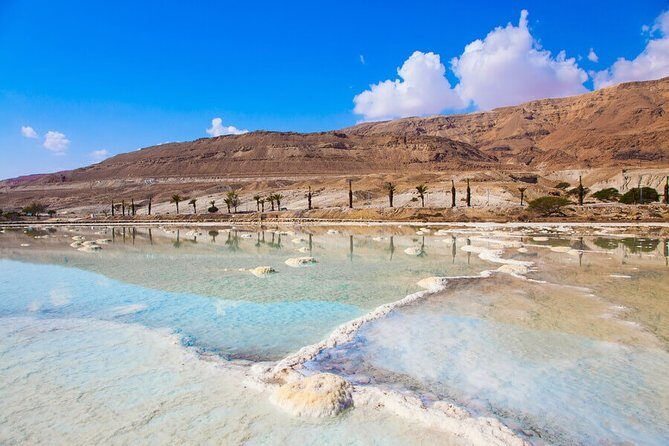
Then you’re off to the Dead Sea, the physical reset at the end of the day. The tour gives you about 2 hours at the Dead Sea, which is the right amount of time to change, get out to the water, and actually do the mud-and-float routine without feeling rushed.
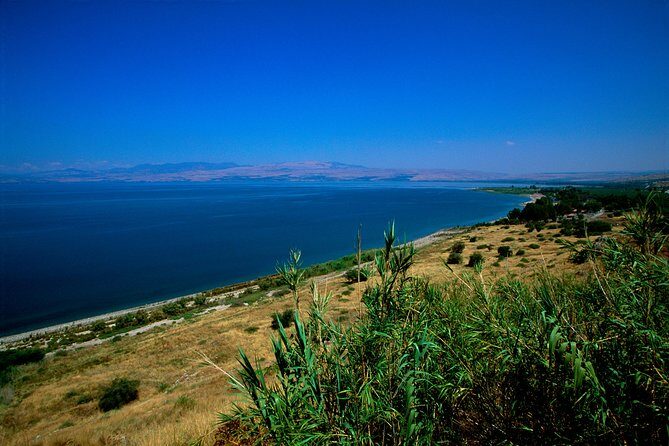
At roughly 1,312 feet (400 meters) below sea level, this is the ultra-salty place where you can float. You’ll change into a swimsuit and head to the water. The routine is straightforward: apply mineral-rich black mud, wash it off in a sulphur pool, then swim or float.
This is where good tour guidance pays off. Salt water can sting if you’re not careful, and mud can feel sticky and dramatic. The simple trick is to plan for the mess and protect what you can. I also recommend you bring what the tour suggests—a towel, hat, swimsuit, and sun protection—because this is sun-heavy and you don’t want to be improvising.
Also, don’t underestimate the timing: after a long morning walking Jerusalem streets, the Dead Sea can feel like a full body relief. Many people treat it like a spa with a science project attached.
How much time you really get in Jerusalem (and where it can feel tight)
This tour packs in a lot of sacred stops, but the Old City experience comes with a tradeoff: shorter stays at each point. Some major areas are allocated with strict time blocks, and that can make the day feel like “see and move” rather than “arrive and linger.”
A couple patterns are worth knowing:
- The Western Wall and Church of the Holy Sepulchre are big, emotional hubs. If you want extra time to pray quietly or just stand without moving, this schedule may feel short.
- The Via Dolorosa and surrounding streets can be slow with crowds, and the guide needs to keep the group together.
I think this tour is best when you treat it as a guided highlight reel with time for your own small moments, not as a slow pilgrimage day. If you’re the type who wants to pray or reflect at length, consider pairing this tour with one separate block of free time in the Old City later in your trip.
Dress code, shoes, and the small stuff that decides your comfort
A moderate dress code is required for places of worship: no shorts, and knees and shoulders must be covered for both men and women. This can be a deal-breaker if you show up with summer-only clothes, so plan your outfits in advance.
Comfort is the other big factor. The tour includes a reasonable amount of walking, and you’ll be navigating old stone streets and uneven surfaces. Bring comfortable walking shoes. On the Dead Sea side, you’ll want shoes that handle water and salt safely—something you don’t mind getting crusty.
Packing list from the practical angle:
- Hat and sun protection for the Dead Sea
- Swimsuit and towel
- A layer or light cover-up for worship stops
- Small bag for essentials so you’re not juggling at crowded entrances
If you want to enjoy the day without stress, keep your schedule-light outside this tour. Jerusalem plus the Dead Sea is a lot in one go.
Price and value: what $106 includes, and what you’ll pay extra for
At $106 per person, this day trip is priced like a “guided transportation + big-ticket logistics” package. What you get for that price is the stuff that usually costs time: hotel pickup and drop-off, an air-conditioned vehicle, a professional guide, entrance fees, and the Dead Sea portion with time for mud and floating.
What’s not included: food and drinks. That matters, because the day includes a lot of time where you may not want to hunt for meals. I suggest you plan to buy water and snacks during the Jerusalem part if you think you’ll get hungry. Having your own small options keeps you from feeling stuck.
So is it good value? For many people, yes—especially if you don’t want to coordinate transport between Jerusalem and the Dead Sea on your own. If you’re comfortable hiring your own ride and navigating entry times, you might pay less. But you’d also trade away the guided flow that helps you see what matters without getting lost.
Picking a good guide: why names you might get matter
The difference between a good day and a great day can come down to the guide. In the feedback I’ve seen, guides like Itamar, Abishai, Amit, Lorne, Norbert, Zahi, and Amir are called out for being energetic and informative, and for keeping the group moving with context instead of just reciting dates.
Even without naming who you’ll get, you can look for guide signals in the first hour: do they explain what you’re seeing in a way you can remember, and do they keep time so you actually arrive at each site? A strong guide helps when you’re standing in crowded, sacred spaces where it’s easy to feel rushed.
Also, there can be variability in how the Dead Sea part runs (some people report different staffing). If you’re hoping for very structured explanation at the water, set that expectation gently: the Dead Sea is mostly about the experience, not a classroom.
Should you book this Jerusalem and Dead Sea tour?
Book it if:
- You want one guided day that covers major Jerusalem holy sites and ends with a full Dead Sea session
- You prefer having transportation handled, including hotel pickup and drop-off
- You like the idea of viewpoints plus Old City walking plus a final “wow” moment at the water
Skip or rethink it if:
- You want long, quiet time inside the Church of the Holy Sepulchre or at each station without a strict schedule
- You’re sensitive to pace and crowd energy
- You’re traveling with a strong need to control every meal and stop yourself
My bottom line: this is a solid, efficient way to see a lot of Jerusalem and then physically enjoy the Dead Sea. Just plan your expectations like you would for a good tasting menu—full of highlights, not a slow dinner.
FAQ
How long is the Jerusalem and Dead Sea tour?
It’s about 10 hours.
What time does the tour start?
The start time is 8:30am.
Is hotel pickup and drop-off included?
Yes, hotel pickup and drop-off are included.
Is the tour guided?
Yes, it includes a professional guide.
How much time do you spend at the Dead Sea?
The Dead Sea portion is about 2 hours, and that time includes relaxing and floating in the water.
What should I bring for the Dead Sea?
Bring a hat, bathing suit, towel, and sun protection.
Is food included in the price?
No. Food and drinks are not included.
Do I need to follow a dress code?
Yes. You need knees and shoulders covered, and you should avoid wearing shorts to enter places of worship.
Is free cancellation available?
Yes, you can cancel up to 24 hours in advance for a full refund.