REVIEW · JERUSALEM
7-Hour Jerusalem Political Guided Tour from Jerusalem
Book on Viator →Operated by Green Olive Tours · Bookable on Viator
This political map starts in Jerusalem’s Old City. It’s a long, guided day that uses specific streets and flashpoints to explain how the Israeli-Palestinian conflict is shaped on the ground, with an alternative perspective from Green Olive Tours. I like the way the guide gives clear historical context and the way you’re shown the seam line between East and West, not just debated from afar. The only catch: this is not a light sightseeing loop, so you’ll want a steady stomach for hard topics.
Logistics are fairly straightforward: you start at 9:00am near Jerusalem Hotel Antar Ben Shaddad (15, Jerusalem), ride in an air-conditioned vehicle, and move through viewpoints mostly at a moderate walking level for about 7 hours. Lunch isn’t included, so plan your fuel, and note this tour caps at 16 travelers—small enough for questions, but still a group day.
In This Review
- Key Things That Make This Tour Worth Your Time
- Old City Briefing from Ottoman Times to Today
- Damascus Gate Markets and the Western Wall Plaza
- East vs West Jerusalem Lookouts and the Seam-Line Drive
- The West Bank Wall Up Close: Separation, Surveillance, and Security Claims
- Anata, Ma’ale Adumim, and the E1 Planning Zone Views
- Price and Value: What $199 Buys You in a 7-Hour Political Day
- Logistics That Matter: Timing, Mobile Ticket, and What to Bring
- Who Should Book This Jerusalem Political Tour
- Should You Book This Tour?
- FAQ
- How long is the Jerusalem Political Guided Tour?
- Where does the tour start?
- Is lunch included?
- What’s the group size limit?
- Do I need a passport?
- Is there free cancellation?
Key Things That Make This Tour Worth Your Time
- One hundred years of change, tied to real places in and around the Old City
- Damascus Gate to the Western Wall Plaza with a focus on how the city is divided
- Lookouts that force you to compare East vs West Jerusalem side by side
- Up-close time at the West Bank Wall (Separation Barrier) and the arguments behind it
- Anata and Ma’ale Adumim viewpoints, plus the E1 planning zone
- Small group size (max 16) that helps the conversation stay grounded
Old City Briefing from Ottoman Times to Today
The day kicks off in Jerusalem’s Old City, where the guide sets the stage with a briefing that runs from the late Ottoman period into the present. That framing matters. Without it, the Old City can turn into a set of postcards. With it, you start seeing the layers—how politics, security, religion, and identity have all piled up in the same narrow streets.
You also get a direct introduction to the ideas of Israeli occupation and settlement efforts in the Old City and the nearby Holy Basin. It’s not presented as abstract theory. You’re pointed toward visible realities you can stand next to and look at.
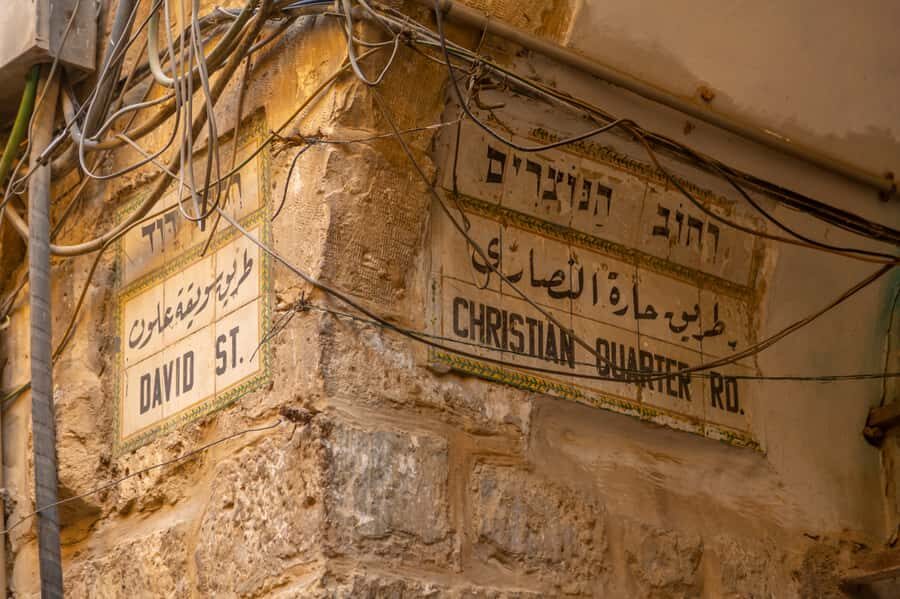
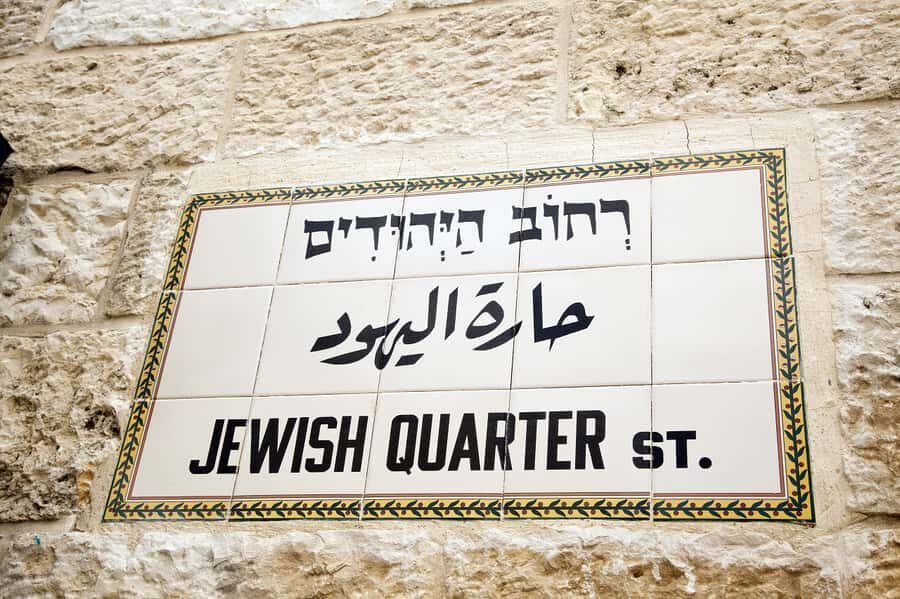
In the morning portion, the tour ties the Old City’s centrality to the three monotheistic religions into the conflict—how sacred geography can become political geography. You’ll also get a look at icons linked to occupation, including Jewish settlements in both the Christian Quarter and Muslim Quarter, along with discussion of history and implications. This is the part of the day that helps you stop thinking in slogans and start thinking in cause-and-effect.
Practical note: the Old City streets can be uneven and busy. Wear shoes you trust, and expect the pace to be “learn while walking,” not “sit and listen the whole time.”
You can also read our reviews of more guided tours in Jerusalem
Damascus Gate Markets and the Western Wall Plaza
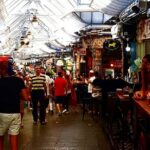
Next you head into the Old City on foot, entering through Damascus Gate and threading through markets. It’s a smart way to begin, because the markets show you how ordinary life happens right beside political fault lines. You’re not just visiting one site; you’re moving through the city’s everyday texture.
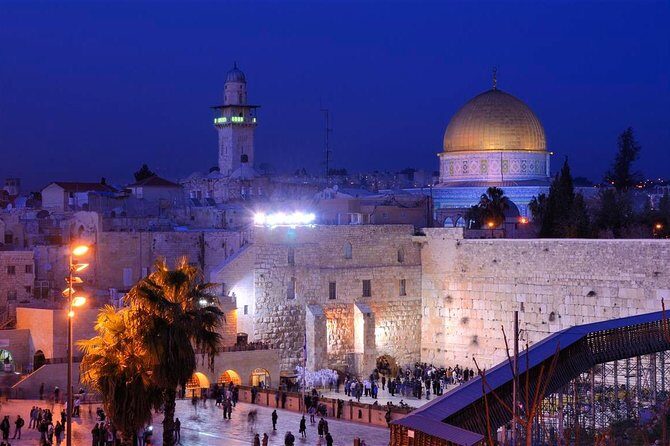
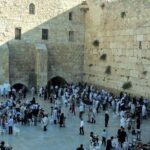
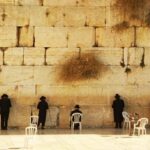
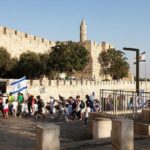
As you walk, the guide explains the division of the city and points you to specific places along the way. Then you reach the Western Wall Plaza, a core point in the Old City where the space was created over the site of the destroyed Mugrabe neighborhood after the 1967 war. That detail isn’t a side note. It changes how you see the plaza itself—you start connecting present-day viewing areas to what was removed to make room.
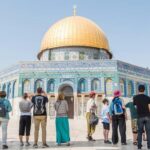
From there, you also cover the holiness of the Temple Mount and Al Aqsa in Judaism and Islam, and why that area stays at the center of the conflict. If you’ve only heard the argument in one direction, this is where you’ll feel the difference. The day is built to give you more than one lens, so you can better understand why people disagree so sharply about the same ground.
East vs West Jerusalem Lookouts and the Seam-Line Drive
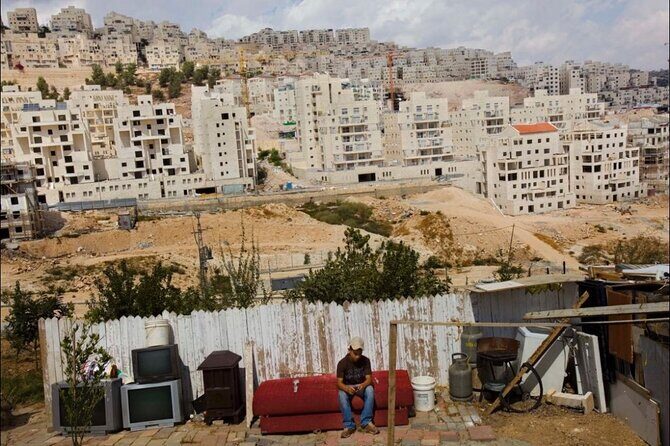
After lunch (not provided), the tour shifts from walking to a ride that’s meant to “teach with the skyline.” You’ll travel through East Jerusalem settlements and Palestinian neighborhoods, stopping at lookout points that highlight stark contrasts.
In the West, you’ll see office towers and highways; in the East, the tour points out unsealed roads and daily life details like donkeys being ridden. Whether you agree with every interpretation or not, the geography does what maps can’t: it forces a direct comparison.
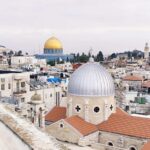
You’ll also get panoramic views back toward the Old City. This is one of those moments where the city’s size and layering hits you. Jerusalem isn’t just a location; it’s a stack of jurisdictions and claims, and the viewpoints make that feel real.
Then comes one of the most important pieces of the day: a drive down the seam line road that divides East and West Jerusalem. You’ll pass areas connected to conquest (the tour describes this in the context of how space changed hands over time). The purpose is clear: you’re seeing how the conflict shows up not only in headlines, but in roads, barriers, and boundaries that structure movement.
The West Bank Wall Up Close: Separation, Surveillance, and Security Claims
The tour’s next stop brings you to the West Bank Wall, sometimes called the Separation Barrier. This is where the day turns from “explaining” to “showing.” You’ll get an up-close look at a structure that divides not only Arabs and Jews, but also—according to the guide’s framing—many Palestinian communities from one another.
Importantly, you don’t just stop for photos. The guide discusses reasons the wall was built, how well it prevented terrorism, and the surveillance it creates for Palestinian residents. That’s a lot to hold in your head at once, and it’s exactly why this tour can feel intense. The day encourages you to understand the stated security logic while also recognizing the human and community implications of restricted space.
If you’re the kind of traveler who hates one-note narratives, this is a strong match. If you’re the kind who needs a softer day and fewer unresolved arguments, it might be emotionally taxing. Either way, it’s the clearest way in the itinerary to understand why discussions about Jerusalem keep spilling over into the West Bank.
Anata, Ma’ale Adumim, and the E1 Planning Zone Views
The final stretch is a mix of community references and future-planning talk, built around place-based viewpoints. You’ll learn about the Palestinian village of Anata, which is surrounded by the wall. That detail matters because it reframes the barrier from an object to an environment—something that shapes where people can go, what people can access, and how communities exist physically.
From there, the tour turns to Ma’ale Adumim, described as one of the biggest settlements in the West Bank. You may also visit outlying outposts of the town, depending on how the day plays out. The goal is to show you settlement geography rather than just reading about it.
You’ll also hear about displacement of the local Jahalin Bedouin. Again, this is one of those parts where the guide’s perspective is part of the experience, not an add-on. You’re not getting a neutral academic lecture—you’re getting an argument built around on-the-ground outcomes.
The viewpoints here also reach outward. You’ll be able to see the Judean Desert and the E1 planning zone, described as an area set to be filled with new settlement neighborhoods and tourist hotels. Whether you view E1 as development, strategy, or something else, learning about its intended expansion makes the conflict feel less like history and more like what’s being planned right now.

Price and Value: What $199 Buys You in a 7-Hour Political Day
At $199 per person for about 7 hours, you’re paying for more than transportation. You’re paying for structured interpretation: a full day where every major stop is connected to the political conflict, from the Old City to the wall to settlement areas.
Here’s the value logic I’d use to decide: this price is fair if you want context you can’t easily pick up on your own. If you come armed with questions—Why are these spaces contested? How do boundaries work in daily life? How does settlement planning relate to security?—this format helps you organize the answers.
Also, admissions are listed as free for the tour stops, and you’re traveling in an air-conditioned vehicle. That’s not flashy, but it helps your money go toward the guiding and time, not ticket math.
One more practical point: the tour runs with a maximum of 16 travelers. For a political, discussion-heavy day, small groups usually mean better pacing and more chances to ask direct questions.
Logistics That Matter: Timing, Mobile Ticket, and What to Bring
This is a morning start tour. You begin at 9:00am and return to the meeting point afterward. Your meeting location is Jerusalem Hotel Antar Ben Shaddad, at 15, Jerusalem, and it’s described as near public transportation.
You’ll get a mobile ticket, with confirmation at booking. You also need a current valid passport on the day of travel. That’s not optional. Even if you travel light in other places, treat passport day as a real requirement here.
What to bring:
- Comfortable walking shoes for Old City streets and walking segments
- Water and a plan for what you’ll do since lunch isn’t included
- A light layer if you tend to run cold in vehicles
- Your passport, ready to go
Moderate physical fitness is the stated level, so if you know your limits, plan around them early. The itinerary isn’t all stairs, but it’s not a “mostly sit” tour either.
Who Should Book This Jerusalem Political Tour
This experience fits best if you want to go beyond the usual them-and-us conversation and understand how different sides describe the same spaces. The tour’s core promise is expanding knowledge of the conflict between Israelis and Palestinians, with an alternative perspective you can wrestle with rather than ignore.
You’ll likely enjoy it if you:
- Want place-based context, not just general history
- Prefer guided framing that connects religion, politics, and daily movement
- Are comfortable with emotionally heavy subjects like displacement and barriers
- Like asking questions in a small group setting
You might reconsider if you’re looking for a relaxed day centered on monuments only. This itinerary is built to explain contested spaces, and you should expect that theme to dominate.
Should You Book This Tour?
Book it if you want a structured, guided day that makes the conflict feel concrete instead of purely theoretical. The strong point is the way stops are connected: Old City history, the Western Wall Plaza and what sits beneath it, the East-West comparisons from viewpoints, then the wall and settlement geography at close range.
Skip it if you need a lighter itinerary or if you strongly prefer a neutral, least-interpretive approach. This isn’t trying to be “both sides” in a bland way. It’s trying to give you a particular perspective with real-world anchors.
If you’re on the fence, think of it this way: Jerusalem is hard to understand without boundaries. This tour uses boundaries—roads, walls, quarters, and planned zones—to help you see why the argument won’t go away.
FAQ
How long is the Jerusalem Political Guided Tour?
The tour is approximately 7 hours.
Where does the tour start?
It starts at Jerusalem Hotel Antar Ben Shaddad, 15, Jerusalem, at 9:00am.
Is lunch included?
No. Lunch is not included.
What’s the group size limit?
The tour has a maximum of 16 travelers.
Do I need a passport?
Yes. A current valid passport is required on the day of travel.
Is there free cancellation?
Yes. You can cancel for a full refund up to 24 hours in advance of the experience start time.