REVIEW · TEL AVIV
Tel Aviv: 2-Hour Jaffa Flea Market Tour with Tastings
Book on GetYourGuide →Operated by Be Tours · Bookable on GetYourGuide
Food changes your sense of a city. This two-hour tasting walk through Tel Aviv’s Jaffa flea market lets you sample how Israeli cuisine grew from older regional traditions into today’s ultra-modern plates, and I love the snack-by-snack tastings and the neighborhood stories. One possible drawback to plan around: the tour only runs if at least 6 people are registered.
I also like that you start in an easy, central spot at the entrance to the Jaffa Tourist Information Center, then your guide helps you read the market fast—what’s traditional, what’s new, and where the flavors come from. You’ll try things like Libyan kuskus, Middle Eastern baked goods, and local craft beer, all in a tight time window.
The tour is led in English and Hebrew, and it’s wheelchair accessible, which matters in a market where streets can be uneven. With a 4.9/5 average across 8 ratings, it’s a strong pick if you want a guided food experience without guessing your way around Jaffa.
In This Review
- Key points that make this Jaffa tasting tour a smart move
- Meeting the guide at the Jaffa Tourist Information Center
- Inside Jaffa’s flea market: 19th-century lanes that still feed people
- How Turkish, North African, Balkan, and Eastern European flavors show up
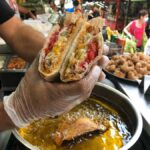
- The tasting route: Libyan kuskus, baked goods, and local craft beer
- When the guide connects food to culture (Yan, Orel, and Ohad Dodo)
- Beyond the stalls: cafés, bars, delis, galleries, and design shops
- Price and value: is $88 for 2 hours actually fair?
- Who this Jaffa tastings tour is best for
- Should you book this tour?
- FAQ
- How long is the Jaffa flea market tour with tastings?
- What does the tour cost?
- Where do we meet the guide?
- What’s included in the tour?
- What languages are available?
- Is the tour wheelchair accessible?
- Is there a minimum number of participants?
- How can I cancel?
Key points that make this Jaffa tasting tour a smart move
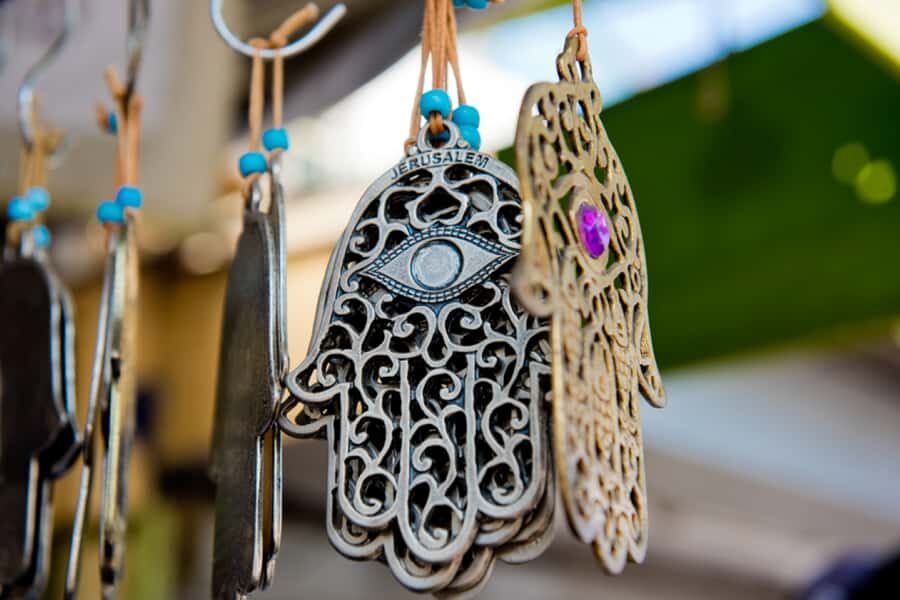
- You taste the story: traditional and ultra-modern Israeli cuisine, explained through what you eat
- Lots of regional influence in one route: Turkish, North African, Balkan, and Eastern European foods show up in the tastings
- Libyan kuskus is part of the plan: plus Middle Eastern baked goods and local craft beer
- Guides like Yan, Orel, and Ohad (Dodo) get praised for passion and clear connections between food and culture
- You get a mix of old market life and newer Jaffa spots like boutique cafés, bars, delis, galleries, and design shops
- Small-group energy is possible when the group is on the low end, which can mean more tailoring
Meeting the guide at the Jaffa Tourist Information Center
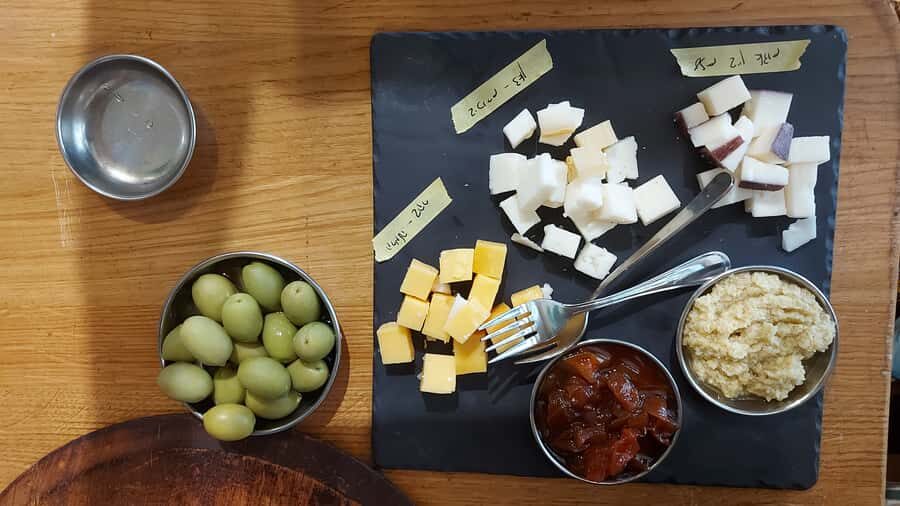
I like tours that start where you actually need to be, and this one begins at the entrance of the Jaffa Tourist Information Center. That’s a practical advantage: you’re not spending your first 15 minutes hunting for the meeting spot while the market gets busier.
Once you meet your guide, the pace usually becomes clear right away. You’re not just walking and stopping when something smells good; you’re moving with a plan that connects the neighborhood to the food. Guides also work in English (and Hebrew), so you can ask questions on the spot—especially useful when you’re trying to understand what you’re eating and why it matters.
In a place like Jaffa, it’s easy to get distracted by visuals and sounds. A good guide helps you focus on what’s relevant: ingredients, migration and trade routes, and how Israeli cuisine changed as different communities and cooking styles met in this part of town.
You can also read our reviews of more shopping tours in Tel Aviv
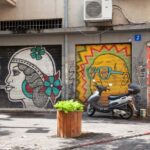
Inside Jaffa’s flea market: 19th-century lanes that still feed people
Jaffa flea market isn’t a themed set. It’s one of the first flea markets in the world, with history reaching back to the 19th century. That long timeline matters because you’re tasting cuisine that didn’t appear overnight—it evolved through real contact between cultures.
The market draws an enormous crowd, with about 3 million visitors a year. That volume changes the feel of the streets: you’ll see constant movement, shop signs, snack stands, and people stopping to talk, taste, and browse. It’s a busy setting in the best way, and it makes the food stops feel earned, not random.
What I find especially practical is how the market blends old and new. Alongside the classic flea-market shopping vibe, you’ll also pass boutique cafés, bars, delis, design shops, and galleries. So even if you’re coming mainly for food, you’ll leave with a better sense of how Jaffa’s identity works today—heritage on one side, modern hangouts on the other.
There’s also a reality check to keep in mind: this tour is only 2 hours. You can’t see every corner of Jaffa in that time, so the guide’s route choice matters. The value here is that you get a focused path through what the market does best.
How Turkish, North African, Balkan, and Eastern European flavors show up
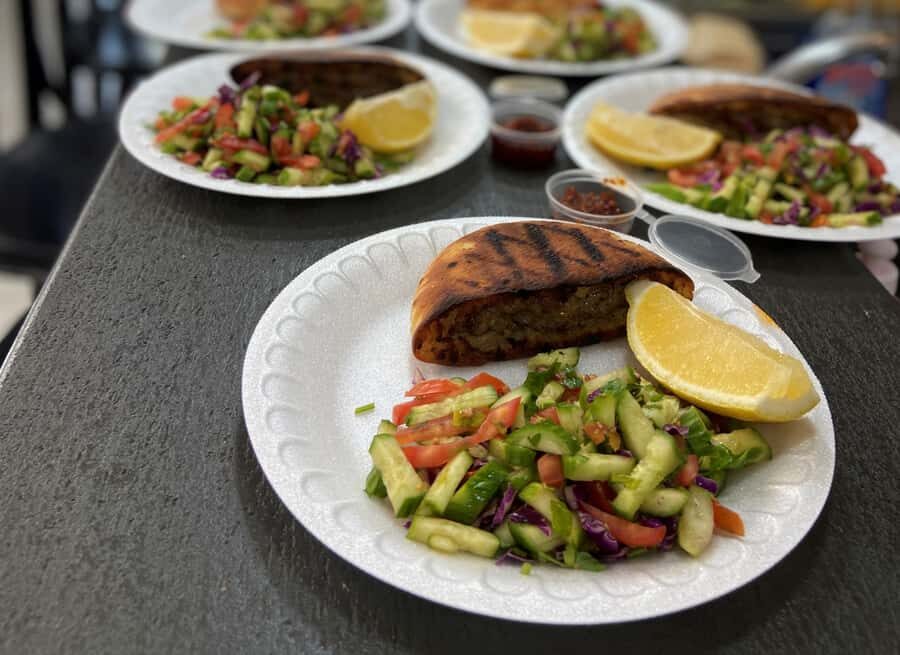
One of the smartest parts of this tour is that it doesn’t treat Israeli food like one single, fixed style. Instead, you’ll see how different regional cuisines contributed to what people eat now in Israel.
During the walk, you’re introduced to foods linked to Turkish, North African, Balkan, and Eastern European culinary traditions. The point isn’t to turn the market into a geography lesson. It’s to help you understand why a dish can feel familiar, even when the origins are more complicated than the menu at first suggests.
That context is how the tour turns “snack time” into learning. If you’ve ever tasted a food and thought, Where did that idea come from?—this format answers that question while you’re still enjoying the bite. You’re not reading a lecture after the fact.
It also sets you up to notice patterns as you walk. You’ll start connecting flavors and techniques—spices, baked dough styles, stews and couscous traditions—to the broader story of Israeli cuisine becoming a blend over generations. And since the tour includes tastings, those connections stick better than they would from descriptions alone.
The tasting route: Libyan kuskus, baked goods, and local craft beer
This is the core of the experience, and it’s where you’ll feel the most value for your time. In 2 hours, you’re set up to sample a range of foods that represent both older traditions and newer takes.
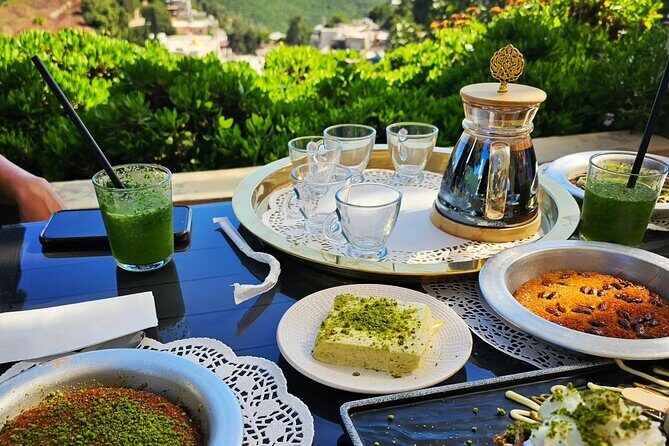
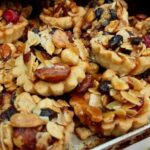
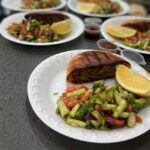
From the planned tastings, you can expect items like Libyan kuskus, Middle Eastern baked goods, and local craft beer. Those choices are smart because they cover different textures and moods: warm, hearty comfort (often the kuskus style), handheld sweetness or savory pastry flavors (baked goods), and a drink stop that gives you a break from food-on-food momentum.
Libyan kuskus is a standout because it signals how couscous traditions traveled and adapted. It’s not just couscous as a generic category—it’s connected to a specific community and culinary approach. When you taste it with context, you start to see it as part of a larger story, not just a dish.
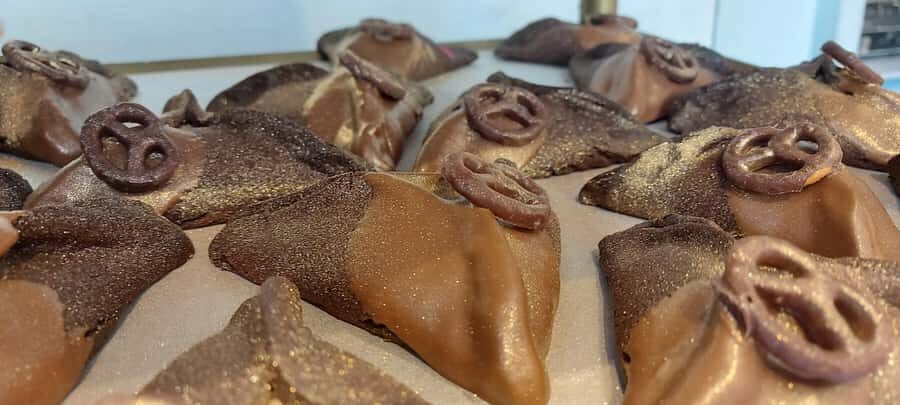
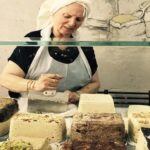
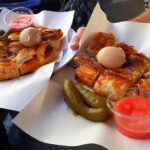
Then come the Middle Eastern baked goods. These are usually perfect for a market tour because they’re easy to sample and share across small stops. They also give you a quick sense of common regional ingredients—things like dough styles, fillings, and spice balances—that show up again and again across the region.
And yes, the tour includes beer tasting. That can be a real relief mid-walk, especially if you’re sensitive to heavy spice or just want a contrasting flavor. It also helps you slow down and enjoy the experience rather than treating it like a race from one stall to the next.
Practical tip for you: pace yourself. In a market setting, it’s tempting to grab extra bites, but the tour’s tastings already do the work. If you snack after each tasting, you’ll feel full too fast and lose the chance to taste everything the guide planned.
When the guide connects food to culture (Yan, Orel, and Ohad Dodo)
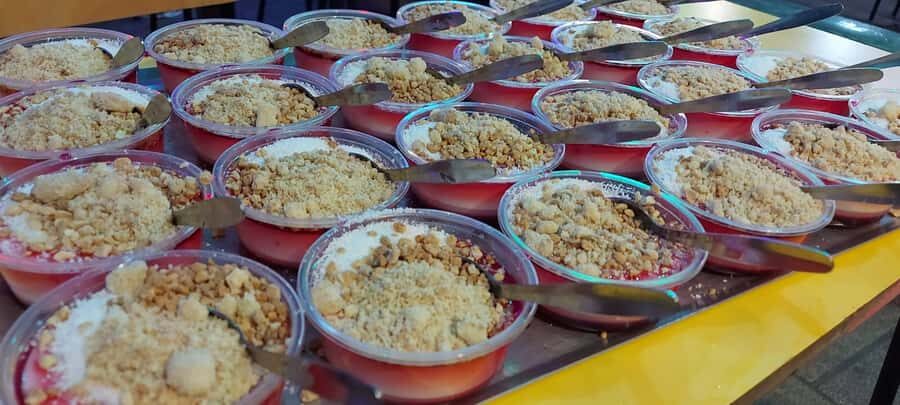
The biggest reason this tour earns such high marks is the quality of guiding. Names that come up include Yan, Orel, and Ohad (Dodo), each described as passionate and focused on connecting food to story.
What you’re looking for in a guide on this kind of tour is explanation that stays tied to the bite. Good guiding turns a quick tasting into a short, clear cultural clue: how a cuisine traveled, how ingredients shifted, or how a dish reflects changing tastes in Israel over time.
One pattern shows up in the descriptions: guides don’t just talk. They organize the experience so each stop builds on the last. That kind of planning makes the 2-hour window feel like a full meal experience, not five random nibbles.
Another plus is flexibility when the group is small. If you end up with a smaller group size, you may find the guide adjusts pace or direction to match your preferences. That kind of personalization can be a real advantage on a food tour, because people often differ on what they want most—spice level, sweet vs. savory, or the balance between traditional and more modern interpretations.
If you care about both flavors and explanations, this is a tour format that fits. You’ll walk away understanding not just what you ate, but why those dishes are part of Jaffa’s food DNA.
A few more Tel Aviv tours and experiences worth a look

Beyond the stalls: cafés, bars, delis, galleries, and design shops
What I like about Jaffa is that it’s not stuck in the past. This tour reflects that reality by moving through an area where flea market life sits next to modern hangouts.
As you continue after the main food stops, you’ll see how the neighborhood has expanded into boutique cafés, bars, delis, design shops, and galleries. Even when you’re not buying anything extra, those sights help you understand the market’s current role in Tel Aviv.
For you, this matters because it changes what you can do after the tour. Instead of leaving Jaffa thinking, We ate and that was it, you’ll have a clearer sense of where to go next. You’ll know which side streets feel more like browsing and which ones feel more like a quick food stop.
It also gives the tastings a natural ending. The food connects to history and culture during the core market portion, then the walk fades into modern Jaffa so you can see how the neighborhood keeps rewriting itself without losing its identity.
Keep in mind: a 2-hour tour means you don’t get deep time in each shop. But you do get orientation, which is often what helps people enjoy Jaffa on their own later.
Price and value: is $88 for 2 hours actually fair?
At $88 per person for a 2-hour guided tour with tastings, you’re paying for three things: a local English-speaking guide, a structured tasting plan, and multiple food stops that you might not find or know how to order on your own.
Here’s the value logic I use. If you were to replicate this day solo, you’d likely spend money on food anyway, and you might still end up with uneven choices. A guide saves you from that guesswork and compresses a lot of variety into one short block of time.
You’re also paying for taste variety that’s hard to DIY efficiently. The plan covers different food categories and includes drink tasting. In a market environment, that mix is tough to assemble without either overbuying or missing key items.
Is it expensive? Compared to buying a single snack in Jaffa, sure. But compared to the combination of tastings plus guided storytelling plus a tight route that keeps you moving, it can feel reasonable—especially if you like food with context.
One more thing: the tour is subject to a minimum of 6 registered participants. That doesn’t automatically make it worse, but it does mean dates can be more limited. If your schedule is fixed, you’ll want to check your preferred time right away.
Who this Jaffa tastings tour is best for
This is a great fit if you:
- Want to learn the food-story behind Israeli cuisine without turning your trip into homework
- Like markets, food sampling, and walking through real neighborhoods
- Appreciate a guide who connects history and culture to what you taste
- Prefer a structured 2-hour plan over a full-day wandering attempt
It may be less ideal if you:
- Hate organized routes and would rather roam freely on your own
- Have very tight timing and can’t handle the tour being dependent on minimum participants
- Want a long, slow sit-down meal instead of a walking tasting format
Also, if you’re traveling with someone who wants both food and explanation, this tour has a balance that tends to work well. The tastings are the headline, but the cultural stories are clearly part of what people value most.
Should you book this tour?
Yes, I’d book it if you want a concentrated Jaffa food experience with real context. The tastings are the main draw—Libyan kuskus, Middle Eastern baked goods, and craft beer—and the guiding approach (praised for passion and thoughtful planning by people like Yan, Orel, and Ohad Dodo) is built to make those bites mean something.
If your goal is to get your bearings in Jaffa and leave with a clearer map of what the neighborhood has to offer next, this tour does that in just 2 hours. Just confirm your date early so you don’t get caught waiting for a minimum-participant situation.
FAQ
How long is the Jaffa flea market tour with tastings?
The tour lasts 2 hours.
What does the tour cost?
It costs $88 per person.
Where do we meet the guide?
Meet your guide at the entrance to the Jaffa Tourist Information Center.
What’s included in the tour?
The tour includes tastings and a local English-speaking guide.
What languages are available?
The tour is offered in English and Hebrew.
Is the tour wheelchair accessible?
Yes, it is wheelchair accessible.
Is there a minimum number of participants?
Yes. The tour is subject to a minimum of 6 registered participants.
How can I cancel?
You can cancel up to 24 hours in advance for a full refund.