REVIEW · TEL AVIV
Jerusalem and Dead Sea Tour from Tel Aviv
Book on Viator →Operated by Click Tours · Bookable on Viator
Jerusalem at first light changes the day. I like how the guide runs the day with tight logistics and real cultural context, and I also love the early Mount Scopus viewpoint that helps you orient fast.
The main catch is the pace. This is a 10-hour day with many short stops in busy parts of Jerusalem, so you’ll want comfortable shoes and a plan for heat and crowds—especially later at the Dead Sea.
In This Review
- Key things to know before you go
- Early Pickup and the 6:40am Momentum to Jerusalem
- Mount Scopus to Temple Mount: Getting Oriented Before You Walk
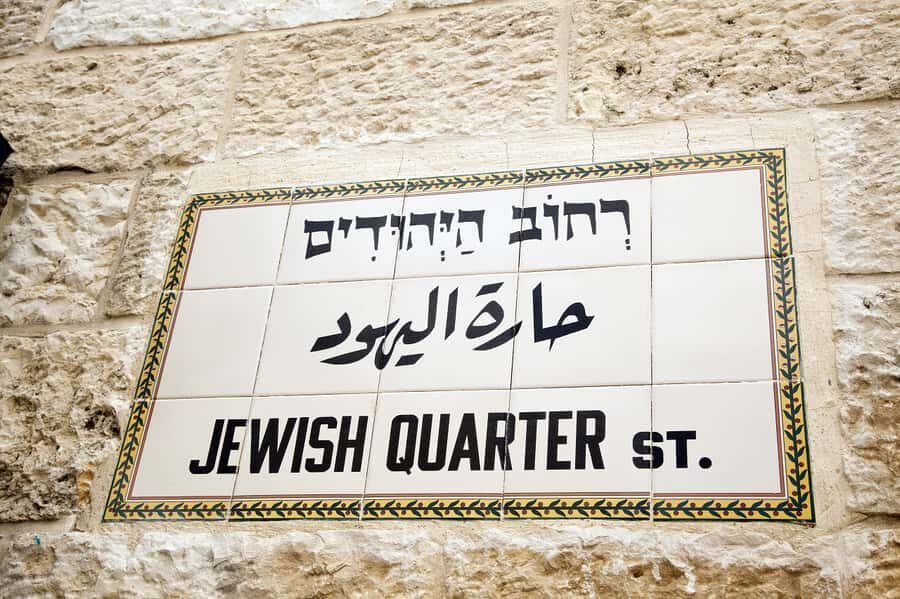
- Entering the Old City Through Zion Gate and the Jewish Quarter Focus
- The Cardo: Byzantine Streets with Real Walking Feel
- Jewish Quarter time: practical, not just ceremonial
- The Western Wall Moment at the Kotel: Where Prayer Has Long Continuity
- Christian Quarter and the Via Dolorosa to the Holy Sepulchre
- Via Dolorosa: historic route atmosphere
- Holy Sepulchre: the site built over the crucifixion and burial tomb
- Muslim Quarter Bazaar Time and the Backdrop of Everyday Jerusalem
- Judean Hills Drive via Harei Yehuda: From Old City to Dead Sea Calm
- The Dead Sea Float at a Resort Beach (About 400m Below Sea Level)
- What to bring for the swim
- How to enjoy the floating moment
- Price and Value: Why This Costs $95 (and What You Get for It)
- Group Size and the Pace You Should Expect
- Who This Tour Fits Best (and Who Might Want a Different Plan)
- Should You Book This Jerusalem and Dead Sea Tour?
- FAQ
- FAQ
- What time does the tour start?
- Does the tour include hotel pickup and drop-off?
- What does the price include?
- Is food included?
- Is a mobile ticket used?
- Can the transfer involve vehicle changes?
- How long is the Dead Sea part?
- What should I bring for the Dead Sea swim?
- Is there a minimum age?
- What’s the cancellation policy?
Key things to know before you go
- Early start, big payoff: 6:40am meeting time gets you into Jerusalem before the day gets loud.
- Old City in focused chunks: You’ll move through Jewish, Armenian, Christian, and Muslim quarters without feeling lost.
- Mount Olives and Temple Mount views: You get the iconic look toward the Dome of the Rock and Old City skyline points.
- Cardo + Christian sites together: The 1500-year-old Byzantine Cardo and the Holy Sepulchre area are on the same day.
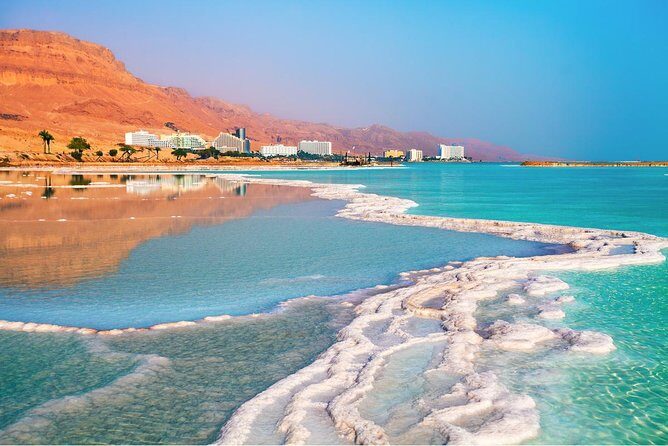
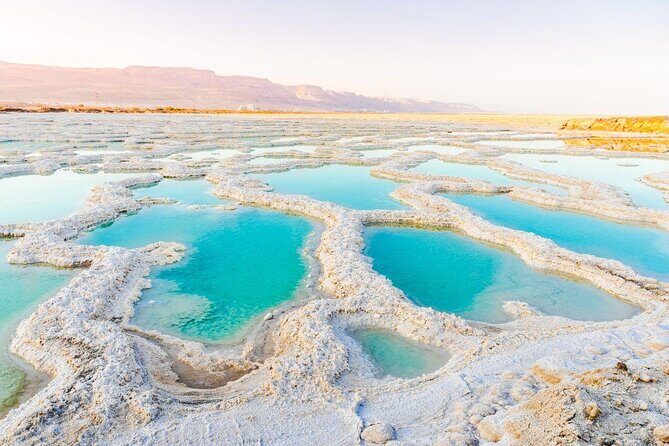
- Dead Sea swim included: You’ll float at a resort beach about 400 meters below sea level.
Early Pickup and the 6:40am Momentum to Jerusalem
A day like this only works because it starts early. You meet at 6:40am, and the tour includes hotel pickup and drop-off plus an air-conditioned vehicle. That combination matters in Israel, where summer sun can turn a long day into a survival test. Starting before the heat fully kicks in also helps with viewing and walking comfort.
The first stop sets the tone. You’re sent to Mount Scopus National Botanical Garden, aiming for a panoramic look over Jerusalem’s skyline. Even if you’ve seen photos of the city, this kind of high viewpoint gives you a practical mental map—where the Old City sits, what sits where, and why people talk about Jerusalem as a layered city.
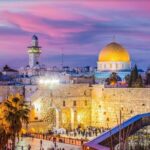
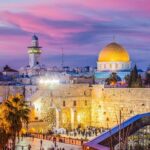
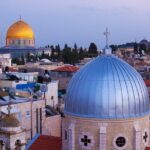
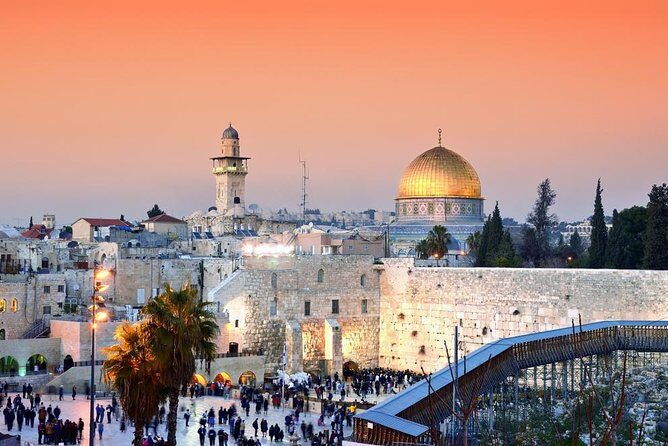
You’ll also see the Dome of the Rock from an elevated angle (the tour specifically mentions golden dome photo time). In plain terms: you’ll get the iconic view before you’re buried in streets and signage inside the walls. That makes the later walking feel more connected.
Quick note: the tour states admission tickets at Mount Scopus are free, and entrance fees are included overall. Translation for you: you can focus on where to stand and what to photograph instead of digging for tickets.
You can also read our reviews of more tours and experiences in Tel Aviv.

Mount Scopus to Temple Mount: Getting Oriented Before You Walk
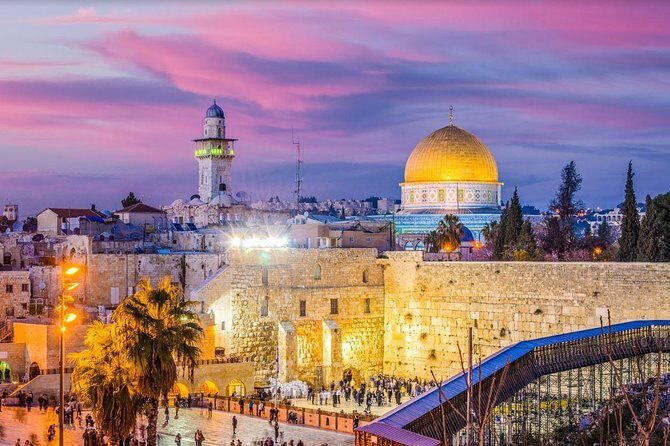
After the Mount Scopus viewpoint, you’ll pass key landmarks on the way toward the Old City zone. The route includes a look over Temple Mount and the golden dome moment, plus stops and passes like the Garden of Gethsemane and the Church of All Nations.
There are two reasons this matters. First, you’re building context before you enter the Old City. Second, you’re reducing stress: instead of arriving already overwhelmed, you’ll arrive with a few anchor points.
The tour also mentions a 3,000-year-old Jewish cemetery you can see looking down. That detail is useful. It’s a reminder that Jerusalem isn’t just about famous buildings. It’s about long timelines—family burial, religious continuity, and the way old places keep living alongside new layers.
And yes, there’s a lot to absorb fast. When you start with viewpoints and landmark passes, the later Old City stops make more sense.
Entering the Old City Through Zion Gate and the Jewish Quarter Focus
Next you’re dropped into the Old City of Jerusalem via Zion Gate. This is where the day turns from scenic to street-level. You’ll spend about 2 hours in the Old City, and that timeframe is important: it’s enough to hit major sights without trying to do everything at once.
From here, the tour moves through the Armenian Quarter and then into a sequence that centers on the Jewish Quarter, including time at key religious and historical sites.
The Cardo: Byzantine Streets with Real Walking Feel
One of my favorite parts of this plan is the inclusion of the Cardo. The tour specifically calls it the 1500-year-old Byzantine Cardo, and it’s the kind of stop that gives you a different feel from the bigger-name monuments. It’s not only a photo spot. You get the sense of what it means for commerce, movement, and daily life to have shaped this city for centuries.
The stop here is about 30 minutes. That’s short, but enough to walk the stretch, notice the street-level layout, and understand why this thoroughfare mattered.
Jewish Quarter time: practical, not just ceremonial
After the Cardo, you have about 30 minutes in the Jewish Quarter. The tour is aiming at historical context and the character of the streets—not just a checklist of stops. In this part of the day, you’ll feel the city’s rhythm more than its dramatic stages.
A small consideration: this area can be busy. If you pause too long for photos at street corners, you’ll eat into guide time. The smarter move is to take your shot quickly, then keep walking to see how the neighborhood opens up.

The Western Wall Moment at the Kotel: Where Prayer Has Long Continuity
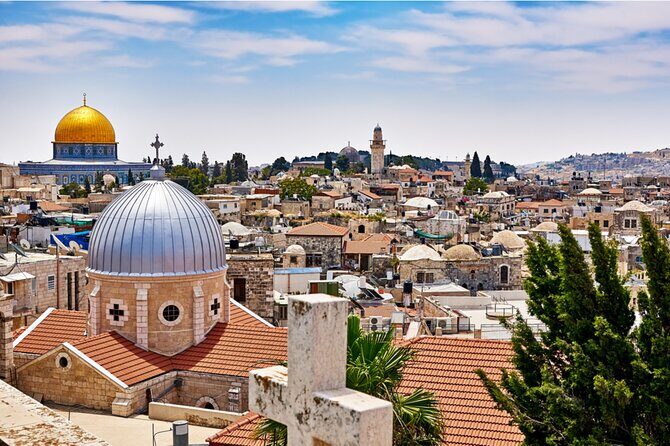
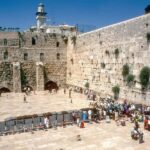
You’ll stop at the Western Wall, often called the Kotel. The tour notes that Jews have prayed there since the Temple’s destruction in 70 CE, and it also mentions King Herod’s role in the supporting wall enclosing the Temple Mount area.
This is one of the tour’s most meaningful stops because it’s not just about architecture. It’s a living practice tied to time. When the tour says you can join others from around the world and place a prayer note between the stones, it’s describing something tangible you can do during your visit.
You’ll have about 20 minutes at this stop. That’s enough time to see the wall, take a steady look, and participate if you want to. Then you’ll move on before the area becomes too slow and crowded.
Practical tip: if you plan to place a note, do it early in the stop so you’re not rushing at the end.
Christian Quarter and the Via Dolorosa to the Holy Sepulchre

After the Jewish Quarter focus, the tour shifts into the Christian Quarter. You’ll have about 30 minutes there, then move into the Way of the Cross (Via Dolorosa) area—another 30 minutes—and finally reach the Church of the Holy Sepulchre with another 30 minutes.
This sequence is the kind of plan that saves you from decision fatigue. If you try to do Jerusalem’s most famous Christian sites on your own, you can easily lose time figuring out routing inside tight streets. With a guided day, you’re given a structure.
Via Dolorosa: historic route atmosphere
The tour frames the Via Dolorosa as the Way of the Cross, connecting it with the Church of the Holy Sepulcher area. Even if you don’t follow every station detail, you’ll feel the pedestrian crush and the sense of tradition that makes the route famous.
Because your time is limited, keep your focus simple: walk with intention, watch where crowds funnel, and take in the feeling of moving through a sacred corridor.
Holy Sepulchre: the site built over the crucifixion and burial tomb
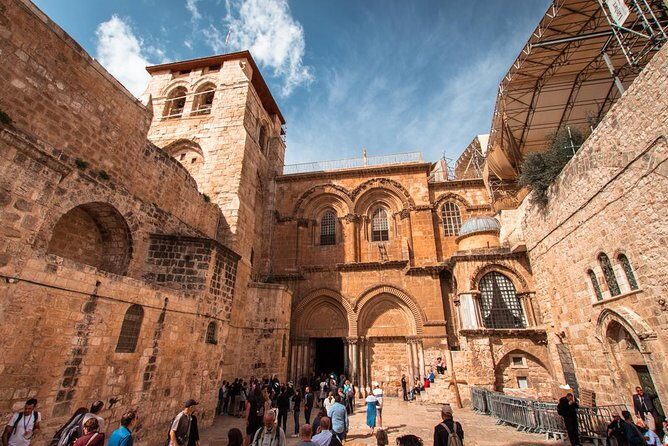
At the Church of the Holy Sepulchre, the tour describes it as the historical site of Jesus’ crucifixion and burial tomb. You’ll get about 30 minutes here.
This is the kind of stop where crowd management matters more than your checklist. You’ll want to keep moving even when it feels tempting to stand still. If you stay stuck at the entrance or only chase one view, you can miss other parts of the interior.
Muslim Quarter Bazaar Time and the Backdrop of Everyday Jerusalem
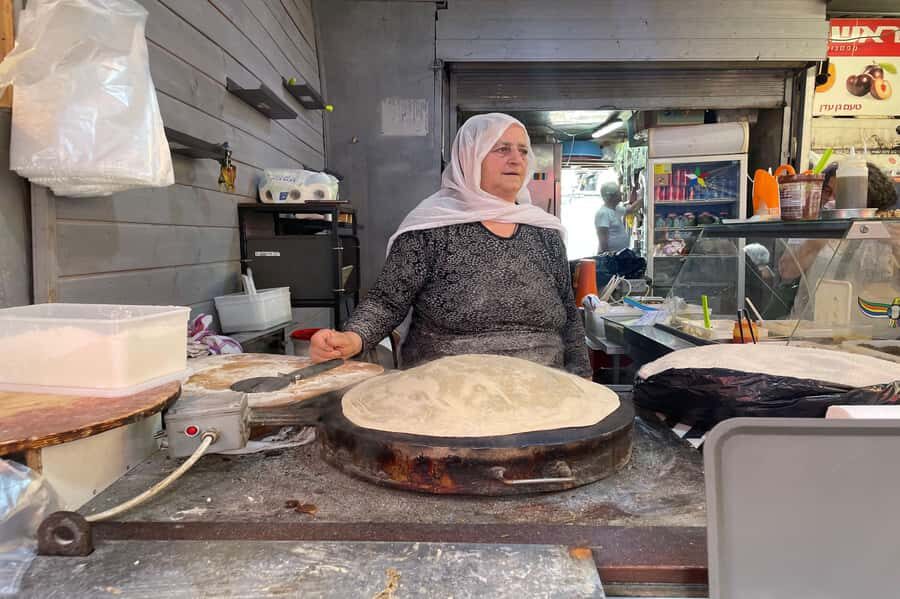
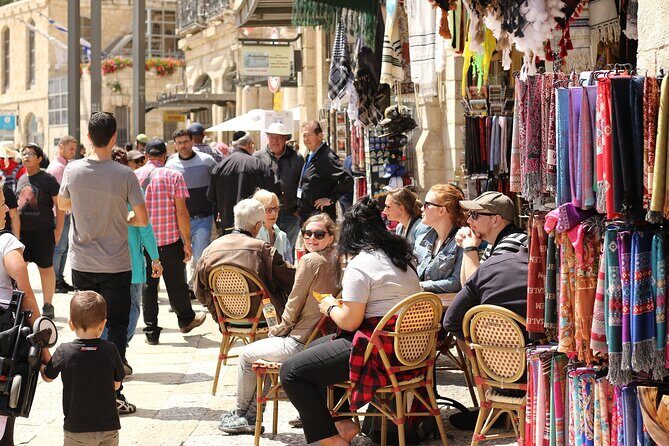
After the Christian sites, the tour visits the Muslim Quarter and the lively bazaar. You’ll have about 20 minutes.
This is a smart addition because the Old City isn’t just a set of sacred monuments. It’s also market streets, daily errands, and family life. Even in a short amount of time, you’ll get a sense of how people actually experience this city beyond religious landmarks.
A practical note: in market areas, you’ll see shops and displays everywhere. If shopping interests you, decide quickly what you’re hunting for. If it doesn’t, just enjoy the atmosphere and move at the group’s pace.
Judean Hills Drive via Harei Yehuda: From Old City to Dead Sea Calm
Next comes a longer transit piece: about 1 hour 15 minutes through the Judean Hills, including Harei Yehuda. The tour also mentions passing Metzoke Dragot on the way.
During this segment, you’ll likely feel the day switch gears. Jerusalem is dense and tight. The drive gives you breathing room and a chance to reset before the Dead Sea.
You also pass by Jericho on the route to the Dead Sea, which adds another layer of context. The lower elevation and open surroundings start to make the Dead Sea feel closer and more real.
The Dead Sea Float at a Resort Beach (About 400m Below Sea Level)
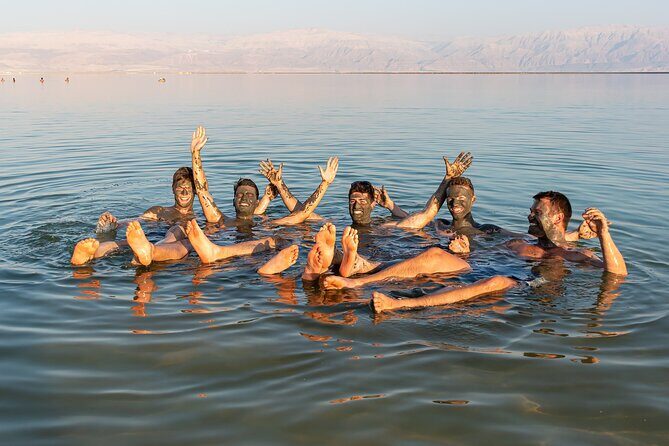
Finally, you reach the Dead Sea. The tour promises a real sensation: you’ll visit and float in the Dead Sea from a resort beach. The duration listed for the Dead Sea stop is about 1 hour 30 minutes, and that’s enough time to actually enjoy floating without turning it into a rushed splash-and-go.
The tour notes the Dead Sea is at 400 meters below sea level. That matters for your expectations: this is not a normal beach day. The conditions are salt-heavy, the sun can be intense, and the experience is physical in a very specific way.
What to bring for the swim
The tour recommends:
- hats
- bathing suits
- towels
- sun protection
I agree with all of it. Add one more practical thing: bring a plan for getting out of the water and rinsing off afterward, because salt can feel sticky once it dries. If you don’t want any issues, keep your towel and rinse routine organized.
How to enjoy the floating moment
Floating sounds easy, but the body needs a little guidance. In your time there, take a few seconds to find a comfortable way to lie back and let the water do the work. Try short sessions, reposition, and don’t spend all your time fighting the water.
Also: don’t wait until the final minutes to swim. The first part of your time is usually when you’ll feel freshest and calmer.
Price and Value: Why This Costs $95 (and What You Get for It)
At $95 for a full day (around 10 hours) including hotel pickup and drop-off, an experienced professional guide, an air-conditioned vehicle, and entrance fees, this price can be good value—especially if you’d otherwise pay for separate guides or individual tickets for multiple Old City sites.
Here’s what’s not included: food and drinks, and insurance. That’s normal for this type of day trip. The smart move is to plan for your own water/snacks before you start the day, because once you’re in Jerusalem’s Old City, food can become unpredictable and expensive.
The value equation is simple:
- You’re paying for guided routing and time-saving logistics across multiple major sites.
- You’re paying for transport between Jerusalem and the Dead Sea.
- You’re paying for access (entrance fees included).
If you’re the type who wants to maximize sights without handling ticketing and navigation, this price makes more sense.
Group Size and the Pace You Should Expect
The tour caps at 40 travelers. That size is large enough for a lively group, but small enough that the guide can keep things organized. The guide also runs short stop blocks across the Old City, which usually means you’ll spend more time looking with guidance and less time searching alone.
The schedule includes multiple stops around:
- Mount Scopus (about 30 minutes)
- Old City block (about 2 hours)
- Cardo (30 minutes)
- Jewish Quarter (30 minutes)
- Western Wall (20 minutes)
- Christian Quarter (30 minutes)
- Via Dolorosa (30 minutes)
- Holy Sepulchre (30 minutes)
- Muslim Quarter (20 minutes)
- Harei Yehuda/Judean Hills drive (1 hour 15 minutes)
- Dead Sea float (1 hour 30 minutes)
That breakdown tells you the experience is more about coverage with context than lingering for hours at any one location.
Who This Tour Fits Best (and Who Might Want a Different Plan)
This Jerusalem and Dead Sea day trip is ideal if you:
- want a guided overview across the Old City’s main quarters
- prefer a structured route instead of figuring out transport and entrances
- want the Dead Sea experience without planning your own day around it
- like history explanations tied to places you can actually see
It might feel like a lot if you:
- hate walking through crowds and narrow streets
- want lots of quiet time at one specific site
- need a slower pace with fewer transitions
The minimum starting age is 4 years old, so families can do it if kids handle walking and early mornings.
Should You Book This Jerusalem and Dead Sea Tour?
If you want a well-run, full-day way to see Jerusalem’s major religious and historic landmarks and still end with the memorable Dead Sea float, I’d say this is a strong booking choice. The combination of early orientation at Mount Scopus, focused Old City stops across multiple quarters, and an included Dead Sea swim is the whole point of the day.
Book it if you value structure and efficient use of time. Pass on it if you’d rather slow down and linger in only one or two places. For most people wanting the highlights without the planning headache, this tour hits the sweet spot.
FAQ
FAQ
What time does the tour start?
The tour start time is 6:40am.
Does the tour include hotel pickup and drop-off?
Yes. Hotel pickup and drop-off are included.
What does the price include?
The price includes a professional guide, air-conditioned vehicle, and all entrance fees.
Is food included?
No. Food and drinks are not included.
Is a mobile ticket used?
Yes. The tour notes mobile ticket.
Can the transfer involve vehicle changes?
Yes. The tour states that the transfer from Jerusalem to the Dead Sea may be accompanied by a driver only, and a change of vehicle may be required.
How long is the Dead Sea part?
The Dead Sea portion is listed as about 1 hour 30 minutes, including time to float from a resort beach.
What should I bring for the Dead Sea swim?
The tour recommends hats, bathing suits, towels, and sun protection.
Is there a minimum age?
Yes. The minimum starting age is 4 years old.
What’s the cancellation policy?
The tour offers free cancellation. You can cancel up to 24 hours in advance for a full refund. If you cancel less than 24 hours before the start time, you won’t get a refund.