REVIEW · TEL AVIV
Tel Aviv: Carmel Market & Neighborhood Guided Walking Tour
Book on GetYourGuide →Operated by Tel Aviv Walks · Bookable on GetYourGuide
Carmel Market hits your senses fast. This 90-minute guided walk is a smart way to learn the food and history behind Shuk HaCarmel, with Carmel Market as your main stage and a guide who ties it all to Tel Aviv’s immigrant story. I especially like how you get a local expert to explain what you’re seeing while you browse, and I like the connection to specific dishes like malawach and sabich.
The main thing to consider is that it’s rain or shine and you’re doing a short, real walk on cobblestones—so comfy shoes and water matter more than you might expect for a “quick” tour.
In This Review
- Key takeaways before you go
- Carmel Market and Allenby Street: where the tour starts
- A Yemenite twist and the immigrant food story
- Spices, pastries, and street snacks you can actually buy
- Cobblestones, pastel buildings, and Bauhaus details
- Nachalat Binyamin: street art and local crafts in the same walk
- Food tastings upgrade: when it’s worth it
- How the 90-minute walk fits your day
- Price and value: what $39 gets you in a market setting
- Who should book this Carmel Market tour
- Should you book this tour?
- FAQ
- Where do I meet for the tour?
- How long is the walking tour?
- How far do we walk?
- Is the tour in English?
- Is the tour only for people who want food tastings?
- Are drinks included?
- Does the tour run in bad weather?
- How big are the groups?
- What should I bring?
Key takeaways before you go
- An expert local guide with on-the-ground context for the market’s food and culture, not just a quick walk-by.
- Immigrant influences you can name and taste, including dishes brought by Jewish communities.
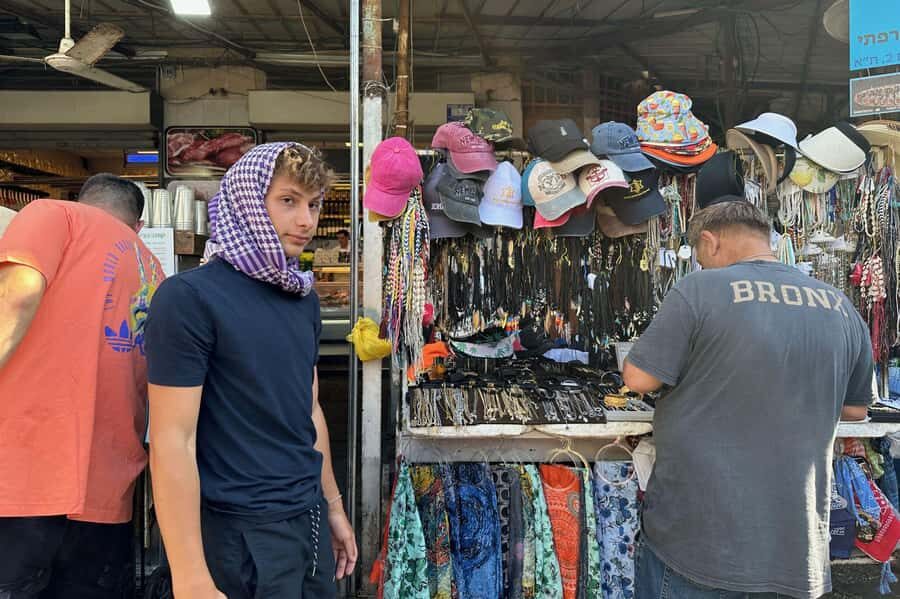
- Carmel Market’s open-air shopping layout, with street vendors, bakeries, produce, and spice displays.
- Bauhaus architecture in the area, plus pastel-toned streets you’ll notice once someone points it out.
- Nachalat Binyamin added for texture, with street art and local crafts to round out the story.
- Food tastings are optional, and the upgrade is designed to feel like a lunch portion.
Carmel Market and Allenby Street: where the tour starts
You meet outside Poli House at the corner where Carmel Market and Allenby St intersect. That’s a useful starting point because Allenby St is one of Tel Aviv’s main pedestrian corridors, so you’re not stuck hunting for a backstreet address after a long travel day.
From there, the walk stays focused on getting you oriented quickly. This tour covers about 1 km (0.6 miles) in 90 minutes—short enough that you can keep your energy, but long enough to actually see how the market connects to nearby neighborhoods. The maximum group size is 15, which means you’ll spend more time listening and less time shouting over a crowd.
One more practical note: the tour is in English, and your guide can help with translation if needed while you shop. That matters in a market, where small details—like which spice blend is for what—are often verbal.
You can also read our reviews of more walking tours in Tel Aviv

A Yemenite twist and the immigrant food story
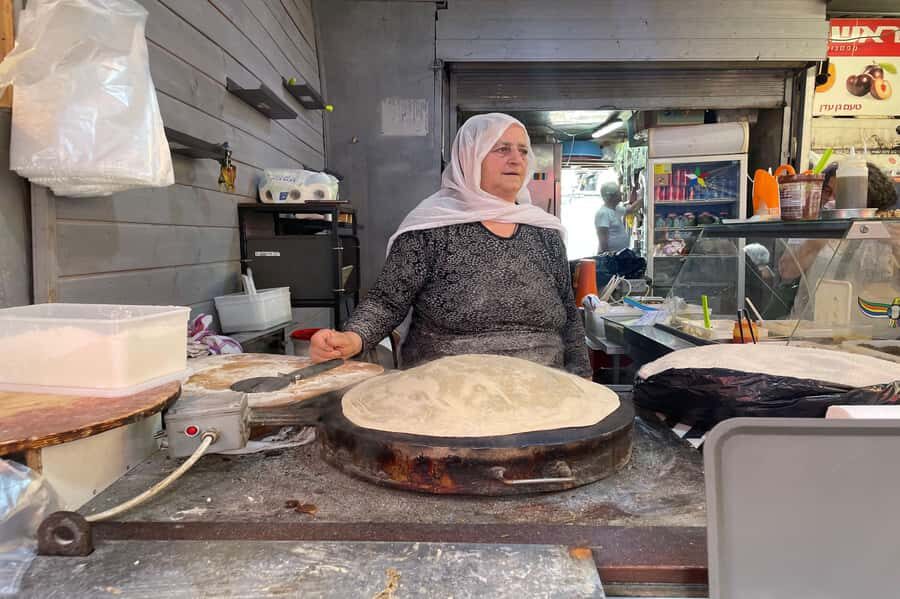
The heart of this experience is the idea that Carmel Market isn’t just a place to buy food. It’s also a map of migration and daily life—especially through Jewish immigrant communities who shaped what Tel Aviv eats and how it eats.
You’ll hear a Yemenite twist to the story, then watch how that fits into the broader “melting pot” reality of Tel Aviv. The guide frames the market as a hub where people bring traditions, adapt them, and turn street food into something locals crave every week.
And instead of staying in broad cultural terms, the tour gives you recognizable anchor dishes:
- Malawach: a pastry associated with Yemenite Jewish cuisine.
- Sabich: a filling, savory plate linked with Jewish communities from the region.
Even if you’ve never ordered either dish, the value here is that you’ll understand why they show up where they do—and what makes them part of Tel Aviv’s everyday rhythm. You’ll start noticing patterns: how ingredients show up together, which flavors are repeated, and how vendors build meals around what people want at that moment.
Spices, pastries, and street snacks you can actually buy
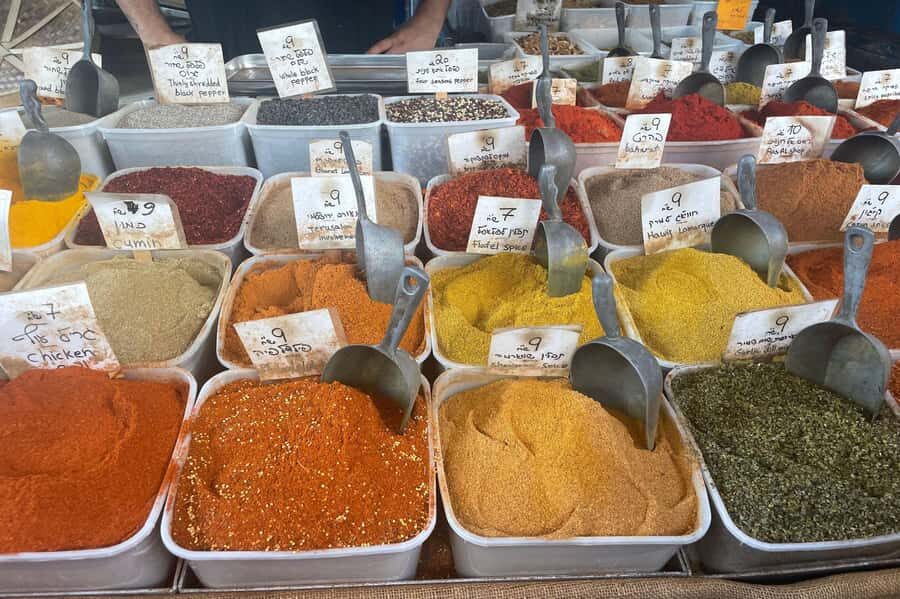
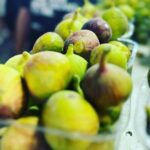
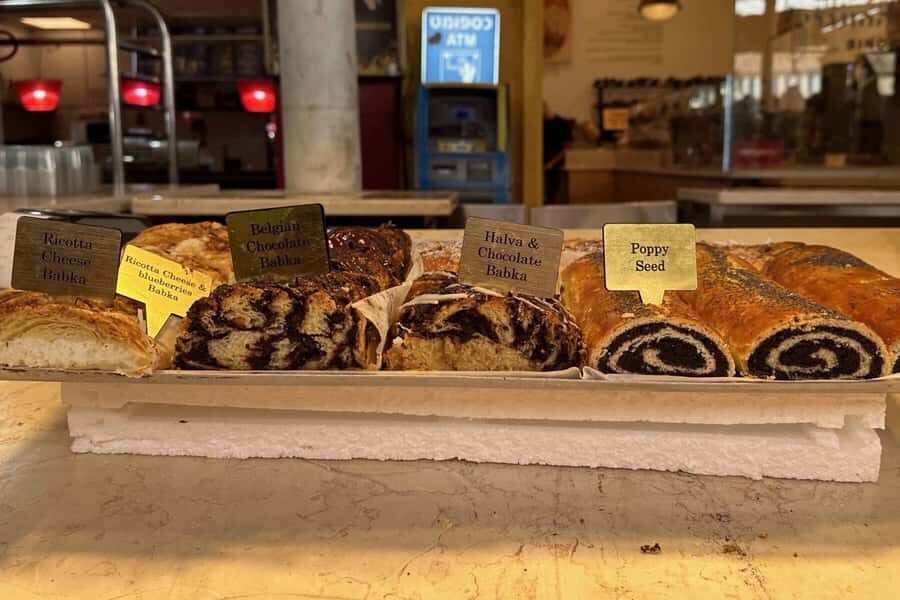
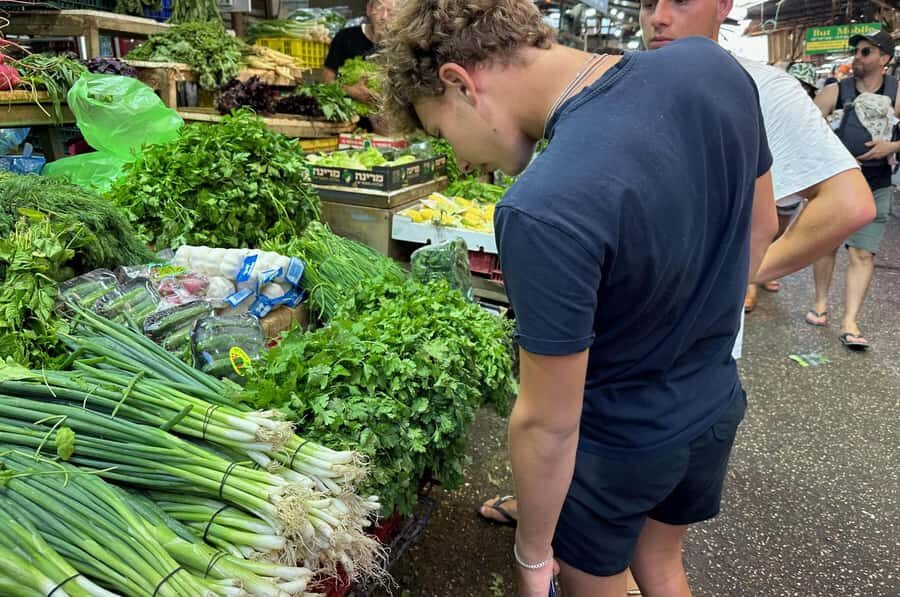
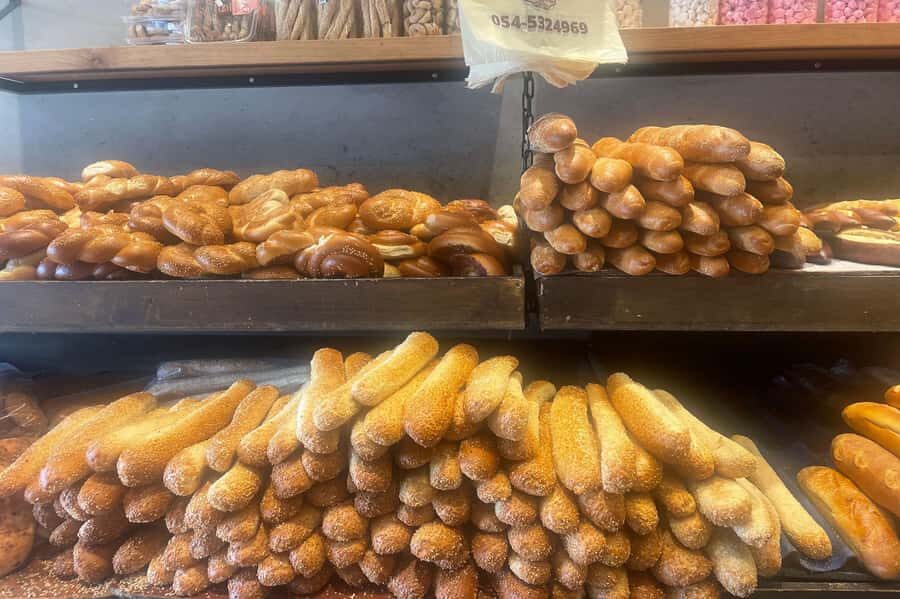
Carmel Market is famous because it’s open-air and hands-on. You’ll see street vendors, shops, and bakeries, plus a lot of produce and spice displays. It’s the kind of place where the senses do half the work: smells, colors, and textures pull you in before you even know what you’re looking for.
The tour includes time for you to purchase local products with help from your guide. That’s a big deal because markets often move fast. When you have someone who can translate and explain, you can buy with confidence—whether it’s spices you can use at home, snacks for later, or small items that make your next meal feel less “tourist” and more personal.
Since food is only included if you choose the food tastings upgrade, think of the base tour as a “see and learn” experience. You’ll still have plenty to nibble on your own if you want, but your money is going toward orientation and knowledge, not toward a fixed buffet.
Cobblestones, pastel buildings, and Bauhaus details
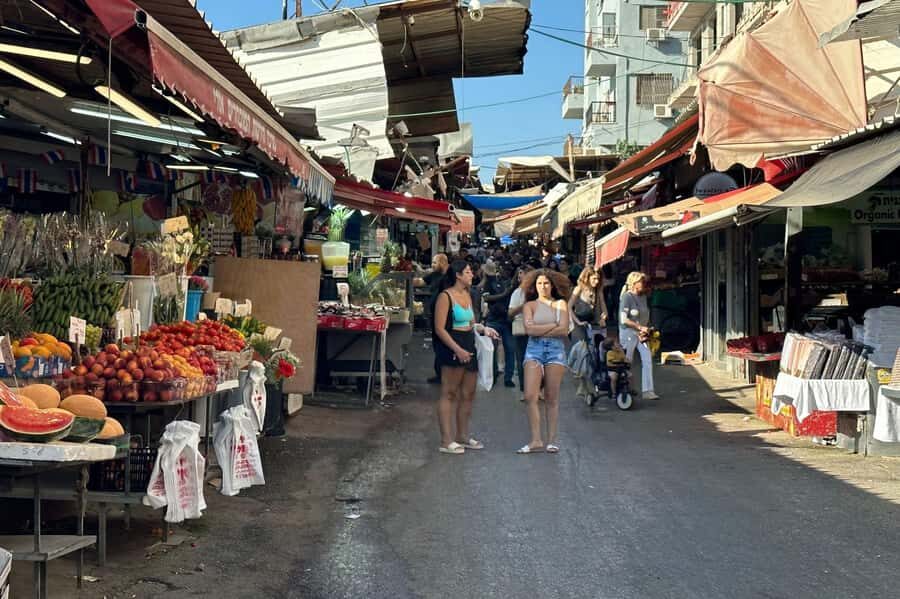
One thing I like about this tour’s design is that it treats the market as part of a bigger urban story. You don’t just walk through stalls; you also move through streets lined with pastel-colored buildings on cobblestones, which helps you understand the atmosphere of the area.
You’ll also hear about Bauhaus architecture in the surrounding district. That can sound like a “check the box” fact, but it’s actually useful when you can connect it to what’s happening around it—shops, food, neighborhoods, and immigrant communities living side by side.
As you walk, listen for what your guide points out. Bauhaus details aren’t always obvious until someone shows you where to look. When that clicks, your photos get better, and the neighborhood stops feeling like a backdrop.
Nachalat Binyamin: street art and local crafts in the same walk
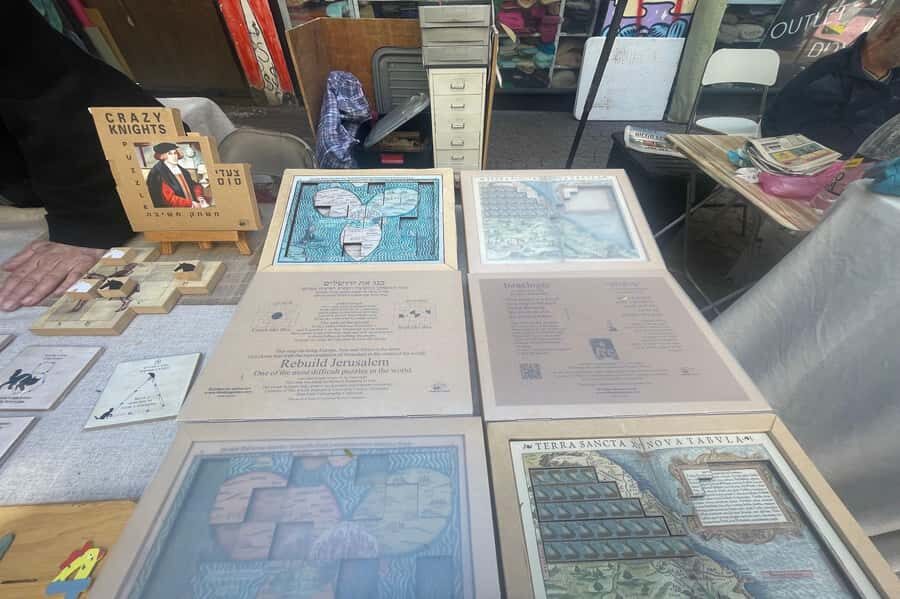
After Carmel Market, the tour continues into the Nachalat Binyamin district. This is where the experience broadens from food into local creativity: street art and local crafts.
That shift matters. If your only Tel Aviv exposure so far has been beach time and hotel lobbies, this stop gives you a grounded look at how Tel Avivers shape public space. You’re still in a short walking day, but you’re not repeating the same type of sights.
Think of Nachalat Binyamin as the “interpretation” part of the tour. Carmel Market explains the food origins; street art and crafts help you see how culture stays active on the streets every day.
You can also read our reviews of more guided tours in Tel Aviv

Food tastings upgrade: when it’s worth it
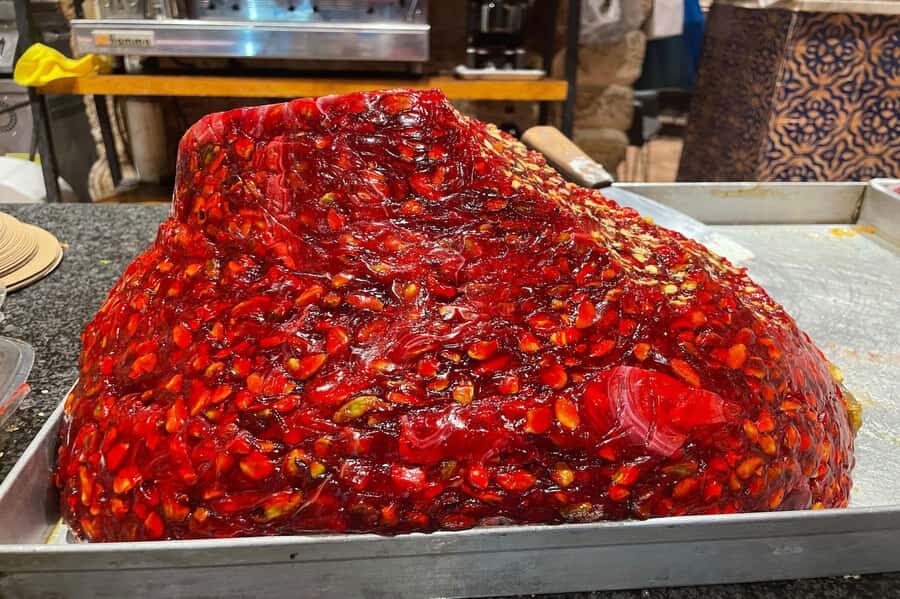
You can join the base walking tour without included food, then choose the tastings upgrade if you want your lunch portion covered.
Here’s the key practical detail: the tastings are described as equivalent to a lunch portion. That’s a better framing than “a few bites,” because you’re more likely to leave satisfied rather than hungry and hunting for food afterward.
Is it worth paying extra? Usually, yes—if you know you’ll want to sample multiple things rather than buying one snack. Tastings also reduce the guesswork. Instead of standing in front of a stall thinking, What should I order? you get guided suggestions tied to the cultural story you’re hearing.
If you’re the kind of traveler who already has a personal “food plan,” you might skip the upgrade and use the guide’s help for targeted purchases. Either approach works, but the upgrade is the simplest way to make sure the tour’s food theme turns into actual eating.
How the 90-minute walk fits your day
Ninety minutes sounds compact, and it is. You’re covering about 1 km, with the tour led at a pace that allows questions and browsing. Because there’s time to shop, don’t schedule this as the “catch my train” activity unless you’re very sure your timing is tight.
The tour takes place rain or shine, so build in flexibility. If it’s hot, the hat and sunscreen guidance is there for a reason. If it’s wet, cobblestones can feel slippery—comfortable shoes matter even if you’re not used to “formal walking.”
Also keep in mind: drinks aren’t included. That’s normal for a market tour, but it’s good to plan on buying water while you walk. The guide will help you along the way, and you’re welcome to purchase as you tour.
Price and value: what $39 gets you in a market setting
At $39 per person for a 90-minute local guided walk, you’re not paying for a museum-style experience. You’re paying for three things that matter in a market:
- A local expert guide who can explain what you’re looking at.
- Focused time that helps you shop smarter, not just wander longer.
- Optional food tastings if you want the lunch-equivalent portion included.
That’s why the value equation feels fair. Markets can be great solo, but you often miss the “why.” Here, you’re buying context: how immigrant communities shaped the food scene, which dishes connect to which traditions, and how the neighborhood’s architecture and street life tie into the same story.
One more value detail: pricing is lower per person when you book 2+ people. If you’re traveling with a friend or family member who wants the same vibe, group-booking is a smart way to make the guide cost more efficient.
Who should book this Carmel Market tour
This tour is a strong fit if you want Tel Aviv to feel specific and human, not just scenic.
It’s especially good for:
- Food-first travelers who like their meals explained.
- History and culture fans who prefer real streets over lecture halls.
- People who enjoy street-level shopping but want help choosing.
- Travelers who want a shorter activity that still feels “local” and not rushed.
It’s not the best match if you want a purely hands-off stroll with no explanation. The point here is learning—through the market and the neighborhood context that comes with it.
And if you’re lucky with your guide assignment: one standout name shared for this experience is Katya, described as making the visit lively and tightly connected to Israel’s story. If Katya is on the roster for your date, that’s a nice bonus to look forward to.
Should you book this tour?
I’d book it if you want a straightforward way to understand Carmel Market beyond the smells and colors. The short walking distance, the small group size, and the guide-led explanations make it easy to get oriented without spending half a day.
Choose the food tastings upgrade if you want the tour to end with a satisfying meal rather than just a few ideas. Skip the upgrade if you’re already planning specific food stops and want to use the guide mainly for culture, shopping help, and direction.
Bottom line: this is a practical, guide-supported “Tel Aviv through food and streets” experience. It’s worth it when you want meaning with your snacks.
FAQ
Where do I meet for the tour?
Meet on the corner outside the hotel Poli House, at the junction of Carmel Market and Allenby St.
How long is the walking tour?
The tour lasts about 90 minutes.
How far do we walk?
The tour covers about 1 km (0.6 miles).
Is the tour in English?
Yes, the live tour guide speaks English.
Is the tour only for people who want food tastings?
No. Food tastings are included only if you purchase the Food Tasting Upgrade. Otherwise, you’ll have time to shop and you can buy food on your own.
Are drinks included?
No. Drinks are not included, but you’re welcome to purchase as you tour.
Does the tour run in bad weather?
Yes, it takes place rain or shine.
How big are the groups?
The maximum group size is 15 people.
What should I bring?
Wear comfortable shoes, and bring a hat, sunscreen, and water.