REVIEW · TEL AVIV
From Tel Aviv: Jerusalem Old City & Dead Sea Guided Day Tour
Book on GetYourGuide →Operated by Bein Harim Israel Tours · Bookable on GetYourGuide
One day, two worlds: Jerusalem and the Dead Sea. This guided bus tour is built for first-time visitors who want the big-ticket spiritual highlights fast, from the Church of the Holy Sepulcher to the Western Wall, then down to the Dead Sea for that classic mineral-water float. I like the way the itinerary strings together street-level Old City sites with panoramic views, and I also like that the Dead Sea portion is basically your time to soak, swim, float, or do a mud-bath. One drawback to plan around: you’ll likely spend some time in organized shopping stops and you don’t get endless free roaming in Jerusalem.
Hotel pickup matters here. You start from your accommodation, ride in an air-conditioned coach with a professional guide (German, French, English, Spanish), and you’ll also get a roadside look at the Qumran Caves—where the Dead Sea Scrolls were found—before heading to the shore. Just come ready with modest clothing for holy sites and a realistic mindset: it’s a full day, so you’ll move.
In This Review
- Key highlights I’d circle for you
- How the Day Flows: Tel Aviv Pickup to Judean Hills to the Lowest Place
- Mount of Olives and the Kidron Valley Views You Can Actually Use
- Old City Jerusalem Stops: Western Wall Square, Bazaar Streets, Cardo, and Via Dolorosa
- Church of the Holy Sepulcher Timing and What to Expect Inside
- Western Wall Moments: The Best Use of a Short Jerusalem Window
- Qumran Caves Roadside View Before You Reach the Dead Sea
- Dead Sea Float Time, Mud Bath Basics, and the Reality of Facilities
- Price, Pace, and Shop Stops: Is This Good Value for $133?
- Who This Tour Fits Best (and Who Should Skip It)
- Short FAQ Before You Go
- FAQ
- How long is the Tel Aviv to Jerusalem and Dead Sea guided day tour?
- Do I get hotel pickup and drop-off?
- What’s included in the ticket price?
- Is food or drink included?
- Will I have a guide at the Dead Sea shore?
- What should I wear for the holy sites?
- Is the tour suitable for young children or wheelchair users?
- What languages are the live guides available in?
- Should You Book This Tel Aviv to Dead Sea Tour?
Key highlights I’d circle for you
- Old City walking plan that makes sense: Western Wall Square, Armenian Quarter entry, Bazaar strolling, and time on the Via Dolorosa.
- The Mount of Olives payoff: a high-view moment over both the old and new city.
- Cardo + Byzantine street vibes: you’ll hear why that Roman road matters as you walk it.
- A practical Dead Sea setup: swim/float/mud-bath time with the entrance fee included.
- Qumran Caves viewpoint en route: a quick, relevant stop that adds context to the Dead Sea.
- Multiple guide styles: guides like Liat, Ezer, Roy, Michael Altshuler, Itamar, Moti, Sigal, Zahi, and Amin show up in real operations, and they tend to keep the day on track.
How the Day Flows: Tel Aviv Pickup to Judean Hills to the Lowest Place
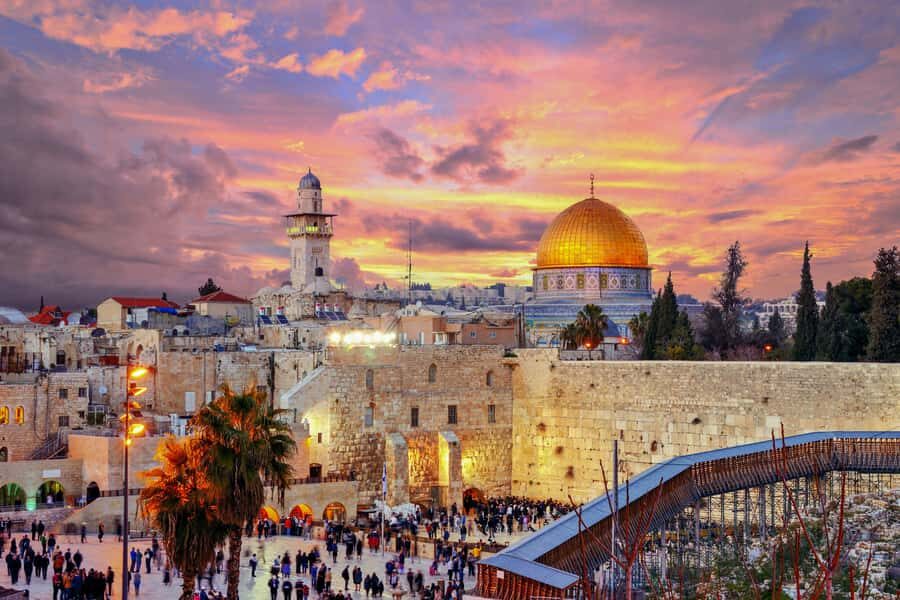
This is a 10-hour, hotel-to-hotel day built around transportation efficiency. You get picked up in the morning (your exact pickup time is confirmed by the operator), then you’re on a bus to Jerusalem and the Dead Sea with an air-conditioned coach and a guide.
What you’re buying is a structure. Jerusalem on your own can turn into a maze of competing routes, ticket lines, and getting lost in the Old City. Here, the route is set: Mount of Olives, Old City circuits, then a downhill drive through the Judean Hills toward the Dead Sea.
One important detail: the drive to the Dead Sea shore is without a guide. In other words, you’ll be on your own for that final stretch, so bring what you need (sun protection, water if you prefer, and patience for road time). Once you arrive, the Dead Sea portion is the big “do it now” experience.
You can also read our reviews of more guided tours in Tel Aviv

Mount of Olives and the Kidron Valley Views You Can Actually Use
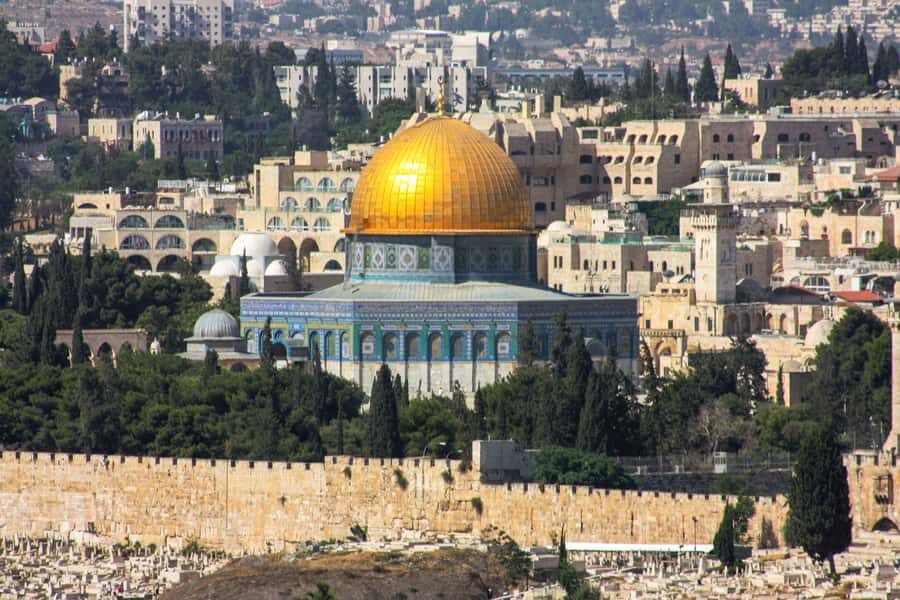
The day begins with altitude and context. You head to the Mount of Olives, one of the highest peaks in Jerusalem, and you get panoramic views over the city below. This matters because Jerusalem is layered—Old City stone and newer neighborhoods sit in the same frame—and the view gives you a mental map before you start walking the holy lanes.
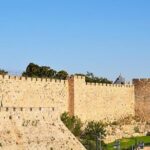
From there, you travel along the Kidron Valley toward Gethsemane and the walls of the Old City. Even if you’re not super religious, this stretch helps you understand the geography. The Old City is walled and tight; the valleys and slopes explain why so many stories and conflicts have gathered here over centuries.
It’s also a good moment to prep for modesty. You’ll be moving from viewpoint to holy-site entry, so you’ll want clothes that cover appropriately without turning the day into a scramble.
Old City Jerusalem Stops: Western Wall Square, Bazaar Streets, Cardo, and Via Dolorosa
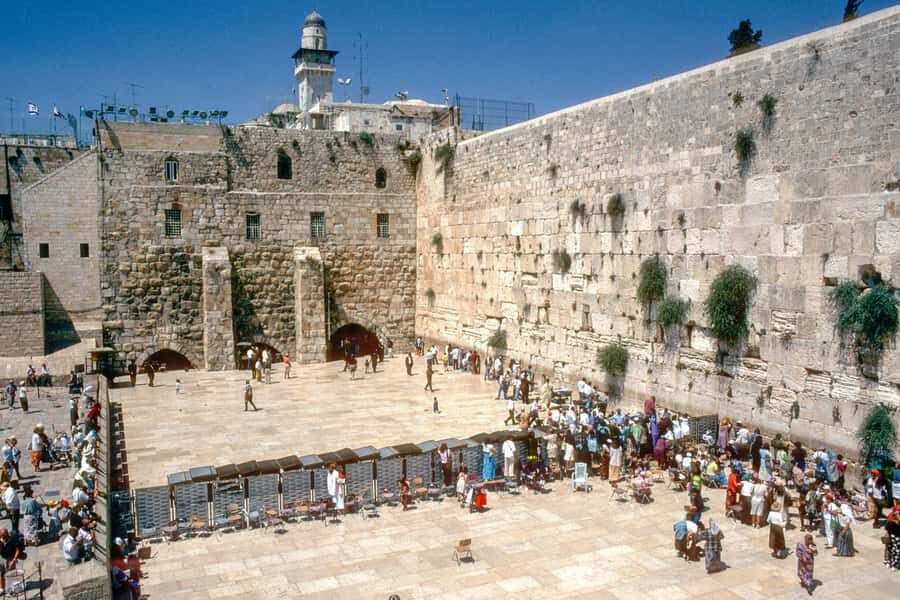
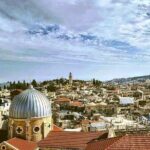
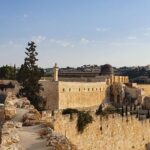
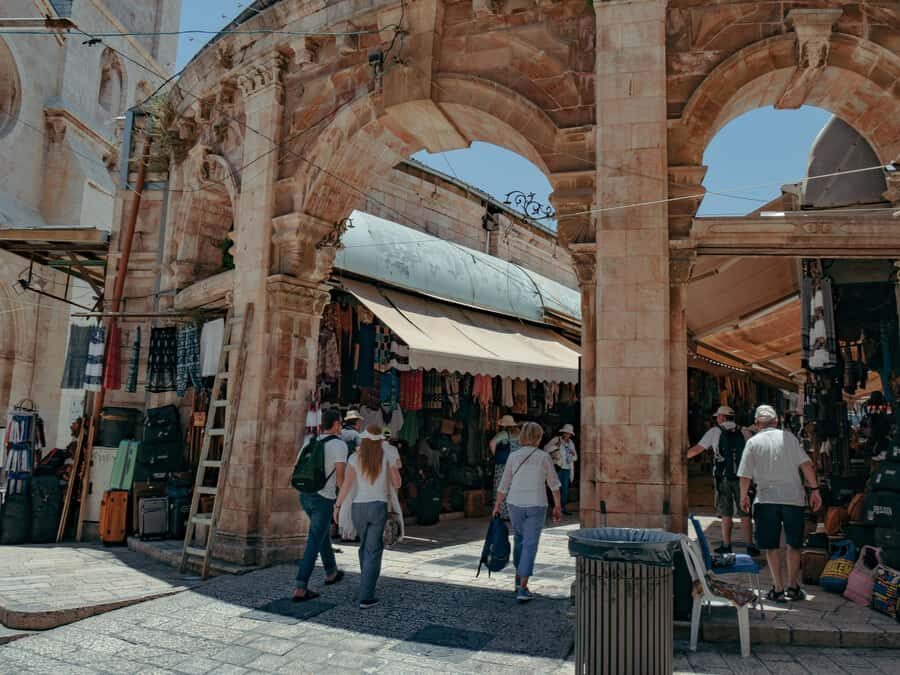
Once you enter the Old City area, you’re not just “seeing places,” you’re walking through the living layout of Jerusalem. The route typically includes entry into the Western Wall Square via the Armenian Quarter, then a stroll through the Bazaar to the Christian Quarter.
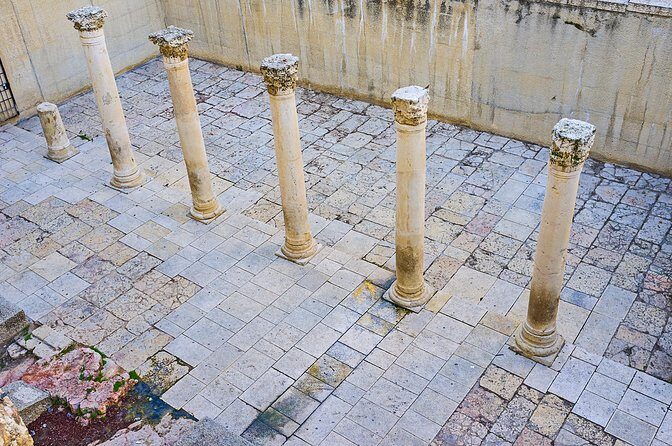
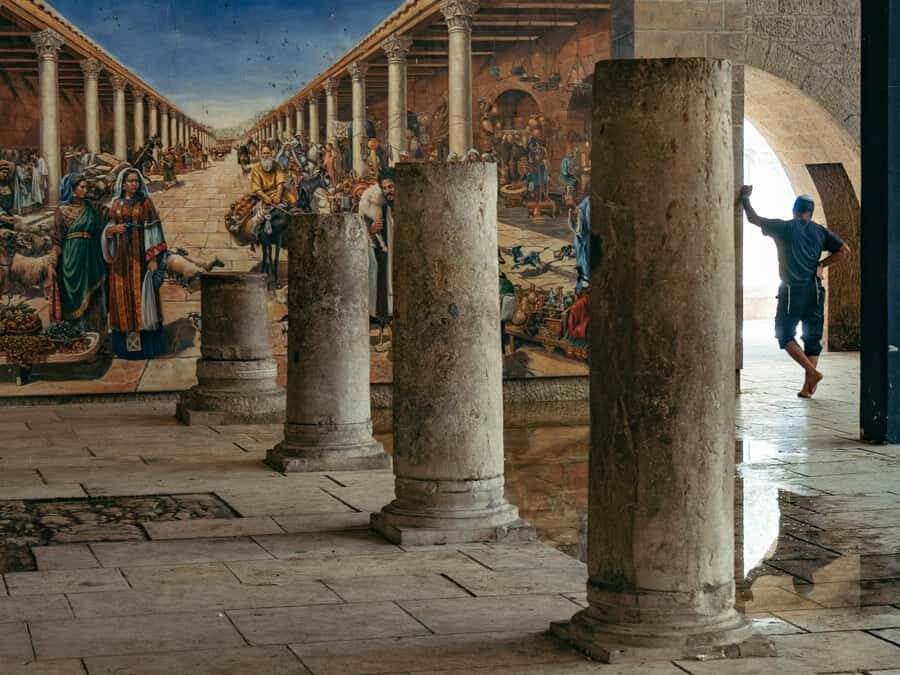
Then comes the street-level historical feeling: you’ll walk along the Cardo, the recently restored Roman road, and you’ll also spend time on the Byzantine main street. One of the neat things about this stop is how it links eras. You’re standing on a path that’s been rebuilt, restored, and repurposed over time, yet it still functions as a spine for movement through the city.
After that, you’ll hit the Via Dolorosa area, where the Stations of the Cross are located. This can feel emotionally intense for many visitors, and logistically it can also be busy. The good part of a guided route is that you’re not guessing what’s important or how long you’ll want at each pocket of the route.
Tip for your timing mindset: this part of the day moves. Expect enough time to see what’s meaningful, but not enough to wander the whole maze at your leisure.
Church of the Holy Sepulcher Timing and What to Expect Inside

The Church of the Holy Sepulcher is the kind of stop that can either feel magical or a little chaotic, depending on timing. The tour includes it, and it’s widely considered one of the most significant sites connected to the crucifixion and burial tradition.
Here’s the practical reality: wait times can spike. If you hit a celebration day, you may find the time spent inside the most sensitive areas is slowed by crowds. That showed up in real-world experiences—people reported ridiculous waits for key components when celebrations lined up.
So what should you expect in the building? You’ll be in a dense, reverent, and sometimes tightly scheduled space. You won’t have the option of “take your time, no lines” peace and quiet, because the church’s flow matters.
Still, when it works, it’s a powerful stop. The value is not just the monument—it’s the way the guide connects the different parts of the church to the wider story of Jerusalem and to the three big religions that all treat this city as sacred.
Western Wall Moments: The Best Use of a Short Jerusalem Window
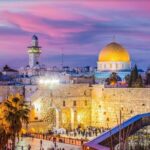
The Western Wall Square stop is one of the highlights that makes this tour feel worth it. You’ll enter through the Armenian Quarter, then make your way into the area where people come to pray and gather.
Even with limited time, this is a place where your senses do a lot of the work. People will be moving, praying, reading, and visiting. The scale and intensity hit fast.
From a traveler standpoint, the most helpful part is having a guide set the context. You’ll understand what you’re looking at and why the Western Wall is treated as such a focal point. You’ll also understand how the Old City’s quarters connect—so you’re not just bouncing between isolated checkpoints.
You can also read our reviews of more city tours in Tel Aviv


Qumran Caves Roadside View Before You Reach the Dead Sea
Between Jerusalem and the Dead Sea, you get a roadside view of the Qumran Caves. This is tied to the Dead Sea Scrolls discovery, and even though it’s not a full cave tour here, the viewpoint gives you grounding.
What I like about this choice is that it adds meaning to the Dead Sea itself. Without that hint, the Dead Sea can feel like a pure “float and photos” day. With Qumran context, it becomes part of a larger historical chain.
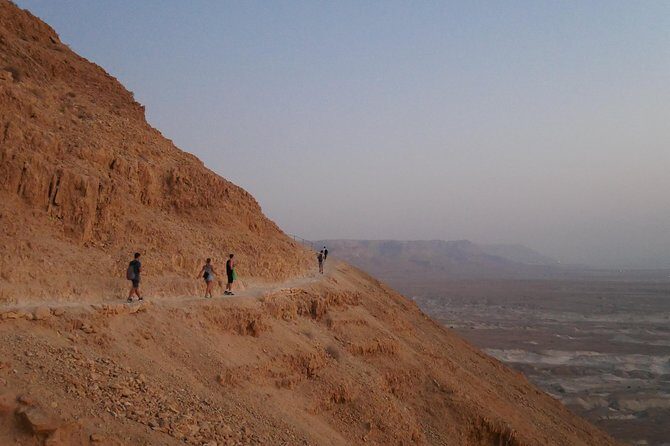
Because this is a roadside view, don’t expect to explore. Think of it as orientation: you’re learning what the area represents as you drive through the Judean Hills toward the lowest place on earth.
Dead Sea Float Time, Mud Bath Basics, and the Reality of Facilities
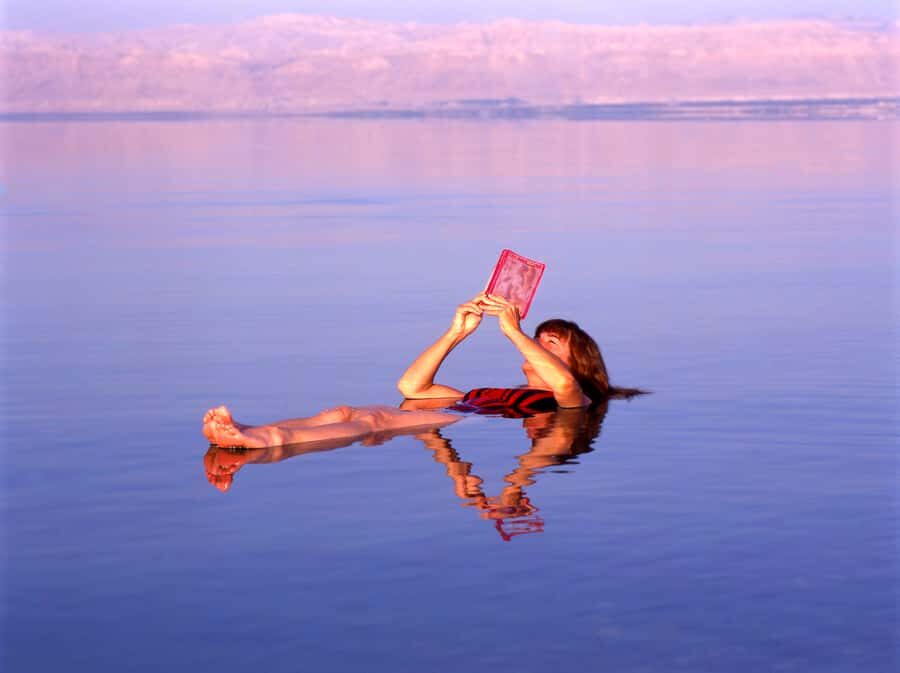
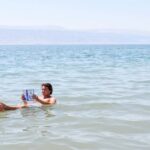
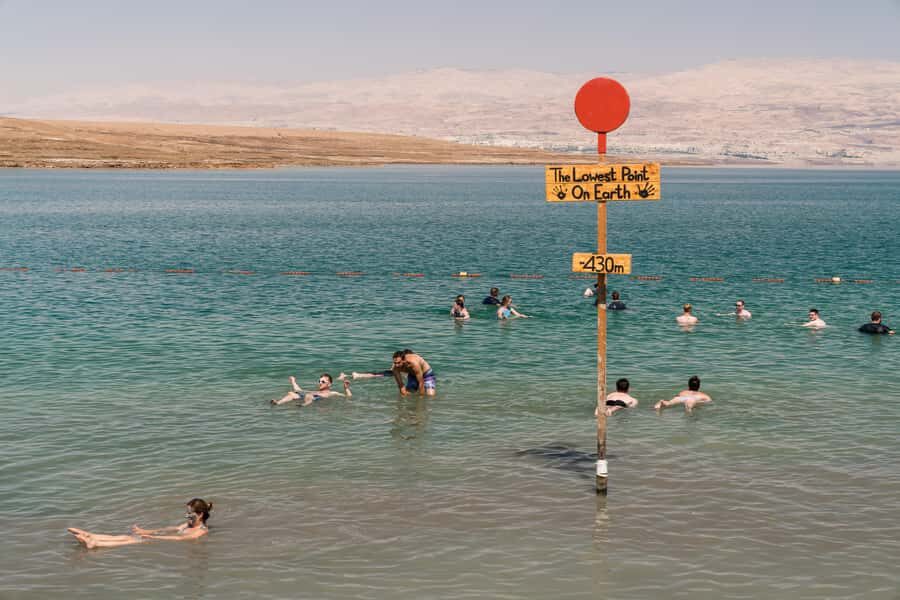
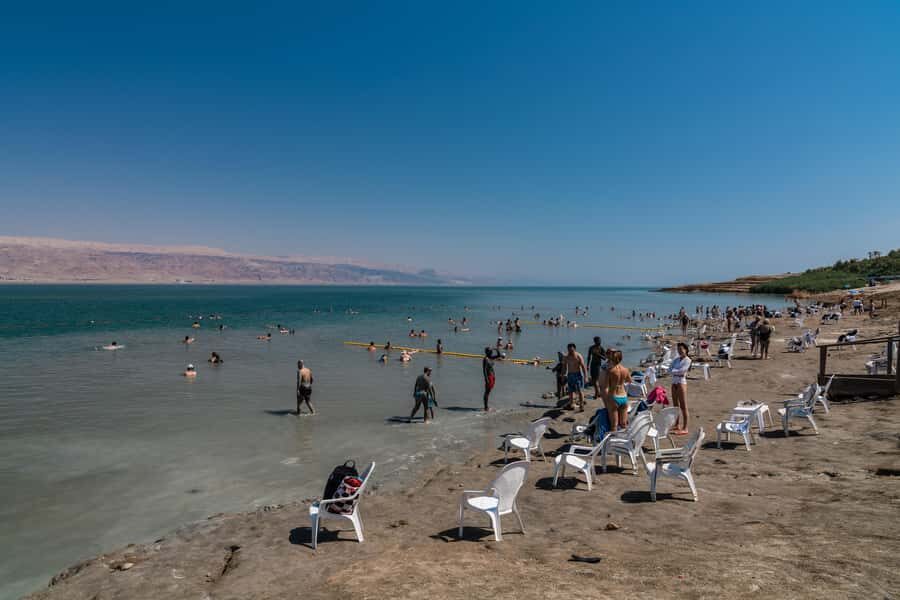
This is where the tour cashes in its promise. The Dead Sea is included with the entrance fee, and you’ll have time to swim, float, or enjoy a mud-bath.
The tour also notes an important practical detail: the drive to the shore is without a guide. That’s fine, because once you arrive, the main objective becomes simple—get in, get out, and protect yourself in the water and from the sun.
Also, come ready with what they suggest:
- a hat
- a bathing suit
- towels
- comfortable shoes
Do not underestimate how fast the experience becomes logistical. The water and mud are part of a routine. You’ll want to manage your timing so you don’t spend your best minutes figuring out where to go.
Facilities can be hit or miss. Some experiences described showers that weren’t in great condition, and others mentioned stoney areas in the water/sea floor. That doesn’t change the Dead Sea’s famous physical effect, but it does affect comfort—so go in expecting basic, not spa-level.
And yes, the water can be warm enough even in winter months, based on season experiences people reported.
Price, Pace, and Shop Stops: Is This Good Value for $133?

$133 per person for a 10-hour guided day from Tel Aviv sounds like a lot at first, until you count what’s actually bundled.
You get:
- hotel pickup and drop-off
- transportation in an air-conditioned coach
- a professional guide
- an included entrance fee to the Dead Sea
- a full route that links Jerusalem’s major holy-site highlights to the Dead Sea
The big “cost” is time. This is not a slow, gourmet day. It’s a structured sprint with a few key moments that justify the effort. That can be great value if you want variety—Jerusalem’s spiritual sites plus the Dead Sea’s signature physics—without coordinating buses, tickets, and logistics yourself.
The main downside affecting perceived value is how the day handles commerce. Multiple experiences mention pre-arranged shop stops and sales-style pitches tied to Christian Quarter areas, plus price tags that felt inflated. A similar pattern shows up with restaurant choices. If you want to browse markets on your own schedule, you might feel time squeezed.
My advice: treat shopping stops like optional stops, not must-dos. Look, don’t overbuy, and keep your priorities straight: Jerusalem sights, then Dead Sea time.
Who This Tour Fits Best (and Who Should Skip It)
This tour is a strong fit if:
- you’re visiting for a short stay and want a packaged day with major highlights
- you prefer guided navigation through Jerusalem’s Old City
- you want the Dead Sea included with a guaranteed entry and a clear float/mud-bath block
- you like having a professional explain what you’re seeing as you move
It’s less ideal if:
- you need lots of free wandering time in Jerusalem (the pace is tight)
- you’re sensitive to crowd bottlenecks at the Church of the Holy Sepulcher
- you dislike any shopping stop driven by tour partners
It’s also not suitable for certain travelers. The tour states it is not suitable for children under age 4. It’s also not suitable for people with mobility impairments or wheelchair users. With stairs, uneven surfaces, and a packed route, that limitation makes sense.
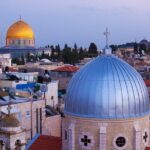
One more note to match expectations: the tour route includes major holy areas like the Mount of Olives, Gethsemane area, Via Dolorosa, Western Wall, and the Armenian/Christian Quarter walking. But it does not list visits to Al Aqsa or the Dome of the Rock as part of this specific plan. If those are your top priorities, you may want to compare with another Jerusalem-focused itinerary.
Short FAQ Before You Go
FAQ
How long is the Tel Aviv to Jerusalem and Dead Sea guided day tour?
It runs for 10 hours.
Do I get hotel pickup and drop-off?
Yes. Pickup and drop-off at your accommodation are included.
What’s included in the ticket price?
Transport in an air-conditioned coach, a professional guide, and the entrance fee to the Dead Sea are included.
Is food or drink included?
No. Food and drink are not included.
Will I have a guide at the Dead Sea shore?
The drive to the Dead Sea shore is without a guide. Once you arrive, you’ll have Dead Sea time to swim, float, or do a mud-bath.
What should I wear for the holy sites?
Modest dress is required for holy sites.
Is the tour suitable for young children or wheelchair users?
No. It is not suitable for children under age 4, and it is not suitable for people with mobility impairments or wheelchair users.
What languages are the live guides available in?
Live tour guides are available in German, French, English, and Spanish.
Should You Book This Tel Aviv to Dead Sea Tour?
If your goal is a single day that covers Jerusalem’s heavy hitters and then hands you the Dead Sea for a signature float, I think this tour is a solid choice. You get efficient hotel pickup, a full coach day, a guide to connect the dots, and a real change of pace when you reach the Dead Sea shore.
Book it if you’re okay with a structured schedule and you’re not expecting private, slow wandering in every site. Skip or research alternatives if you want extra time inside the Old City, or if shopping stops and crowd bottlenecks would genuinely stress you out. With the right expectations, this is one of those days that leaves you with clear memories: Western Wall energy, Holy Sepulcher intensity, and the physics-defying Dead Sea float.