REVIEW · TEL AVIV
Tel Aviv: Jerusalem, Bethlehem & Dead Sea
Book on GetYourGuide →Operated by Tourist Israel Tours · Bookable on GetYourGuide
Jerusalem in one day sounds impossible. Then you do it, and it actually works: Old City quarters, the Church of the Holy Sepulchre, Bethlehem’s Nativity church, and a chance to float at the Dead Sea—without renting a thing. What I like most is how the day is organized around the big sights, with a guide who helps you read what you’re seeing instead of just pointing.
My second favorite part is the guide talent. On these tours you might get a standout guide like Shimon (with insider stories), Sivan Dadush (clear, structured explanations), or Jacob (smooth pacing through the Old City and Bethlehem). Either way, you’re not left to guess your way through Via Dolorosa and those packed holy-site corridors.
The main drawback is simple: the day is busy. You’ll do a lot of walking and climbing stairs, modest dress is required, and the Dead Sea time can feel short if you were hoping for a long lounge session.
In This Review
- Key highlights worth planning around
- From Tel Aviv: the smart way to see Jerusalem, Bethlehem, and the Dead Sea
- Jerusalem’s Old City walk: Western Wall, Via Dolorosa, and Holy Sepulchre
- Start with the “why” behind the streets
- Via Dolorosa: the route, the crowds, the pacing
- Church of the Holy Sepulchre: where the centuries stack up
- The practical part: you’ll climb and walk
- Bethlehem’s Church of the Nativity: worth it, but manage expectations
- What makes this stop meaningful
- The grotto issue: timing depends on crowds
- Bethlehem logistics feel tighter than Jerusalem
- Dead Sea float: how to make the shore time count
- What you’ll actually do there
- Bring the right beach setup
- Private beach costs
- Price and logistics: whether $109 feels fair
- What to pack (and what to wear) so the day feels good
- Group energy, guide quality, and pacing: what to expect on the ground
- Who this tour is best for (and who should choose something else)
- Should you book this day trip to Jerusalem, Bethlehem, and the Dead Sea?
- FAQ
- Where is the meeting point for the tour?
- How long is the tour from start to finish?
- Is the tour guided, and in which language?
- What should I wear and bring for the holy sites and Dead Sea?
- Does the tour include time to float in the Dead Sea?
- Is private beach access at the Dead Sea included?
Key highlights worth planning around
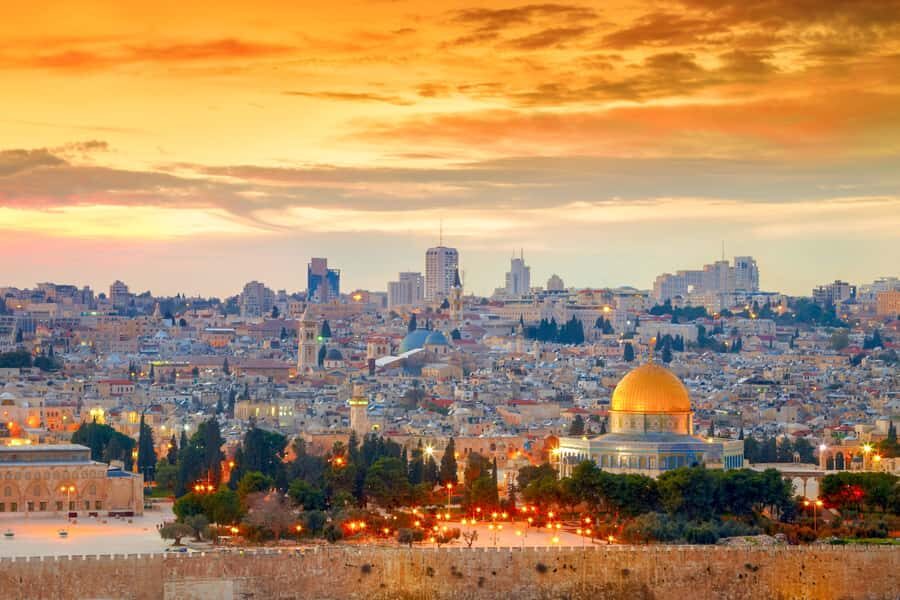
- Jerusalem Old City route: Western Wall, Via Dolorosa, and the Church of the Holy Sepulchre in one guided loop
- Bethlehem focus: Church of the Nativity as the anchor stop, with practical time for photos and explanation
- Dead Sea float: real mineral-water weirdness, plus time to relax in the basin area
- Expert, English-language guiding: many groups are led by guides praised for storytelling and pacing (names like Shimon, Sivan Dadush, and Jacob show up often)
- Value built on transport: you’re covered from Tel Aviv to all sites, so you spend energy on the sights
From Tel Aviv: the smart way to see Jerusalem, Bethlehem, and the Dead Sea
A full-day route like this lives or dies on one thing: timing. You start at Israeli Textile Center (corner of Shenkar & Kaufman St.), then you head by coach toward Jerusalem. The ride is about an hour and a half, which is long enough to get settled, but not so long that the day feels wasted before the first big stop.
Once you’re in Jerusalem, the tour turns into a walk. That’s the point. Jerusalem’s Old City isn’t the kind of place you properly appreciate from a bus window. You need to move through lanes and courtyards, catch skyline views, and feel how crowded and layered it is. A good guide helps you understand why every corner has a different meaning for Judaism, Christianity, and Islam.
I also like the way the route breaks the day into clear sections. You’re not just hopping between random streets. You start with the Old City’s essentials, then you head to Bethlehem for the Nativity church, and only after that do you go to the Dead Sea to cool down and do the thing everyone comes for.
You can also read our reviews of more tours and experiences in Tel Aviv.

Jerusalem’s Old City walk: Western Wall, Via Dolorosa, and Holy Sepulchre
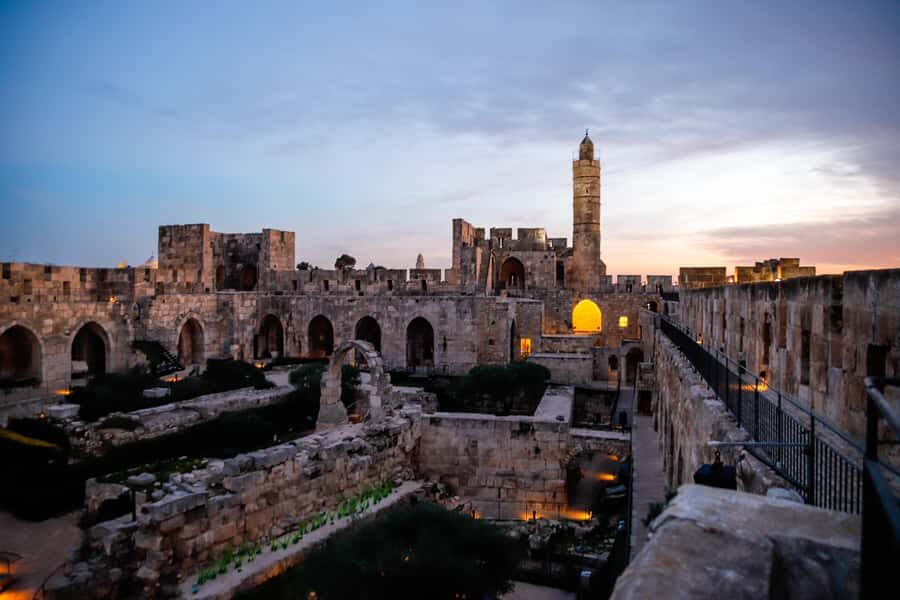
This is the heart of the day. You spend around 3.5 hours in Jerusalem’s Old City on a guided walk through the major four quarters, with photo stops and explanations as you go.
Start with the “why” behind the streets
You begin with a guided route that includes:
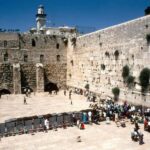
- the Western Wall
- Via Dolorosa
- the Church of the Holy Sepulchre
Even if you don’t consider yourself especially religious, this kind of guided walk helps you spot what matters. The Old City is packed with stories, but not all stories are obvious when you’re standing in the middle of it. Your guide’s job is to connect the buildings and lanes to the traditions attached to them.
Via Dolorosa: the route, the crowds, the pacing
Via Dolorosa can feel like a theme park line when it’s busy—narrow lanes, lots of people, lots of stopping. The tour doesn’t try to make that vanish. Instead, it uses it. You’ll see why this route is more than a single street: it’s a chain of moments, each one tied to faith and remembrance.
Church of the Holy Sepulchre: where the centuries stack up
Then you reach the Church of the Holy Sepulchre, and it’s the kind of place that makes you lower your voice without realizing it. It’s busy. It’s intricate. It’s older than your “fast tour” brain can comfortably process.
What you’ll appreciate here is not just the building, but the guided context: how the site shaped worship over the centuries. The Church is also one of those locations where the experience depends on crowd levels. That’s one reason the tour keeps this portion guided and structured instead of handing you free roam for too long.
The practical part: you’ll climb and walk
This Old City time is active. Expect lots of walking and steps. If you’re prone to sore knees, or if you need frequent breaks, you’ll want to plan for that now rather than hope the tour is easy.
Bethlehem’s Church of the Nativity: worth it, but manage expectations
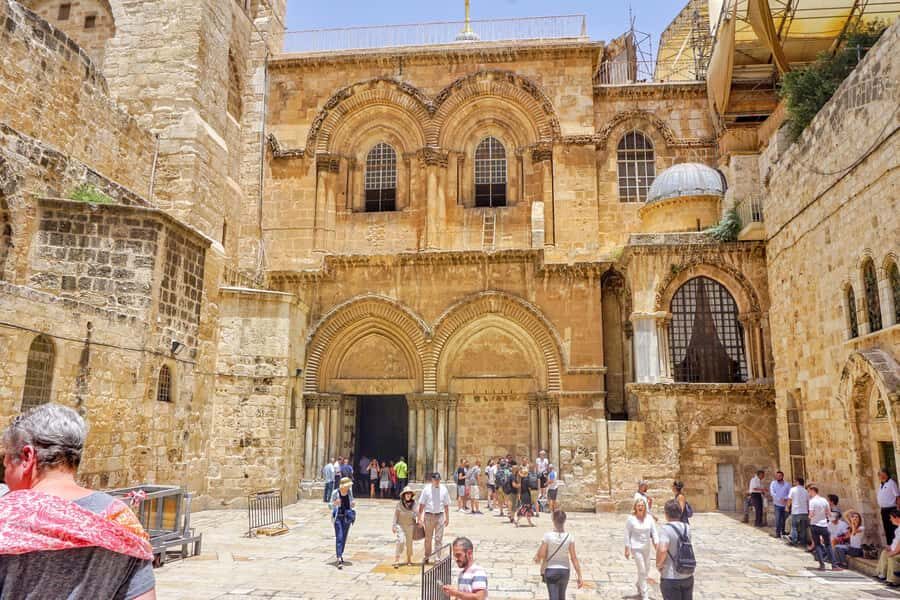
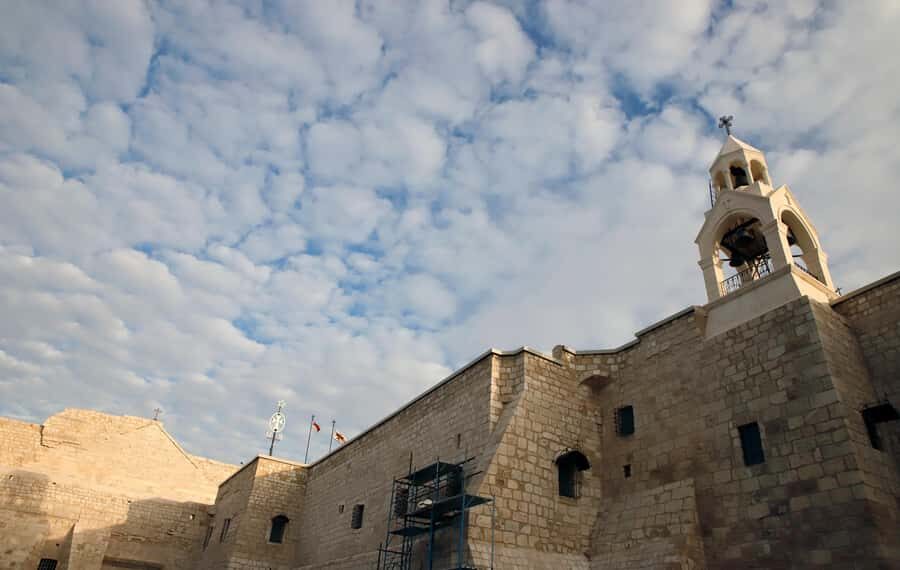
After Jerusalem, you travel for about 30 minutes to Bethlehem. Then you get about 2 hours built around the Church of the Nativity, including a photo stop and guided time inside.
What makes this stop meaningful
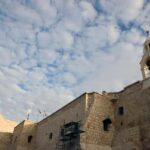
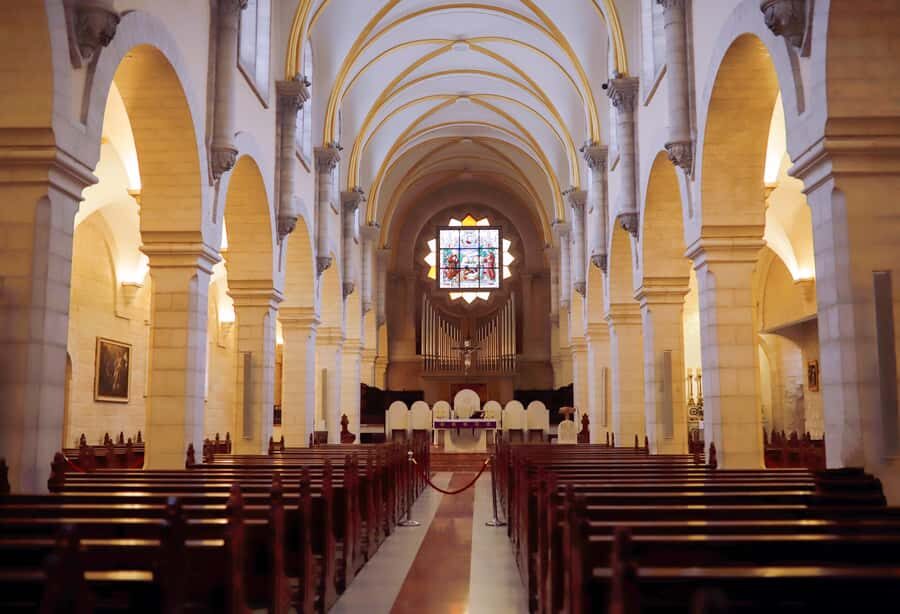
Bethlehem’s draw is straightforward: the Church of the Nativity. This is a site where the architecture and the religious tradition sit on top of each other in a way that’s hard to recreate anywhere else.
A guided visit matters here too. The church can be visually impressive even if you’re not into long religious explanations—but the best value comes when you understand how worship there developed, how different groups view the same space, and why the site is treated with such care.
The grotto issue: timing depends on crowds
One detail you should know before you go: during the Church of the Nativity visit, time to descend to the grotto can’t always be guaranteed due to visitor numbers. So if grotto access is your must-do, treat it as a bonus rather than a certainty. You’ll still get the main experience, but don’t build your whole day around one sub-stop.
Bethlehem logistics feel tighter than Jerusalem
Some people feel Bethlehem is more rushed than Jerusalem. That doesn’t mean it isn’t worth it. It means you’re on a schedule that also includes the Dead Sea float. If you want a slower Bethlehem day with deeper time in town, you may prefer a separate Bethlehem-focused trip.
Dead Sea float: how to make the shore time count
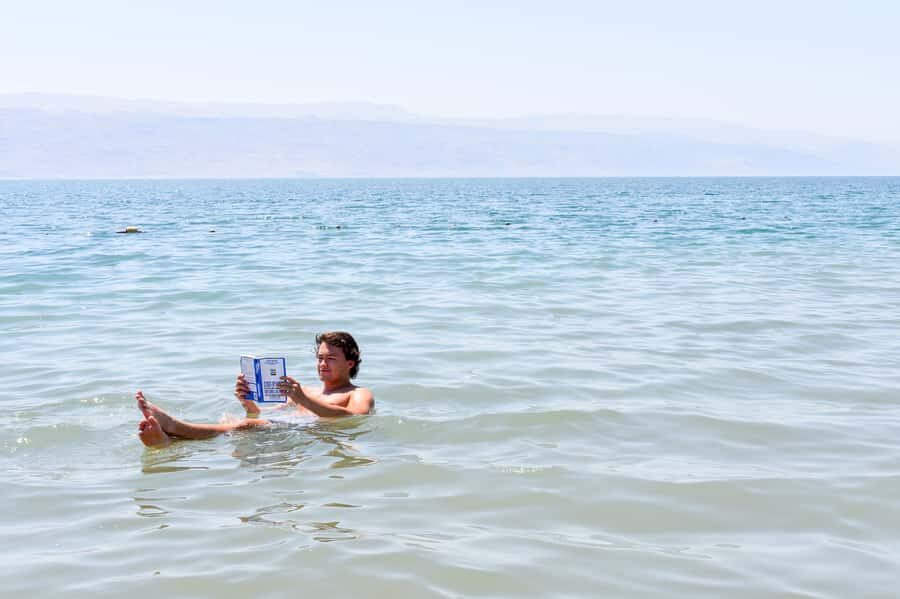
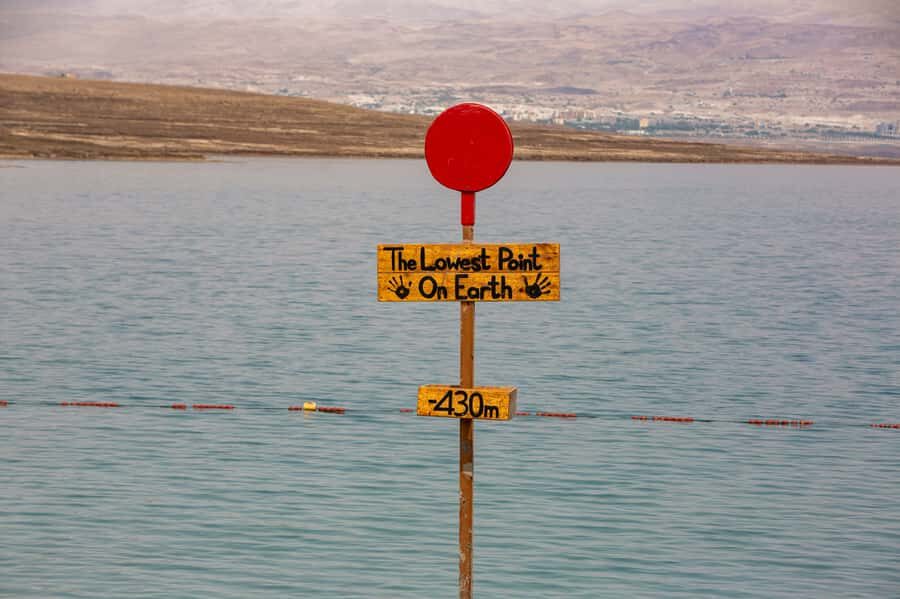
Then comes the finale: the Dead Sea. You travel about 1.5 hours to get there, and the tour includes a photo stop plus free time for the famous float.
Here’s the honest thing: Dead Sea time can vary. The tour data and real-world timing reported on these trips often lands in the rough range of about 70 minutes to around two hours. One group reportedly had closer to an hour, while another had about two hours. Either way, it’s enough to do the float, but don’t assume you’ll have time for a long buffet-style lounge day.
What you’ll actually do there
Plan your Dead Sea visit like this:
- put on swimwear immediately (you’ll likely lose time hunting gear if you wait)
- do the float calmly and follow safety advice from the onsite staff
- rinse and regroup before you feel cooked by the sun
The water is salty in a way that’s genuinely strange. You’ll feel how your body behaves. People describe it like your muscles stop trying to obey normal water physics.
Bring the right beach setup
This is a place where comfort helps you enjoy it. I’d bring:
- swimwear
- sun hat
- sunscreen
- sunglasses
- a towel
- and something easy to rinse and put on afterward
Also, the sand can be hot. Many people suggest bringing simple sandals or flip-flops for walking on the beach area.
Private beach costs
You might see a private beach option. Entrance to a private beach is not included, and a fee of 45 NIS is mentioned. If you’re happy with the general shore experience, you can treat that as optional.
Price and logistics: whether $109 feels fair
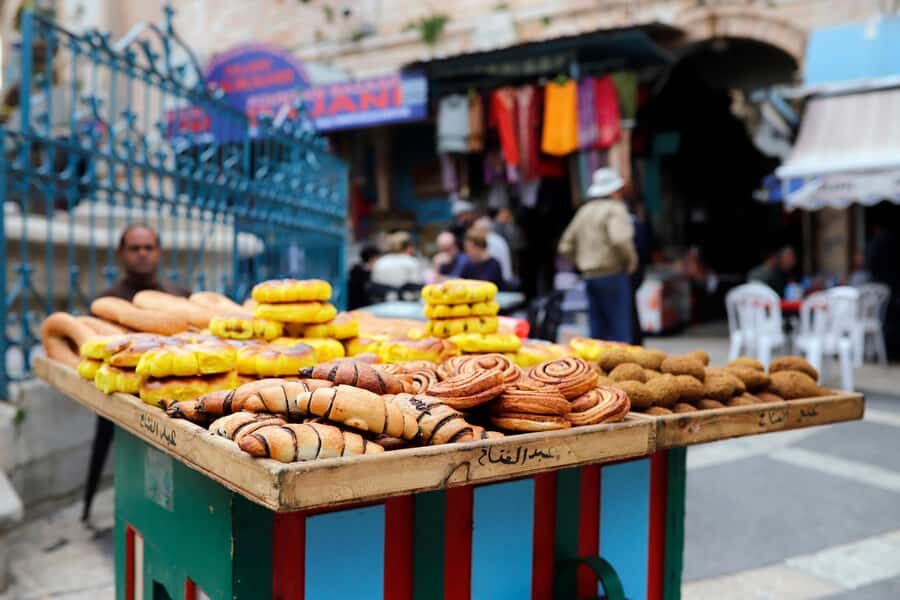
At $109 per person for a 12-hour day, you’re paying for three things that are hard to DIY:
- Transport from Tel Aviv to all sites (and you don’t have to negotiate checkpoints, parking, or routing)
- A guide for the heavy-lifting parts (Old City context and navigation through packed sites)
- Structured time so you see Jerusalem, Bethlehem, and the Dead Sea without juggling separate bookings
This is good value for people who want an overview fast. It’s also not a slow-culture course. If you’re the type who wants to sit in one location for hours, read everything on site, and take dozens of photos without pressure, you may feel squeezed.
Also, budget for extras you can’t skip. Dead Sea private beach access costs extra if you choose it. And you’ll need to be dressed correctly for holy sites.
Finally, there’s one practical comfort note: some people report the return bus to Tel Aviv can feel crowded, especially if additional passengers join at the Dead Sea. That doesn’t ruin the trip, but it’s worth mentally preparing for less personal space on the way back.
What to pack (and what to wear) so the day feels good
Holy-site dress rules are strict: modest dress is obligatory, with covered knees and shoulders. That means plan clothes that pass inspection without making you miserable in the heat.
What to bring is pretty clear:
- sunglasses
- sun hat
- swimwear
- camera
- sunscreen
And for real-world comfort, add:
- walking shoes with grip (you’ll deal with steps and uneven surfaces)
- a backup shirt if you expect to get salty in the Dead Sea and then reheat on the bus
The tour is also described as walking-intensive with multiple stair sets. If you have limited mobility, this isn’t the easiest choice. A less active itinerary will likely suit you better.
Group energy, guide quality, and pacing: what to expect on the ground
One of the most praised elements on these tours is guide performance. Names come up repeatedly in good ways, including Shimon, Sivan Dadush, Jacob, Afrina, and Bethlehem guides like George. The consistent theme isn’t just facts. It’s clarity and pacing—helping you move through Jerusalem and Bethlehem without feeling lost.
You’ll also benefit from driver commentary. Some groups mention bus drivers sharing interesting context during the ride. When the coach driver explains what you’re passing, you arrive with better bearings and a sharper sense of place.
Group size can affect the vibe. Some people report groups around 10 people, and others around 20. Smaller groups can feel easier to manage. Larger ones can still work, but you’ll rely more on the guide to keep the line moving.
Who this tour is best for (and who should choose something else)
This is a strong pick if:
- you have limited time in Israel and want top hits in one day
- you like guided context at major religious sites
- you’re comfortable with lots of walking and stairs
- you want the Dead Sea float without planning transport
You may want to choose a different format if:
- you need a low-walking, low-stairs day
- you’re hoping for a long, unhurried Dead Sea beach session
- you prefer deeper time in Bethlehem rather than a quick Nativity-focused visit
For most people, the “condensed overview” style is exactly the point. It’s not pretending to replace multiple-day trips to the region. It’s giving you a fast, guided taste—then you can go deeper on a return visit.
Should you book this day trip to Jerusalem, Bethlehem, and the Dead Sea?
I’d book it if you want a practical highlight day with expert guidance and you’re fine with an active schedule. The value comes from transport plus a guided route through the hardest-to-navigate places: Jerusalem’s Old City and its iconic sites, then Bethlehem’s Nativity church, and finally the Dead Sea float that feels like a physical novelty test.
Skip or switch tours if you’re sensitive to heat, stairs, or long walking days. And if you’re expecting a long Dead Sea linger, adjust your expectations. Plan for a float-and-rinse visit, then enjoy the ride back with the satisfaction that you actually hit all three major stops.
FAQ
Where is the meeting point for the tour?
You meet at the Israeli Textile Center at the corner of Shenkar & Kaufman St.
How long is the tour from start to finish?
The duration is listed as 12 hours.
Is the tour guided, and in which language?
Yes, there is a live tour guide and it is English.
What should I wear and bring for the holy sites and Dead Sea?
Modest dress is required, including covered knees and shoulders. Bring sunglasses, a sun hat, swimwear, a camera, and sunscreen.
Does the tour include time to float in the Dead Sea?
Yes. The Dead Sea portion includes free time for you to relax and float in the mineral-rich waters.
Is private beach access at the Dead Sea included?
No. Entrance to a private beach is not included and is listed at 45 NIS.