REVIEW · TEL AVIV
Tel Aviv: Jaffa & Carmel Market Walking Tour
Book on GetYourGuide →Operated by Tourist Israel Tours · Bookable on GetYourGuide
Jaffa hits fast. You start with winding alleys, sea views, and the kind of street-level history Tel Aviv is built on. I especially like the mix of Old Jaffa + modern Tel Aviv neighborhoods, and I also like that the day ends at the Carmel Market with a guide-led tasting. One thing to plan for: this is a lot of walking with stairs and uneven ground, so if you’re limited on mobility, it may not be the best fit.
I like tours that keep you moving, but still explain what you’re looking at, and this one does that. The route links major stops like St. Peter’s Church and the Old Train Station in Jaffa, then carries you into Tel Aviv’s key streets and artwork before the food portion. The main drawback is simple: you’ll likely feel it by the end of the day—especially if you’re not used to long, uphill-and-downhill city strolls.
In This Review
- Key takeaways before you go
- Walking into Old Jaffa, with the sea doing the talking
- St. Peter’s Church and Jaffa’s Old Train Station
- HaMesila Park and the shift from Jaffa to central Tel Aviv
- Nahalat Binyamin graffiti walk: street art with context
- Herzl Street and Rothschild Boulevard: architecture you can actually read
- Carmel Market tastings: how the food part should work
- End at HaKovshim Garden: decompress and keep exploring
- Price and value: is $89 fair for a 6-hour mix?
- What the guide experience feels like (and why it matters)
- Who should book this tour?
- Should you book the Tel Aviv: Jaffa & Carmel Market Walking Tour?
- FAQ
- How long is the Tel Aviv: Jaffa & Carmel Market Walking Tour?
- Where is the meeting point?
- What language is the tour guide?
- Is the tour suitable for wheelchair users?
- What happens if Carmel Market is closed?
- Are food tastings included?
Key takeaways before you go
- Old Jaffa first: narrow lanes, historic landmarks, and sweeping water views set the pace.
- Street art + neighborhood texture: you’ll see graffiti in areas like Nahalat Binyamin and learn how each quarter shaped the city.
- A practical architecture walk: Herzl Street and Rothschild Boulevard give you an easy visual story of Tel Aviv’s development.
- Guided Carmel Market tastings: you don’t just wander—you sample local favorites with guidance.
- Saturday route changes: when the market is closed, the tour shifts through HaMesila Park and Florentin for street art.
Walking into Old Jaffa, with the sea doing the talking
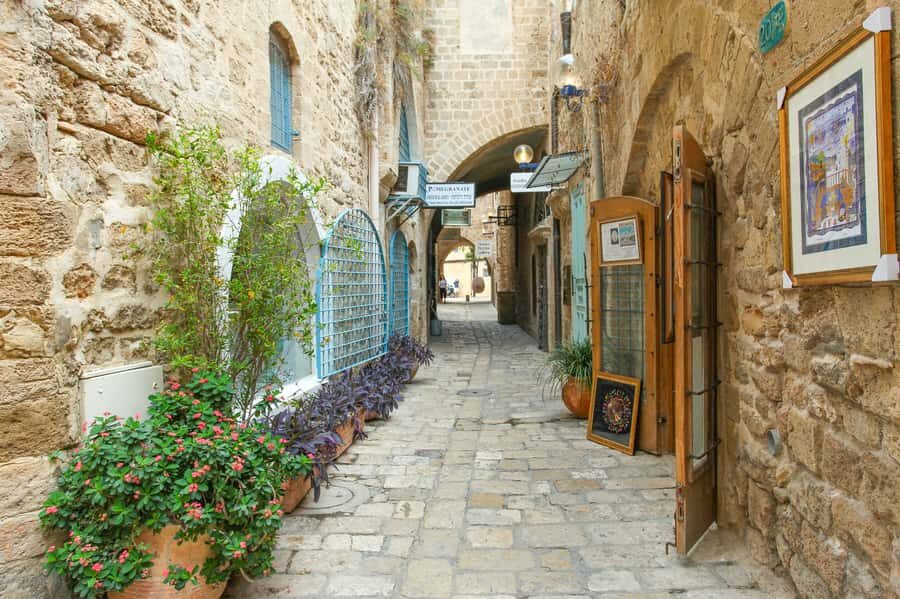
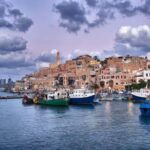
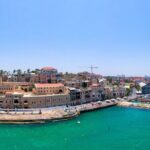
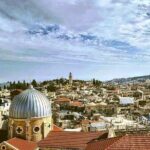
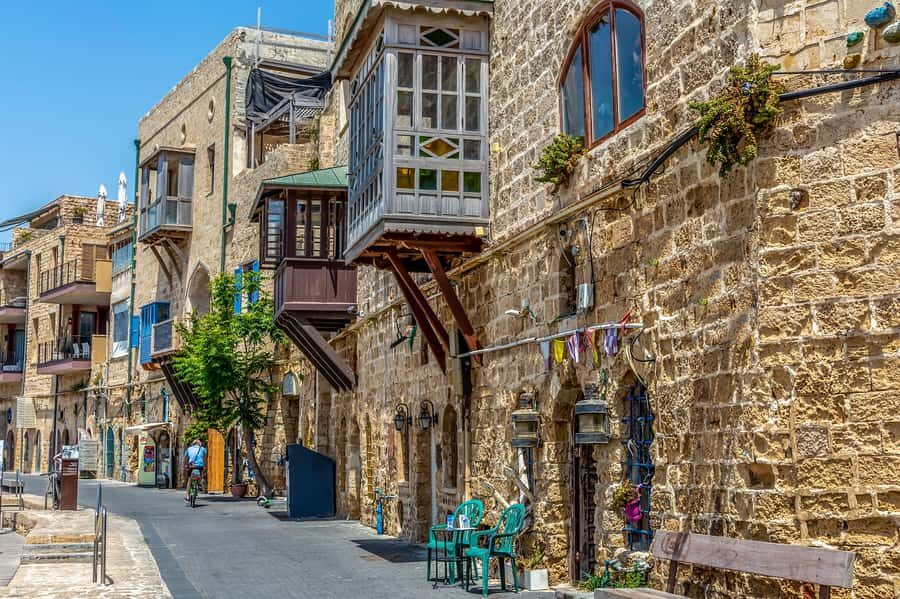
I love how this tour starts in Jaffa, because it gets you oriented fast. Instead of jumping straight to big-city icons, you begin in the oldest part of Tel Aviv, where the streets feel tighter and the views open up toward the water.
Expect narrow alleyways where you’ll slow down naturally. That matters, because Jaffa’s charm isn’t just buildings—it’s the way the streets funnel you from shade into light, and from history toward the sea.
You can also read our reviews of more walking tours in Tel Aviv

St. Peter’s Church and Jaffa’s Old Train Station
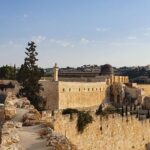
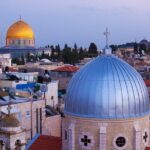
Two early stops make Jaffa feel layered instead of just scenic. St. Peter’s Church gives you a visible anchor for understanding the area’s religious and community history, while the Old Train Station area helps you connect the dots between commerce, travel, and Tel Aviv’s growth.
What I like here is that you’re not rushed through photos. You’re guided through what to notice—how a landmark sits in the street, and why the spot matters in the bigger story of the city.
A small practical note: the area is walkable but it’s still city walking. Wear shoes you trust. You’ll be on uneven ground at points, and that’s not the moment to discover your sneakers have zero grip.
HaMesila Park and the shift from Jaffa to central Tel Aviv
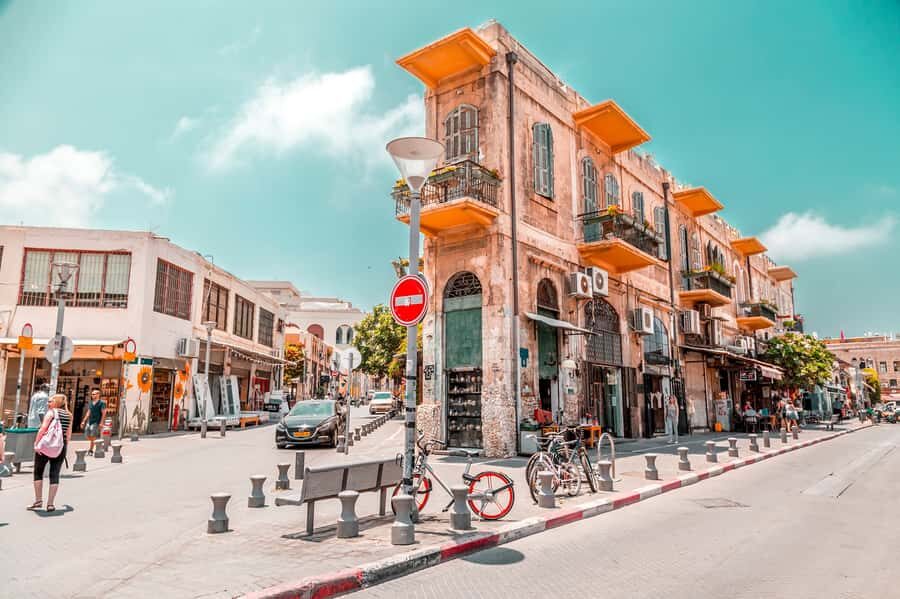
After Jaffa, the tour moves you toward central Tel Aviv along Park HaMesila. This section is useful because it’s a physical transition: you leave the tight alleys behind and start moving through spaces that feel more open and “planned.”
This is also where you get a sense of how Tel Aviv functions day-to-day. You’re still learning, but the streets now show a different rhythm—more everyday life, more layers of architecture, and more street-level energy.
On Saturdays, when Carmel Market is closed, the tour adjusts. You’ll cut through HaMesila Park and also head into Florentin to admire street art, so you still get the creative-city portion of the day even when the market can’t stop you.
Nahalat Binyamin graffiti walk: street art with context
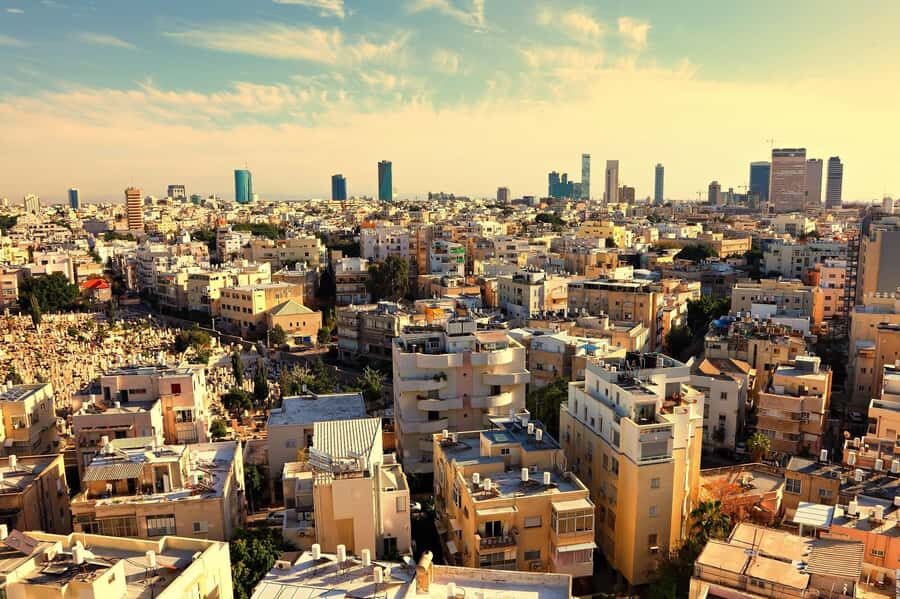
One of the best parts of the route is the stop for street art in Nahalat Binyamin. This isn’t treated like a random photo spot. You’re guided through what you’re seeing and how the neighborhood’s creative culture fits into Tel Aviv’s identity.
I like this kind of explanation because it changes your photos. Instead of just capturing color on walls, you start noticing how the art communicates with the street and the people who live around it.
If you’re the type who likes understanding the “why” behind a neighborhood vibe, this portion is a highlight. And if you’re not usually a street-art person, it still works because your guide ties it to the places you’re walking through.
Herzl Street and Rothschild Boulevard: architecture you can actually read
After the graffiti, you shift into architecture and streetscapes that help you “read” Tel Aviv. Herzl Street and Rothschild Boulevard are the kind of corridors where details matter: building scale, street alignment, and the way the streets connect to daily life.
This is one of those parts where a guided walk beats a guidebook. You’ll get pointers on what’s worth focusing on while you’re moving, so you don’t end up staring at everything at once.
Plan for a steady pace here. It’s sightseeing on foot, and you’ll want your energy saved for the market at the end.
You can also read our reviews of more shopping tours in Tel Aviv




Carmel Market tastings: how the food part should work
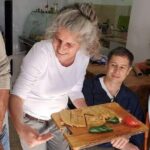
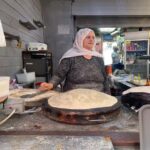
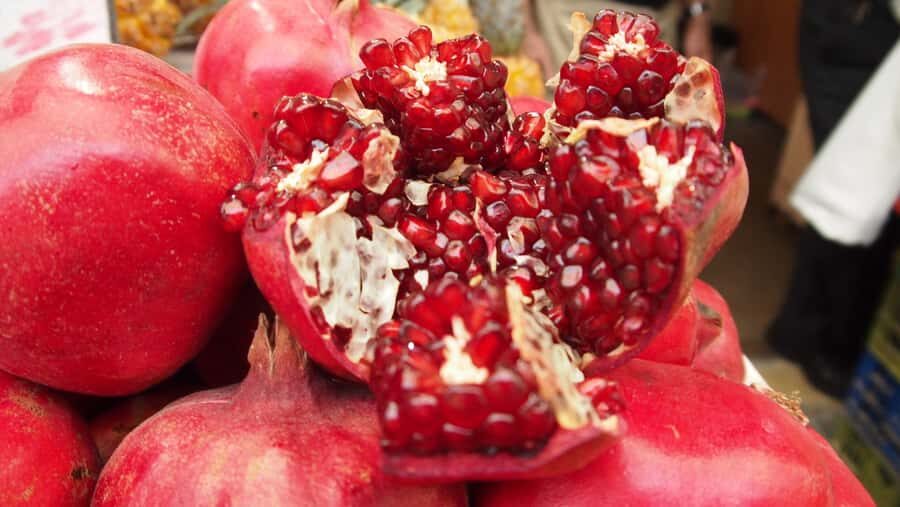
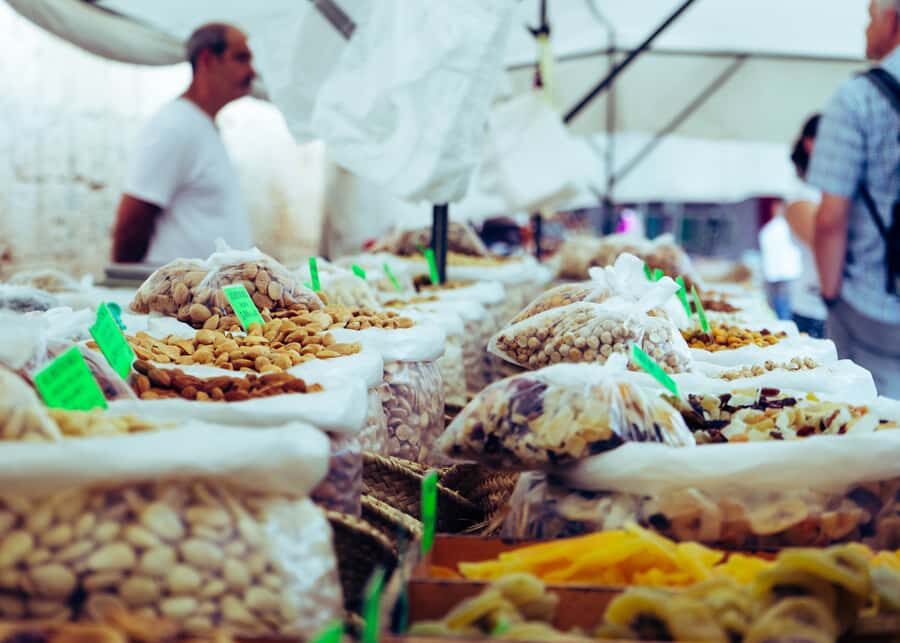
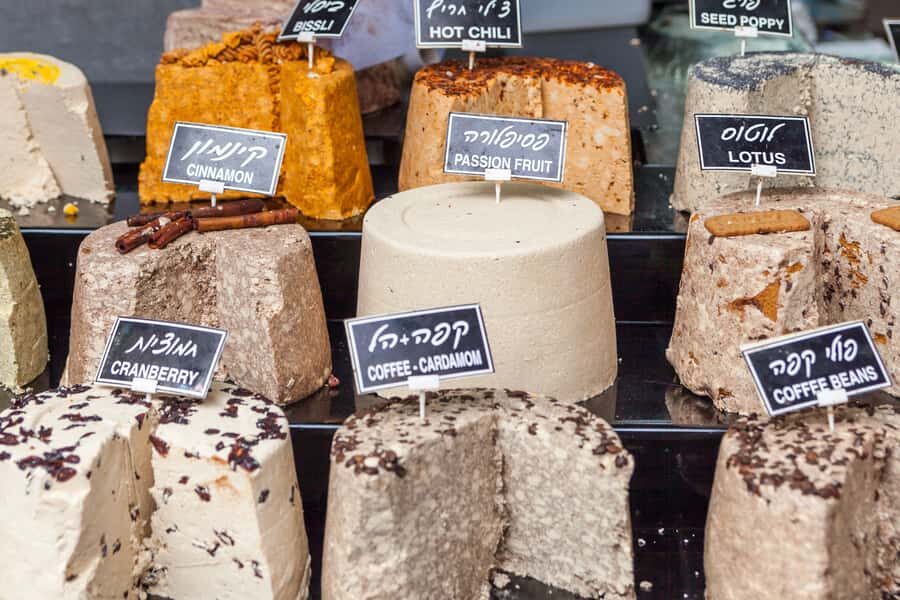
Carmel Market is where the tour turns from seeing to tasting, and the format matters. You get food tasting as part of the tour (falafel and kubbeh are specifically mentioned), plus time for a guided market visit so you know what you’re sampling and why locals choose certain stalls.
This is the value piece for me. With a guide, you don’t just “eat and hope.” You follow the tasting sequence, you learn what to look for, and you avoid the common tourist trap of buying a random sandwich because it looks fast.
Here’s what you should expect in practice:
- You’ll taste local favorites rather than doing a full meal from scratch.
- The market walk is guided, so you’ll get direction for what’s good and typical.
- Tastings can vary based on availability or holidays, so you might not get an exact same list every day.
If you’re visiting during Passover or other holidays, expect changes. The tour notes that tastings may vary when the market situation affects what’s available. It’s still a market experience, just with some flexibility.
End at HaKovshim Garden: decompress and keep exploring
The tour finishes at HaKovshim Garden, which is a smart landing zone. It gives you a breather after the walking and after the market energy, so you’re not immediately dropped into another long “must-see” sprint.
This is also a good cue for what to do next. Once you’re finished, you can decide whether you want to head back toward the sea views you started with, or keep exploring the neighborhoods you liked most—Jaffa, the creative streets, or the central city feel.
Price and value: is $89 fair for a 6-hour mix?
At $89 per person for a 6-hour guided walk, this tour isn’t a budget snack. But it also isn’t only a food stop pretending to be sightseeing.
You’re paying for three things that usually cost extra separately:
- A guided history-and-neighborhood walk across Jaffa and central Tel Aviv (not just free time).
- Expert local guidance throughout the main sights.
- Carmel Market tastings included, which is where many self-guided market visits become expensive if you keep ordering randomly.
If you like structure—having someone point you toward what matters—this price tends to make sense. If you prefer to wander without guidance, you could technically do parts on your own. Still, the guided tastings are the part that most often justifies booking, because that’s where the guide saves you both time and guesswork.
Also, there’s a strong sign of satisfaction here: the tour holds a 4.7 rating from 60 reviews, and multiple comments focus on the completeness of the day and the quality of the guide.
What the guide experience feels like (and why it matters)
The tour is led by an English live guide, and the difference shows up in how the stops connect. In one review, the guide Noam is specifically mentioned as interesting, and the overall feedback emphasizes how well the day blends history, culture, and food.
That matters for your experience because Tel Aviv and Jaffa can look like “just streets” if you don’t know what to look for. A good guide gives you quick context—why a landmark is where it is, why a neighborhood has a certain character, and what foods are worth trying.
For best results, show up ready to walk and ask questions. If you engage with the guide, the tour turns from a checklist into a coherent city story.
Who should book this tour?
This works best if you want:
- A single-day introduction to Jaffa + central Tel Aviv, plus street art.
- A guided food experience at Carmel Market (falafel, kubbeh, and other local favorites).
- A route that keeps you moving but still gives you time for explanations.
It may not fit if:
- You need wheelchair-friendly access. This tour is not suitable for wheelchair users.
- You’re sensitive to stairs and uneven ground. The route includes several hours of walking, and you should expect that physical effort.
If you’re traveling solo, as a couple, or with friends who like photos and food, you’ll probably have a great time. It’s also a good fit for first-time visitors who want a guided map of where Tel Aviv’s character comes from.
Should you book the Tel Aviv: Jaffa & Carmel Market Walking Tour?
I’d book it if you want a well-paced blend of history, street art, and actual eating—done in one day. The combination makes it efficient: you get the historic tone in Jaffa, the creative and architectural clues across central streets, and then you end with Carmel Market tastings that feel more intentional than a random market stop.
But if you’re not comfortable with long walking days, or if your mobility needs extra planning, you may want to choose a shorter or more accessible option instead.
If you can handle the foot time, this is a strong value way to learn how Jaffa and Tel Aviv “fit together” in real life—on streets, in flavors, and in the details you’d miss on your own.
FAQ
How long is the Tel Aviv: Jaffa & Carmel Market Walking Tour?
The tour lasts 6 hours.
Where is the meeting point?
The guide meets you at the entrance of The Setai Hotel, holding an orange Tourist Israel flag.
What language is the tour guide?
The tour is conducted in English.
Is the tour suitable for wheelchair users?
No. The tour is not suitable for wheelchair users.
What happens if Carmel Market is closed?
When the Carmel Market is closed due to Shabbat or holidays, the tour follows a slightly adjusted route with nearby stops.
Are food tastings included?
Yes. Food tastings at Carmel Market are included, and what you taste may vary based on availability or holidays.