REVIEW · TEL AVIV
Tel Aviv: 2-Hour Carmel Market Tour in English with Lunch
Book on GetYourGuide →Operated by Be Tours · Bookable on GetYourGuide
Carmel Market hits you fast. In just 2 hours, you get food plus local stories, walking the lanes around Tel Aviv’s central market so it all makes sense. I like how this tour focuses on small, practical tastings rather than turning the market into a checklist.
My favorite part is the combination of oriental cuisine samples and time spent learning how the market and surrounding neighborhoods fit together. One thing to weigh: it runs only if at least 6 people register, and at $88 for a short outing, it’s best if you genuinely want guided bites and context (not just a quick stroll).
In This Review
- Why This Carmel Market Tour Works So Well in 2 Hours
- Key Things You’ll Notice on the Walk and Tastings
- Getting Oriented Near Hamalabiya on Allenby Street
- The First Tastings: How Sampling Feels Here
- Hidden Alleyways and Specialty Shops That Change the Mood
- Oriental Cuisine Tastings: What to Pay Attention To
- Lunch Inside the Market Plan (And Why That’s a Big Deal)
- Shopping for Unique Handicrafts Without Losing the Plot
- The Guides Make the Difference: Storytelling That Lifts the Food
- Price and Value: Is $88 Fair for a 2-Hour Tour With Lunch?
- Who This Tour Suits Best (And Who Should Skip It)
- Practical Tips Before You Go
- Should You Book This Carmel Market Tour?
- FAQ
- How long is the Carmel Market tour?
- What does the tour cost?
- Where do I meet for the tour?
- What languages is the tour guide available in?
- Is lunch included?
- Is the tour wheelchair accessible?
- Can I cancel for a full refund?
- Can I reserve now and pay later?
Why This Carmel Market Tour Works So Well in 2 Hours
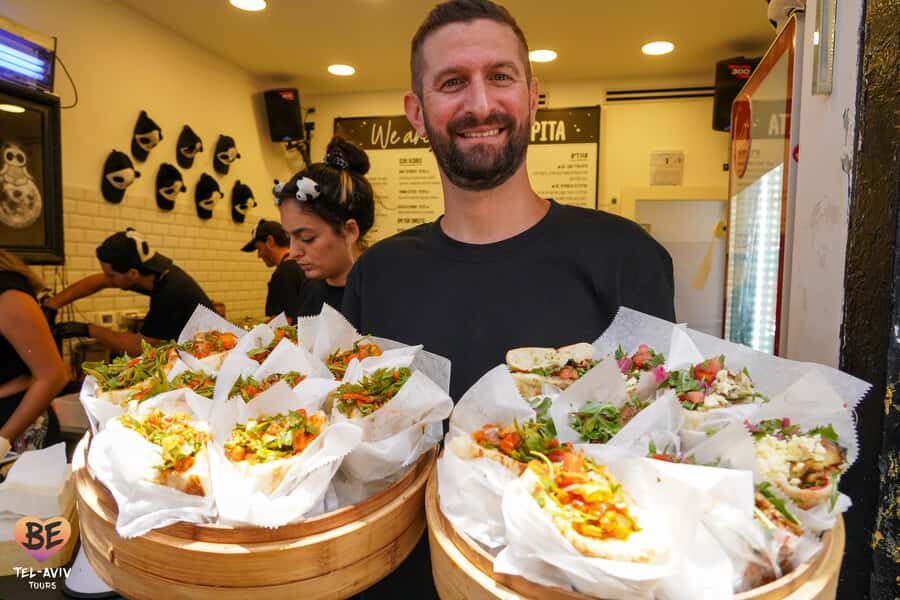
Tel Aviv’s Carmel Market can feel like sensory overload at first. This tour gives you a simple route through the open-air market with a guide who helps you understand what you’re seeing and tasting, so you’re not guessing in a sea of stalls.
And because lunch is included, you’re not stuck doing math while your stomach is winning the argument. You can eat, listen, and keep moving, without the awkward stop-and-start that can happen on food walks that do not include a meal.
Finally, the best value here is clarity: you learn what matters, what to ask for, and how to spot quality while you’re already surrounded by the real thing.
Key Things You’ll Notice on the Walk and Tastings
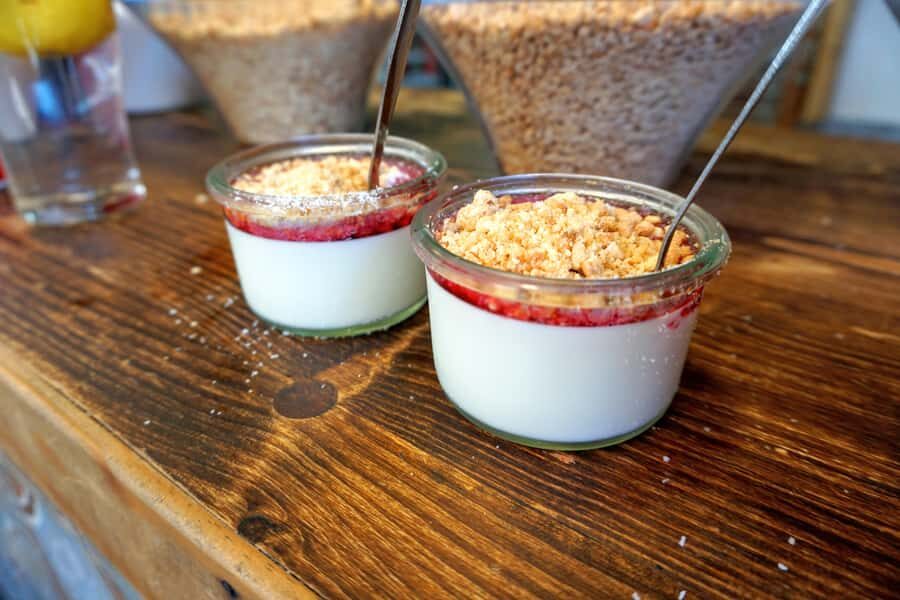
- Story-led market history that connects food to Tel Aviv’s neighborhoods
- English-speaking guidance (with Hebrew support from the same live guide)
- Hidden alleyways and specialty shops that you’d miss wandering alone
- Oriental cuisine tastings designed for sampling, not one huge course
- Handicraft shopping time so you can bring home more than snacks
- Lunch included so the 2-hour plan stays efficient
You can also read our reviews of more shopping tours in Tel Aviv
Getting Oriented Near Hamalabiya on Allenby Street
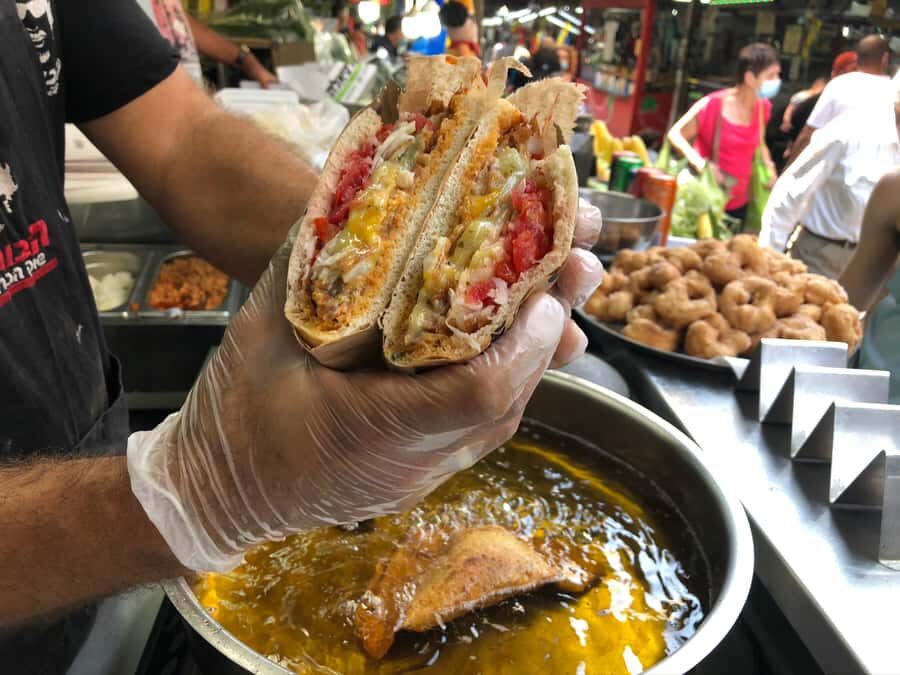
Most market tours start with a crowd and no direction. This one begins near Hamalabiya at the corner of Allenby St., which is a solid choice because Allenby is one of the main veins that helps you orient quickly.
When you meet the guide, the goal is not a long lecture. It’s a fast setup: what Carmel Market is, how it became the food center people talk about, and how the surrounding area shaped the kinds of stalls you’ll see.
If you’re arriving in Tel Aviv and want an easy first day win, this start point helps you get bearings fast. It also means you’re not spending your energy hunting for the right entrance or trying to figure out which streets loop where.
The First Tastings: How Sampling Feels Here
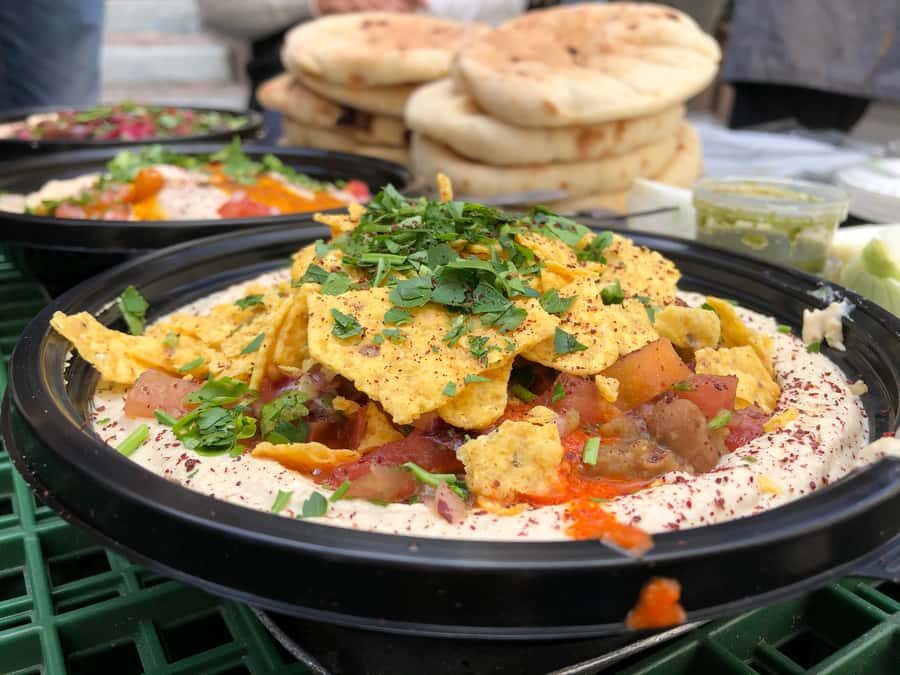
The heart of the experience is trying snacks from authentic stalls. In markets like Carmel, the temptation is to order one thing and call it a day. Here, the pacing is built around sampling, so you can taste more variety in a short window.
This is where you’ll feel the benefit of a guide: they’re not just pointing at food. They help you understand what you’re tasting and how different Middle Eastern flavors fit together. You’ll also learn how sellers think about their products, which changes the way you shop afterward.
A practical tip: go hungry enough for more than one round. The tastings are designed so you can keep trying without feeling completely done after the first few stops—one of the most repeated highlights from people who’ve taken the tour is that portions are well-managed.
Hidden Alleyways and Specialty Shops That Change the Mood
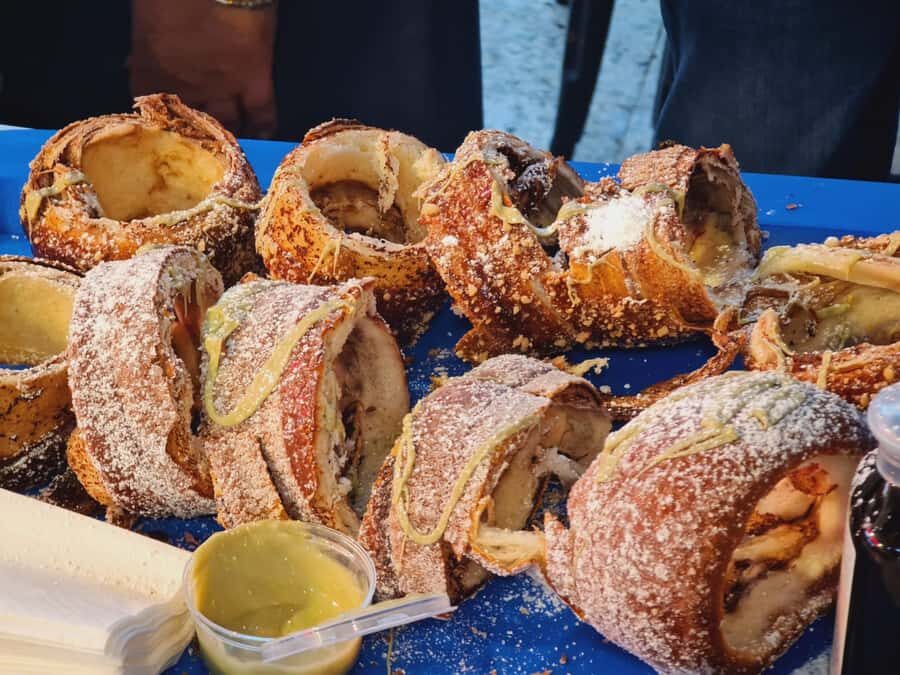
Carmel Market isn’t one straight corridor. Part of the fun is switching scenes: you step from the open-air food area into smaller lanes where the pace feels different and the shopfronts become more specific.
That’s what the tour’s walk through hidden alleyways is for. Instead of treating the market like a theme park, it nudges you toward the quieter corners—where specialty shops tend to sit, and where the character of local trade shows up more clearly.
You’ll also get a guided look at the kinds of places you might not notice on your own. Some stalls focus on ingredients and spices, some lean into ready-to-eat oriental dishes, and others point toward small goods and handmade items. The guide’s job is to help you connect those dots while you’re still standing in front of them.
Oriental Cuisine Tastings: What to Pay Attention To
You’re going to try oriental cuisine along the way, and that matters because this is where you’ll move from sightseeing to real flavor memory. The best way to approach tastings in a market is not to hunt for one favorite. Instead, notice how each bite shifts the flavor story—spice level, texture, and how sweet, salty, and tangy work together.
Since the tour is short, you don’t have time to overthink. The guide’s benefit is speed: they’ll guide you to places that make sense and explain enough for you to make better choices later.
If you’re a first-timer, you’ll especially appreciate learning what the stall is best known for and why customers keep coming back. And if you’ve eaten similar foods before, you’ll still get value because you’ll taste different interpretations and see how local sellers present their specialties.
A few more Tel Aviv tours and experiences worth a look



Lunch Inside the Market Plan (And Why That’s a Big Deal)
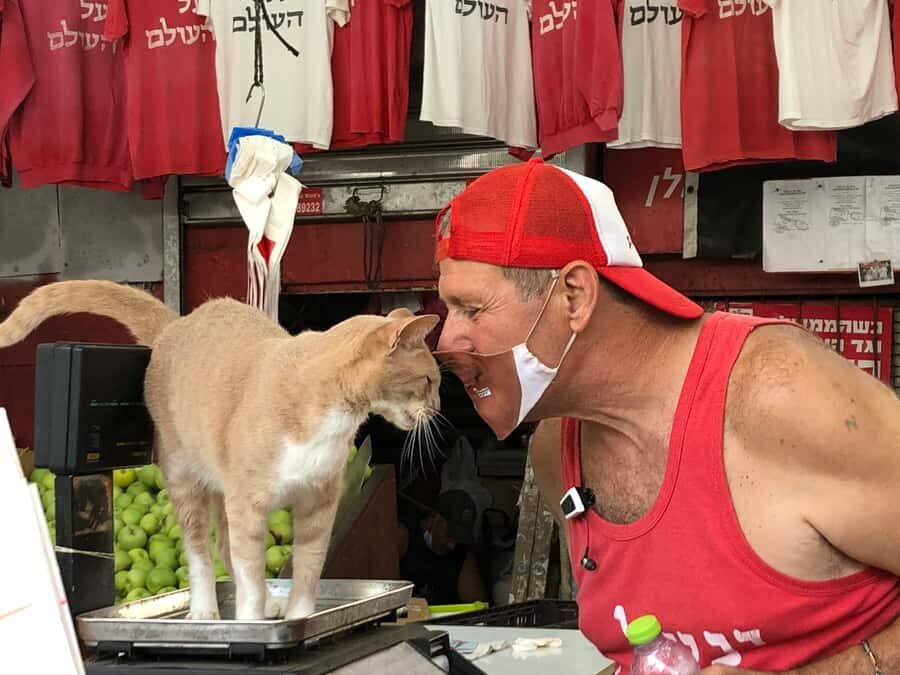
Lunch is included, and that’s not a minor detail. In a 2-hour experience, a guided lunch means the day plan stays cohesive. You’re also more likely to eat something that fits the market’s style, not just whatever is nearby and convenient.
People often underestimate how much energy market walking takes. Even if you’re only going a short distance, it’s standing, browsing, smelling, and tasting. Having lunch in the schedule means you don’t end up skipping dinner plans later or spending your last hour trying to squeeze in a proper meal.
Practical note: since the tour includes lunch plus multiple tastings, think of it as one structured eating session. You’ll get the most out of it if you avoid a big breakfast that day, and instead save your appetite for the market.
Shopping for Unique Handicrafts Without Losing the Plot
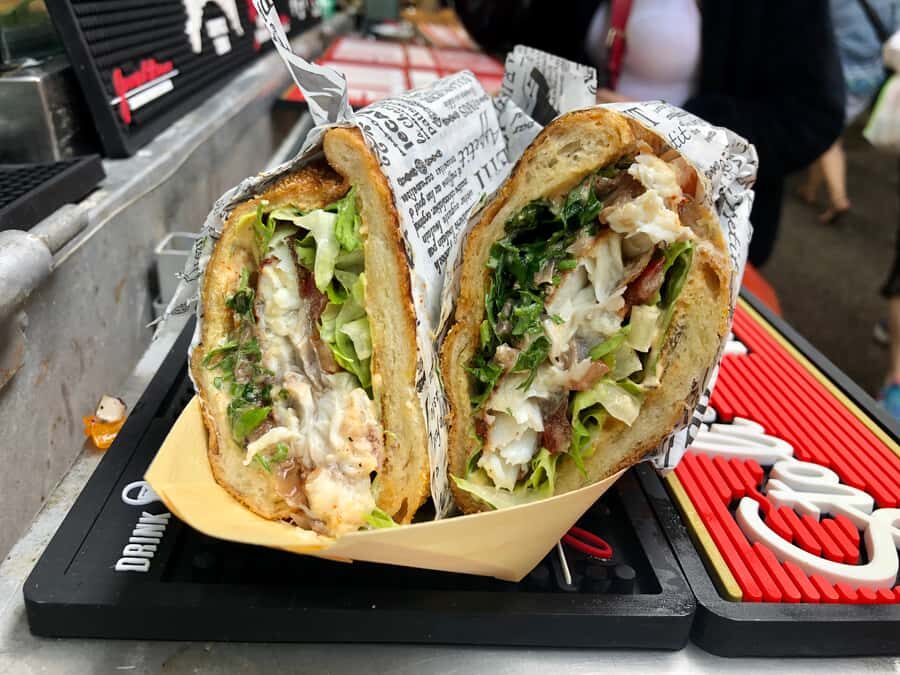
Food tours sometimes abandon you at the end with a map and a shrug. This one includes time to shop for unique handicrafts, which is a smart way to add variety without turning the tour into a shopping spree.
Handicrafts in markets like Carmel often carry the story of local craft traditions, and they can be easier to buy than spices if you’re worried about travel restrictions or carrying liquids. It’s also a nice change of pace from ordering and eating—your hands get something to do while your guide keeps the context flowing.
When you’re shopping with a guide, you’ll likely find it easier to ask questions and understand what’s worth buying. Even basic guidance can prevent you from buying something that looks good but isn’t what you hoped for.
The Guides Make the Difference: Storytelling That Lifts the Food
One of the most consistently praised parts of this tour is the guide’s storytelling. Guides like Yael, Shir, Zita, and Rahel are mentioned for being kind, patient, and good at connecting market history to what you’re eating in real time.
That connection matters because it changes your experience from consumption to comprehension. Instead of eating a bite and forgetting it, you understand where the flavors come from and why the market’s energy looks the way it does today.
If you care about the human side of travel—the people behind the stalls, the reasons the market evolved, and the way Tel Aviv’s neighborhoods shaped commerce—this is a real strength.
Price and Value: Is $88 Fair for a 2-Hour Tour With Lunch?
At $88 per person for a 2-hour tour with lunch, this isn’t a budget snack walk. So you should think of it like paying for three things:
1) a guided route through the market
2) structured food tastings (not random ordering)
3) included lunch plus history and context
If your plan is short and you want someone to set you up so you don’t waste time guessing, the value is easier to justify. You also get an English-speaking guide, and that’s not small in a market environment.
If you’re the type who loves roaming independently, you might find it pricier than a self-guided plan. The key question is your style: do you want guidance that turns chaos into clarity? If yes, this price starts to feel reasonable.
Also consider group size. This tour depends on a minimum of 6 registered participants, so the experience will be tied to availability.
Who This Tour Suits Best (And Who Should Skip It)
This is a great fit if you:
- want a fast way to understand Carmel Market and Tel Aviv’s central vibe
- like guided food sampling and short lessons that don’t drag
- want lunch included so the timing feels sane
- enjoy buying small gifts and handicrafts, not just eating
I’d consider skipping or swapping plans if you:
- prefer unguided wandering and don’t want tastings arranged for you
- have very strong dietary restrictions (not stated in the info you provided, so you’ll need to ask the operator)
- want a longer market exploration than 2 hours
Practical Tips Before You Go
Wear comfortable shoes. Carmel Market is a lot of standing and walking in a short timeframe.
Bring cash if you like, even though the tour cost is set. Some handicrafts or extra bites might be tempting beyond what’s included, and having flexibility helps.
And keep your expectations realistic: this is a tasting and story tour, not an all-day market deep study. If you use it as your Tel Aviv food introduction, it can point you toward where you want to return afterward on your own.
Should You Book This Carmel Market Tour?
I’d book it if you want a guided snapshot of Carmel Market that gives you both tasting momentum and context. The mix of authentic food stalls, hidden alleyways, oriental cuisine samples, handicraft time, and lunch included makes it efficient for a first visit.
I’d hesitate if $88 feels steep for your travel style. But if you’re excited by the idea of learning the market’s history through what you’re eating—plus getting a structured route in English—this is the kind of short tour that can save you time and turn a busy market into something you actually remember.
FAQ
How long is the Carmel Market tour?
The tour lasts 2 hours.
What does the tour cost?
The price is $88 per person.
Where do I meet for the tour?
Meet near Hamalabiya, at the corner of Allenby St.
What languages is the tour guide available in?
The live tour guide is available in English, and Hebrew.
Is lunch included?
Yes, lunch is included.
Is the tour wheelchair accessible?
Yes, wheelchair accessibility is listed.
Can I cancel for a full refund?
You can cancel up to 24 hours in advance for a full refund.
Can I reserve now and pay later?
Yes, reserve now & pay later is available.