REVIEW · TEL AVIV
From Tel Aviv: Masada Sunrise, Ein Gedi, and Dead Sea Tour
Book on GetYourGuide →Operated by Eliaa B. S Israel Tours · Bookable on GetYourGuide
Masada sunrise is worth the early wake-up. You hike up to the summit for Masada sunrise and then cool off by wandering Ein Gedi waterfalls inside a desert oasis. The main drawback is that this day is pretty physical, with lots of stairs and some tight, bunched-up walking that can be tough on knees or older legs.
I like that the trip is simple and guided end-to-end, with an English-speaking guide leading the story and the timing. You’ll get round-trip transfers in an air-conditioned vehicle, and depending on the driver you might want a light layer since one group reported the AC ran very cold. (On the tour, I kept hearing names like Noya, Ben, Roni, and Gabriel, and those guides came across as both funny and story-focused.)
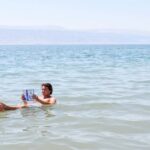
Once you reach the Dead Sea, the mood shifts fast. You’re set up for a restorative soak: black mud, then floating in ultra-salty water, with about 1.5 hours to enjoy it before heading back.
In This Review
- Quick hits before you go
- Price and value: what you’re really paying for
- Masada at dawn: the climb, the stairs, and how to prepare
- Ein Gedi Nature Reserve: an oasis walk with real bottlenecks
- Dead Sea reset: mud, floating, and why 1.5 hours is enough
- Timing, transfers, and the day’s physical reality
- Who should book this tour, and who should skip it
- What to bring (and what to plan around)
- Should you book? My decision guide
- FAQ
- Where is the meeting point in Tel Aviv?
- What’s included in the price?
- What entry fees should I budget for?
- How long do I get at the Dead Sea?
- Is there food or drinks included?
- Can I request a drop-off in Jerusalem instead of Tel Aviv?
- What should I bring and wear?
Quick hits before you go
- Masada at sunrise: arrive at Masada around 5:30 AM for the climb and the best light
- A desert oasis, not a nature hike fantasy: Ein Gedi’s 3,500-acre reserve includes streams and waterfall areas
- Water shoes strategy: some walking areas can involve avoiding wet/shoe-splashing, so plan your footwear
- Dead Sea time box: about 1.5 hours for mud and floating, which feels great if you want a quick reset
- Entry fees add up: Masada, Ein Gedi, and a private Dead Sea beach can all require separate tickets
- Guide personality matters: multiple guides named on the day (Noya, Ben, Roni, Gabriel) tended to make the stories stick
Price and value: what you’re really paying for
This tour is priced at $99 per person, and the value comes from the basics done for you: round-trip transfers from Tel Aviv, air-conditioned transport, and a guide. That matters here because the logistics are non-trivial. You’re leaving very early, driving into the southern desert region, and threading three major stops into one day.
The trade-off is that entry fees are not included. You should budget for:
- Masada entry: 31 NIS (about $9)
- Ein Gedi entry: 28 NIS (about $8)
- Dead Sea private beach entry: 35 NIS (about $10)
So your day can land closer to around the mid-$120s total when you add those fees. I still think it can be good value if you want a guided day that handles timing and transport, especially if you don’t want to coordinate buses, parking, and separate tickets on your own.
Also, the trip is designed for one-day efficiency: you don’t just “see” these places. You climb for sunrise at Masada, walk inside Ein Gedi’s reserve, and then actually spend time in the Dead Sea.
A few more Tel Aviv tours and experiences worth a look
Masada at dawn: the climb, the stairs, and how to prepare
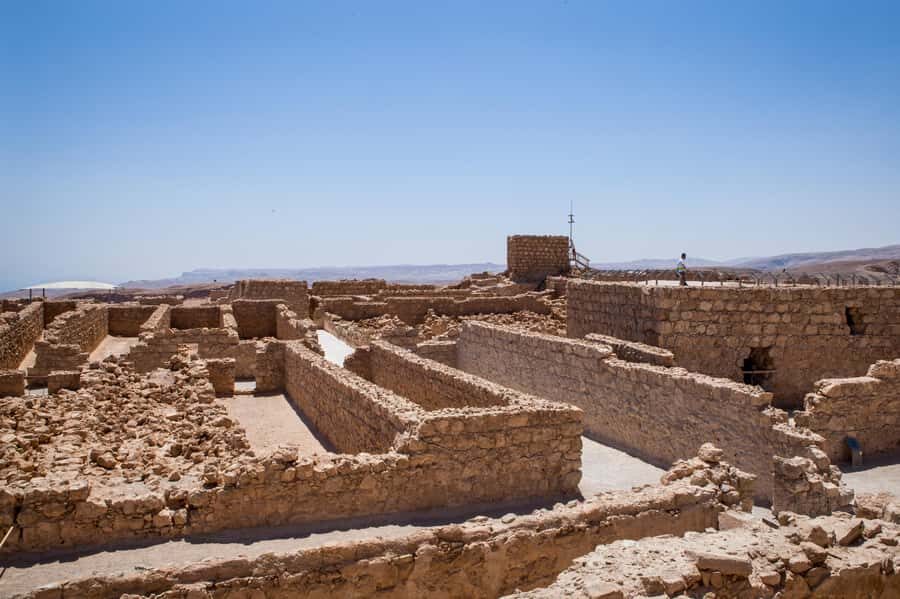
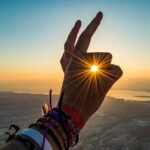
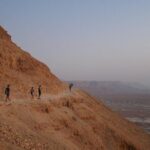
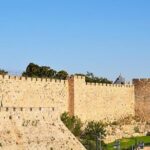
Masada is the headline act, and the day starts with it. You’re picked up in Tel Aviv before sunrise and you reach Masada around 5:30 AM. From there, you climb to the summit so you can watch the valleys pick up color as the sun clears the horizon.
Here’s what I’d plan for based on the experience details: this isn’t a casual stroll. People describe the hike as intense, and one guide-led group noted it can take around 45 minutes to climb (still, it’s uphill and stair-heavy). If you’ve got knee issues, you should treat this as a real concern, not a minor inconvenience.
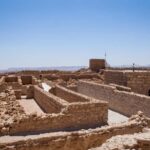
What makes Masada special isn’t just the view. It’s the way you arrive right at the moment everything wakes up. The summit viewpoint gives you that “how did anyone build here” feeling—ancient fortifications sitting above desert emptiness. It’s also easier to enjoy if you’re mentally ready for an early physical push, before you’ve had breakfast and caffeine.
Practical tip: wear comfortable shoes you trust on uneven stone. And if you’re sensitive to cold mornings, remember you may also spend time in a vehicle later that can run quite cold due to the AC.
Ein Gedi Nature Reserve: an oasis walk with real bottlenecks
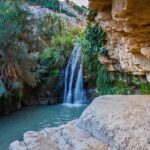
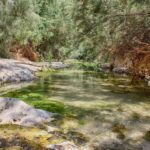
After Masada, you head to Ein Gedi Nature Reserve, which covers about 3,500 acres. This is one of the most interesting changes of pace in the day: you move from desert fortifications to a lush oasis system fed by water channels and springs.
You’ll spend time ambling through the reserve, focusing on areas with streams, rivers, and waterfall spots. The “oasis in the desert” idea becomes tangible once you’re walking near the greener sections and hearing the water flow.
Now the realism check: this part can involve squeezing through small areas and narrow passages. If you’re traveling with limited mobility—or if you’re just tired from Masada—Ein Gedi can feel stressful rather than relaxing. One practical issue people flagged is that you might end up managing wet ground conditions, including advice about avoiding getting shoes soaked.
If you want the easiest time here, consider footwear that can handle occasional splashes. The tour materials specifically ask for comfortable shoes, and some participants recommended planning for sandals or waterproof options to stay comfortable during the reserve walk.
Best way to enjoy Ein Gedi: don’t rush your photos and don’t fight the crowds in tight spots. Let your pace match the trail, and you’ll leave feeling like you saw something truly different—not just “another scenic stop.”
Dead Sea reset: mud, floating, and why 1.5 hours is enough
Then you’re onto the Dead Sea, with about 1.5 hours to relax. This is your recovery portion of the day, and it’s also the most fun-for-most-ages segment if you’re comfortable with water.
What you do is straightforward:
- You’ll coat yourself in the Dead Sea’s black mud
- Then you’ll float in the extremely saline water
It’s weird in the best way. The water holds you up effortlessly, and the mud gives you that immediate, salty, earthy feeling that the Dead Sea is famous for.
The main thing to watch is planning your “dead sea routine” time. With only 1.5 hours, you’ll want to avoid spending 45 minutes just changing and re-sorting gear. I recommend treating it like a mini ritual: quick mud, short float session, then time for rinse off and getting back into dry clothes.
Also check the fee situation here. There’s an extra 35 NIS (about $10) entry fee for a private Dead Sea beach. If you want the beach access included in your plan, factor it into your budget.
Timing, transfers, and the day’s physical reality
This is a long day built around sunrise timing. That’s the whole deal: you’re up early, you climb early, and you hit the nature reserve and then the Dead Sea before returning to Tel Aviv.
You’ll travel in an air-conditioned vehicle, and one reported drawback was that the AC felt too cold during the ride. Bring that in your mental checklist. If you’re the type who gets chilled easily, a thin layer can save you from the “why do I feel cold on vacation” moment.
At the start, the meeting point is Textile and Fashion Building, 2 Kaufman Street, Tel Aviv. Arrive about 5 minutes early so the day doesn’t start late.
One more logistics detail that helps: at the end of the tour, you normally return to the meeting point in Tel Aviv. But it’s possible to be dropped off in Jerusalem instead, if you email the provider after booking to arrange it. If Jerusalem is on your itinerary later that day, that can be a real convenience.
Who should book this tour, and who should skip it
If you love sunrise, ancient sites, and one-day “big hits,” you’ll probably enjoy this. Masada is the obvious star, and Ein Gedi adds the contrast of water in the desert. The Dead Sea is the payoff, especially if you want a practical floating experience rather than just a photo stop.
This tour is likely a poor fit if:
- You have knee problems or mobility limitations for stairs
- You’re traveling with someone who can’t handle early starts plus walking
- You’re trying to keep the day low-stress and fully relaxed (Ein Gedi can involve tight spots)
The tour is also not suitable for children under 5, pregnant women, wheelchair users, based on the tour rules. If any of these apply to you, you’ll want a different format.
If you’re middle-aged to older and in decent shape, you might still enjoy it, but go into it honestly. This is not a sit-and-watch tour. You’re earning that sunrise view with real effort.
What to bring (and what to plan around)
The tour asks you to bring:
- A towel
- Swimwear
- Comfortable shoes
That’s the core list, and it covers the Dead Sea part as well as the Masada/Ein Gedi walking.
For footwear, think about both surfaces and water. If you’ve got shoes that dislike getting damp, consider options that won’t make the Ein Gedi portion uncomfortable. One participant advice pointed out discomfort when trying to avoid wet shoes during the nature walk, so plan your approach now rather than mid-hike.
Finally, consider layering for the vehicle. A cold AC ride is a small thing, but it’s the kind of small thing that can make the rest of the day feel less enjoyable.
Should you book? My decision guide
Book it if you want one guided day that hits three of Israel’s iconic experiences in a tight, well-timed route: Masada sunrise, Ein Gedi’s oasis waterfalls, and a Dead Sea float + mud soak. It’s also a solid pick if you’re staying in Tel Aviv and don’t want to juggle transport.
Skip or reconsider if you’re not comfortable with an early-morning climb and stair-heavy hiking. This tour rewards physical effort, and the reserve walk can be a bit cramped in places. If you’re traveling with someone who is elderly or has knee issues, look for a less physical option.
FAQ
Where is the meeting point in Tel Aviv?
The meeting point is at the Textile and Fashion Building at 2 Kaufman Street, Tel Aviv. Plan to arrive about 5 minutes before pickup.
What’s included in the price?
The tour includes round-trip transfers from Tel Aviv, transportation by air-conditioned vehicle, and a guide.
What entry fees should I budget for?
You’ll need to pay separate entry fees for:
- Masada: 31 NIS (about $9)
- Ein Gedi: 28 NIS (about $8)
- Dead Sea private beach: 35 NIS (about $10)
How long do I get at the Dead Sea?
You’ll have about 1.5 hours to relax at the Dead Sea, including time for the black mud and floating.
Is there food or drinks included?
No. Food and drinks are not included, so plan accordingly.
Can I request a drop-off in Jerusalem instead of Tel Aviv?
Yes, it’s possible to be dropped off in Jerusalem at the end of the tour instead of returning to Tel Aviv, but you need to email the provider after booking to arrange it.
What should I bring and wear?
Bring a towel, swimwear, and comfortable shoes. If you’re expecting wet or splash-prone areas, choose footwear that stays comfortable.