REVIEW · JERUSALEM
Private Tour: Highlights of Jerusalem
Book on Viator →Operated by Israel in Color with Dr. David Gurevich · Bookable on Viator
Jerusalem’s Old City can feel like a maze. This private highlights tour turns it into a guided story, walking you through the quarters of Judaism, Christianity, and Islam with an archaeology-minded guide, Dr. David Gurevich. You’ll start near the heart of the Old City and end back where you began, with plenty of context that makes the stones feel less random.
I really like that this is private, so you can ask questions and move at a pace that suits your group. I also like the focus on the big anchors you want on a first visit—Western Wall and the Church of the Holy Sepulchre—but with side stops that explain how the city changed over time.
One drawback to plan for: you’re walking through active holy sites in tight spaces, and some entrances are not included. If you hate crowds or have mobility limits, you’ll want to ask your guide to adjust the route and timing.
In This Review
- Key things to know before you go
- Why Jerusalem’s Old City feels easier with a private guide
- Private tour format: what “up to 15 people” really means for value
- Pickup, meeting point, and the taxi detail you should not miss
- Getting oriented: Jaffa Gate and the ramparts walk
- Temple Mount-era context at the Davidson Center (and why it’s optional)
- Jewish Quarter highlights: Roman Cardo and Hezekiah’s Broad Wall
- Muslim Quarter and the Via Dolorosa: walking a sacred route with real context
- Western Wall: a short stop, but a big emotional center
- Christian Quarter and the Church of the Holy Sepulchre
- How the tour keeps kids and first-timers engaged
- What to wear and bring for a smooth Old City day
- Price and logistics: what’s included, what costs extra
- Tips to get more from a private Old City highlights tour
- Should you book this private Jerusalem highlights tour?
Key things to know before you go

- Private guide for up to 15: great value if you’re traveling with family or friends.
- Old City orientation first: Jaffa Gate and the ramparts walk help you understand the layout fast.
- Optional archaeological street-level stop at the Davidson Center (ticket not included).
- Via Dolorosa with context: you’ll connect the stations to the story of early Christianity.
- Clear “what’s included” vs extras: guiding is included; some entrances and taxis are not.
- A guide who connects research to real streets: Dr. David’s background in archaeology shows up in how he explains what you’re seeing.
Why Jerusalem’s Old City feels easier with a private guide
Old City Jerusalem has that familiar travel-book problem: you arrive, you see landmarks, and you still wonder how it all fits together. This tour is built to solve that. You don’t just get points on a map. You get a guided flow—gate to walls, quarter to quarter, story to story.
What helps most is the way the guide explains change over time. You’ll hear how the same spot can carry layered meanings across centuries. That’s the difference between visiting churches and truly understanding why the space matters to the people who use it today.
You can also read our reviews of more private tours in Jerusalem


Private tour format: what “up to 15 people” really means for value
This is priced at $499 per group, for a private tour up to 15 people. That’s where the math matters.
- If you’re a couple or a solo traveler, it’s still a solid way to get structure for a complicated destination, but the per-person cost can feel steep.
- If you’re a small group—say a family, a couple of friends, or even a group of teens—this becomes much more of a bargain because the guide cost gets shared.
Duration is flexible: 3 to 9 hours (it typically runs longer for a full Old City circuit). The day starts at 9:00am, which is a smart move for cooler temperatures and less scramble with entrances.
Pickup, meeting point, and the taxi detail you should not miss
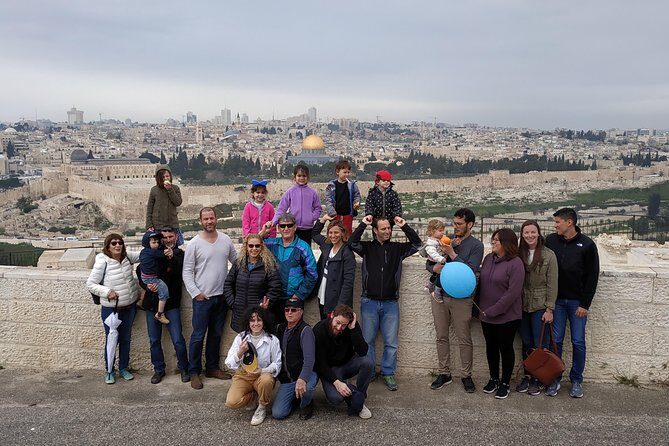
The tour includes pickup offered, but the activity also lists a meeting point at Yafo St 1, Jerusalem, and it ends back at that same meeting point. In plain terms: plan for a start near where you’re staying (if pickup is arranged) and keep a backup plan to meet at Yafo St 1 if logistics are tighter than expected.
One practical note: taxi rides within the city are not included. Your guide meets you and you travel by taxi, but you should budget for that cost. For the Old City, this is normal. Getting dropped at the right edge saves time and legs.
Getting oriented: Jaffa Gate and the ramparts walk
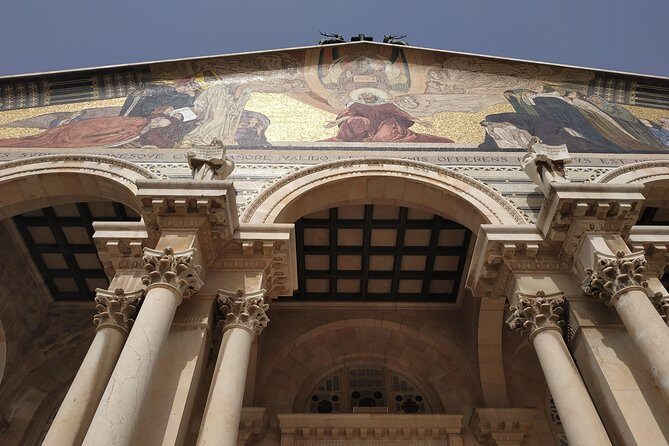
You’ll begin near Jaffa Gate, where the Old City’s story intersects with the bigger changes that reached Jerusalem in the 19th century. Even if you know the headlines, the gate helps your brain start organizing the Old City by entry routes, walls, and the flow of people.
Then you move onto the ramparts walk—a top-of-the-walls stretch where you can finally see what you’ve been hearing about. This isn’t just scenery. It helps you understand why the city was built the way it was, and why views matter for defense, movement, and symbolism.
If you prefer minimal stairs, you’ll want to be honest with your guide. The walls are worth it, but they can be tiring.
Temple Mount-era context at the Davidson Center (and why it’s optional)
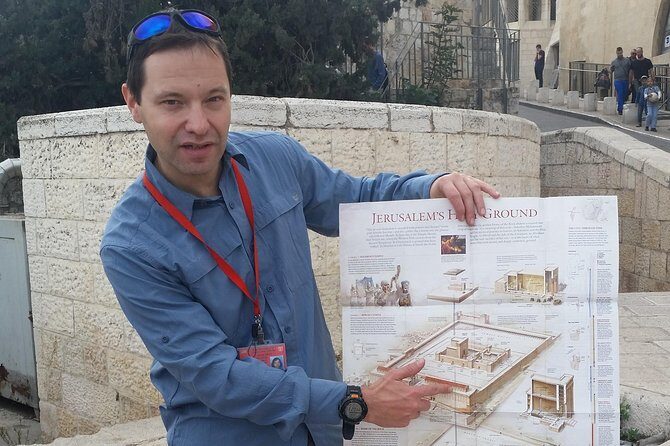
At some point, you’ll be offered the Davidson Center stop. This is optional, and it’s ticketed (so entrance isn’t included). Still, it’s one of the most interesting “feet-on-stone” parts of the tour.
The value here is that you get to walk on real streets from around the 1st century CE, following a pilgrim-style journey toward the Second Temple area. Even if you only skim museum explanations, the location under/near the Temple Mount zone helps you understand how archaeology changes what you think you already know.
My advice: if you enjoy archaeology and you want the Old City to feel less like a photo stop, choose the Davidson Center. If your group energy is low, skip it and keep the day focused on living religious spaces.





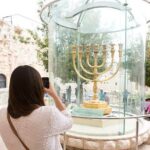
Jewish Quarter highlights: Roman Cardo and Hezekiah’s Broad Wall
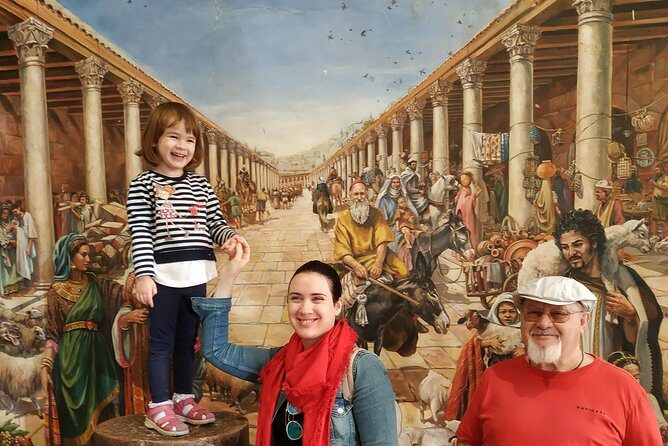
Next comes the Jewish Quarter, where you’ll see famous sights like the Roman Cardo and Hezekiah’s Broad Wall. These names matter because they point to how Jerusalem has been rebuilt again and again—different eras layered on top of older foundations.
You’ll also get lookout moments toward the Temple Mount. That view isn’t just pretty. It’s part of what makes the Old City feel like a single storyline where every quarter is reacting to the same central idea.
There may also be an archaeological excavation option near the Temple Mount walls. Since it’s described as possible, treat it as a bonus. Ask your guide what’s realistically accessible that day.
Muslim Quarter and the Via Dolorosa: walking a sacred route with real context
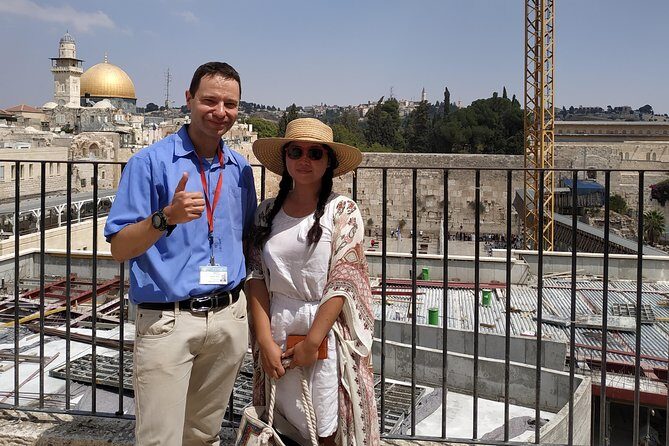
The Muslim Quarter portion is where the tour turns into a walking narrative. You’ll follow the Via Dolorosa, the Way of the Cross route that connects today’s streets to the New Testament story.
This is not just “walk to the next station.” Your guide connects the route’s start and the surrounding history so you understand why this road has been walked, argued over, prayed over, and mythologized for centuries.
Optional stop: the Austrian Hospice, where a rooftop can offer incredible views of the Old City. Entrance isn’t included, so consider it an add-on if your schedule allows and your group likes viewpoints.
Two practical cautions:
- You’ll be in an active, lived-in area, so keep your behavior respectful and your phone use discreet.
- The Via Dolorosa can be crowded. Earliest timing helps, but your guide still may need to weave you through slower pockets.
Western Wall: a short stop, but a big emotional center
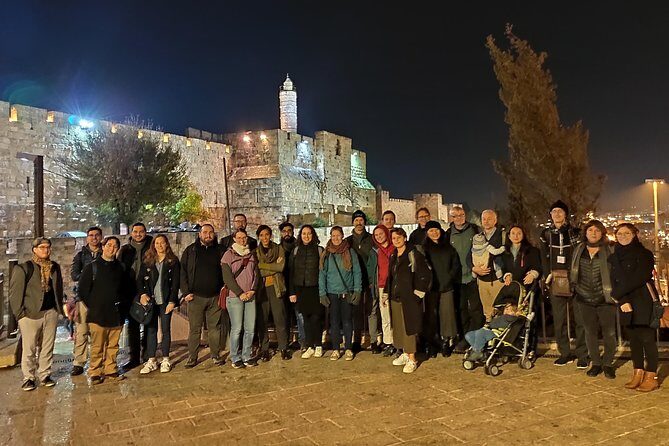
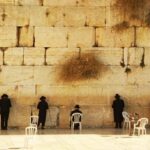
The Western Wall is one of the most important Jewish prayer sites near the Temple Mount. You’ll spend time there to see how people gather and practice.
This stop is short on the plan, but it works. You’re not trying to “complete” the Wall like a museum. You’re getting oriented to how the space is used, and why it’s more than a historical landmark.
Dress matters here just as much as anywhere else. Modest clothing isn’t a suggestion—it’s part of being allowed to participate comfortably in sacred spaces.
Christian Quarter and the Church of the Holy Sepulchre
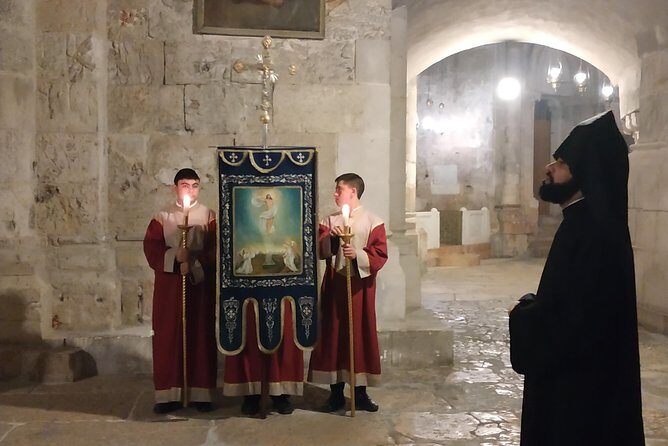
From the Via Dolorosa you continue into the Christian Quarter, moving toward the Church of the Holy Sepulchre. This is one of the most complex sites on earth, partly because it contains multiple traditions in the same footprint.
You’ll follow the last stations leading to the church, and then you’ll visit the Golgotha area associated with where Jesus was crucified and buried. The church itself is where the layers of Christian pilgrimage collide: history, art, ritual, and modern-day devotion in the same stone walls.
Optional stop: the Russian compound Alexander’s Court, which hosts ancient gates connected with a Byzantine church. That’s not included, so only do it if the pace still feels good.
A reality check: churches like this can be crowded, and lines or time spent inside may vary. Your guide’s job here is to keep the story coherent even when the physical space gets chaotic.
How the tour keeps kids and first-timers engaged
This is a private setup, and that matters for families. A strong guide can explain big ideas without turning the day into a lecture. Dr. David is praised for keeping energy up with humor and for asking questions so kids and adults stay involved.
If you’re traveling with children, ask your guide to tailor the pace early. You’ll likely get better results if they know you want shorter explanations and more “look at this, notice that” moments.
What to wear and bring for a smooth Old City day
You’ll be visiting holy sites, and the basic rule is modest clothing. Long pants or skirts, sleeves, and covered shoulders are the safest bet.
Bring:
- Comfortable walking shoes (Old City surfaces don’t do favors for soft soles).
- A light layer, even in warm months. Churches and shaded alleys can feel cooler.
- Water, especially if your tour runs toward the longer end of the schedule.
If you’re unsure about anything related to dress or worship rules, ask your guide ahead of time. The easiest way to avoid last-minute stress is to show up prepared.
Price and logistics: what’s included, what costs extra
Guiding is included. Many of the core stops are listed as free entry, including Jaffa Gate, ramparts walk, Jewish Quarter, Muslim Quarter, Western Wall, Christian Quarter time portions, and the Church of the Holy Sepulchre area.
Not included:
- Entrance fees where tickets apply, like the Davidson Center and optional Alexander’s Court.
- Taxi rides within the city.
So the tour cost mostly covers a private professional guide and the structure to make a day in the Old City actually make sense. If you skip paid optional stops, your costs stay closer to the base price.
Tips to get more from a private Old City highlights tour
Ask your guide two questions early and repeat them in your own way:
- What should I notice first when I look at this wall or doorway?
- What changed here over time, and what stayed the same?
That’s how you turn a list of landmarks into a coherent mental map. It also helps if you’re the type who wants answers, not just photos.
Also, set expectations about time. The Old City is a living place with crowds and daily movement. If you go in with flexibility, you’ll feel less frustrated when plans adjust slightly on the ground.
Should you book this private Jerusalem highlights tour?
Book it if you want a clean way to experience Jerusalem’s Old City without getting lost in a sea of stones and stories. This tour is especially good when you care about history, religion, and context—and when you want a guide who can connect what you’re seeing to why it matters.
Skip it or modify it if:
- Your group has limited mobility and you know walking through tight quarters won’t work.
- Your priority is only a few “must see” photos with minimal explanations.
- You don’t want to pay extra entrance fees for optional stops.
If the $499 group price fits your budget, you’ll get strong value from the private format and the fact that many major stops are handled inside the tour. And if you need to cancel, you can do so for a full refund up to 24 hours before start time—useful if your schedule is uncertain.
If you’re planning a first visit to Jerusalem, this is one of the best ways to go beyond sightseeing and really understand the city you came to see.