REVIEW · JERUSALEM
Jerusalem Old City
Book on Viator →Operated by Bein Harim Ltd · Bookable on Viator
Stone streets tell stories fast. This full-day tour stitches together Jerusalem’s big holy sites with a guide and smooth transfers, so you don’t waste time guessing. You’ll start at 10:00 am and spend a long stretch inside the Old City, plus a few key stops outside it, like Gethsemane and the Western Wall.
What I like most is how practical the day feels. You get door-to-door pickup from centrally located hotels, and the itinerary builds in restroom and restaurant stops, so you’re not stuck figuring out food mid-crush. I also like that you travel between areas in an air-conditioned vehicle and still get real time at the places people come to see.
One thing to consider: it’s a packed day with meaningful walking, especially in and around the Old City. If you’re traveling with small kids, the tour isn’t suitable for babies and children under 4, and if mobility is a concern you’ll want to plan carefully.
In This Review
- Key highlights in plain terms
- How the 10:00 am schedule keeps your Jerusalem day sane
- What you get for $70: the value is mainly in logistics
- Entering the Old City: 5 hours to actually connect the dots
- Mount Zion connection: why it matters even if you only see a bit
- Gethsemane in a short stop: meaningful, not endless
- The Way of the Cross (Via Dolorosa) without turning it into a maze
- Western (Wailing) Wall: a quick stop with a big impact
- The Cenacle: last-supper context before you head back
- Comfort and crowd management: the parts you’ll notice most
- Guides you may meet: names that came up for a reason
- Who this tour suits best (and who should rethink it)
- Should you book this Jerusalem Old City tour?
- FAQ
- What time does the tour start?
- How long is the Jerusalem Old City tour?
- Is hotel pickup included?
- Are admissions included for the stops?
- What’s not included in the price?
- Is the tour suitable for kids?
- What if the tour gets canceled because of low demand?
Key highlights in plain terms

- 5 hours in the Old City: enough time to see major highlights without feeling instantly rushed
- A mid-morning 10:00 am start: no brutal early wake-up
- Hotel pickup and drop-off: less hassle, less time lost to transfers
- Religious sites in sequence: Old City, Gethsemane, Via Dolorosa, Western Wall, Cenacle
- Air-conditioned transport: real relief in summer heat
- Smallish group cap (up to 50): workable for a busy city day
How the 10:00 am schedule keeps your Jerusalem day sane
Jerusalem can be intense. This tour’s biggest advantage is that it starts at 10:00 am, not at some sunrise hour that forces you into the wrong end of the day. You get to sleep in, handle breakfast, and still have a full day to cover the Old City and nearby sites.
Pickup is also a big deal. The tour includes door-to-door transfers from a selection of centrally located hotels, which matters because Jerusalem’s “best route” changes fast depending on traffic and crowds. You’re not trying to time buses or taxis while also figuring out where the Old City entrance will actually be easiest that day.
Another practical point: you’re not doing this as a self-guided scramble. The tour includes a professional guide and an air-conditioned vehicle between stops, so you’re trading effort for focus. Instead of spending your energy on navigation, you can spend it on making sense of what you’re seeing.
You can also read our reviews of more city tours in Jerusalem



What you get for $70: the value is mainly in logistics
At $70 per person, the price is easy to compare with the cost of doing the same day on your own. Here’s the honest math of what you’re buying:
- A professional guide for a full day
- Hotel pickup and drop-off
- Air-conditioned transport between key areas
- Admission is listed as free for the stops on the schedule (Old City highlights, Gethsemane, Via Dolorosa sights, Western Wall, and the Cenacle)
Food and drinks are not included, and you’ll likely want to budget for a tip, since that’s recommended. Still, the core cost covers the stuff that’s hard to DIY in a single day: the guiding and the movement between clustered religious sites that are not always easy to connect efficiently.
Also, the tour caps at a maximum of 50 travelers. That doesn’t mean it feels private, but it often keeps the day from turning into pure herding at every single stop. If your goal is seeing the main hits with a plan, this pricing tends to make sense.
Entering the Old City: 5 hours to actually connect the dots
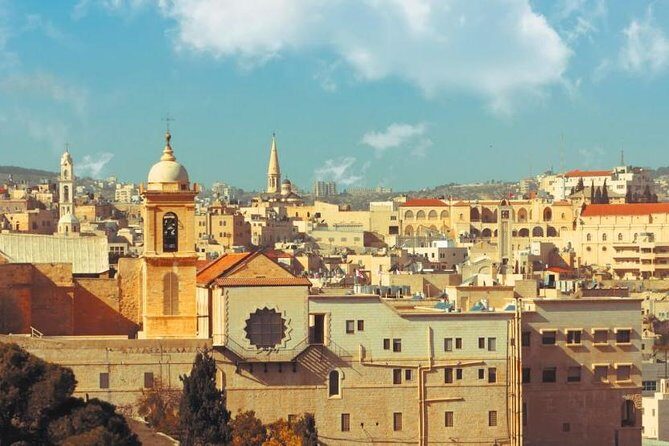
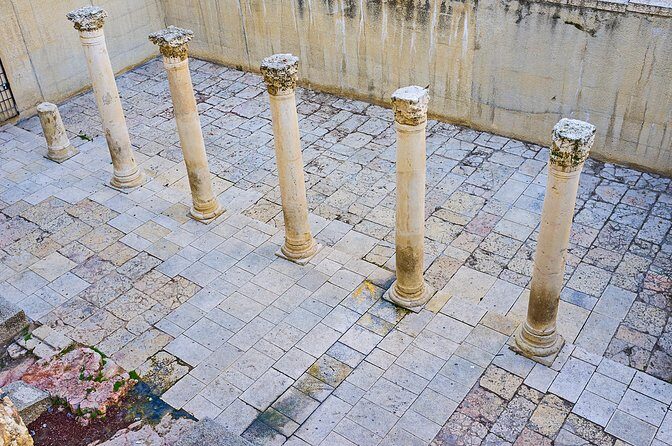
The Old City is the heart of the day. You’ll spend about 5 hours here visiting the Old City highlights with a guide. That’s long enough to do more than take photos and move on. In that time, you can start noticing patterns: how different eras show up in the same street, how religious sites overlap geographically, and how the stories people tell about Jerusalem connect to the physical layout around you.
This is also the area where your comfort and patience matter most. Old City walking is usually uneven, with crowds and turns that can make timing tricky. If you have mobility issues, tell the tour team ahead of time. Based on past experiences with this operator’s guides (including people like Ofer and Itamar Buk, who were praised for planning routes that fit needs), it’s smart to flag constraints early so the guide can steer the route more smoothly.
Even if you’re not a history buff, the guide can help you avoid the common trap: treating Jerusalem like a list of separate attractions. Spending several hours in one place lets you see how the city’s layers speak to each other.
Mount Zion connection: why it matters even if you only see a bit
The tour overview notes Mount Zion as part of the experience. Even when time there is shorter than the Old City block, it helps you understand Jerusalem as more than one district. Zion often comes up when people talk about the city’s religious geography, and it can give you context for how different holy sites relate spatially and historically.
The practical benefit is that it breaks the day up. Instead of spending all seven-ish hours only on one crowded route, you get variation in scenery and pacing. That helps you stay focused by the time you reach the Western Wall.
Gethsemane in a short stop: meaningful, not endless
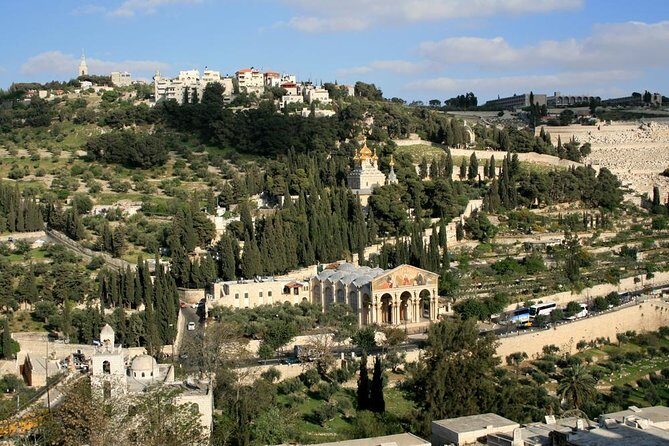
Next up is the Garden of Gethsemane, with a stop at the Church of All Nations. The scheduled time is about 20 minutes. That might sound brief, but it’s long enough to pause, take in the atmosphere, and follow what your guide is explaining.
This stop works best as a reset. After walking in tighter Old City areas, Gethsemane gives you a moment to slow down and connect the religious narrative to a specific location. The church visit can also help you understand how different faith communities interpret the same sacred geography.
If you’re someone who likes to sit and absorb quietly, 20 minutes can feel quick. But if you’re there to understand the place while still keeping momentum for the rest of the day, it fits the tour’s pace.



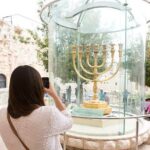
The Way of the Cross (Via Dolorosa) without turning it into a maze
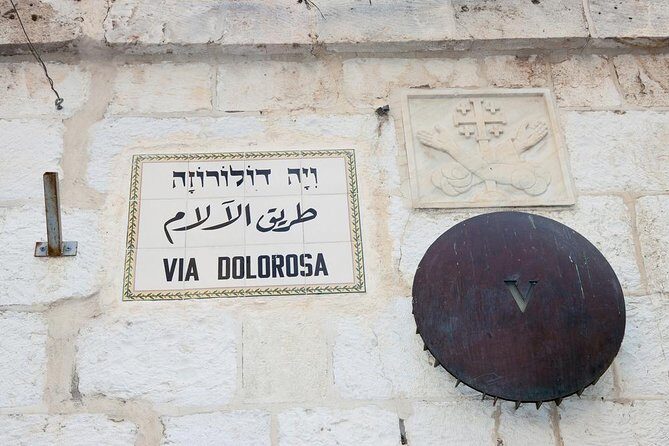
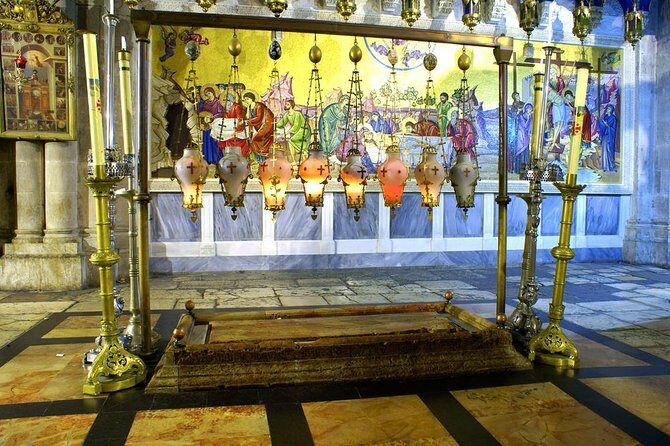
You’ll then head to the Way of the Cross, also known as the Via Dolorosa. The schedule allocates about 1 hour, including a visit to some Stations of the Cross and the Church of the Holy Sepulchre.
This is where guidance earns its keep. The Via Dolorosa area is famously easy to get tangled in if you don’t have a plan. A guide helps you understand what you’re looking at and why the route is structured the way it is. It also keeps you from spending your whole hour stuck on the same street corner trying to figure out what comes next.
One consideration: this is a high-attention environment. Expect crowds and people moving in different directions. If you’re sensitive to congestion, try to go with the flow instead of fighting the crowd. Your guide can often adjust timing at the edges, but you still need realistic expectations in a place that’s popular year-round.
Western (Wailing) Wall: a quick stop with a big impact
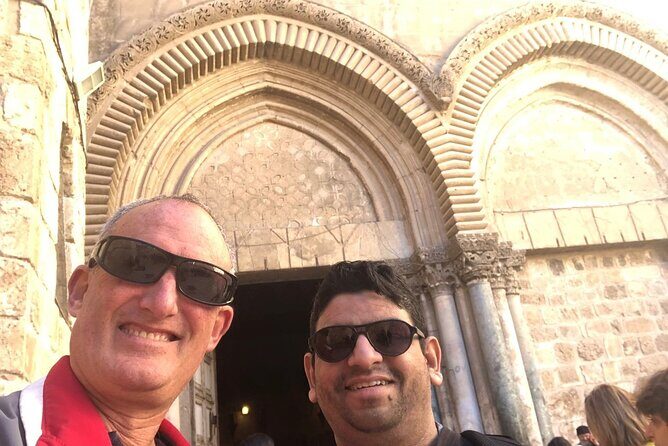
The tour includes the Western Wall (Wailing Wall) for about 20 minutes. That’s a short window, but the site is a powerful focal point, and 20 minutes can be enough time to understand the significance and experience the atmosphere without feeling like you’re rushing.
This stop also acts like a transition point. After the walking route of the Via Dolorosa and Holy Sepulchre area, you reach a different kind of space—one where people arrive with prayer in mind and where the mood feels less like a tour route and more like a lived religious moment.
If you want to make the most of this stop, come in ready for stillness. Don’t fill the time with nonstop sightseeing. Let the guide’s background frame what you’re seeing, then use the moment for your own pause.
The Cenacle: last-supper context before you head back
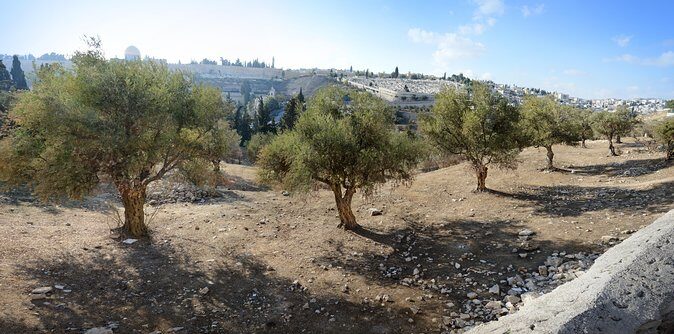
Finally, the tour includes the Cenacle, with a visit to the Last Supper room. Scheduled time is about 20 minutes.
The practical value here is context. After the Western Wall stop, this gives you another anchor in Jerusalem’s religious story. It also rounds out the day by shifting from outdoor or street-based pilgrimage spaces to an indoor historical-religious setting.
From a pacing standpoint, 20 minutes is also a smart length: you still get a defined visit, but you avoid the fatigue that can come from longer indoor stops late in the day.
Comfort and crowd management: the parts you’ll notice most
Let’s talk about the “small stuff” that really affects your day.
You’ll travel in an air-conditioned vehicle between stops. In Jerusalem’s warmer months, that alone can make the difference between feeling energized or drained before the Old City portion.
Restroom and restaurant stops are included in the tour plan, and that matters because you won’t feel forced to pack a lunch just to survive. Food and drinks are not included, so you’ll still pay for whatever you choose, but the schedule won’t leave you scrambling with zero breaks.
Group size also plays a role. With a maximum of 50 travelers, the logistics tend to stay manageable, though it won’t feel like a private tour. If you want a more controlled pace, you might look for private options instead. But if you’re okay sharing space with others for a guided overview, this group size is workable.
Guides you may meet: names that came up for a reason
The quality of this type of tour often comes down to the guide. In past departures for this operator, some guides were called out by name, including Zahi Shaked, Yoav Malachi, Itamar Buk, Avi (spelled as Avi in the notes), Hava Dorany, and Ofer.
What these guides seem to have in common in the feedback: clear explanations that connect the sites to the story of Jerusalem and attentive handling of group flow. In places like the Old City and Via Dolorosa, good guiding is not just facts—it’s keeping you oriented and helping you understand what matters at each stop.
If you have mobility needs, an extra language preference, or you just want more time to ask questions, consider speaking up. This tour is built around a guided route, so your questions can genuinely improve the experience.
Who this tour suits best (and who should rethink it)
This is a strong fit if you want a full-day introduction to Jerusalem’s core holy sights without dealing with navigation and time lost between locations. You’ll get the Old City focus, plus key surrounding stops that help you connect the “why” behind the “where.”
It also suits you if you like structure. The schedule is designed so you’re not making decisions all day. The mid-morning start, planned breaks, and air-conditioned transport all keep the day from turning into pure endurance.
It’s not the best fit if you’re traveling with a baby or young child. The tour is noted as not suitable for children and babies under 4 years old. And if you have limited mobility, you’ll want to evaluate whether the Old City portion’s walking is going to work for you.
Should you book this Jerusalem Old City tour?
Yes, if your priority is an efficient, guided overview of Jerusalem’s most famous sacred sites. For $70, you’re paying for the guide, the movement, and the time built into a realistic route: Old City for hours, plus Gethsemane, Via Dolorosa and the Holy Sepulchre area, the Western Wall, and the Cenacle.
You might skip or reconsider if you want a slow, unstructured day, or if long walking in the Old City will be uncomfortable. Also, if you’re hoping for food included, remember food and drinks are not part of the package—though the day does include restroom and restaurant stops.
If you’re ready for a well-planned day with strong guiding and a lot of “holy city context” in one go, this tour is a solid choice for most first-time visitors.
FAQ
What time does the tour start?
The tour starts at 10:00 am.
How long is the Jerusalem Old City tour?
It runs for about 7 hours (approx.).
Is hotel pickup included?
Yes. Door-to-door transfers are included from centrally located hotels.
Are admissions included for the stops?
Admission tickets are listed as free for the scheduled stops (Old City highlights, Gethsemane, Via Dolorosa/Holy Sepulchre, Western Wall, and the Cenacle).
What’s not included in the price?
Tips (recommended) and food and drinks are not included.
Is the tour suitable for kids?
No. It is not suitable for children and babies under 4 years old.
What if the tour gets canceled because of low demand?
If the minimum number of travelers isn’t met, the experience may be canceled, and you’ll be offered a different date/experience or a full refund.