REVIEW · JERUSALEM
Golan Heights Day Trip from Jerusalem
Book on Viator →Operated by Bein Harim Ltd · Bookable on Viator
Morning is early for a reason. This full-day run turns Jerusalem into a high-altitude history lesson. You get big viewpoints in the Golan Heights plus time to see the 6th-century synagogue at Katzrin with original Hebrew inscriptions.
I also like how the trip stitches together sites tied to faith, daily life, and the hard politics of the region. One possible drawback: it’s a long day with an early 6:00 am start, and there’s no food or drinks included, so you’ll want to plan for that.
In This Review
- Key Points That Matter Before You Go
- Golan Heights From Jerusalem: Why This 13-Hour Trip Is Worth It
- Road Time, Early Pickup, and What the Day Feels Like
- Galilee and the Jordan Valley Drive: Quick Scenery, Clear Context
- Yardenit on the Jordan River: A Faith Stop Without Much Rushing
- Hammat Gader Hot Springs and Border Views: Where Geography Gets Political
- Ancient Katzrin Village and the 6th-Century Synagogue: The Best Stop on the Route
- Golan Antiquities Museum: Short Visit, Big Payoff for Making Sense of What You Saw
- Mount Bental and Syrian Bunkers: Extinct Volcano Views With Modern Edge
- Optional Taste Stops and the Role of Local Businesses
- What’s Included, What’s Not, and What to Pack
- Guides, Pacing, and Getting the Most Out of the Day
- Who This Golan Heights Day Trip Suits Best
- Should You Book This Trip?
- FAQ
- How long is the Golan Heights day trip from Jerusalem?
- What time does the tour start, and is pickup included?
- Are entrance fees included in the price?
- Is food or drinks included?
- Is there a limit on the group size?
- What’s the minimum age requirement?
Key Points That Matter Before You Go
- Hotel pickup plus an air-conditioned vehicle make the early departure feel more manageable
- Katzrin village and synagogue give you close-up time with the original Hebrew inscriptions
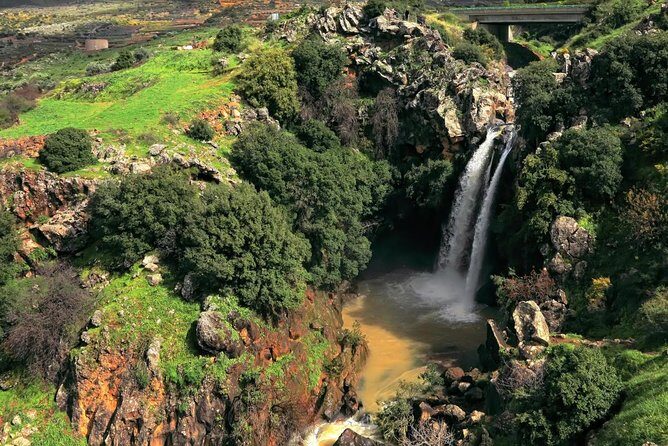
- Hammat Gader and border viewpoints show how geography shapes the story here
- Mount Bental and nearby Syrian bunkers add a stark, current-era perspective
- Small-group feel up to 40 people helps keep the day from feeling like a cattle drive
Golan Heights From Jerusalem: Why This 13-Hour Trip Is Worth It
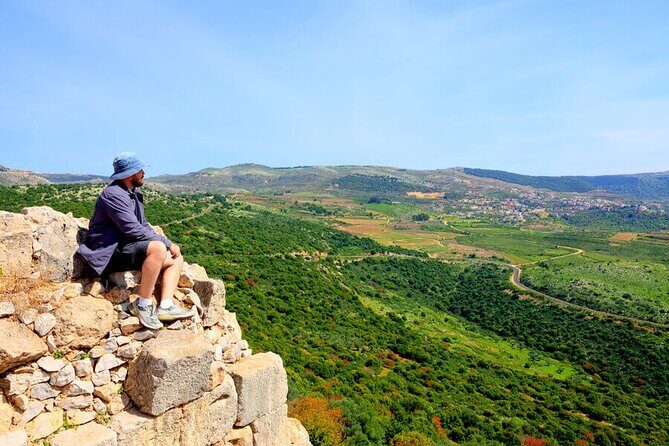
This is the kind of day trip that works when you want distance covered, not just sightseeing done. You start in Jerusalem, then follow roads that lead you from the Galilee’s lower areas up to a mountainous plateau where views and conflict are both part of the scenery.
The big payoff is that you’re not only seeing places. You’re getting a guided tour of how the land has shaped settlement, worship, and borders. If you like history that has fingerprints you can still see—stones, walls, inscriptions—this route makes sense.
That said, you should treat it as a full day. Expect a 13-hour rhythm, with walking at the Katzrin stop and standing for views at Mount Bental and border areas.
A few more Jerusalem tours and experiences worth a look


Road Time, Early Pickup, and What the Day Feels Like
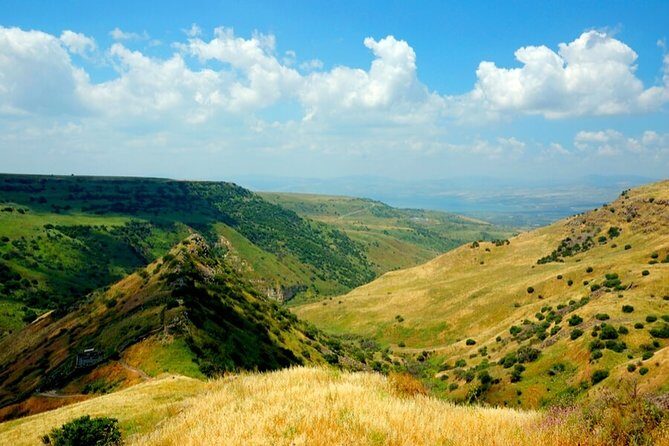
The day kicks off early, with a start time of 6:00 am and hotel pickup and drop-off. That means you’ll want to be packed the night before: water, sun protection, and comfortable shoes.
The transport is air-conditioned, and the tour is set for up to 40 travelers. That’s a good sweet spot for a long day. You’ll hear your guide, you’ll move with the group, and you won’t spend your time stuck behind too many people.
One caution from real-world experience: early morning tours live or die on punctuality. If you’re the type who hates last-minute changes, message the operator the day before and confirm pickup time. Also, keep in mind that you’re on a road trip for hours—so bring something to make the ride more comfortable (sunglasses, a hat, and a light layer can help).
Galilee and the Jordan Valley Drive: Quick Scenery, Clear Context
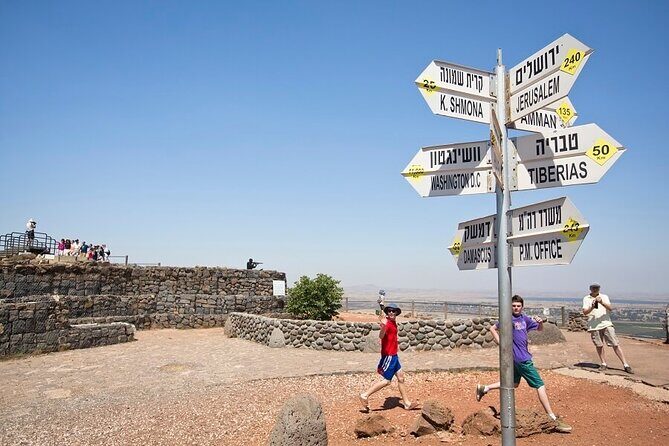
Before you reach the Golan, you pass through the Galilee region and then into the Jordan Valley area. The tour includes a stop where you pass by the Sea of Galilee, which is useful even if it’s not a long photo break.
What I like about this part is how it sets your mental map. Going from Jerusalem to the north and then down toward the Jordan Valley makes the later climb up to the Golan Heights feel real, not abstract.
Your guide also has the chance to connect what you’re seeing to the broader region—why these valleys and ridges became key routes and why control of the high ground mattered.
Yardenit on the Jordan River: A Faith Stop Without Much Rushing
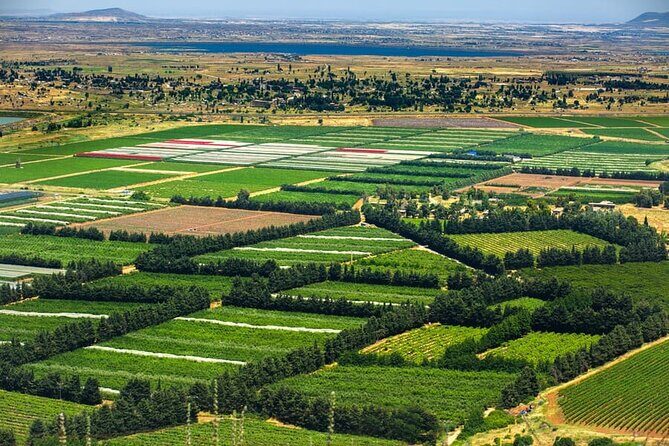
You get a break in the journey for Yarendit, described as the sacred baptismal site on the Jordan River. Even if you’re not visiting for religious reasons, this stop gives you a sense of why the Jordan River matters in multiple traditions.
The main practical point: treat this as a short stop. The tour schedule is built for moving on to the Golan, so don’t plan on lingering too long here. Wear sun protection and be ready to get back on the bus quickly.
If you’re the kind of person who likes to watch how pilgrims and visitors move through a site, this is a good moment to slow down without losing time.
Hammat Gader Hot Springs and Border Views: Where Geography Gets Political
Next comes Hammat Gader, with time to admire the views across the Jordanian and Syrian borders. This is one of those stops where the landscape (and I mean that literally here) does the explaining.
From viewpoint areas, it’s easier to understand why this region has stayed contested. The high points and sightlines are obvious, and you can see how military planning and political pressure would follow the terrain.
Also, hot springs can be a little unpredictable depending on conditions and the exact setup on the day. Even so, the viewpoint value is the real reason this stop earns a place on the itinerary.
Bring water and stay aware of sun exposure. The morning climb and long day can sneak up on you.



Ancient Katzrin Village and the 6th-Century Synagogue: The Best Stop on the Route
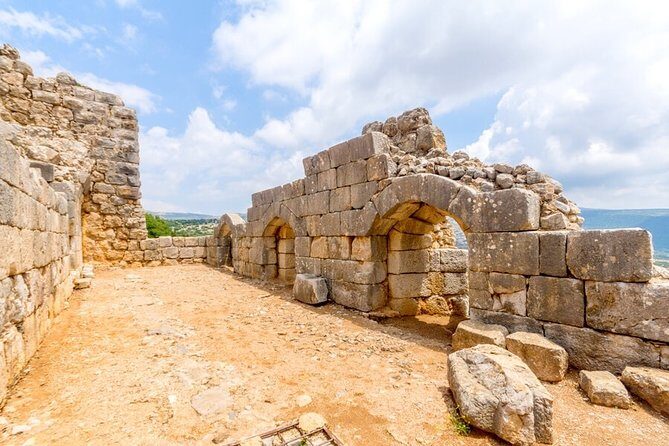
The heart of the trip is Katzrin, with a walking tour through the ancient village and a look at the synagogue area. You’re given about 40 minutes here, which is enough time to get oriented and still feel like you saw something beyond a quick photo.
The standout is the 6th-century synagogue and the chance to marvel at original Hebrew inscriptions on its walls. You’re not just hearing that language and culture were here; you can see it in the stone.
Why this stop works: inscriptions are slow history. They reward attention. If you pause, look closely, and let your guide point out what you’re seeing, the time goes from quick to meaningful.
Practical note: this is a walking portion. Wear comfortable shoes and plan to keep moving. If you’re carrying a day bag, keep it small so you’re not juggling it on stone surfaces.
Golan Antiquities Museum: Short Visit, Big Payoff for Making Sense of What You Saw
After Katzrin, you move to the Golan Antiquities Museum for around 30 minutes. It’s not a long museum block, so think of it as a tool, not a full day at galleries.
You’ll use that time to place Katzrin and the wider Golan story into a clearer context. Even a short museum stop helps your brain connect: inscriptions, architecture, and everyday life become more than individual stops.
This is also where the trip’s pacing becomes clearer. The day is designed to alternate between outdoor views (where you understand geography) and indoor/cultural stops (where you understand how people lived and believed).
If you’re the type who hates rushing museums, be realistic. This is a brief stop. But it’s still a smart one for the time you have.
Mount Bental and Syrian Bunkers: Extinct Volcano Views With Modern Edge
The final major viewpoint comes at Mount Bental, with time to explore remaining Syrian bunkers and look out over the Quneitra Valley. The tour highlights the peak as an overlook of a region tied to an extinct volcano, and you’ll get the birds-eye view that makes the geography feel sharp.
This stop has a different tone than Katzrin. At Mount Bental, history feels less like an artifact and more like something that shaped decisions made in living memory.
The value here is perspective. You see the ridges and drop-offs, then you hear how the region’s strategic importance played out. Even if you’ve read about the Golan before, looking out from here can make the stories feel more grounded.
It’s also another “time to stand and look” moment. Wear a hat, keep water handy, and don’t assume shade. Wind can be stronger at higher elevations.
Optional Taste Stops and the Role of Local Businesses
On some departures, the day may include extra stops that focus on local production, including an olive oil manufacturer and a winery. I like this because it adds a normal-life layer to a day that can otherwise feel all viewpoints and battleground history.
If you’re trying to buy a small souvenir that’s actually used in the kitchen (rather than just a generic trinket), these are the kinds of stops that can be worth the time.
One caution: since food isn’t included, you might want to budget for any tasting purchases. Treat them as optional add-ons, not necessities.
What’s Included, What’s Not, and What to Pack
This tour is built around efficiency. Included items are a professional guide, hotel pickup and drop-off, an air-conditioned vehicle, and entrance fees.
Not included: food and drinks. That’s the one gap that can turn a good day into a tiring one if you ignore it. Plan ahead. Carry water with you, and consider a simple snack strategy so you don’t feel hungry when the group moves.
Here’s what you should pack based on the tour’s own recommendations:
- Water
- Comfortable shoes
- Hat and sun protection
- A light layer if you run cold in the vehicle early in the morning
Also think about your phone battery. You’ll want to take photos at views like Mount Bental, and your day is long enough that low battery can become annoying fast.
Guides, Pacing, and Getting the Most Out of the Day
The guide is a big part of what makes this work. In one account, Zahi Shaked Isaac was praised for driving and guiding superbly, and the tone of the tour clearly depended on his ability to connect the places to the battles and the ongoing realities of the region. Another guide mentioned was Ossi, who was noted as warm, informative, and able to speak German.
What you should do: listen for the guide’s “why this matters” moments. When you understand the logic—why Katzrin is here, why the bunkers are positioned like they are, why a river stop fits into the day—it’s easier to enjoy each short segment.
Pacing is mostly fixed by the schedule, but you control your energy. Take water sips, rest when you get a chance, and don’t plan heavy shopping stops. Your time is better spent listening and looking closely.
Who This Golan Heights Day Trip Suits Best
This day trip is best if you want a structured overview of the Golan Heights without renting a car. It’s also a good fit for first-time visitors who already know Jerusalem and want one strong day to expand the map north.
You’ll likely enjoy it most if you:
- Like guided history with clear talking points
- Prefer short, high-value stops over slow travel
- Are comfortable walking for about 40 minutes at Katzrin
- Want a mix of faith sites and strategic viewpoints in one day
If you’re traveling with young kids, note that the tour is not suitable for children under 4. For very small children, the walking and long sitting time can be a lot.
Should You Book This Trip?
I’d book this if you want one day that covers the Golan’s main “anchors”: Katzrin’s synagogue and inscriptions, border viewpoints around Hammat Gader, the Yardenit stop, and Mount Bental’s dramatic overlooks with bunker remains.
Skip it (or ask more questions first) if you’re sensitive to long driving days or early starts. The schedule runs from a very early pickup and stretches into a full-day commitment, and since food and drinks aren’t included, you’ll want to plan that part yourself.
FAQ
How long is the Golan Heights day trip from Jerusalem?
The trip runs about 13 hours.
What time does the tour start, and is pickup included?
It starts at 6:00 am, and hotel pickup and drop-off are included.
Are entrance fees included in the price?
Yes. Entrance fees are included.
Is food or drinks included?
No. Food and drinks are not included, so you’ll want to bring water and plan for snacks.
Is there a limit on the group size?
Yes. The tour has a maximum of 40 travelers.
What’s the minimum age requirement?
The tour is not suitable for children under age 4.
If you want, tell me your travel dates and whether you prefer more time for photos or more time for walking, and I’ll help you decide if this schedule matches your style.