REVIEW · JERUSALEM
Full-Day Christian Tour of Galilee
Book on Viator →Operated by CTO Israel · Bookable on Viator
You get a full day of Bible geography in motion. I especially like the air-conditioned transport with hotel pickup/drop-off and the fact that entrance fees are included, so you spend less time budgeting on the fly. One thing to keep in mind: this is a tight schedule, and you may be offered extra paid add-ons during the day.
The payoff is big. You’ll start in Nazareth, ride up Mount Tabor, then work your way along the Sea of Galilee area to Tabgha and Capernaum before heading back south. If you want one guided day that strings together the major Christian sites around Galilee, this tour gives you that—just pack your patience for a long day.
In This Review
- Key Things You’ll Notice on This Galilee Day Trip
- Price and Timing: What $110 Buys in Real Life
- The Jerusalem-to-Galilee Drive: Long Windows for Biblical Scenery
- Nazareth’s Church Stops: Annunciation and St Joseph’s Carpentry Site
- Mount Tabor and the Church of the Transfiguration
- Tabgha and the Sea of Galilee: Feeding the 5,000 Up Close
- Capernaum (Kfar Nahum): Synagogue Ruins and Peter-Linked Remains
- Mount of Beatitudes and Tiberias: The Stops Between the Big Ones
- Transport, Group Size, and the Guide Experience
- Managing Optional Add-Ons Without Losing Your Day
- Dress Code and Comfort Tips That Actually Help
- Who This Tour Suits Best
- Should You Book This Tour?
- FAQ
- How long is the full-day Christian tour of Galilee?
- What time does the tour start?
- Is lunch included?
- Are entrance fees included?
- Is hotel pickup and drop-off included?
- What is the dress code?
Key Things You’ll Notice on This Galilee Day Trip
- Hotel pickup and drop-off in Jerusalem make it easy to start and finish without hassle
- Small group size (max 20) keeps the day feeling more manageable
- Nazareth churches (Annunciation and St Joseph) give context for Jesus’ childhood setting
- Tabgha on the Sea of Galilee ties sights to the feeding-of-the-5,000 story
- Capernaum (Kfar Nahum) ruins bring you right to the synagogue area associated with Jesus’ teaching
- Dress code is strict: plan on covered knees and shoulders for worship sites
Price and Timing: What $110 Buys in Real Life
At $110 per person for an ~11-hour day, you’re paying for three big things: transport, guide time, and site access. In particular, the tour includes entrance fees and Jerusalem hotel pickup/drop-off, which adds real value if you’d otherwise have to line everything up yourself.
The start time is 7:00 am, and you’ll be back in Jerusalem the same day. That means an early morning, but it also means more time before the later-day crowds and heat (especially in warmer months).
Also note what’s not included: lunch. Bring snacks or plan to buy something along the way if your group breaks for it, because you don’t want to run on only coffee and optimism.
A few more Jerusalem tours and experiences worth a look
The Jerusalem-to-Galilee Drive: Long Windows for Biblical Scenery
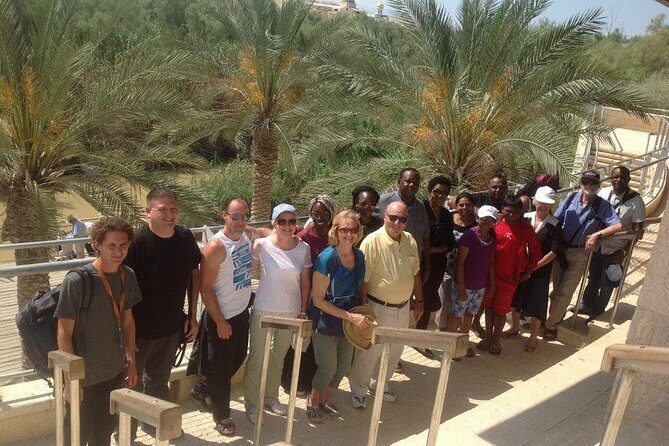
The day runs north from Jerusalem toward Nazareth and the Galilee region, with stops built around major Christian sites. Along the way, you’ll pass through the central plains and hear about the area’s biblical references, including the Plain of Megiddo, tied to the idea of Armageddon.
This drive matters more than you might think. Without it, Galilee sites are hard to string together in one day. With it, you get the landscape context—valleys, views, and the slow change from Jerusalem’s hills to the Sea of Galilee region.
You’ll also go through Tiberias on the return route. Even if it’s just a pass-through, it helps anchor you geographically: you’re not just visiting sites, you’re learning how they connect.
Nazareth’s Church Stops: Annunciation and St Joseph’s Carpentry Site
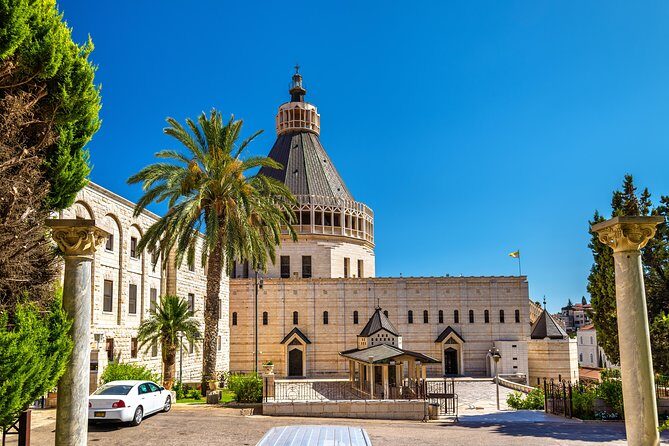
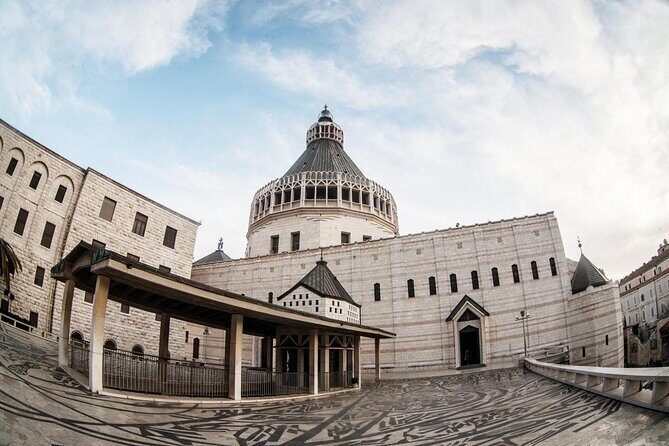
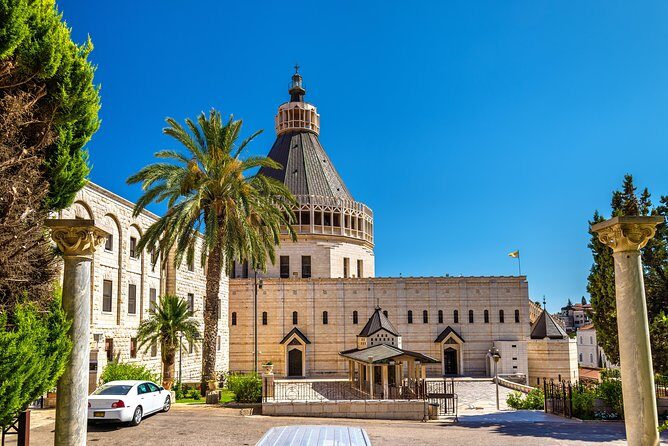
Nazareth is where the story begins to feel personal. You’ll visit the Church of the Annunciation, linked to the moment when the Angel Gabriel is said to have spoken to Mary. This church is active and well-known, so expect a place that feels lived-in rather than purely museum-like.
Right after, you’ll also stop at St Joseph’s Church, traditionally associated with the site of Joseph’s carpentry workshop. The bonus here is that you get more than one church stop. You see a contrast: one connected to the announcement, and one focused on Joseph’s role and everyday life in Nazareth.
Practical note: worship sites usually mean tighter rules. Your best move is to dress to enter easily—no shorts or sleeveless tops, and you’ll want knees and shoulders covered. If you get this wrong, you risk being turned away, and that wastes time you don’t have.
Mount Tabor and the Church of the Transfiguration
Up next is a drive to Mount Tabor for a view over the Jezreel Valley. Even if you’re not chasing panoramic photos, this kind of overlook helps you understand why certain places become meaningful in religious tradition. The physical scale of the valley makes the story feel bigger than just a single point on a map.
Then you’ll visit the Church of the Transfiguration, traditionally held as the site where Jesus’ transfiguration is associated with Moses and Elijah. This stop tends to work well for first-timers because it connects a well-known Gospel moment to a specific hill and viewpoint.
The only real drawback? You’re adding another climb and another church stop in a day that’s already full. If you’re someone who needs longer stretches of free time, plan to keep your expectations realistic.
Tabgha and the Sea of Galilee: Feeding the 5,000 Up Close
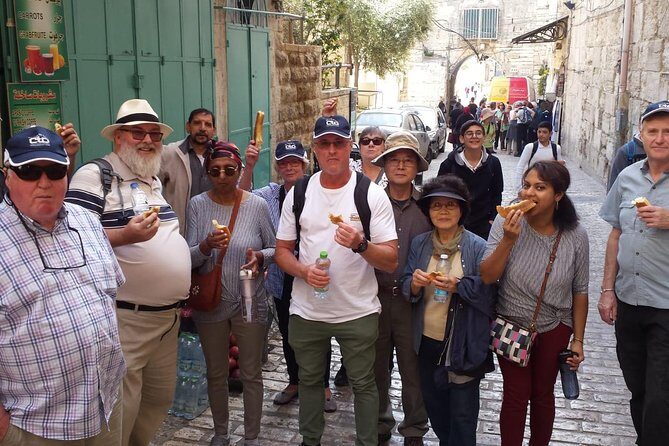
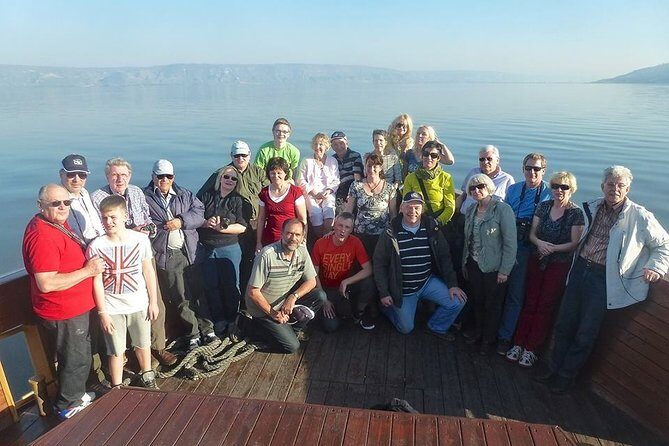
When you reach the Sea of Galilee, the atmosphere shifts. You get the big open-water views that make the region feel like its own world. For a Christian sites day from Jerusalem, this is one of the moments that makes the drive worth it.
You’ll visit Tabgha, tied to the miracle of the loaves and fish. This is where you can connect the story to the geography: shoreline setting, a place associated with Jesus’ teachings and miracles, and the kind of scene where crowds and need would naturally gather around a teacher.
If you’re sensitive to schedule pressure, here’s where you’ll want to slow down mentally. The scenery is your time to absorb the day’s themes without being rushed to the next photo point.

Capernaum (Kfar Nahum): Synagogue Ruins and Peter-Linked Remains
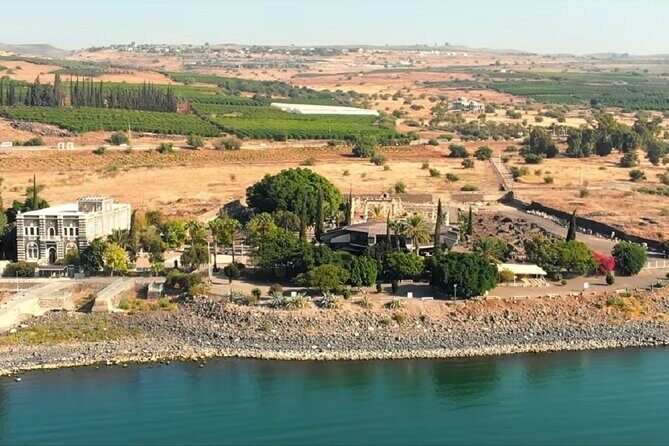
Capernaum (Kfar Nahum) is the heart of the Galilee section, and it’s one of the most rewarding stops when you like your sites grounded in place. You’ll explore the ruins of a 4th-century synagogue area linked to the spot where Jesus is said to have taught.
This matters because it’s not just a modern church façade. You’re walking among remains and understanding how layers of time build over older sacred spaces. It’s also very walkable, which helps because you spend less time sitting and more time taking in the setting.
You’ll also see what’s believed to be remnants of the home of Peter. The tour gives you the religious frame, but the physical layout helps you imagine how a working fishing community could become a center of teaching and healing.
A heads-up: Capernaum is another place where dress code and pace matter. Cover up, wear shoes you can walk in, and don’t plan on this being a quick photo stop.
Mount of Beatitudes and Tiberias: The Stops Between the Big Ones
You’ll pass by the Mount of Beatitudes, where the Sermon on the Mount is associated. Since it’s a “pass by” moment, don’t expect it to be a long exploration. Still, it gives you a helpful anchor: you’re seeing the region where teaching traditions connect to real terrain.
On the return route, you’ll also pass through Tiberias. Again, it’s not billed as a full exploration, but it’s useful context. When you’re moving fast, even “passing views” can help you map the day in your head later.
Transport, Group Size, and the Guide Experience
This tour runs with professional guidance and air-conditioned transport. That’s not a luxury detail. In a long day, it can make the difference between feeling awake at Capernaum and feeling like a sleepy passenger by Mount Tabor.
The group caps at 20 travelers, which helps. You’re more likely to hear the guide clearly, and there’s less chaos at church entrances and transfers.
Guides can be multilingual, and that can be a plus if you’re in a mixed-language group. One example: a guide named Ido has been noted for being friendly and flexible, including switching to Spanish for guests who needed it. If you care about clarity, multilingual ability is a practical strength.
Managing Optional Add-Ons Without Losing Your Day
Here’s the reality check part. On some days, you may be offered an optional extra—most notably a boat ride on the Sea of Galilee. It’s typically presented with a cash price and a time commitment.
If you want the boat experience, great. If you don’t, the move is simple: decide early. If you’re trying to hit all the main stops without extra detours, tell the guide you want to keep the schedule as planned. You’ll be glad you did when you still have time for a slower walk in Capernaum.
Also, if anything feels off with timing, keep your plan anchored in the information provided to you. One useful takeaway from real-world operations is that an emergency contact number may be included for the day, so keep it saved and handy.
Dress Code and Comfort Tips That Actually Help
Dress code is not optional here. For worship sites and selected museums, you’ll need covered knees and shoulders for both men and women. That means you should plan outfits that travel well and don’t require last-minute improvisation.
Comfort tips that keep you happy on an 11-hour day:
- Wear closed-toe shoes you can walk in at ruins (Capernaum gets uneven)
- Bring a light layer in case churches feel cool
- Have water and snacks ready since lunch isn’t included
- Keep sunscreen and a hat in your day bag for the outdoor viewpoints
These small things reduce stress, so you can focus on the story and the place.
Who This Tour Suits Best
This tour is a strong fit if you:
- Want a one-day Christian sites overview of Galilee from Jerusalem
- Like guided storytelling tied to specific locations (Nazareth, Tabgha, Capernaum)
- Prefer included logistics like pickup/drop-off and entrance fees
It may not be ideal if you:
- Want lots of free time at fewer sites (this day is packed)
- Strongly prefer archaeological focus over church-built-on-site traditions
- Dislike potential upsells or add-ons during breaks
If you’re somewhere in the middle, go in with a flexible mindset. You can still have a great day—you just need to manage your time.
Should You Book This Tour?
I’d book this if your goal is simple: see the main Galilee landmarks connected to Christian tradition in one organized day from Jerusalem. The value is solid because you’re not paying separately for entrances and you’re not doing a DIY logistics puzzle.
But I’d also set expectations. This is a long, moving day with several church and site stops, plus the possibility of optional extras like a boat ride. If you’re the type who gets cranky when schedules stretch, confirm your priorities before the day starts and be clear about what you do and don’t want.
If you show up prepared—covered clothing, comfy shoes, snacks—you’ll come away with a clear sense of where Jesus’ Galilee-era stories are placed on the map. And on a day like this, that sense of place is the real souvenir.
FAQ
How long is the full-day Christian tour of Galilee?
The tour runs for about 11 hours.
What time does the tour start?
Pickup begins at 7:00 am in Jerusalem.
Is lunch included?
No. Lunch is not included in the price.
Are entrance fees included?
Yes. Entrance fees are included for the stops visited.
Is hotel pickup and drop-off included?
Yes. The tour includes hotel pickup and drop-off in Jerusalem.
What is the dress code?
You need to cover knees and shoulders. That means no shorts or sleeveless tops for visits to places of worship and selected museums.